

P0203 on 2012-2018 Ford Focus 2.0L GDI: Injector Circuit Malfunction Causes and Fixes
P0203 on a 2012-2018 Ford Focus indicates an electrical fault with the cylinder 3 fuel injector circuit. The most likely causes are a failed fuel injector or a wiring issue. A replacement Motorcraft injector costs around $70-$150. Before replacing parts, check for Ford Recall 18S32, as a faulty canister purge valve can cause similar symptoms and is a widespread, known issue for this vehicle.
- P0203 is an electrical fault for the cylinder 3 injector, most often caused by a bad injector or its wiring.
- Before any other diagnosis, check if your vehicle is affected by Ford Recall 18S32 for the Canister Purge Valve, as its symptoms are nearly identical and it's a very common problem.
- A definitive test is to swap the cylinder 3 injector with another cylinder's injector and see if the code follows the part.
What's Unique About the 2012-2018 Ford Focus
The 2.0L GDI engine in the Mk3 Focus uses high-pressure direct injection, where injectors are located directly in the cylinder and are more complex than older port injection systems. Crucially, the symptoms of P0203 (rough running, stalling) are nearly identical to those of a faulty Canister Purge Valve (CPV), which is the subject of a major recall (18S32) for this exact vehicle. Many owners have unnecessarily replaced fuel injectors when the CPV was the actual root cause, making it essential to investigate this recall first.
Symptoms You May Notice
- Check Engine Light illuminated
- Engine misfiring, which may feel like shaking or stuttering
- Rough idle
- Poor acceleration and loss of power
- Decreased fuel economy
- Engine stalling
- Replacing the cylinder 3 spark plug or ignition coil. These parts can cause a misfire code (P0303) but will not cause the P0203 electrical circuit code.
- Replacing the fuel injector when the true cause is a faulty Canister Purge Valve (CPV) related to Ford Recall 18S32. The resulting stalling and rough idle can be easily mistaken for an injector issue.
Most Likely Causes
- Failed Cylinder 3 Fuel Injector 🔴 High Probability → Shop Fuel Injector GDI injectors operate under high heat and pressure, and the internal electronic coil can fail over time, creating an open or short circuit.
How to confirm: Swap the cylinder 3 injector with one from another cylinder (e.g., cylinder 2). If the trouble code changes to P0202, the injector is confirmed to be faulty. Alternatively, test the injector's resistance with a multimeter. Disconnect the injector and measure across its two pins. A typical resistance for this type of high-impedance injector is in the range of 10-16 Ohms. If it reads as an open circuit (infinite resistance) or is significantly different from the other injectors, it has failed.
Typical fix: Replace the faulty fuel injector. Since accessing the injectors requires removing the intake manifold, some owners choose to replace all four at once as a preventative measure.
Est. part cost: $70-$150 for one OEM injector - Wiring Harness or Connector Issue 🟡 Medium Probability The injector wiring harness is exposed to engine heat and vibration, which can lead to chafed wires, cracked insulation, or loose/corroded pins in the connector over time. TSB 18-2062 notes potential for harness chafing near the intake manifold on some models.
How to confirm: Visually inspect the wiring going to the cylinder 3 injector for any signs of damage, melting, or corrosion at the connector. Use a noid light to confirm if the PCM is sending a pulse signal to the connector. If the noid light doesn't flash but the injector works in another cylinder, the wiring is the problem. A continuity test with a multimeter from the injector connector to the PCM connector can confirm an open or short in the wire.
Typical fix: Repair the damaged section of the wiring harness or replace the injector pigtail connector. Ensure the connection is clean and secure.
Est. part cost: $15-$40 for a new pigtail connector - Faulty Powertrain Control Module (PCM) ⚪ Low Probability → Shop Engine Control Module (ECM)
How to confirm: This is a diagnosis of exclusion. If the injector and wiring have both been tested and confirmed to be good (injector swaps cylinders successfully, wiring shows continuity and voltage), the PCM's internal injector driver may be at fault. This is rare and requires advanced diagnostics.
Typical fix: The PCM must be repaired or replaced and programmed to the vehicle.
Est. part cost: $400-$800 for a programmed PCM
Diagnosis Steps
- Verify the code with an OBD-II scanner. Note any other codes present, especially P0303 or P1450.
- IMPORTANT: Check your vehicle's VIN for Ford Recall 18S32 (NHTSA ID: 18V-735) regarding the Canister Purge Valve (CPV). The recall fix involves a PCM software update and, if damage is found, replacement of the CPV, carbon canister, and/or fuel tank. Symptoms are nearly identical to an injector fault, and this is a known, widespread issue.
- Locate cylinder 3, which is the third cylinder from the serpentine belt side of the engine.
- Inspect the electrical connector and wiring harness for the cylinder 3 injector. Look for loose connections, corrosion, or obvious damage like chafing or melting.
- Use a 'noid light' plugged into the injector connector. Start the engine; a flashing light indicates the PCM is sending the correct signal. If it doesn't flash, the problem is likely in the wiring or PCM.
- If the noid light flashes, the next step is to test the injector itself. The most definitive method is to swap the cylinder 3 injector with another one (e.g., cylinder 2).
- After swapping, clear the codes and run the engine. If the code returns as P0202, the fuel injector is bad and needs to be replaced.
- If the code remains P0203 after the swap, the fault lies in the wiring harness between the PCM and the injector connector.
- (Optional) Test the injector's internal resistance using a multimeter set to Ohms. A good injector should read between 10-16 Ohms. An open circuit or a reading that is significantly different indicates a failed injector.
Parts You'll Likely Need
- Fuel Injector
(OEM #CP9Z9F593B)— This is the most common component to fail, causing an open or short in the injector circuit.
Trusted brands: Motorcraft, Bosch
OEM price range: $70-$150
Aftermarket price range: $40-$90
Related Codes That Often Appear With This One
- P0303 — P0303 means 'Cylinder 3 Misfire Detected.' Since P0203 indicates an electrical problem stopping the injector from firing, the cylinder does not receive fuel, which directly causes a misfire. P0203 is the cause, and P0303 is the symptom.
- P1450 — This code for 'Unable to Bleed Up Fuel Tank vacuum' is a strong indicator that the Canister Purge Valve is stuck open, which is the subject of Recall 18S32. If you see P1450 alongside P0203 symptoms, investigate the CPV recall immediately.
Technical Service Bulletins (TSBs) & Recalls
- ASI-44460: Notes potential for HS-CAN wiring to short to ground under the passenger seat on 2012-2014 models, causing various electrical faults.
- Bulletin #SSM 49759: A manufacturer service bulletin for related Ford models notes that P0203 may be accompanied by an illuminated malfunction indicator lamp (MIL) and advises following specific Pinpoint Tests in the PC/ED manual.
Platform-Specific Known Issues
- Recall 18S32 / NHTSA 18V-735: This recall addresses a faulty Canister Purge Valve (CPV) that can stick open, creating excessive vacuum in the fuel system. This can cause the gas tank to deform, stalling, rough idle, and difficulty starting—symptoms that mimic a bad fuel injector. The official fix involves a PCM software update to better detect the fault, and inspection/replacement of the CPV and fuel tank if necessary. It is critical to verify if this recall has been performed on your vehicle before proceeding with injector diagnostics.
- Wiring Harness Chafing: TSB ASI-44460 notes that on 2012-2014 models, the HS-CAN circuit wiring under the front passenger seat can short to ground, causing multiple communication DTCs. While not directly for P0203, it highlights the platform's vulnerability to wiring issues.
Mechanic-Grade Diagnostic Values
- Fuel Injector Coil Resistance — expected: 10 - 16 Ohms (for high-impedance injectors). Failure: A reading of OL (Open Loop/infinite resistance) or near 0 Ohms (short circuit).
- Injector Connector Power Pin Voltage (Key On, Engine Off) — expected: ~12 Volts (Battery Voltage). Failure: Significantly lower or no voltage indicates a problem with the power supply fuse or relay.
- Injector Pulse Width (at idle, via oscilloscope) — expected: ~1 - 3 milliseconds (ms). Failure: No pulse, an erratic pulse, or a pulse that is stuck high or low points to a wiring or PCM driver issue.
- High-Pressure Fuel Rail (GDI System) — expected: 2,000 - 2,800 PSI. Failure: While not a direct test for a P0203 circuit code, low pressure would indicate a wider fuel system problem (e.g., HPFP failure) rather than an isolated injector circuit fault.
Scan Tool Commands That Help
- Ford IDS (or equivalent high-end scanner): Injector Buzz Test / Actuator State Control — With the engine off, this command individually fires each injector. Listening for an audible 'click' from the cylinder 3 injector can quickly confirm if the injector's solenoid is mechanically responding. No click points to a bad injector or a complete open in the wiring.
- Ford IDS (or equivalent high-end scanner): Power Balance Test — This real-time graph shows the power contribution of each cylinder. For a P0203, cylinder 3 will show a significant drop in performance. Wiggling the injector harness while watching the graph can instantly reveal an intermittent wiring fault if the cylinder's contribution flickers.
Wiring & Ground Locations
- Main Battery Ground Connection Point — In the engine compartment, to the right of the battery, near the fuse box. This is the primary chassis ground point.. A poor main ground can cause widespread, intermittent electrical issues across the vehicle, including erratic behavior from the PCM and its sensor circuits. While not a direct cause of a single injector code, it should always be checked and cleaned during electrical diagnosis.
- PCM Connector C175B — One of the main connectors at the Powertrain Control Module, located in the engine bay, often near the firewall or battery.. The control wire for the cylinder 3 injector runs from this connector to the injector. This is the terminal point for performing a continuity test on the control wire to rule out a wiring break between the PCM and the injector.
"I Checked Everything" — The Actual Cause
- The electrical equivalent for a P0203 is when a noid light flashes correctly and the injector's resistance measures within spec, yet the code persists. This often points to a weak injector driver inside the PCM. The driver's internal transistor can fail under the heat and load of normal engine operation, even though it passes simple static or low-load tests. This is a diagnosis of exclusion after the injector and wiring have been definitively proven good.
OEM Part Supersession History
CM5E-9F593-BB→CP9Z-9F593-B— Standard part revision and supersession by Ford.
Heads up: The parts are interchangeable. CP9Z-9F593-B is the current OEM part number for the entire 2012-2018 2.0L range.
Model Year Variations Within This Range
- 2015-2018: The Ford Focus received a significant facelift for the 2015 model year, including revised styling and new engine options. However, the 2.0L GDI engine was a carryover, and the diagnosis for a P0203 code remains consistent with the earlier 2012-2014 models.
Diagnostic Flowchart
Other Known Issues on This Vehicle
Issues unrelated to this code that are worth knowing about as an owner of this generation:
- DPS6 PowerShift Dual-Clutch Transmission Failure 🔴 High — Extremely common across all model years (2012-2018). Symptoms like shuddering, hesitation, and delayed shifts can appear early in the vehicle's life. (Ref: Multiple TSBs and warranty extensions were issued. A major class-action lawsuit was settled regarding this issue.)
- Electric Power Steering (EPAS) Failure 🔴 High — Common failure, often occurring without warning. Can be caused by internal module failure, often due to water ingress. (Ref: TSB 14-0079 was issued for 2012-2014 models, advising a PSCM reprogram or full steering rack replacement.)
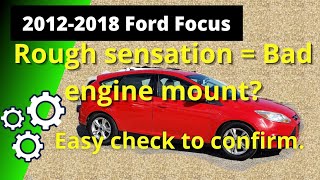
- Passenger Side Engine Mount Collapse 🟠 Medium — A very common issue causing severe vibration and roughness at idle and while driving. The rubber mount collapses, causing the engine bracket to rest on the frame.
- Canister Purge Valve (CPV) Malfunction 🔴 High — Widespread issue affecting all 2012-2018 models with the 2.0L engine, causing stalling, rough idle, and potential fuel tank deformation. (Ref: Ford Recall 18S32 / NHTSA 18V-735.)
Used vs. New Parts: Buying Guide for This Vehicle
When a used part is the smart pick: For this repair, a used part is generally not recommended. GDI injectors are precision components, and the labor to access them (removing the intake manifold) is significant. The risk of installing a used injector with unknown history and having it fail shortly after outweighs the cost savings.
Donor-vehicle mileage cap: roughly under 60000 miles for the part to have meaningful remaining life.
What to inspect on the donor part:
- Ensure the donor vehicle was not in a major front-end collision.
- Ask for the VIN to check for any reported issues or flood damage.
- Inspect the electrical connector for any signs of corrosion, melting, or damage.
- Check the injector tip for any signs of carbon buildup or physical damage.
OEM-only on this vehicle (don't cheap out):
- While not strictly OEM-only, using a new Motorcraft (OEM) or reputable OEM-supplier (like Bosch) fuel injector is highly advised to ensure longevity and avoid repeat labor.
Aftermarket brands forum-validated for this vehicle:
- Motorcraft (OEM)
- Bosch
Brands owners have reported issues with on this vehicle:
- Unnamed, no-brand injectors from online marketplaces should be avoided due to inconsistent quality control and high failure rates.
Real Owner Stories
Aggregated from forums and TSBs cited above. Mileages and costs reflect what owners reported in those sources.
Ford Focus 2.0L GDI
Symptoms: The owner experienced a P0203 code after driving through flood water. A garage previously replaced the coil pack and injector rail, but the issue persisted.
What fixed it: The repair required investigating the wiring circuit itself rather than just replacing fuel system components, as the water damage suggested a circuit fault.
Source hint: Ford Owners Club - fordownersclub.com/forums/topic/147521-error-code-p0203-cylinder-3-injector-circuit-malfunction/
Ford Escape Owner Report
Symptoms: An owner reported a misfire on cylinder 3 with code P0203 at 75,000 miles. Additionally, an overheat warning light would intermittently illuminate while driving.
Source hint: NHTSA ODI #11351494
Ford Fusion Owner Report
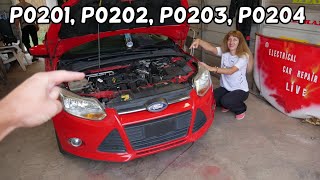
Symptoms: A driver reported that their vehicle lost power and they had to pull over immediately. Diagnostic codes P0010, P0201, P0202, P0203, and P0204 were pulled. The dealer checked electrical connections and reassembled the components.
Source hint: NHTSA ODI #10405277
Related OBD-II Codes
Frequently Asked Questions
Could the stalling and rough idle on my 2012-2018 Ford Focus be caused by something other than a bad injector?
I have a P0203 code; where is the cylinder 3 injector located on the 2.0L GDI engine?
What is the correct resistance for a fuel injector on a 2012-2018 Ford Focus 2.0L?
Does TSB ASI-44460 apply to my P0203 injector circuit code?
Is there a specific wiring issue I should look for on my Focus regarding the injector harness?
If I need to replace one injector, should I replace all of them?
Helpful Videos


Used OEM Parts in Stock
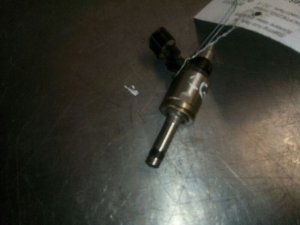
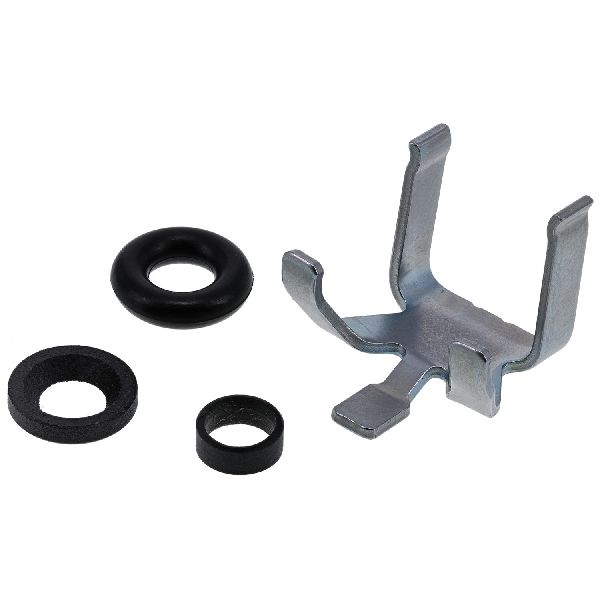
New Aftermarket Parts Available


The information in this article is provided for general reference and educational purposes only. Vehicle specifications, procedures, and part compatibility can vary by production date, trim level, and region. Always consult your vehicle's factory service manual and verify part numbers before purchasing or performing repairs. Safety-critical components such as airbags, seat belts, and braking systems should be installed by a qualified professional.
- Ford Focus:
- 🧭 Diagnostic Flowchart
- 🎬 Helpful Videos
- 🛍️ Shop This Part
- What's Unique About the 2012-2018 Ford Focus
- Symptoms You May Notice
- Most Likely Causes
- Diagnosis Steps
- Parts You'll Likely Need
- Related Codes That Often Appear With This One
- Technical Service Bulletins (TSBs) & Recalls
- Platform-Specific Known Issues
- Mechanic-Grade Diagnostic Values
- Scan Tool Commands That Help
- Wiring & Ground Locations
- "I Checked Everything" — The Actual Cause
- OEM Part Supersession History
- Model Year Variations Within This Range
- Other Known Issues on This Vehicle
- Used vs. New Parts: Buying Guide for This Vehicle
- Real Owner Stories
- Ford Focus 2.0L GDI
- Ford Escape Owner Report
- Ford Fusion Owner Report
- Related OBD-II Codes
- Frequently Asked Questions
- 🎟️ Get 5% Off