

P0203 on 2012-2016 Honda CR-V: Injector Circuit Malfunction Cylinder 3 Causes and Fixes
P0203 on a 2012-2016 Honda CR-V indicates an electrical fault with the cylinder 3 fuel injector. The most common cause is a failed fuel injector. Swapping the injector with an adjacent one is the best way to confirm. Ensure you buy the correct part, as injectors differ between 2012-2014 (port injection) and 2015-2016 (direct injection) models. Wiring damage from rodents is also a notable possibility.
- P0203 points specifically to an electrical issue in the cylinder 3 injector circuit, most often the injector itself or its wiring.
- It is critical to identify the correct engine (K24Z7 for 2012-14, K24W9 for 2015-16) before purchasing a replacement fuel injector, as they are not interchangeable.
- An injector swap is the most definitive and low-cost way to confirm a failed injector before spending money on parts.
- Always inspect the wiring harness for rodent damage, as the soy-based insulation is a known attractant for pests.
What's Unique About the 2012-2016 Honda CR-V
The 2012-2016 CR-V spans a critical mid-generation update. 2012-2014 models use a standard port fuel injection system (K24Z7 engine). In 2015, Honda introduced the direct-injected "Earth Dreams" engine (K24W9). This is crucial because the fuel injectors for these two systems are completely different parts, operate at different pressures, and are not interchangeable. Unlike the later 2017+ CR-V with the 1.5L Turbo which has a widely documented pattern of premature injector failure, this generation's P0203 code is more often a one-off component failure rather than a systemic design flaw.
Generation note: While this vehicle range is all the 4th generation CR-V, it includes a significant powertrain update. 2012-2014 models use the K24Z7 port-injected engine. 2015-2016 models use the K24W9 direct-injected engine. The fuel injectors are different and not interchangeable between these two versions.
Symptoms You May Notice
- Check Engine Light is on
- Rough or shaky idle
- Engine misfire, which may feel like a shudder or stumble
- Hesitation or lack of power during acceleration
- Reduced fuel economy
- Engine may be difficult to start
- Replacing the spark plug or ignition coil for cylinder 3. While these can cause a misfire (P0303), the P0203 code specifically points to an electrical fault in the fuel injector circuit, not the ignition system.
Most Likely Causes
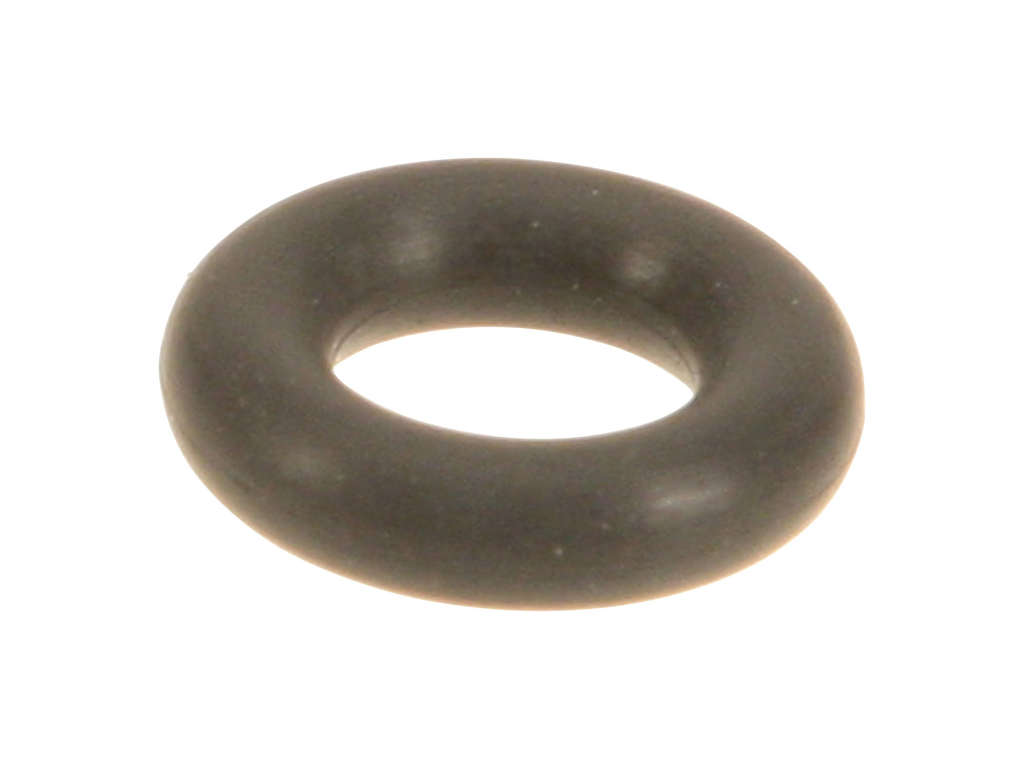
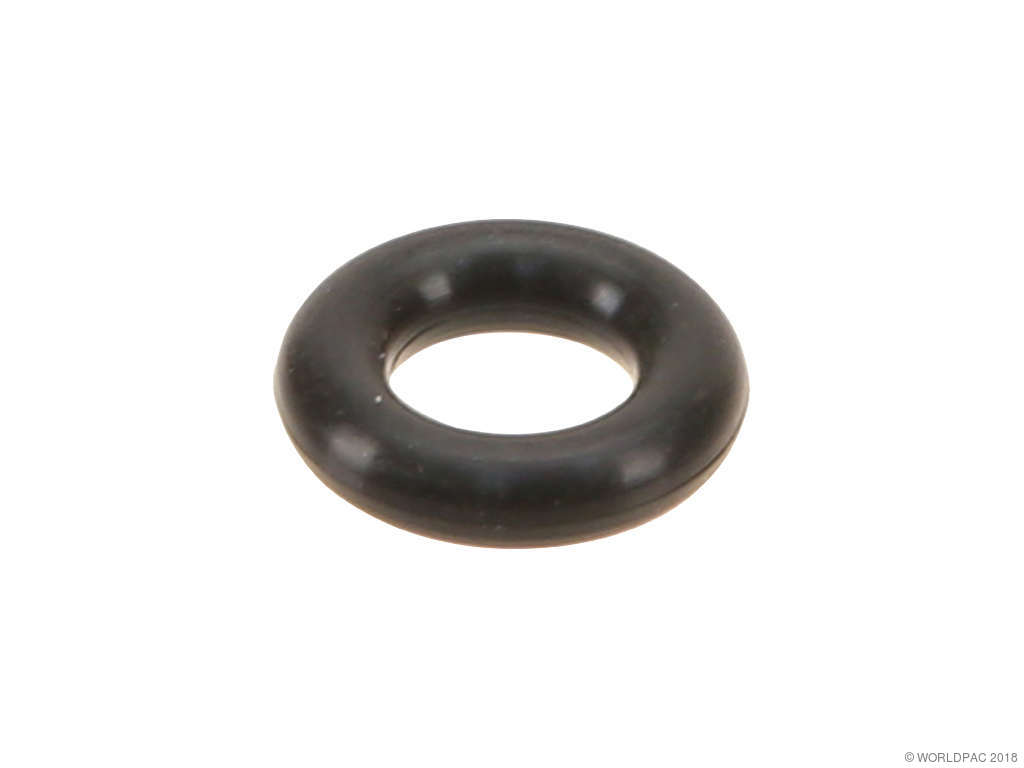
- Failed Cylinder 3 Fuel Injector 🔴 High Probability → Shop Fuel Injector
How to confirm: Swap the cylinder 3 fuel injector with one from another cylinder (e.g., cylinder 2). Clear the codes and drive the vehicle. If the code changes to P0202 (for cylinder 2), the injector is confirmed bad. Alternatively, use a multimeter to check the injector's internal resistance. A healthy port injector (2012-2014) should measure between 10-13 ohms. A healthy direct injector (2015-2016) has a much lower resistance, typically 1.5-2.5 ohms. If the reading is outside the specified range, the injector has failed internally.
Typical fix: Replace the faulty fuel injector. It is often recommended to replace all four injectors at the same time on higher mileage vehicles for preventative maintenance, but it is not required.
Est. part cost: $60-$150 per injector - Wiring Harness or Connector Issue 🟡 Medium Probability Honda, like many manufacturers, uses soy-based wiring insulation which can attract rodents. Chewed wires are a known cause of electrical faults on this platform. Damage often occurs near the injector connector itself.
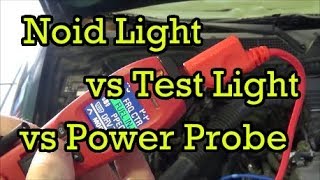
How to confirm: Visually inspect the wiring harness and connector going to the cylinder 3 fuel injector for any signs of damage, corrosion, loose pins, or chew marks. Use a noid light to verify that the connector is receiving a pulse signal from the PCM. If there is no pulse, check for power (battery voltage) on the common power wire (often Yellow/Black on Hondas) and check for a pulsing ground on the control wire with a multimeter or logic probe.
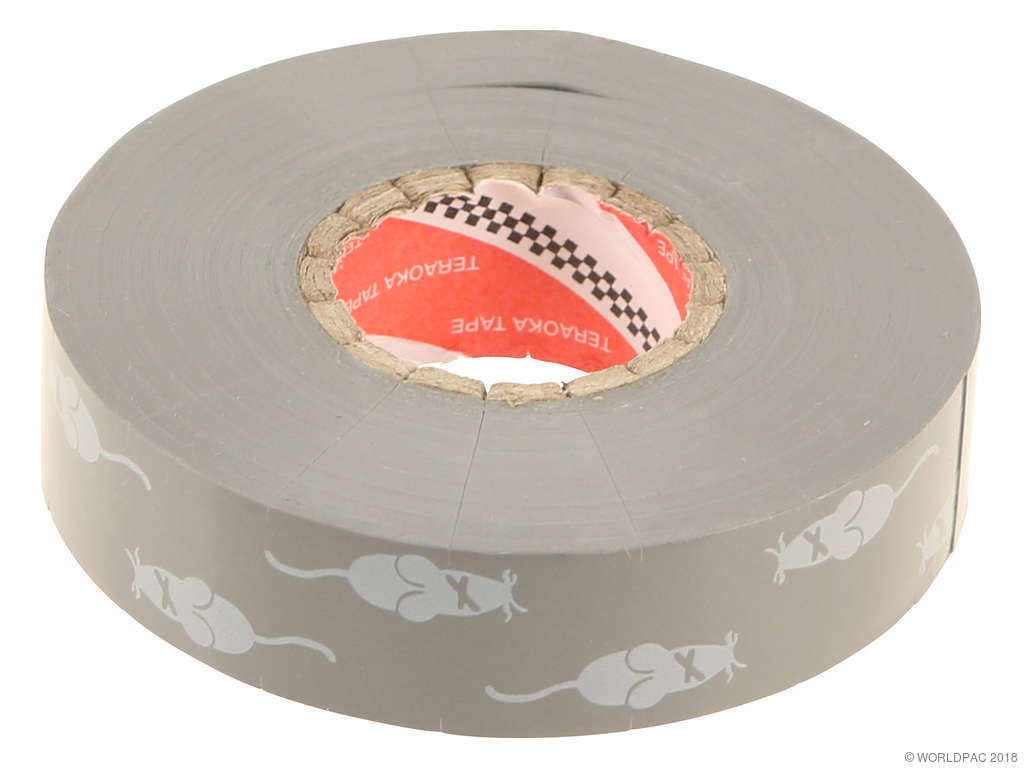
Typical fix: Repair the damaged section of wire or replace the connector pigtail. If rodent damage is found, it is highly recommended to wrap the repaired harness and adjacent harnesses with Honda's anti-rodent tape (Part No. 4019-2317) to prevent recurrence.
Est. part cost: $10-$30 for a connector pigtail or a roll of rodent-deterrent tape - Faulty Powertrain Control Module (PCM) ⚪ Low Probability → Shop Engine Control Module (ECM) The internal injector driver circuit within the PCM can fail from repetitive high voltage spikes that occur when the injector's magnetic field collapses. While not extremely common, it is a known failure mode on some Honda ECUs.
How to confirm: This should be the last resort after absolutely confirming the injector and wiring are good. This requires advanced diagnostics, typically by a professional, to verify the injector driver circuit within the PCM has failed. This is confirmed by checking for a ground pulse signal directly at the PCM pin for injector 3. If there is no signal at the pin, the PCM driver is likely faulty.
Typical fix: The PCM must be replaced and programmed by a dealer or a specialized repair shop. Alternatively, ECU repair services can often fix the failed injector driver circuit on the original board.
Est. part cost: $200-$400 for a repair service, or $500-$1000+ for a replacement PCM
Diagnosis Steps
- Scan for codes: Use an OBD-II scanner to confirm P0203 and check for any other related codes like P0303.
- Visual Inspection: Inspect the wiring and connector for the cylinder 3 fuel injector. Look for any obvious signs of damage, melting, corrosion, or rodent chew marks.
- Perform Injector Swap Test: Label and swap the fuel injector from cylinder 3 with the injector from cylinder 2.
- Verify Failure: Clear the codes with the scanner, start the engine, and let it run. Re-scan for codes. If P0202 appears, the fuel injector is faulty and needs replacement. If P0203 returns, the injector is good, and the problem is in the wiring or PCM.
- Test the Circuit (if P0203 returns): Use a 'noid light' to test the connector for cylinder 3. The light should flash when the engine is running, indicating the PCM is sending a signal.
- Check for Power: If the noid light doesn't flash, use a multimeter to check for battery voltage at one of the pins on the injector connector (with the key on). If there is no voltage, there is an open in the power supply wire from the PGM-FI main relay.
- Check Wiring Continuity: If power is present but the noid light doesn't flash, the issue is likely in the ground-side control wire running back to the PCM. Perform a continuity test on this wire between the injector connector and the PCM connector.
- Suspect PCM: If the injector, power supply, and control wire are all confirmed to be good, the final possibility is a failed injector driver in the PCM.
Parts You'll Likely Need
- Fuel Injector (2012-2014 Port Injection)
(OEM #16450-R5A-A01)— This is the most common cause of a P0203 code. This part is for the K24Z7 engine with port fuel injection. Note: 16450-R5A-J01 may also be applicable depending on vehicle origin.
Trusted brands: Honda (Genuine), Beck/Arnley, Standard Motor Products, Denso
OEM price range: $120-$180
Aftermarket price range: $60-$120 - Fuel Injector (2015-2016 Direct Injection)
(OEM #16450-5LA-A01)— This is the most common cause of a P0203 code. This part is for the K24W9 'Earth Dreams' engine with direct injection and is different from the earlier models.
Trusted brands: Honda (Genuine), Bosch, GB Remanufacturing
OEM price range: $95-$160
Aftermarket price range: $70-$120 - Rodent Deterrent Electrical Tape
(OEM #4019-2317)— If wiring damage is caused by rodents, this capsaicin-infused tape should be used to wrap the repaired harness to prevent future damage.
Trusted brands: Honda (Genuine)
OEM price range: $15-$25
Related Codes That Often Appear With This One
- P0303 — P0303 means 'Cylinder 3 Misfire Detected'. The injector circuit malfunction (P0203) prevents proper fueling of cylinder 3, which directly causes it to misfire.
- P0300 — This code means 'Random/Multiple Cylinder Misfire'. If the wiring issue is intermittent or affects a harness shared by other injectors, it could cause misfires on other cylinders as well.
Technical Service Bulletins (TSBs) & Recalls
- Honda TSB 15-046: Addresses engine and transmission vibration on 2015 models. While not directly for P0203, it's a key document for the platform.
- Honda TSBs 09-010 & 16-012: Address the common VTC actuator rattle on cold starts, a major known issue for the K24 engine in this vehicle.
Platform-Specific Known Issues
- Rodent Damage to Wiring Harness: The soy-based insulation used in the wiring harnesses of this CR-V generation can attract rodents, which may chew through the wires leading to the fuel injectors. This can cause an open or short circuit, triggering a P0203 code. A visual inspection for chew marks on the harness is a critical diagnostic step.
Mechanic-Grade Diagnostic Values
- Fuel Injector Internal Resistance (2012-2014 Port Injection K24Z7) — expected: 10 - 13 Ohms. Failure: A reading significantly outside this range, or showing an open loop (OL) or short (near 0 Ohms), indicates a failed injector.
- Fuel Injector Internal Resistance (2015-2016 Direct Injection K24W9) — expected: 1.5 - 2.5 Ohms. Failure: A reading outside this narrow range indicates a failed direct injector. These have much lower resistance than port injectors.
- Injector Circuit Voltage (Key On, Engine Off) — expected: Battery Voltage (approx. 12.6V) at the power feed wire of the injector connector.. Failure: No voltage indicates an open circuit in the power supply from the PGM-FI main relay or a blown fuse.
- Injector Pulse Width (Live Scan Data, Warm Idle) — expected: ~1-5 milliseconds (ms). Failure: A value of 0 ms on cylinder 3 indicates the PCM is not commanding the injector. A value significantly different from other cylinders suggests a problem with that cylinder or injector.
Scan Tool Commands That Help
- Honda Diagnostic System (HDS): INJECTOR TEST (in PGM-FI Inspection Menu) — This is a bidirectional control that allows a technician to individually disable each fuel injector. When cylinder 3 is commanded off, if there is no change in engine RPM (while disabling other cylinders does cause an RPM drop), it confirms the fault is isolated to the cylinder 3 injector or its circuit. This is a definitive software-based test before swapping physical parts.
- Professional Scan Tool (Autel, Snap-on, etc.): Power Balance Test — This function works similarly to the HDS INJECTOR TEST, allowing for the deactivation of individual cylinders to pinpoint a non-contributing cylinder. It's a common way to confirm a misfire location without a proprietary dealer tool.
Wiring & Ground Locations
- G101 — On the left side of the engine compartment, typically on or near the transmission housing or cylinder head.. This is a primary engine and PCM ground point. Corrosion or a loose connection at this ground can cause a variety of erratic electrical issues, including intermittent injector circuit faults. A poor ground can create a voltage drop, affecting the PCM's ability to properly control the injector.
- Injector Power Wire — In the harness going to all four fuel injectors.. On many Hondas of this era, the power wire shared by all injectors is a Yellow wire with a Black stripe (YEL/BLK). Knowing this color helps quickly identify the power feed side of the connector for voltage testing, versus the unique color wire which is the control (ground pulse) from the PCM.
- PGM-FI Main Relay — Typically located in the under-dash fuse/relay box on the driver's or passenger's side.. This relay supplies power to the fuel injectors and the PCM. While a complete failure usually results in a no-start condition, failing solder joints inside the relay can cause intermittent power loss to the injector circuit, especially when the cabin is hot.
OEM Part Supersession History
16450-R5A-A01→N/A— This is the primary part number for the 2012-2014 port-injected K24Z7 engine.
Heads up: A secondary part number, 16450-R5A-J01, also exists. Parts catalogs note to 'Order By Country Of Origin,' suggesting a regional variation. They are likely interchangeable but verifying with a VIN is recommended.
Model Year Variations Within This Range
- 2012-2014: Uses the K24Z7 engine with high-impedance port fuel injectors (10-13 Ohms). Part number is typically 16450-R5A-A01.
- 2015-2016: Uses the K24W9 'Earth Dreams' engine with low-impedance direct injection injectors (1.5-2.5 Ohms). Part number is 16450-5LA-A01. These injectors and diagnostic values are not interchangeable with the earlier models.
Diagnostic Flowchart
Other Known Issues on This Vehicle
Issues unrelated to this code that are worth knowing about as an owner of this generation:
- VTC Actuator Rattle on Cold Start 🟠 Medium — Very common, especially on 2012-2014 models. A loud, metallic grinding or rattling noise for 1-2 seconds after a cold start. (Ref: Honda TSBs 09-010 and 16-012 address this issue. The only permanent fix is replacing the VTC actuator with an updated part (e.g., 14310-R5A-305).)
- Engine Vibration (2015-2016 Models) 🟡 Low — Widespread enough to cause a class-action lawsuit. A noticeable vibration or buzzing felt in the driver's seat at idle, during low-speed acceleration (1000-1200 RPM), or at highway speeds (40-50 MPH). (Ref: Honda TSB 15-046 provides a multi-mode repair procedure involving new radiator cushions, transmission mounts, and a PCM software update.)
- Failing Starter Motor 🟠 Medium — Common failure item. Symptoms include a single click with no crank, intermittent starting, or grinding noises.
- Harsh 1-2 Shift (2012-2014 5-Speed Automatic) 🟡 Low — Frequently reported. Often caused by degraded transmission fluid.
- Rodent Damage to Soy-Based Wiring 🟠 Medium — A known issue across many modern Honda vehicles. Rodents are attracted to the soy-based insulation on wiring harnesses, leading to chewed wires and various electrical faults, including a potential P0203 code. (Ref: Honda offers a specific capsaicin-infused electrical tape (Part No. 4019-2317) to deter rodents.)
Used vs. New Parts: Buying Guide for This Vehicle
When a used part is the smart pick: A used fuel injector from a reputable salvage yard is a reasonable choice for this repair, especially for the port-injected (2012-2014) models. Since this generation does not have a widespread pattern of injector failure, a used part from a lower-mileage donor vehicle is likely to have significant life remaining and offers substantial cost savings.
Donor-vehicle mileage cap: roughly under 100000 miles for the part to have meaningful remaining life.
What to inspect on the donor part:
- Check the donor vehicle's mileage; aim for under 100k miles if possible.
- Inspect the electrical connector pins on the injector for any corrosion or damage.
- Look at the injector tip for excessive carbon buildup or physical damage.
- If possible, ask the salvage yard to test the resistance of the injector with a multimeter before purchase to ensure it's within spec (10-13 Ohms for port, 1.5-2.5 Ohms for direct).
OEM-only on this vehicle (don't cheap out):
- Powertrain Control Module (PCM) - Due to the need for vehicle-specific programming (immobilizer matching), a new or professionally repaired/cloned OEM unit is required. A used PCM from another vehicle will not be plug-and-play.
Aftermarket brands forum-validated for this vehicle:
- Denso (often the original OEM supplier)
- Bosch
- Standard Motor Products (SMP)
- Beck/Arnley
Brands owners have reported issues with on this vehicle:
- No-name, unbranded injectors from online marketplaces should be avoided. They often have poor quality control, incorrect flow rates, and high failure rates, leading to repeated repairs.
Real Owner Stories
Aggregated from forums and TSBs cited above. Mileages and costs reflect what owners reported in those sources.
2014 Honda CR-V 2.4L
Symptoms: The owner experienced electrical problems and discovered the wiring harness had been damaged by pests.
What fixed it: Repaired the damaged section of the wiring harness and used peppermint oil and Honda's pepper-infused tape as deterrents.
Source hint: reddit.com/r/MechanicAdvice & r/crv
2012 Honda CR-V 2.4L — ~120000 miles
Symptoms: Check engine light for P020x codes; general engine performance issues.
What fixed it: Replacing the specific faulty fuel injector or fixing the wiring harness.
Source hint: crvownersclub.com
Related OBD-II Codes
Frequently Asked Questions
Does Honda TSB 15-046 relate to my P0203 injector code on a 2015 CR-V?
Why is my 2012-2016 CR-V prone to wiring damage that causes P0203?
What is the correct resistance for a replacement fuel injector on my 2013 CR-V?
Is there a specific part recommended to prevent rodents from chewing my injector wires again?
Can the VTC actuator rattle mentioned in TSB 09-010 cause a P0203 code?
Should I replace all four injectors if only the cylinder 3 injector is bad?
Helpful Videos

We Have This Part in Stock

The information in this article is provided for general reference and educational purposes only. Vehicle specifications, procedures, and part compatibility can vary by production date, trim level, and region. Always consult your vehicle's factory service manual and verify part numbers before purchasing or performing repairs. Safety-critical components such as airbags, seat belts, and braking systems should be installed by a qualified professional.
- Honda CR-V:
- 🧭 Diagnostic Flowchart
- 🎬 Helpful Videos
- 🛍️ Shop This Part
- What's Unique About the 2012-2016 Honda CR-V
- Symptoms You May Notice
- Most Likely Causes
- Diagnosis Steps
- Parts You'll Likely Need
- Related Codes That Often Appear With This One
- Technical Service Bulletins (TSBs) & Recalls
- Platform-Specific Known Issues
- Mechanic-Grade Diagnostic Values
- Scan Tool Commands That Help
- Wiring & Ground Locations
- OEM Part Supersession History
- Model Year Variations Within This Range
- Other Known Issues on This Vehicle
- Used vs. New Parts: Buying Guide for This Vehicle
- Real Owner Stories
- 2014 Honda CR-V 2.4L
- 2012 Honda CR-V 2.4L — ~120000 miles
- Related OBD-II Codes
- Frequently Asked Questions
- 🎟️ Get 5% Off