

P0204 on 2009-2011 Cadillac STS: Injector Circuit Malfunction Causes & Fixes
This code indicates an electrical fault in the cylinder 4 fuel injector circuit. The most common causes are a failed fuel injector or a wiring problem, particularly chafing. Expect to pay around $40 for a new injector and diagnose it by checking the wiring and swapping injectors between cylinders. Cylinder 4 is the middle cylinder on the driver's side.
- P0204 points to an electrical problem with the cylinder 4 injector, not necessarily the injector itself.
- A simple 'noid light' test can quickly tell you if the problem is in the wiring or the injector.
- The easiest way to confirm a bad injector is to swap it with another cylinder and see if the trouble code follows the injector.
- Before replacing an expensive PCM, thoroughly check the wiring harness for damage at specific chafe points identified in GM TSB #PIP4924D.
- This code is often paired with a P0304 misfire code, which is a direct symptom of the injector circuit failure.
What's Unique About the 2009-2011 Cadillac STS
For the 2009-2011 Cadillac STS with the 3.6L V6 LLT engine, a P0204 code is a specific electrical fault. While the injector itself can fail, GM has issued Technical Service Bulletin #PIP4924D which explicitly covers this vehicle and code, pointing to the wiring harness as a major weak point. The bulletin warns technicians to inspect for wires rubbing through their insulation (chafing) against the intake plenum, valve cover bolts, fuel lines, and the side of the cylinder head. This makes a thorough harness inspection critical before replacing parts. For diagnosis, it is essential to know that Cylinder 4 is the middle cylinder on the driver's side of the engine.
Diagnostic Flowchart
Tap your situation to follow the diagnostic path that matches what you're seeing on this vehicle.
Symptoms You May Notice
- Check Engine Light (CEL) is on
- Engine misfire or rough idle
- Hesitation or stumbling during acceleration
- Reduced engine power
- Poor fuel economy
- A smell of raw fuel from the exhaust
- Replacing the spark plug or ignition coil for cylinder 4 without diagnosing the fuel system first. A P0204 code is specifically an electrical fault in the injector circuit, not a general misfire code like P0304 (though they often appear together).
Most Likely Causes
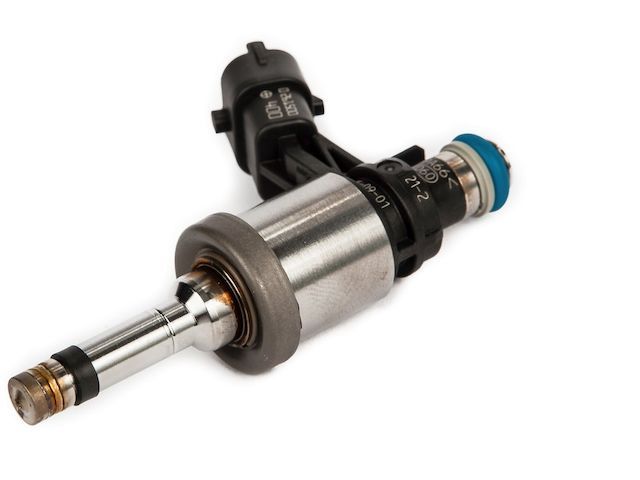
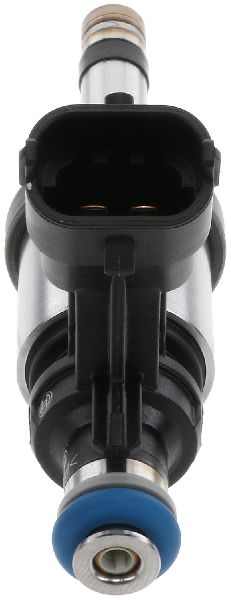
- Faulty Fuel Injector (Cylinder 4) 🔴 High Probability → Shop Fuel Injector The direct injection (DI) fuel injectors on the LLT engine operate under high pressure and can fail electrically over time.
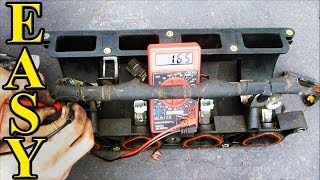
How to confirm: Swap the cylinder 4 fuel injector with another cylinder (e.g., cylinder 2). Clear the codes and run the engine. If the code changes to P0202, the injector is faulty. Alternatively, test the injector's internal resistance with a multimeter; it should be within the manufacturer's specified range (typically 1.5-2.5 ohms for GM GDI injectors, but verify with a service manual). 🎬 See this deep dive into GM 3.6L injector circuit testing
Typical fix: Replace the faulty fuel injector and its seals.
Est. part cost: $35-$60 - Wiring or Connector Issue 🔴 High Probability GM TSB #PIP4924D specifically identifies wiring harness chafing as a common cause for P020x codes on this engine. The harness is routed in tight spaces and can rub against engine components due to heat and vibration.
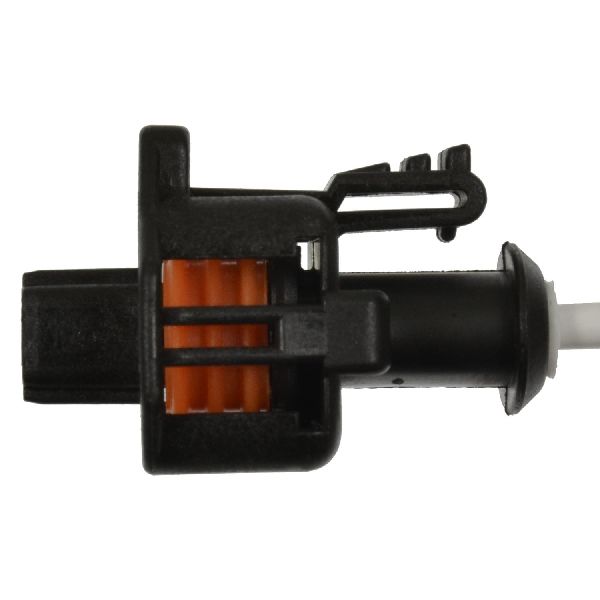
How to confirm: Visually inspect the wiring harness and connector for cylinder 4's injector. Pay close attention to areas where the harness touches the intake plenum, valve cover bolts, fuel lines, and the side of the cylinder head. Use a noid light to confirm the PCM is sending a pulse signal to the injector connector. Wiggle the harness while the engine is running to see if it induces a misfire, as reported by some owners.
Typical fix: Repair the damaged wiring by soldering and heat-shrinking, or replace the connector pigtail if the damage is at the connector.
Est. part cost: $10-$30
Rare But Worth Checking
- Powertrain Control Module (PCM) Failure: → Shop Engine Control Module (ECM) This is the least likely cause. The PCM's internal driver for the injector circuit can fail, but all other possibilities must be exhausted first. In one owner forum, a user with a persistent P0204 who had already replaced the injector and connector was advised that a wiring or PCM fault was the next logical step, especially with intermittent symptoms that change after restarting the car. This is an expensive last resort.
Diagnosis Steps
- Read the trouble codes with an OBD-II scanner to confirm P0204 is present.
- Check for any other codes, especially P0304 (Cylinder 4 Misfire).
- Identify Cylinder 4: On the 3.6L V6 engine in the STS, the engine is mounted longitudinally (front to back). Bank 1 (odd numbers) is the passenger side, and Bank 2 (even numbers) is the driver's side. The cylinders are numbered 2-4-6 from front to back on the driver's side. Cylinder 4 is the middle cylinder on the driver's side.
- Visually inspect the fuel injector on cylinder 4 and its electrical connector. Look for broken clips, corrosion, or damaged wires.
- Perform a detailed harness inspection as per TSB #PIP4924D: check for chafing against the intake plenum, valve cover bolts, fuel lines, and the side of the cylinder head.
- Disconnect the injector and plug in a "noid light." Start the engine; the light should flash rapidly, indicating the PCM is sending a signal. If it doesn't flash, is dim, or stays on continuously, there is a wiring or PCM issue.
- If the noid light flashes correctly, the problem is likely the injector itself. To confirm, swap the cylinder 4 injector with an adjacent one on the same bank (like cylinder 2 or 6).
- Clear the codes and run the engine. If the code returns as P0202 or P0206, the fuel injector is confirmed to be faulty.
- If the code remains P0204 after the swap, the issue is definitively in the wiring harness or connector leading to the cylinder 4 position.
- If wiring is confirmed to be good and the noid light test failed, the final step would be to test the injector driver circuit at the PCM, which may point to a faulty PCM.
Parts You'll Likely Need
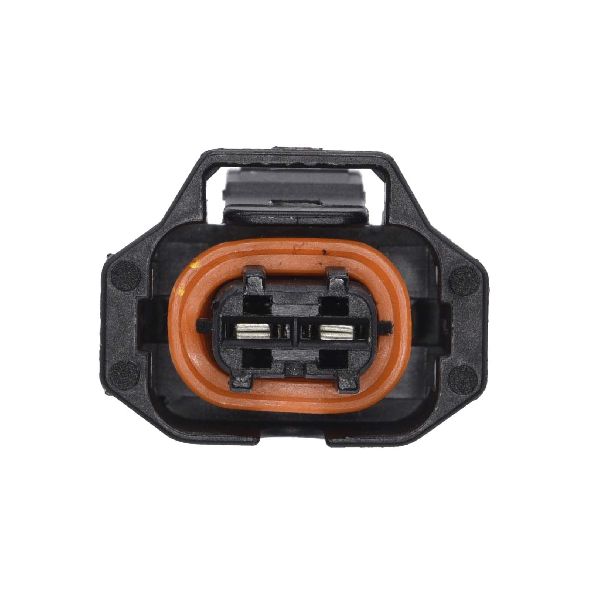
- Fuel Injector
(OEM #GM: 12638530 / ACDelco: 217-3445)— This is the most common part to fail internally, causing the electrical fault detected by the PCM. The GM number is the original equipment, while 217-3445 is a common service part number.
Trusted brands: ACDelco (OEM), Bosch
OEM price range: $40-$60
Aftermarket price range: $35-$50
Related Codes That Often Appear With This One
- P0304 — P0304 means "Cylinder 4 Misfire Detected." Since a faulty injector circuit (P0204) prevents proper fueling for that cylinder, it will almost always cause a misfire, which the PCM detects via crankshaft speed variations.
Technical Service Bulletins (TSBs) & Recalls
- Bulletin #PIP4924D: SES Light And Misfire With Injector Codes... P0201, P0202, P0203, P0204... Carefully inspect the fuel injector wiring harness for rub through or internal wire opens.
Platform-Specific Known Issues
- A Technical Service Bulletin for GM vehicles (Bulletin #PIP4924D) mentions that various injector circuit codes, including P0204, can be triggered by wiring issues. It advises technicians to inspect for potential shorts or opens in the harness, specifically looking for chafing against the intake plenum, valve cover bolts, fuel lines, and the side of the cylinder head.
Mechanic-Grade Diagnostic Values
- Fuel Injector Coil Resistance (Direct Injection) — expected: 1.5 to 2.5 ohms is a general specification for GM GDI injectors. Readings should be consistent across all injectors.. Failure: A reading near zero ohms indicates a shorted injector. A significantly higher or infinite reading indicates an open circuit within the injector.
- Injector Circuit Voltage (Key On, Engine Off) — expected: Approximately 12V (battery voltage) should be present at the power feed wire of the injector connector.. Failure: Voltage significantly below battery voltage suggests excessive resistance in the power supply or ground circuit.
- Injector Control Signal (Oscilloscope) — expected: The ECM grounds the control circuit to activate the injector, creating a pulse. The waveform should show a sharp drop from battery voltage to near 0V and then a return to battery voltage.. Failure: An absent pulse, a weak pulse (not reaching near 0V), or a signal that is always grounded indicates a wiring or ECM driver issue.
Scan Tool Commands That Help
- GM GDS2: Fuel Injector Balance Test — This automated test disables each injector one by one and measures the corresponding drop (or rise) in fuel rail pressure. It can help identify a weak or clogged injector that may not have a hard electrical fault but is causing performance issues. The results for each cylinder should be very similar.
- GM GDS2 / Tech2: Injector Control — This bidirectional control allows a technician to command a specific injector on or off while the engine is running to confirm if the ECM driver and wiring are capable of controlling the injector. This helps isolate the fault between the injector itself and the control side of the circuit.
Wiring & Ground Locations
- G105 / G106 — Located on the front frame cross rail, under the crank pulley area. G105 is often a primary engine-to-chassis ground, while G106 can be a primary ground for the ECM and its sensors.. The ECM and its injector drivers rely on a clean, solid ground path. A corroded or loose connection at these primary ground points can cause erratic ECM behavior, voltage drops, and intermittent faults in sensor and actuator circuits, including the injector circuits.
- ECM Connector X2 — The Engine Control Module (ECM) is located on the left front frame rail, below the left headlamp assembly. Connector X2 is one of the main connectors to the ECM.. The control signal for the cylinder 4 fuel injector originates from the ECM. A wiring diagram for a similar GM engine shows the 'Fuel Inj 4 ctrl' wire is located in this connector. Testing for a signal directly at the ECM pin can definitively rule in or out a faulty ECM driver versus a wiring problem in the harness.
OEM Part Supersession History
12638530→12669384— This is a common revision for this GM fuel injector part number.
Heads up: The parts are generally interchangeable, but it is best practice to replace injectors in sets or at least with the same part number on a given bank to ensure consistent flow rates.
Helpful Videos
We Have This Part in Stock


The information in this article is provided for general reference and educational purposes only. Vehicle specifications, procedures, and part compatibility can vary by production date, trim level, and region. Always consult your vehicle's factory service manual and verify part numbers before purchasing or performing repairs. Safety-critical components such as airbags, seat belts, and braking systems should be installed by a qualified professional.
- Cadillac STS:
- 🧭 Diagnostic Flowchart
- 🎬 Helpful Videos
- 🛍️ Shop This Part
- What's Unique About the 2009-2011 Cadillac STS
- Symptoms You May Notice
- Most Likely Causes
- Rare But Worth Checking
- Diagnosis Steps
- Parts You'll Likely Need
- Related Codes That Often Appear With This One
- Technical Service Bulletins (TSBs) & Recalls
- Platform-Specific Known Issues
- Mechanic-Grade Diagnostic Values
- Scan Tool Commands That Help
- Wiring & Ground Locations
- OEM Part Supersession History
- 🎟️ Get 5% Off