

P0204 on 2014-2020 Ram 3500 6.7L Cummins: Injector 4 Circuit/Open Causes and Fixes
P0204 on a 6.7L Cummins Ram indicates an electrical fault in the cylinder 4 fuel injector circuit. The most common causes are a failed #4 fuel injector or a problem with the injector wiring harness, which is known to become brittle from heat and vibration. Expect to pay $300-$600 for a new injector and potentially more if the harness needs replacement. Always test the harness before replacing the injector.
- P0204 is an electrical fault for the #4 injector, most commonly caused by a failed injector or the wiring harness under the valve cover.
- Always test the wiring and use a 'noid light' before condemning the expensive fuel injector. A simple injector swap to an adjacent cylinder is a definitive diagnostic step.
- For 2019-2020 models, be aware of the recalled CP4 high-pressure fuel pump. If you have multiple injector codes or a P0087 code, investigate for fuel system contamination before replacing any parts.
- When replacing a fuel injector on this engine, you must also replace the single-use fuel connector tube to prevent dangerous high-pressure leaks.
- The repair involves removing the valve cover and is moderately difficult, but manageable for an experienced DIYer.
What's Unique About the 2014-2020 Ram 3500
On the 6.7L Cummins engine in the 2014-2020 Ram 3500, the injector wiring harness is a particularly common failure point. This harness is integrated into the valve cover gasket, where it is constantly exposed to intense engine heat and vibration. Over time, the wiring can become brittle and crack, or the pass-through connectors on the valve cover can develop poor connections, leading to an open circuit and a P0204 code. The rear-most of the two external connectors on the driver's side valve cover serves cylinders 4, 5, and 6. While the injector itself can fail, the harness is a well-documented weak point that should be inspected carefully.
Diagnostic Flowchart
Tap your situation to follow the diagnostic path that matches what you're seeing on this vehicle.
Generation note: This range covers the end of the fourth generation (2014-2018) and the beginning of the fifth generation (2019-2020) Ram 3500. While the core cause (injector/wiring) is the same, 2019-2020 models with the CP4 high-pressure fuel pump are subject to a major safety recall (Y78 / NHTSA 21V880). A failing CP4 pump can send metal debris through the entire fuel system, causing multiple injector codes (including P0204) and catastrophic engine damage. The high-output (HO) version of the 6.7L Cummins, available in the 3500 with the Aisin transmission, has a lower compression ratio (16.2:1) compared to the standard output (19:1), which affects engine tuning but not the fundamental cause of this electrical code.
Symptoms You May Notice
- Check Engine Light is on
- Engine misfire or running rough, especially at idle
- Reduced engine power and acceleration
- Engine surge or stumble
- Poor fuel economy
- White smoke from exhaust, especially at idle
- Engine knocking or ticking noise
- Replacing the fuel injector without first thoroughly testing the wiring harness. The harness is a very common point of failure and is less expensive to fix.
- Replacing the PCM before exhausting all other diagnostic possibilities.
- Overtightening the injector terminal nuts during reassembly, which can damage the new injector's solenoid. The correct torque is only 8.8-13 in-lbs.
Most Likely Causes
- Faulty #4 Fuel Injector 🔴 High Probability → Shop Fuel Injector High pressure and heat cycles in the Cummins engine can lead to internal failure of the injector's solenoid coil over time. This is a common failure point leading to an open circuit.
How to confirm: Disconnect the injector and measure its resistance with a multimeter. It should be between 0 and 1 Ohm. A reading significantly higher, like 9.2 ohms as reported by one owner, indicates a bad solenoid. The most definitive test is to swap the #4 injector with an adjacent one (e.g., #3 or #5). If the code changes to P0203 or P0205, the injector is faulty.
Typical fix: Replace the #4 fuel injector and the high-pressure connector tube. The terminal nuts on the injector should be torqued very carefully to 8.8-13 in-lbs (0.7-1.1 ft-lbs) to avoid damaging the new injector.
Est. part cost: $300-$600 - Faulty Injector Wiring Harness / Connector 🔴 High Probability → Shop Engine Wiring Harness The wiring harness is located under the valve cover, where it is exposed to constant heat and vibration, causing insulation to become brittle and crack. The external pass-through connector for cylinders 4-6 (the rear connector on the driver's side) is a frequent culprit.
How to confirm: Visually inspect the wiring at the bank 2 (rear) valve cover pass-through connector. Check for continuity and resistance on the wires from the PCM to the injector connector. Resistance should be less than 10 Ohms for the entire circuit. A 'wiggle test' on the harness while the engine is running may trigger the fault or cause a change in the engine idle, pointing to a bad connection.
Typical fix: Replace the valve cover gasket which includes the integrated injector wiring harness. If the damage is to the external connector, a pigtail repair kit can be used.
Est. part cost: $75-$250 - Failed High-Pressure Fuel Pump (CP4) 🟡 Medium Probability 2019-2020 models were equipped with a Bosch CP4 high-pressure fuel pump that is known to fail prematurely and was subject to recall Y78 (NHTSA 21V880). The pump can disintegrate internally, sending metal shavings throughout the fuel system.
How to confirm: This typically sets multiple injector codes and a P0087 (Fuel Rail Pressure Too Low) code. The official diagnostic procedure involves removing the Fuel Quantity Solenoid (FQS) from the pump and inspecting it and its bore for metal debris. Finding 'glitter' in the fuel filter is also a definitive sign. This issue is covered by recall Y78 and detailed in TSB #18-099-22 REV. A.
Typical fix: If metal debris is found, the entire high-pressure fuel system must be replaced, including the pump, rails, lines, and all injectors. The recall remedy involves a dealer replacing the CP4 pump with a more robust CP3 model and updating software, free of charge.
Est. part cost: $2000-$10,000+
Rare But Worth Checking
- Powertrain Control Module (PCM) Failure: → Shop Engine Control Module (ECM) This is very rare. The PCM should only be considered the cause after all wiring and the injector itself have been thoroughly tested and proven to be good. It's uncommon for a single injector driver to fail, but not impossible.
Diagnosis Steps
- Read the DTCs with an OBD-II scanner to confirm P0204 is active.
- Perform a visual inspection of the cylinder 4 injector wiring and the bank 2 (rear) valve cover pass-through connector on the driver's side. Look for loose connections, chafed wires, or signs of melting.
- Disconnect the #4 injector connector. Use a 'noid light' to check for a pulse signal from the PCM while cranking the engine. If the light flashes, the PCM and wiring are likely good, and the injector is suspect.
- If the noid light does not flash, check the wiring. Use a multimeter to check for continuity between the PCM connector and the injector connector for both the high and low side driver circuits. Resistance should be less than 10 Ohms.
- Check the resistance of the fuel injector itself across its two terminals. It should measure between 0 and 1 Ohm. A high or infinite reading indicates a failed injector solenoid.
- If the injector and wiring test good, perform an injector swap. Move the #4 injector to an adjacent cylinder (like #5) and move the #5 injector to the #4 position. Clear the codes and run the engine. If the fault code changes to P0205, the injector is confirmed to be bad.
- For 2019-2020 models, especially if other injector codes or P0087 are present, inspect the fuel system for metal shavings by checking the fuel filter and fuel quantity solenoid to rule out CP4 pump failure.
Parts You'll Likely Need
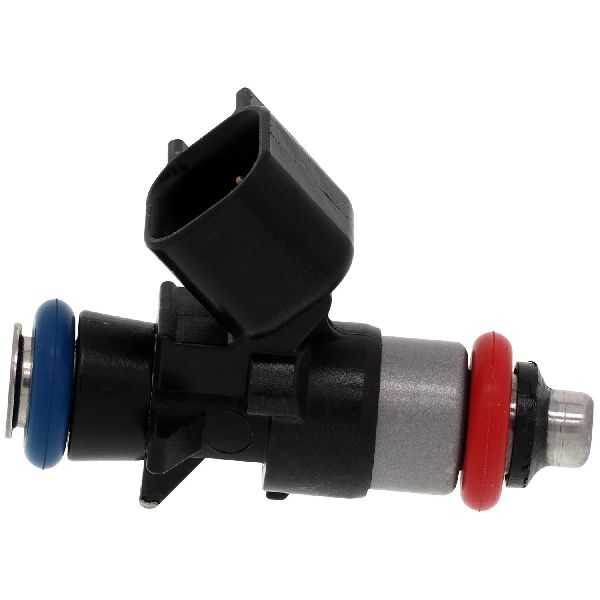
- Fuel Injector
(OEM #Mopar: R8310749AA (Reman), 68568033AA (New); Bosch: 0986435573, 0445120187, 0445124047 (Standard Output, 2019+), 0445124039 (High Output, 2019+))— Internal failure of the injector's solenoid is a high-probability cause for an open circuit fault.
Trusted brands: Bosch, Mopar
OEM price range: $450-$600
Aftermarket price range: $300-$450 - Valve Cover Gasket with Injector Harness
(OEM #Mopar: 5148037AM (supersedes multiple previous versions); Cummins: 5367847)— The wiring harness integrated into the gasket is a known weak point that degrades from heat, causing an open or short in the injector circuit.
Trusted brands: Mopar, Cummins
OEM price range: $150-$250
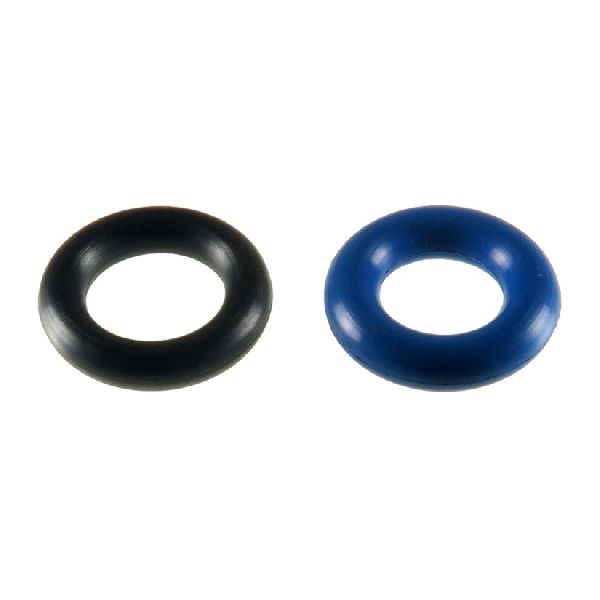
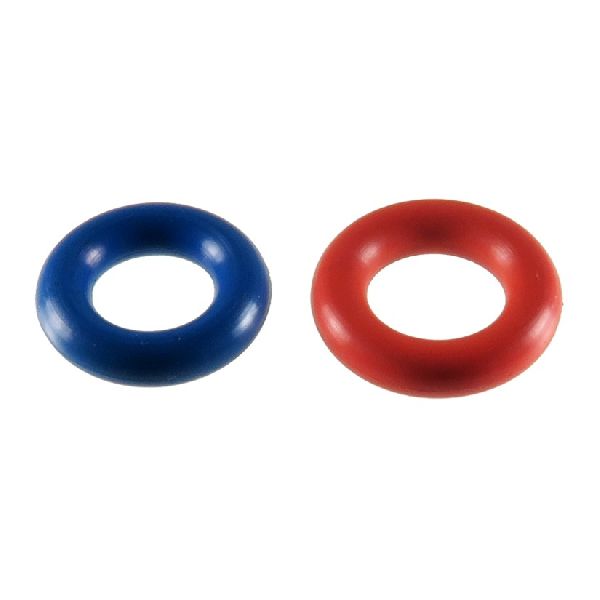
Aftermarket price range: $75-$150 - Fuel Injector Connector Tube
(OEM #Mopar: 6800533AA; Cummins: 2872288)— This is a one-time use part that should always be replaced when an injector is changed to prevent high-pressure fuel leaks.
Trusted brands: Bosch, Mopar, Cummins
OEM price range: $25-$40
Aftermarket price range: $15-$30
Related Codes That Often Appear With This One
- P0304 — This code means 'Cylinder 4 Misfire Detected.' A P0204 fault will prevent the injector from firing, directly causing a misfire.
- P0205, P0206 — Injectors 4, 5, and 6 are on the same bank (Bank 2) and share a common external connector and internal harness. A wiring issue at the main pass-through connector or a systemic problem like a CP4 pump failure can affect all injectors on that bank.
- P2149 — This code indicates 'Fuel Injector Group B Supply Voltage Circuit/Open'. On a 6.7L Cummins, Group B includes cylinders 4, 5, and 6. This points to a problem common to that entire bank of injectors, often the wiring harness or its connector.
- P0087 — On 2019-2020 models, this code for low fuel rail pressure often accompanies injector codes when the CP4 high-pressure fuel pump is failing and contaminating the system.
Technical Service Bulletins (TSBs) & Recalls
- 18-099-22 REV. A
- 18-099-22
- 18-053-14
Platform-Specific Known Issues
- The provided NHTSA Technical Service Bulletin #18-099-22 REV. A lists 'P0204-00 - Fuel Injector 4 Circuit/Open' as a possible diagnostic trouble code related to fuel system contamination from a failed high-pressure pump on 2019-2020 models.
- A safety recall (Y78 / NHTSA 21V880) was issued for the Bosch CP4 high-pressure fuel pump on 2019-2020 models, which can cause this code along with others if it fails.
Mechanic-Grade Diagnostic Values
- Fuel Injector Solenoid Resistance — expected: Between 0 and 1.0 Ohm.. Failure: An open circuit (OL or infinite resistance) or a high reading (e.g., 9.2 Ohms) indicates a failed solenoid.
- Injector Circuit Resistance (PCM to Injector) — expected: Less than 10 Ohms.. Failure: Resistance higher than 10 Ohms indicates excessive resistance in the wiring harness.
- Injector Circuit Short to Ground — expected: Greater than 100k Ohms between the driver circuit and a chassis ground.. Failure: A low resistance reading indicates a short to ground in the harness.
- Fuel Rail Pressure (Cranking) — expected: Approximately 4,000 PSI.. Failure: Failure to build sufficient pressure can indicate major leaks or a weak high-pressure pump, though not a direct cause of P0204.
- Injector Pulse Width (Hot Idle) — expected: Approximately 0.5 - 0.9 ms.. Failure: While not a direct test for an open circuit, inconsistent or zero pulse width for cylinder #4 on a capable scan tool points to a control issue.
Scan Tool Commands That Help
- wiTECH or high-end aftermarket (Autel, AlfaOBD): Injector Kill Test / Cylinder Cut-Out Test — This bidirectional test allows the technician to disable injector #4 while the engine is idling. If there is no change in engine idle, it confirms cylinder #4 was not contributing, verifying the fault is active and localized to that cylinder.
- wiTECH: Fuel Pressure Override Test — Used to command the fuel system to maximum pressure to check for high-pressure side leaks, which can be a symptom of a failing injector check ball, though not a direct cause of an electrical P0204 code.
Wiring & Ground Locations
- PCM Connector C1 — Located on the Powertrain Control Module (PCM/ECM) on the driver's side of the engine block.. This is the source of the injector driver signals. Pin (K614) is the Fuel Injector 4 High Side Driver and pin (K14) is the Fuel Injector 4 Low Side Driver. Testing for continuity and shorts should be done between these pins and the valve cover pass-through connector.
- Valve Cover Pass-Through Connector (Bank 2) — The rear-most large electrical connector on the driver's side valve cover.. This connector is the bridge between the main engine harness and the under-cover injector harness for cylinders 4, 5, and 6. It is a primary failure point for corrosion and broken wires, often causing P0204 and P2149.
Real Owner Repair Stories
- YouTube user 'Gomers US Diesel' (6.7L Powerstroke (similar high-pressure diesel system)) — Rough idle, missing, smoking, and code P0204.
❌ Tried (didn't work) Replacing the #4 fuel injector
✅ What actually fixed it After the new injector didn't solve the problem, testing revealed a bad wire in the harness. A new wire was installed, which resolved all symptoms and cleared the code.
OEM Part Supersession History
5148037AC, AD, AE, AF, AG, AH, AI, AJ, AK, AL→Mopar 5148037AM— Progressive updates and revisions to the injector wiring harness integrated into the valve cover gasket.
Heads up: While listed for this application, some parts sites incorrectly associate this part number with 3.0L and 3.6L gas engines. It is critical to verify the correct part for the 6.7L Cummins via VIN.
Model Year Variations Within This Range
- 2019-2020: These models use different fuel injectors than the 2014-2018 models and are also split between Standard Output (SO) and High Output (HO) versions, each with unique part numbers. For example, a 2019+ SO injector is Bosch #0445124047, while the HO is #0445124039. This is also the period for the problematic CP4 fuel pump.
Helpful Videos
Used OEM Parts in Stock
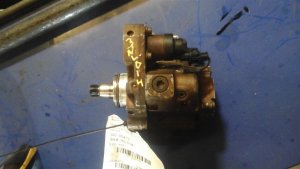
New Aftermarket Parts Available



The information in this article is provided for general reference and educational purposes only. Vehicle specifications, procedures, and part compatibility can vary by production date, trim level, and region. Always consult your vehicle's factory service manual and verify part numbers before purchasing or performing repairs. Safety-critical components such as airbags, seat belts, and braking systems should be installed by a qualified professional.
- Ram 3500:
- 🧭 Diagnostic Flowchart
- 🎬 Helpful Videos
- 🛍️ Shop This Part
- What's Unique About the 2014-2020 Ram 3500
- Symptoms You May Notice
- Most Likely Causes
- Rare But Worth Checking
- Diagnosis Steps
- Parts You'll Likely Need
- Related Codes That Often Appear With This One
- Technical Service Bulletins (TSBs) & Recalls
- Platform-Specific Known Issues
- Mechanic-Grade Diagnostic Values
- Scan Tool Commands That Help
- Wiring & Ground Locations
- Real Owner Repair Stories
- OEM Part Supersession History
- Model Year Variations Within This Range
- 🎟️ Get 5% Off