

P0205 on 2010-2014 Chevrolet Equinox V6: Injector Circuit Malfunction Causes and Fixes
P0205 on a V6 Equinox indicates an electrical fault with the cylinder 5 fuel injector. This is often a failed injector, but wiring damage from chafing is also a very common cause on this platform. The fix requires removing the intake manifold as cylinder 5 is on the rear bank against the firewall, making it a labor-intensive job. Expect to pay $50-$120 for the part and $300-$500+ in labor. Always inspect the wiring harness before condemning the injector.
- P0205 on a 2010-2014 Equinox means you have the V6 engine and there's an electrical problem with the cylinder 5 fuel injector.
- The most likely cause is a bad fuel injector, followed by a wiring issue.
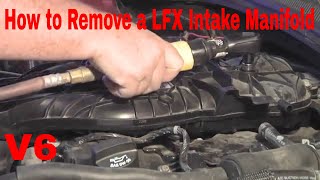
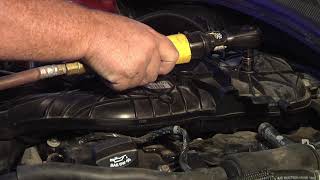
- Cylinder 5 is on the rear bank against the firewall, so the intake manifold must be removed to perform the repair.
- Due to the high labor involved, consider replacing all three rear bank injectors and the intake gaskets at the same time to prevent future repairs.
- Always test the circuit with a multimeter or noid light before replacing parts, as the fault could be in the wiring, not the injector itself.
What's Unique About the 2010-2014 Chevrolet EQUINOX
This code is only applicable to the V6 engine options (3.0L LF1 and 3.6L LFX) in the 2010-2014 Equinox, as the 4-cylinder engine does not have a fifth cylinder. On these transverse V6 engines, cylinder 5 is located on the rear bank, against the firewall. This significantly increases the complexity and labor cost of the repair, as the entire upper intake manifold must be removed to access the injector and its wiring. Furthermore, GM has issued TSBs like #PIP4924D that specifically mention injector circuit codes on these engines due to the wiring harness rubbing through on engine components, making a wiring fault a higher-than-usual probability.
🎬 Watch: Common causes and fixes for the P0205 code.Diagnostic Flowchart
Tap your situation to follow the diagnostic path that matches what you're seeing on this vehicle.
Symptoms You May Notice
- Check Engine Light is on
- Engine misfire, which may feel like a shake or stumble
- Rough or unstable idle
- Hesitation or lack of power during acceleration
- Reduced fuel economy
- Engine may be hard to start or may die while running
- Replacing the spark plug or ignition coil for cylinder 5. While these can cause a misfire (P0305), they will not cause an injector circuit code like P0205. Always diagnose the code that is present first.
Most Likely Causes
- Failed Cylinder 5 Fuel Injector 🔴 High Probability → Shop Fuel Injector Injectors are wear-and-tear components that can fail electrically over time due to internal coil windings breaking down. High mileage injectors are more prone to failure.
How to confirm: After accessing the injector, measure its resistance with a multimeter. For the 3.0L V6, the resistance should be around 12 Ohms. For the 3.6L V6 (LFX), the spec is much lower, around 1.2 to 1.8 Ohms. An infinite reading (open) or zero reading (short) indicates a bad injector. The ultimate test is swapping it with another cylinder's injector (e.g., cylinder 3) and seeing if the code changes to P0203.
Typical fix: Replace the faulty fuel injector. Since the intake manifold must be removed, it is often recommended to replace all three rear bank injectors (1, 3, 5) at the same time, especially if they are high mileage.
Est. part cost: $50-$120 - Damaged Wiring Harness 🟡 Medium Probability As noted in TSBs #PIP4924D and #PIT5424, the engine wiring harness on these V6 platforms is prone to rubbing against engine components like the intake plenum, valve cover bolts, or the cylinder head, causing wires to chafe and short to ground or break (open circuit). A user on 2CarPros.com with similar codes on a GM 3.6L found melted and stuck-together power wires in the harness bundle.
How to confirm: Visually inspect the wiring leading to the cylinder 5 injector for any signs of melting, chafing, or breaks, paying close attention to where the harness makes contact with other parts. Perform a continuity test on the power and ground wires from the PCM connector to the injector connector to check for opens or shorts.
Typical fix: Repair the broken or shorted section of the wire. This involves soldering in a new piece of wire and protecting it with heat-shrink tubing. Reroute the harness slightly or add protective conduit to prevent future chafing.
Est. part cost: $5-$25 - Bad Injector Connector ⚪ Low Probability The plastic connector can become brittle from heat cycles and crack, or the internal pins can corrode or spread, leading to a poor connection.
How to confirm: Wiggle the connector while the engine is running to see if it affects the misfire. Visually inspect the connector for damage, corrosion, or backed-out pins once it is disconnected.
Typical fix: Replace the connector pigtail, which involves cutting the old one off and splicing the new one onto the harness.
Est. part cost: $15-$30
Rare But Worth Checking
- Faulty Powertrain Control Module (PCM): → Shop Engine Control Module (ECM) This is the least likely cause. The internal driver circuit in the PCM that fires the injector can fail. This should only be considered after all other possibilities (injector, wiring, connectors) have been exhaustively ruled out. It will often be accompanied by other codes. A diagnostic video for a similar GM V6 confirmed a bad PCM was the cause after verifying the wiring and injector were good.
Diagnosis Steps
- Confirm the code P0205 is present using an OBD-II scanner. Note any other codes, especially other injector or misfire codes.
- Identify the engine as a V6. This code is not possible on the 4-cylinder Equinox.
- Locate cylinder 5. It is on the rear bank (against the firewall), the middle cylinder.
- Before removing parts, perform a preliminary wiring check. Inspect visible portions of the engine harness for chafing, especially where it runs near the back of the engine and around the valve covers, as noted in GM TSBs.
- To access the injector for testing, the upper intake manifold must be removed. This is a complex step involving disconnecting various hoses, sensors, and the throttle body.
- Once the injector is accessible, visually inspect its electrical connector and the nearby wiring for obvious damage, melting, or corrosion.
- Disconnect the injector and use a multimeter to measure the resistance across its two pins. Compare the reading to the manufacturer's specification (approx. 12 Ohms for 3.0L, 1.2-1.8 Ohms for 3.6L). An out-of-spec reading means the injector is bad.
- If the resistance is good, check the circuit. Use a 'noid light' plugged into the injector connector. Crank the engine; the light should flash, indicating the PCM is sending a pulse signal. If it doesn't flash, the problem is in the wiring or the PCM.
- If a noid light isn't available, check for battery voltage on one pin of the connector with the key on. Then, check the continuity of the other wire (the ground/control wire) back to the PCM connector to rule out a break in the wire.
- If the injector swap test (swapping injector 5 with another cylinder) results in the code moving to the new cylinder, the injector is confirmed faulty.
- If wiring and the injector test good, the final, rare possibility is a faulty PCM driver.
Parts You'll Likely Need
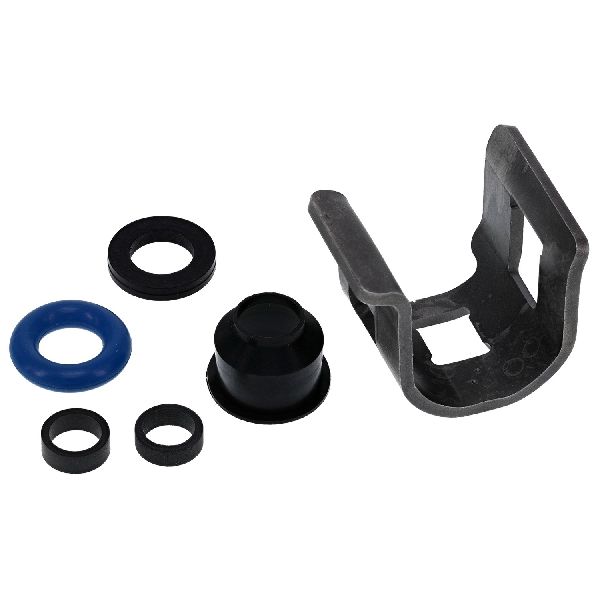
- Fuel Injector
(OEM #12634126 (3.0L/3.6L), also seen as ACDelco 217-3445)— This is the most common component to fail electrically, causing the P0205 code. Part number 12634126 is a GDI injector used in these engines. ACDelco 217-3445 is an associated service part number.
Trusted brands: ACDelco, Bosch, Standard Motor Products
OEM price range: $90-$215
Aftermarket price range: $50-$100 - Upper Intake Manifold Gasket Set
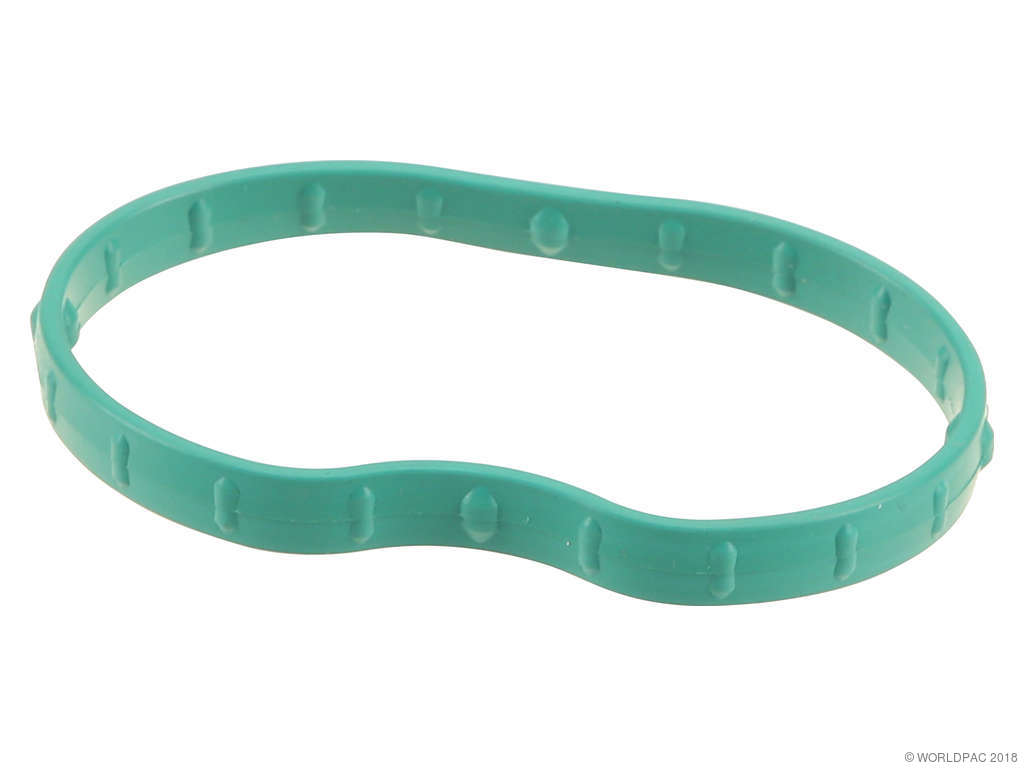
(OEM #Fel-Pro MS 97224 (example))— These gaskets must be replaced anytime the intake manifold is removed to access the rear injectors. Reusing old gaskets will cause vacuum leaks.
Trusted brands: Fel-Pro, Mahle, ACDelco
OEM price range: $40-$70
Aftermarket price range: $20-$40
Related Codes That Often Appear With This One
- P0305 — P0305 means 'Cylinder 5 Misfire Detected'. Since P0205 indicates the injector isn't firing correctly, the cylinder won't get fuel, which directly causes a misfire.
- P0201, P0203 — If you see other injector codes for the same engine bank (1, 3, 5 are on the rear bank), it strongly suggests a wiring harness issue common to that bank, such as a damaged power feed wire or a chafe point affecting multiple wires.
- P0273 — This code for 'Cylinder 5 Injector Circuit Low' is a more specific version of P0205 and often appears alongside it, pointing more directly towards a short to ground in the circuit.
Technical Service Bulletins (TSBs) & Recalls
- PIP4924D: Mentions that a Service Engine Soon lamp with a misfire may be accompanied by a long list of injector circuit codes, including P0205. It directs technicians to inspect the fuel injector wiring harness for rub-through or internal wire opens.
- PIT5424: Also points to potential injector circuit codes due to engine harness routing issues between the ECM and the upper rear of the engine.
Platform-Specific Known Issues
- The primary vehicle-specific issue is the location of cylinder 5 on the rear bank of the transverse V6 engine, which necessitates the removal of the upper intake manifold for access. This turns a simple electrical diagnosis into a significant mechanical job.
- A Technical Service Bulletin (TSB), #PIP4924D, was issued for a range of GM vehicles including the 2012 Equinox. It mentions that a Service Engine Soon lamp with a misfire may be accompanied by a long list of injector circuit codes, including P0205, and advises technicians to inspect the wiring harness for rubbing or chafing.
- A user on 2CarPros.com with P0201, P0203, and P0205 on a GM 3.6L V6 found that the power wires for the injectors were melted together inside the main harness, causing a short that repeatedly blew the fuse. After separating the wires, the issue was resolved.
Helpful Videos

We Have This Part in Stock



The information in this article is provided for general reference and educational purposes only. Vehicle specifications, procedures, and part compatibility can vary by production date, trim level, and region. Always consult your vehicle's factory service manual and verify part numbers before purchasing or performing repairs. Safety-critical components such as airbags, seat belts, and braking systems should be installed by a qualified professional.
- Chevrolet EQUINOX:
- 🧭 Diagnostic Flowchart
- 🎬 Helpful Videos
- 🛍️ Shop This Part
- What's Unique About the 2010-2014 Chevrolet EQUINOX
- Symptoms You May Notice
- Most Likely Causes
- Rare But Worth Checking
- Diagnosis Steps
- Parts You'll Likely Need
- Related Codes That Often Appear With This One
- Technical Service Bulletins (TSBs) & Recalls
- Platform-Specific Known Issues
- 🎟️ Get 5% Off