

P0205 on 2009-2010 Saturn Outlook: Injector Circuit Malfunction Causes and Fixes
P0205 on a 2009-2010 Saturn Outlook indicates an electrical fault with the cylinder 5 fuel injector. The most likely cause is a chafed wiring harness, as noted in a GM Technical Service Bulletin. If the wiring is good, the injector itself has likely failed. Repair is costly due to the injector's location under the intake manifold against the firewall.
- P0205 is an electrical fault for the cylinder 5 injector, not a spark or mechanical issue.
- For the 2009-2010 Outlook, the most likely cause is a damaged wiring harness, per GM TSB #PIP4924D. Always inspect the wiring thoroughly before buying parts.
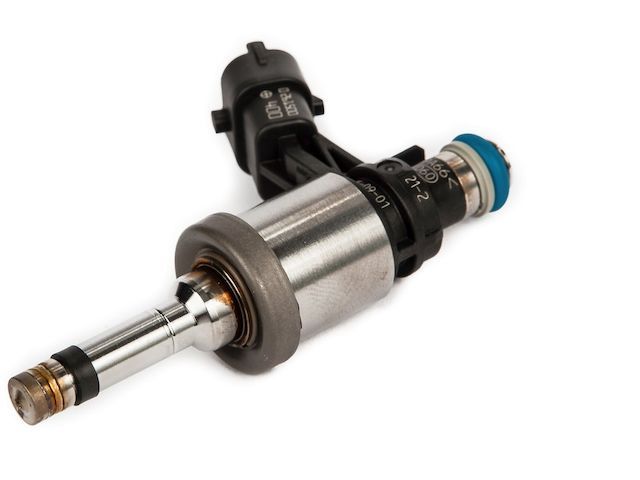
- If the wiring is intact, the fuel injector is the next most likely culprit. The OEM part is ACDelco 217-3449.
- Repair is difficult and expensive due to cylinder 5's location against the firewall, requiring removal of the intake manifold.
- This is a shared, common problem across the GM Lambda platform, including the GMC Acadia, Chevy Traverse, and Buick Enclave.
What's Unique About the 2009-2010 Saturn OUTLOOK
On the Saturn Outlook and its GM Lambda platform siblings (Acadia, Enclave, Traverse) with the 3.6L V6 engine, this code is frequently linked to a specific, documented issue. GM issued Technical Service Bulletin #PIP4924D which points directly to the fuel injector wiring harness rubbing through or developing internal opens. Common chafe points reported by owners and noted in the TSB are against the intake plenum, valve cover bolts, fuel lines, and the side of the cylinder head. Furthermore, cylinder 5 is located on the rear bank of the engine against the firewall (the rearmost cylinder on the driver's side), making access difficult and labor-intensive as the entire upper intake manifold must be removed for service.
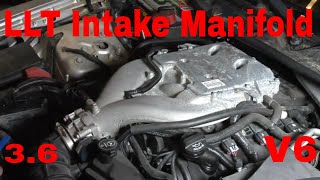
🎬 See this walkthrough on removing the 3.6L intake manifoldDiagnostic Flowchart
Tap your situation to follow the diagnostic path that matches what you're seeing on this vehicle.
Symptoms You May Notice
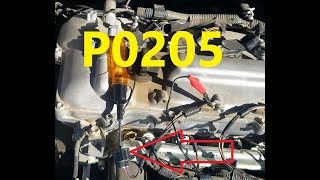
🎬 Watch: Overview of P0205 causes and common fixes- Check Engine Light is on
- Rough or vibrating idle
- Engine misfires, sometimes feeling like a shudder or pop
- Hesitation and reduced engine power, especially during acceleration
- Decreased fuel economy
- Engine may be hard to start or stall
- Vehicle may enter a reduced power "limp mode"
- Replacing the spark plug or ignition coil for cylinder 5. While these parts can cause a misfire code (P0305), they will not cause the P0205 electrical circuit code.
Most Likely Causes
- Damaged Fuel Injector Wiring Harness 🔴 High Probability → Shop Engine Wiring Harness A known issue documented in GM Technical Service Bulletin #PIP4924D points to the injector wiring harness chafing against engine components. Owners on forums for the Outlook and its platform mates frequently find the harness rubbed through where it passes over the rear cylinder head near the firewall.
How to confirm: Thoroughly inspect the entire wiring harness leading to the fuel injectors, especially where it might contact the intake plenum, valve covers, or fuel lines. A 'wiggle test' on the harness while the engine is running may reproduce or change the fault, confirming a wiring issue.
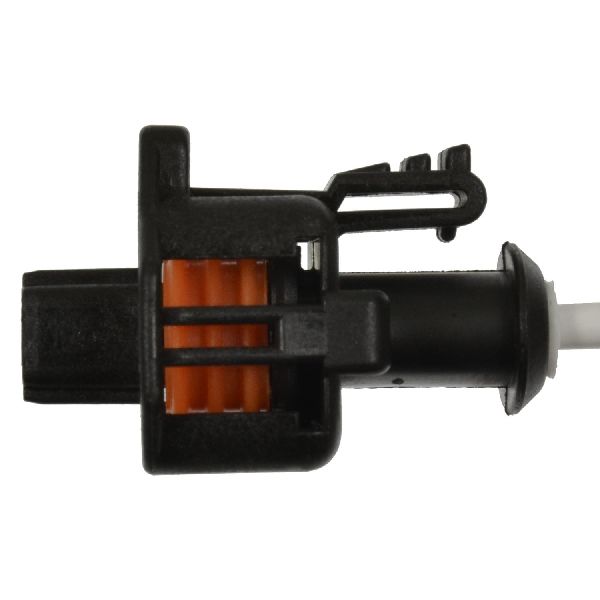
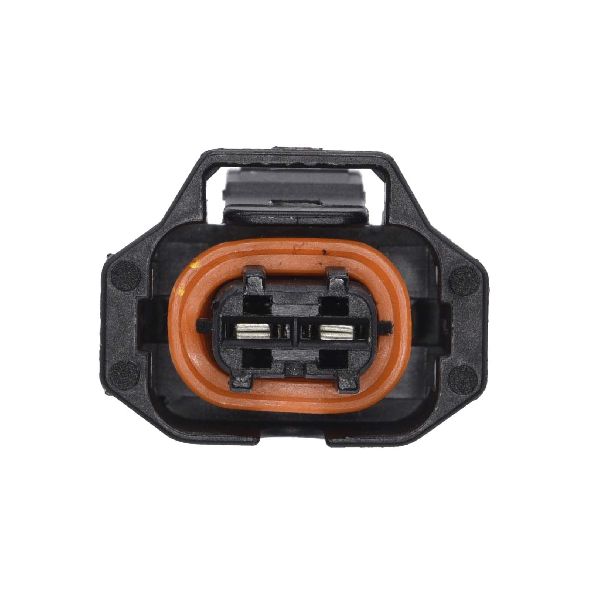
Typical fix: Repair the damaged section of the wire by splicing in a new piece with weatherproof connectors. 🎬 Learn how to professionally repair and restore a damaged wiring harness If the connector itself is damaged, replace the pigtail (e.g., ACDelco PT2160).
Est. part cost: $15-$50 - Failed Cylinder 5 Fuel Injector 🟡 Medium Probability → Shop Fuel Injector Direct injection fuel injectors operate under high pressure and can fail electrically over time due to an internal short or open in the coil.
How to confirm: Measure the injector's resistance with a multimeter. Sources provide conflicting resistance values for the LLT engine, with some stating 1.5-1.6 Ohms and others 11.8-12.6 Ohms. The most definitive test is to swap the injector with one from another cylinder (e.g., cylinder 3). If the code changes to P0203, the injector is bad.
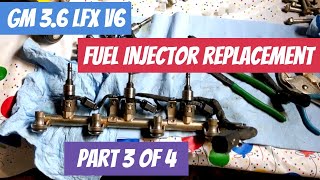
Typical fix: Replace the faulty fuel injector. The intake manifold gaskets and the injector's Teflon seal must also be replaced as part of this job.
Est. part cost: $80-$250 - Poor Electrical Connection ⚪ Low Probability
How to confirm: Visually inspect the electrical connector at the cylinder 5 injector for corrosion, bent pins, or a loose/broken locking tab. Clean and re-secure the connection.
Typical fix: Clean the connector terminals with electrical contact cleaner and apply dielectric grease. If the connector is damaged, it will need to be replaced.
Est. part cost: $5-$30
Rare But Worth Checking
- Faulty Powertrain Control Module (PCM): → Shop Engine Control Module (ECM) This is the least likely cause. The internal driver circuit for the injector can fail, but all other possibilities (wiring, injector) must be exhaustively ruled out before condemning the PCM.
Diagnosis Steps
- Use an OBD-II scanner to confirm P0205 is present and check for any other codes, like P0305.
- Locate Cylinder 5: On the 3.6L V6, cylinders 1-3-5 are on the rear bank (firewall side), and 2-4-6 are on the front. Cylinder 5 is the rear-most cylinder on the driver's side.
- Carefully inspect the fuel injector wiring harness for signs of chafing, melting, or damage, as recommended by TSB #PIP4924D. Pay close attention to where the harness runs over the back of the engine.
- Inspect the electrical connector on the cylinder 5 injector for corrosion, damage, or a loose fit.
- If the wiring looks good, use a 'noid light' on the injector connector. Crank the engine; a flashing light indicates the PCM is sending a signal. No flash or a steady light points to a problem in the wiring or PCM.
- Turn the ignition off and disconnect the injector. Use a multimeter to measure the resistance across the two pins on the injector. Compare the reading to the specification. Note: sources conflict, providing ranges from 1.5-1.6 Ohms to 11.8-12.6 Ohms for the LLT engine. An infinite (OL) or zero reading indicates a faulty injector.
- If the resistance is out of spec, the injector is faulty. If it's within spec, the problem is likely in the wiring or PCM.
- If tools and access permit, swap the cylinder 5 injector with another cylinder (e.g., cylinder 3). Clear the codes and run the engine. If the fault code moves to the new cylinder (P0203), the injector is confirmed to be the problem.
- If the fault remains on cylinder 5 after the swap, the issue is in the wiring harness or the PCM.
Parts You'll Likely Need
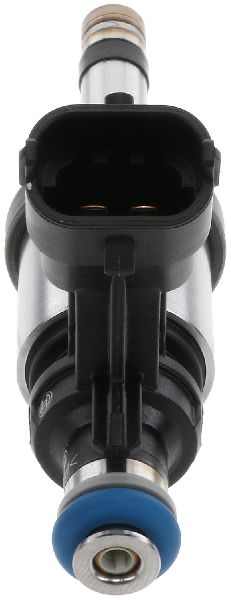
- Fuel Injector
(OEM #12638530)— This is the second most common cause of failure after wiring issues. The injector's internal coil can short or open circuit.
Trusted brands: ACDelco (OEM P/N: 217-3449), Bosch, Standard Motor Products
OEM price range: $90-$150
Aftermarket price range: $60-$110 - Intake Manifold Gasket Set
(OEM #12673300)— These gaskets are single-use and must be replaced anytime the intake manifold is removed to access the rear fuel injectors.
Trusted brands: Fel-Pro (P/N: MS 97224), Victor Reinz, ACDelco
OEM price range: $50-$100
Aftermarket price range: $30-$60
Related Codes That Often Appear With This One
- P0305 — This code means 'Cylinder 5 Misfire Detected.' Since P0205 indicates a fault in the fuel injector circuit, cylinder 5 is not receiving the correct amount of fuel, which directly causes a misfire.
- P0201, P0202, P0203, P0204, P0206 — The TSB for this vehicle lists all injector codes together. If the wiring harness has chafed at a point where multiple injector circuits are bundled, several of these codes may appear at once.
Technical Service Bulletins (TSBs) & Recalls
- PIP4924D: Addresses multiple injector circuit DTCs (P0201-P0206, etc.) on 3.0L and 3.6L engines. It specifically calls out that the fuel injector wiring harness may rub through or have internal wire opens, and advises technicians to inspect for chafing against the intake plenum, valve cover bolts, and fuel lines before replacing parts.
Platform-Specific Known Issues
- A widely documented issue covered by GM TSB #PIP4924D involves the fuel injector wiring harness rubbing against engine components, leading to shorts or open circuits and triggering codes like P0205. Owners report this most often occurs where the harness passes over the rear cylinder head, making contact with the intake manifold or brackets.
Mechanic-Grade Diagnostic Values
- Fuel Injector Coil Resistance (3.6L LLT Engine) — expected: Conflicting data exists. Some sources state 1.5-1.6 Ohms, while others specify 11.8-12.6 Ohms. Consistency across all injectors is key.. Failure: A reading of infinity (OL) indicates an open circuit, while a reading near zero indicates a shorted injector.
- Low-Side Fuel Pressure (Key On, Engine Off) — expected: 384-425 kPa (56-62 psi).. Failure: Pressure below the specified range indicates a weak in-tank fuel pump, which would not cause a P0205 circuit code but can cause similar drivability issues.
- Injector Circuit Voltage (Key On, Engine Off) — expected: Approximately 12V (Battery Voltage) at the power feed wire of the injector connector.. Failure: Voltage significantly below battery voltage (e.g., under 11.5V) points to high resistance or a short in the power supply circuit.
- Injector Wiring Harness Continuity — expected: Less than 10.0 Ohms.. Failure: Resistance greater than 10.0 Ohms, or an 'OL' (Open Loop) reading, indicates a break in the wire.
Scan Tool Commands That Help
- Tech 2 / GDS2: Fuel Injector Balance Test — This special function, accessible with a dealer-level scan tool, pulses each injector individually while monitoring the drop in fuel rail pressure. An injector that causes a significantly different pressure drop compared to the others is likely faulty (either clogged or leaking). This can help confirm a bad injector when resistance tests are inconclusive.
- Tech 2 / GDS2: Injector Test (Active Test) — This bidirectional command allows a technician to individually disable cylinder 5's injector while the engine is running. If disabling the injector causes no change in engine RPM or smoothness, it confirms that the cylinder was not contributing in the first place, pointing to a problem in that circuit.
Wiring & Ground Locations
- ECM Connector X1 — On the Engine Control Module (ECM), which is typically located in the engine bay.. This is the main connector for the engine sensors and actuators. Technicians can test the injector circuit directly from this connector without having to remove the intake manifold. For example, on a similar 3.6L LLT, the injector 1 circuit can be tested at pins 75 (Brown/White) and 51 (Brown). This allows for a comprehensive check of the wiring and injector resistance from a single point.
- Primary Engine/PCM Grounds (e.g., G102) — Key grounds are typically located on the engine block (often near the alternator), on the firewall, and near the battery.. The PCM controls injectors by grounding their control circuit. A poor or corroded main engine or PCM ground can cause erratic behavior in the injector driver circuits, potentially leading to intermittent fault codes like P0205.
Real Owner Repair Stories
- acadiaforum.net (2008 GMC Acadia (Lambda Platform Sibling)) — Check Engine Light with code P0305 (Cylinder 5 Misfire).
❌ Tried (didn't work) Initial diagnosis pointed to a standard misfire cause.
✅ What actually fixed it The owner discovered a chafed wire on the #5 fuel injector harness, exactly as described in TSBs. The wire had rubbed against a bracket near the firewall. Repairing the single broken wire resolved both the underlying P0205 circuit fault and the P0305 misfire code.
OEM Part Supersession History
12611545, 12632255→12638530— Part revision and consolidation by GM.12638530→12669384— Further part revision by GM.
Model Year Variations Within This Range
- 2009-2010: For the 2009 model year, the 3.6L V6 engine was updated with direct injection (SIDI), which carried over to the 2010 model. Both the 2009 and 2010 Outlook use the same LLT engine and are subject to the same TSB regarding chafed injector wiring. There are no significant differences between these two model years regarding the cause or diagnosis of a P0205 code.
Helpful Videos

We Have This Part in Stock


The information in this article is provided for general reference and educational purposes only. Vehicle specifications, procedures, and part compatibility can vary by production date, trim level, and region. Always consult your vehicle's factory service manual and verify part numbers before purchasing or performing repairs. Safety-critical components such as airbags, seat belts, and braking systems should be installed by a qualified professional.
- Saturn OUTLOOK:
- 🧭 Diagnostic Flowchart
- 🎬 Helpful Videos
- 🛍️ Shop This Part
- What's Unique About the 2009-2010 Saturn OUTLOOK
- Symptoms You May Notice
- Most Likely Causes
- Rare But Worth Checking
- Diagnosis Steps
- Parts You'll Likely Need
- Related Codes That Often Appear With This One
- Technical Service Bulletins (TSBs) & Recalls
- Platform-Specific Known Issues
- Mechanic-Grade Diagnostic Values
- Scan Tool Commands That Help
- Wiring & Ground Locations
- Real Owner Repair Stories
- OEM Part Supersession History
- Model Year Variations Within This Range
- 🎟️ Get 5% Off