

P0206 on 2010-2017 GMC Terrain 3.6L V6: Injector Circuit Malfunction Causes and Fixes
For a GMC Terrain with the 3.6L V6, code P0206 usually means a bad fuel injector on cylinder 6 or a damaged wire in the engine harness. A wiring issue is a known problem on these vehicles, detailed in GM TSB #PIP4924D. A new injector costs about $50-$120, but a thorough inspection of the wiring harness for chafing is the critical first step to avoid unnecessary repairs.
- P0206 on a 2013-2017 Terrain 3.6L indicates an electrical problem with the cylinder 6 fuel injector.
- Before replacing the injector, thoroughly inspect the wiring harness for damage, as this is a known issue covered by GM TSB #PIP4924D.
- Cylinder 6 is on the front bank of the engine (closer to the radiator), making it more accessible for diagnosis and repair than the rear cylinders.
- Use a 'noid light' to quickly determine if the injector is receiving a signal from the computer.
- Driving with this code can lead to costly catalytic converter damage, so it should be addressed promptly.
What's Unique About the 2010-2017 GMC Terrain
On this generation of GMC Terrain with the 3.6L LFX V6, the P0206 code is frequently caused by a known wiring harness issue. General Motors issued Technical Service Bulletin (TSB) #PIP4924D, which specifically advises technicians to inspect the fuel injector wiring harness for damage from rubbing against engine components. Common chafe points are against the sharp edges of the intake plenum, valve cover bolts/studs, and on the side of the cylinder head, particularly under the intake manifold. Another TSB, #PI1067, points to the harness chafing on the sharp metal edge of the ECM mounting bracket. This makes a thorough wiring inspection a critical first step before assuming the fuel injector itself has failed.
Generation note: The 2010-2017 range covers the first generation of the GMC Terrain. However, the V6 engine option changed. The 2010-2012 models used a 3.0L LFW V6, while the 2013-2017 models used the 3.6L LFX V6 specified in this guide. While the P0206 code has the same meaning for both, and both are subject to the TSB #PIP4924D regarding wiring issues, they use different fuel injectors and have slightly different engine architecture. The LFX engine uses a Delphi ECM, while the earlier LFW used a Bosch-family ECM.
Symptoms You May Notice
- Check Engine Light is on (may be flashing)
- Rough or shaking idle
- Engine misfire, which may feel like a stumble or hesitation, especially under load
- Poor acceleration and loss of power
- Reduced fuel economy
- Engine may smell of unburnt fuel
- Replacing the spark plug or ignition coil. P0206 is an electrical fault code for the fuel injector circuit, not the ignition system. A misfire is a symptom, but the code points directly to the fuel side.
Most Likely Causes
- Damaged Fuel Injector Wiring Harness or Connector 🔴 High Probability → Shop Engine Wiring Harness As documented in GM TSB #PIP4924D, the engine wiring harness is known to chafe against engine components like the intake plenum, valve cover bolts, or the side of the cylinder head, causing an open or short circuit. This is a very common failure point on the GM High Feature V6 engine family when installed transversely. TSB #PI1067 also identifies the harness rubbing on the ECM mounting bracket as a specific chafe point.
How to confirm: Perform a careful visual inspection of the wiring harness leading to the cylinder 6 injector. On the transverse LFX, cylinder 6 is on the front bank (Bank 2), driver's side. Check the connector for a secure fit, corrosion, or damage. A 'noid light' can be plugged into the injector connector to see if the ECM is sending a pulse signal; if it flashes, the wiring and ECM are likely good. If it does not flash, the wiring is the primary suspect. Check for continuity on the control wire (typically Light Blue/White) from ECM connector X2, Pin 52 to the injector connector.
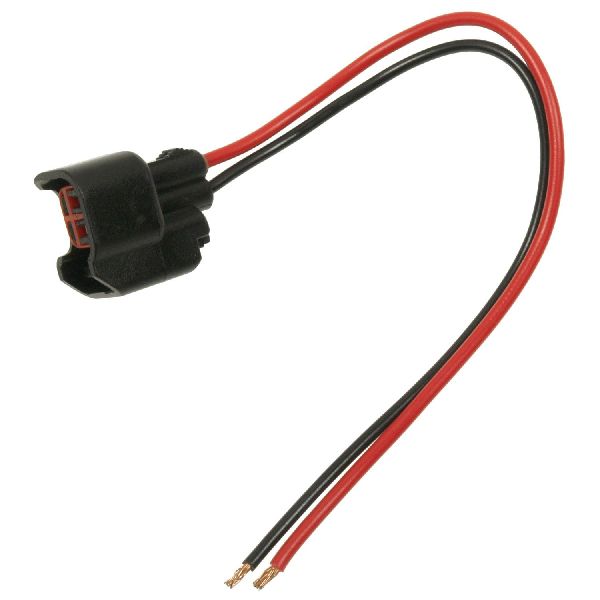
Typical fix: Repair the damaged section of wire or replace the connector pigtail (e.g., ACDelco PT2183). Solder and heat-shrink the connections, then protect the harness with abrasion-resistant tape or split-loom tubing and secure it with zip ties to prevent future damage.
Est. part cost: $15-$50 - Failed Cylinder 6 Fuel Injector 🟡 Medium Probability → Shop Fuel Injector The LFX engine uses a direct injection (GDI) system where the injectors are exposed to high heat and pressure inside the combustion chamber, which can lead to failure over time. Carbon buildup can also be a contributing factor.
How to confirm: Swap the cylinder 6 injector with one from another cylinder (e.g., cylinder 4, also on the front bank). Clear the codes and run the engine. If the code changes to P0204, the injector is faulty. Alternatively, test the injector's resistance with a multimeter; a reading outside the 1.2-1.8 Ohm specification for the LFX engine indicates a bad injector. A professional can use a GDS2 scan tool to perform an 'Injector Balance Test' which measures the fuel pressure drop for each injector.
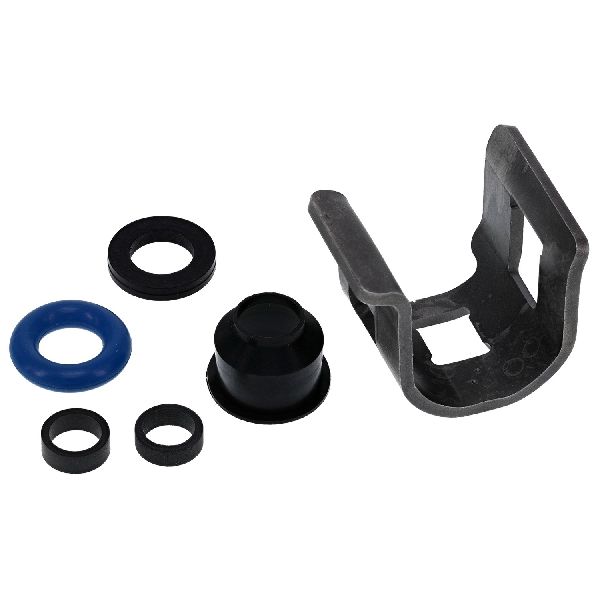
Typical fix: Replace the faulty fuel injector. It is critical to replace the Teflon seal and O-rings at the same time. It is often recommended to replace all three injectors on the same bank (Bank 2) if they are high-mileage.
Est. part cost: $50-$120
Rare But Worth Checking
- Faulty Engine Control Module (ECM): → Shop Engine Control Module (ECM) This is the least likely cause. The ECM's internal driver for the injector circuit can fail, but all other possibilities (wiring, injector) should be exhaustively ruled out before condemning the ECM. GM TSBs repeatedly warn against replacing the ECM without performing thorough wiring checks first. A definitive test involves checking for a pulse signal directly at the ECM connector pin (X2, Pin 52 for cylinder 6) to see if the driver is functioning.
Diagnosis Steps
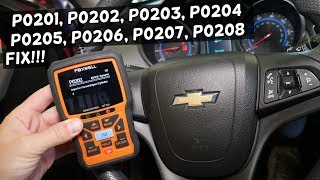
- Read the code from the ECM using an OBD-II scanner and confirm P0206 is present. 🎬 Watch: How to diagnose and fix P0206 codes on GM engines Note any other codes, especially P0306, P0300, or P2149.
- Perform a thorough visual inspection of the engine wiring harness, focusing on the area around the cylinder 6 fuel injector. On the LFX V6, cylinder 6 is on the front bank (Bank 2), which is the bank closer to the radiator, on the driver's side. Look for any signs of chafing, melting, or corrosion, paying close attention to where the harness touches the intake manifold, valve cover studs, or cylinder head, per TSB PIP4924D. Also inspect the harness near the ECM bracket per TSB PI1067.
- Disconnect the electrical connector at the cylinder 6 injector and check for corrosion or damaged pins. Re-seat it to ensure a good connection.
- Use a 'noid light' to test for an injector pulse. Plug the light into the injector's electrical connector and start the engine. A rhythmic flashing light indicates the ECM and wiring are sending the signal to fire the injector. No light or a steady light points to a wiring or ECM issue.
- If the noid light flashes, the injector is the prime suspect. If it does not flash, the problem is in the wiring or the ECM.
- To confirm a bad injector, swap the cylinder 6 injector with another one (e.g., cylinder 4, also on the front bank). Clear the codes and run the engine. If the code returns as P0204, the injector is confirmed to be faulty.
- If the code P0206 returns after the swap, the issue is in the wiring harness or the ECM. Perform a continuity test (checking for breaks) and check for shorts to ground/power on the control wire (typically Light Blue/White) between the ECM connector X2, Pin 52 and the injector connector. Resistance on the harness wire should be less than 0.5 Ohms.
- If the wiring and injector are confirmed to be good, the final possibility is a faulty injector driver in the ECM, which would require ECM replacement and programming. This should only be considered after all other possibilities are exhausted.
Parts You'll Likely Need
- Direct Fuel Injector
(OEM #12669384)— This is the most common part to fail if the wiring harness is found to be intact. The LFX engine uses GDI injectors which operate under high stress. Part number 12669384 is the specified GM Genuine part for many LFX applications. It supersedes previous part numbers 12638530, 12632255, and 12611545.
Trusted brands: ACDelco (GM Genuine), Bosch, Standard Motor Products
OEM price range: $90-$130
Aftermarket price range: $50-$90 - Fuel Injector Connector Pigtail
(OEM #ACDelco PT2183)— If the wiring harness is damaged right at the connector, replacing the pigtail is the standard repair. This part provides a new connector and a short length of wire to splice into the main harness.
Trusted brands: ACDelco, Dorman
OEM price range: $25-$40
Aftermarket price range: $15-$25
Related Codes That Often Appear With This One
- P0306 — This code means "Cylinder 6 Misfire Detected." Since P0206 indicates a problem with the fuel injector circuit for that cylinder, a misfire is the direct and expected result.
- P0300 — This code for 'Random/Multiple Cylinder Misfire' can appear if the electrical fault is intermittent or if the wiring damage affects multiple injector circuits, causing general engine instability.
- P219B — This code indicates a fuel trim imbalance on Bank 2. The ECM may set this code when it detects that cylinder 6 is not receiving fuel, causing a lean condition compared to the other cylinders on that bank (cylinders 2 and 4).
- P2149 — This code stands for "Fuel Injector Group 'B' Supply Voltage Circuit/Open". Bank 'B' (or Bank 2) on the 3.6L V6 includes cylinders 2, 4, and 6. This code appearing with P0206 strongly points to a wiring or power supply issue common to the entire bank, rather than a single injector failure.
Technical Service Bulletins (TSBs) & Recalls
- PIP4924D: Addresses Check Engine Light and misfires with injector circuit codes (P0201-P0206), advising technicians to inspect the fuel injector wiring harness for rub-through or internal opens, particularly under the intake manifold.
- PI1067: Identifies the engine wiring harness chafing against the sharp metal edge of the ECM's mounting bracket as a common cause for injector circuit faults on the 3.6L LFX engine.
- 21-NA-149: A broader GM TSB that also points to engine wiring harnesses chafing against brackets, the driver's side upper control arm, and other components, causing shorts or open circuits.
Platform-Specific Known Issues
- TSB #PIP4924D: This General Motors bulletin directly addresses injector circuit codes (P0201-P0206) on this platform. It points to the fuel injector wiring harness rubbing through or having internal wire opens as a primary cause, recommending a thorough inspection before replacing parts. Specific chafe points are against the intake plenum, valve cover bolts, and cylinder head.
- Forum Experience (ScannerDanner Forum): A user troubleshooting a P0206 code confirmed the issue was wiring-related by unplugging injectors while the engine was running. Unplugging injectors 2 and 4 caused a change in engine performance, but unplugging injector 6 caused no change, isolating the fault to that cylinder's circuit.
Mechanic-Grade Diagnostic Values
- Fuel Injector Coil Resistance (3.6L LFX GDI) — expected: 1.2 - 1.8 Ohms. Failure: A reading outside this range, an open circuit (OL), or a reading near zero indicates a failed injector.
- Injector Wiring Harness Resistance — expected: Less than 0.5 Ohms. Failure: Resistance over 0.5 Ohms indicates excessive resistance or a break in the wire that needs repair.
- Low-Side Fuel Pressure (Key On, Engine Off) — expected: 55-60 psi. Failure: Pressure below this range indicates a problem with the in-tank fuel pump, not the high-pressure system or injector circuit.
- Injector Control Circuit Voltage (at ECM Pin) — expected: Pulsing ground signal when cranking/running (visible with noid light or oscilloscope). Failure: No pulse or a steady light/voltage indicates a wiring or ECM driver fault.
Scan Tool Commands That Help
- GDS2 (GM Dealer Software): Injector Balance Test / Active Fuel Injector Test (AFIT) — This is a definitive functional test used after electrical checks are complete. The tool commands each injector to fire with the engine off and measures the corresponding drop in fuel rail pressure. If the pressure drop for cylinder 6 is significantly different from others, it confirms a faulty (clogged or leaking) injector.
- GDS2 / Tech2: Cylinder Power Balance — This test helps confirm which cylinder is not contributing. It deactivates one cylinder at a time and measures the RPM drop. If disabling cylinder 6 results in little or no RPM drop, it confirms that cylinder was already dead due to the P0206 fault.
- GDS2 (GM Dealer Software): Fuel Trim Reset — This function must be performed after replacing a fuel injector. It clears the ECM's long-term learned fuel compensation values, allowing it to relearn based on the new, correctly functioning part.
Wiring & Ground Locations
- Cylinder 6 Injector Control Wire — From the injector connector to Pin 52 of the X2 ECM connector. The wire is typically Light Blue with a White stripe.. This is the specific control wire for the cylinder 6 injector. Testing for continuity and shorts to ground/power on this wire is essential for diagnosing a P0206 code when a noid light test fails.
- ECM Mounting Bracket — The Engine Control Module (ECM) is located in the left-front (driver's side) of the engine compartment.. Per GM TSB #PI1067, the wiring harness often rubs against the sharp metal edge of the ECM's mounting bracket, causing wires for the injector circuits to short out.
- G104 / G112 (Engine Grounds) — The LFX V6 ground is at the front of the engine. G112 is at the left rear of the engine. There are typically three smaller ground connections on the engine block/heads and one large ground from the battery.. The ECM relies on clean, secure engine grounds to accurately control the injector driver circuits. A poor ground connection can cause erratic behavior and false codes, including P0206.
OEM Part Supersession History
12611545, 12632255, 12638530→12669384— Standard part evolution for improved reliability or manufacturing process changes.
Heads up: The 3.6L LFX injector (e.g., 12669384) is a low-impedance GDI injector and is NOT compatible with the 3.0L LFW V6 (2010-2012 models), which uses a high-impedance injector (approx. 12 Ohms).
Model Year Variations Within This Range
- 2010-2012: These models used the 3.0L LFW V6, which has different fuel injectors (high impedance, ~12 Ohms) and a Bosch-family ECM compared to the later LFX.
- 2013-2017: These models use the 3.6L LFX V6 with low-impedance GDI injectors (~1.5 Ohms) and a Delphi ECM. The timing chain design was also improved starting in 2013, making these years more reliable regarding timing components than the 2012 LFX.
Diagnostic Flowchart
Other Known Issues on This Vehicle
Issues unrelated to this code that are worth knowing about as an owner of this generation:
- Stretched Timing Chains 🔴 High — Common, especially on earlier High Feature V6 engines (LY7, LLT), but the LFX shows improvement. Risk increases significantly with extended oil change intervals or low oil levels. Can occur from 100,000 miles onward.
- Excessive Oil Consumption (2.4L Engine Primarily) 🔴 High — Extremely common on the 4-cylinder Ecotec engine in this chassis, less so on the V6. Caused by piston ring design. (Ref: Special Coverage Adjustment #14159D)
- Failed HVAC Blend Door Actuators 🟠 Medium — A very common failure causing incorrect cabin air temperature (e.g., stuck on hot or cold). The part is inexpensive but can be difficult to access for replacement.
- Faulty Camshaft Position Actuator Solenoids 🟠 Medium — Common failure item that can cause rough running, stalling, and check engine lights with VVT-related codes. Often get clogged with sludge from oil. (Ref: GM TSB #17-NA-098)
- Carbon Buildup on Intake Valves 🟠 Medium — An inherent issue with all direct injection (GDI) engines like the LFX. Over time (typically 60k-100k miles), buildup can cause misfires, hesitation, and reduced performance. Requires manual cleaning (e.g., walnut blasting).
Used vs. New Parts: Buying Guide for This Vehicle
When a used part is the smart pick: A used wiring harness pigtail or a section of harness from a junkyard vehicle can be a cost-effective repair if the damage is localized and the donor part is in excellent condition. A used ECM can also be an option, but it will require professional programming to match the vehicle's VIN and options.
Donor-vehicle mileage cap: roughly under 80000 miles for the part to have meaningful remaining life.
What to inspect on the donor part:
- For wiring: Inspect for any signs of prior repairs, brittleness, or chafing. Ensure connector locks are intact and pins are not corroded.
- For injectors: Avoid. The risk of a used GDI injector being clogged or having a poor spray pattern is high. The labor to replace it is significant, making a new part a much safer investment.
- For ECM: Check for any signs of water damage or physical case damage. Ensure it comes from an identical vehicle (year, make, model, engine).
OEM-only on this vehicle (don't cheap out):
- Fuel Injector: While some aftermarket brands are reputable, the precision required for GDI injectors makes OEM (ACDelco) the most reliable choice to avoid performance issues. The Teflon seals are also critical and should be OEM.
Aftermarket brands forum-validated for this vehicle:
- Injectors: Bosch (often the OEM supplier), Standard Motor Products
- Connectors: Dorman, ACDelco
Brands owners have reported issues with on this vehicle:
- Unbranded, no-name fuel injectors from online marketplaces. The failure rate is high, and they can cause performance issues or even engine damage.
Real Owner Stories
Aggregated from forums and TSBs cited above. Mileages and costs reflect what owners reported in those sources.
GMC Terrain LFX 3.6L V6
Symptoms: While troubleshooting a P0206 code, the owner found that unplugging the fuel injector on cylinder 6 caused no change in how the engine was running, while unplugging other injectors did. This isolated the fault to the cylinder 6 circuit.
What fixed it: The diagnosis pointed directly to a circuit issue, which on this engine is most commonly a chafed or broken wire in the engine wiring harness, as detailed in GM TSBs.
Source hint: ScannerDanner Forum thread titled 'p0206'
Related OBD-II Codes
Frequently Asked Questions
Where is the cylinder 6 fuel injector located on my 2010-2017 GMC Terrain's 3.6L V6 engine?
Are there any official GM Technical Service Bulletins (TSBs) for a P0206 code on this vehicle?
My mechanic suspects a wiring issue for P0206. Where are the most common chafe points on the LFX V6 harness?
How can I test the cylinder 6 injector myself to see if it's bad?
I need to replace the electrical connector for the injector. Is there a recommended part number?
I have a 2014 Chevy Equinox with the 3.6L V6 and a P0206 code. Is this information for the GMC Terrain applicable?
Helpful Videos
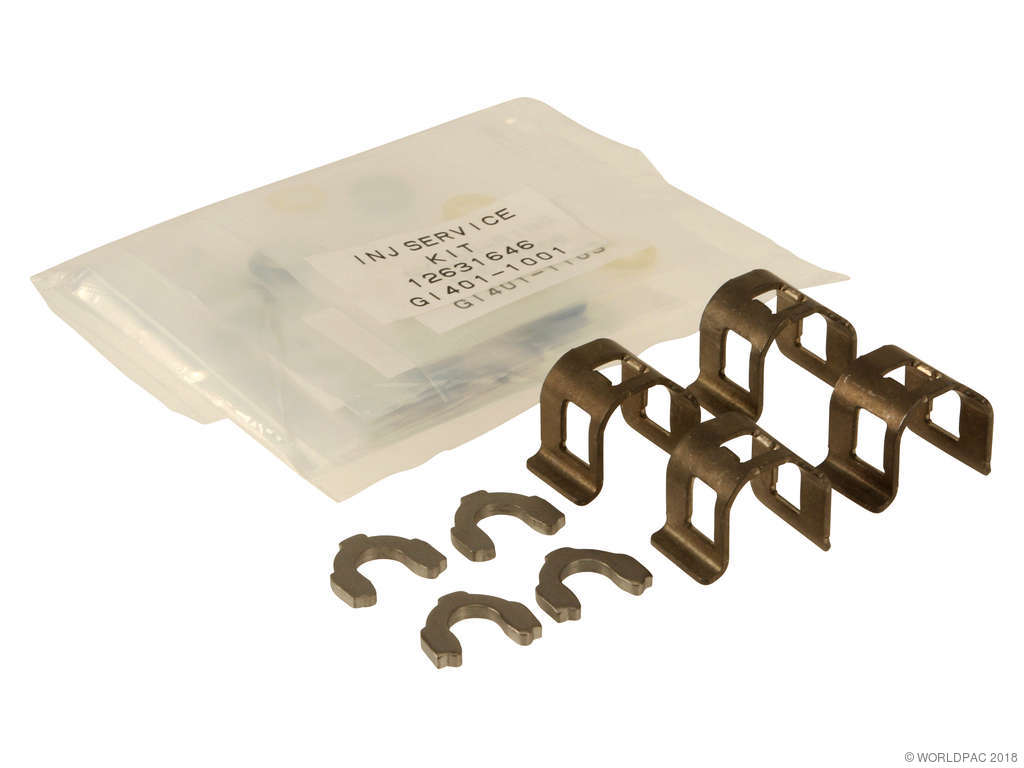
We Have This Part in Stock


The information in this article is provided for general reference and educational purposes only. Vehicle specifications, procedures, and part compatibility can vary by production date, trim level, and region. Always consult your vehicle's factory service manual and verify part numbers before purchasing or performing repairs. Safety-critical components such as airbags, seat belts, and braking systems should be installed by a qualified professional.
- GMC Terrain:
- 🧭 Diagnostic Flowchart
- 🎬 Helpful Videos
- 🛍️ Shop This Part
- What's Unique About the 2010-2017 GMC Terrain
- Symptoms You May Notice
- Most Likely Causes
- Rare But Worth Checking
- Diagnosis Steps
- Parts You'll Likely Need
- Related Codes That Often Appear With This One
- Technical Service Bulletins (TSBs) & Recalls
- Platform-Specific Known Issues
- Mechanic-Grade Diagnostic Values
- Scan Tool Commands That Help
- Wiring & Ground Locations
- OEM Part Supersession History
- Model Year Variations Within This Range
- Other Known Issues on This Vehicle
- Used vs. New Parts: Buying Guide for This Vehicle
- Real Owner Stories
- GMC Terrain LFX 3.6L V6
- Related OBD-II Codes
- Frequently Asked Questions
- 🎟️ Get 5% Off