

P0217 on 2019-2024 Genesis G70 3.3T: Engine Overtemperature Causes and Fixes
P0217 on a Genesis G70 3.3T means the engine is overheating, a critical issue requiring you to stop driving immediately. The most common causes are low coolant from leaks, a faulty electronic thermostat, or a failing water pump. Addressing the issue promptly is crucial to prevent severe engine damage like warped heads.
- P0217 is a critical 'Engine Overheating' code. Stop driving immediately to prevent severe engine damage.
- The most likely causes on the G70 3.3T are low coolant from a leak, a faulty thermostat, or a failing water pump.
- Repairs to the cooling system, especially the thermostat, are labor-intensive and expensive on this engine due to tight packaging and electronic components.
- Always use the specified pink Hyundai/Genesis coolant (part number 00232-19098 or equivalent) when refilling the system.
- Due to the risk of engine damage and the complexity of repairs, professional diagnosis and service are highly recommended.
What's Unique About the 2019-2024 Genesis G70
The Lambda II 3.3L twin-turbo V6 is a high-performance engine that generates significant heat, making its cooling system's health vital. While the core causes of overheating are universal, the G70's packaging is tight, making repairs like thermostat or water pump replacement more labor-intensive than on simpler engines. Additionally, the cooling system must be bled using a specific 'Engine Coolant Filling Mode' with a Genesis GDS diagnostic tool due to the electronic thermostat, complicating DIY repairs and often leading to air pockets if done incorrectly.
Symptoms You May Notice
- Temperature gauge reading in the red or at maximum
- Check Engine Light is on
- Engine temperature warning light or message on the dashboard
- Reduced engine power or 'limp mode' activation
- Steam or smoke coming from the engine bay
- A sweet smell of coolant from around the car
- A/C stops blowing cold air
- Loud boiling or gurgling sounds from the engine area, or a 'water flowing' sound from the dashboard on startup, indicating air in the system.
- Replacing the coolant temperature sensor without verifying the engine is actually overheating. If there is steam and the temperature gauge is maxed out, the sensor is likely reading correctly.
- Refilling coolant after a leak without properly bleeding the system. Trapped air can cause localized overheating and trigger a P0217 code again, making it seem like the original part failure was misdiagnosed.
Most Likely Causes
- Low Coolant Level / Coolant Leak 🔴 High Probability Leaks can develop from hoses, the radiator, water pump, or thermostat housing. On the 3.3T, there are numerous coolant lines for the turbos, increasing potential leak points. Improperly performed service, such as the turbo oil line recall, can also lead to leaks or air in the system if not bled correctly.
How to confirm: Visually inspect the coolant reservoir. When the engine is completely cool, check the coolant level. Look for puddles of pink coolant under the car and inspect hoses and connections for white or pink crusty residue. A gurgling sound on startup can also indicate low coolant/air in the system.
Typical fix: Find and repair the source of the leak. This could be a hose, clamp, or a failing component. Refill with specified coolant and bleed the system using the manufacturer's procedure to remove all air.
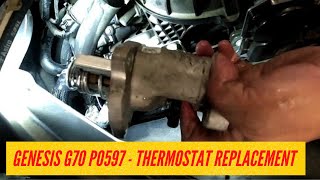
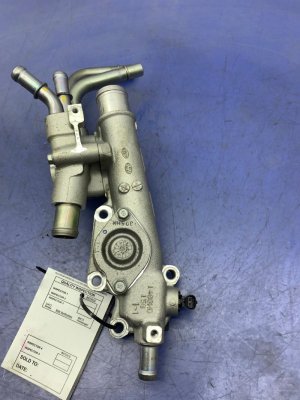
Est. part cost: $20-$500 - Faulty Electronic Thermostat 🟡 Medium Probability → Shop Integrated Thermostat Housing Assembly The thermostat can fail by sticking closed, which prevents coolant from circulating to the radiator. On the G70 3.3T, the thermostat is an electronically controlled unit (part #25500-3L200 or 25600-3L260), adding a layer of complexity over a simple mechanical part.
How to confirm: After starting a cool engine, feel the upper radiator hose. It should remain cool for a few minutes and then get hot suddenly as the thermostat opens. If the engine is overheating but the hose remains cool or only lukewarm, the thermostat is likely stuck closed. A user on Reddit reported this exact symptom: maxed out temp gauge while coolant lines remained cool to the touch.
Typical fix: Replace the thermostat assembly. This is a labor-intensive job on the 3.3T due to tight access. The system must be drained, and then refilled and bled correctly using a diagnostic tool to cycle the new electronic thermostat.
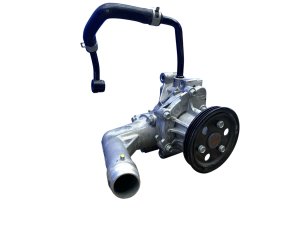
Est. part cost: $550-$825 - Failing Water Pump 🟡 Medium Probability → Shop Engine Water Pump The water pump is a wear-and-tear item. Failures can include a leaking seal (visible from the weep hole) or an eroded impeller that no longer circulates coolant effectively. Owners have reported leaks from the water pump pulley shaft at mileages around 60,000 miles.
How to confirm: Look for coolant leaks from the front of the engine, specifically from the water pump's weep hole. A diagnosis of poor circulation often requires ruling out other causes first, but a noisy bearing or visible leak from the pump area is a clear sign of failure.
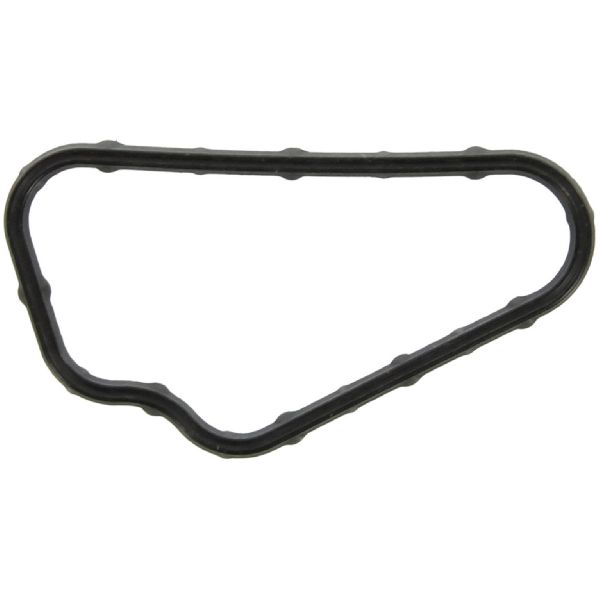
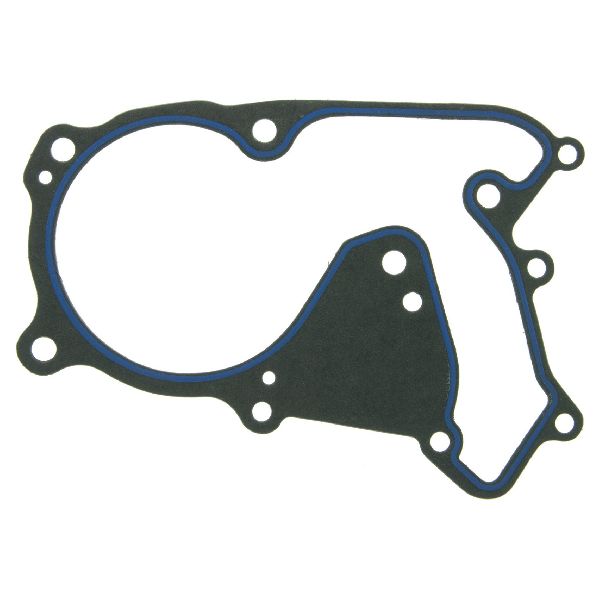
Typical fix: Replace the water pump and gasket. This is a significant repair that involves removing the serpentine belt and other components for access.
Est. part cost: $150-$250 - Radiator Cooling Fan Malfunction ⚪ Low Probability → Shop Engine Cooling Fan Blade Electric cooling fans can fail due to a bad motor, faulty relay, blown fuse, or a problem with the fan control module. This is especially noticeable when idling or in stop-and-go traffic.
How to confirm: With the engine getting hot (but not yet in the red), the cooling fans should be running at high speed. You can also turn on the A/C, which should command the fans to turn on. If they don't spin, the fan system is the likely culprit.
Typical fix: Diagnose the fan circuit (fuse, relay, wiring) and replace the faulty component, which is often the entire fan assembly.
Est. part cost: $300-$600
Rare But Worth Checking
- Clogged or Damaged Radiator: → Shop Radiator External fins can get blocked by road debris, reducing airflow. Internal passages can get clogged from using incorrect coolant or from contaminants, preventing proper heat exchange.
- Blown Head Gasket: A failed head gasket can allow hot combustion gases to enter the cooling system, overwhelming its capacity and causing a rapid overheat. This is a major engine repair and often results from ignoring an initial overheating condition.
- Faulty Engine Coolant Temperature (ECT) Sensor: → Shop Engine Coolant Temperature Sensor While less common, a faulty ECT sensor could theoretically report a false high temperature to the ECM, triggering the P0217 code even if the engine isn't actually overheating. This is unlikely to be the cause if you have physical signs of overheating like steam or a boiling reservoir.
Diagnosis Steps
- SAFETY FIRST: Do not attempt to open the radiator or coolant reservoir cap when the engine is hot. Pressurized, scalding coolant can cause severe burns.
- Verify the overheat condition. Are there physical signs like steam, a hot engine bay, and a maxed-out temperature gauge?
- Check the coolant level in the reservoir. If it's low or empty, you have a leak.
- Listen for a 'water flowing' or 'gurgling' sound from the dashboard area on startup, which indicates air in the cooling system.
- Scan for any other stored trouble codes that could provide more clues.
- Inspect for visible coolant leaks. Look for pink fluid or residue on hoses, the radiator, the water pump area, and under the vehicle.
- Check cooling fan operation. Start the car and turn on the A/C. Both fans should start spinning. If not, inspect fuses and relays first.
- If coolant level is full and fans work, check the thermostat. Start the engine from cold. Feel the upper radiator hose. It should stay cool for several minutes and then become hot as the thermostat opens. If it never gets hot while the temperature gauge climbs, the thermostat is likely stuck closed.
- If the thermostat appears to be working, the next likely suspect is a water pump with poor circulation, which is more difficult to diagnose without professional tools but may present with a leak from the weep hole.
Parts You'll Likely Need
- Thermostat Unit / Control Assembly Coolant Temperature
(OEM #25500-3L200 (also cited as 25600-3L260))— A stuck-closed electronic thermostat is a common cause of overheating. On the G70 3.3T, this is a complex assembly and a frequent failure point leading to P0217. Verify the correct number with the dealer via VIN.
Trusted brands: Genuine Hyundai/Genesis
OEM price range: $180-$260
Aftermarket price range: N/A - Water Pump Assembly
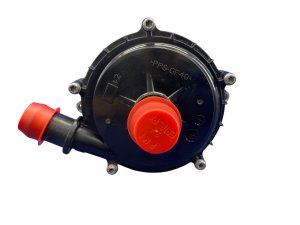
(OEM #25100-3L100)— The water pump circulates coolant through the engine. Leaks from the weep hole or internal impeller failure will cause overheating. Owners have reported leaks around 60,000 miles.
Trusted brands: Genuine Hyundai/Genesis
OEM price range: $150-$250
Aftermarket price range: $80-$150 - Engine Coolant / Antifreeze
(OEM #00232-19098)— Any repair to the cooling system will require draining and refilling the coolant. It is critical to use the correct pink, long-life phosphate-based Asian coolant specified for the vehicle to prevent corrosion and system damage.
Trusted brands: Genuine Hyundai/Genesis, PEAK OET for Asian Vehicles (Pink)
OEM price range: $25-$40 per gallon
Technical Service Bulletins (TSBs) & Recalls
- Recall 019G / TSB 24-01-032G / NHTSA 24V-191: Left Turbocharger Oil Feed Pipe Replacement: A critical safety recall for 2019-2022 G70 3.3T models. The original oil feed pipe can degrade from heat, leak oil onto the exhaust, and cause an engine fire. The repair involves draining and refilling the cooling system, which can introduce air pockets if not bled correctly per the TSB.
- Recall 023G / NHTSA 24V528: High-Pressure Fuel Pump (HPFP) Replacement: A safety recall for 2019-2023 G70 models where the HPFP can fail, causing a sudden loss of drive power. While not a cooling system issue, it is a significant known problem for this platform.
- TSB 19-01-028HG: G80 / G90 TURBO OIL FEED PIPE (RECALL CAMPAIGN 003G): An earlier version of the turbo oil feed pipe recall for G80/G90 models that confirms the need for a special GDS bleeding procedure for the cooling system after the repair.
Platform-Specific Known Issues
- There is a recall (NHTSA Campaign 24V243000, TSB 24-01-032G) for the left-hand turbocharger oil feed pipe on 2019-2022 models, which can leak oil onto the hot exhaust manifold, increasing fire risk. While not directly a cooling system issue, it highlights the high temperatures in the engine bay and the importance of addressing any fluid leaks immediately.
Mechanic-Grade Diagnostic Values
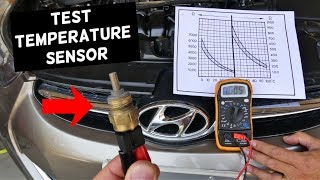
- Engine Coolant Temperature (ECT) Sensor Resistance — expected: Approximately 2.31-2.59 kΩ at 20°C (68°F) and ~0.32 kΩ at 80°C (176°F).. Failure: A resistance reading significantly outside the expected range for a known temperature indicates a faulty sensor.
- Engine Coolant Temperature (ECT) Sensor Signal Voltage — expected: Approximately 2.0V on a cold engine (20°C / 68°F), dropping to around 0.5V at full operating temperature.. Failure: Voltage that is stuck high, low, or jumps erratically points to a sensor or wiring fault.
Scan Tool Commands That Help
- Genesis GDS (Global Diagnostic System): Special Functions -> Engine Coolant Filling Mode — This function is required after replacing any cooling system component (like the thermostat or water pump) to properly bleed air from the system. It cycles the electronic thermostat to ensure all air pockets, especially in the heater core and around the turbos, are purged. Failing to use this procedure is a common cause of repeat overheating.
Wiring & Ground Locations
- Engine Ground Cable — Main ground cable for the engine block.. A poor engine ground can cause erratic behavior from various sensors, including the ECT sensor and the electronic thermostat control. While not a primary cause, checking that the main grounds are clean and tight is a crucial step in diagnosing any electronic fault. The OEM part number for a representative ground cable is 91860-G9010.
OEM Part Supersession History
25600-3L260→25500-3L200— Part number consolidation and potential design update by Hyundai/Genesis.
Heads up: Always verify the correct part number with a dealer using the vehicle's VIN before ordering, as there can be mid-year production changes.
Model Year Variations Within This Range
- 2019-2020 vs 2021+: The OEM coolant color changed. Pre-2021 models typically used green coolant, while 2021 and newer models use pink phosphate-based Asian coolant. The formula is reportedly the same, but it is best practice to use the color specified for the model year or what is currently in the system.
Diagnostic Flowchart
Other Known Issues on This Vehicle
Issues unrelated to this code that are worth knowing about as an owner of this generation:
- Intake Valve Carbon Buildup 🟠 Medium — A known characteristic of Gasoline Direct Injection (GDI) engines. Becomes more prevalent with higher mileage (typically noticeable after 50,000+ miles) and can cause rough idle or misfires. (Ref: No recall, but dealers often recommend a fuel induction/GDI cleaning service.)
- Leaking Left Turbocharger Oil Feed Pipe 🔴 High — Common enough to warrant a major safety recall. The original pipe's material can degrade from engine heat, causing an oil leak onto the hot exhaust manifold. (Ref: NHTSA 24V-191 / Recall 019G / TSB 24-01-032G)
- High-Pressure Fuel Pump (HPFP) Failure 🔴 High — Widespread enough to lead to a recall. Failure can cause the vehicle to enter limp mode or lose motive power suddenly. (Ref: NHTSA 24V528 / Genesis Recall 023G)
- Electronic Wastegate Actuator Rattle 🟠 Medium — Owners report a distinct squeaking or rattling noise from the turbo area, especially when coming to a stop or on/off the throttle. Ignoring the noise can potentially lead to turbocharger failure.
- Interior Rattles (Sunroof/Headliner) 🟡 Low — A very common owner complaint across forums. A rattling or buzzing noise often emanates from the sunroof assembly or headliner area, especially on rough roads or in certain temperatures.
Used vs. New Parts: Buying Guide for This Vehicle
When a used part is the smart pick: For this specific repair, used parts are generally not recommended due to the critical nature of the cooling system and the high labor costs involved. A used radiator or cooling fan assembly from a low-mileage, accident-free donor vehicle could be considered if on a tight budget, but electronic components should be purchased new.
Donor-vehicle mileage cap: roughly under 40000 miles for the part to have meaningful remaining life.
What to inspect on the donor part:
- For a radiator, inspect fins for damage or corrosion and look inside for signs of sludge or stop-leak additives.
- For a fan assembly, check for any cracks in the shroud and ensure the fan blades spin freely without noise or wobble.
- Verify the donor vehicle was not in a front-end collision, which could have caused unseen stress fractures in plastic components.
OEM-only on this vehicle (don't cheap out):
- Electronic Thermostat Assembly (25500-3L200): This is a complex, electronically-controlled part. Aftermarket versions are not widely available and may have calibration or reliability issues. Given the high labor cost, using a Genuine Hyundai/Genesis part is the only reliable choice.
- Engine Coolant Temperature (ECT) Sensor: While inexpensive, OEM sensors are guaranteed to have the correct resistance curve for the ECM, preventing false readings.
Aftermarket brands forum-validated for this vehicle:
- Coolant: PEAK OET for Asian Vehicles (Pink) is a widely accepted alternative to the Genuine Hyundai coolant.
- Hoses: HPS is known for producing quality silicone radiator and breather hoses for this platform.
Brands owners have reported issues with on this vehicle:
- No specific brands are consistently reported as problematic, but unbranded, low-cost electronic parts (like the thermostat or fan assembly) from online marketplaces are a significant risk.
Real Owner Stories
Aggregated from forums and TSBs cited above. Mileages and costs reflect what owners reported in those sources.
2023 Genesis G70 3.3T — 60000 miles
Symptoms: Coolant leaking from the water pump pulley shaft.
What fixed it: Replacement of the water pump and gasket under the powertrain warranty.
Source hint: Reddit: /r/GenesisG70 - Water pump leak
2022 Genesis G70 3.3T AWD
Symptoms: A 'water flowing' sound heard after dealer service, indicating a large air bubble in the cooling system.
What fixed it: Properly bleeding the cooling system to remove air pockets introduced during service.
Source hint: Reddit: /r/GenesisG70 - I bought a 2022 CPO 3.3 AWD and I think my coolant is leaking
2019-2024 Genesis G70 3.3T
Symptoms: Coolant temperature gauge maxed out, but coolant lines and radiator cap remained cool to the touch with no pressure in the system.
What fixed it: Diagnosis pointed to a stuck thermostat or failed water pump preventing circulation.
Source hint: Reddit: /r/GenesisG70 - I am baffled
2019-2024 Genesis G70 3.3T
Symptoms: Sudden overheat with coolant sprayed over the engine bay shortly after an engine replacement.
What fixed it: Repairing a pinched hose or failed clamp likely caused by the recent major service.
Source hint: Reddit: /r/GenesisG70 - Sick of it
Related OBD-II Codes
Frequently Asked Questions
I hear a 'water flowing' sound from my dashboard after my turbo oil line recall service. Is this normal?
Is there a recall for the 2019-2022 Genesis G70 3.3T that could affect my cooling system?
My temperature gauge is maxed out, but the radiator hoses feel cool. What part is likely failing?
Can a high-pressure fuel pump failure cause my G70 to overheat?
Why did my A/C stop blowing cold air when my engine temperature light came on?
Helpful Videos
Used OEM Parts in Stock
New Aftermarket Parts Available

The information in this article is provided for general reference and educational purposes only. Vehicle specifications, procedures, and part compatibility can vary by production date, trim level, and region. Always consult your vehicle's factory service manual and verify part numbers before purchasing or performing repairs. Safety-critical components such as airbags, seat belts, and braking systems should be installed by a qualified professional.
- Genesis G70:
- 🧭 Diagnostic Flowchart
- 🎬 Helpful Videos
- 🛍️ Shop This Part
- What's Unique About the 2019-2024 Genesis G70
- Symptoms You May Notice
- Most Likely Causes
- Rare But Worth Checking
- Diagnosis Steps
- Parts You'll Likely Need
- Technical Service Bulletins (TSBs) & Recalls
- Platform-Specific Known Issues
- Mechanic-Grade Diagnostic Values
- Scan Tool Commands That Help
- Wiring & Ground Locations
- OEM Part Supersession History
- Model Year Variations Within This Range
- Other Known Issues on This Vehicle
- Used vs. New Parts: Buying Guide for This Vehicle
- Real Owner Stories
- 2023 Genesis G70 3.3T — 60000 miles
- 2022 Genesis G70 3.3T AWD
- 2019-2024 Genesis G70 3.3T
- 2019-2024 Genesis G70 3.3T
- Related OBD-II Codes
- Frequently Asked Questions
- 🎟️ Get 5% Off