

P0217 on 2007-2012 Hyundai Santa Fe 3.3L V6: Engine Overheating Causes and Fixes
P0217 means your Santa Fe's engine is critically overheating, requiring an immediate stop. The most common culprits are a failed cooling fan assembly (especially in traffic), a stuck-closed thermostat, or a simple coolant leak. A thermostat fix is around $150-$300, while a complete cooling fan assembly replacement can cost $400-$700 at a shop.
- P0217 is a critical code. Stop driving immediately to prevent severe engine damage.
- Your first check should be the coolant level. If it's low, you have a leak that must be found.
- The most common mechanical failures are the cooling fan assembly and the thermostat.
- If the car overheats in traffic but is fine on the highway, the cooling fan is the primary suspect.
- After replacing any cooling system part, ensure the system is properly bled to remove air pockets, which can cause a new overheating issue.
What's Unique About the 2007-2012 Hyundai Santa Fe
The 2007-2012 Santa Fe (CM generation) with the 3.3L V6 uses a fairly standard cooling system, but owner experiences point to a few common failure patterns. The electric cooling fan assembly, including its control relays, is a frequent culprit for overheating, particularly in stop-and-go traffic. A simple diagnostic trick shared by owners is to swap the fan relay with the horn relay (if they are identical) to quickly test the relay. Additionally, a stuck thermostat is a high-probability cause. The water pump is driven by the main serpentine belt, making it a separate job from the internal timing chain, which is a consideration for diagnosis and labor costs.
Symptoms You May Notice
- Temperature gauge in the red or reading 'HOT'
- Check Engine Light is on
- Engine temperature warning light is on
- Steam or smoke coming from the engine bay
- Reduced engine power or 'limp mode'
- Boiling or gurgling sounds from the engine or coolant reservoir
- A sweet smell of coolant outside the vehicle
- Coolant being visibly forced out of the reservoir or radiator cap
- Replacing the ECT sensor without checking if the fans are working. The sensor is often blamed, but a fan failure is a more common cause of a real overheat.
- Replacing the radiator cap. While a faulty cap can cause issues by not holding pressure, it's less likely to be the primary cause of a severe overheat compared to a failed thermostat or fan.
- Assuming a coolant leak is from a major component before checking simple things like hose clamps and the plastic thermostat housing.
Most Likely Causes
- Low Engine Coolant 🔴 High Probability Over time, hoses can become brittle and clamps can loosen, leading to small, slow leaks that may not be immediately obvious. The plastic thermostat housing can also become brittle and crack.
How to confirm: Visually inspect the coolant reservoir. When the engine is completely cool, check the radiator level by removing the cap. Look for puddles of green or blue coolant under the vehicle and trace any visible leaks on hoses, the radiator, or the water pump. A pressure test of the cooling system is the definitive way to find small leaks.
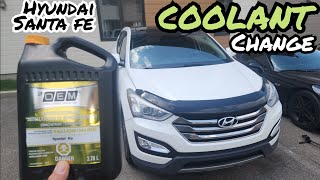
Typical fix: Top off the coolant with the correct type (Hyundai Green or a compatible Asian vehicle coolant 🎬 Watch this video for a guide on performing a coolant replacement.) and find and repair the source of the leak. This could be as simple as tightening a hose clamp or replacing a leaking radiator hose or thermostat housing.
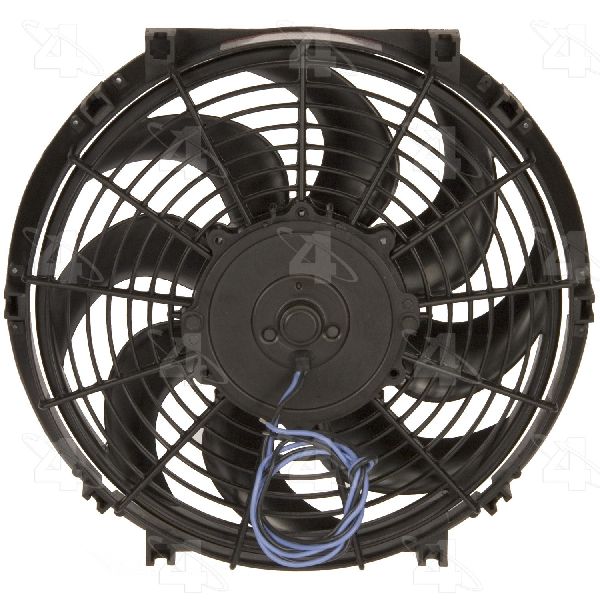
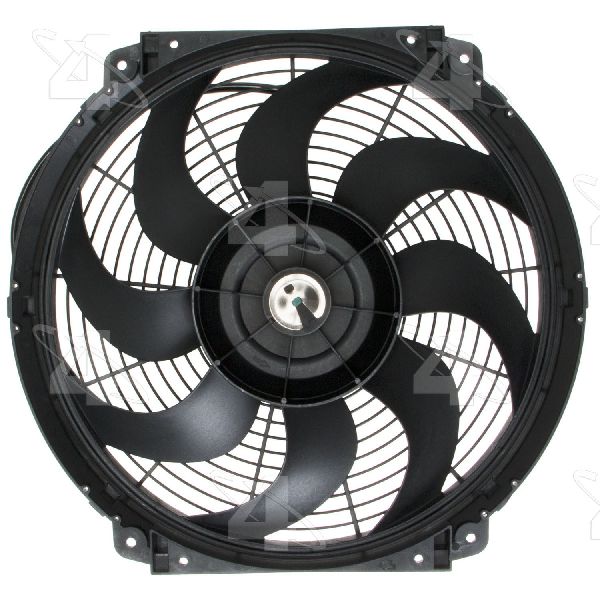
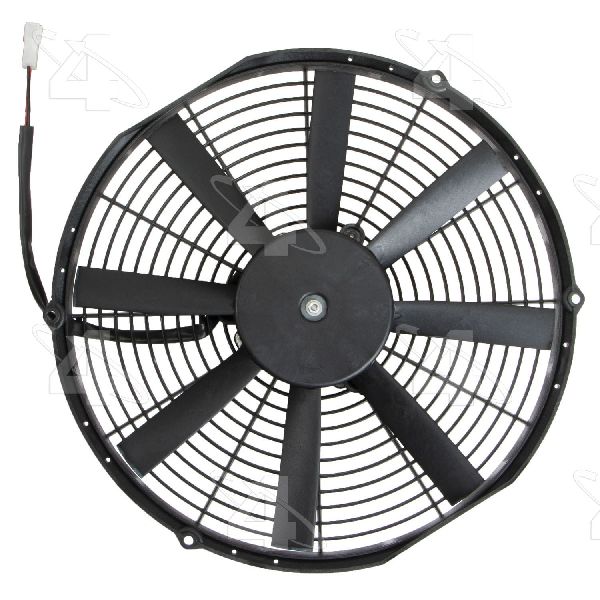
Est. part cost: $5-$50 - Cooling Fan Assembly Failure 🔴 High Probability → Shop Engine Cooling Fan Blade The electric fan motors can wear out, and the fan control relays are common failure points. This is especially noticeable when overheating occurs in stop-and-go traffic but improves on the highway when airflow through the radiator is high.
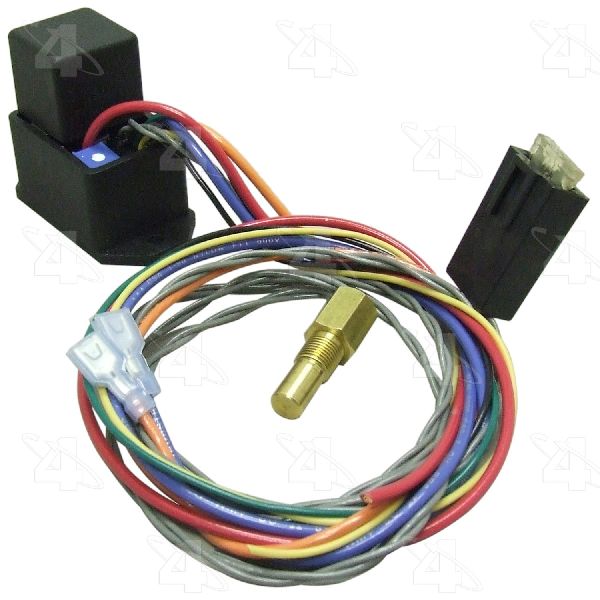
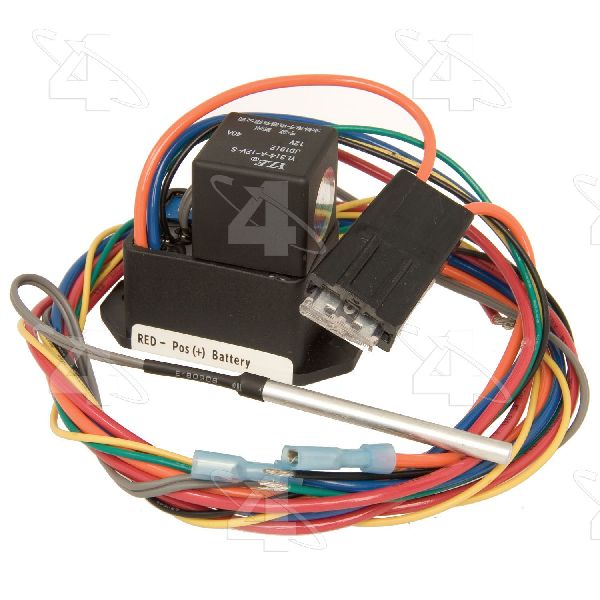
How to confirm: With the engine at operating temperature (or when the A/C is turned on), observe if the cooling fans are spinning. If not, check the fan fuses and relays in the engine bay fuse box. A common diagnostic tip is to swap the fan relay with the horn relay to see if the fans start working. A mechanic can apply 12V directly to the fan motor to test it independently of the relays and wiring.
Typical fix: Often requires replacing the entire cooling fan assembly (both fans, shroud, and motor). Sometimes, just replacing a faulty relay or fuse can fix the issue for under $20.
Est. part cost: $150-$350 - Stuck-Closed Thermostat 🟡 Medium Probability → Shop Integrated Thermostat Housing Assembly
How to confirm: After starting a cold engine, feel the upper radiator hose. It should remain cool for several minutes. As the engine warms up past its operating temperature (around 180-195°F / 82-90°C), the hose should suddenly become hot as the thermostat opens and allows coolant to flow. If the hose never gets hot but the engine is overheating, the thermostat is likely stuck closed.
Typical fix: Replace the thermostat and its gasket. 🎬 Watch this step-by-step walkthrough for replacing the thermostat. It is critical to properly bleed the cooling system of air after replacement to prevent air pockets that cause overheating.
Est. part cost: $20-$60 - Failing Water Pump 🟡 Medium Probability → Shop Engine Water Pump The water pump is a wear item. The internal impeller can erode or the bearing can fail, leading to reduced coolant flow or a complete stoppage. A failed bearing can sometimes shred the serpentine belt, causing a loss of power steering and alternator function as well.
How to confirm: Look for coolant leaks from the weep hole on the water pump body, located on the side of the engine. A grinding or whining noise from the pump area is also a sign of a failing bearing. In some cases, there are no external signs, only a lack of coolant circulation confirmed by a mechanic.
Typical fix: Replace the water pump and serpentine belt. 🎬 See how to replace the water pump on a 3.3L engine. This is a moderately labor-intensive job.
Est. part cost: $80-$200 - Air in the Cooling System ⚪ Low Probability This typically only occurs after the cooling system has been opened for service, such as a thermostat or hose replacement, and was not bled correctly.
How to confirm: If the overheating problem began immediately after a coolant system repair, this is the most likely cause. You may hear gurgling sounds from the heater core area inside the car.
Typical fix: Properly 'bleed' the cooling system to remove trapped air pockets. This can be done using a spill-free funnel kit connected to the radiator neck, running the engine with the heater on high until all air bubbles are purged.
Est. part cost: $0-$25
Rare But Worth Checking
- Clogged Radiator: → Shop Radiator Internal passages can become blocked with scale or debris over time, or the external fins can be blocked by road debris, reducing its ability to dissipate heat. An infrared thermometer can show cool spots on the radiator core, indicating a blockage.
- Faulty Engine Coolant Temperature (ECT) Sensor: → Shop Engine Coolant Temperature Sensor A faulty ECT sensor can fail to trigger the cooling fans, leading to a genuine overheat. It can also send an incorrect high temperature reading to the PCM, triggering the P0217 code without a true overheat condition. Often accompanied by other codes like P0118.
- Blown Head Gasket: This is a worst-case scenario. A failed head gasket can allow hot combustion gases to enter the cooling system, overwhelming its capacity and causing rapid overheating. Look for milky oil on the dipstick, white sweet-smelling exhaust smoke, or use a chemical block tester to check for exhaust gases in the coolant.
Diagnosis Steps
- CRITICAL: If the engine is hot, DO NOT open the radiator cap. Allow the engine to cool completely for several hours.
- Check the coolant level in the overflow reservoir and, when cool, in the radiator itself. Top off if low with Hyundai compatible coolant.
- Visually inspect for obvious coolant leaks from hoses, the radiator, thermostat housing, and the water pump area.
- Start the engine and turn the A/C on high. Both cooling fans should turn on. If they do not, investigate the fan fuses, relays (try swapping with the horn relay), and the fan motor itself.
- If the fans work, check the thermostat. Feel the upper radiator hose as the engine warms up. If the engine temperature gauge climbs into the red but the hose remains cool or only lukewarm, the thermostat is likely stuck closed.
- If the thermostat and fans seem to be working, but the car still overheats, the water pump is the next likely suspect. Listen for bearing noise and check for leaks from the pump's weep hole.
- If the system was recently serviced, perform a proper cooling system bleed procedure to remove any trapped air.
- If all mechanical parts check out, consider testing the ECT sensor and its wiring for proper resistance and voltage readings to rule out a false overheat signal.
Parts You'll Likely Need
- Engine Coolant Thermostat
(OEM #25500-3C140)— Thermostats can fail by sticking closed, which prevents coolant from circulating to the radiator, causing a rapid overheat. It is a common wear item.
Trusted brands: Hyundai (OEM), Aisin, Gates, Motorad
OEM price range: $40-$60
Aftermarket price range: $15-$30 - Radiator Fan Assembly
(OEM #25380-2B100 (for 2007-2009), 25380-0W150 (for 2010-2012). Verify with VIN.)— Failure of the fan motor or its control circuit is a common reason for overheating, especially in city driving. The assembly includes the motor, shroud, and fan blades.
Trusted brands: Hyundai (OEM), TYC, Four Seasons, Dorman
OEM price range: $400-$500
Aftermarket price range: $150-$350 - Cooling Fan Relay
(OEM #95224-2D000 (Verify by checking existing relay))— A failed relay is a cheap and common reason the cooling fans won't activate. It's often overlooked before condemning the entire fan assembly. Can be easily tested by swapping with an identical relay (e.g., horn).
Trusted brands: Hyundai (OEM), Standard Motor Products, WVE
OEM price range: $15-$25
Aftermarket price range: $8-$15
Mechanic-Grade Diagnostic Values
- Engine Coolant Temperature (ECT) Sensor Resistance — expected: Approx. 2.2-3.0 kΩ at 20°C (68°F), decreasing to approx. 0.332 kΩ at 80°C (176°F).. Failure: An infinite resistance reading (open circuit) or values significantly outside the expected range for a measured temperature indicates a faulty sensor.
- Engine Coolant Temperature (ECT) Sensor Signal Voltage at PCM — expected: Approx. 3.0 - 3.5V with key on, engine off on a cold engine (~20°C/68°F). Voltage should decrease as the engine warms, down to around 0.5V - 1.3V at full operating temperature.. Failure: Voltage that is stuck high (around 5V) or low, or does not change as the engine warms up, points to a sensor or wiring issue.
Scan Tool Commands That Help
- Hyundai GDS (Global Diagnostic System) or equivalent high-level bidirectional scanner: Actuation Test for Cooling Fan (Low and High Speed) — This command is used to bypass the relays and PCM logic to directly command the cooling fans on. If the fans run during this test, it confirms the fan motors are functional and the problem lies with the control side (relays, fuses, wiring, ECT sensor, or PCM). If they do not run, the issue is with the fan assembly or its power/ground circuit.
- Hyundai GDS (Global Diagnostic System): Coolant Bleeding Special Function — After replacing a component like a thermostat or water pump, some modern vehicles require a scan tool to properly bleed air from the cooling system. This function may cycle the electronic water pump or other valves to ensure all air pockets are purged.
Wiring & Ground Locations
- Cooling Fan Relays (Low and High) — Located in the main engine compartment fuse and relay box, typically on the driver's side. The underside of the box lid has a diagram identifying the specific relay locations.. A failed fan relay is a very common cause for the cooling fans not activating, leading directly to an overheat condition in traffic or at idle.
- Engine Ground Wire Assembly — Main engine ground straps connect the engine block to the chassis. Part numbers vary by production date.. A poor or corroded engine ground can cause a host of electrical issues, including creating a voltage offset for sensors like the ECT, potentially leading to incorrect readings or improper operation of modules controlling the cooling fans.
- Cooling Fan Assembly Connector — This is the main electrical plug that provides power to the fan assembly itself.. This connector can become corroded or even melt from high resistance, interrupting power to the fans and causing them to fail. It should be inspected for any signs of burning or damage if the fans are inoperative.
Real Owner Repair Stories
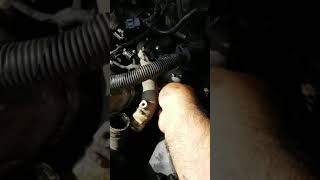
- YouTube user 'Lehew' (2012 Hyundai Santa Fe) — Cooling fans not working, leading to potential overheat.
❌ Tried (didn't work) Not specified, video focuses on direct diagnosis.
✅ What actually fixed it The video demonstrates a thorough diagnostic process. It highlights checking for a seized fan motor, inspecting the main connector for burns/corrosion, checking fuses, and swapping relays. A key diagnostic step shown is manually jumping the relay contacts to send power directly to the fan, confirming the fan motor's operation independently of the control circuit. In many cases, the issue is a simple fuse or relay, but inspecting the connector is a critical step often missed.
OEM Part Supersession History
Not specified→25500-3C140— Standard part for the Lambda V6 engine family across multiple Hyundai/Kia models.
Heads up: This thermostat is used in a wide range of Hyundai and Kia 3.3L and 3.8L engines from this era.25380-2B100→N/A, but is year-specific.— This fan assembly is specified for 2007-2009 Santa Fe models.
Heads up: The 2010-2012 models use a different part number (25380-0W150). The mounting points or electrical connectors may differ, so verifying the correct part for the model year is critical.
Model Year Variations Within This Range
- 2007-2009 vs. 2010-2012: The radiator cooling fan assembly has different part numbers. 2007-2009 models typically use part number 25380-2B100. For the 2010-2012 refresh, the part number changed to 25380-0W150. This was part of a mid-cycle refresh that also introduced new engine options and slight styling changes, likely affecting radiator and fan shroud designs.
Diagnostic Flowchart
Other Known Issues on This Vehicle
Issues unrelated to this code that are worth knowing about as an owner of this generation:
- Front Valve Cover Gasket Leak 🔴 High — Extremely common on 2007-2009 models. Oil leaks directly onto the alternator, causing premature alternator failure. (Ref: Hyundai Service Campaign 976 (NHTSA ID: 23-01-076H-2) was issued to inspect, replace the gasket, and install an oil protector.)
- Faulty Fuel Level Sensor 🟠 Medium — Very common across the entire generation, causing the fuel gauge to read empty or fluctuate wildly, regardless of the actual fuel level. (Ref: While no formal recall, it is a widely documented service issue.)
- Timing Chain Tensioner Wear 🔴 High — Less common than gasket leaks, but can occur at higher mileage (100k+ miles). A failing tensioner can cause a rattling noise on cold starts and may lead to catastrophic engine failure if ignored.
- Leaking Oil Pressure Switch 🟠 Medium — A known issue where the oil pressure switch/sensor develops a leak. The location of the leak can often be misdiagnosed as a more severe rear main seal leak.
- Suspension Component Wear 🟡 Low — Owners frequently report premature wear of front struts and sway bar end links, leading to clunking noises over bumps.
Used vs. New Parts: Buying Guide for This Vehicle
When a used part is the smart pick: A used cooling fan assembly from a reputable auto recycler can be a cost-effective option, especially if the failure is a simple burnt-out motor on an otherwise intact unit. Other cosmetic or simple mechanical parts like the coolant reservoir or hose brackets are also good candidates for used purchase.
Donor-vehicle mileage cap: roughly under 80000 miles for the part to have meaningful remaining life.
What to inspect on the donor part:
- For a fan assembly, spin the blades by hand to ensure the motor bearings are smooth and not seized.
- Inspect the electrical connector on the fan assembly for any signs of melting, charring, or corrosion.
- Check the plastic fan shroud for cracks or broken mounting tabs.
- Ask for the donor vehicle's mileage and try to source from a lower-mileage, non-collision vehicle if possible.
OEM-only on this vehicle (don't cheap out):
- Engine Coolant Thermostat: Aftermarket thermostats have a higher reported failure rate (sticking open or closed) than OEM. Given the critical role and relatively low cost of the OEM part, it is strongly recommended.
- Engine Coolant Temperature (ECT) Sensor: While many aftermarket sensors work, OEM sensors are calibrated precisely for the vehicle's PCM, ensuring accurate fan trigger points and fuel calculations. The cost difference is usually minimal.
Aftermarket brands forum-validated for this vehicle:
- Water Pumps: Brands like Gates and Aisin are well-regarded for cooling system components.
- Radiator Fan Assemblies: TYC and Dorman are common aftermarket replacements that offer a balance of cost and quality.
Brands owners have reported issues with on this vehicle:
- No-name or 'white box' thermostats and sensors from online marketplaces. The risk of premature failure is high and can lead to a repeat of the overheating issue or other performance problems.
Real Owner Stories
Aggregated from forums and TSBs cited above. Mileages and costs reflect what owners reported in those sources.
2007 Hyundai Santa Fe 3.3L V6
Symptoms: The engine was overheating, and the owner sought advice on checking the fan operation, relays, and the thermostat to identify the root cause.
What fixed it: The diagnostic process involved checking the fan relays and thermostat functionality as suggested by the community.
Source hint: hyundai-forums.com thread titled '2007 Santa Fe Overheating'
2007-2009 Hyundai Santa Fe 3.3L V6
Symptoms: Oil leaking from the front valve cover directly onto the alternator, leading to electrical failure.
What fixed it: Replacement of the valve cover gasket and installation of an oil protector as per Service Campaign 976.
Source hint: Reddit r/Justrolledintotheshop thread 'Santa Fe valve cover gasket leak'
Related OBD-II Codes
Frequently Asked Questions
Is there a recall for the oil leak that damages the alternator on my 2007-2009 Santa Fe 3.3L?
My Santa Fe overheats in traffic but cools down on the highway. What is the most likely cause?
What type of coolant should I use for my 3.3L V6 Lambda engine?
Can I test the cooling fan relays myself without special tools?
Why is my Santa Fe gurgling after I replaced the thermostat?
Could a bad water pump cause my serpentine belt to fail?
Helpful Videos
We Have This Part in Stock


The information in this article is provided for general reference and educational purposes only. Vehicle specifications, procedures, and part compatibility can vary by production date, trim level, and region. Always consult your vehicle's factory service manual and verify part numbers before purchasing or performing repairs. Safety-critical components such as airbags, seat belts, and braking systems should be installed by a qualified professional.
- Hyundai Santa Fe:
- 🧭 Diagnostic Flowchart
- 🎬 Helpful Videos
- 🛍️ Shop This Part
- What's Unique About the 2007-2012 Hyundai Santa Fe
- Symptoms You May Notice
- Most Likely Causes
- Rare But Worth Checking
- Diagnosis Steps
- Parts You'll Likely Need
- Mechanic-Grade Diagnostic Values
- Scan Tool Commands That Help
- Wiring & Ground Locations
- Real Owner Repair Stories
- OEM Part Supersession History
- Model Year Variations Within This Range
- Other Known Issues on This Vehicle
- Used vs. New Parts: Buying Guide for This Vehicle
- Real Owner Stories
- 2007 Hyundai Santa Fe 3.3L V6
- 2007-2009 Hyundai Santa Fe 3.3L V6
- Related OBD-II Codes
- Frequently Asked Questions
- 🎟️ Get 5% Off