

P0217 on 2005-2010 Hyundai Sonata: Engine Overheating Causes and Fixes
This code means your engine is overheating. Stop driving immediately. The most common causes are a coolant leak from a hose or the radiator, a failed thermostat stuck closed, or a faulty cooling fan. Expect to spend $150-$500 for most common repairs.
- P0217 is a critical code meaning your engine is overheating. Pull over and shut it down immediately to prevent severe damage.
- The most likely cause is a simple mechanical failure in the cooling system, such as a coolant leak, a stuck thermostat, or a bad cooling fan.
- Start your diagnosis by checking the coolant level and looking for obvious leaks. A cooling system pressure test is the best way to find hidden leaks.
- Do not assume it's a bad sensor. P0217 almost always indicates a real and dangerous overheating condition.
- Because of the risk of burns and severe engine damage from incorrect repairs, professional diagnosis is highly recommended if you are not experienced with cooling systems.
What's Unique About the 2005-2010 Hyundai Sonata
For the 2005-2010 Sonata, the P0217 code doesn't point to a single, unique design flaw but rather to general cooling system failures common with age. The vehicle range spans two generations—the end of the EF (2005) and the entire NF (2006-2010)—with different engines (2.4L I4 and 2.7L/3.3L V6s). While the fundamental causes of overheating are the same, owners report typical issues like failing plastic radiator end tanks, leaky water pumps, and thermostats sticking closed. There are no widespread recalls or TSBs specifically for P0217 on this platform; however, TSB SB-10-EM-006 from December 2010 provides a revised procedure for replacing timing chain tensioners, an issue that can be exacerbated by overheating.
Generation note: The 2005-2010 range covers two Sonata generations: the 4th generation (EF, model year 2005) and the 5th generation (NF, model years 2006-2010). The EF offered a 2.4L Sirius I4 or a 2.7L Delta V6. The NF generation featured the 2.4L Theta I4 and the 3.3L Lambda V6. While the causes of overheating are similar, specific parts like thermostats, water pumps, and hoses will have different part numbers and locations. The NF generation, in particular, is known for issues with plastic radiator tanks cracking with age. The 2009-2010 models are a post-facelift version of the NF generation, which can lead to minor differences in parts and repair procedures compared to the 2006-2008 models.
Symptoms You May Notice
- Temperature gauge reading in the red or 'H' zone
- Engine temperature warning light illuminated
- Steam or smoke coming from under the hood
- Reduced engine power or vehicle entering 'limp mode'
- Noticeable coolant leaks (puddles of green or pink fluid under the car)
- Boiling or gurgling sounds from the engine bay
- A sweet smell of coolant from the engine area
- Replacing the coolant temperature sensor first without verifying if the engine is actually overheating. A P0217 code almost always indicates a true mechanical overheating problem.
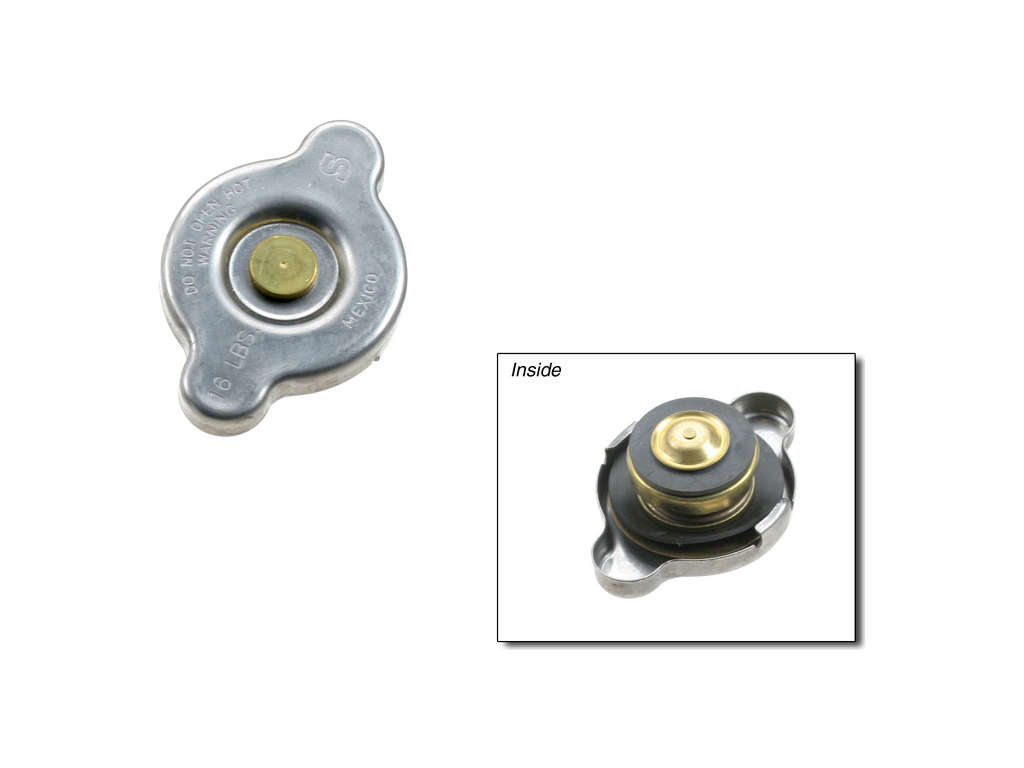
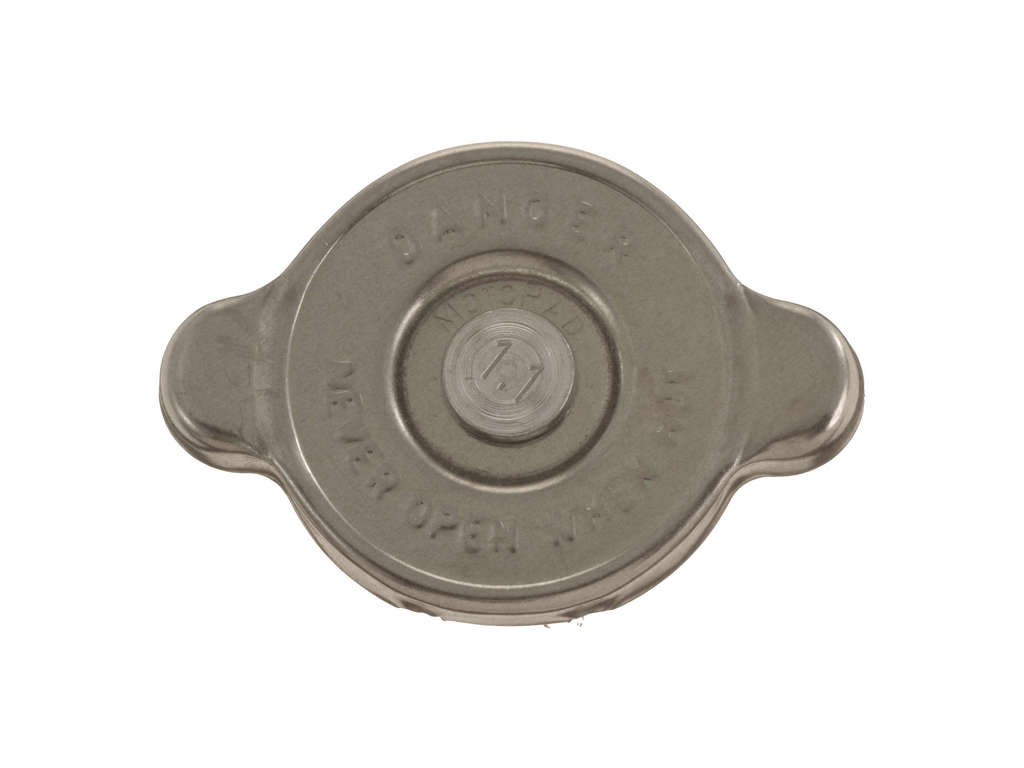
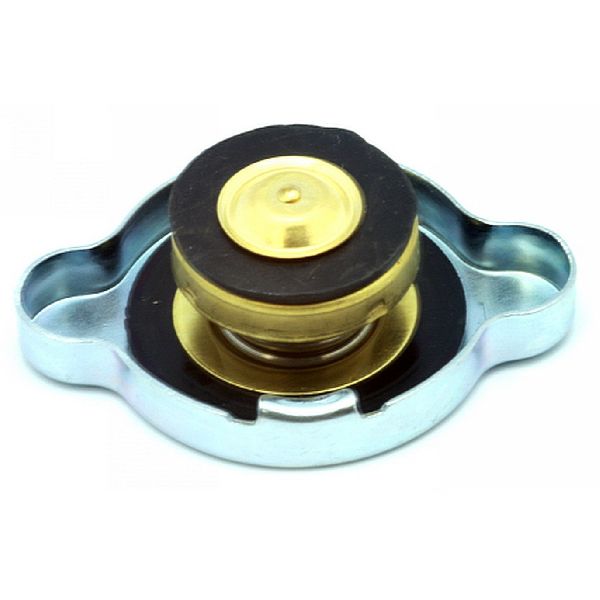
- Replacing the radiator cap without pressure testing the system. While a bad cap can cause issues, it's often a symptom of a larger problem, and a pressure test is needed to find the root cause leak.
Most Likely Causes
- Coolant Leak 🔴 High Probability As vehicles age, plastic components like radiator end tanks and thermostat housings become brittle and crack. Rubber hoses also degrade, leading to leaks at connection points. On the NF Sonata, the plastic tanks crimped to the aluminum radiator core are a common failure point.
How to confirm: Visually inspect the radiator, all hoses, the water pump, and the thermostat housing for wetness, staining, or active dripping. A cooling system pressure tester is the most effective tool; it pressurizes the system to reveal leaks that are not visible when the engine is off.
Typical fix: Replace the leaking component, such as the radiator, a hose, 🎬 Watch: Step-by-step guide to replacing the radiator on this Sonata. or the coolant reservoir.
Est. part cost: $20-$250 - Failed Thermostat 🔴 High Probability → Shop Integrated Thermostat Housing Assembly The thermostat is a wear-and-tear item. It can fail by getting stuck in the closed position, which completely blocks coolant from flowing to the radiator, causing a rapid overheat.
How to confirm: After a cold start, feel the upper radiator hose. It should remain cool for several minutes and then get hot suddenly as the thermostat opens. If it never gets hot but the engine overheats, the thermostat is likely stuck closed. An infrared thermometer can also show a large temperature difference between the engine side and radiator side of the thermostat housing.
Typical fix: Replace the thermostat and gasket. 🎬 See this walkthrough for replacing the thermostat on the 3.3L engine. It is recommended to also drain and refill the coolant at the same time.
Est. part cost: $20-$60 - Malfunctioning Cooling Fan Assembly 🟡 Medium Probability → Shop Engine Cooling Fan Blade Electric fan motors can burn out, and the controlling relays or fuses can fail. This is a common cause of overheating in stop-and-go traffic or at idle, when there is no airflow through the radiator from vehicle movement.
How to confirm: With the engine at operating temperature (or by turning on the A/C), verify if the fan(s) cycle on. If they don't spin, check the 'C FAN' fuse and relay in the under-hood fuse box. 🎬 Watch: How to find the cooling fan relay and fuse locations. You can also carefully try to spin the fan by hand (with the engine OFF) to see if the motor is seized.
Typical fix: Replace the faulty cooling fan motor, fan control module, relay, or fuse.
Est. part cost: $10-$200 - Failing Water Pump 🟡 Medium Probability → Shop Engine Water Pump The water pump is belt-driven and its internal bearing or seal can fail over time, causing leaks from the 'weep hole' or a grinding noise. The impeller, which circulates the coolant, can also degrade or break, though this is less common than a seal failure.
How to confirm: Look for coolant leaking from the weep hole on the pump body, which is located on the side of the engine block. Listen for grinding or whining noises from the pump area with the engine running. With the engine off and cool, check for play in the water pump pulley by wiggling it.
Typical fix: Replace the water pump and gasket. On the V6 engines, this is often done at the same time as the timing belt service.
Est. part cost: $60-$500 - Clogged or Restricted Radiator ⚪ Low Probability → Shop Radiator Using incorrect coolant or neglecting coolant changes can lead to internal corrosion and sludge, clogging the small passages in the radiator. External fins can also get blocked by road debris, reducing airflow.
How to confirm: Use an infrared thermometer to check for significant cold spots across the radiator surface with the engine hot, indicating blockages. Inspect the external fins for dirt, leaves, or damage.
Typical fix: Attempt to flush the cooling system. If heavily clogged internally, the radiator must be replaced.
Est. part cost: $150-$300
Rare But Worth Checking
- Blown Head Gasket: This is a worst-case scenario where combustion gases are forced into the cooling system, causing rapid overheating and over-pressurization. Look for milky oil (like a coffee milkshake) on the oil cap or dipstick, white, sweet-smelling exhaust smoke, and constant bubbling in the coolant reservoir. A block tester kit can confirm the presence of combustion gases in the coolant.
- Faulty Engine Coolant Temperature (ECT) Sensor: → Shop Engine Coolant Temperature Sensor The sensor itself can fail, sending an incorrect 'hot' signal to the PCM and gauge. This is a false overheat; the engine is not actually hot. Confirm with an infrared thermometer on the engine/hoses. However, a P0217 code almost always indicates a true mechanical overheating problem, not just a bad sensor.
- Air Trapped in Cooling System: If the system was recently serviced (e.g., coolant change, hose replacement), an air pocket can get trapped and cause a blockage, leading to erratic overheating. The system needs to be properly 'burped' or vacuum-filled to remove the air.
Diagnosis Steps
- SAFETY FIRST: Do not open the radiator cap on a hot engine. The system is under pressure and can cause severe burns.
- Verify the overheat condition. Use an infrared thermometer to check the temperature of the cylinder head and upper radiator hose. If it's over 230°F (110°C), the overheat is real.
- Check the coolant level in the overflow reservoir and (when the engine is cold) in the radiator itself. If low, you have a leak.
- Visually inspect for obvious coolant leaks from the radiator (especially the plastic end tanks), hoses, water pump, and thermostat housing.
- If no obvious leaks are found, perform a cooling system pressure test to identify hard-to-see leaks.
- Start the engine and turn the A/C on high. Verify that the radiator fan(s) turn on and are spinning at high speed. Check fuses and relays if they do not.
- If fans and coolant level are okay, check the thermostat. Feel the upper radiator hose as the engine warms up. It should stay cool and then get hot quickly. If it warms up gradually or never gets hot, the thermostat is likely faulty.
- If all else fails, suspect a clogged radiator or a failing water pump impeller. A chemical block test can be used to check for a blown head gasket.
Parts You'll Likely Need
- Thermostat
(OEM #25500-2G000 (2.4L Theta), 25500-3C110 (3.3L Lambda))— A stuck-closed thermostat is a very common cause of rapid overheating and is a relatively inexpensive part to replace as a primary diagnostic step.
Trusted brands: Mahle, Motorad, Gates, Hyundai Genuine
OEM price range: $30-$50
Aftermarket price range: $15-$30 - Radiator
(OEM #25310-3K150 (NF 2.4L/3.3L), 25310-38650 (EF 2.4L))— The plastic end tanks on the original radiators are a common failure point, developing cracks and leaks over time.
Trusted brands: Denso, Spectra Premium, Nissens, TYC
OEM price range: $250-$400
Aftermarket price range: $100-$200
Technical Service Bulletins (TSBs) & Recalls
- SB-10-EM-006: Provides a revised procedure for replacing timing chain tensioners, which can be a related concern on the 2.4L engine.
Platform-Specific Known Issues
- Cracked Radiator Plastic End Tanks: → Shop Radiator Owners on Hyundai-Forums.com frequently report coolant leaks originating from cracks in the black plastic end tanks that are crimped onto the aluminum core of the radiator. This is a very common failure after 8-10 years or 100k+ miles.
- Cooling Fan Relay Failure: → Shop Engine Cooling Fan Blade A simple and often overlooked cause for overheating in traffic is the failure of the cooling fan relay, located in the under-hood fuse box. Owners report swapping the fan relay with a similar relay (like the horn relay) for a quick diagnosis.
Mechanic-Grade Diagnostic Values
- Engine Coolant Temperature (ECT) Sensor Resistance — expected: Approximately 2,200 - 3,000 Ω at 20°C (68°F) and 250 - 350 Ω at 80°C (176°F).. Failure: Resistance does not change smoothly as the engine warms up, or readings are significantly outside the expected range (e.g., open circuit or short). A reading that doesn't drop below 1,000 Ω on a hot engine indicates a faulty sensor.
- Engine Coolant Temperature (ECT) Sensor Voltage — expected: Approximately 3.0 - 3.5V on a cold start (~20°C) and dropping to around 1.0 - 1.3V at normal operating temperature (~80°C).. Failure: Voltage that is stuck high (e.g., 3.0V even when hot) or stuck low (e.g., 0.5V when cold) points to a sensor or wiring issue.
Scan Tool Commands That Help
- Hyundai GDS (Global Diagnostic System): Actuation Test: Cooling Fan — This bidirectional command allows a technician to manually turn the cooling fans on (both low and high speed) directly from the scan tool. This is used to verify if the fan motors, relays, and wiring are functional, bypassing the ECT sensor and PCM logic. If the fans turn on with the scan tool but not when the engine gets hot, the problem is likely the ECT sensor or the PCM's interpretation of its signal.
Wiring & Ground Locations
- G07 — Located at the right front of the engine compartment.. This is a primary ground point for the engine harness. A corroded or loose G07 ground can cause erratic behavior from various sensors and actuators, including the cooling fan assembly or the ECT sensor, potentially leading to improper fan operation.
- Powertrain Control Module (PCM) — Located in the engine bay, near the driver's side strut tower for the NF Sonata (2006-2010).. The PCM receives the signal from the ECT sensor and commands the cooling fan relays to activate. All diagnostic paths for sensor signals and fan commands lead to and from this module.
- Body Control Module (BCM) — Located under the center console, beneath the A/C controls for the NF Sonata (2006-2010).. The BCM can be involved in cooling fan logic, particularly when the A/C is turned on, as it communicates with the PCM to request fan operation.
- Cooling Fan Relays (C FAN L / C FAN High) — Located in the engine compartment junction block (main fuse box). For the YF generation (2010+), they are labeled 'C FAN L' (low speed) and 'C FAN High' (high speed). Similar dedicated relays exist for the NF generation in the same fuse box.. These relays are the physical switches that send high-amperage power to the fan motors. A failed relay is a common cause for a fan not turning on. They can be tested for continuity and function.
Real Owner Repair Stories
- YouTube user Pastor Reginald Graham (2008 Hyundai Sonata) — Car would overheat, but only while driving, not at idle.
❌ Tried (didn't work) Initial diagnosis pointed towards common causes like a bad thermostat or air in the system.
✅ What actually fixed it The final fix involved multiple steps: replacing a faulty thermostat, thoroughly flushing a partially clogged radiator, and flushing the heater core. The combination of a restricted radiator and a bad thermostat was the root cause. - Reddit user on r/MechanicAdvice (2007 Hyundai Sonata) — Intermittent overheating, primarily after highway driving and then idling, or in stop-and-go traffic. Coolant was observed boiling in the reservoir.
❌ Tried (didn't work) Pressure test showed no leaks., Heat gun check showed no obvious uneven temperatures., Attempted to 'burp' the system to remove air pockets., The shop could not replicate the issue initially.
✅ What actually fixed it A shop found online cases of a similar issue and replaced a faulty ground wire for the radiator fan assembly, which resolved the intermittent overheating problem. - Reddit user on r/Cartalk (2007 Hyundai Sonata V6) — Car overheated after a short drive. Upper radiator hose was hot, lower was cold. Heater did not blow hot air initially. White steam/smoke from tailpipe.
❌ Tried (didn't work) Replaced the radiator due to a visible steam leak., Replaced the thermostat after the new radiator didn't solve the overheat.
✅ What actually fixed it The user did not post a final confirmed fix, but the combination of intermittent heat and white exhaust smoke after replacing common cooling parts strongly pointed to a blown head gasket, where combustion gases were entering the cooling system.
"I Checked Everything" — The Actual Cause
- In the context of P0217, the equivalent is a 'pressure test clean' scenario. In one documented case, the cooling system held pressure perfectly, yet the car would still overheat intermittently. The root cause was not a leak, but a faulty ground wire for the cooling fan assembly, which prevented the fan from operating correctly under certain conditions.
Model Year Variations Within This Range
- 2006-2010: The NF Sonata generation uses two different cooling fan relays, one for low speed and one for high speed, often labeled 'C FAN L' and 'C FAN High' in the fuse box. Failure of the low-speed relay can cause overheating in traffic, while failure of the high-speed relay can cause overheating with the A/C on or in very hot conditions.
- 2004-2009: The Engine Coolant Temperature (ECT) sensor can have different electrical connectors within this model range. Some use a 2-pin circular connector, while others may use a 3-pin rectangular one. Visual inspection is required before ordering a replacement part to ensure a match.
Diagnostic Flowchart
Other Known Issues on This Vehicle
Issues unrelated to this code that are worth knowing about as an owner of this generation:
- Rear Subframe Corrosion 🔴 High — Very common in 'Salt Belt' states, leading to a recall (NHTSA Campaign 13V-354). Can occur as early as 50,000 miles. (Ref: Recall 113 (NHTSA 13V-354))
- Airbag Occupant Classification Sensor (OCS) Failure 🟠 Medium — Common issue causing the airbag warning light to illuminate. The sensor mat in the passenger seat fails, often requiring seat bottom replacement or an emulator bypass. (Ref: NHTSA Recall 08V-161 for some 2006-2008 models.)
- Timing Chain Rattle on Startup (2.4L Theta II) 🟠 Medium — A rattling noise for a few seconds on a cold start indicates a failing timing chain tensioner. If ignored, it can lead to timing chain stretch or failure. (Ref: TSB SB-10-EM-006)
- Harsh Automatic Transmission Shifts 🟡 Low — Some owners report harsh or delayed shifting, particularly when cold. A software update (TSB-10-01-023) was released to improve shift quality. (Ref: TSB-10-01-023)
- Failing Accelerator Pedal Position (APP) Sensor 🟠 Medium — A faulty APP sensor can cause the vehicle to enter 'limp mode' with reduced power, often triggering a specific DTC. The entire pedal assembly usually needs replacement.
Used vs. New Parts: Buying Guide for This Vehicle
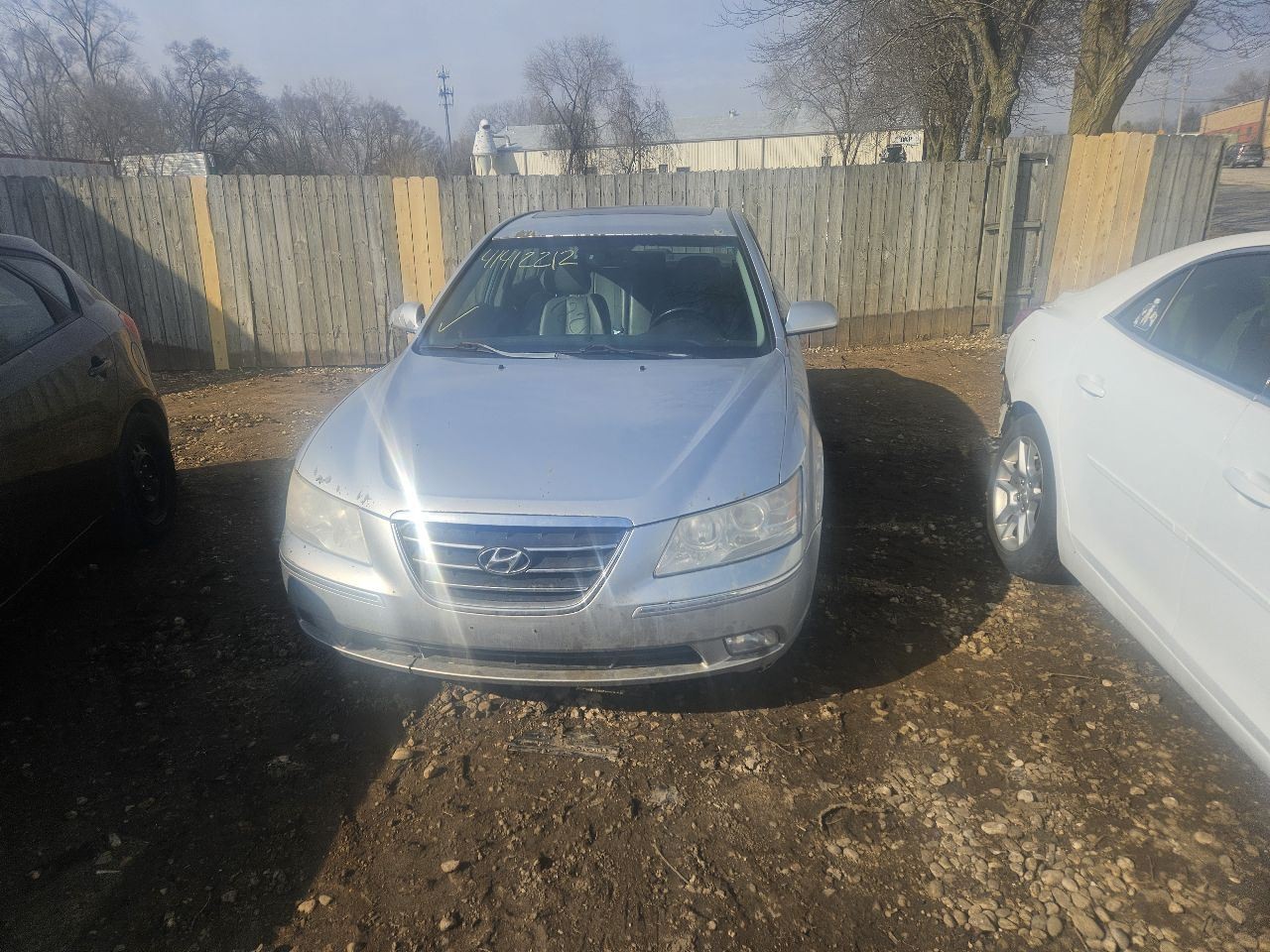
When a used part is the smart pick: For this vehicle, obtaining a used cooling fan assembly or a coolant overflow reservoir from a reputable salvage yard is a reasonable cost-saving measure. These parts are generally durable and their condition is easy to visually inspect.
Donor-vehicle mileage cap: roughly under 80000 miles for the part to have meaningful remaining life.
What to inspect on the donor part:
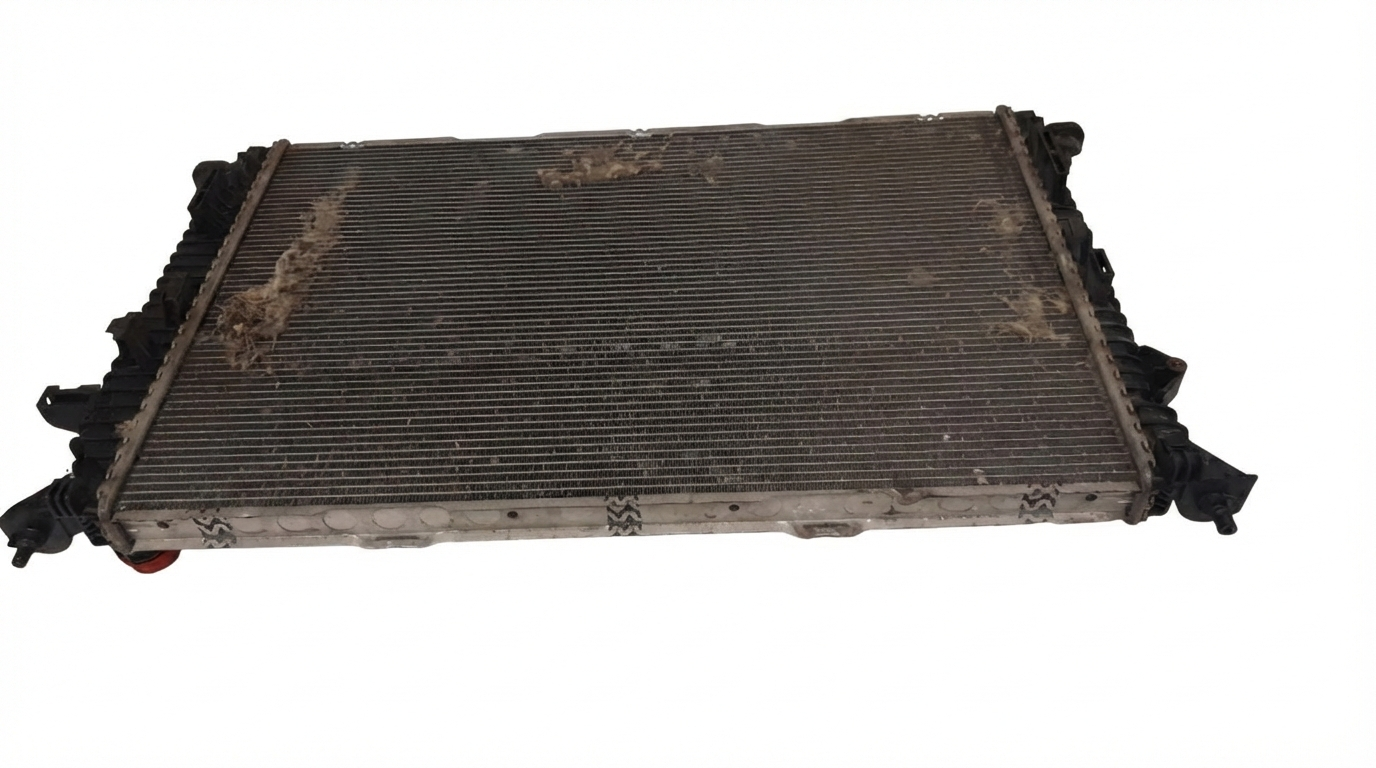
- For a radiator: Inspect fins for excessive damage or corrosion. Check plastic end tanks for any hairline cracks or chalky, faded appearance, which indicates heat fatigue.
- For a fan assembly: Spin the fan blades by hand (unpowered) to ensure the motor bearing is smooth and not seized. Check the wiring and connector for any signs of melting or corrosion.
- Check the donor vehicle's history if possible to avoid parts from a car that had a front-end collision.
OEM-only on this vehicle (don't cheap out):
- Thermostat
- Radiator Cap
- Water Pump
- Hoses
Aftermarket brands forum-validated for this vehicle:
- Radiators: Denso, Spectra Premium, Koyo, TYC are frequently recommended by mechanics and owners for providing good fit and performance.
- Thermostats: Aisin and Gates are reputable OEM-quality alternatives.
Brands owners have reported issues with on this vehicle:
- Unbranded, 'white box' radiators and cooling components from online marketplaces should be avoided, as users report issues with poor fitment, thin materials, and premature failure.
Real Owner Stories
Aggregated from forums and TSBs cited above. Mileages and costs reflect what owners reported in those sources.
2007 Hyundai Sonata — ~100000 miles
Symptoms: Coolant leaks originating from cracks in the black plastic end tanks crimped onto the aluminum core of the radiator.
What fixed it: Replacement of the radiator assembly.
Source hint: Hyundai-Forums.com discussion on NF Sonata radiator failure
2006 Hyundai Sonata
Symptoms: Vehicle overheating specifically while sitting in traffic; cooling fans not engaging.
What fixed it: Swapping the cooling fan relay with the horn relay in the under-hood fuse box to restore fan operation.
Source hint: vehicle_specific_issues: Cooling Fan Relay Failure
2008 Hyundai Sonata 2.4L
Symptoms: Timing chain rattle on cold starts, which was worsened by poor maintenance and engine overheating.
What fixed it: Revised procedure for replacing timing chain tensioners per SB-10-EM-006.
Source hint: Reddit (r/Hyundai) and SB-10-EM-006
Related OBD-II Codes
Frequently Asked Questions
My 2006 Sonata is overheating in stop-and-go traffic but stays cool on the highway. What should I check first?
I see green fluid leaking under my 2008 Sonata. Where is it likely coming from?
Does the timing chain TSB for the 2.4L engine have anything to do with my overheating issue?
How can I tell if my Sonata's thermostat is stuck closed without taking it apart?
Is the radiator in my 2007 Kia Optima the same as the one in the Sonata?
Helpful Videos
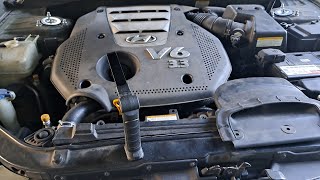
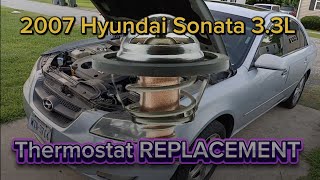
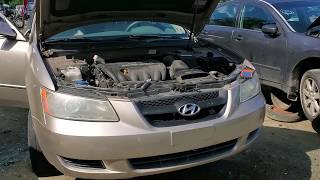
Used OEM Parts in Stock
New Aftermarket Parts Available


The information in this article is provided for general reference and educational purposes only. Vehicle specifications, procedures, and part compatibility can vary by production date, trim level, and region. Always consult your vehicle's factory service manual and verify part numbers before purchasing or performing repairs. Safety-critical components such as airbags, seat belts, and braking systems should be installed by a qualified professional.
- Hyundai Sonata:
- 🧭 Diagnostic Flowchart
- 🎬 Helpful Videos
- 🛍️ Shop This Part
- What's Unique About the 2005-2010 Hyundai Sonata
- Symptoms You May Notice
- Most Likely Causes
- Rare But Worth Checking
- Diagnosis Steps
- Parts You'll Likely Need
- Technical Service Bulletins (TSBs) & Recalls
- Platform-Specific Known Issues
- Mechanic-Grade Diagnostic Values
- Scan Tool Commands That Help
- Wiring & Ground Locations
- Real Owner Repair Stories
- "I Checked Everything" — The Actual Cause
- Model Year Variations Within This Range
- Other Known Issues on This Vehicle
- Used vs. New Parts: Buying Guide for This Vehicle
- Real Owner Stories
- 2007 Hyundai Sonata — ~100000 miles
- 2006 Hyundai Sonata
- 2008 Hyundai Sonata 2.4L
- Related OBD-II Codes
- Frequently Asked Questions
- 🎟️ Get 5% Off