

P0217 on 2008-2009 Pontiac G8: Engine Overheat Causes and Fixes
P0217 means your G8's L76 V8 engine is overheating. Stop driving immediately. The most common causes are a failed thermostat stuck closed, a coolant leak from aged hoses or the radiator, or malfunctioning cooling fans. Replacing the thermostat is a common, inexpensive, and easy DIY fix for this engine, often using ACDelco part 131-156 or 12600171.
- P0217 is a critical code indicating your engine is overheating. Stop driving immediately to prevent catastrophic damage.
- The most common causes are low coolant from a leak, a failed thermostat, or a malfunctioning cooling fan.
- For the L76 V8, start your diagnosis by checking the coolant level. If it's full, a stuck thermostat is a highly probable, inexpensive, and easy-to-fix cause.
- Always verify cooling fan operation by turning on the A/C; both fans should run.
- After any repair to the cooling system, it is crucial to properly bleed the air out to prevent future overheating issues.
What's Unique About the 2008-2009 Pontiac G8
The Pontiac G8 with the L76 6.0L V8 has a generally robust cooling system, but like any vehicle, it's prone to age-related failures. A key advantage for V8 owners is the accessibility of the thermostat, which is located at the front of the engine and is a straightforward component to replace. This is in stark contrast to the V6 G8 models, where the thermostat is notoriously difficult to access at the rear of the engine, requiring intake manifold removal. Because of this, a common cause of overheating on the V8 is often one of the easiest and cheapest to fix.
Symptoms You May Notice
- Temperature gauge in the red or reading very high.
- Check Engine Light or a dedicated high-temperature warning light is on.
- Steam or smoke coming from under the hood.
- A sweet smell of burning coolant.
- Noticeable loss of engine power as the ECM enters a protection mode or 'limp mode'.
- Coolant visible on the ground under the vehicle.
- Replacing the radiator cap without testing it. While a faulty cap can cause issues, it's less common than a thermostat or fan failure.
- Assuming a bad ECT sensor is the cause without verifying a true overheat condition. If the gauge reads hot and you see steam, the overheat is real.
Most Likely Causes
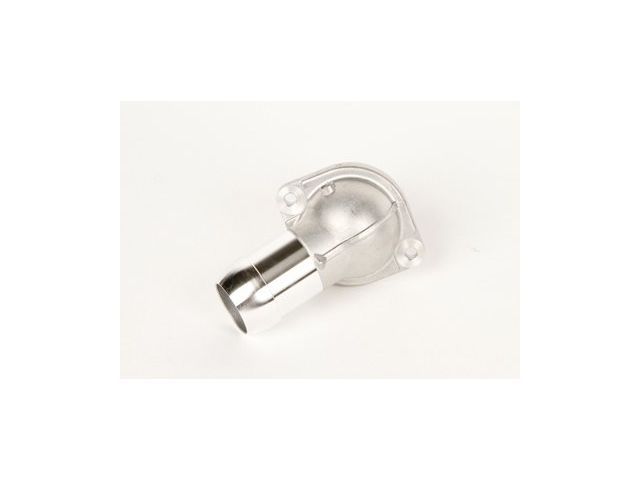
- Failed Thermostat (Stuck Closed) 🔴 High Probability → Shop Integrated Thermostat Housing Assembly Thermostats are a common wear item. On the L76 V8, it's an easy and inexpensive part to replace, making it a logical first step in diagnosis after checking coolant levels. For a stock vehicle, an OEM-temperature (187°F) thermostat is recommended over a 160°F unit.
How to confirm: After the engine cools, feel the upper radiator hose. If it's not hot while the engine is overheating, coolant is not circulating, pointing to a stuck-closed thermostat.
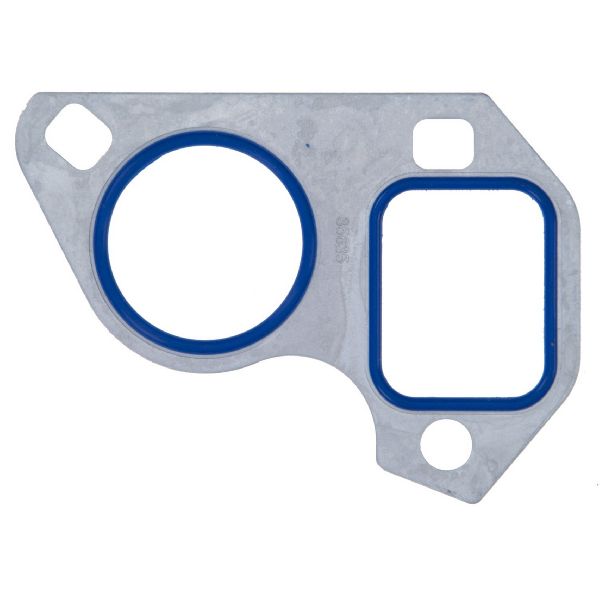
Typical fix: Replace the thermostat and gasket. It's recommended to use an OEM temperature thermostat (around 187°F) for stock vehicles. The ACDelco part is a common choice.
Est. part cost: $25-$60 - Low Engine Coolant / Coolant Leak 🔴 High Probability With age, rubber hoses can crack, plastic radiator end tanks can fail, and water pump seals can degrade, leading to leaks. The radiator is a particularly common failure point.
How to confirm: Visually inspect the coolant reservoir level (when cool). Look for puddles of orange/pink coolant under the car. Inspect hoses, the radiator (especially the plastic end tanks), and the area around the water pump for signs of leaks or pink/white crusty residue.
Typical fix: Identify the source of the leak and replace the failed component. This could be a radiator hose, the radiator itself, or the water pump. After repair, refill with DEX-COOL coolant and bleed the cooling system.
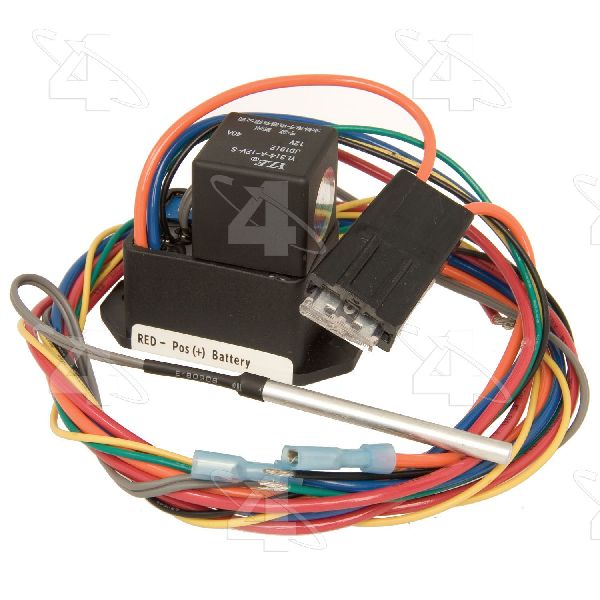
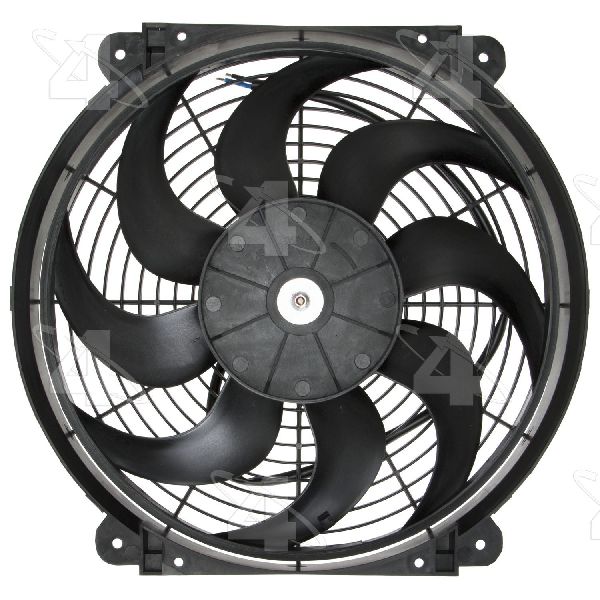
Est. part cost: $20 (hose) - $400 (radiator) - Cooling Fan Malfunction 🟡 Medium Probability → Shop Engine Cooling Fan Blade Electric fan motors can burn out, and the relays or fuses that control them can fail. Forum discussions specifically mention the 4-way fan motor electrical connector is prone to melting from high resistance, which can cause intermittent or total fan failure.
How to confirm: When the engine is hot (or with the A/C turned on), both cooling fans should be running at high speed. If they are not, check the fuses and relays first. A scan tool can also be used to command the fans on for testing. Visually inspect the main fan connector for any signs of melting or heat damage.
Typical fix: If fuses/relays are good, the fan assembly itself likely needs replacement. If the connector is melted, a new pigtail must be spliced in. This issue is also seen on the Chevy Caprice PPV platform mate.
Est. part cost: $150-$350 - Failing Water Pump ⚪ Low Probability → Shop Engine Water Pump The water pump bearing or seal can fail over time, leading to a leak or a wobbly pulley. Less commonly, the impeller can degrade, reducing coolant flow.
How to confirm: Listen for a grinding or squealing noise from the front of the engine. Check for coolant leaking from the pump's weep hole. With the engine off, check for excessive play in the water pump pulley.
Typical fix: Replace the water pump and gaskets. This is often done along with the thermostat. The genuine GM part is 12724895.
Est. part cost: $100-$250
Rare But Worth Checking
- Clogged Radiator: → Shop Radiator Debris (leaves, bugs) can block external airflow, while internal blockages from old coolant or stop-leak additives can restrict flow. Check for blocked fins and consider a coolant flush if the fluid is old or dirty.
- Blown Head Gasket: This is a worst-case scenario. It allows hot exhaust gases to enter the cooling system, causing rapid overheating. Symptoms include white, sweet-smelling exhaust smoke and a milky appearance in the engine oil. This requires a professional diagnosis and is a very expensive repair.
- Faulty Engine Coolant Temperature (ECT) Sensor: → Shop Engine Coolant Temperature Sensor While rare, a faulty ECT sensor could theoretically report a false high temperature. However, it's more likely to fail in other ways, setting codes like P0118. It's worth considering only after all other mechanical causes are ruled out.
Diagnosis Steps
- CRITICAL: Do not open the radiator cap when the engine is hot. The system is under pressure and can cause severe burns.
- Check the coolant level in the overflow reservoir. If it is low or empty, you have a leak.
- Visually inspect the engine bay for obvious signs of coolant leaks. Check all hoses, the radiator (especially the plastic end tanks), and the water pump area for pink residue.
- Start the engine (from cold) and turn the A/C on high. Both cooling fans should activate. If they do not, investigate the fan fuses, relays, and the main fan electrical connector for melting.
- If fans and coolant level are okay, monitor the temperature gauge. As it approaches the normal operating range, carefully feel the upper radiator hose. It should become hot as the thermostat opens. If the engine gets very hot but the hose stays cool, the thermostat is likely stuck closed.
- If the hose gets hot but the engine still overheats, you may have a flow issue, such as a clogged radiator or a failing water pump.
- If you suspect a head gasket failure (milky oil, white exhaust smoke), a professional mechanic should perform a combustion leak test.
Parts You'll Likely Need
- Engine Coolant Thermostat
(OEM #ACDelco 131-156 (Thermostat); ACDelco 12600171 (Thermostat Kit))— This is a very common failure point and is relatively easy and inexpensive to replace on the L76 V8 engine.
Trusted brands: ACDelco, Motorad, Stant
OEM price range: $40-$60
Aftermarket price range: $25-$40 - Cooling Fan Assembly
(OEM #GM 92244422)— If the fan motor fails, it must be replaced to ensure proper cooling at idle and in slow traffic. The connector is also a known failure point.
Trusted brands: ACDelco, TYC, Four Seasons
OEM price range: $300-$450
Aftermarket price range: $150-$250 - Water Pump
(OEM #GM 12724895 (replaces older numbers); ACDelco 251-728)— Necessary if the pump is leaking from its seal or the bearing has failed.
Trusted brands: ACDelco, Gates, Bosch
OEM price range: $200-$300
Aftermarket price range: $100-$180 - Radiator
(OEM #GM 92201728)— The original radiator has plastic end tanks which can crack and leak with age.
Trusted brands: ACDelco, Spectra Premium, Mishimoto
OEM price range: $350-$500
Aftermarket price range: $150-$300
Related Codes That Often Appear With This One
- P0480, P0481 — These codes indicate a malfunction in the cooling fan control circuits. Seeing these with P0217 strongly points to the cooling fan system as the root cause of the overheating.
- P0128 — This code means the engine is running too cool, usually from a thermostat stuck open. Seeing this code intermittently before a P0217 could indicate a thermostat that is failing erratically before finally sticking closed.
Technical Service Bulletins (TSBs) & Recalls
- TSB #SB-09203 / Special Coverage #15289: Addresses an issue where front lower control arm ball joint boots become rigid in cold weather, allowing water intrusion and corrosion, which causes a loud metallic rattle from the front suspension.
Platform-Specific Known Issues
- The electrical connector for the cooling fan assembly is a known weak point and can melt due to high resistance, causing fan failure. This is also a documented problem on the Chevrolet Caprice PPV platform mate.
Mechanic-Grade Diagnostic Values
- Engine Coolant Temperature (ECT) Sensor Resistance — expected: Approx. 2,200 - 3,000 Ω at 20°C (68°F); Approx. 250 - 350 Ω at 80°C (176°F); Approx. 180 - 250 Ω at 100°C (212°F).. Failure: Readings significantly outside the expected range for a given temperature indicate a faulty sensor.
- Low-Speed Cooling Fan Activation Temperature (Scan Tool Live Data) — expected: The ECM commands the low-speed fans ON at approximately 108°C (226°F).. Failure: If the temperature significantly exceeds 226°F and the low-speed fans are not active (and no other fan codes are present), it could point to a relay or wiring issue.
- High-Speed Cooling Fan Activation Temperature (Scan Tool Live Data) — expected: The ECM commands the high-speed fans ON at approximately 113°C (235°F).. Failure: Failure to activate at this temperature while overheating indicates a fault in the high-speed fan circuit, relay, or fan motor.
- Cooling Fan Relay Coil Resistance — expected: 70-110 Ω between terminals 85 and 86 of the relay.. Failure: A resistance reading outside this range indicates a faulty relay which should be replaced.
Scan Tool Commands That Help
- Tech2 / GDS2: Cooling Fan Relay Control — This bidirectional command allows a technician to manually command the low and high-speed cooling fans on and off directly from the scan tool. It is essential for verifying the integrity of the fan control circuits, relays, and fan motors after checking fuses, bypassing the need to wait for the engine to reach high temperatures.
Wiring & Ground Locations
- G103 — From the right (passenger) side front cylinder head to the ABS bracket. This is considered the primary engine block ground.. A poor engine ground can cause incorrect readings from engine sensors, including the ECT sensor, potentially leading to improper cooling fan operation.
- G112 — From the left (driver) side rear cylinder head to the engine harness.. The ECT sensor is located on the driver's side front of the engine; this ground path is critical for the sensor's reference. A faulty ground here can cause erratic or incorrect temperature signals to the ECM.
- G101 / G102 — Located on the right (passenger) side front chassis rail, near the underhood fuse block.. These are main chassis grounds. The cooling fan relays and other components in the underhood fuse block rely on solid chassis grounds to function correctly.
- ECT Sensor Connector — Left (driver's) side front of the engine, on the cylinder head.. This is the direct connection point for the sensor. The two pins are typically a low reference (ground provided by ECM) and a 5V signal. Checking for 5V on one pin and good continuity to ground on the other is a key diagnostic step.
Real Owner Repair Stories
- GRRRR8.net forum user (2008 Pontiac G8 GT) — Intermittent overheating in stop-and-go traffic. The cooling fan would occasionally fail to turn on. Eventually, the top radiator hose blew off the radiator nipple.
❌ Tried (didn't work) Initially, the owner was focused on the mechanical damage (broken radiator nipple) caused by the hose blowing off.
✅ What actually fixed it The root cause was discovered to be a pinched wiring harness leading to the coolant temperature sensor. Repairing the damaged wiring restored the correct signal to the ECM, allowing the cooling fans to operate properly and preventing further overheating.
OEM Part Supersession History
Unknown→GM 92200863— This is the part number for the cooling fan connector pigtail/harness, which often melts.
Heads up: This part is listed as discontinued, but it is a critical repair component for the known issue of a melted fan connector. Aftermarket pigtails are available. The Delphi engineering number may be 13616077.Older unknown numbers→GM 12724895 / ACDelco 251-728— This is the current OEM part number for the L76 water pump assembly.
Model Year Variations Within This Range
- 2008-2009: There are no significant documented differences in the L76 V8 cooling system, including the radiator, water pump, thermostat, or fan assembly, between the 2008 and 2009 model years.
Diagnostic Flowchart
Other Known Issues on This Vehicle
Issues unrelated to this code that are worth knowing about as an owner of this generation:
- AFM/DOD Lifter Failure 🔴 High — Common, especially on higher mileage engines or those with infrequent oil changes. Can occur anytime from 30k to over 150k miles. (Ref: While no specific recall, this is a widely documented issue across many GM vehicles with Active Fuel Management (AFM), also known as Displacement on Demand (DOD).)
- Front Strut Mount Collapse 🟠 Medium — Very common. The original rubber bushings are not robust enough and crush over time, causing a visible gap at the top of the strut tower and poor alignment. Can happen at low mileage.
- Front Lower Control Arm Ball Joint Failure 🟠 Medium — Common failure leading to a loud metallic rattle from the front suspension, especially over rough roads. (Ref: TSB #SB-09203 / Special Coverage #15289 was issued for this problem.)
- Power Steering Cooler Leak 🟡 Low — A frequent source of power steering fluid leaks. The cooler is integrated into the A/C condenser, making replacement more complex than a separate cooler.
- Sagging Headliner 🟡 Low — Common interior issue where the foam backing of the headliner material deteriorates, causing the fabric to detach and sag.
Used vs. New Parts: Buying Guide for This Vehicle
When a used part is the smart pick: For this repair, used parts are generally not recommended due to the critical nature of the cooling system. However, cosmetic or simple structural parts like a fan shroud or coolant reservoir could be sourced from a junkyard if they are in good condition with no cracks.
Donor-vehicle mileage cap: roughly under 60000 miles for the part to have meaningful remaining life.
What to inspect on the donor part:
- For a fan assembly, check the connector for any signs of melting, browning, or corrosion.
- Spin the fan blades by hand to ensure the motors are not seized.
- Inspect any plastic components (radiator end tanks, reservoir) for hairline cracks, discoloration, or brittleness.
OEM-only on this vehicle (don't cheap out):
- Engine Coolant Thermostat: While aftermarket is available, the OEM ACDelco thermostat is highly recommended for its reliability and correct temperature rating (187°F) to avoid performance issues.
- Water Pump: An OEM ACDelco water pump is strongly advised. The seals and bearings are critical, and failure can lead to catastrophic engine damage.
Aftermarket brands forum-validated for this vehicle:
- Radiator: Mishimoto and Cold Case offer all-aluminum performance radiators that eliminate the failure-prone plastic end tanks of the OEM unit. However, forum users have reported mixed results with fitment, sometimes requiring minor adjustments.
Brands owners have reported issues with on this vehicle:
- Generic/Unbranded Radiators: While cheaper, forum discussions suggest avoiding no-name aftermarket radiators due to potential fitment issues and questionable long-term durability compared to OEM or reputable performance brands.
- Unbranded Fan Assemblies: Many low-cost fan assemblies on sites like eBay use lower quality motors and may have connectors that are not robust enough, leading to repeat failures.
Real Owner Stories
Aggregated from forums and TSBs cited above. Mileages and costs reflect what owners reported in those sources.
2009 Pontiac G8 GT 6.0L V8
Symptoms: The vehicle was overheating specifically while sitting in traffic.
What fixed it: The owner found the cooling system was low on coolant; topping off the system resolved the immediate overheating issue.
Source hint: G8Board.com: Fan not working on 2009 g8
2009 Pontiac G8 GT 6.0L V8 — 109000 miles
Symptoms: Engine experienced a misfire and a loud squealing noise.
What fixed it: Replacement of damaged lifters and the camshaft following a non-AFM lifter failure.
Source hint: GRRRR8.net: Lifter Failure
Related OBD-II Codes
Frequently Asked Questions
My 2009 G8 is overheating in traffic; could this be related to the cooling fan connector issue mentioned for the Caprice PPV?
Should I install a 160°F thermostat in my stock L76 6.0L V8 to prevent P0217?
Does TSB #SB-09203 regarding front suspension rattles relate to my overheating engine code?
I see pink crusty residue near the front of my engine; is this a common G8 failure?
Is there a specific GM part number I should look for if my water pump is failing?
Can a failure in the Active Fuel Management (AFM) system cause P0217?
Helpful Videos
We Have This Part in Stock

The information in this article is provided for general reference and educational purposes only. Vehicle specifications, procedures, and part compatibility can vary by production date, trim level, and region. Always consult your vehicle's factory service manual and verify part numbers before purchasing or performing repairs. Safety-critical components such as airbags, seat belts, and braking systems should be installed by a qualified professional.
- Pontiac G8:
- 🧭 Diagnostic Flowchart
- 🎬 Helpful Videos
- 🛍️ Shop This Part
- What's Unique About the 2008-2009 Pontiac G8
- Symptoms You May Notice
- Most Likely Causes
- Rare But Worth Checking
- Diagnosis Steps
- Parts You'll Likely Need
- Related Codes That Often Appear With This One
- Technical Service Bulletins (TSBs) & Recalls
- Platform-Specific Known Issues
- Mechanic-Grade Diagnostic Values
- Scan Tool Commands That Help
- Wiring & Ground Locations
- Real Owner Repair Stories
- OEM Part Supersession History
- Model Year Variations Within This Range
- Other Known Issues on This Vehicle
- Used vs. New Parts: Buying Guide for This Vehicle
- Real Owner Stories
- 2009 Pontiac G8 GT 6.0L V8
- 2009 Pontiac G8 GT 6.0L V8 — 109000 miles
- Related OBD-II Codes
- Frequently Asked Questions
- 🎟️ Get 5% Off