

P0217 on 2003-2006 Subaru Baja: Engine Overheating Causes and Fixes
P0217 means your Subaru Baja's engine is overheating. Stop driving immediately. The most common causes are a failed thermostat, a coolant leak, or failed cooling fans. However, on this specific engine, this code is often a symptom of a failing head gasket, which is a common and serious issue.
- P0217 is a critical code indicating your Baja's engine is overheating. Stop the vehicle immediately to prevent severe damage.
- While the cause could be a simple thermostat or fan issue, you must strongly suspect a failing head gasket on this specific engine.
- Look for tell-tale signs of head gasket failure: a sweet coolant smell, unexplained coolant loss, or bubbles in the coolant reservoir.
- Due to the high probability of a head gasket issue, which is a complex and expensive repair, professional diagnosis is highly recommended.
- If replacing the head gaskets, always use upgraded Multi-Layer Steel (MLS) gaskets and have the cylinder heads professionally resurfaced to ensure a lasting repair.
What's Unique About the 2003-2006 Subaru Baja
The Subaru Baja uses the naturally aspirated EJ25 series engine, which is notoriously prone to head gasket failure. While common cooling system parts like the thermostat or radiator can fail, an overheating event that triggers a P0217 code on this engine must be investigated for signs of head gasket failure. The original single-layer steel head gaskets are known to degrade, causing external coolant and oil leaks that lead to a gradual loss of coolant and eventual overheating. Unlike many other vehicles where head gasket failure results in coolant/oil mixing, the EJ25 typically fails by leaking externally first.
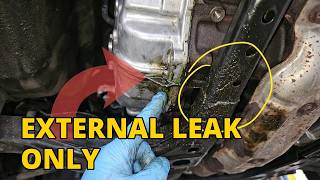
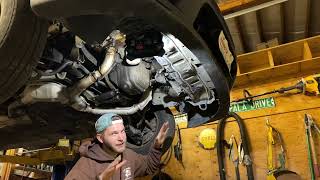
🎬 Watch: Spotting external EJ25 head gasket leaksSymptoms You May Notice
- Temperature gauge spiking into the red zone.
- Illuminated red coolant temperature warning light on the dashboard.
- Steam or smoke coming from under the hood.
- A sweet smell of burning coolant, often noticeable near the firewall after a drive.
- Noticeable loss of engine power as the ECM enters a protective 'limp mode'.
- Gurgling or boiling sounds from the engine bay.
- Coolant being pushed out of the overflow reservoir.
- White smoke from the exhaust (a sign of an internal head gasket failure, less common on this engine but still possible).
- Bubbles visible in the coolant overflow tank when the engine is running (indicates combustion gases in the coolant).
- Replacing the coolant temperature sensor. A faulty sensor is more likely to cause an incorrect gauge reading or other codes, not a genuine overheating event confirmed by steam and a boiling reservoir.
Most Likely Causes
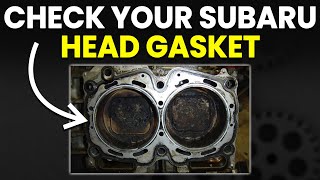
- Failed Head Gasket 🔴 High Probability The naturally aspirated EJ25 engines from this era used single-layer steel head gaskets that are known to fail, causing external coolant and oil leaks or internal leaks of combustion gas into the cooling system. The thermal cycling between the aluminum cylinder heads and iron block causes the gasket coating to degrade over time.
How to confirm: Check for a sweet coolant smell near the firewall after a drive. Look for a greasy/oily film on the subframe and exhaust components below the back of the engine. Use a combustion leak tester (block tester) to check for exhaust gases in the coolant. Bubbles in the coolant overflow tank are another strong indicator. A slow, consistent drop in the coolant level with no visible puddles is a classic early symptom.
Typical fix: This is a major repair that involves removing the engine, having the cylinder heads resurfaced by a machine shop to ensure flatness, and installing upgraded Multi-Layer Steel (MLS) head gaskets. It's standard practice to replace the timing belt, water pump, and thermostat at the same time. Using an OEM MLS gasket like part # 11044AA642 is the recommended permanent fix.
Est. part cost: $300-$600 for a complete head gasket kit with MLS gaskets, bolts, and other seals. - Low Engine Coolant Level 🔴 High Probability Coolant loss can be gradual from a failing head gasket, a cracked radiator end tank, or a leaky hose. These small leaks can go unnoticed until the level is low enough to cause overheating.
How to confirm: Visually inspect the coolant level in the overflow reservoir and the radiator (only when the engine is completely cool). Pressure test the cooling system to find the source of the leak.
Typical fix: Identify and repair the source of the leak (e.g., replace radiator, hose, or head gaskets) and refill the system with Genuine Subaru Long Life Coolant and a bottle of Subaru Cooling System Conditioner.
Est. part cost: $20-$400 depending on the source of the leak. - Failed (Stuck Closed) Thermostat 🟡 Medium Probability → Shop Integrated Thermostat Housing Assembly Thermostats are a common wear item on any vehicle. When they fail in the closed position, they block coolant from circulating to the radiator, causing a rapid overheat.
How to confirm: After the engine has warmed up, carefully feel the upper and lower radiator hoses. If the upper hose is hot and the lower hose is significantly cooler, the thermostat is likely stuck closed.
Typical fix: Replace the thermostat and gasket. It is highly recommended to use an OEM Subaru thermostat (Part # 21200AA072) as aftermarket units are known to cause issues. 🎬 See this quick Subaru thermostat replacement guide
Est. part cost: $25-$50 - Malfunctioning Cooling Fans 🟡 Medium Probability → Shop Engine Cooling Fan Blade Electric cooling fan motors or their control relays can fail over time, preventing the fans from turning on. This causes overheating primarily in stop-and-go traffic or at idle when there is no natural airflow through the radiator.
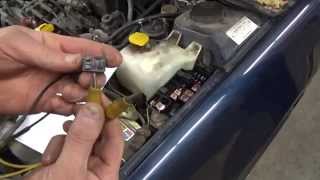
How to confirm: With the engine at operating temperature (or when the A/C is turned on), observe if the cooling fans are spinning. If not, check the fuses (specifically the 20A hot fuses and 15A auxiliary fuses), relays, and test the fan motor for power. A faulty relay is a common point of failure. 🎬 Watch: How to test Subaru cooling fans
Typical fix: Replace the faulty fan motor, relay, or fuse.
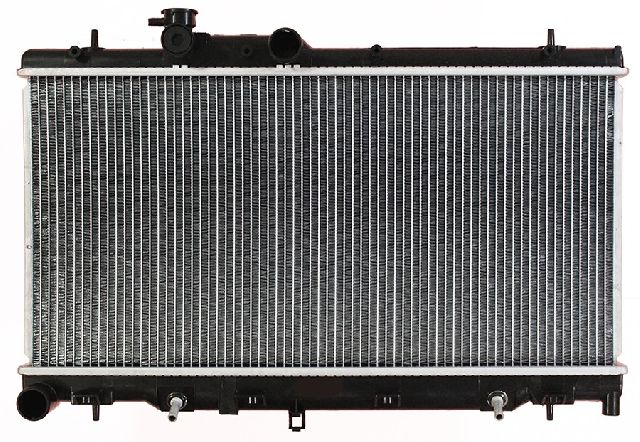
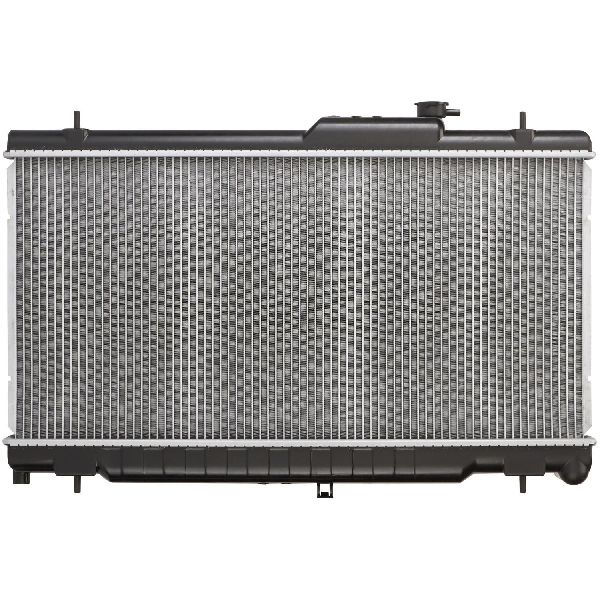
Est. part cost: $100-$250 for a fan assembly. - Leaking or Clogged Radiator ⚪ Low Probability → Shop Radiator Like many vehicles of this era, the factory radiator uses plastic end tanks crimped to an aluminum core. Over time, the plastic can become brittle and crack, causing leaks. Internal passages can also become clogged from corrosion or use of incorrect coolant, which is a known issue if non-genuine coolant is used.
How to confirm: Visually inspect the radiator, especially the top and bottom plastic tanks, for cracks or signs of leaking coolant (white or green crusty residue). Use an infrared thermometer to check for cold spots on the radiator core, which would indicate a clog.
Typical fix: Replace the radiator and radiator cap. Always refill with Subaru Long Life Coolant.
Est. part cost: $100-$250 for an aftermarket radiator.
Rare But Worth Checking
- Failing Water Pump: → Shop Engine Water Pump The water pump impeller can corrode or break, preventing it from circulating coolant effectively. This is less common than other failures but should be considered, especially on high-mileage vehicles where the timing belt service history is unknown. It is typically replaced along with the timing belt and head gaskets as preventative maintenance.
Diagnosis Steps
- SAFETY FIRST: Do not open the radiator cap when the engine is hot. Allow it to cool completely for several hours.
- Check the coolant level in the overflow tank and radiator. If it's low, top it off and look for obvious leaks on the radiator, hoses, and under the engine.
- Scan for any other stored trouble codes that could provide more clues.
- With the engine running and at operating temperature, turn on the A/C to command the cooling fans on. Verify they are spinning. If not, diagnose the fan circuit (fuses, relays, motor).
- Carefully check the temperature of the upper and lower radiator hoses. A hot upper hose and a cool lower hose points to a stuck thermostat.
- Perform a cooling system pressure test to identify any external leaks from hoses, the radiator, or the water pump.
- If no external leaks are found and the coolant level is consistently dropping, perform a combustion leak test (block test) to check for a failed head gasket. This test detects exhaust gases in the coolant.
- Inspect the engine oil for a milky, frothy appearance, which indicates coolant contamination from a severe internal head gasket failure.
Parts You'll Likely Need
- Head Gasket Kit (MLS)
(OEM #11044AA642)— This is the most probable root cause of overheating on the EJ25 engine. An upgraded Multi-Layer Steel (MLS) gasket is the standard, permanent fix.
Trusted brands: Subaru (OEM), Fel-Pro, Six Star
OEM price range: $150-$250
Aftermarket price range: $100-$200 - Thermostat
(OEM #21200AA072)— A common failure point in any cooling system. It's inexpensive and relatively easy to replace, making it a good early diagnostic step if symptoms point to it. Using the OEM part is strongly recommended.
Trusted brands: Subaru (OEM), Aisin, Gates, Mahle
OEM price range: $25-$40
Aftermarket price range: $15-$30 - Radiator
(OEM #45111AE00A)— The original radiators with plastic end tanks are a known weak point and can crack with age, causing coolant leaks.
Trusted brands: Denso, Spectra Premium, TYC
OEM price range: $250-$400
Aftermarket price range: $100-$180
Technical Service Bulletins (TSBs) & Recalls
- 03V153000 - Recall concerning improperly applied paint on the rear suspension sub-frame, leading to rust-out in salt-belt states.
- Subaru Service Bulletin 07-58-06 - Cautions against using non-genuine coolant, which can lead to corrosion and clogging of aluminum radiators. Recommends Genuine Subaru Long Life Coolant.
Platform-Specific Known Issues
- Owner Experience: Head Gasket and Subframe Failure: A user on the r/SubaruBaja subreddit shared their experience of having their rear subframe snap on the driver's side due to rust immediately after completing an expensive head gasket replacement. This highlights the two most critical and costly potential failures on this vehicle, which can occur in close succession on high-mileage examples, especially those from rust-prone areas.
Diagnostic Flowchart
Other Known Issues on This Vehicle
Issues unrelated to this code that are worth knowing about as an owner of this generation:
- Rear Subframe Rust 🔴 High — Common in 'salt belt' regions. Can lead to structural failure of the rear suspension. (Ref: Recall 03V153000 was issued for rust proofing, but failures can still occur.)
- Wheel Bearing Failure 🟠 Medium — Fairly common after 100,000 miles. Symptoms include a loud humming or grinding noise from the wheel area that changes with speed.
- P0420 - Catalyst System Efficiency Below Threshold 🟡 Low — Extremely common on high-mileage Subarus. Often referred to as 'The Subaru Code'. It can be caused by a failing catalytic converter, a bad rear O2 sensor, or an exhaust leak.
Real Owner Stories
Aggregated from forums and TSBs cited above. Mileages and costs reflect what owners reported in those sources.
2005 Subaru Baja 2.5L NA
Symptoms: Radiator fan not working.
What fixed it: Troubleshooting the fan circuit, specifically checking the fuses and relays.
Source hint: r/MechanicAdvice - 'Radiator fan not working'
Subaru Baja EJ25 — ~150000 miles
Symptoms: The owner experienced a severe case of rear subframe rust where the driver's side snapped.
What fixed it: The failure occurred immediately after completing an expensive head gasket repair.
Source hint: r/SubaruBaja - 'My Baja Rust Repair Journey (so far)'
Related OBD-II Codes
Frequently Asked Questions
Is there a specific recall for the rear subframe issues mentioned by other Baja owners?
What type of coolant should I use to avoid radiator clogging in my 2.5L Baja?
Which head gasket should be used for a permanent fix on the EJ251/EJ253 engine?
My Baja is overheating at idle but fine on the highway; could it be the fans?
Is it true that the thermostat in the Baja is prone to issues if I use an aftermarket part?
Why does my Baja smell sweet near the firewall after driving?
Helpful Videos
We Have This Part in Stock


The information in this article is provided for general reference and educational purposes only. Vehicle specifications, procedures, and part compatibility can vary by production date, trim level, and region. Always consult your vehicle's factory service manual and verify part numbers before purchasing or performing repairs. Safety-critical components such as airbags, seat belts, and braking systems should be installed by a qualified professional.
- Subaru Baja:
- 🧭 Diagnostic Flowchart
- 🎬 Helpful Videos
- 🛍️ Shop This Part
- What's Unique About the 2003-2006 Subaru Baja
- Symptoms You May Notice
- Most Likely Causes
- Rare But Worth Checking
- Diagnosis Steps
- Parts You'll Likely Need
- Technical Service Bulletins (TSBs) & Recalls
- Platform-Specific Known Issues
- Other Known Issues on This Vehicle
- Real Owner Stories
- 2005 Subaru Baja 2.5L NA
- Subaru Baja EJ25 — ~150000 miles
- Related OBD-II Codes
- Frequently Asked Questions
- 🎟️ Get 5% Off