

P0217 on 2004-2013 Subaru Forester XT: Engine Overheating Causes and Fixes
P0217 means your Forester XT's engine is critically overheating. Stop driving immediately. The most common causes are a leaking radiator, often due to cracked plastic end tanks, or a stuck-closed thermostat. A radiator replacement costs ~$150-$400 for the part, while a genuine Subaru thermostat is ~$25-$40.
- P0217 is a critical code that means your engine is overheating. Stop driving immediately to prevent severe damage.
- The most likely culprit on a 2004-2013 Forester XT is a leaking radiator, specifically from the seams where the plastic end tanks meet the metal core.
- A stuck-closed thermostat is another high-probability cause. Always use a genuine Subaru thermostat for replacement.
- After any repair, ensure the cooling system is properly bled to remove all air pockets, as these can cause overheating.
- While possible, head gasket failure is a less likely root cause on the turbo EJ255 engine than on non-turbo models, but can be a result of a severe overheat.
What's Unique About the 2004-2013 Subaru Forester XT
On the turbocharged Forester XT, the cooling system is put under significant stress. The most well-documented weak point for this generation is the factory radiator, which uses plastic end tanks crimped onto an aluminum core. Over time, the top plastic end tank frequently develops a hairline crack near the upper hose connection, causing coolant leaks that lead to overheating. Additionally, these EJ255 boxer engines can be sensitive to air pockets in the cooling system, making proper bleeding after any repair crucial for preventing phantom overheating. While head gasket issues are famous on other Subaru engines, they are less common as a root cause of overheating on the turbo EJ255, but can be a common *result* of a severe overheat event.
Generation note: This range covers two Forester generations: the SG (2004-2008) and the SH (2009-2013). The primary weak point, the OEM radiator with plastic end tanks, is a common failure item on both generations. Diagnostic and repair procedures are very similar across both. The SH generation (2009+) may also have more complex electronic fan controls to consider during diagnosis.
Symptoms You May Notice
- Temperature gauge reading in the red or very high
- Flashing coolant temperature warning light
- Steam or white smoke coming from under the hood
- A sweet, syrupy smell of coolant from the engine bay
- Noticeable loss of engine power as the ECU enters a protective 'limp mode'
- Loud boiling or gurgling sounds from the engine or radiator
- Visible green or blue coolant leaking under the vehicle, especially from the top of the radiator
- Coolant being pushed into and overflowing from the coolant reservoir tank
- Replacing the coolant temperature sensor. The sensor is usually doing its job correctly by reporting the high temperature. P0217 indicates a real overheat condition, not a faulty sensor reading.
Most Likely Causes
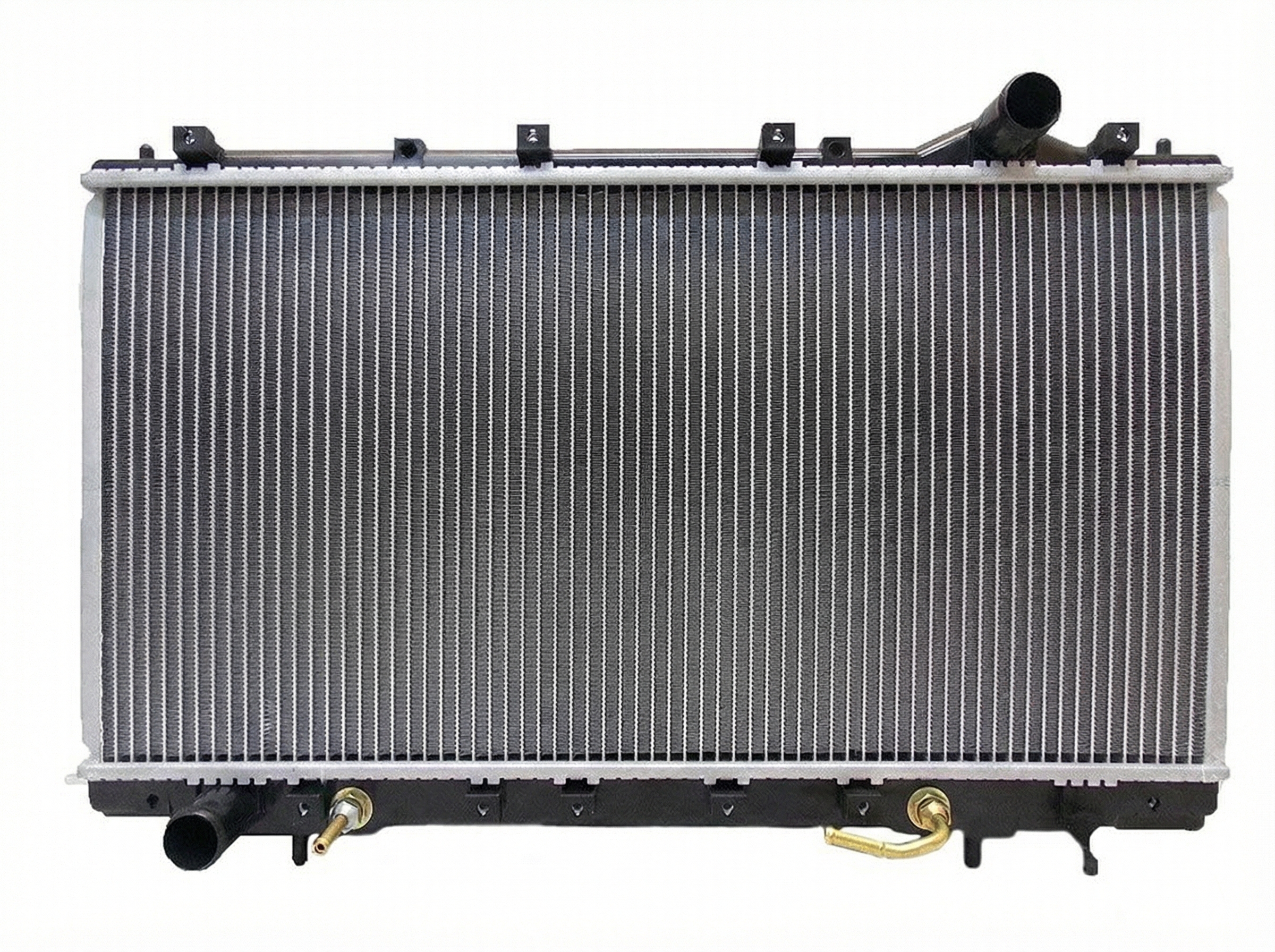
- Leaking Radiator 🔴 High Probability → Shop Radiator The factory radiators use plastic end tanks crimped to the aluminum core. This seam is a notorious failure point, with the top plastic tank often developing a hairline crack that leaks under pressure, especially when hot.
How to confirm: Visually inspect the top and bottom of the radiator for white or colored crusty residue (dried coolant) or active drips, especially where the plastic tanks meet the metal core. A cooling system pressure test will confirm the leak, often making a small crack spray visibly.
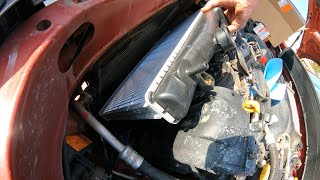
Typical fix: Replace the radiator. Many owners choose to upgrade to an all-aluminum radiator (e.g., from Mishimoto or Koyorad) to prevent future failures. This is a highly recommended reliability upgrade. 🎬 Watch: Step-by-step radiator, thermostat, and hose replacement
Est. part cost: $150-$400 - Stuck-Closed Thermostat 🔴 High Probability → Shop Integrated Thermostat Housing Assembly Thermostats are a common wear item. They can fail and get stuck in the closed position, preventing coolant from circulating to the radiator.
How to confirm: After a cold start, feel the upper radiator hose. It should remain cool for several minutes and then become hot suddenly as the thermostat opens. If the engine overheats but the hose remains cool or only lukewarm, the thermostat is likely stuck closed.
Typical fix: Replace the thermostat and its gasket. It is highly recommended to use a genuine Subaru OEM thermostat (part # 21210AA030). Aftermarket units are known to open at incorrect temperatures or fail prematurely, causing persistent cooling issues.
Est. part cost: $25-$50 - Inoperative Cooling Fans 🟡 Medium Probability → Shop Engine Cooling Fan Blade Fan motors can burn out or relays can fail, preventing the fans from turning on. This is most noticeable when overheating occurs in stop-and-go traffic or while idling, but is fine at highway speeds.
How to confirm: With the engine at operating temperature, or by turning the A/C on, check if both cooling fans are spinning. If they are not, check the fan fuses and relays in the under-hood fuse box first. You can swap a suspected bad relay with a known good one (like the horn relay) for a quick test.
Typical fix: Replace the faulty fuse, relay, or the entire cooling fan assembly. Fan motors are a common failure point.
Est. part cost: $10-$30 for a relay, $100-$250 for a fan assembly - Air Trapped in Cooling System 🟡 Medium Probability Subaru boxer engines can be tricky to bleed properly after a coolant flush or repair. Trapped air can form a large pocket that blocks coolant circulation, leading to sudden overheating, often with the heater blowing cold.
How to confirm: This is often diagnosed by exclusion if all other parts check out, especially if the overheating began shortly after a coolant service. Gurgling sounds from the dashboard area are a strong indicator.
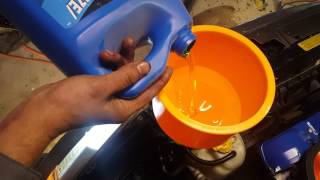
Typical fix: Properly bleed the cooling system. Park the vehicle on an incline (nose up) and use a spill-free funnel (like the Lisle 24680) on the upper coolant tank to help purge the air while running the engine with the heater on full blast.
Est. part cost: $0-$30 (for a funnel) - Low Coolant Level from Other Leaks 🟡 Medium Probability Coolant hoses, especially the smaller turbo and throttle body lines, can become brittle and crack over time. The water pump may also develop a leak from its weep hole as it ages.
How to confirm: Visually inspect all coolant hoses for cracks, swelling, or leaks at the connection points. Check the water pump area (located behind the timing cover) for signs of coolant leakage. A pressure test is the most effective way to find smaller leaks.
Typical fix: Replace the leaking hose(s) or the water pump. If replacing the water pump, it is standard practice to also replace the timing belt and associated pulleys at the same time.
Est. part cost: $15-$100 for hoses, $100-$300 for a water pump kit
Rare But Worth Checking
- Head Gasket Failure: While less common as a primary cause on the EJ255 turbo engine compared to its non-turbo counterparts, a head gasket can fail, especially after a severe overheating event. This allows hot combustion gases to super-heat the coolant and over-pressurize the system. This should be suspected if coolant is being constantly pushed out of the overflow tank or if a chemical 'block test' detects exhaust gases in the coolant.
- Faulty Radiator Cap: → Shop Radiator A weak or faulty radiator cap that cannot hold the specified pressure (typically 1.3 bar) will lower the boiling point of the coolant. This can cause the system to boil over and overheat even if there are no leaks and all other components are functional. It's an inexpensive and often overlooked component.
Diagnosis Steps
- DO NOT open the radiator or upper coolant tank cap when the engine is hot. Allow it to cool completely for several hours.
- Visually check the coolant level in the overflow reservoir. If it's empty, check the level in the upper coolant tank (when cold). If low, you have a leak.
- Inspect the engine bay for obvious signs of a coolant leak. Pay close attention to the top plastic seam of the radiator for fine cracks and white/green residue.
- If no obvious leaks are found, perform a cooling system pressure test to reveal any hidden leaks from gaskets, hoses, or the radiator.
- Start the engine from cold and turn the A/C on full blast. Both cooling fans should activate immediately. If not, inspect fuses (Main Fan, Sub Fan) and relays in the under-hood fuse box.
- Check the thermostat's operation by feeling the upper radiator hose. It should stay relatively cool and then get hot quickly as the thermostat opens at ~172°F (78°C). If it heats up slowly or not at all while the engine overheats, the thermostat is likely stuck.
- If coolant is constantly bubbling in the upper tank or being forced out the overflow, and no other cause is found, perform a chemical block test to check for exhaust gases in the coolant, which would indicate a failed head gasket.
Parts You'll Likely Need
- Radiator
(OEM #45111SA021 (SG), 45119SC000 (SH))— The factory radiator with plastic end tanks is a very common failure point on this vehicle, causing leaks that lead to overheating.
Trusted brands: Subaru (OEM), Denso, Koyorad (All-Aluminum Upgrade), Mishimoto (All-Aluminum Upgrade)
OEM price range: $300-$450
Aftermarket price range: $150-$250 - Engine Coolant Thermostat
(OEM #21210AA030)— A thermostat stuck in the closed position is a frequent cause of overheating. Using a genuine Subaru part is highly recommended for proper performance and temperature rating (opens at 78°C).
Trusted brands: Subaru (OEM)
OEM price range: $25-$40
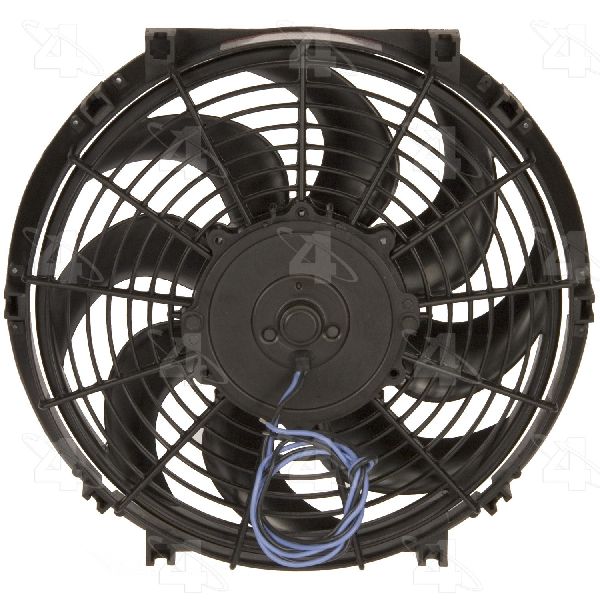
Aftermarket price range: $15-$30 - Cooling Fan Assembly — Fan motors fail with age, leading to overheating in traffic. Often sold as a complete assembly with shroud and both fans.
Trusted brands: Subaru (OEM), TYC, Dorman
OEM price range: $300-$400
Aftermarket price range: $100-$250 - Cooling Fan Relay — A failed relay is a cheap and simple fix that can prevent the cooling fans from activating.
Trusted brands: Subaru (OEM), Standard Motor Products
OEM price range: $20-$40
Aftermarket price range: $10-$25
Platform-Specific Known Issues
- The original equipment radiators are known for developing leaks at the seams where the plastic end tanks are crimped to the aluminum core. This is the most probable cause of a coolant leak on an aging Forester XT.
Mechanic-Grade Diagnostic Values
- OEM Thermostat Opening Temperature — expected: Begins to open at 78°C (172°F). Failure: If the lower radiator hose remains cold when the engine is fully hot, the thermostat is likely stuck closed.
- Voltage at Cooling Fan Connector — expected: Approximately 12V (battery voltage) when the fan is commanded on (A/C on, or engine at operating temp).. Failure: 0V indicates a problem with the relay, fuse, or wiring. 12V with no fan movement indicates a failed fan motor.
Scan Tool Commands That Help
- Subaru Select Monitor (SSM) or generic OBD-II scanner with bidirectional controls: Cooling Fan Activation Test — Use this command to manually turn the cooling fans on and off. This quickly verifies if the fan motors, wiring, and relays are functional, separating them from the temperature sensor and ECU logic.
- Subaru Diagnostic Connectors (Green): Test Mode Activation — Connecting the green test mode connectors under the dash allows the ECU to cycle through all relays and solenoids, including the fan relays, upon turning the key to 'ON'. This is a field method to confirm relay and fan motor function without a scan tool.
Wiring & Ground Locations
- Main and Sub Fan Fuses — In the main fuse box in the engine compartment. For the SG (2003-2008) generation, these are typically 30A fuses labeled 'Radiator cooling fan (Main)' and '(Sub)'.. These are the primary fuses for the fan motors. A blown fuse is a common and simple cause for fan failure, leading to overheating in traffic.
- Cooling Fan Relays — Typically located in the main fuse and relay box in the engine compartment. The SG generation uses a three-relay system (Main Fan Relay, Sub Fan Relay, Fan Mode Relay) to achieve two-speed operation.. A failed relay will prevent the ECU's signal from activating the fan motor(s). Swapping a suspect relay with a known-good one (like the horn relay) is a common diagnostic step.
- Engine Coolant Temperature (ECT) Sensor — On the EJ255, it's typically located on the coolant crossover pipe on top of the engine, near the throttle body.. While not a common cause of a *real* overheat, its wiring is critical. The ECU relies on its signal to know when to activate the fans. A wiring diagram for a 2008 model shows it connects directly to the Engine Control Module.
Real Owner Repair Stories
- Go-Parts Forum Summary (Early 2000s Subaru Forester with EJ25 engine) — Persistent P0217 and overheating, especially in traffic.
❌ Tried (didn't work) Head gasket replacement, Timing belt and water pump replacement
✅ What actually fixed it The root cause was an internally clogged original radiator. Debris from the previous failure had blocked the small passages, restricting flow. Replacing the radiator with a new unit finally resolved the overheating. - Reddit user 'dydlee' (2009 Forester XT) — Cooling fans not working, temperature light flashing red in stop-and-go traffic.
❌ Tried (didn't work) Checked fan relays (Sub and Main), Confirmed A/C compressor clutch was engaging, Confirmed fan operation using the green diagnostic connectors (test mode)
✅ What actually fixed it Despite one fan motor passing a direct 12V test, replacing both fan motors ultimately solved the problem.
"I Checked Everything" — The Actual Cause
- A cooling system that passes a static pressure test (no visible leaks) can still cause a P0217 code. A common scenario is a head gasket leak that only opens under the high heat and pressure of combustion, forcing hot exhaust gases into the coolant and overwhelming the system. This type of leak will not show up on a cold pressure test. Another cause is an internally clogged radiator that holds pressure perfectly but has such poor flow that it cannot dissipate heat effectively.
OEM Part Supersession History
Multiple older head gasket part numbers (e.g., 11044AA633)→11044AA770— The original composite gaskets were prone to failure. Later revisions moved to a more robust Multi-Layer Steel (MLS) design. The 11044AA770 is a revised MLS gasket that offers superior sealing and is often recommended for both Naturally Aspirated and Turbo applications as a durability upgrade.
Heads up: When upgrading to MLS gaskets, ensuring the cylinder head and block surfaces are perfectly flat is critical for a proper seal.
Model Year Variations Within This Range
- 2004-2005 (Early SG): When installing some aftermarket all-aluminum radiators on these early models, the factory upper coolant tank/turbo expansion tank configuration may differ. Some radiator kits require plugging a port on the radiator's upper water neck that is not used on these specific years.
- SG (2004-2008) vs SH (2009-2013): The OEM radiator is different between generations. The SG generation uses part number 45111SA021, while the SH generation uses 45119SC000. While functionally similar, they are not directly interchangeable due to mounting and hose locations.
Diagnostic Flowchart
Other Known Issues on This Vehicle
Issues unrelated to this code that are worth knowing about as an owner of this generation:
- Piston Ringland Failure 🔴 High — More common on modified engines, but can occur on stock engines, especially with aggressive driving or poor tuning. Failures can happen at any mileage but are a known risk factor for the EJ255/EJ257 family.
- Secondary Air Injection System Failure 🟠 Medium — Common failure, particularly on 2006-2008 models, often occurring around 100k miles. The pump can ingest moisture and fail, or the valves can get stuck open/closed, triggering codes like P2444, P2443, and P1410.
- Turbocharger Oil Starvation (Banjo Bolt Filter) 🔴 High — A small mesh filter inside the turbo oil feed line's banjo bolt can clog with debris over time, starving the turbo of oil and leading to catastrophic failure. This is a known issue across many turbo Subaru models. (Ref: While no specific recall, it's a widely documented issue. Many owners and shops proactively remove the filter during maintenance.)
- Valve Cover Gasket Leaks 🟡 Low — Very common as the engine ages (typically over 75k-100k miles). The rubber gaskets harden and shrink, causing oil to leak onto the exhaust manifolds, resulting in a burning oil smell.
- Rod Bearing Failure 🔴 High — Less common than ringland failure on stock engines, but a significant risk on modified or poorly maintained engines. Oil starvation, detonation, or high mileage can lead to failure.
Used vs. New Parts: Buying Guide for This Vehicle
When a used part is the smart pick: Used parts are generally not recommended for the core components related to a P0217 fix due to the critical nature of the cooling system. However, a used cooling fan relay from a reputable salvage yard can be a cost-effective diagnostic tool or replacement. A complete used fan assembly could be considered if from a low-mileage donor, but new aftermarket options are competitively priced.
Donor-vehicle mileage cap: roughly under 60000 miles for the part to have meaningful remaining life.
What to inspect on the donor part:
- For a fan assembly, inspect for cracks in the shroud and ensure the fan blades spin freely with no bearing noise or wobble.
- For a relay, look for clean contacts with no signs of corrosion or overheating (discolored plastic).
- NEVER buy a used radiator or thermostat. The risk of internal clogging or imminent failure is too high.
OEM-only on this vehicle (don't cheap out):
- Engine Coolant Thermostat: The strong consensus in the Subaru community is to use ONLY the genuine Subaru OEM thermostat (21210AA030). Aftermarket thermostats are notorious for opening at the wrong temperature or failing prematurely, leading to persistent overheating or over-cooling issues.
Aftermarket brands forum-validated for this vehicle:
- Radiator: Koyorad is highly regarded by enthusiasts for its quality construction and performance as an all-aluminum upgrade, often preferred over other brands.
- Coolant: While not a part, using Subaru Super Coolant (blue) is highly recommended to prevent corrosion and ensure compatibility with system materials.
Brands owners have reported issues with on this vehicle:
- Radiator: While popular, some users have reported fitment issues (e.g., hose rubbing) and mediocre long-term cooling performance or leaks with Mishimoto radiators compared to Koyorad, despite a higher price point.
- Thermostat: Avoid all non-OEM thermostats. Brands like Stant or Dorman, while fine for other vehicles, have a poor reputation for this specific application.
Real Owner Stories
Aggregated from forums and TSBs cited above. Mileages and costs reflect what owners reported in those sources.
2004 Subaru Forester XT EJ255
Symptoms: Owner noted concerns regarding banjo bolts and turbo oil feed line reliability while managing engine health.
What fixed it: Discussion of critical reliability maintenance including banjo bolt inspection/service.
Source hint: subaruforester.org - '2004 Forester XT Banjo Bolts'
2006 Subaru Forester XT EJ255
Symptoms: Secondary air pump failure, a common issue on this specific model year alongside cooling concerns.
What fixed it: Air pump delete was discussed as a solution for the secondary air system failure.
Source hint: subaruforester.org - 'Air pump delete 2006 xt'
2007 Subaru Forester XT EJ255
Symptoms: Owner diagnosing secondary air pump codes and general engine reliability issues.
What fixed it: Diagnosis of the secondary air injection system.
Source hint: Reddit r/Cartalk - '07 Subaru Forester xt with Air pump issues'
2004-2013 Subaru Forester XT EJ255
Symptoms: Overheating problems, specifically discussing the formation of air pockets in the cooling system and concerns over head gaskets.
What fixed it: Troubleshooting air pockets and verifying head gasket integrity.
Source hint: Reddit r/SubaruForester - 'Overheating problems with Forester'
Related OBD-II Codes
Frequently Asked Questions
Is there a specific thermostat I should use for my Forester XT to avoid P0217?
My 2004 Forester XT is overheating; could it be related to the turbo oil lines?
Why does my Forester XT only overheat in stop-and-go traffic but stay cool on the highway?
I just flushed my coolant and now I have a P0217 code. What happened?
Is there a more reliable radiator for the 2004-2013 Forester XT than the factory one?
How can I test if my cooling fan relays are bad without buying new ones?
Helpful Videos
Used OEM Parts in Stock
New Aftermarket Parts Available


The information in this article is provided for general reference and educational purposes only. Vehicle specifications, procedures, and part compatibility can vary by production date, trim level, and region. Always consult your vehicle's factory service manual and verify part numbers before purchasing or performing repairs. Safety-critical components such as airbags, seat belts, and braking systems should be installed by a qualified professional.
- Subaru Forester XT:
- 🧭 Diagnostic Flowchart
- 🎬 Helpful Videos
- 🛍️ Shop This Part
- What's Unique About the 2004-2013 Subaru Forester XT
- Symptoms You May Notice
- Most Likely Causes
- Rare But Worth Checking
- Diagnosis Steps
- Parts You'll Likely Need
- Platform-Specific Known Issues
- Mechanic-Grade Diagnostic Values
- Scan Tool Commands That Help
- Wiring & Ground Locations
- Real Owner Repair Stories
- "I Checked Everything" — The Actual Cause
- OEM Part Supersession History
- Model Year Variations Within This Range
- Other Known Issues on This Vehicle
- Used vs. New Parts: Buying Guide for This Vehicle
- Real Owner Stories
- 2004 Subaru Forester XT EJ255
- 2006 Subaru Forester XT EJ255
- 2007 Subaru Forester XT EJ255
- 2004-2013 Subaru Forester XT EJ255
- Related OBD-II Codes
- Frequently Asked Questions
- 🎟️ Get 5% Off