

P0217 on 2003-2017 Volkswagen Golf: Engine Overheating Causes and Fixes
P0217 means your Golf's engine is overheating. The most common causes are coolant leaks from plastic components like the water pump or thermostat housing, or a failed thermostat. Do not drive the vehicle; pull over immediately to prevent catastrophic engine damage.
- P0217 is a critical code indicating your engine is overheating. Stop driving immediately.
- For a 2003-2017 VW Golf, the most likely cause is a coolant leak from a failed plastic component like the water pump, thermostat housing, or a coolant flange.
- A stuck thermostat is another highly probable cause, preventing coolant from circulating.
- Diagnosis involves a thorough inspection for leaks, testing the cooling fans, and verifying thermostat operation.
- Always use the correct VW-specific G12/G13 coolant when refilling the system after a repair.
What's Unique About the 2003-2017 Volkswagen Golf
Across the Mk4, Mk5, Mk6, and Mk7 generations, Volkswagen and Audi have a well-documented history of using plastic components in their cooling systems. Parts like the water pump (especially with a plastic impeller in earlier models), thermostat housing, and various coolant flanges are known weak points that become brittle and fail over time, leading to coolant leaks and subsequent overheating. While an overheat code can happen on any car, on a 2003-2017 Golf, these plastic parts are often the primary suspects. The failure mode evolved, with early models known for shattered impellers and later EA888 Gen 3 engines known for warped thermostat housings.
Generation note: This range covers the Golf Mk4 (2003-2006), Mk5 (2003-2009), Mk6 (2008-2013), and Mk7 (2012-2017). While all are prone to cooling system issues, specific failure points are more common on certain generations. For example, water pumps with plastic impellers that could separate from the shaft were a significant issue on Mk4/Mk5/Mk6 models. On Mk6 and especially Mk7 TSI engines (EA888), the failure is almost always a leak from the integrated water pump/thermostat housing assembly. Mk4 and Mk5 models are also known for cooling fan control module failures.
Symptoms You May Notice
- Engine temperature gauge reading in the red or 'hot' zone.
- Check Engine Light or a dedicated engine temperature warning light is illuminated.
- Steam coming from under the hood.
- Reduced engine power as the vehicle enters 'limp mode' to protect the engine.
- A sweet smell of coolant from outside or inside the vehicle.
- Visible coolant leaks (pink or green fluid) under the car.
- Cooling fans not turning on when in traffic, or running constantly after the car is shut off.
- Simply refilling the coolant without finding the leak. The P0217 code will return as soon as the coolant level drops again.
- Replacing the radiator cap. While a faulty cap can cause issues, it's less common on VWs than cracks in the plastic cooling system components.
- Replacing the entire water pump assembly when only the union O-ring between the pump and oil cooler is leaking.
Most Likely Causes
- Coolant Leak (Water Pump / Thermostat Housing Assembly) 🔴 High Probability VW used many plastic cooling components that crack and degrade from heat cycles. The integrated water pump and thermostat housing is the most common failure point on TSI engines (2008+). The plastic housing can crack or warp, causing leaks. On earlier models, the water pump's plastic impeller could break apart or detach from its shaft.
How to confirm: Visually inspect the engine bay for signs of pink/purple (G12/G13) coolant residue, especially on the front of the engine block below the intake manifold (for TSI engines). A cooling system pressure test will reveal the leak source. A slow leak may only be apparent by a gradually dropping coolant level and the smell of coolant after a drive.
Typical fix: Replace the entire water pump and thermostat assembly. 🎬 Watch this step-by-step MK6 water pump replacement and upgrade guide. It is critical to use the latest revised OEM part. For EA888 Gen1/2 engines, a common part number is 06H121026DD. For EA888 Gen3 engines, a common part is 06L121012L, which has been superseded by updated versions like 06L121111J. It is also recommended to replace the small belt that drives the pump.
Est. part cost: $150-$400 - Failed Thermostat 🔴 High Probability → Shop Integrated Thermostat Housing Assembly The thermostat can fail by getting stuck in the closed position, which prevents coolant from flowing to the radiator. On modern VWs, the thermostat is integrated into the water pump housing and is replaced as a single unit. Failure of the housing itself is more common than the thermostat sticking.
How to confirm: After the engine has started to overheat, carefully feel the upper and lower radiator hoses. If the upper hose is hot and the lower hose is cool, it indicates coolant is not circulating through the radiator, pointing to a stuck-closed thermostat.
Typical fix: Replace the water pump and thermostat assembly.
Est. part cost: $150-$400 - Cooling Fan Malfunction 🟡 Medium Probability → Shop Engine Cooling Fan Blade Electric cooling fans can fail due to a bad motor, a blown fuse/relay, or a failed fan control module. On Mk4/Mk5 models, the fan control module is notoriously prone to failure from corrosion due to its placement under the battery.
How to confirm: When the engine is at operating temperature or when the A/C is turned on, the cooling fans should run. If they do not, check fuses and relays first. A scan tool can often be used to command the fans on to test the circuit. Codes like P0480 often accompany a fan control circuit fault.
Typical fix: Replace the faulty cooling fan assembly, fan control module (e.g., OEM part 1J0919506K for Mk4), or relay. 🎬 See how to replace the fan control module on MK4 models.
Est. part cost: $150-$400 - Low Coolant Level 🟡 Medium Probability
How to confirm: Visually check the coolant level in the expansion tank. If it is below the 'MIN' line, the system is low. This is always a symptom of another problem (a leak), not the root cause itself.
Typical fix: Find and fix the source of the coolant loss (most likely the water pump assembly), then refill and bleed the system with the correct VW-spec G12, G12+, G13, or G12evo coolant.
Est. part cost: $25-$50 for coolant
Rare But Worth Checking
- Clogged Radiator: → Shop Radiator Internal blockages from sediment or external blockages from road debris can reduce cooling efficiency, causing overheating primarily at low speeds or when stopped.
- Blown Head Gasket: A failed head gasket can allow hot combustion gases to enter the cooling system, overwhelming it and causing rapid overheating. This is a severe engine failure and is often accompanied by white exhaust smoke and milky-looking oil. However, forum users note this is very rare on Mk7 models.
- Faulty Engine Coolant Temperature (ECT) Sensor: → Shop Engine Coolant Temperature Sensor In rare cases, a faulty ECT sensor can send an incorrect high-temperature signal to the computer, triggering a P0217 code even if the engine isn't actually overheating. This is a misdiagnosis and should be confirmed by checking live data against a physical temperature reading.
- Leaking Water Pump to Oil Cooler Union: → Shop Engine Water Pump On EA888 engines, the small plastic union connecting the water pump assembly to the oil cooler has two O-rings that can flatten and leak over time due to heat cycles. This can be misdiagnosed as a complete water pump failure. A user on a GolfMK7 forum suggested replacing the stock Buna-N O-rings with higher-temp silicone O-rings (3mm x 19mm) as a potential fix.
Diagnosis Steps
- DO NOT open the cooling system when hot. Wait for the engine to cool completely.
- Visually inspect the coolant level in the expansion tank. If low, the car has a leak.
- Scan the vehicle for any other fault codes that may point to a specific component like the cooling fans (P0480) or sensors (P0118).
- Inspect the engine bay for obvious signs of coolant leaks (white or pink crusty residue). On TSI engines, use a flashlight and mirror to inspect the water pump housing located under the intake manifold.
- If no leak is obvious, perform a cooling system pressure test 🎬 Watch this helpful video on how to easily find coolant leaks. to force the leak to show itself. The leak may only appear under pressure.
- If no leaks are found, test the cooling fans. Turn on the air conditioning; the fans should engage. If not, inspect the fan fuses, relays, and the fan control module, checking for corrosion on the connectors, especially on Mk4/Mk5 models.
- If the system is full of coolant and the fans work, suspect a stuck thermostat. Check for a temperature differential between the upper and lower radiator hoses when the car is at operating temperature.
- If all else fails, consider the possibility of a failing water pump where the impeller is slipping on the shaft (more common on pre-2008 models) or a clogged radiator.
Parts You'll Likely Need
- Water Pump & Thermostat Assembly
(OEM #06H121026DD (EA888 Gen1/2), 06L121012L (EA888 Gen3))— This is the most common point of failure on many VW engines within this year range, due to plastic housing warpage/cracking or impeller failure on older models. It is replaced as a complete unit.
Trusted brands: VW (Genuine OEM), Borsehung (OEM Supplier), Graf, Hepu, INA
OEM price range: $250-$400
Aftermarket price range: $150-$250 - Coolant Expansion Tank — The plastic tank becomes brittle from heat cycles and can develop hairline cracks, causing a slow loss of coolant and pressure.
Related Codes That Often Appear With This One
- P0117 — Indicates a low input from the Engine Coolant Temperature sensor, which could be related to a wiring issue or a failing sensor that is contributing to the cooling system problem.
- P0118 — Indicates a high input from the Engine Coolant Temperature sensor. This could be the direct cause of a false P0217 if the sensor is shorted.
- P0480 / P0481 — These codes point specifically to faults in the cooling fan control circuit, which would explain why the engine overheats in traffic.
Technical Service Bulletins (TSBs) & Recalls
- VW TSB 15-12-01 (also 2028302): Addresses engine rattle and timing-related fault codes due to a faulty timing chain tensioner design on 2.0T TSI engines from approximately 2008-2013.
Platform-Specific Known Issues
- Mk5/Mk6 2.0T TSI (EA888 Gen1/2) Water Pump Failure: → Shop Engine Water Pump These engines are notorious for the water pump assembly leaking. The issue is often the plastic housing cracking or the seal failing. The pump is a complex unit integrated with the thermostat. An updated OEM part is 06H121026DD. Some owners on forums report replacing the pump multiple times.
- Mk7 2.0T/1.8T TSI (EA888 Gen3) Thermostat Housing Warpage: → Shop Integrated Thermostat Housing Assembly On the Mk7 generation, the primary failure point shifted from the pump impeller to the thermostat housing itself, which is part of the same assembly. The plastic housing can warp, causing a slow but steady coolant leak that eventually triggers an overheat condition. A common symptom is smelling coolant after a drive but not seeing a large puddle. The latest OEM part number revision is 06L121012L.
- Mk4/Mk5 2.5L 5-Cylinder Coolant Flange Leaks: The 2.5L engine, while generally robust, suffers from brittle plastic cooling components. The coolant flange on the side of the cylinder head and the thermostat housing are common leak points that can lead to a low coolant level and a P0217 code.
- Mk4/Mk5 Cooling Fan Control Module Failure: → Shop Engine Cooling Fan Blade On earlier models (primarily Mk4/Mk5), the cooling fan control module, located under the battery tray, is highly susceptible to corrosion from moisture and road debris. This can cause the fans to not turn on in traffic (leading to P0217) or to run constantly, draining the battery. The OEM part number is often 1J0919506K.
Mechanic-Grade Diagnostic Values
- Engine Coolant Temperature (ECT) Sensor G62 Resistance — expected: At approx. 20°C (68°F): 2,200-3,000 Ω. At approx. 80°C (176°F): 275-375 Ω.. Failure: Readings outside these ranges, or an open/short circuit reading, indicate a faulty sensor.
- Cooling Fan Control Module (J293) Voltage Supply (Mk4/Mk5) — expected: At least 11.5 volts between terminals 1 & 4 and 2 & 4 of the 4-pin connector with ignition on.. Failure: Voltage below 11.5V indicates a problem with the power supply wiring or fuses (S164/S180).
- A/C Compressor Clutch (N25) Coil Resistance (Mk4) — expected: Approximately 4.5 Ω.. Failure: An open or shorted reading. The Fan Control Module (J293) monitors this; an incorrect value can prevent the A/C and fans from activating properly.
Scan Tool Commands That Help
- VCDS (VAG-COM) / ODIS: Cooling System Bleeding/Purging Routine — After replacing any cooling system component (water pump, radiator, hoses) on EA888 engines to properly remove air pockets. The system has multiple valves and pumps that cannot be bled manually. The procedure requires Security Access code 27971.
- VCDS (VAG-COM) / ODIS: Basic Settings: IDE08087 (Engine Running Purge) & IDE04795 (Low Temp Circuit Purge) — These are specific functions within the bleeding routine. IDE08087 runs for about 15 minutes with the engine on, cycling RPMs to purge the main circuit. IDE04795 runs with the engine off to purge the low-temperature circuit and must be repeated multiple times.
- VCDS (VAG-COM) / ODIS: Adaptation: IDE08287 - 'Bleed cooling circuit' — This adaptation must be set to 'Active' before starting the Basic Settings bleeding routines. It must be set back to 'Not Active' after the procedure is complete.
Wiring & Ground Locations
- Ground Connection 642 — On Mk6 models, this is the 'Electronic fan control ground connection' located in the engine compartment.. A poor ground at this point can cause intermittent or total failure of the cooling fans, leading to overheating in traffic.
- Ground Connection 607 / 671 — On Mk6 models, ground point 607 is in the left plenum chamber (under windshield) and 671 is on the left front longitudinal member. On Mk7, a main earth point with brown wires is located above/behind the battery.. These are major engine bay ground points. Corrosion or looseness can affect various sensors and modules, including the ECU and fan control module.
- Fan Control Module (J293) Location — On Mk4 models, it is located under the battery tray, making it highly susceptible to corrosion from battery acid or water ingress. On Mk6 models, it is integrated into the coolant fan assembly on the driver's side.. Knowing the location is key to diagnosing fan failure. On Mk4s, visual inspection of the module and its connector for corrosion is a primary diagnostic step.
Real Owner Repair Stories
- Reddit user in r/GolfGTI (VW Golf Mk7 (EA888 engine)) — Low coolant warning light came on; coolant reservoir was found to be 'bone dry' with no visible puddles or signs of a leak under the car.
❌ Tried (didn't work) Initial visual inspection for leaks, which revealed nothing.
✅ What actually fixed it The issue was identified by other owners as a classic symptom of EA888 water pump failure. The leak is often very slow, and the coolant evaporates on the hot engine block before it can drip to the ground. The fix is replacing the entire water pump and thermostat housing assembly, at which point the crusty residue from the slow leak becomes obvious.
"I Checked Everything" — The Actual Cause
- A common scenario for P0217 on EA888 engines is a coolant pressure test that passes, yet the coolant level continues to drop. This is often caused by a warped plastic water pump/thermostat housing. The leak is so slow that it doesn't show up on a static pressure test, or it only occurs during specific heat cycles while driving. The coolant seeps out and immediately evaporates on the hot engine block, leaving behind a faint sweet smell and pink crusty residue that is often hidden from view, but no drips on the ground.
- In rare cases where no leak can be found and the cooling system components test okay, the cause can be an internal engine leak from a failing head gasket. This allows hot combustion gases to enter the cooling system, causing overheating without an external coolant leak. A combustion leak tester (block tester) is needed to detect exhaust gases in the coolant.
OEM Part Supersession History
06L121012L (and earlier revisions)→06L121111H, 06L121111J, 06L121111M, etc.— The original EA888 Gen 3 water pump/thermostat housings were made of a plastic composite that was prone to warping and cracking from repeated heat cycles, causing coolant leaks. Subsequent revisions aimed to improve the material and design to increase durability.
Heads up: While physically interchangeable, using an older, unrevised part is not recommended as it is likely to fail again. Aftermarket companies like BAR-TEK and MANF Racing offer full cast aluminum housings to permanently fix the plastic failure issue.
Model Year Variations Within This Range
- 2003-2009 (Mk4/Mk5): The Cooling Fan Control Module (J293) is a common failure point, often due to its location under the battery tray where it is exposed to corrosion. Diagnosis often involves checking the module's connector for rotted pins.
- 2008-2017 (Mk6/Mk7 with EA888 engine): The primary failure point shifts to the integrated water pump and thermostat housing assembly. These engines use a complex cooling system with multiple valves and pumps that require a specific bleeding procedure with a scan tool (like VCDS) after service.
Diagnostic Flowchart
Other Known Issues on This Vehicle
Issues unrelated to this code that are worth knowing about as an owner of this generation:
- Timing Chain Tensioner Failure (2.0T TSI EA888 Gen1/2) 🔴 High — Common on 2008-2012 models. An early revision of the tensioner can fail without warning, allowing the timing chain to jump, causing catastrophic engine damage. (Ref: VW TSB 15-12-01 (also listed as 2028302) addresses this issue.)
- DSG Mechatronic Unit Failure (DQ200 & DQ250) 🔴 High — Affects cars with DSG transmissions, particularly the 7-speed dry clutch (DQ200) and 6-speed wet clutch (DQ250). Symptoms include harsh/jerky shifting, flashing 'PRNDS' indicator, and loss of drive. (Ref: Various service campaigns and warranty extensions have been issued globally, but failures are common outside of warranty.)
- Intake Manifold Carbon Buildup (TSI/TFSI Engines) 🟠 Medium — A universal issue for all direct-injection engines (TSI/TFSI). Performance degradation, misfires, and reduced fuel economy typically become noticeable every 60,000-80,000 miles. Requires manual cleaning (walnut blasting).
- Intake Manifold Runner Flap Motor/Sensor Failure (2.0T TSI) 🟠 Medium — The flap position sensor can fail, requiring the replacement of the entire intake manifold. This is a common issue on Mk6 GTI models.
- PCV Valve Failure (2.0T TSI) 🟠 Medium — The diaphragm in the Positive Crankcase Ventilation (PCV) valve can tear, causing a high-pitched squeal, lean codes, and high idle. If not addressed, it can lead to rear main seal failure.
Used vs. New Parts: Buying Guide for This Vehicle
When a used part is the smart pick: For components like the radiator fan assembly or coolant expansion tank, a used part from a verified low-mileage, non-accident donor vehicle can be a cost-effective option. Avoid used electronic modules like the Fan Control Module (J293) due to the high risk of hidden corrosion or electrical failure.
Donor-vehicle mileage cap: roughly under 60000 miles for the part to have meaningful remaining life.
What to inspect on the donor part:
- For expansion tanks, check for any yellowing, hazing, or hairline cracks in the plastic.
- For fan assemblies, spin the fan blades by hand to ensure the motor bearing is smooth and quiet.
- Inspect all electrical connectors for signs of corrosion, bent pins, or brittle wiring.
OEM-only on this vehicle (don't cheap out):
- Water Pump & Thermostat Assembly: Due to the extremely high failure rate of the original plastic design, using a used or cheap aftermarket part is a significant risk. Opt for a new Genuine VW/Audi part (latest revision) or a high-quality OEM supplier.
- Engine Coolant Temperature (ECT) Sensor: This is a low-cost but critical sensor. The risk of a faulty used or off-brand sensor causing incorrect readings and poor engine performance outweighs the small cost savings.
Aftermarket brands forum-validated for this vehicle:
- INA: An OEM supplier for VAG, their water pump assemblies are considered a reliable alternative to dealer parts.
- Hepu: Often recommended on forums as a quality aftermarket water pump manufacturer.
- BAR-TEK / MANF Racing: Offer upgraded, full metal water pump housings that solve the root cause of the OEM plastic part's failure.
Brands owners have reported issues with on this vehicle:
- Graf / Geba: Some forum discussions report mixed reviews or premature failures (leaking from weep hole) with these brands for water pumps, particularly those with heavy metal impellers that may stress the bearing.
- Unbranded / ultra-low-cost options: Water pumps and thermostats from unknown brands are very likely to use inferior materials and seals, leading to premature failure.
Real Owner Stories
Aggregated from forums and TSBs cited above. Mileages and costs reflect what owners reported in those sources.
2015 Volkswagen Golf GTI Mk7 2.0T TSI
Symptoms: Smelling coolant after a drive but not seeing a large puddle; eventually the car entered 'limp mode' with reduced engine power to protect the engine.
What fixed it: Replacement of the thermostat housing assembly (part 06L121012L) due to plastic warpage.
Source hint: Mk7 2.0T/1.8T TSI (EA888 Gen3) Thermostat Housing Warpage section and Reddit r/GolfGTI
2010 Volkswagen Golf Mk6 2.0T TSI
Symptoms: Engine temperature gauge reading in the red; pink crusty residue found on the front of the engine block below the intake manifold.
What fixed it: Replaced the entire water pump and thermostat assembly with revised OEM part 06H121026DD and replaced the small drive belt.
Source hint: Mk5/Mk6 2.0T TSI (EA888 Gen1/2) Water Pump Failure section
2004 Volkswagen Golf Mk4
Symptoms: Cooling fans not turning on when in traffic, leading to overheating; found corrosion on the connectors under the battery.
What fixed it: Replacement of the fan control module (OEM part 1J0919506K).
Source hint: Mk4/Mk5 Cooling Fan Control Module Failure section
Related OBD-II Codes
Frequently Asked Questions
I have a Mk7 Golf and smell coolant after driving but don't see a leak. Is this related to P0217?
Does TSB 15-12-01 explain why my 2012 Golf is overheating?
My Mk4 Golf fans aren't turning on in traffic. What is the most likely cause?
Which specific water pump part number should I use for my Mk6 GTI to prevent P0217 from returning?
Why is my 2.5L 5-cylinder Golf losing coolant and throwing P0217?
Can I just replace the thermostat on my 2015 Mk7 Golf?
Helpful Videos

Used OEM Parts in Stock
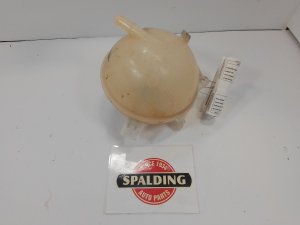
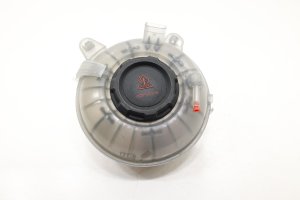
New Aftermarket Parts Available
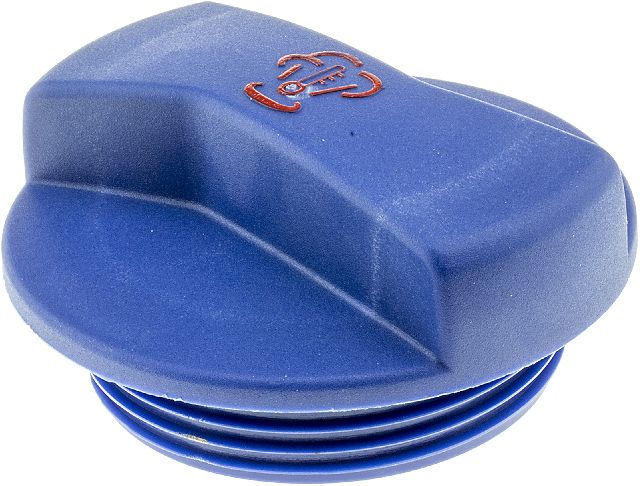

The information in this article is provided for general reference and educational purposes only. Vehicle specifications, procedures, and part compatibility can vary by production date, trim level, and region. Always consult your vehicle's factory service manual and verify part numbers before purchasing or performing repairs. Safety-critical components such as airbags, seat belts, and braking systems should be installed by a qualified professional.
- Volkswagen Golf:
- 🧭 Diagnostic Flowchart
- 🎬 Helpful Videos
- 🛍️ Shop This Part
- What's Unique About the 2003-2017 Volkswagen Golf
- Symptoms You May Notice
- Most Likely Causes
- Rare But Worth Checking
- Diagnosis Steps
- Parts You'll Likely Need
- Related Codes That Often Appear With This One
- Technical Service Bulletins (TSBs) & Recalls
- Platform-Specific Known Issues
- Mechanic-Grade Diagnostic Values
- Scan Tool Commands That Help
- Wiring & Ground Locations
- Real Owner Repair Stories
- "I Checked Everything" — The Actual Cause
- OEM Part Supersession History
- Model Year Variations Within This Range
- Other Known Issues on This Vehicle
- Used vs. New Parts: Buying Guide for This Vehicle
- Real Owner Stories
- 2015 Volkswagen Golf GTI Mk7 2.0T TSI
- 2010 Volkswagen Golf Mk6 2.0T TSI
- 2004 Volkswagen Golf Mk4
- Related OBD-II Codes
- Frequently Asked Questions
- 🎟️ Get 5% Off