

P0218 on 2018-2021 Jeep Wrangler: Transmission Over Temperature Causes and Fixes
This code means your 850RE transmission is overheating. It's an informational code, not a sensor fault, triggered when fluid exceeds 240°F. Common causes include low fluid, a restricted transmission cooler, or extreme use like towing or slow-speed off-roading. Stop driving immediately to prevent severe damage.
- P0218 is a critical warning that your transmission is overheating. Stop driving immediately to prevent catastrophic failure.
- The most likely causes on a 2018-2021 Wrangler JL are low/burnt fluid or a restricted transmission cooler.
- Pre-mid-2021 models have a known cooler design flaw; upgrading to a newer OEM or aftermarket cooler is a reliable fix for recurring issues.
- This is not a DIY-friendly repair due to the complex fluid-level checking procedure and the high risk of expensive damage if diagnosed incorrectly.
- Always check the fluid level and condition first before replacing any parts.
What's Unique About the 2018-2021 Jeep Wrangler
The 2018-2021 Jeep Wrangler JL uses the ZF-designed 850RE 8-speed automatic transmission. A well-documented issue exists for pre-mid-2021 Wrangler JL models where the original transmission cooler design (part number 68314791AA) included a thermostatic bypass valve that could stick, restricting fluid flow and causing overheating. Jeep later released an updated, full-flow cooler to resolve this. Additionally, the 850RE does not have a traditional dipstick, making a fluid level check a more involved process that requires specific tools (like a Miller 10323A dipstick) and a precise temperature range for accuracy. The Transmission Control Module (TCM) for this transmission is located inside the transmission itself, integrated with the valve body, making it non-serviceable as an external component.
Generation note: The 2018 model year was an overlap between the older Wrangler JK and the new Wrangler JL. This guide specifically applies to the 2018-2021 Wrangler JL, which is equipped with the 3.6L engine and the 850RE 8-speed transmission. JK models use different transmissions and cooling systems, though they can also suffer from P0218 due to heavy use.
Symptoms You May Notice
- Check Engine Light is on
- Transmission temperature warning light on the dashboard
- Vehicle enters 'limp mode' (stuck in a low gear)
- Harsh, erratic, or delayed shifting
- A distinct burning smell from the transmission fluid
- Reduced engine power or sluggish acceleration
- Transmission temperature gauge reading above 230-240°F
- Replacing the transmission fluid temperature sensor without confirming a real overheat condition. The code is most often an accurate report of high temperatures, not a sensor failure. 🎬 See this breakdown of common P0218 engine error code causes.
Most Likely Causes
- Low or Degraded Transmission Fluid 🔴 High Probability → Shop Transmission Assembly The 850RE transmission lacks a dipstick, making it easy for fluid levels to go unchecked. Fluid can be lost through small, unnoticed leaks from cooler lines or the pan gasket.
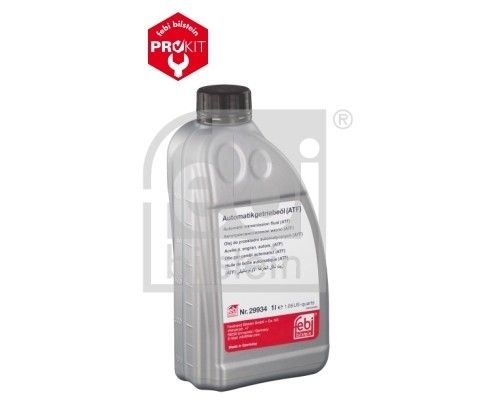
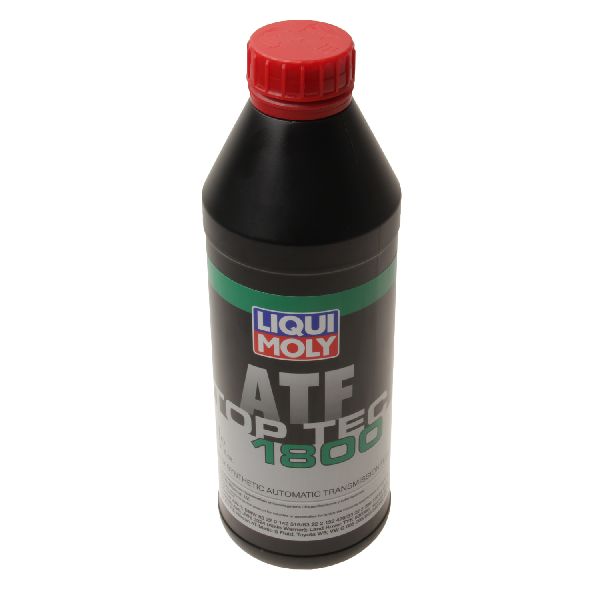
How to confirm: A technician must check the fluid level and condition via the fill port on the side of the transmission while the vehicle is running and the fluid is between 86°F and 122°F. Burnt-smelling or dark fluid indicates a problem. The correct fluid is Mopar ZF 8&9 Speed ATF (Part #68218925AB) or an approved equivalent.
Typical fix: Perform a transmission fluid and filter service. 🎬 Watch: Step-by-step 8-speed transmission fluid and filter change guide. If the fluid is burnt, a full fluid flush may be necessary. Top off fluid if low and inspect for the source of the leak.
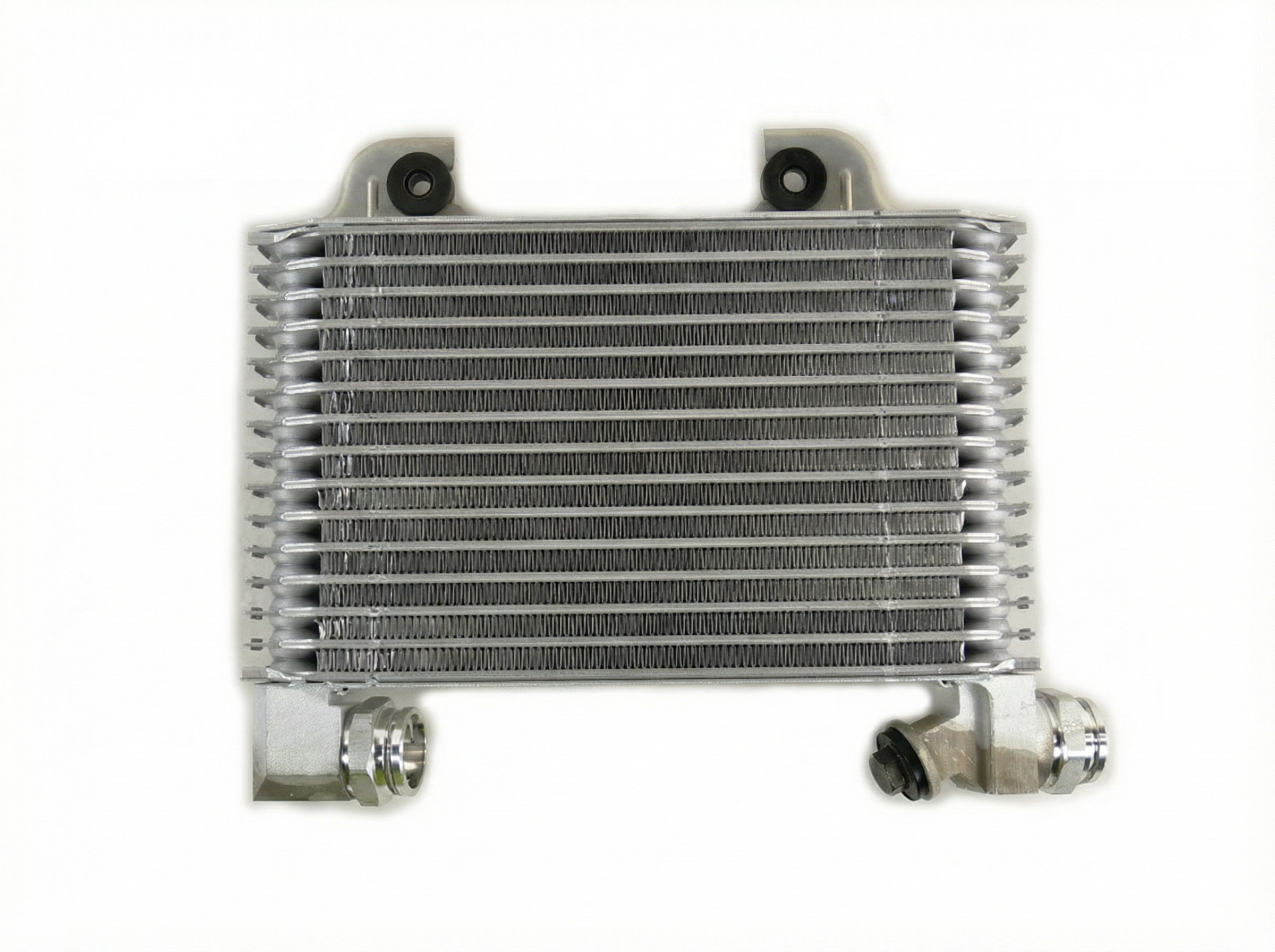
Est. part cost: $150-$300 - Restricted or Failing Transmission Cooler 🟡 Medium Probability → Shop Transmission Assembly Pre-mid-2021 JL models have a known issue with a thermostatic valve in the stock cooler (Part #68314791AA) that can fail and restrict flow. Off-roading can also lead to mud or debris blocking the cooler fins, impeding airflow.
How to confirm: Inspect the transmission cooler (located in front of the A/C condenser and radiator) for blockages. A technician can perform a flow test. If the vehicle is a pre-mid-2021 model and experiences repeated overheating, this is a highly likely cause.
Typical fix: Clean or replace the transmission oil cooler. For pre-mid-2021 models, upgrading to the revised Mopar part or a quality aftermarket cooler (e.g., Mishimoto, CSF) is the recommended permanent solution.
Est. part cost: $150-$400 - Extreme Vehicle Use 🟡 Medium Probability Wranglers are often used for towing, rock crawling, or driving in deep sand or up long, steep grades. These activities, especially in 4-Hi at slow speeds, put a high load on the torque converter and generate significant heat that can overwhelm the stock cooling system.
How to confirm: Review the conditions under which the code was set using a scan tool's freeze frame data. If it occurred during heavy use, the cooling system's capacity was likely exceeded. Owners report temperatures climbing above 240°F under these conditions.
Typical fix: Allow the transmission to cool by stopping and idling in Park or Neutral. For repeated issues, installing a larger, more efficient aftermarket transmission cooler is the best solution.
Est. part cost: $300-$700 for an upgraded cooler
Rare But Worth Checking
- Failing Torque Converter: → Shop Automatic Transmission Torque Converter A failing torque converter clutch can slip excessively, generating extreme heat. This is a serious internal transmission problem that often requires a full rebuild or replacement.
- Faulty Transmission Fluid Temperature Sensor: → Shop Transmission Assembly While the code usually indicates a real overheat, the sensor itself (often located in the transmission pan or on the valve body) can fail and send false high readings. This is less common and should be diagnosed by comparing scan tool data to the actual fluid temperature with an infrared thermometer.
Diagnosis Steps
- STOP DRIVING. Tow the vehicle to a qualified repair shop if the code appears.
- Connect a professional scan tool to read the P0218 code and check for any other related DTCs. Review the freeze frame data to see the conditions (vehicle speed, load, temperature) when the code was set.
- Perform a proper fluid level and condition check. This must be done with the vehicle level, running, and the transmission fluid at a specific temperature (86-122°F or 30-50°C). Use the correct fluid, Mopar 8&9 Speed ATF (P/N 68218925AB).
- If the fluid is low, top it off and inspect for leaks at the pan gasket, cooler lines, and seals.
- If the fluid is dark or smells burnt, a full fluid and filter change is required. Severely burnt fluid may indicate internal damage.
- Inspect the transmission cooler and lines for physical damage, kinks, or external blockages like mud or debris. The cooler is located in front of the radiator.
- Using the scan tool, monitor the live transmission fluid temperature data while driving. Compare this reading to the temperature of the transmission pan using an infrared thermometer to verify the sensor's accuracy.
- If the temperature rises rapidly under normal load, suspect a restricted cooler (especially on pre-mid-2021 models) or an internal transmission issue (e.g., torque converter slippage).
Parts You'll Likely Need
- Transmission Oil Cooler
(OEM #68314791AA)— The factory cooler can become restricted or fail, especially on pre-mid-2021 models due to a faulty internal thermostat. Replacing it with an updated design is a common fix for persistent overheating.
Trusted brands: Mopar, Mishimoto, CSF, Dorman
OEM price range: $200-$350
Aftermarket price range: $150-$500 - Transmission Fluid and Filter Kit
(OEM #Fluid: 68218925AB)— Low or degraded fluid is a primary cause of overheating. A fluid and filter service is the first step in maintenance and diagnosis. The correct fluid is critical for performance.
Trusted brands: Mopar, ZF
OEM price range: $200-$300
Aftermarket price range: $150-$250
Technical Service Bulletins (TSBs) & Recalls
- While not a recall, FCA has released software updates for the Powertrain Control Module that can affect transmission behavior. TSB 18-027-16 REV. A for other vehicles mentions changing P0218 from a one-trip to a two-trip fault, indicating that software logic plays a role in how this code is set.
Platform-Specific Known Issues
- A known issue exists for pre-mid-2021 Jeep Wrangler JL models where the original equipment transmission cooler (P/N 68314791AA) can cause overheating due to a faulty internal thermostatic valve. Jeep released an updated part to resolve this. Owners experiencing repeated P0218 codes on these models should consider upgrading the cooler as a primary fix.
Mechanic-Grade Diagnostic Values
- Transmission Fluid Temperature vs. Scan Tool Reading — expected: The temperature read by an infrared thermometer aimed at the transmission pan should be within ~15°C of the live data value from the scan tool.. Failure: A discrepancy greater than 15°C suggests a faulty temperature sensor or a wiring/communication issue between the sensor and the TCM.
- Scan Tool Code Trigger Condition — expected: The P0218 code should not be present when the ignition is on with the engine off.. Failure: The code sets when the TCM detects a transmission fluid temperature greater than approximately 126°C (258°F) for a sustained period.
Scan Tool Commands That Help
- wiTECH: PCM/ECM Reprogramming — To apply factory software updates that may change the fault logic for setting P0218, such as changing it from a one-trip to a two-trip fault, which can prevent intermittent codes from setting a persistent light.
- Professional Scan Tool: Live Data Monitoring - Transmission Fluid Temperature — This is a critical first step to diagnose P0218. It allows a technician to see the temperature the TCM is reporting in real-time to determine if an actual overheat condition is occurring or if the sensor is providing faulty data.
Wiring & Ground Locations
- Transmission Temperature Sensor — The sensor is located internally within the 850RE/8HP transmission, integrated into the valve body assembly inside the transmission pan.. Because the sensor is internal, it cannot be replaced without removing the transmission pan and potentially the valve body. This makes diagnosis of the sensor itself more labor-intensive.
- Transmission Control Module (TCM) — The TCM is integrated into the mechatronic unit (valve body) inside the transmission. It is not a separate, externally-mounted module.. A failure of the TCM requires replacement of the entire expensive valve body assembly. Communication issues are more likely to be related to external wiring or grounds rather than the module itself.
- G901C / G903A — These are primary grounds for the transmission harness, located on the transmission case itself.. A poor ground connection at these points can cause erratic sensor readings and communication issues with the internally-mounted TCM, potentially leading to false codes or incorrect data interpretation.
- XY230A Connector — A large connector located behind the right front fender liner, along the firewall.. This connector contains the power, ground, and CAN bus wires for the TCM. It is a known point of failure due to bad pin connections, which can cause a host of transmission communication errors, including potentially faulty temperature data.
OEM Part Supersession History
68314791AA→Unknown, but a revised full-flow design was released.— The original cooler contained an internal thermostatic bypass valve that was prone to sticking closed, which restricted or blocked fluid flow and caused overheating. The updated part is a full-flow design without this problematic valve.
Model Year Variations Within This Range
- 2018 to mid-2021: These models were equipped with the original transmission cooler (P/N 68314791AA) that has a high failure rate due to a sticking internal thermostat. Models produced from mid-2021 onward have an updated, more reliable cooler design.
Diagnostic Flowchart
Other Known Issues on This Vehicle
Issues unrelated to this code that are worth knowing about as an owner of this generation:
- Frame Weld Quality Issues 🔴 High — Primarily affects 2018-2019 models. A recall (NHTSA 18V-675) was issued for front track bar bracket welds, but broader concerns about weld porosity and quality exist. (Ref: NHTSA Recall 18V-675)
- Steering Wander / Loose Feel 🟠 Medium — Common complaint on 2018-2020 models. Owners describe a constant need for correction at highway speeds. (Ref: TSB 08-074-20 (multiple revisions) involves replacing the steering gear and updating software.)
- Pentastar V6 Rocker Arm Failure ('Pentastar Tick') 🟠 Medium — More common on earlier Pentastar engines (2012-2014) but can still occur on later models. Premature wear of the rocker arm roller bearings leads to a distinct ticking noise.
- Leaking Valve Cover Gasket (Passenger Side) 🟡 Low — A known issue where the passenger side valve cover gasket leaks oil directly onto the downstream O2 sensor, often causing a P2096 code.
- Loose Rear Caliper Adapter Bolts 🟠 Medium — Affects 2021 models, causing a clicking or clunking noise from the rear of the vehicle. (Ref: TSB 05-006-21)
Used vs. New Parts: Buying Guide for This Vehicle
When a used part is the smart pick: For this specific repair, sourcing a used part is generally not recommended. The primary failure point, the transmission cooler, has a known design flaw in early models. A used cooler from a similar year vehicle would likely have the same defect or be near the end of its service life.
Donor-vehicle mileage cap: roughly under 40000 miles for the part to have meaningful remaining life.
What to inspect on the donor part:
- If considering a used cooler, it must be from a post-mid-2021 donor vehicle to ensure it is the updated design.
- Inspect for any signs of physical damage, bent fins, or corrosion.
- Ensure all ports are clean and free of debris.
OEM-only on this vehicle (don't cheap out):
- Transmission Fluid and Filter: The ZF 8-speed is sensitive to fluid type. Using genuine Mopar/ZF fluid and a quality filter is critical to avoid performance issues.
Aftermarket brands forum-validated for this vehicle:
- Mishimoto: Offers performance-oriented, direct-fit replacement coolers with increased fluid capacity and cooling efficiency, which is a popular upgrade for owners who off-road or tow.
- CSF: Another well-regarded brand offering upgraded, heavy-duty transmission coolers for the JL Wrangler.
Brands owners have reported issues with on this vehicle:
- Unbranded, generic, or 'white-box' coolers from online marketplaces should be avoided. They often have poor build quality, incorrect fitment, and may not provide adequate cooling, leading to a repeat failure.
Real Owner Stories
Aggregated from forums and TSBs cited above. Mileages and costs reflect what owners reported in those sources.
2018-2021 Jeep Wrangler 3.6L
Symptoms: Transmission temperatures reached over 250°F during trail use, which eventually triggered the check engine light and P0218 code.
What fixed it: A dealer advised the owner to simply pull over and let the transmission cool down. For repeated issues under these conditions, the article recommends installing a larger, more efficient aftermarket transmission cooler.
Source hint: jlwranglerforums.com
2018-2021 Jeep Wrangler 3.6L
Symptoms: The P0218 code was set after climbing hills in a low manual gear, with the transmission fluid temperature hitting approximately 240°F.
What fixed it: The issue was attributed to heavy use exceeding the stock cooling system's capacity. The immediate fix is to allow the vehicle to cool. A permanent solution for this type of use is upgrading the transmission cooler.
Source hint: jk-forum.com
2018-2020 Jeep Wrangler 3.6L
Symptoms: Repeated transmission overheating and P0218 codes, even under conditions that were not considered extreme off-roading or towing.
What fixed it: The problem was resolved by replacing the original equipment transmission cooler (P/N 68314791AA), which had a known design flaw with its internal thermostatic valve, with an updated Mopar part or an aftermarket cooler.
Source hint: Vehicle Specific Issues section regarding pre-mid-2021 models
Jeep Wrangler Owner Report
Symptoms: Under normal driving conditions, a check engine light appeared. A certified mechanic found the TCM was faulty with codes P0218 (High Temp Operation Activated), P0714 (Transmission Temp Sensor Intermittent), and P0613 (Internal TCM Problem).
What fixed it: Diagnosis confirmed an internal TCM problem was triggering the high temperature and sensor codes.
Source hint: NHTSA ODI #11354298
Documented NHTSA Reports
Manufacturer records and owner reports provide additional context for the P0218 code. For instance, NHTSA ODI #10750017 describes a scenario where a vehicle enters a safety mode and slows automatically to allow the transmission to cool, with a repair shop finding code P0218. This problem was reported to occur multiple times on long highway trips.
Related OBD-II Codes
Frequently Asked Questions
My 2019 Wrangler threw a P0218 code. Is there a known issue with the transmission cooler on this model year?
What is the normal transmission temperature for my Wrangler's 850RE transmission?
How do I check the transmission fluid level on my 2020 Wrangler? I can't find a dipstick.
What is the correct type of transmission fluid for a 2018-2021 Wrangler with the 8-speed automatic?
I got the P0218 code while rock crawling in 4-Hi. Is this just from heavy use?
Is there a software update or TSB from Jeep that fixes the P0218 code?
Helpful Videos
Used OEM Parts in Stock
New Aftermarket Parts Available


The information in this article is provided for general reference and educational purposes only. Vehicle specifications, procedures, and part compatibility can vary by production date, trim level, and region. Always consult your vehicle's factory service manual and verify part numbers before purchasing or performing repairs. Safety-critical components such as airbags, seat belts, and braking systems should be installed by a qualified professional.
- Jeep Wrangler:
- 🧭 Diagnostic Flowchart
- 🎬 Helpful Videos
- 🛍️ Shop This Part
- What's Unique About the 2018-2021 Jeep Wrangler
- Symptoms You May Notice
- Most Likely Causes
- Rare But Worth Checking
- Diagnosis Steps
- Parts You'll Likely Need
- Technical Service Bulletins (TSBs) & Recalls
- Platform-Specific Known Issues
- Mechanic-Grade Diagnostic Values
- Scan Tool Commands That Help
- Wiring & Ground Locations
- OEM Part Supersession History
- Model Year Variations Within This Range
- Other Known Issues on This Vehicle
- Used vs. New Parts: Buying Guide for This Vehicle
- Real Owner Stories
- 2018-2021 Jeep Wrangler 3.6L
- 2018-2021 Jeep Wrangler 3.6L
- 2018-2020 Jeep Wrangler 3.6L
- Jeep Wrangler Owner Report
- Documented NHTSA Reports
- Related OBD-II Codes
- Frequently Asked Questions
- 🎟️ Get 5% Off