

P0222 on 2017-2020 Genesis G80 3.8L: Throttle Position Sensor 'B' Circuit Low Causes and Fixes
P0222 on a Genesis G80 3.8L almost always indicates a faulty electronic throttle body assembly. The internal throttle position sensor fails, causing limp mode. Replacement of the entire throttle body is the typical fix, costing between $250-$500 for the part. Before replacement, a thorough cleaning and wiring check is recommended.
- P0222 on your G80 means the 'B' throttle position sensor is sending a low voltage signal.
- This will cause the car to enter 'limp mode,' making it unsafe for normal driving.
- The most frequent fix is replacing the entire electronic throttle body assembly, as the sensor is built-in.
- Before replacing parts, check the wiring connector and thoroughly clean the throttle body of any carbon buildup.
What's Unique About the 2017-2020 Genesis G80
On the Genesis G80 and other Hyundai/Genesis vehicles with the Lambda V6 engine, the throttle position sensors (TPS) are integrated directly into the electronic throttle body assembly. They are not available as separate, replaceable parts. Therefore, when a P0222 code points to an internal sensor failure, the entire throttle body unit must be replaced. While wiring issues are possible, a failed sensor within the assembly is the most common point of failure for this specific code on this platform.
Symptoms You May Notice
- Check Engine Light is illuminated
- Reduced engine power or 'limp mode'
- Hesitation or stumbling during acceleration
- Unresponsive or delayed throttle response
- Rough or unstable idle
- Engine may stall
- Poor or no acceleration
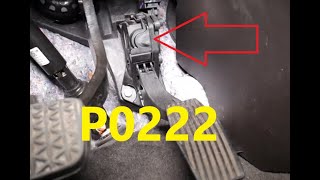
- Replacing the accelerator pedal position (APP) sensor. P0222 specifically refers to the sensor on the throttle body ('B' circuit), not the one connected to the gas pedal. 🎬 Watch: Understanding P0222 causes and fixes
Most Likely Causes
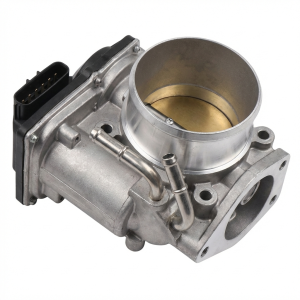
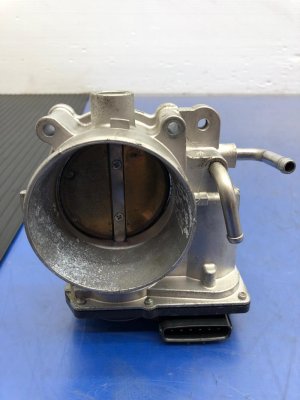
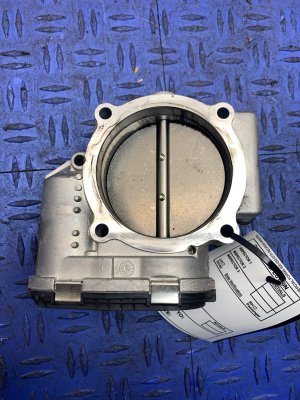
- Faulty Electronic Throttle Body Assembly 🔴 High Probability → Shop Fuel Injection Throttle Body The throttle position sensor is a known wear item, and on this platform, it is integrated into the throttle body assembly, which must be replaced as a unit. This is the most common resolution for P0222 on the Lambda II engine family.
How to confirm: Using a scan tool, observe the live data for TPS Sensor 1 and TPS Sensor 2. With the key on and engine off, press the accelerator. The voltage for one sensor should rise while the other falls. If Sensor 'B' voltage is stuck low (e.g., <0.5V) and does not change, the assembly is faulty. The ECM may set the code if the voltage is detected below 0.25V for more than 0.1 seconds.
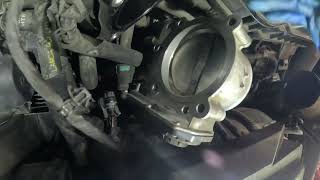
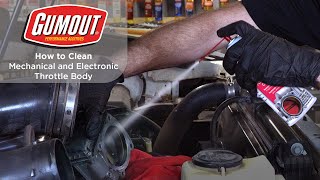
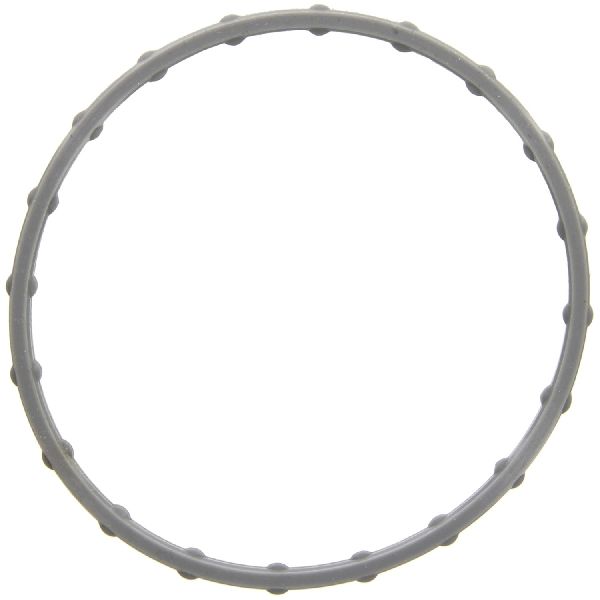
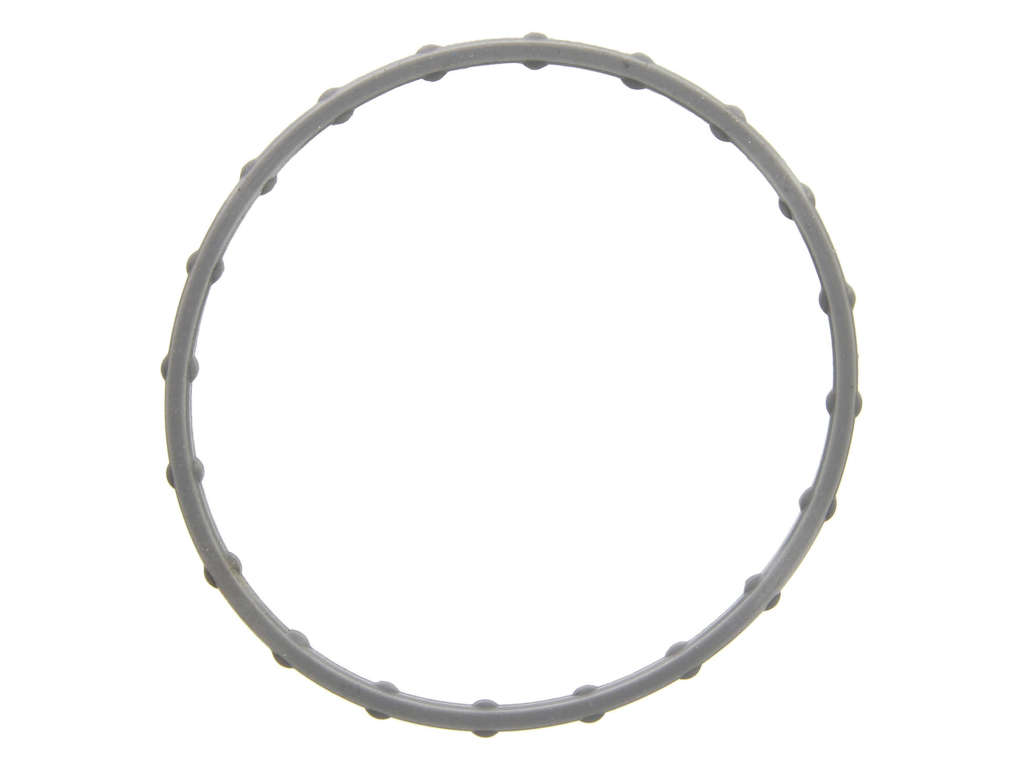
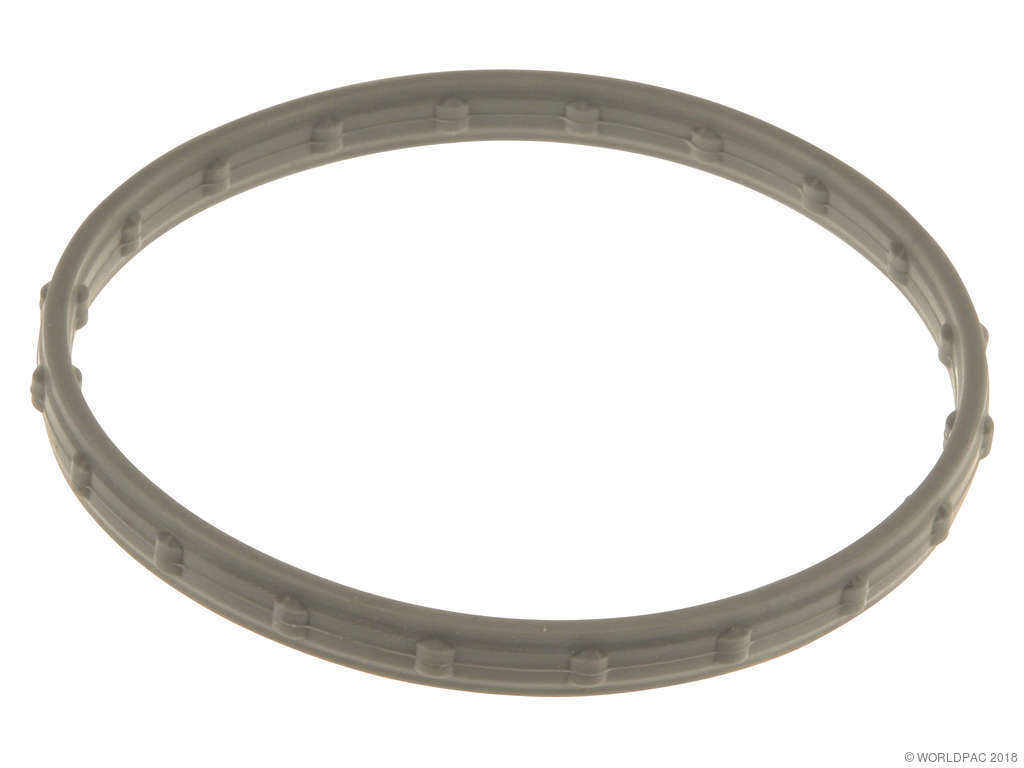
Typical fix: Replace the entire electronic throttle body assembly and the corresponding gasket. A throttle relearn procedure may be required after installation, though many Hyundai/Genesis vehicles will relearn automatically with a few drive cycles or a manual key-cycling procedure. 🎬 See: Genesis 3.8 throttle cleaning and reset walkthrough
Est. part cost: $250-$500 - Dirty or Sticking Throttle Body 🟡 Medium Probability → Shop Fuel Injection Throttle Body Gasoline Direct Injection (GDI) engines, like the Lambda II, are prone to carbon buildup in the intake system. This accumulation can cause the throttle plate to stick or move slowly, leading to sensor correlation errors that trigger a P0222 code.
How to confirm: Remove the air intake hose from the throttle body and visually inspect the throttle plate and bore for significant black carbon deposits.
Typical fix: Clean the throttle body bore and plate thoroughly with a dedicated throttle body cleaner and a soft brush. Do not push the plate open with your fingers; have an assistant turn the key to 'ON' and press the gas pedal to open it electronically.
Est. part cost: $10-$20 - Wiring Harness or Connector Issue ⚪ Low Probability Engine vibrations and heat can, over time, cause wires to fray or pins in the connector to lose contact. A short to ground in the signal circuit is a possible cause.
How to confirm: Visually inspect the wiring harness leading to the throttle body for any signs of chafing, melting, or corrosion. Check that the connector is seated securely. A 'wiggle test' on the harness while monitoring sensor voltage can reveal an intermittent connection. Use a multimeter to check for a steady 5V reference signal and good ground at the connector.
Typical fix: Repair the damaged section of the wiring harness or clean/replace the electrical connector pins.
Est. part cost: $5-$50
Rare But Worth Checking
- Faulty Powertrain Control Module (PCM): → Shop Engine Control Module (ECM) This is extremely rare. The PCM should only be considered as the cause after all other possibilities, including the throttle body and wiring, have been definitively ruled out.
Diagnosis Steps
- Connect an OBD-II scanner and confirm P0222 is the primary code. Note any other codes, such as P0122, P2106, or P2110.
- Visually inspect the electrical connector and wiring harness at the throttle body. Look for loose connections, corrosion, or any signs of damage like chafing or melting.
- With the key on and engine off, use the scanner's live data function to monitor the voltages of TPS1 ('A') and TPS2 ('B').
- Have an assistant slowly press and release the accelerator pedal. The two voltage readings should move smoothly in opposite directions. If the 'B' sensor voltage is stuck low (e.g., below 0.5V) or doesn't respond, the fault is likely internal to the throttle body.
- If the sensor readings seem erratic, perform a 'wiggle test' on the wiring harness while watching the live data to check for an intermittent short or open circuit.
- Remove the intake duct and inspect the throttle body for heavy carbon buildup. If dirty, clean it as a first step, as this can cause the plate to stick.
- If the wiring is confirmed to be good and cleaning the throttle body does not resolve the issue, the electronic throttle body assembly is faulty and requires replacement.
Parts You'll Likely Need
- Electronic Throttle Body Assembly
(OEM #35100-3CAC0)— This is the most common failure for code P0222, as the internal throttle position sensor fails and is not sold separately. The original part 35100-3CAC0 has been superseded by part number 35100-3CAC0--DS. Always verify with VIN.
Trusted brands: Hyundai/Genesis Genuine, Bosch
OEM price range: $350-$500
Aftermarket price range: $250-$400 - Throttle Body Gasket
(OEM #35101-3C000)— The gasket should always be replaced when the throttle body is removed to prevent vacuum leaks.
Trusted brands: Hyundai/Genesis Genuine
OEM price range: $7-$15
Aftermarket price range: $5-$10
Related Codes That Often Appear With This One
- P0122 — This code is for 'Throttle Position Sensor 'A' Circuit Low'. Seeing both codes together strongly suggests a problem with the throttle body assembly itself or its electrical connector, affecting both internal sensors.
- P2106 — This code means 'Throttle Actuator Control System - Forced Limited Power'. It is an informational code set by the ECM to indicate it has entered 'limp mode' as a direct result of the critical fault detected by P0222.
- P2110 — This code means 'Throttle Actuator Control System - Forced Limited RPM'. Similar to P2106, it's a failsafe code indicating the ECM is actively limiting engine speed due to the P0222 fault.
Technical Service Bulletins (TSBs) & Recalls
- Hyundai TSB 12-FL-003: While not for P0222 specifically, it provides the official manufacturer procedure for cleaning Electronic Throttle Control (ETC) systems due to carbon buildup, which can be a contributing cause.
- Hyundai TSB 23-EM-007H: This TSB provides a general procedure for combustion chamber cleaning on Hyundai/Genesis GDI engines. This is relevant as heavy carbon buildup on intake valves and the throttle body is a known issue that can contribute to throttle plate sticking and related codes like P0222.
Platform-Specific Known Issues
- Owner Experience: Intermittent Limp Mode: An owner of a 2017 G80 3.8L on a Reddit forum described experiencing sudden rough upshifts at low speeds, like a 'kick in the butt', which started around 68,000 miles. Another user with a 2020 G80 3.8L reported having the entire transmission replaced at 40,000 miles for a similar issue that persisted even after the replacement. While not directly linked to a P0222 code in the thread, these symptoms (limp mode, erratic behavior) are consistent with throttle body failure and highlight the electronic complexities of the platform.
Mechanic-Grade Diagnostic Values
- TPS 'B' (TPS2) Signal Voltage — expected: Decreases from a high value towards 0.5V as the throttle opens. It operates inversely to TPS1.. Failure: Voltage is stuck below 0.25V for more than 0.1 seconds.
- TPS 'A' (TPS1) Signal Voltage — expected: Rises smoothly from ~0.3-1.0V (closed) to ~4.2-4.8V (fully open).. Failure: Voltage is erratic, does not respond, or is outside the expected range.
Scan Tool Commands That Help
- Hyundai GDS (or equivalent advanced scanner): Active Test: ETC Motor — This bidirectional command allows a technician to force the Electronic Throttle Control (ETC) motor to open and close, typically for one-second intervals. It's used to visually and audibly confirm if the throttle plate and motor are physically responding to commands, helping to isolate a mechanical jam from an electrical sensor failure.
- Hyundai GDS (or equivalent advanced scanner): Throttle Reset / Throttle Matching — This function is used after replacing the throttle body or cleaning it. It forces the ECU to relearn the closed, open, and intermediate positions of the new or cleaned throttle plate, ensuring accurate idle and throttle response.
Wiring & Ground Locations
- Engine Ground Strap — On the Lambda 3.8L engine, a primary ground strap is typically located on an engine mount, often on the driver's side of the engine bay. Another key ground point is on the intake manifold itself.. A poor engine ground can introduce electrical noise or voltage drops, affecting the sensitive 5V reference circuits used by sensors like the TPS. Ensuring these grounds are clean and tight is a crucial step in diagnosing intermittent or unexplained low voltage codes like P0222.
- ECM/PCM Ground — On similar Hyundai/Genesis platforms, a key ground point for the ECM is designated as 'GHG01' or 'GHG02' and is located on the chassis in the left rear of the engine compartment.. The ECM provides the ground for the TPS circuit. If the ECM's own ground connection to the chassis is compromised, it can cause the reference voltage seen by the sensor to be incorrect, potentially triggering a 'Circuit Low' fault.
Real Owner Repair Stories
- hyundai-forums.com user report (paraphrased) (2017 Hyundai Tucson 2.0L (similar platform electronics)) — Intermittent limp mode, especially in hot weather. Codes P0222, P0122, and P2135 would appear. Restarting the car would temporarily fix the issue.
❌ Tried (didn't work) Thoroughly cleaning the throttle body.
✅ What actually fixed it The entire electronic throttle body assembly was replaced, which permanently resolved all codes and symptoms.
OEM Part Supersession History
35100-3CAC0→35100-3CAC0--DS— The reason for the supersession is not officially documented, but it typically indicates a revision to address a known issue, improve durability, or change suppliers.
Heads up: The new part number 35100-3CAC0--DS directly replaces the original 35100-3CAC0 and should be fully compatible.
Diagnostic Flowchart
Other Known Issues on This Vehicle
Issues unrelated to this code that are worth knowing about as an owner of this generation:
- ABS Module Electrical Short 🔴 High — Common enough to trigger a major safety recall (NHTSA 21V160000) for 2017-2020 G80 models. (Ref: Recall 21V160000: The ABS module can malfunction and short circuit, increasing the risk of an engine compartment fire while parked or driving. Owners were advised to park outdoors until the recall fix (fuse replacement) was performed.)
- Carbon Buildup on Intake Valves 🟠 Medium — A common issue for most GDI engines, including the Lambda II 3.8L. Typically requires cleaning between 80,000 and 120,000 miles to prevent misfires and performance loss. (Ref: TSB 23-EM-007H provides a general procedure for combustion chamber cleaning.)
- Potential for Oil Consumption 🟠 Medium — Anecdotal reports suggest some Lambda II engines may begin to consume oil, often past 100,000 miles. While not universal, it's a known possibility that can lead to other issues if the oil level is not monitored. (Ref: TSB 23-EM-008H provides guidelines for inspecting and diagnosing oil consumption concerns.)
- Harsh Shifting / Transmission Issues 🟠 Medium — Owners have reported rough or delayed shifting, particularly at low speeds. Some cases have required transmission replacement at relatively low mileage (40k-70k miles). (Ref: A TSB for older Genesis models (15-AT-003) addressed harsh upshifts by replacing solenoids, indicating a history of transmission control issues in the family line.)
- Starter Solenoid Water Intrusion 🔴 High — A recall was issued for 2017-2019 G80 models because water could enter the starter solenoid, causing an electrical short and potential fire risk. (Ref: Recall Campaign 012G (related to NHTSA ID 24V107000) addresses this issue.)
Used vs. New Parts: Buying Guide for This Vehicle
When a used part is the smart pick: A used throttle body can be a cost-effective option if sourced from a low-mileage, reputable salvage yard, especially given the high cost of a new OEM part. Since the failure is electronic wear, a part from a rear-ended vehicle with low mileage is a good candidate.
Donor-vehicle mileage cap: roughly under 60000 miles for the part to have meaningful remaining life.
What to inspect on the donor part:
- Verify the donor vehicle's mileage. Aim for under 60,000 miles if possible.
- Inspect the electrical connector pins for any corrosion, bending, or damage.
- Check the throttle bore for excessive carbon buildup. While it can be cleaned, heavy buildup may indicate a hard life.
- Ensure the part number matches your original part or its superseded version (35100-3CAC0--DS).
- Ask for a warranty, even if it's only 30-90 days, to protect against an immediate failure.
OEM-only on this vehicle (don't cheap out):
- Electronic Throttle Body Assembly: While some aftermarket options exist (like Bosch, who may be the OEM supplier), this is a critical electronic component. A genuine Hyundai/Genesis part or a used OEM part is the safest bet to avoid compatibility or premature failure issues.
Aftermarket brands forum-validated for this vehicle:
- Bosch (Often the original equipment manufacturer for European and Korean brands)
Brands owners have reported issues with on this vehicle:
- No-name, unbranded parts from online marketplaces should be avoided, as their internal electronics may not meet OEM specifications for voltage accuracy and longevity.
Real Owner Stories
Aggregated from forums and TSBs cited above. Mileages and costs reflect what owners reported in those sources.
2017 Genesis G80 3.8L V6 — 68000 miles
Symptoms: Experienced sudden rough upshifts at low speeds, described as a 'kick in the butt'.
What fixed it: The owner experience highlights these symptoms as consistent with throttle body failure and electronic complexities, though the specific thread focused on the resulting 'limp mode' behavior.
Source hint: r/genesisg80 - '2017 G80 3.8 68k Miles - Rough Low Speed Transmission Upshift'
2020 Genesis G80 3.8L V6 — 40000 miles
Symptoms: Erratic transmission behavior and limp mode symptoms that persisted even after major component replacement.
What fixed it: The issue persisted even after the transmission was replaced, suggesting the root cause was related to the electronic throttle control system or associated sensors.
Source hint: Vehicle_specific_issues: Owner Experience: Intermittent Limp Mode
Related OBD-II Codes
Frequently Asked Questions
Can I just replace the Throttle Position Sensor on my 2017 Genesis G80 3.8L?
Is there a TSB for cleaning the throttle body on my Genesis to fix P0222?
Does my 2017-2020 G80 have any major electrical recalls I should know about while diagnosing throttle codes?
Will I need to perform a special procedure after replacing the throttle body?
Is carbon buildup a known issue for the Lambda II 3.8L GDi engine?
How can I tell if the P0222 code is caused by the throttle body or the wiring?
Helpful Videos
Used OEM Parts in Stock
New Aftermarket Parts Available


The information in this article is provided for general reference and educational purposes only. Vehicle specifications, procedures, and part compatibility can vary by production date, trim level, and region. Always consult your vehicle's factory service manual and verify part numbers before purchasing or performing repairs. Safety-critical components such as airbags, seat belts, and braking systems should be installed by a qualified professional.
- Genesis G80:
- 🧭 Diagnostic Flowchart
- 🎬 Helpful Videos
- 🛍️ Shop This Part
- What's Unique About the 2017-2020 Genesis G80
- Symptoms You May Notice
- Most Likely Causes
- Rare But Worth Checking
- Diagnosis Steps
- Parts You'll Likely Need
- Related Codes That Often Appear With This One
- Technical Service Bulletins (TSBs) & Recalls
- Platform-Specific Known Issues
- Mechanic-Grade Diagnostic Values
- Scan Tool Commands That Help
- Wiring & Ground Locations
- Real Owner Repair Stories
- OEM Part Supersession History
- Other Known Issues on This Vehicle
- Used vs. New Parts: Buying Guide for This Vehicle
- Real Owner Stories
- 2017 Genesis G80 3.8L V6 — 68000 miles
- 2020 Genesis G80 3.8L V6 — 40000 miles
- Related OBD-II Codes
- Frequently Asked Questions
- 🎟️ Get 5% Off