

P0222 on 2005-2009 Subaru Outback 2.5L: Throttle Sensor Circuit Causes and Fixes
On a 2005-2009 Subaru Outback, P0222 almost always points to a failed throttle position sensor. Since the sensor is built into the throttle body, the most common fix is replacing the entire throttle body assembly. Expect to pay $200-$400 for an aftermarket part and perform a throttle relearn procedure after installation.
- P0222 on a 2005-2009 Outback almost always means the throttle position sensor has failed.
- The sensor is part of the throttle body; you must replace the entire assembly.
- Always check live sensor data with a scanner to confirm which sensor is failing before buying parts.
- After replacing or cleaning the throttle body, you MUST perform a throttle relearn procedure.
What's Unique About the 2005-2009 Subaru Outback
On this generation of Subaru Outback (BP), the throttle position sensors are integrated directly into the electronic throttle body assembly and are not sold separately by Subaru. This means that if a sensor fails, which is the most common cause of P0222, the entire throttle body unit must be replaced. While some owners first try cleaning the throttle body, a true internal sensor failure requires a full replacement.
Symptoms You May Notice
- Check Engine Light is on
- Flashing cruise control light (Note: This is a standard Subaru feature; cruise control is disabled as a safety precaution whenever any CEL is active).
- Vehicle enters 'limp mode' with significantly reduced engine power
- Hesitation or stumbling during acceleration
- Poor or no throttle response
- Rough or unstable idle 🎬 Watch: A quick guide to fixing Subaru idle issues.
- Engine may stall when coming to a stop
- Replacing only the Accelerator Pedal Position (APP) sensor without first verifying the Throttle Position Sensor (TPS) signals with a scan tool.
- Blaming the throttle body when the actual fault is a damaged wire or corroded connector pin leading to it.
Most Likely Causes
- Failed Throttle Body Assembly (Internal TPS Failure) 🔴 High Probability → Shop Fuel Injection Throttle Body The throttle position sensor is an electronic component that wears out over time. As it is integrated into the throttle body on the EJ253, the entire unit is the common failure point. 🎬 Watch: How to test and replace the electronic throttle body. This is a well-documented issue in owner forums.
How to confirm: Using a scan tool with live data, monitor the voltage of TPS 'A' and 'B' while slowly pressing the accelerator pedal with the key on, engine off. A healthy TPS 'A' should show a smooth sweep from ~0.5V to ~4.5V. If TPS 'B' remains stuck at a very low voltage (e.g., under 0.5V) or shows erratic jumps instead of a smooth sweep, the sensor has failed internally.
Typical fix: Replace the entire electronic throttle body assembly. A throttle relearn procedure must be performed after replacement.
Est. part cost: $200-$600 - Damaged Wiring or Poor Connection 🟡 Medium Probability The wiring harness leading to the throttle body is subject to engine heat and vibration, which can cause wires to chafe, break, or the connector pins to become corroded or loose over time.
How to confirm: Visually inspect the wiring harness and connector for any signs of damage, melting, or corrosion. Perform a 'wiggle test' on the harness while the engine is running and live data is monitored to see if the sensor reading changes. Use a multimeter to check for the correct 5V reference voltage and a good ground at the connector with the key on.
Typical fix: Repair the damaged section of the wiring harness or clean/replace the connector.
Est. part cost: $10-$50 - Dirty Throttle Body ⚪ Low Probability → Shop Fuel Injection Throttle Body Carbon and oil vapor from the PCV system can build up around the throttle plate, causing it to stick or not close properly. This can sometimes cause erratic sensor readings, though it's less likely to cause a persistent 'circuit low' code compared to an outright sensor failure.
How to confirm: Remove the air intake hose from the throttle body and visually inspect for heavy carbon buildup around the throttle plate and bore.
Typical fix: Clean the throttle body thoroughly with a dedicated throttle body cleaner and a soft brush. A throttle relearn procedure is recommended after cleaning.
Est. part cost: $10-$20
Rare But Worth Checking
- Faulty Accelerator Pedal Position (APP) Sensor: → Shop Accelerator Pedal Assembly While P0222 points to the throttle body sensor, a forum member on LegacyGT.com reported fixing a similar code by replacing the gas pedal assembly, which contains the APP sensor. The ECM compares signals from both the APP and TPS, and a fault in one can sometimes be misinterpreted.
- Faulty Engine Control Module (ECM): → Shop Engine Control Module (ECM) This is very rare. The ECM itself can fail, but this should only be considered after all other possibilities (sensor, wiring, connections) have been exhaustively ruled out.
Diagnosis Steps
- Connect an OBD-II scanner and confirm P0222 is the primary code. Note any other codes present, such as P0223, P0122, or P2135.
- Use the scanner's live data feature to observe the voltage readings for both 'Throttle Position Sensor A' and 'Throttle Position Sensor B'.
- With the key on and engine off, slowly press and release the accelerator pedal. Sensor A's voltage should sweep smoothly from approximately 0.5V to 4.5V. If Sensor B's voltage is stuck low (under 0.5V) or does not change smoothly, the sensor inside the throttle body has likely failed.
- If both sensor readings are abnormal, inspect the throttle body connector and wiring harness for any visible damage, corrosion, or loose pins.
- If the wiring looks good, use a multimeter to verify a 5-volt reference signal and a solid ground are present at the connector pins.
- If wiring, power, and ground are all confirmed to be good, and the TPS 'B' signal is confirmed to be faulty via live data, the throttle body assembly needs to be replaced.
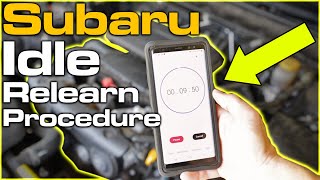
- After replacement or cleaning, perform a throttle relearn procedure to allow the ECM to calibrate to the new/clean throttle body. This procedure can sometimes be initiated by disconnecting the battery for 15 minutes, but a specific multi-step idle relearn process is the most reliable method. 🎬 See this walkthrough of the official Subaru idle relearn procedure.
Parts You'll Likely Need
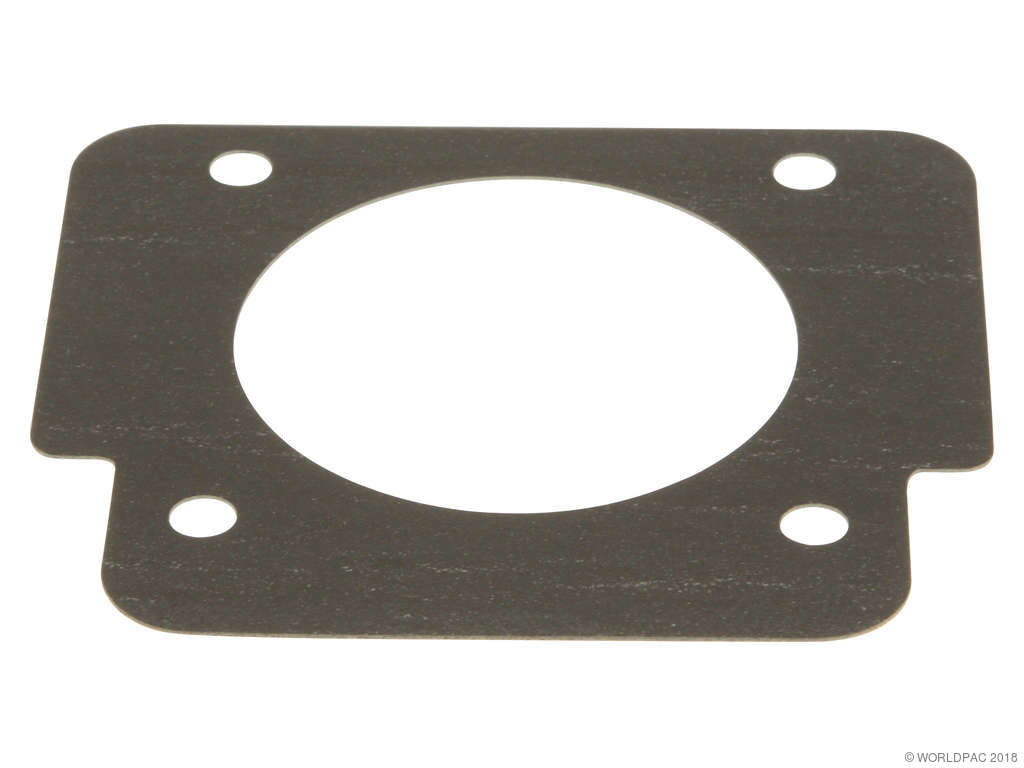
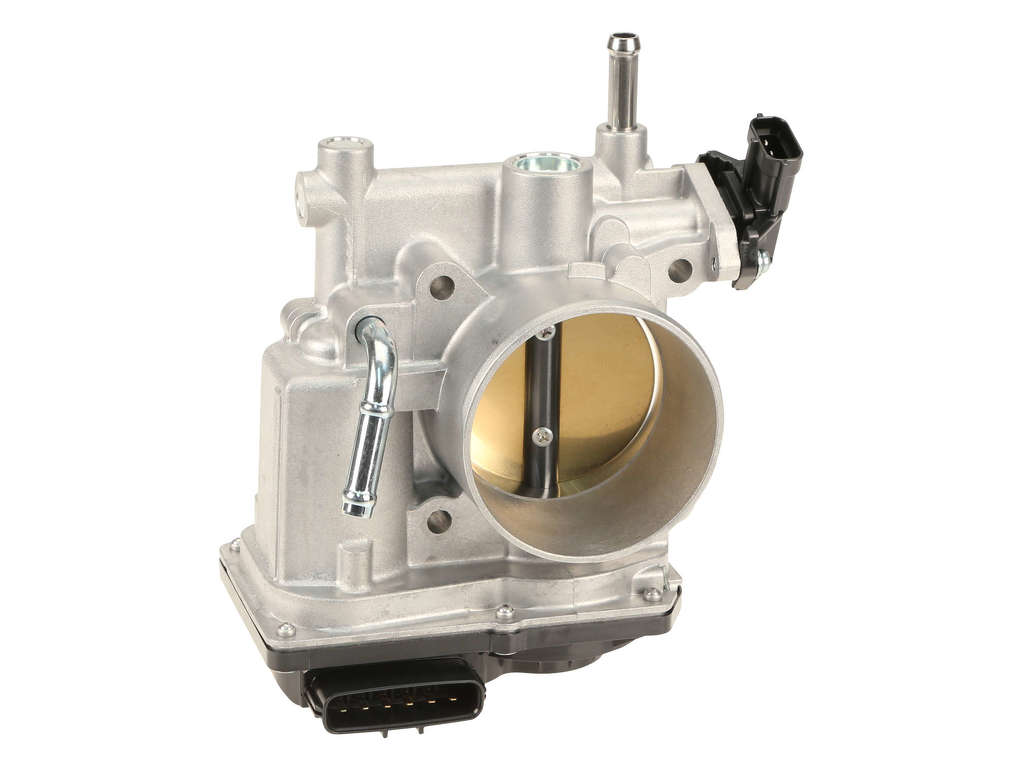
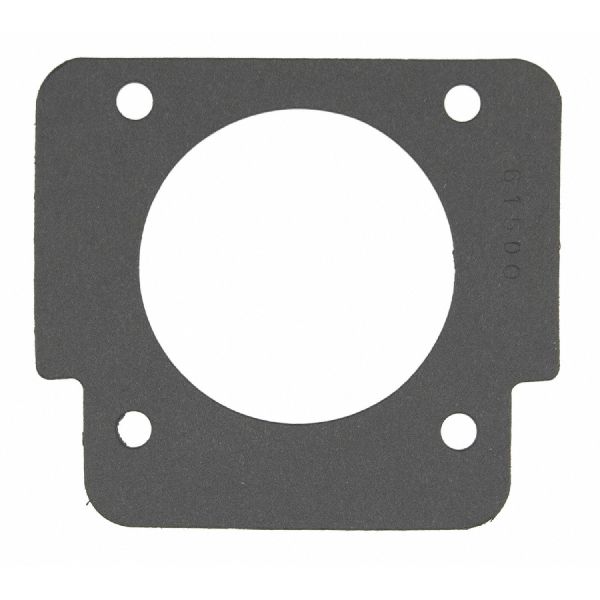
- Electronic Throttle Body Assembly
(OEM #16112AA180, superseded by 16112AA300)— This is the most common fix because the faulty throttle position sensor (TPS) is integrated into this assembly and not sold separately for this vehicle.
Trusted brands: Subaru (OEM), Hitachi (often the original OE manufacturer), Dorman
OEM price range: $500-$725
Aftermarket price range: $200-$400
Related Codes That Often Appear With This One
- P0223 — This code is for 'Throttle/Pedal Position Sensor/Switch 'B' Circuit High Input'. Seeing it alongside P0222 can indicate an intermittent wiring problem or a completely failed sensor causing erratic readings that swing from too low to too high.
- P0122 — This is the equivalent 'Circuit Low' code for the primary sensor ('A' circuit). If both codes appear, it strongly points to a shared problem like a wiring harness issue (e.g., loss of ground or 5V reference) or a faulty ECM.
- P2135 — This code indicates a 'Throttle/Pedal Position Sensor/Switch A/B Voltage Correlation' error. It means the signals from the two sensors (A and B) don't agree. A failing sensor B can trigger this code alongside P0222.
Technical Service Bulletins (TSBs) & Recalls
- No specific Technical Service Bulletin (TSB) directly addresses a P0222 failure on this platform. The issue is generally treated as a standard component failure. Related TSBs like 09-74-21R for carbon cleaning or others for ECM reprogramming for hesitation exist but do not target the root cause of a TPS circuit low code.
Platform-Specific Known Issues
- Flashing Cruise Control Light with CEL: On this generation of Subaru, any fault that triggers the Check Engine Light (CEL) will also cause the cruise control light to flash. This is a built-in safety feature to disable the cruise control system. It does not indicate a separate problem with the cruise control itself. Resolving the CEL will automatically resolve the flashing cruise light.
Mechanic-Grade Diagnostic Values
- TPS 'B' Signal Voltage (Key On, Engine Off) — expected: Should sweep smoothly from ~0.5-1.0V at closed throttle to ~4.0-4.8V at wide-open throttle.. Failure: Voltage is stuck below the minimum threshold (~0.5V) and does not change when the accelerator is pressed.
- 5V Reference Voltage at TPS Connector — expected: Approximately 4.8V to 5.2V with key on.. Failure: Voltage is significantly lower or absent, indicating a wiring or ECM issue.
- TPS Resistance (Sensor Disconnected) — expected: Varies by manufacturer, but should change smoothly without dropouts as the throttle is manually opened. One source cites 6-18 kΩ between signal and ground for some 2.5L engines.. Failure: Infinite resistance (open circuit) or erratic jumps in resistance indicate a failed sensor track.
Scan Tool Commands That Help
- Subaru Select Monitor (SSM) or equivalent professional scan tool: Idle Speed Control / Idle Learning — This is the most reliable method to force the ECM to perform the throttle relearn procedure after cleaning or replacing the throttle body. It is more direct than the battery-disconnect method.
Wiring & Ground Locations
- Engine Harness Grounds on Intake Manifold — There are critical ground points bolted directly to the top of the intake manifold.. The ECU itself gets its ground reference from the intake manifold. A corroded or loose ground at this location can cause a host of strange electrical issues and sensor faults, including P0222, because it creates an unstable ground reference for the sensors.
- Throttle Body Connector (B44) — A 6-pin connector directly on the electronic throttle body assembly.. This is the single point of failure for all signals to and from the throttle body. The pins for the 5V reference, ground, and the two TPS signals (A and B) are located here. A forum post for a similar Subaru model identified the pinout as containing two grounds, two 5V+ signals, and a main/sub signal wire.
Real Owner Repair Stories
- DodgeForum.com user (2005 Dodge Ram 5.7 Hemi (Note: Different vehicle, but identical code and analogous electronic throttle system)) — ETC light comes on after a few minutes of driving, then flashes, putting the truck in 'crawl home mode'. Code P0222 was present.
❌ Tried (didn't work) Replacing the entire throttle body assembly (which included the TPS).
✅ What actually fixed it An electrician found that the wiring harness for the accelerator pedal was rubbing on sharp metal parts under the steering column. Moving the cables away from the sharp edge resolved the short and the code did not return.
OEM Part Supersession History
16112AA180→16112AA300— Standard part revision and improvement by the manufacturer.
Heads up: None. The new part number (16112AA300) is the correct and direct replacement for the original (16112AA180) for the specified vehicle application.
Diagnostic Flowchart
Used vs. New Parts: Buying Guide for This Vehicle
When a used part is the smart pick: A used OEM throttle body from a low-mileage donor vehicle is often a smarter and more reliable choice than a new, unbranded aftermarket part. The calibration and sensor quality of the original Subaru part are superior.
Donor-vehicle mileage cap: roughly under 80000 miles for the part to have meaningful remaining life.
What to inspect on the donor part:
- Verify the part number on the used unit matches 16112AA180 or 16112AA300.
- Inspect the electrical connector for any bent, broken, or corroded pins.
- Check the housing for any cracks or signs of physical damage.
- Ensure the throttle plate is clean and moves without binding (if it can be moved by hand without power).
OEM-only on this vehicle (don't cheap out):
- While not strictly OEM-only, a used OEM part is highly recommended over a cheap, no-name aftermarket alternative for this specific component due to sensor calibration sensitivity.
Aftermarket brands forum-validated for this vehicle:
- Hitachi (often the OE manufacturer)
- Dorman
- A1 Cardone (remanufactured)
Brands owners have reported issues with on this vehicle:
- Unbranded, 'white-box' parts from online marketplaces with no warranty or brand reputation.
Real Owner Stories
Aggregated from forums and TSBs cited above. Mileages and costs reflect what owners reported in those sources.
2005 Legacy GT wagon
Symptoms: The P0222 code appeared intermittently at first, but eventually became a persistent, 'hard' fault.
What fixed it: After testing confirmed the throttle body sensor was the culprit, the owner replaced the entire throttle body assembly, which solved the problem.
Cost: $650
Source hint: LegacyGT.com - Thread 'Error Code help - P0222'
2012 Outback — 63000 miles
Symptoms: The vehicle required a throttle body replacement at what was considered relatively low mileage.
What fixed it: The owner was quoted for a complete throttle body replacement.
Cost: $773
Source hint: Reddit r/subaru - Thread 'Anyone have experience with replacing a throttle body?'
Related OBD-II Codes
Frequently Asked Questions
Why is my cruise control light flashing at the same time as the Check Engine Light on my 2005-2009 Outback?
My mechanic says the whole throttle body needs to be replaced, not just the sensor. Is this correct for my EJ253 engine?
Is a 'throttle relearn' procedure necessary after replacing or cleaning the throttle body?
Are there any official Subaru TSBs or recalls for the P0222 code on this vehicle?
Can I use a throttle body from a Forester or Legacy on my Outback?
What voltage readings should I expect when testing the throttle position sensors?
Helpful Videos


We Have This Part in Stock


The information in this article is provided for general reference and educational purposes only. Vehicle specifications, procedures, and part compatibility can vary by production date, trim level, and region. Always consult your vehicle's factory service manual and verify part numbers before purchasing or performing repairs. Safety-critical components such as airbags, seat belts, and braking systems should be installed by a qualified professional.
- Subaru Outback:
- 🧭 Diagnostic Flowchart
- 🎬 Helpful Videos
- 🛍️ Shop This Part
- What's Unique About the 2005-2009 Subaru Outback
- Symptoms You May Notice
- Most Likely Causes
- Rare But Worth Checking
- Diagnosis Steps
- Parts You'll Likely Need
- Related Codes That Often Appear With This One
- Technical Service Bulletins (TSBs) & Recalls
- Platform-Specific Known Issues
- Mechanic-Grade Diagnostic Values
- Scan Tool Commands That Help
- Wiring & Ground Locations
- Real Owner Repair Stories
- OEM Part Supersession History
- Used vs. New Parts: Buying Guide for This Vehicle
- Real Owner Stories
- 2005 Legacy GT wagon
- 2012 Outback — 63000 miles
- Related OBD-II Codes
- Frequently Asked Questions
- 🎟️ Get 5% Off