

P0222 on 2013-2018 Toyota RAV4: Causes, Symptoms, and Fixes for Low Sensor Voltage
On a 2013-2018 Toyota RAV4 with the 2.5L engine, code P0222 is most often caused by a faulty throttle body assembly due to an integrated sensor failure, or a wiring issue near the throttle body connector. Expect to pay $300-$600 for a new throttle body or $100-$250 for a new pedal assembly.
- P0222 on a 2013-2018 RAV4 is a serious code that makes the vehicle unsafe to drive.
- The problem is in the electronic throttle control system, pointing to an issue with either the accelerator pedal sensor, the throttle body sensor, or the wiring between them.
- The first diagnostic step is to use a scanner to watch the live voltage data from both the pedal and throttle sensors to determine which circuit is failing.
- On this vehicle, the sensors are integrated into their respective assemblies (pedal and throttle body) and are not sold separately.
- While less likely, always check for simple fixes like damaged wiring or a dirty throttle body before replacing expensive components.
What's Unique About the 2013-2018 Toyota RAV4
For the 2013-2018 RAV4 (XA40 generation) equipped with the highly reliable 2AR-FE engine, the electronic throttle control system is robust. However, the most common failure points are not the computer, but the sensors themselves or the wiring leading to them. One documented case on a 2018 RAV4 pointed directly to a shorted ground wire for the Throttle Position Sensor (TPS) as the cause of a P0222 code, dropping the voltage to 0V. Unlike older vehicles, the TPS is integrated into the throttle body assembly, and the APP sensor is part of the accelerator pedal assembly. This means they are not replaced as individual sensor components; the entire assembly is swapped.
Symptoms You May Notice
- Check Engine Light is on
- Reduced engine power or 'limp mode'
- Hesitation or jerky acceleration
- Unresponsive or delayed throttle response
- Vehicle may stall or be difficult to start
- Rough or unstable idle
- Engine speed may not increase regardless of pedal input
- Replacing the oxygen sensors, as generic advice for performance issues sometimes points there.
- Replacing the mass airflow (MAF) sensor without checking live data first.
- Replacing the APP sensor when the fault is actually in the throttle body wiring.
Most Likely Causes
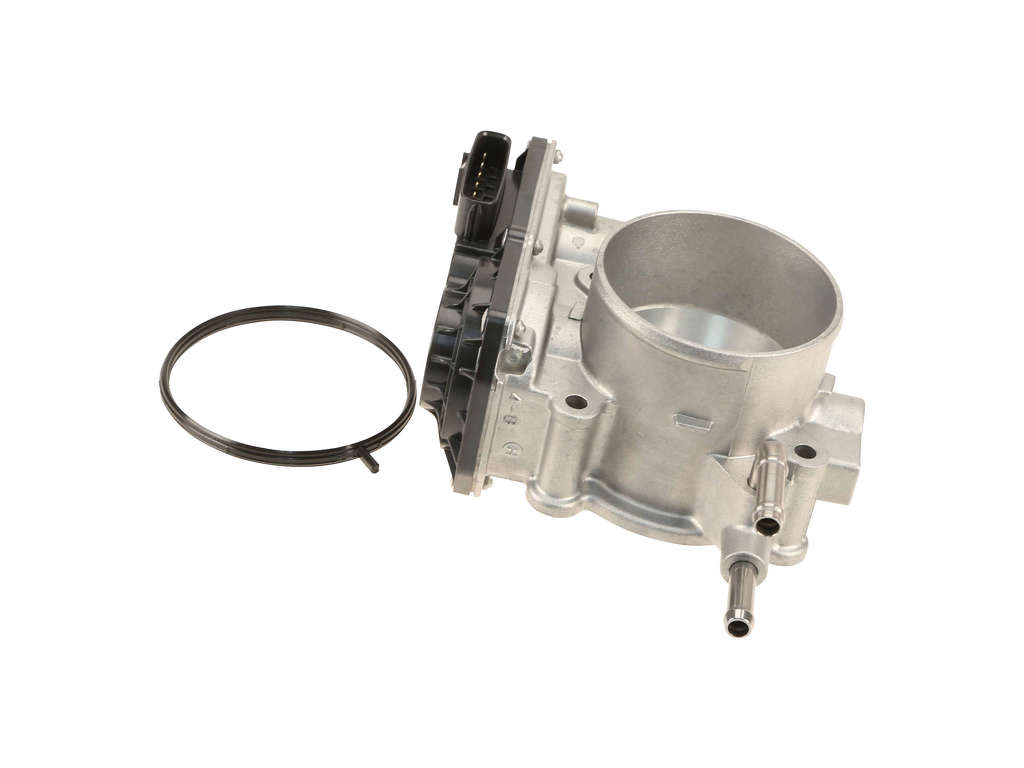
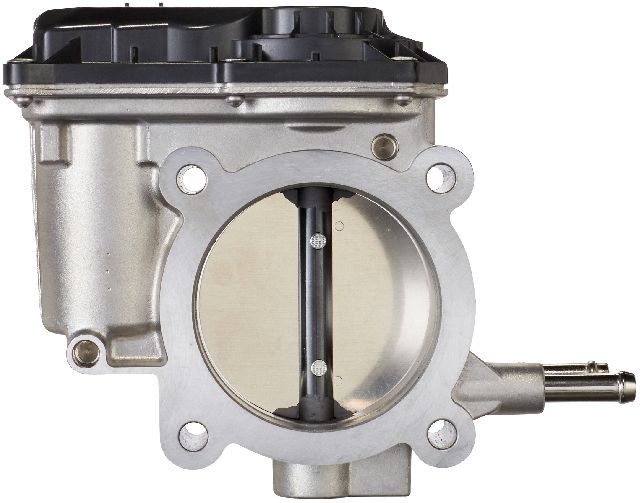
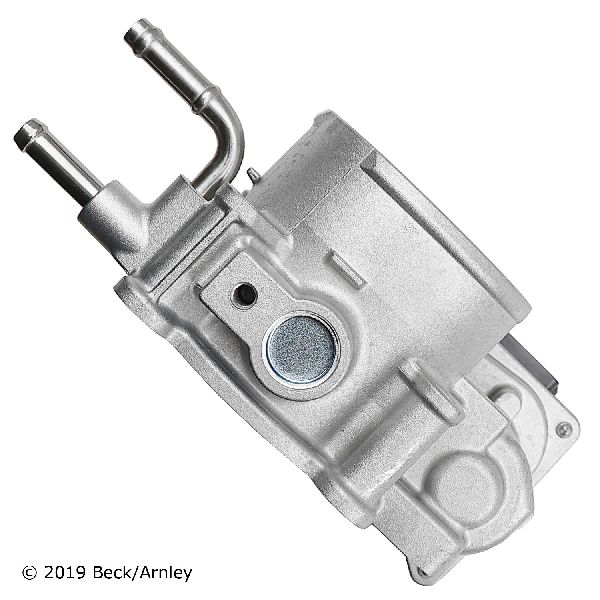
- Faulty Throttle Body Assembly 🔴 High Probability → Shop Fuel Injection Throttle Body The Throttle Position Sensor (TPS) is integrated into the throttle body. Internal failure of the sensor's electronics or mechanical issues with the throttle plate can trigger this code. The 2AR-FE engine, while reliable, is not immune to electronic component failure over time.
How to confirm: Use an OBD-II scanner to monitor live data for 'TPS Voltage B' (VTA2). If the voltage is stuck low (e.g., below 0.5V) and does not change as the throttle plate is moved (by an assistant pressing the gas pedal with the key on, engine off), the sensor is likely bad. Since the sensor is internal, the entire throttle body is replaced.
Typical fix: Replace the entire throttle body assembly.
Est. part cost: $250-$600 - Wiring or Connector Issue 🟡 Medium Probability Engine bay vibrations and heat can cause wires to fray or break. A short to ground in the sensor's signal wire is a common cause, as documented in a 2018 RAV4 case. Corrosion in the connectors for the throttle body or APP sensor can also disrupt the signal.
How to confirm: Visually inspect the wiring harnesses going to the throttle body and accelerator pedal for any signs of damage, melting, or corrosion. Pay close attention to the harness near the throttle body connector. Use a multimeter to check for continuity and for shorts to ground on the 'B' circuit signal wire (VTA2).
Typical fix: Repair or replace the damaged section of the wiring harness or clean/replace the affected connector. Solder and heat-shrink any repaired wires for durability.
Est. part cost: $10-$100 - Faulty Accelerator Pedal Position (APP) Sensor 🟡 Medium Probability → Shop Accelerator Pedal Assembly The APP sensor is part of the accelerator pedal assembly and can wear out over time, causing its signal to drop out or become erratic.
How to confirm: Use an OBD-II scanner to monitor live data for 'APP Sensor B Voltage'. If the voltage is stuck low and does not increase as you press the accelerator pedal, the sensor has likely failed. A multimeter can also be used to test the sensor's output voltage directly at the connector pins.
Typical fix: Replace the accelerator pedal assembly.
Est. part cost: $100-$250 - Dirty Throttle Body ⚪ Low Probability → Shop Fuel Injection Throttle Body
How to confirm: Remove the intake hose from the throttle body and inspect the throttle plate and bore for heavy carbon buildup. A sticky or slow-moving throttle plate can sometimes cause the sensor readings to be out of sync with the expected position, though it's less likely to cause a persistent low voltage code than an outright failure.
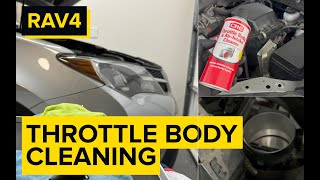
Typical fix: Clean the throttle body bore and plate with a dedicated throttle body cleaner and a soft brush. This is a good first step before replacing parts. 🎬 Watch: How to clean the throttle body on your RAV4
Est. part cost: $5-$15
Rare But Worth Checking
- Faulty Powertrain Control Module (PCM): → Shop Engine Control Module (ECM) This is extremely rare. Before condemning the PCM, all other possibilities, including sensors and wiring, must be exhaustively ruled out. A PCM failure would typically be accompanied by other trouble codes and more widespread issues.
Diagnosis Steps
- Connect an OBD-II scanner and check for any other stored codes. Document and clear them.
- View live data streams for both the Accelerator Pedal Position (APP) sensors (A and B) and Throttle Position Sensors (TPS) (A and B).
- With the key on and engine off, slowly press and release the accelerator pedal. Observe the voltage readings for both APP sensors. They should sweep smoothly from low to high voltage without dropouts or glitches.
- If the APP sensor data is normal, have an assistant press the accelerator pedal while you observe the TPS voltage readings. They should also sweep smoothly. If the 'B' circuit voltage is stuck low (e.g., <0.5V), the issue is in the throttle body circuit.
- Visually inspect the wiring harness and connectors at both the accelerator pedal and the throttle body for any signs of damage, corrosion, or loose pins. Wiggle the harness while monitoring live data to see if the voltage reading changes.
- If wiring appears intact, use a multimeter to test the 'B' circuit signal wire for continuity and to check for a short to ground. Check for the 5V reference voltage and a solid ground connection at the sensor connector.
- If the wiring and sensor for one component (e.g., throttle body) are confirmed faulty, replace that component.
- After any repair, clear the codes and perform a test drive. An idle relearn procedure is mandatory after replacing the throttle body to ensure the engine runs correctly.
Parts You'll Likely Need
- Throttle Body Assembly
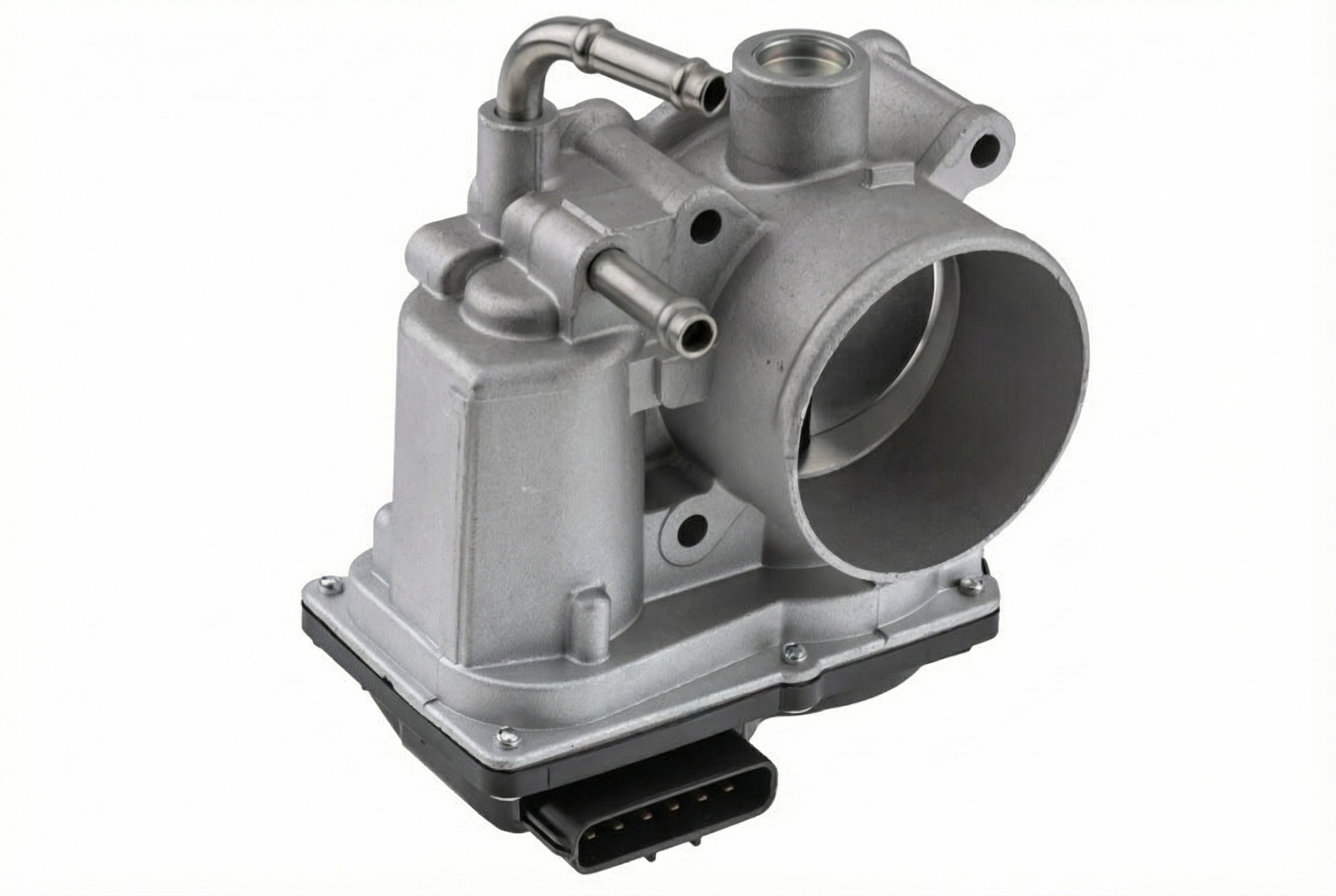
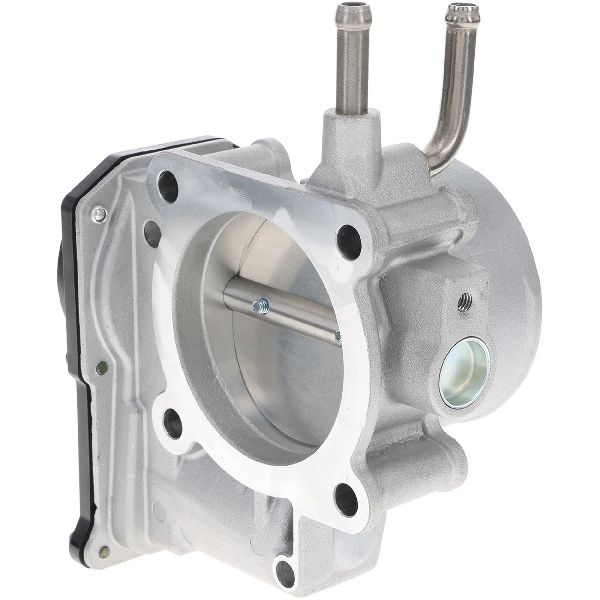
(OEM #22030-0V010 (supersedes 22030-36010), 22030-0V020)— This is the most common fix if the Throttle Position Sensor (TPS) 'B' circuit is confirmed to be at fault, as the sensor is integrated into the assembly.
Trusted brands: Denso, Aisin, Hitachi
OEM price range: $320-$600
Aftermarket price range: $250-$400 - Accelerator Pedal Assembly
(OEM #78110-0R130 (for Canada-built models), 78110-42030)— If the Accelerator Pedal Position (APP) sensor 'B' circuit is faulty, the entire pedal assembly must be replaced.
Trusted brands: Toyota (OEM), Duralast
OEM price range: $150-$250
Aftermarket price range: $100-$180
Related Codes That Often Appear With This One
- P0122 — This code is for 'Throttle/Pedal Position Sensor/Switch 'A' Circuit Low'. Seeing both P0122 and P0222 together strongly suggests a common problem affecting both sensor circuits, like a power, ground, or connector issue at the throttle body.
- P0223 — This is the opposite code, 'Circuit High Input'. Seeing them intermittently or together could point to erratic sensor behavior or a wiring short that fluctuates between open and grounded states.
- P2121 — This code relates to the 'Throttle/Pedal Position Sensor/Switch 'D' Circuit Range/Performance'. If seen with P0222, it further points to a failing accelerator pedal assembly, as they share internal components.
Platform-Specific Known Issues
- Owner Experience: Intermittent Limp Mode Solved by Throttle Body Replacement: → Shop Fuel Injection Throttle Body On RAV4World forums, a user with a 2014 RAV4 described experiencing intermittent limp mode with codes P0222 and P0122. After cleaning the throttle body provided no long-term fix, replacing the entire throttle body assembly (OEM part) permanently resolved the issue. The owner noted the repair was straightforward, requiring only basic tools and an idle relearn procedure afterward.
- Wiring Harness Vulnerability: A known case on a 2018 RAV4 with P0222 was traced to a shorted ground wire in the TPS harness near the connector. The constant engine vibration and heat cycles can make this section of the harness brittle over time, leading to shorts or open circuits. A thorough inspection of this specific area is recommended during diagnosis.
Mechanic-Grade Diagnostic Values
- Throttle Position Sensor 'B' (VTA2) Voltage — expected: Approx. 0.5V - 4.5V (sweeping smoothly from closed to wide-open throttle). Failure: Voltage is stuck below 0.5V and does not change when the accelerator is pressed.
- Throttle Body Motor Resistance — expected: 0.3 to 100 Ω at 20°C (68°F). Failure: Resistance is outside the specified range.
- Voltage difference between VTA1 and VTA2 — expected: A specific, consistent voltage difference should be maintained as the throttle angle changes.. Failure: If the voltage difference is less than 0.02V, the ECM may interpret this as a short circuit.
Scan Tool Commands That Help
- Toyota Techstream: Reset Memory / ETCS Relearn — This function is mandatory after replacing the throttle body assembly. It clears learned values and forces the ECM to relearn the new sensor's idle and off-idle positions. Failure to perform this can result in a high or unstable idle.
- Toyota Techstream: Active Test for Throttle Control — Allows a technician to command the throttle motor to open to specific percentages while observing the VTA1 and VTA2 voltage readings in live data. This is used to confirm if the sensor signals respond correctly to mechanical movement, isolating a faulty sensor from a wiring issue.
Wiring & Ground Locations
- Throttle Body Connector (Typical 6-Pin) — On the electronic throttle body assembly, connected to the main engine wiring harness.. This connector carries the power, ground, and signal wires for both throttle position sensors (VTA1, VTA2). P0222 is for the VTA2 signal. A typical pinout is: Pin 1: M+ (Motor), Pin 2: M- (Motor), Pin 3: E2 (Sensor Ground), Pin 4: VTA2 (TPS Signal 'B'), Pin 5: VC (5V Reference), Pin 6: VTA1 (TPS Signal 'A'). Checking for 5V at VC, good ground at E2, and the signal at VTA2 are key diagnostic steps.
- Engine Ground Points — On the 2AR-FE, key grounds are located on the valve cover, connecting to the chassis near the strut tower, and on the side of the cylinder head.. A poor engine-to-chassis ground can introduce electrical noise and voltage drops, potentially causing incorrect sensor readings and spurious codes like P0222. While the sensor ground (E2) goes to the ECM, the ECM itself relies on these main grounds.
OEM Part Supersession History
22030-36010→22030-0V010— Standard part revision and consolidation by Toyota.
Heads up: The new part number 22030-0V010 is backward compatible and is the correct service replacement for the original.
Model Year Variations Within This Range
- 2013-2018: While the core 2AR-FE engine and throttle system are consistent, accelerator pedal assembly part numbers can vary based on the vehicle's manufacturing plant (e.g., Canada vs. Japan). Always verify the correct pedal assembly part number with the vehicle's VIN.
Diagnostic Flowchart
Used vs. New Parts: Buying Guide for This Vehicle
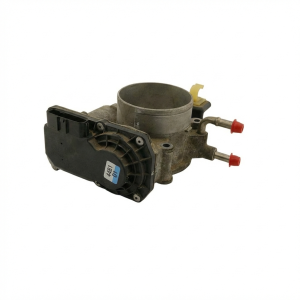
When a used part is the smart pick: A used OEM throttle body from a low-mileage, accident-damaged vehicle can be a cost-effective alternative to a new OEM part. Given the high reliability of the 2AR-FE engine's components, a used part often has significant life remaining.
Donor-vehicle mileage cap: roughly under 80000 miles for the part to have meaningful remaining life.
What to inspect on the donor part:
- Check for a clean throttle plate and bore with minimal carbon buildup.
- Ensure the electrical connector pins are straight and free of corrosion.
- Manually move the throttle plate (if possible); it should move smoothly without sticking or binding.
- Source from a reputable auto recycler that provides a warranty and information on the donor vehicle's mileage.
OEM-only on this vehicle (don't cheap out):
- While aftermarket options exist, the electronic nature of the throttle body makes OEM (Toyota) or the original equipment manufacturer (Aisin, Denso) the most reliable choices to avoid compatibility and performance issues.
Aftermarket brands forum-validated for this vehicle:
- Aisin (often the OEM supplier)
- Denso
Brands owners have reported issues with on this vehicle:
- Unbranded, low-cost parts from online marketplaces are frequently cited in forums as having high failure rates or causing erratic idle issues, even when new.
Real Owner Stories
Aggregated from forums and TSBs cited above. Mileages and costs reflect what owners reported in those sources.
2014 RAV4
Symptoms: Intermittent limp mode with codes P0222 and P0122.
What fixed it: After an initial attempt to clean the throttle body provided no long-term fix, replacing the entire throttle body assembly with an OEM part permanently resolved the issue.
Source hint: RAV4World Forums - "Limp Mode P0222/P0122 on 2014 XLE"
2018 RAV4
Symptoms: P0222 code was present.
What fixed it: The issue was traced to a shorted ground wire in the Throttle Position Sensor (TPS) harness near the connector, which was then repaired.
Source hint: A documented case involving a 2018 RAV4
Related OBD-II Codes
Frequently Asked Questions
My 2014 RAV4 is in 'limp mode' because of P0222. Can I just clean the throttle body to fix it?
Can I replace just the Throttle Position Sensor (TPS) on my 2013-2018 RAV4?
After replacing the throttle body on my RAV4, is there a special procedure I need to follow?
The throttle body and APP sensor seem fine. What else could cause P0222 on my RAV4?
I'm buying a used throttle body for my RAV4. What should I look for?
Are other Toyota models like the Camry also prone to this P0222 issue?
Helpful Videos
Used OEM Parts in Stock
New Aftermarket Parts Available



The information in this article is provided for general reference and educational purposes only. Vehicle specifications, procedures, and part compatibility can vary by production date, trim level, and region. Always consult your vehicle's factory service manual and verify part numbers before purchasing or performing repairs. Safety-critical components such as airbags, seat belts, and braking systems should be installed by a qualified professional.
- Toyota RAV4:
- 🧭 Diagnostic Flowchart
- 🎬 Helpful Videos
- 🛍️ Shop This Part
- What's Unique About the 2013-2018 Toyota RAV4
- Symptoms You May Notice
- Most Likely Causes
- Rare But Worth Checking
- Diagnosis Steps
- Parts You'll Likely Need
- Related Codes That Often Appear With This One
- Platform-Specific Known Issues
- Mechanic-Grade Diagnostic Values
- Scan Tool Commands That Help
- Wiring & Ground Locations
- OEM Part Supersession History
- Model Year Variations Within This Range
- Used vs. New Parts: Buying Guide for This Vehicle
- Real Owner Stories
- 2014 RAV4
- 2018 RAV4
- Related OBD-II Codes
- Frequently Asked Questions
- 🎟️ Get 5% Off