

P0234 on 2020 Ford Explorer 3.0L EcoBoost: Engine Overboost Causes and Fixes
P0234 on a 2020 Explorer with the 3.0L EcoBoost engine indicates the turbocharger is creating excessive boost. The most common causes are a faulty wastegate control solenoid, a stuck wastegate, or a damaged vacuum line to the wastegate. A real-world owner repair involved a broken vacuum line and a bad wiring pin. Expect to pay $50-$150 for a replacement solenoid.
- P0234 is a serious code indicating the engine is receiving dangerously high boost pressure, which can cause severe damage.
- Do not immediately assume the turbocharger has failed. The most likely culprits are cheaper, simpler components in the wastegate control system.
- Start your diagnosis by thoroughly inspecting all vacuum lines running to the turbo wastegates for any cracks or disconnections.
- The wastegate control solenoid is a high-probability failure item and should be tested early in the diagnostic process.
- If you have an aftermarket engine tune, consider flashing back to the stock tune to see if the problem disappears, as an aggressive tune can cause this code.
What's Unique About the 2020-2020 Ford Explorer
The 3.0L EcoBoost V6 in the 2020 Explorer is a high-output, twin-turbocharged engine, with one turbo for each cylinder bank. The boost is managed by vacuum-actuated wastegates controlled by electronic solenoids. A failure in any of these components on either turbo can lead to an overboost condition. An owner of a new 2020 Explorer ST on the ExplorerST.org forum experienced this code at just 188 miles. The dealer found two separate issues: a broken vacuum line to the wastegate (causing a companion P1016 code) and a bad pin in the wiring harness for the turbo bypass valve solenoid (causing the P0234). This highlights potential early-life failures in the complex boost control system.
Symptoms You May Notice
- Check Engine Light is on
- Engine goes into "limp mode," resulting in a significant loss of power
- "Service Engine Now" or a wrench icon warning message on the dashboard.
- Engine may not rev above a certain RPM (e.g., 4,000 RPM).
- Audible whooshing or hissing sounds from the engine bay
- Engine may run rough or misfire
- Excessive turbo noise during operation, as noted in manufacturer service bulletins.
- Replacing the turbocharger when the actual fault is a much cheaper and simpler component like a control solenoid or vacuum line.
Most Likely Causes
- Faulty Turbocharger Wastegate Control Solenoid 🔴 High Probability → Shop Turbocharger The solenoid (or regulating valve) controls vacuum to the wastegate actuator. It can fail electronically or become stuck, preventing the wastegate from opening to relieve excess pressure. This is a common failure point in many turbocharged Ford engines. NHTSA ODI #11561976 notes a case where a turbocharger overboost solenoid was replaced in an attempt to resolve this specific code.
How to confirm: Use a scan tool to perform an actuator test on the solenoid. You can also apply vacuum directly to the wastegate to see if it operates, bypassing the solenoid. Visually inspect the wiring and connector for damage.
Typical fix: Replace the faulty wastegate control solenoid. It's also wise to check the fuse for the solenoid first.
Est. part cost: $50-$150 - Sticking or Binding Wastegate 🟡 Medium Probability The wastegate is a mechanical valve inside the hot turbocharger housing. Carbon buildup and heat can cause the valve or its actuator arm to stick in the closed position, preventing it from bleeding off excess boost.
How to confirm: With the engine off and cool, manually try to move the wastegate actuator arm. It should move smoothly. If it is seized or difficult to move, the wastegate is sticking.
Typical fix: In some cases, the linkage can be freed up. More often, this requires the replacement of the entire turbocharger assembly, as the wastegate is typically integrated into it.
Est. part cost: $1000-$2500+ - Damaged or Disconnected Wastegate Control Hose 🟡 Medium Probability The rubber and plastic vacuum lines that control the wastegate are exposed to high engine bay temperatures, which can make them brittle and prone to cracking or breaking. A forum user with a 2020 Explorer ST reported this exact issue as the cause for a P1016 code, which occurred alongside their P0234.
How to confirm: Visually inspect all vacuum lines running from the control solenoid to the turbocharger wastegate actuators for any cracks, breaks, or loose connections. A smoke test can also reveal hard-to-see leaks.
Typical fix: Replace the damaged section of vacuum hose. This is a simple and inexpensive fix.
Est. part cost: $10-$30 - Faulty Boost Pressure (MAP) Sensor ⚪ Low Probability The Manifold Absolute Pressure (MAP) sensor measures boost. If it sends an inaccurately low reading to the PCM, the computer may command more boost than is safe, causing an overboost condition. The 3.0L EcoBoost uses multiple pressure sensors, one on the intake manifold and one on the intercooler outlet pipe.
How to confirm: Use a scan tool to monitor the MAP sensor reading with the key on, engine off. It should read close to the Barometric Pressure (BARO). Compare its live data readings under boost to a mechanical boost gauge.
Typical fix: Replace the MAP sensor. On the 3.0L EcoBoost, a MAP sensor is located on top of the intake manifold.
Est. part cost: $40-$100
Rare But Worth Checking
- Aftermarket Engine Tuning: An aggressive aftermarket tune can request boost levels that are too high or have overly sensitive parameters, triggering a P0234 code, especially in colder weather when the air is denser. A forum user reported this code can be triggered by severe wheel hop during a launch on a tuned vehicle.
- Restricted Exhaust: A clogged catalytic converter can prevent exhaust gases from escaping efficiently. This can lead to a buildup of pressure that prevents the wastegate from effectively regulating boost. This will usually be accompanied by other codes. Some 2020 Explorer STs were noted to have issues with cracked catalytic converters. NHTSA ODI #11688277 describes a Ford vehicle triggering P0420 and P0234 concurrently, consistent with mechanical failures in the exhaust/catalyst system.
- Internal Turbocharger Failure: → Shop Turbocharger While less common than a stuck wastegate, internal mechanical failure of the turbocharger can cause overboost issues. Manufacturer Bulletin #SSM 53328 notes that P0234 can be stored in the PCM alongside symptoms like lack of power or excessive turbo noise.
- Wiring Harness Issue: As documented in a forum post, a bad pin in the wiring harness for a turbo-related solenoid can cause this code. This may require careful inspection of the connectors and wiring looms.
Technical Service Bulletins (TSBs) & Recalls
- Bulletin #SSM 53328: This manufacturer bulletin notes that P0234 may be stored in the powertrain control module (PCM) along with other codes, potentially resulting in a malfunction indicator lamp (MIL), lack of power, and/or excessive turbo noise during operation.
Diagnosis Steps
- Scan for all diagnostic trouble codes. Pay close attention to any other codes that may be present, especially manufacturer-specific ones like P1016.
- With the engine off and cool, visually inspect all vacuum hoses connected to the turbocharger wastegate actuators and the control solenoid. Look for cracks, breaks, or loose fittings. A smoke test is highly recommended.
- Inspect the wiring and connector going to the wastegate control solenoid and the MAP sensor for any signs of damage, corrosion, or backed-out pins.
- Check the fuse related to the wastegate control solenoid.
- Use a scan tool to monitor live data. Compare the desired boost pressure (e.g., TC_BP_A_DES) with the actual boost pressure (MAP reading, e.g., TC_BP_A_ACT) during a controlled test drive. Confirm the overboost condition.
- Attempt to manually move the wastegate actuator arm on each turbo. It should move freely without binding. If it is stuck, the turbocharger assembly will likely need replacement.
- If the wastegate moves freely, test the control solenoid. Use a scan tool's bidirectional controls to command the solenoid on and off while observing the wastegate actuator for movement. Alternatively, use a vacuum pump to test the actuator and the solenoid's ability to hold/release vacuum.
- If all control components are working, test the MAP sensor's accuracy by comparing its reading to a known good source, like a mechanical gauge or barometric pressure.
Parts You'll Likely Need
- Turbocharger Wastegate Control Solenoid
(OEM #FL3Z-9E882-BA)— This solenoid is the primary electronic control for the wastegate and a frequent failure point causing overboost conditions.
Trusted brands: Motorcraft, Pierburg
OEM price range: $80-$150
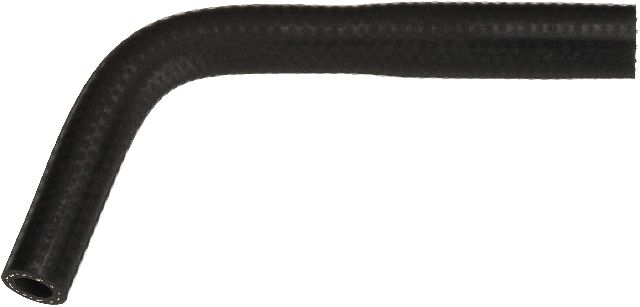
Aftermarket price range: $50-$100 - Vacuum Tubing/Hose — The vacuum lines that operate the wastegate can become brittle and crack, causing a loss of control and leading to an overboost code. This was a confirmed fix on a 2020 Explorer ST.
OEM price range: $20-$40
Aftermarket price range: $10-$20 - Manifold Absolute Pressure (MAP) Sensor
(OEM #Motorcraft CX-2760 (also listed as 12NP89K))— A faulty MAP sensor can report incorrect boost levels to the PCM, leading to an overboost condition. It's a less common but possible cause.
Trusted brands: Motorcraft, Bosch
OEM price range: $60-$120
Aftermarket price range: $40-$80
Related Codes That Often Appear With This One
- P1016 — This Ford-specific code for 'Wastegate Control Pressure Higher Than Expected' was seen alongside P0234 in a 2020 Explorer ST. It directly points to a problem in the wastegate's control system, such as a vacuum leak or faulty solenoid.
- P0299 — This code for 'Turbocharger Underboost' can sometimes appear if the wastegate or its control system is acting erratically, sometimes sticking open (underboost) and sometimes sticking closed (overboost). NHTSA ODI #11427314 and #11561976 both document P0234 and P0299 appearing together on Ford vehicles.
- P25B4 — This code for 'Turbocharger/Supercharger Wastegate 'A' Stuck Closed' can appear with P0234 as it points directly to a mechanical failure of the wastegate to open, which is the root cause of an overboost condition.
Platform-Specific Known Issues
- { "title": "Early Life Failure on 2020 Explorer ST", "description": "A user on ExplorerST.org reported getting P0234 and P1016 with less than 200 miles on their new vehicle. The dealership diagnosed a broken vacuum line to the wastegate and a bad pin in the wiring harness for the turbo bypass valve solenoid, covering the ~$750 repair under warranty." }
Mechanic-Grade Diagnostic Values
- MAP Sensor Supply Voltage — expected: ~5.0V. Failure: Significantly lower or no voltage indicates a wiring or PCM issue.
- MAP Sensor Signal Voltage (Key On, Engine Off) — expected: ~1.0V - 1.5V at sea level. Failure: Voltage is significantly outside this range, or does not match the BARO sensor reading.
- MAP Sensor Signal Voltage at Idle — expected: ~1.0V - 1.5V (in vacuum). Failure: Voltage is significantly higher or does not respond to throttle changes.
- MAP Sensor Signal Voltage at Wide Open Throttle (WOT) — expected: Rises to approximately 4.5V. Failure: Failure to reach near 4.5V at WOT suggests a faulty sensor or an intake restriction.
- Engine Ground to Chassis Resistance — expected: Near 0 ohms (e.g., 0.004 ohms). Failure: Any reading higher than a few tenths of an ohm indicates a poor ground connection.
Scan Tool Commands That Help
- Ford IDS / FORScan: Wastegate Control Solenoid (WCS) Duty Cycle — This bidirectional control is used to command the wastegate solenoid from 0% to 100% while monitoring vacuum at the wastegate actuator. It directly tests if the solenoid is responding to PCM commands, helping to isolate a faulty solenoid from a vacuum line or actuator problem.
Wiring & Ground Locations
- Chassis Ground Bolt — In the driver's side footwell, underneath the fusebox, on the side wall behind the main wiring loom.. While not specific to the P0234 circuit, this is a known, accessible chassis ground point. Poor grounds can cause erratic behavior in sensors and solenoids, making this a valid location to check for clean, tight connections if electrical issues are suspected.
- Wastegate Solenoid Connector — Near the engine airbox, grouped with quick-release connectors for the intercooler and EVAP system.. This is the primary electrical connection for the component most likely to cause P0234. Inspecting this connector for damage, corrosion, or backed-out pins is a critical diagnostic step, as confirmed by a real-world repair.
Real Owner Repair Stories
- ExplorerST.org forum user (2020 Ford Explorer ST, 188 miles) — Check Engine Light, Service Engine Now message, P0234 and P1016 codes.
❌ Tried (didn't work) Initial diagnosis was uncertain due to the vehicle's extremely low mileage.
✅ What actually fixed it A combination of two separate issues found by the dealer: a broken vacuum line to the wastegate and a bad pin in the wiring harness for the turbo bypass valve solenoid. The repair was covered under warranty. - Explorer ST Forum user (2020+ Ford Explorer ST with aftermarket tune) — P0234 code triggered during a launch attempt with a Dragy device.
✅ What actually fixed it The issue was not a mechanical fault. The code was triggered by severe wheel hop, which caused a rapid load/unload condition on the engine at wide-open throttle, leading to a momentary overboost spike. The resolution was to clear the code and address the cause of the wheel hop. - NHTSA Report Anecdote — An owner reported in NHTSA ODI #11062911 that their vehicle displayed a "See Manual" light and triggered code P0234 for turbocharger overboosting. In this instance, the dealership reset the computer but performed no other repairs.
"I Checked Everything" — The Actual Cause
- In a confirmed repair on a 2020 Explorer ST, the vehicle presented with both P0234 and a vacuum-related code (P1016). While a smoke test would have identified the broken vacuum line, it would have missed the second, concurrent fault: a bad pin in the wiring harness for the turbo bypass valve solenoid. This demonstrates that even if a vacuum leak is found, an underlying electrical issue can also be present and must be investigated if the code returns.
OEM Part Supersession History
FL3Z-9E882-A→FL3Z-9E882-BA— Part revision and update by Ford.
Heads up: FL3Z-9E882-BA is the current recommended replacement. While the base part number 9E882 is used across various Ford engines with different prefixes (e.g., CB5Z-9E882-A), it is critical to use the specific part number designated for the 2.7L/3.0L EcoBoost family to ensure correct operation.
Model Year Variations Within This Range
- 2020 (Early Production): Ford issued TSB 20-2305 for some 2020 Explorer/Aviator vehicles built on or before May 19, 2020, for a transmission issue. While unrelated to P0234, this establishes a precedent for early-build quality issues in the 2020 model year, which aligns with a documented P0234 failure on a vehicle with less than 200 miles. Buyers of early 2020 models should be aware of potential teething issues.
Diagnostic Flowchart
Other Known Issues on This Vehicle
Issues unrelated to this code that are worth knowing about as an owner of this generation:
- 10R60 Transmission Faults 🔴 High — Common on early-build 2020 models. Can manifest as harsh/erratic shifting or failure to engage Park. (Ref: Multiple TSBs (e.g., 20-2305 for harsh 7-6 downshift) and recalls (e.g., 23S05 for unintended park pawl engagement) have been issued.)
- Cracked Exhaust Flex Pipes / Catalytic Converters 🟠 Medium — A known issue on ST models, often noticed by a rattling sound or exhaust smell in the cabin. (Ref: Ford issued a TSB for the flex pipe bracket and a recall for cracked catalytic converters on select models.)
- Intake Valve Failure (2021-2022 models) 🔴 High — Affects some 2021-2022 models with 3.0L EcoBoost engines built before late October 2021 due to a supplier defect. (Ref: NHTSA Recall 24V-552 (Ford number 24S55) was issued for intake valves that may fracture, potentially causing catastrophic engine failure.)
- Rear Axle Bolt Fracture 🔴 High — Widespread enough to trigger multiple recalls across 2020-2022 models. (Ref: NHTSA campaign 23V675 is one of several recalls issued to address the rear axle subframe bolt, which can fracture and cause a loss of drive power.)
- Rearview Camera Failures 🟡 Low — Extremely common across hundreds of thousands of 2020-2022 Explorers, often presenting as a blue or black screen. (Ref: Multiple recalls have been issued to update the Image Processing Module (IPMB) software, but the issue can be persistent.)
- Cam Phaser Rattle 🟠 Medium — Some owners report a rattling or ticking noise on cold starts, which can be an early sign of cam phaser failure, a very labor-intensive repair.
Used vs. New Parts: Buying Guide for This Vehicle
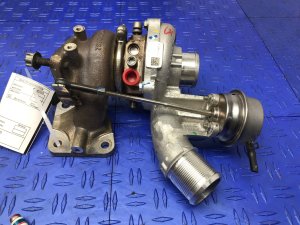
When a used part is the smart pick: A complete, low-mileage used turbocharger assembly from a reputable salvage yard can be a cost-effective option ONLY if the failure is confirmed to be the integrated, non-serviceable mechanical wastegate valve itself. For all other common causes, new parts are recommended.
Donor-vehicle mileage cap: roughly under 50000 miles for the part to have meaningful remaining life.
What to inspect on the donor part:
- Check for zero in-and-out (axial) shaft play.
- Ensure side-to-side (radial) shaft play is minimal and the compressor/turbine wheels do not contact the housing.
- Inspect for any signs of oil leakage from the center cartridge seals.
- Verify the compressor and turbine wheel blades are straight and free of nicks or damage from foreign object ingestion.
- Confirm the wastegate actuator arm moves freely without binding.
OEM-only on this vehicle (don't cheap out):
- Wastegate Control Solenoid: Due to its critical role in boost control and relatively low cost, an OEM (Motorcraft) or OEM-supplier (Pierburg) part is strongly recommended over a used or unbranded aftermarket part.
- MAP Sensor: As a key sensor for engine management, using an OEM (Motorcraft) or known-good OEM supplier (Bosch) is critical for accuracy and reliability.
Aftermarket brands forum-validated for this vehicle:
- Pierburg (for wastegate solenoid)
- Bosch (for MAP sensor)
Brands owners have reported issues with on this vehicle:
- No specific brands were consistently reported as problematic in forum discussions for this particular repair.
Real Owner Stories
Aggregated from forums and TSBs cited above. Mileages and costs reflect what owners reported in those sources.
2020 Ford Explorer ST 3.0L EcoBoost — 200 miles
Symptoms: Check engine light and service notice appeared on the first day of ownership; vehicle threw codes P0234 and P1016.
What fixed it: The dealership identified a broken vacuum line to the wastegate and a bad pin in the wiring harness for the turbo bypass valve solenoid.
Cost: $750-$750
Source hint: ExplorerST.org thread titled 'Check engine and service notice on first day.'
2020 Ford Explorer — NHTSA ODI #11062911
Symptoms: The vehicle displayed a "See Manual" light and the dealership found code P0234 for turbocharger overboosting.
What fixed it: The dealership reset the vehicle's computer and took no further action at that time.
Source hint: NHTSA ODI #11062911
Related OBD-II Codes
Frequently Asked Questions
I have a 2020 Explorer ST and the engine just went into 'limp mode' with a wrench icon. Could this be P0234?
Is there a specific vacuum line issue known to cause P0234 on the 2020 Explorer 3.0L EcoBoost?
Could my P0234 code be related to the P1016 code I'm also seeing?
Where is the MAP sensor located on my 3.0L EcoBoost engine if I need to check it?
Is it possible that a wiring issue is causing my overboost condition rather than a mechanical failure?
If my wastegate is sticking, do I have to replace the whole turbocharger?
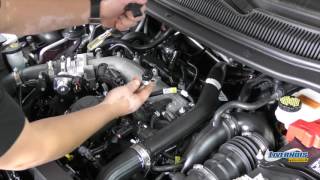
Helpful Videos
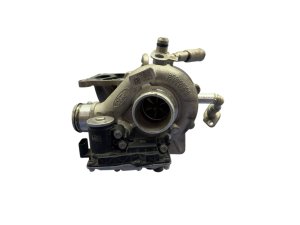
Used OEM Parts in Stock
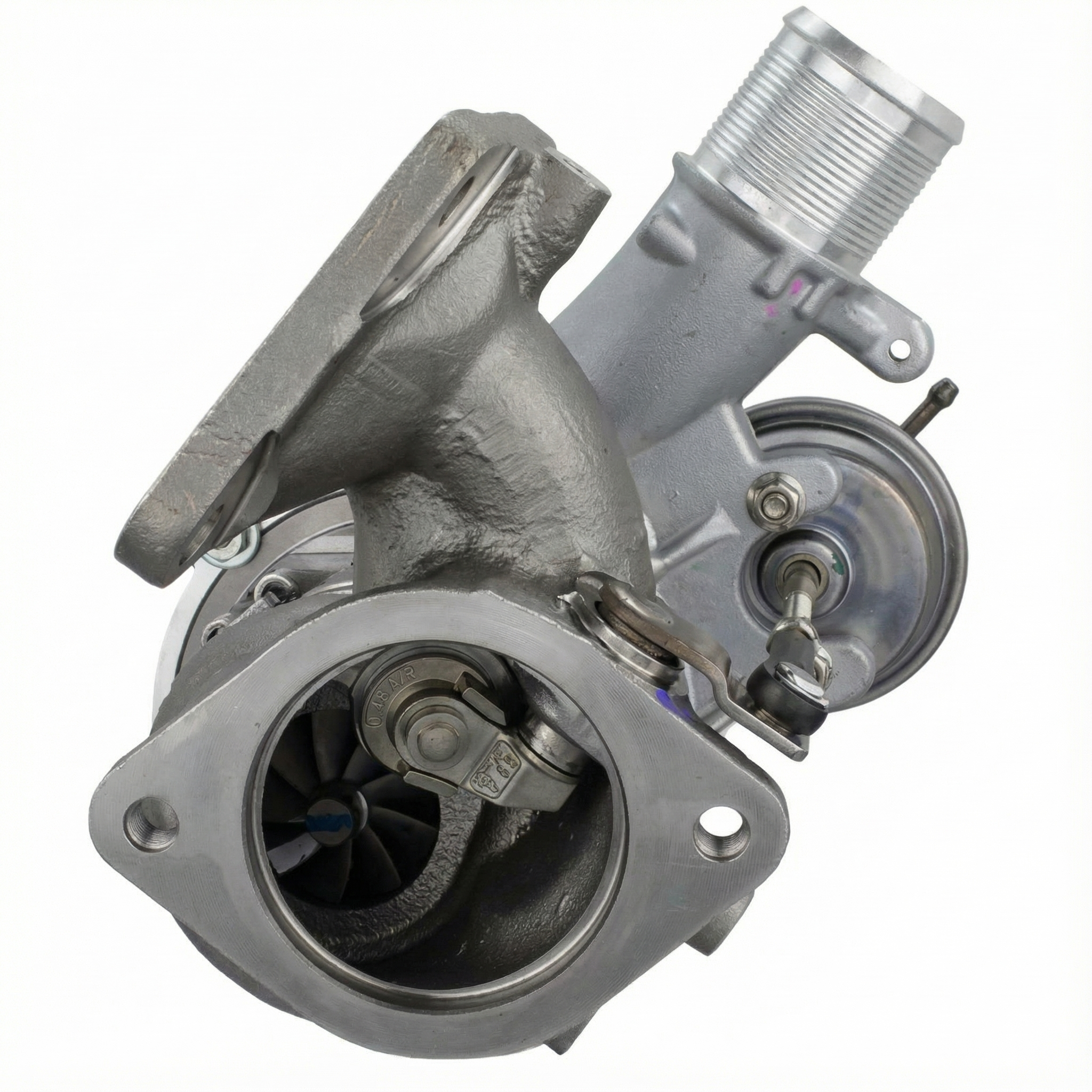
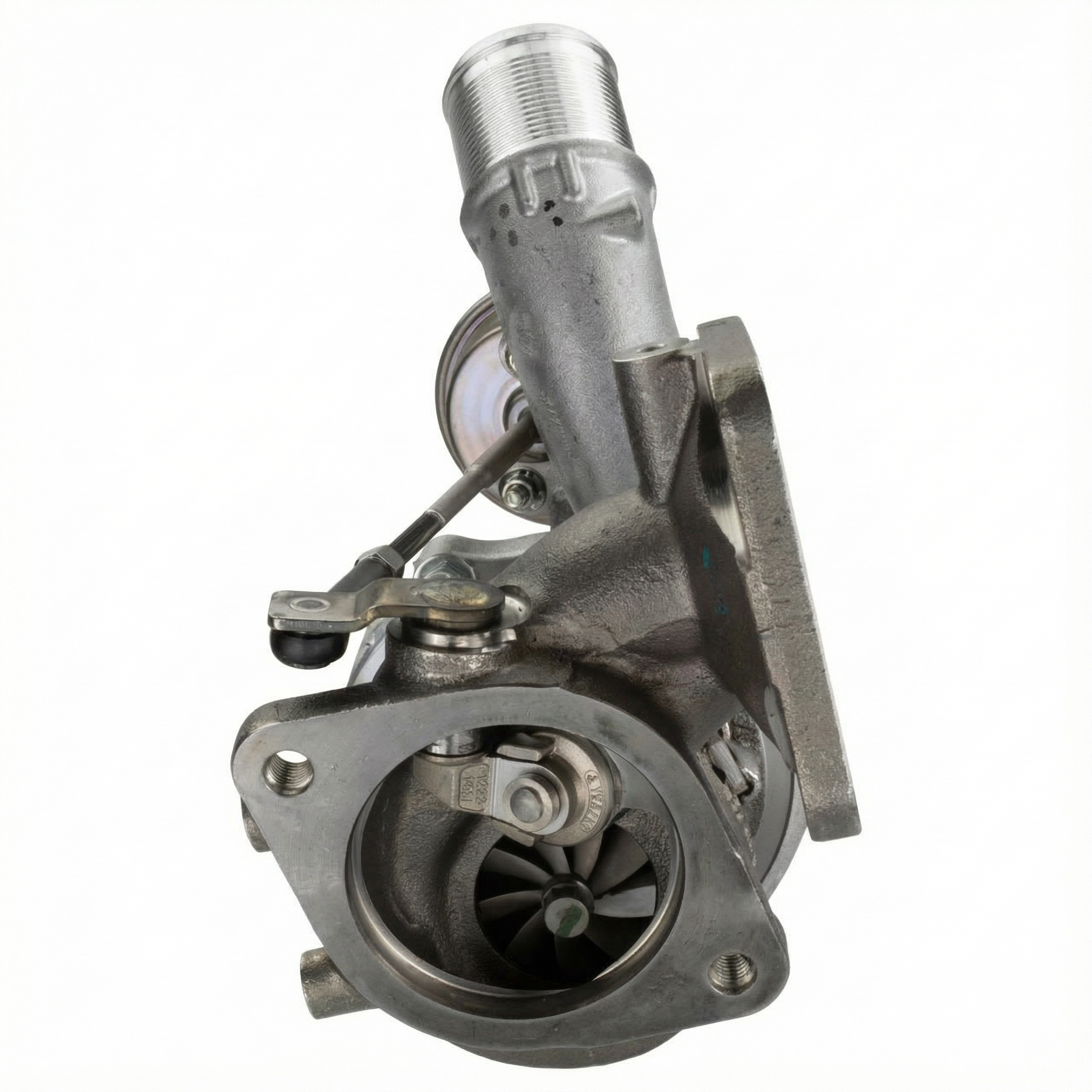
New Aftermarket Parts Available


The information in this article is provided for general reference and educational purposes only. Vehicle specifications, procedures, and part compatibility can vary by production date, trim level, and region. Always consult your vehicle's factory service manual and verify part numbers before purchasing or performing repairs. Safety-critical components such as airbags, seat belts, and braking systems should be installed by a qualified professional.
- Ford Explorer:
- 🧭 Diagnostic Flowchart
- 🎬 Helpful Videos
- 🛍️ Shop This Part
- What's Unique About the 2020-2020 Ford Explorer
- Symptoms You May Notice
- Most Likely Causes
- Rare But Worth Checking
- Technical Service Bulletins (TSBs) & Recalls
- Diagnosis Steps
- Parts You'll Likely Need
- Related Codes That Often Appear With This One
- Platform-Specific Known Issues
- Mechanic-Grade Diagnostic Values
- Scan Tool Commands That Help
- Wiring & Ground Locations
- Real Owner Repair Stories
- "I Checked Everything" — The Actual Cause
- OEM Part Supersession History
- Model Year Variations Within This Range
- Other Known Issues on This Vehicle
- Used vs. New Parts: Buying Guide for This Vehicle
- Real Owner Stories
- 2020 Ford Explorer ST 3.0L EcoBoost — 200 miles
- 2020 Ford Explorer — NHTSA ODI #11062911
- Related OBD-II Codes
- Frequently Asked Questions
- 🎟️ Get 5% Off