

OBD-II Code P0250: Turbocharger Wastegate Solenoid 'B' High / Injection Pump Fuel Metering Control Circuit High
What P0250 means, the two common definitions, why it triggers, and how to fix it for good
- P0250 has a dual meaning: it indicates a high-voltage short in either the turbo wastegate solenoid 'B' circuit (Subaru, BMW, VW) or the high-pressure fuel pump metering valve circuit (Ford, GM, Ram trucks).
- Never replace a turbocharger component on a modern diesel or GDI truck for this code without first testing the fuel metering valve (FCA/MPROP), which causes over 70% of P0250 faults on these vehicles.
- Limit driving to essential trips under 10 miles; ignoring this code leads to catalytic converter failure costing over $2,000 or catastrophic CP4 fuel pump failure exceeding $10,000.
- Diagnose this code by comparing 'Commanded' versus 'Actual' live data values on a bidirectional scan tool to confirm if the solenoid or valve is physically stuck or electrically dead.
What Does P0250 Mean?
P0250 is a diagnostic trouble code signifying a high voltage condition in a control circuit, but its meaning critically depends on the vehicle. For many turbocharged cars (Subaru, BMW, VW), the Powertrain Control Module (PCM) detects a voltage signal from the 'B' wastegate control solenoid higher than the specified range, pointing to an electrical short. In contrast, on modern Ford, GM, and Ram trucks with diesel or gasoline direct injection (GDI) engines, this exact code means 'Injection Pump Fuel Metering Control Circuit High,' indicating a short in the fuel pressure regulator circuit on the high-pressure fuel pump.
Technical definition: The official SAE/ISO definition for P0250 is: Turbocharger/Supercharger Wastegate Solenoid 'B' High. This indicates the PCM detects the input circuit for wastegate solenoid 'B' has a voltage signal above the specified maximum threshold, confirming a short to a power source. However, Ford, GM, and Ram redefine this code as 'Injection Pump Fuel Metering Control Circuit High,' pointing to an electrical short to power in the fuel pressure regulator (fuel metering valve) circuit on the high-pressure fuel pump.
Can I Drive With P0250?
Yes, but briefly Limit driving to essential trips under 10 miles, avoiding highways and heavy acceleration. The engine will often suddenly enter a reduced-power 'limp mode' or stall, creating a safety risk. Continuing to drive with an over-boost condition causes engine knock and severe internal damage. If the code stems from a fuel system fault, chronic incorrect fuel pressure destroys the catalytic converter, a $2,000+ repair. Stop driving immediately if the check engine light flashes, you hear loud knocking, or experience significant power loss.
Common Causes
- Faulty Fuel Metering Control Valve (Very Common) — On diesel and GDI engines (Ford PowerStroke, GM Duramax, Ram Cummins), the valve on the high-pressure fuel pump fails internally, causing a high voltage signal.
- Faulty Turbocharger Wastegate Solenoid (Very Common) — On turbocharged cars, the solenoid fails with an internal short, sending excessive voltage back to the PCM.
- Wiring or Connector Issues (Common) — The wiring harness for the wastegate solenoid or fuel metering valve frays, melts from exhaust heat, or shorts to a power source.
- Leaking or Damaged Vacuum Lines (Common) — For vacuum-controlled wastegates, cracked rubber lines force the solenoid to operate outside normal parameters, which the PCM flags as an electrical fault.
- Stuck or Binding Wastegate Actuator (Less Common) — Carbon buildup seizes the mechanical wastegate arm. The PCM misinterprets the resulting electrical feedback from the control solenoid as a high voltage fault.
- Faulty High-Pressure Fuel Pump (Less Common) — When the fuel metering valve is integral to the high-pressure fuel pump, an internal pump failure triggers P0250, requiring complete pump replacement.
- Faulty Powertrain Control Module (PCM) or Software (Rare) — The PCM's internal driver circuit for the solenoid/valve fails, sending a constant high voltage signal, or corrupted software commands the wrong voltage. Consider this only after ruling out all other causes.
Symptoms
- Check Engine Light is On — The Malfunction Indicator Lamp (MIL) illuminates on the dashboard, resulting in an automatic emissions test failure.
- Reduced Engine Power / Limp Mode — The vehicle feels sluggish and hesitates as the PCM limits engine output to prevent damage from over-boost or incorrect fuel pressure.
- Engine Hard to Start or Stalling — When the code relates to a fuel metering issue, the engine is difficult to start, idles roughly, and stalls unexpectedly.
- Engine Knocking or Pinging — If the wastegate is stuck closed, excessive boost pressure causes detonation, resulting in audible metallic tapping sounds from the engine under load.
- Excessive Boost Pressure on Gauge — Vehicles with a boost gauge will show readings 10-15 psi higher than normal before the PCM cuts power.
- Poor Fuel Economy — Incorrect boost or improper fuel metering compromises engine efficiency, leading to a noticeable drop in MPG.
- Excessive Black Smoke from Exhaust — On diesel trucks, a faulty fuel metering valve causes an overly rich air-fuel mixture, resulting in visible black smoke during acceleration.
Diagnostic Flowchart
Tap your situation to follow the diagnostic path that matches what you're seeing on this code.
Common Fixes & Costs
- Replace Fuel Metering Control Valve
— Parts: $100-$250, Labor: $150-$350, ~1.5 hr book time
(Intermediate)
Ford F-Series (6.7L PowerStroke): OEM BC3Z-9J307-A (Alt: Bosch 0928400757)
GM Silverado/Sierra (6.6L Duramax): OEM 12641037 (Alt: Bosch 0928400757)
Ram 2500/3500 (6.7L Cummins): OEM Mopar 68005241AA (Alt: Bosch) - Replace Turbocharger Wastegate Solenoid
— Parts: $50-$160, Labor: $100-$200, ~1.0 hr book time
(DIY)
BMW (N54 Engine): OEM 11747626350 (Alt: Pierburg 7.00887.19.0)
Subaru WRX/STI: OEM 16102AA380 (Alt: Denso)
Volkswagen/Audi (2.0T): OEM 06F906283F (N75 Valve) (Alt: Pierburg) - Repair or Replace Wiring/Connector — Parts: $20-$75, Labor: $150-$400, ~2.0 hr book time (Intermediate)
- Replace High-Pressure Fuel Pump Assembly
— Parts: $700-$1,400, Labor: $800-$2,000, ~10.0 hr book time
(Professional)
Ram 2500/3500 (6.7L Cummins, CP3): OEM Mopar 68027022AC (Alt: Bosch 0986437334) - PCM Reflash or Replacement — Parts: $150-$1,400, Labor: $150-$400, ~1.5 hr book time (Professional)
DIY vs Professional
- Replace Turbocharger Wastegate Solenoid 🟢 Beginner
Tools: Basic hand tools (socket set, pliers), flashlight. - Replace Fuel Metering Control Valve 🟢 Beginner
Tools: Socket set, torque wrench, clean rags, safety glasses. - Repair or Replace Wiring/Connector 🟢 Beginner
Tools: Multimeter, wire strippers, crimpers, heat shrink tubing, soldering iron, replacement pigtail connector. - Replace High-Pressure Fuel Pump Assembly 🟢 Beginner
Tools: Specialized tools for pump removal/installation, timing lock tools, advanced scan tool for bleeding and calibration.
Used vs. New Parts: Buying Guide
When a used part is worth it: For the wastegate solenoid, a used OEM part from a low-mileage vehicle (under 80k miles) is a cost-effective alternative to a cheap aftermarket part. Never use a used fuel metering control valve due to internal wear and contamination risks.
Donor-vehicle mileage cap: roughly under 80000 miles for the part to have meaningful remaining life.
Donor quality checklist:
- Verify the part number matches exactly; superseded numbers are rarely interchangeable.
- For solenoids, check for physical damage, melted connectors, or signs of extreme heat.
- Avoid parts from vehicles scrapped due to engine or fuel system failure.
Decision logic:
- If The part is a Fuel Metering Control Valve (FCA/MPROP) → Buy new (OEM or high-quality aftermarket like Bosch). The risk of a used part failing and causing pump damage is too high.
- If The part is a Turbo Wastegate Solenoid and the vehicle is >10 years old → A low-mileage used OEM part is more reliable than a cheap aftermarket part. A new OEM part is the best but most expensive option.
- If The cost of a new part is less than $100 → Buy new for the warranty and peace of mind.
Warranty tradeoff: Used parts carry a 30-90 day warranty. New aftermarket parts offer a 1-year to limited lifetime warranty. New OEM parts carry a 1-2 year warranty.
Worst-case if a used part fails: $500 - $1,500 if a used part fails shortly after installation, primarily due to repeat labor costs and the need to purchase another part.
What Happens If You Wait — Timeline
- 0-1 month: Check Engine Light is on. You notice subtle hesitation, a slight drop in power under load, or a minor decrease in fuel economy. Symptoms are often intermittent. (MPG impact: 0-5%% · Added cost: $0-$50 in wasted fuel)
- 1-3 months: Engine enters 'limp mode' more frequently. Stalling or hard-starting becomes common. If fuel-related, the rich condition stresses the catalytic converter. If turbo-related, audible engine knock occurs during overboost events. (MPG impact: 5-15%% · Added cost: $50-$150 in wasted fuel, plus increasing risk of component damage.)
- 3-6 months: Damage becomes significant. A fuel fault overheats and destroys the catalytic converter from being saturated with unburnt fuel. A turbo overboost fault causes piston ring or head gasket damage from repeated engine knock. (MPG impact: 15-25%% · Added cost: $1,500 - $7,000 (Catalytic converter or internal engine repairs now likely required).)
- 6+ months: Catastrophic failure. For a diesel truck with a CP4 pump, the pump self-destructs, sending metal fragments throughout the entire fuel system. This requires replacing the pump, all injectors, fuel rails, and lines, and cleaning the tank. (MPG impact: N/A (Vehicle is likely undrivable)% · Added cost: $10,000 - $15,000+ (Complete fuel system replacement).)
Cost of Not Fixing It
- 0-1 month: Noticeable 5-15% drop in fuel economy, reduced engine power, and frequent stalling. Automatic failure of any emissions test. (Added cost: Negligible, other than increased fuel consumption.)
- 1-6 months: Chronic incorrect fuel pressure overheats and destroys the catalytic converter. An overboost condition causes engine knock, destroying pistons or head gaskets. (Added cost: $1,500 - $3,500 (Catalytic converter replacement) or $3,000 - $7,000 (Engine internal repairs).)
- 6+ months: Catastrophic failure of the high-pressure fuel pump (especially CP4 pumps) sends metal debris throughout the entire fuel system, requiring replacement of the pump, fuel lines, and all injectors. (Added cost: $8,000 - $15,000 (Complete fuel system replacement on a modern diesel truck).)
Diagnosis Steps
- Verify Code and Check Freeze Frame Data
Use an OBD-II scanner to confirm P0250 is active. Verify your vehicle's specific definition (Turbo vs. Fuel). Document all other codes and review the freeze-frame data to see the engine conditions when the fault occurred.
Tools: OBD-II Scanner (Beginner) - Perform a Thorough Visual Inspection
Locate the wastegate solenoid 'B' or fuel metering valve. Meticulously inspect the wiring harness and connector for melting, chafing against hot components, corrosion in the pins, or loose connections.
Tools: Flashlight, Inspection Mirror (Beginner) - Test Circuit Voltage at the Component
Disconnect the component. With the key on, engine off, use a multimeter to check for reference voltage (usually 5V or 12V) on the supply wire and for a good ground (<0.1 Ω resistance). The signal wire should be near 0V; if it shows voltage, you have a short to power.
Tools: Multimeter (Intermediate) - Test Component Resistance
With the component disconnected, measure the resistance across its electrical pins. Compare this reading to the manufacturer's specification (often 10-50 ohms for a solenoid). Abnormally low resistance (near 0 ohms) indicates an internal short, requiring replacement.
Tools: Multimeter (Intermediate) - PRO TIP: Analyze Live Data
View live data on a scan tool. For turbo issues, compare 'Wastegate Commanded Position' vs. 'Wastegate Actual Position'. For fuel issues, compare 'Fuel Rail Pressure Commanded' vs. 'Fuel Rail Pressure Actual'. A discrepancy where the actual value doesn't respond points to a circuit or component failure.
Tools: Advanced OBD-II Scanner (Intermediate) - Check for Blown Fuses
Locate the fuse box and inspect all fuses related to the PCM, turbo, or fuel system. A short circuit in the control wire often blows a power supply fuse, causing cascading system failures.
Tools: Fuse puller, Test light (Beginner) - PRO TIP: Perform a Harness Wiggle Test
With the engine running, have a helper monitor live data on the scan tool while you gently wiggle the wiring harness from the component to the PCM. If the voltage reading fluctuates wildly, you have an intermittent short in the harness.
Tools: Advanced OBD-II Scanner (Advanced) - ADVANCED: Verify Control Circuit Voltage Thresholds
Backprobe the signal wire at the component's connector with the engine running. A P0250 'High' code sets when the PCM sees a sustained voltage above its expected maximum, often greater than 4.9V on a 5V circuit, confirming a short to power.
Tools: Multimeter (with Duty Cycle/Hz), Backprobe Kit (Advanced) - ADVANCED: Check Fuel Rail Pressure Specs (Diesel Trucks)
Monitor fuel rail pressure (FRP) at idle. A healthy system shows specific values (e.g., Ford 6.7L: ~4,400-5,000 PSI). If pressure is excessively high and does not match the commanded value, it confirms a stuck-closed fuel metering valve.
Tools: Advanced OBD-II Scanner (Advanced) - PRO TIP: Bench Test the Actuator/Solenoid
For electronic wastegate actuators, apply a direct, fused 5V reference from a power probe to see if the actuator arm moves smoothly. If it's stuck, it has mechanically failed. Always consult the service manual before applying external voltage.
Tools: Power Probe or Bench Power Supply, Service Manual (Advanced)
When This Code Triggers (Freeze-Frame Conditions)
- Engine Coolant Temp: 180-210°F (The engine is fully warmed up and operating in closed-loop.)
- RPM: 1500-2500 RPM (The fault triggers under steady cruising or light acceleration, rarely at idle or full throttle.)
- Engine Load: 30-60% (The code sets when the engine is under a moderate, sustained load, such as climbing a slight grade.)
- Vehicle Speed: 40-65 MPH (Consistent with highway driving where the turbo or fuel system operates under steady demand.)
Related Codes
- P0249 — 'Turbocharger Wastegate Solenoid B Low' is the direct opposite of P0250. It indicates an open circuit or a short to ground. Diagnosing P0250 involves looking for unwanted voltage, while P0249 involves looking for a loss of voltage.
- P0088 — 'Fuel Rail/System Pressure - Too High' is the effect, while P0250 is the electrical cause. P0250 indicates the fuel metering control circuit is shorted high, causing the valve to stick closed and spike pressure. Diagnose P0250 first.
- P0299 — 'Turbocharger Underboost' triggers if the P0250 fault causes the wastegate solenoid to fail open, preventing the turbo from building pressure. Fix the P0250 electrical fault before looking for mechanical leaks.
- P025A — 'Injection Pump Fuel Metering Control 'A' Circuit/Open' points to an open or range issue on circuit 'A', indicating a different electrical fault within the same fuel system family as P0250.
Climate & Environmental Factors
- Road Salt / High Humidity: In regions with heavy road salt use or high ambient humidity, electrical connectors for the solenoid or fuel valve corrode rapidly. This corrosion creates unintended electrical paths, causing a short to power.
- Extreme Heat: High under-hood temperatures cause wiring insulation to become brittle and melt if it contacts exhaust components, leading directly to a short circuit in the control wiring.
- Aged Biodiesel Fuel: Ford investigations into CP4 high-pressure fuel pump failures found a correlation between pump failure and the use of aged biodiesel in high-temperature regions. Pump degradation leads to electrical issues with the integrated metering valve.
How to Talk to a Mechanic About This Code
Say this: "I have an OBD-II code P0250 on my [Vehicle Year, Make, Model]. I believe for my vehicle this code points to the [select one: 'injection pump fuel metering control circuit' or 'turbocharger wastegate solenoid circuit']. I'd like to schedule a diagnostic to confirm the cause. Please start by testing the circuit and checking live data for commanded versus actual values before recommending a part replacement."
This signals you've done your research, immediately addresses the code's dual meaning to prevent misdiagnosis, and directs the technician toward proper electrical testing instead of just replacing the most common part.
Avoid saying:
- 'Just fix whatever's wrong'
- 'My check engine light is on, can you look at it?' (This is too vague and invites upselling)
- 'I think it's the turbo' (On many trucks, this is the wrong part, leading to misdiagnosis)
Questions to ask before authorizing the repair:
- Did you find a short to power in the wiring, or did the component itself test bad with a resistance check?
- Can you show me the live data graph where the 'commanded' and 'actual' values don't match?
- If the wiring harness is damaged, can you show me the location of the damage?
- What is the warranty on the recommended parts and labor?
Where to Take It: Dealer vs Independent vs Chain
- Dealer:
Best for: Vehicles under warranty (powertrain or emissions), Complex diagnostics involving manufacturer-specific tools or software updates (reflashing), Known issues covered by a Technical Service Bulletin (TSB) or recall
Downsides: Typically the highest labor rate, Prefers to replace a whole assembly (like a high-pressure fuel pump) when only a smaller part has failed (Typical cost: +50% vs. baseline) - Independent Shop:
A good choice, but only if the shop is a specialist. For diesel trucks, use a dedicated diesel repair shop. For European cars (BMW, VW), use a Euro-specialist. A general auto repair shop carries a high risk of misdiagnosis.
Best for: Out-of-warranty vehicles where cost is a major factor, Shops that specialize in your vehicle type (e.g., diesel trucks, European cars)
Downsides: Quality varies greatly; vet shops by reviews and ASE certifications, A generalist shop is often unaware of the P0250 dual-meaning quirk and misdiagnoses the issue. (Typical cost: +0% vs. baseline) - Chain Shop:
AVOID. The risk of misdiagnosis (e.g., replacing a turbo part on a diesel truck) or being sold unnecessary parts is very high for this specific code.
Best for: Simple, high-volume jobs like oil changes, tires, and brake pads.
Downsides: Technician skill varies dramatically, Lacks the advanced diagnostic tools and specific expertise for complex electrical faults like P0250 (Typical cost: -10% vs. baseline)
When to Walk Away From the Repair
If the estimated repair cost exceeds 40-50% of the car's private-party value, sell or trade it in instead of repairing it.
- Car worth $4500, fix is $2000: Walk away. A $2,000 repair on a $4,500 car represents 44% of its value. It is not a sound investment, as other age-related repairs are imminent.
- Car worth $25000, fix is $1800: Fix it. The repair cost is only 7% of the vehicle's value, which is well below the threshold.
- Car worth $30000, fix is $12000: Walk away. This scenario, common in catastrophic CP4 fuel pump failures on diesel trucks, costs 40% of the truck's value. Unless the truck is in otherwise perfect condition, this is a major financial risk.
What Scan Tool You Need for This Code
Minimum: A scanner that reads and graphs live data PIDs (Parameter IDs). For P0250, you must be able to see 'Commanded' vs. 'Actual' values for either the wastegate or fuel rail pressure.
A basic $20 code reader only shows the P0250 code, giving no insight into the cause. You cannot diagnose a circuit fault without viewing live data to see if the component is responding to the computer's commands.
Budget: BlueDriver Pro / TOPDON TopScan Pro (~$100-120) — These Bluetooth dongles connect to a smartphone app to read codes, view and graph live data, and access freeze-frame data. This is the minimum required to see if a component is stuck or not responding.
Mid-range: Innova 5610 / XTool D7 (~$320-350) — These handheld or tablet-based scanners offer full system diagnostics and bidirectional controls. This allows you to command the wastegate solenoid or fuel metering valve to activate from the scan tool, confirming if the component works.
Professional: Autel MaxiCOM MK808S / ANCEL X7-HD (for diesel) (~$400-800) — Provides full bidirectional control, advanced ECU functions, and access to manufacturer-specific PIDs. For diesel trucks, a heavy-duty scanner like the ANCEL X7-HD is required to access specific functions like DPF regeneration and injector coding.
Rent vs buy: For P0250, renting a basic parts-store scanner is insufficient as they lack live data graphing. If this is a one-time issue, paying a shop's diagnostic fee ($120-$180) is more effective. Buy a scanner only if you perform your own diagnostics regularly.
How to Clear the Code After You Fix It
- Use a compatible OBD-II scan tool to erase all Diagnostic Trouble Codes (DTCs).
- Do not disconnect the battery to clear codes; this resets all readiness monitors without verifying the fix.
- Perform a complete drive cycle to allow the vehicle's computer to re-learn and verify the repair.
Drive cycle (~30 minutes): A drive cycle requires a cold start (after sitting 8+ hours), 2-3 minutes of idling, 15-20 minutes of mixed city driving, and 10-15 minutes of steady highway driving (55-65 mph). This allows all onboard diagnostic monitors to run and complete their self-tests.
Readiness monitors affected: Catalyst Monitor, Evaporative System (EVAP) Monitor, Oxygen (O2) Sensor Monitor, EGR System Monitor
Before emissions retest: drive at least 100 miles to fully set monitors.
Watch out for:
- Clearing the code without performing a drive cycle results in an automatic 'Not Ready' failure at an emissions test.
- The code returns immediately or within a few miles if the underlying electrical short is not repaired.
- Certain Volkswagen diesels require up to 300 miles of driving to set all readiness monitors.
Will This Fail Emissions / State Inspection?
Yes — this code typically fails an OBD-II emissions inspection.
- California: An active P0250 code is an automatic smog check failure. After repair, a complete drive cycle must be performed to set all readiness monitors before a re-test. California does not allow any 'Not Ready' monitors on most vehicles.
- New York: A vehicle with an illuminated Check Engine Light for code P0250 fails the NYS vehicle inspection immediately.
- Texas: In the 17 counties requiring emissions testing, an active P0250 code causes an automatic failure. Even if the light is off, the test fails if the readiness monitors are not set to 'Ready'.
Most Commonly Affected Vehicles
- Ford F-Series (with PowerStroke or EcoBoost) (2011-2024) — On PowerStroke diesels, this code almost always refers to the Fuel Metering Valve on the high-pressure fuel pump. For F-150 EcoBoosts, replacing the entire HPFP assembly is the fix in up to 70% of cases.
- Chevrolet / GMC Silverado / Sierra (with Duramax or GDI V8) (2011-2024) — This code on modern GM trucks points to the high-pressure fuel system's metering valve. Wiring inspection is critical, but HPFP replacement is the fix in over 65% of cases.
- Ram 2500/3500 (with Cummins), 1500 (EcoDiesel) (2007-2024) — Very commonly associated with a faulty fuel metering valve (FCA) on the CP3/CP4 high-pressure fuel pump.
- Subaru WRX/STI (2002-2021) — The code aligns with the official definition, pointing to a faulty boost control solenoid (wastegate solenoid) or cracked vacuum lines controlling it.
- BMW 135i, 335i, 535i (with N54 engine) (2006-2016) — On the twin-turbo N54 engine, this fault appears with BMW-specific codes 30FE (overboost) or 3100. It is caused by failing vacuum-controlled boost solenoids (pressure converters) or cracked vacuum lines.
- Kia/Hyundai Various Turbo Models (Optima, Sonata, Veloster) (2011-2020) — These models use an electronic wastegate actuator (E-WGA). P0250 points to a failure in the actuator's internal motor, its position sensor, or the connecting wiring harness.
- Volkswagen/Audi GTI, Jetta, A4 (with 2.0T engine) (2008-2018) — Often related to a faulty N75 valve (wastegate frequency control valve) or boost leaks from cracked plastic pipes.
- Nissan Juke, Sentra (with MR16DDT engine) (2011-2017) — Triggered by a faulty boost control solenoid, but a failing boost pressure sensor also provides incorrect data to the ECU, leading to this fault code.
Manufacturer-Specific Notes
- Ford, GM, Ram (Diesel and GDI Engines): P0250 on these trucks almost never refers to the turbo. It points to a 'High' signal in the 'Injection Pump Fuel Metering Control Circuit'. Technicians frequently misdiagnose this by replacing turbo components when the fault lies with the Fuel Metering Valve (FCA/MPROP).
- Ford: For 2020-2022 Super Duty trucks with the 6.7L PowerStroke, Ford issued recall 24S78 for failures of the Bosch CP4 high-pressure fuel pump, which triggers this code. On 2013-2015 1.6L GTDI engines, TSB 14-0201 addresses related overboost codes by replacing leaking wastegate regulating valve vacuum hoses.
- GM: For 2011-2016 GM vehicles with the LML Duramax engine, intermittent P0088 and P0250 codes are caused by a faulty fuel pressure regulator connector. GM released an updated connector pigtail to resolve issues with poor pin tension.
- Ram: For 2013-2018 Ram 2500/3500 trucks, recall 67A provides an extended warranty for emission components after a software update, covering related fuel system parts. Some 2015 models received a warranty extension on the turbo actuator to 15 years or 150,000 miles.
- BMW: On N54 engines, the wastegate warranty was extended to 8 years/82,000 miles. When replacing the vacuum-style solenoids (pressure converters), you must replace both at the same time, along with all associated vacuum lines.
Real Owner Stories
2010 BMW 335i (N54) at 110K miles - Easy Fix
Car went into limp mode with half-engine light under hard acceleration. Scan showed BMW codes 30FE (overboost) and 3100 (limp mode active), corresponding to the P0250 turbo definition.
What they tried:
- Initially suspected a tuning issue, but the car was stock.
- Based on forum advice, the owner replaced both boost control solenoids (pressure converters) located on the side of the engine.
Outcome: Replacing the solenoids and the brittle vacuum lines connected to them resolved the overboost code. The total cost was $150 for parts (two Pierburg solenoids and vacuum line) and was done as a DIY repair in under two hours.
Lesson: On BMW N54 engines, 30FE is a classic sign of failing boost solenoids or cracked vacuum lines. It is an inexpensive and straightforward first step before suspecting a bad turbo.
2013 Ford F-350 (6.7L PowerStroke) at 351K miles - Misdiagnosis Story
Check Engine Light appeared for a MAP sensor code (P2074). A shop replaced the sensor for $470, but the light returned 300 miles later. The issue became intermittent, eventually causing a 'Reduced Engine Power' warning with the boost gauge maxed out and multiple codes, including P0234 (overboost).
What they tried:
- Replaced the MAP sensor based on the initial code, which did not fix the problem.
- Observed live data showing VGT and wastegate actual positions at 0, while commanded positions were changing, indicating a control circuit problem.
Outcome: The initial MAP sensor replacement was a misdiagnosis. The root cause was an intermittent electrical fault in the turbo actuator wiring, which only became obvious when the failure was constant.
Lesson: An intermittent fault is misleading. Don't assume the first code points to the root cause. Live data showing a discrepancy between 'commanded' and 'actual' values is a strong clue that the problem is in the control circuit or actuator, not just a sensor.
2017 GMC Sierra (6.6L Duramax) at 85K miles - Unusual Root Cause
Truck had an illuminated MIL and was intermittently hard to start. Codes P0087 (Fuel Rail Pressure Too Low) and P0089 (Fuel Pressure Regulator Performance) were present, which are functionally related to the P0250 fuel definition.
What they tried:
- The initial thought was a failing fuel pressure regulator (metering valve) or a weak high-pressure pump.
- Technician consulted GM Technical Service Bulletins and found 20-NA-197.
Outcome: The bulletin indicated that corrosion on the fuel pressure sensor electrical connector was a known issue causing these codes. Instead of replacing the $200+ regulator, the fix was to replace the connector pigtail (Part No. 19367009, around $40) and apply dielectric grease. This resolved the codes and symptoms.
Lesson: Always check for TSBs related to your vehicle and codes. For modern GM trucks, a corroded fuel pressure connector is a common culprit for a wide range of fuel pressure codes and must be inspected before replacing expensive components.
How to Prevent This Code From Triggering
- Use a quality diesel fuel additive with lubricity enhancers (Every fill-up) — Ultra-Low Sulfur Diesel (ULSD) has poor lubricity, which accelerates wear on the internals of high-pressure fuel pumps like the CP4. Additives restore lubrication, reducing the risk of pump failure that triggers P0250.
- Change fuel filters at or before the recommended interval (Per manufacturer schedule (e.g., every 15,000 miles)) — Clean filters prevent debris and water from reaching the high-pressure pump and fuel metering valve. Contaminants cause the valve to stick or fail.
- Periodically inspect component wiring harnesses (During every oil change) — The wiring for wastegate solenoids and fuel pumps runs near hot exhaust components. Visually checking for melted insulation or chafing prevents a short circuit before it happens.
- Never run the diesel fuel tank below 1/4 full (Daily habit) — Running the tank low increases the risk of pulling air into the fuel system. Air pockets cause a momentary loss of lubrication inside the high-pressure pump, leading to metal-on-metal contact and damage.
- Use a quality oil additive designed to remove 'stiction' (With every oil change) — Burnt oil deposits (stiction) cause moving parts inside turbochargers and HEUI injectors to bind or respond slowly. A cleaning oil additive frees these components, preventing mechanical issues misinterpreted as electrical faults.
Frequently Asked Questions
Why does my truck show P0250 but it's a fuel pump problem?
Manufacturers like Ford, GM, and Ram assigned code P0250 to the fuel metering control circuit on the high-pressure pump, despite the official SAE definition being for a turbo wastegate. Always verify the definition for your specific vehicle using a service manual. Misdiagnosing this quirk leads to replacing perfectly good turbo components.
What is the difference between Wastegate Solenoid 'A' and 'B'?
Vehicles with twin-turbo or complex single-turbo systems use multiple solenoids for precise boost control. 'B' refers to the second solenoid in the system as designated by the manufacturer. You must consult a factory wiring diagram to identify which physical solenoid corresponds to 'B'.
What are the most common mistakes when diagnosing P0250?
The biggest mistake is replacing the turbo wastegate solenoid on a truck where the code actually refers to the fuel metering valve. Another common error is replacing a part without first thoroughly inspecting the wiring harness for melting or chafing near hot exhaust components.
Will P0250 fail an emissions or smog test?
Yes. An active P0250 code illuminates the Check Engine Light, resulting in an automatic failure for any OBD-II emissions or smog inspection.
P0250 keeps coming back, what should I do?
If P0250 returns after a repair, the root cause was missed. Common reasons include an overlooked short in the wiring harness, replacing only the metering valve when the entire high-pressure pump was faulty, or a rare PCM issue. A full electrical re-diagnosis is necessary.
Can I fix P0250 myself?
If the problem is an accessible wastegate solenoid or a simple wiring repair, an intermediate DIYer can fix it. However, replacing a high-pressure fuel pump on a diesel engine requires specialized tools and is best left to a professional.
How much does it cost to diagnose a P0250 code?
Most repair shops charge a diagnostic fee of $120 to $180 to accurately identify the cause. This fee is typically applied as a credit toward the final repair cost if you proceed with the work at that shop.
Key Takeaways
- P0250 has a dual meaning: it indicates a high-voltage short in either the turbo wastegate solenoid 'B' circuit (Subaru, BMW, VW) or the high-pressure fuel pump metering valve circuit (Ford, GM, Ram trucks).
- Never replace a turbocharger component on a modern diesel or GDI truck for this code without first testing the fuel metering valve (FCA/MPROP), which causes over 70% of P0250 faults on these vehicles.
- Limit driving to essential trips under 10 miles; ignoring this code leads to catalytic converter failure costing over $2,000 or catastrophic CP4 fuel pump failure exceeding $10,000.
- Diagnose this code by comparing 'Commanded' versus 'Actual' live data values on a bidirectional scan tool to confirm if the solenoid or valve is physically stuck or electrically dead.
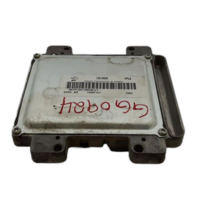
Shop the Parts Behind P0250
Below are the parts most often responsible for code P0250, ranked by how frequently each one is the actual culprit (per the diagnosis above). Tap any to see what we have for your vehicle.



The information in this article is provided for general reference and educational purposes only. Vehicle specifications, procedures, and part compatibility can vary by production date, trim level, and region. Always consult your vehicle's factory service manual and verify part numbers before purchasing or performing repairs. Safety-critical components such as airbags, seat belts, and braking systems should be installed by a qualified professional.
- 🧭 Diagnostic Flowchart
- 🛍️ Shop This Part
- What Does P0250 Mean?
- Can I Drive With P0250?
- Common Causes
- Symptoms
- Common Fixes & Costs
- DIY vs Professional
- Used vs. New Parts: Buying Guide
- What Happens If You Wait — Timeline
- Cost of Not Fixing It
- Diagnosis Steps
- When This Code Triggers (Freeze-Frame Conditions)
- Related Codes
- Climate & Environmental Factors
- How to Talk to a Mechanic About This Code
- Where to Take It: Dealer vs Independent vs Chain
- When to Walk Away From the Repair
- What Scan Tool You Need for This Code
- How to Clear the Code After You Fix It
- Will This Fail Emissions / State Inspection?
- Most Commonly Affected Vehicles
- Manufacturer-Specific Notes
- Real Owner Stories
- 2010 BMW 335i (N54) at 110K miles - Easy Fix
- 2013 Ford F-350 (6.7L PowerStroke) at 351K miles - Misdiagnosis Story
- 2017 GMC Sierra (6.6L Duramax) at 85K miles - Unusual Root Cause
- How to Prevent This Code From Triggering
- Frequently Asked Questions
- Why does my truck show P0250 but it's a fuel pump problem?
- What is the difference between Wastegate Solenoid 'A' and 'B'?
- What are the most common mistakes when diagnosing P0250?
- Will P0250 fail an emissions or smog test?
- P0250 keeps coming back, what should I do?
- Can I fix P0250 myself?
- How much does it cost to diagnose a P0250 code?
- Key Takeaways
- 🎟️ Get 5% Off