

P0261 on 2009-2014 Buick Enclave: Cylinder 1 Injector Circuit Low Causes and Fixes
On a 2009-2014 Buick Enclave, code P0261 is most often caused by a damaged fuel injector wiring harness chafing against the engine, as noted in GM TSB #PIP4924D. Specific chafe points include against the intake plenum, valve cover bolts, and fuel lines. Before replacing the injector, meticulously inspect the harness for damage. If the wiring is intact, the cylinder 1 fuel injector is the next likely cause, which should have an internal resistance of 1.2-2.2 Ohms.
- P0261 on a 2009-2014 Enclave means there's a low voltage problem in the cylinder 1 fuel injector circuit.
- Before buying any parts, thoroughly inspect the fuel injector wiring harness for damage, as this is a known issue documented in GM TSB #PIP4924D.
- Common rub spots for the harness are against the intake manifold, valve cover bolts, and cylinder head.
- If the wiring is undamaged, the next most likely cause is a failed fuel injector for cylinder 1.
- Driving with this code can lead to poor performance and may damage your catalytic converter over time.
What's Unique About the 2009-2014 Buick ENCLAVE
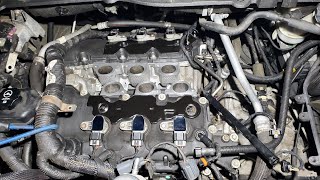
The 2009-2014 Buick Enclave and its GM Lambda platform siblings (Chevy Traverse, GMC Acadia) with the 3.6L direct-injection engine have a known vulnerability specifically addressed by Technical Service Bulletin PIP4924D. The fuel injector wiring harness is prone to rubbing through its insulation at several points, causing a short circuit. Common chafe points are against the intake plenum, at valve cover bolts, against the fuel line, and on the side of the cylinder head under the plenum. This is so common that GM directs technicians to inspect the harness thoroughly before replacing any components when injector circuit codes like P0261 are present.
Diagnostic Flowchart
Tap your situation to follow the diagnostic path that matches what you're seeing on this vehicle.
Symptoms You May Notice
- Check Engine Light is on
- Engine misfire, which may feel like a shake or stumble
- Rough or unstable idle
- Hesitation or loss of power during acceleration
- Reduced fuel economy
- Engine may be hard to start
- Replacing the fuel injector without first inspecting the wiring harness. The TSB for this platform makes it clear that a wiring inspection is the critical first step.
Most Likely Causes
- Fuel Injector Wiring Harness Chafing/Damage 🔴 High Probability → Shop Engine Wiring Harness GM Technical Service Bulletin #PIP4924D specifically calls out this issue on the Enclave and related vehicles. The harness routing brings it close to engine components where vibration and heat cause it to rub through.
How to confirm: Visually inspect the entire fuel injector wiring harness. Per TSB PIP4924D, pay close attention to where it runs near or against the intake plenum, valve cover bolts, fuel lines, and the side of the cylinder head under the plenum. Look for any signs of abrasion, exposed wires, or melted insulation. The damage is often found on the section of the harness at the rear of the engine near the firewall.
Typical fix: Repair the damaged section of wire using solder and heat-shrink tubing or quality butt connectors. If the damage is extensive or at multiple points, a new harness section may be required. If damage is near the connector, replace the connector pigtail. After repair, add protective conduit (split loom) and use zip ties to secure the harness away from the previous chafe points to prevent recurrence.
Est. part cost: $10-$30 - Faulty Cylinder 1 Fuel Injector 🟡 Medium Probability → Shop Fuel Injector Direct injectors operate under high pressure and can fail internally, causing an electrical short or open circuit. This is a common failure point on many direct-injection engines, though less common than the wiring issue on this platform.
How to confirm: First, use a long screwdriver or mechanic's stethoscope with the engine running; place the tip on the body of the injector and listen for a consistent, rhythmic clicking sound. A silent injector points to an electrical or injector failure. The definitive electrical test is to measure the injector's resistance with a multimeter. It should be between 1.2 and 2.2 Ohms. If the resistance is out of spec, the injector is faulty. If it tests good, you can swap the cylinder 1 fuel injector with an injector from another cylinder (e.g., cylinder 3). Clear the codes and run the engine. If the code changes to P0267 (Cylinder 3 Injector Circuit Low), the injector is faulty. If P0261 returns, the problem is in the wiring or ECM.
Typical fix: Replace the faulty fuel injector. It is often recommended to replace all injectors on the same bank (Bank 1), or all six, to ensure balanced fuel delivery, especially on higher mileage vehicles. This job requires removing the intake manifold to access the rear bank.
Est. part cost: $50-$180 - Loose or Corroded Injector Connector ⚪ Low Probability Engine vibration and heat cycles can cause the electrical connector on the injector to become loose or allow moisture to enter, leading to corrosion and a poor connection. The plastic locking tabs on these connectors also become brittle with age and can break.
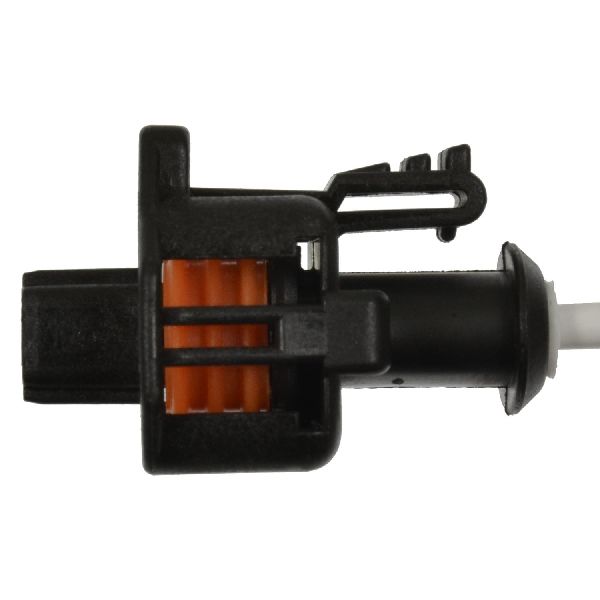
How to confirm: Disconnect the electrical connector at the cylinder 1 fuel injector. This is difficult as it's under the intake manifold. Inspect the pins on both the injector and the connector for corrosion (green or white powder) or damage. Ensure it clicks securely when reconnected.
Typical fix: Clean the connector pins with an electrical contact cleaner and apply dielectric grease. If the connector is damaged or the locking tab is broken, replace the connector pigtail.
Est. part cost: $10-$30
Rare But Worth Checking
- Faulty Engine Control Module (ECM): → Shop Engine Control Module (ECM) This is very rare. The internal driver circuit in the ECM that controls the injector can fail. This should only be considered after exhaustively ruling out the injector and all wiring issues through continuity and load testing.
Diagnosis Steps
- Read the trouble codes with an OBD-II scanner and confirm P0261 is present. 🎬 See how to diagnose and fix the P0261 circuit code. Note any other codes, especially P0301 or other injector codes.
- CRITICAL STEP: Visually inspect the fuel injector wiring harness as described in TSB #PIP4924D. Pay close attention to areas where it might rub against the intake manifold, cylinder heads, valve cover bolts, and fuel lines at the rear of the engine.
- If no wiring damage is found, inspect the electrical connector for cylinder 1's injector. Check for corrosion, damage, or a loose fit. This will require accessing the rear of the engine.
- With the engine running, carefully use a long screwdriver as a stethoscope on the cylinder 1 injector to listen for a clicking noise, which indicates it is being pulsed. Compare the sound to a known good injector on the front bank.
- Use a noid light at the cylinder 1 injector connector to verify if the ECM is sending a pulse signal. If the noid light flashes, the wiring and ECM are likely good, pointing back to a faulty injector. 🎬 Watch a professional demonstration of direct injection testing and removal. If it does not flash, the problem is in the wiring or the ECM itself.
- If the wiring and connector appear good but the noid light doesn't flash, use a multimeter to check for continuity on the wires between the ECM connector and the injector connector. Check for a short to ground on the control wire. A good wire should have less than 0.05 Ω of resistance.
- If the wiring, connector, and ECM signal are all confirmed good, perform an injector resistance test. Disconnect the injector and measure the resistance between its two pins. It should be between 1.2 and 2.2 Ohms. If the reading is outside this range, the injector is faulty.
- If all wiring and the injector have been proven good, the final step is to suspect a faulty ECM injector driver.
Parts You'll Likely Need
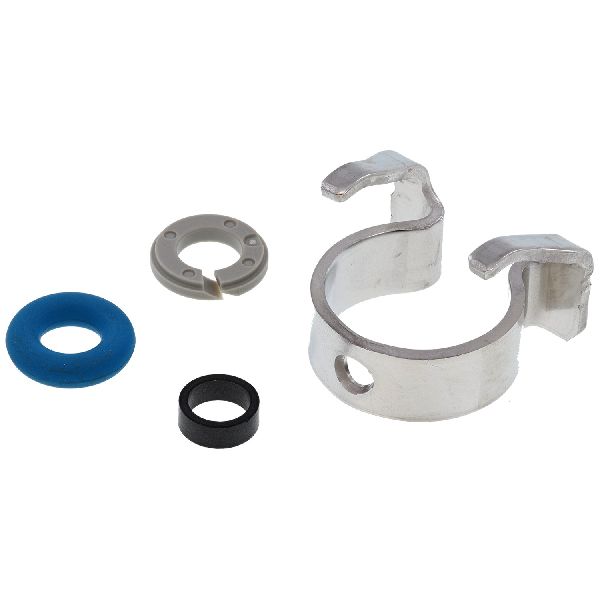
- Fuel Injector
(OEM #12669384)— This is the most likely component to have failed if the wiring harness is found to be in good condition.
Trusted brands: ACDelco, Bosch
OEM price range: $100-$180
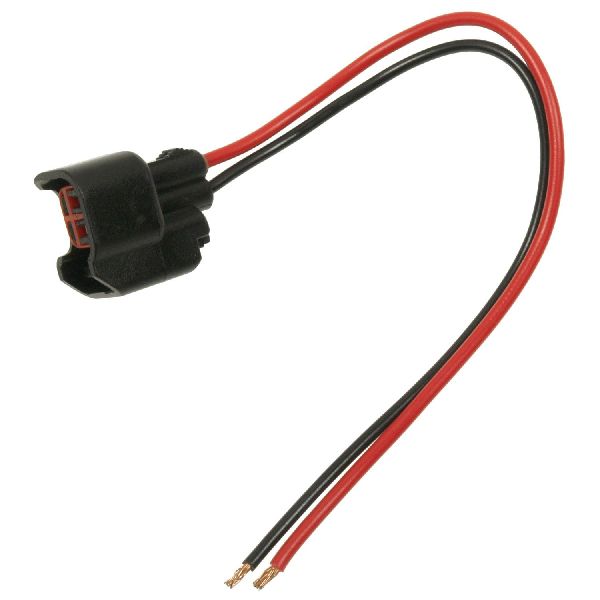
Aftermarket price range: $50-$120 - Fuel Injector Connector Pigtail
(OEM #ACDelco PT2618 (GM 13580230))— Needed if the connector itself is broken, corroded, or if wiring is damaged right at the connector.
Trusted brands: ACDelco, Dorman, Standard Motor Products (HP3945)
OEM price range: $25-$45
Aftermarket price range: $10-$25 - Wire loom / conduit and electrical tape — Essential for protecting the repaired wiring harness from future chafing damage.
OEM price range: $5-$15
Aftermarket price range: $5-$15
Related Codes That Often Appear With This One
- P0301 — P0301 means "Cylinder 1 Misfire Detected." Since P0261 indicates a problem with the cylinder 1 injector circuit, that cylinder isn't getting the correct amount of fuel, which directly causes a misfire.
- P0201, P0202, P0264, etc. — The presence of multiple injector circuit codes alongside P0261 strongly points to a systemic electrical issue, such as a damaged wiring harness affecting several injector circuits, as described in TSB PIP4924D.
Technical Service Bulletins (TSBs) & Recalls
- PIP4924D: Addresses a Service Engine Soon light and misfire with multiple injector DTCs. The primary cause identified is the fuel injector wiring harness rubbing through or having internal opens. Specific inspection points are noted against the intake plenum, valve cover bolts, and fuel lines.
Platform-Specific Known Issues
- TSB #PIP4924D is the most significant vehicle-specific issue. It documents that a misfire accompanied by various injector circuit codes (including P0261) is often due to the fuel injector wiring harness rubbing through. Specific chafe points to inspect are: against the intake plenum, at valve cover bolts, against the fuel line, and on the side of the cylinder head under the plenum. Technicians are advised to carefully inspect the harness for damage before proceeding with other repairs.
Mechanic-Grade Diagnostic Values
- Fuel Injector Coil Resistance — expected: 1.2 - 2.2 Ohms. Failure: A reading of 0 Ohms (short), OL/infinity (open), or significantly outside the expected range indicates a failed injector.
- Injector Pulse Width (Scan Tool Live Data, at idle) — expected: 2 - 4 milliseconds (ms). Failure: A value of 0 ms for cylinder 1 while other cylinders show a normal pulse width indicates the ECM has disabled the injector due to the fault.
- Injector Circuit Voltage (Scan Tool Live Data, at idle) — expected: Normal values vary, but should be stable.. Failure: A value below 9 Volts can confirm the low-circuit condition detected by the ECM.
- Ground Wire Resistance — expected: < 0.1 Ohms. Failure: Resistance higher than 0.1 Ohms between the ground circuit and a known good chassis ground indicates a poor ground connection that can cause electrical faults.
Scan Tool Commands That Help
- GDS2 (GM Dealer Tool): Injector Balance Test — This bidirectional test is used to functionally check an injector when electrical tests (resistance, noid light) are inconclusive. The tool commands the injector to fire and measures the corresponding drop in fuel rail pressure. An inconsistent or missing pressure drop for cylinder 1 compared to others would indicate a faulty or clogged injector, even if it passes a resistance test.
Wiring & Ground Locations
- G103 / G104 — Typically located on the rear of the cylinder heads, bolted directly to the engine block.. These are primary grounds for the Engine Control Module (ECM). A loose or corroded connection at these points can create electrical noise or voltage drops, leading to erratic sensor readings and false fault codes, including injector circuit codes.
- ECM (Engine Control Module) — On the 2009 model, the ECM is located on the left side of the engine.. This is the source of the injector control signal and where the fault is detected. Knowing its location is necessary for testing continuity of the injector wiring harness from end to end.
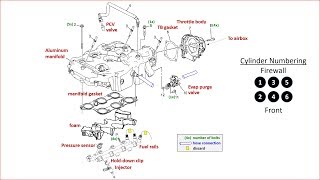
- Cylinder 1 Injector Connector — On the rear cylinder bank (Bank 1), which is against the firewall. Access requires removal of the upper intake manifold.. This is the connection point for all electrical tests on the injector itself (resistance, noid light) and the final point of the wiring harness.
OEM Part Supersession History
12611545, 12632255, 12638530→12669384— Standard part evolution for improved reliability, material changes, or manufacturing process updates.
Heads up: The new part number (12669384) is the correct, direct replacement for all prior versions on this platform.
Model Year Variations Within This Range
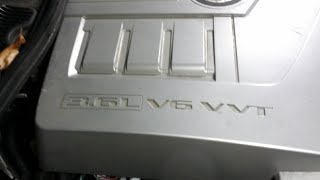
- 2009 vs. 2010-2014: The 2009 Enclave uses the 3.6L LLT V6 engine. From 2010-2014, the Enclave uses the updated 3.6L LFX V6. While both are direct-injection and suffer from the same TSB-documented wiring harness issue, the LFX features a composite intake manifold (vs. aluminum on the LLT) and integrated exhaust manifolds. These physical differences may slightly alter harness routing and access, but the fundamental diagnostic approach for P0261 remains the same.
Helpful Videos
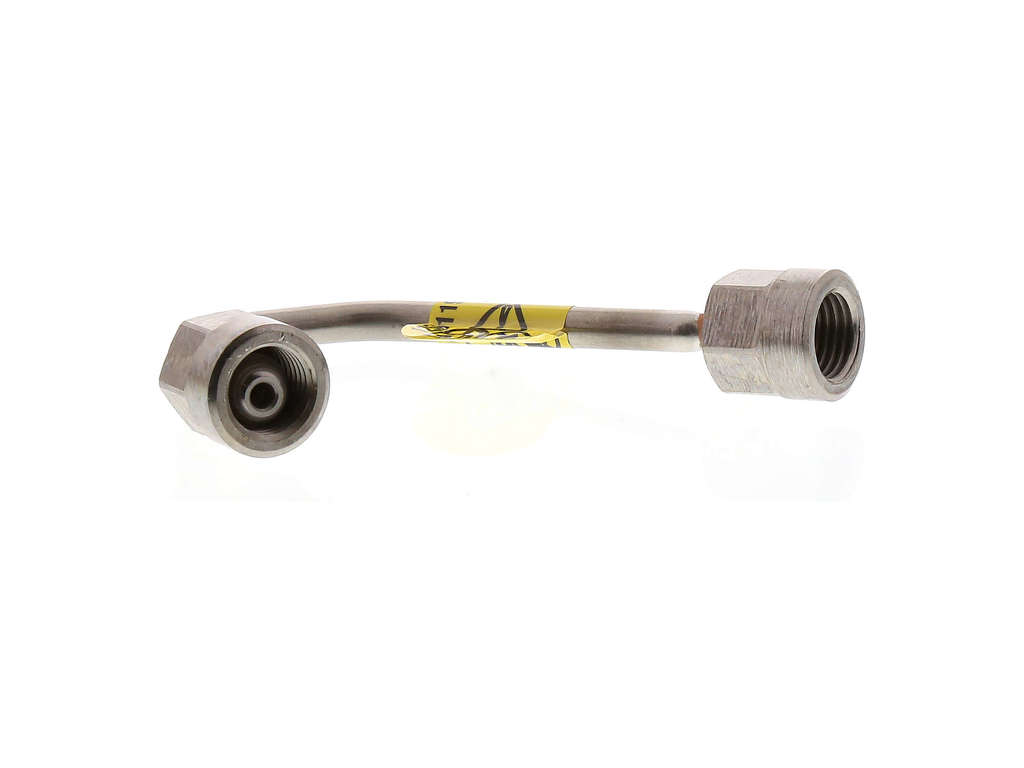
We Have This Part in Stock


The information in this article is provided for general reference and educational purposes only. Vehicle specifications, procedures, and part compatibility can vary by production date, trim level, and region. Always consult your vehicle's factory service manual and verify part numbers before purchasing or performing repairs. Safety-critical components such as airbags, seat belts, and braking systems should be installed by a qualified professional.
- Buick ENCLAVE:
- 🧭 Diagnostic Flowchart
- 🎬 Helpful Videos
- 🛍️ Shop This Part
- What's Unique About the 2009-2014 Buick ENCLAVE
- Symptoms You May Notice
- Most Likely Causes
- Rare But Worth Checking
- Diagnosis Steps
- Parts You'll Likely Need
- Related Codes That Often Appear With This One
- Technical Service Bulletins (TSBs) & Recalls
- Platform-Specific Known Issues
- Mechanic-Grade Diagnostic Values
- Scan Tool Commands That Help
- Wiring & Ground Locations
- OEM Part Supersession History
- Model Year Variations Within This Range
- 🎟️ Get 5% Off