

P0261 on 2010-2015 GMC Terrain: Cylinder 1 Injector Circuit Low Causes & Fixes
On a 2010-2015 GMC Terrain, P0261 is most often caused by a chafed or shorted engine wiring harness, a known issue cited in GM TSBs. Before replacing the fuel injector, inspect the harness near the ECM and the back of the engine. A wiring repair costs ~$50-$250, while an injector replacement is ~$200-$450.
- P0261 on a 2010-2015 GMC Terrain points to a low voltage issue with the cylinder 1 fuel injector circuit.
- Before replacing any parts, thoroughly inspect the engine wiring harness for damage, especially near the ECM and the rear of the engine, as this is a known issue documented in GM service bulletins.
- Common symptoms include a rough idle, engine misfire, and poor acceleration.
- If multiple injector codes (e.g., P0261, P0264, P0267) are present at the same time, a wiring harness fault is almost certain.
- Do not drive for extended periods with this code, as the resulting misfire can damage the catalytic converter.
What's Unique About the 2010-2015 Gmc TERRAIN
For this generation of GMC Terrain and its twin, the Chevrolet Equinox, the P0261 code is strongly associated with specific wiring harness problems documented by General Motors. Technical Service Bulletin #PIT5424 explicitly calls for inspecting the engine harness routing near the Engine Control Module and the upper rear of the engine for damage. The harness is prone to rubbing against sharp metal edges of brackets or the cylinder head itself, eventually wearing through the insulation and causing a short circuit. One owner on an Equinox forum noted, 'Found my P0261 and P0264 codes were from the harness resting on a sharp bracket behind the engine. Two wires were worn completely bare.' This known vulnerability makes a thorough harness inspection a critical first step, as the issue is often external to the fuel injector itself.
Diagnostic Flowchart
Tap your situation to follow the diagnostic path that matches what you're seeing on this vehicle.
Symptoms You May Notice
- Check Engine Light is on
- Engine running rough or shaking, especially at idle
- Noticeable engine misfire (may feel like a rhythmic stumble)
- Hesitation or lack of power during acceleration
- Poor fuel economy
- Intermittent hard starting
- Replacing the spark plug or ignition coil for cylinder 1 without diagnosing the fuel injector circuit. A misfire can have many causes, but P0261 specifically points to an electrical issue in the injector circuit.
- Misdiagnosing a healthy GDI fuel injector as 'shorted' because of its low resistance (1-2 ohms). Technicians accustomed to older port injectors (which have higher resistance of 11-14 ohms) may make this mistake.
Most Likely Causes
- Chafed or Shorted Engine Wiring Harness 🔴 High Probability → Shop Engine Wiring Harness As documented in GM TSBs #PIT5424 and #PIP4924D, the engine harness is susceptible to rubbing against engine components (like the ECM bracket, valve cover bolts, or the sharp corner of the cylinder head), leading to short circuits. This is the most common failure point on this platform. For 3.6L LFX engines, TSB #PI1067 specifically identifies the harness from ECM connector X1 rubbing on the metal ECM bracket.
How to confirm: Carefully inspect the entire length of the fuel injector wiring harness, paying close attention to the area where it runs along the back of the engine near the ECM. Look for any signs of rubbing, melting, or exposed copper wires. A useful diagnostic trick is to set a multimeter to continuity/beep mode, connect one probe to the injector control wire pin at the ECM and the other to a chassis ground, then wiggle the harness along its path. A beep indicates you've found an intermittent short to ground.
Typical fix: Repair the damaged wire(s) following proper soldering and heat-shrinking procedures. Protect the repaired area by wrapping it with high-quality anti-abrasion tape (like Tesa cloth tape) and reroute or secure the harness with zip ties to prevent future contact with sharp edges.
Est. part cost: $10-$50 - Failed Fuel Injector 🟡 Medium Probability → Shop Fuel Injector Gasoline Direct Injection (GDI) injectors, used on all engines for this platform, operate under very high pressure and can fail internally over time, causing an electrical short or open circuit.
How to confirm: SAFETY FIRST: The GDI system operates at extremely high pressure. The system must be properly depressurized before attempting to remove any fuel components. After confirming wiring is good, swap the cylinder 1 injector with another cylinder's injector (e.g., cylinder 2). Clear the codes and run the engine. If the code changes to P0264 (Cylinder 2 Injector Circuit Low), the injector is faulty. Alternatively, test the injector's internal resistance with a multimeter. A healthy GDI injector will have a very low resistance. For the 3.0L/3.6L V6, the spec is 1.5-2.5 ohms. For the 2.4L I4, specs vary, but a reading near zero or infinite (OL) indicates a failed injector.
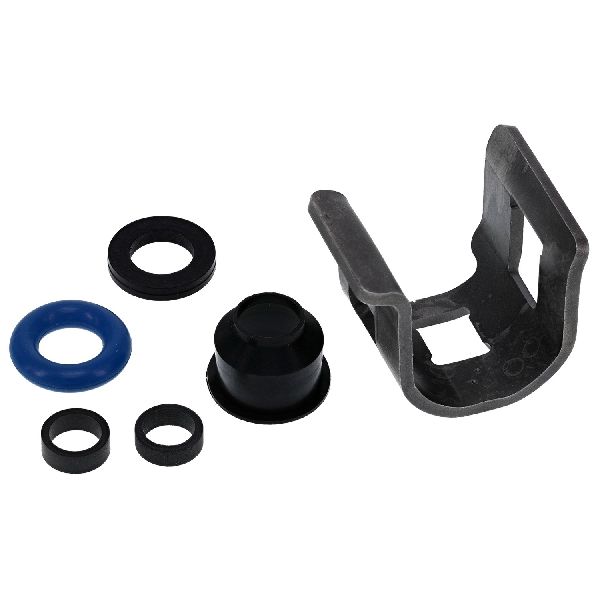
Typical fix: Replace the faulty fuel injector. It's highly recommended to also replace the Teflon seal and any associated O-rings on the new injector.
Est. part cost: $60-$150 - Loose or Corroded Injector Connector ⚪ Low Probability
How to confirm: Inspect the electrical connector at the cylinder 1 fuel injector. Check for corrosion (green or white powder), bent or backed-out pins, or a broken locking tab. Ensure it is securely latched and 'clicks' into place.
Typical fix: Clean the connector and injector pins with electrical contact cleaner and apply a small amount of dielectric grease to the seal to prevent moisture intrusion. If the connector or its terminals are damaged, replace the connector pigtail.
Est. part cost: $15-$40
Rare But Worth Checking
- Faulty Engine Control Module (ECM): → Shop Engine Control Module (ECM) This is a last resort. The injector driver circuit inside the ECM can fail, but this is rare. All other possibilities, especially wiring and the injector itself, must be exhaustively ruled out before condemning the ECM.
Diagnosis Steps
- Scan the vehicle for all stored trouble codes. Note any other codes that appear with P0261, as they can point to a larger wiring issue.
- Perform a thorough visual inspection of the engine wiring harness, focusing on the area where it runs along the back of the cylinder head and near the ECM bracket. Look for any signs of rubbing, melting, or exposed wires. This is the most common cause.
- Inspect the electrical connector at the cylinder 1 fuel injector for loose connections, damaged pins, or corrosion.
- If no wiring damage is found, swap the cylinder 1 fuel injector with the cylinder 2 injector. Warning: Depressurize the high-pressure fuel system before disconnecting any fuel lines or injectors. Clear the codes and drive the vehicle. If the code returns as P0264, the injector is confirmed to be faulty.
- If the code P0261 returns after the swap, the problem is in the wiring or ECM. Use a GDI-specific 'noid light' or an oscilloscope to test for a signal at the injector connector. A standard 12V noid light may not work or could be damaged. With the engine cranking, the light should flash, indicating the ECM is sending a pulse.
- If there is no pulse, use a multimeter to check for 12v power on one wire of the connector with the key on. Then, check for continuity on the control wire between the injector connector and the ECM connector to find a potential break in the wire. A reading of less than 1 ohm is ideal.
- If wiring, the connector, and the injector are all confirmed to be good, the final possibility is a faulty injector driver in the ECM.
Parts You'll Likely Need
- Fuel Injector (2.4L I4)
(OEM #12669384 (supersedes 12633784))— If the injector's internal coil has failed its resistance test or a swap test, it needs to be replaced. This is the most common part to fail after wiring issues are ruled out. Part number 12633784 is often cited but has been updated by GM.
Trusted brands: ACDelco, Bosch, Hitachi
OEM price range: $90-$140
Aftermarket price range: $50-$90 - Fuel Injector (3.6L V6)
(OEM #12634126)— For V6 models, this is the corresponding fuel injector. The cause of failure is the same as the I4 version, but the part is specific to the V6 engine family (LFW, LFX).
Trusted brands: ACDelco, Bosch
OEM price range: $100-$150
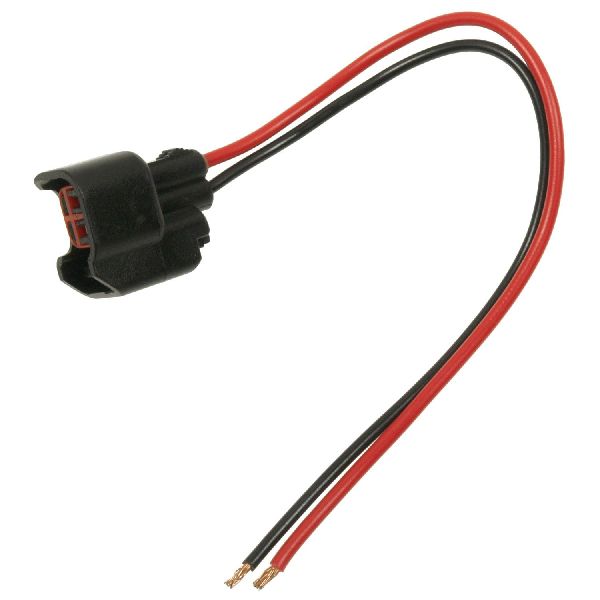
Aftermarket price range: $60-$100 - Fuel Injector Connector Pigtail
(OEM #PT2160)— If the connector at the injector is corroded, melted, or has broken wires right at the connector body, a new pigtail must be spliced in.
Trusted brands: ACDelco, Dorman
OEM price range: $25-$40
Aftermarket price range: $15-$25 - Woven Polyester Electrical Tape (Anti-Abrasion)
(OEM #GM 12378191 (or equivalent Tesa 51608))— Used to re-wrap and protect the wiring harness after a chafe-through repair, as recommended by GM service bulletins to prevent the problem from happening again. This cloth-like tape is more durable than standard vinyl electrical tape.
Trusted brands: Tesa, 3M, ACDelco
OEM price range: $15-$25
Aftermarket price range: $8-$15
Related Codes That Often Appear With This One
- P0301 — This code means 'Cylinder 1 Misfire Detected'. It is a direct and immediate result of the P0261 fault, as the injector circuit problem prevents proper fueling, leading to a misfire in that cylinder.
- P0264, P0267, P0270 — These are the low circuit codes for cylinders 2, 3, and 4. If multiple injector codes are present, it strongly suggests a widespread wiring harness issue affecting several wires in the same bundle, as described in TSB #PIT5424.
- P0641 — This code for 'Sensor Reference Voltage 'A' Circuit/Open' can appear with injector codes when a wiring harness issue is present, as noted in TSB #PIT5424. A short in the harness can affect multiple circuits that are bundled together.
Technical Service Bulletins (TSBs) & Recalls
- PIT5424: Intermittent hard start, Service Engine Soon lamp, and various injector circuit codes due to engine harness routing.
- PIP4924D: SES light and misfire with a wide range of injector codes due to fuel injector wiring harness rubbing through.
- 21-NA-149: A broader bulletin that covers various engine harness chafe points on multiple GM vehicles, reinforcing the known issue of harness durability and routing problems.
Platform-Specific Known Issues
- TSB #PIT5424: Addresses intermittent hard starts and the check engine light with P0261 (and other injector codes). It directs technicians to inspect the engine harness routing near the ECM and the upper rear of the engine for damage from chafing.
- TSB #PIP4924D: Mentions P0261 as one of many possible codes resulting from a wiring harness issue causing a misfire, reinforcing the high probability of a wiring fault.
- TSB #PI1067: Specific to 2013-2014 models with the 3.6L LFX V6 engine, this bulletin points to a specific chafe point where the ECM wiring harness (from connector X1) rubs against the metal ECM bracket.
Mechanic-Grade Diagnostic Values
- Fuel Injector Coil Resistance (3.0L/3.6L V6 GDI) — expected: 1.5 - 2.5 Ohms. Failure: A reading near 0 ohms (short), infinity/OL (open), or a value significantly different from other injectors.
- Fuel Injector Coil Resistance (2.4L I4 GDI) — expected: 11 - 14 Ohms (Note: Some sources cite lower GDI values; compare to other injectors on the same engine). Failure: A reading near 0 ohms (short), infinity/OL (open), or a value significantly different from other injectors.
- Low-Side Fuel Pressure (Key On, Engine Off) — expected: 345-690 kPa (50-100 psi). Failure: Pressure below this range indicates a weak fuel pump or leak; pressure above indicates a regulator issue.
- Low-Side Fuel Pressure (Engine Idling) — expected: 300-400 kPa (43-58 psi). Failure: Pressure outside this range suggests a problem with the fuel pump flow control module or pump.
- Injector Circuit Continuity (ECM to Injector) — expected: < 1.0 Ohm. Failure: Resistance higher than 1.0 Ohm indicates a high-resistance path in the wiring, likely due to corrosion or a damaged wire.
- Injector Balance Test (Pressure Drop) — expected: The pressure drop for any single injector should not vary from the average of the other injectors by more than 20%.. Failure: A variance greater than 20% indicates a flow issue with that injector (clogged or leaking).
Scan Tool Commands That Help
- GDS2 / Professional Scan Tool: Fuel Injector Balance Test — To functionally test and compare the fuel flow of each injector by measuring the fuel pressure drop when each one is activated. This can identify a clogged or weak injector that might pass a simple resistance test.
- GDS2 / Professional Scan Tool: Fuel Pump Enable — To turn on the low-pressure fuel pump without the engine running. This is used to safely check for fuel leaks and to verify the pump can build and hold pressure against the system.
- GDS2 / Professional Scan Tool: Injector Test (Active Test) — To command a single injector to fire (or disable it) while the engine is running. The technician can then monitor the RPM drop or change in fuel trims for that specific cylinder to confirm if the injector is responding to ECM commands.
Wiring & Ground Locations
- ECM Connector X1 — On the Engine Control Module (ECM), located in the engine bay.. The control circuit for fuel injector #1 originates at a specific pin on this connector. TSB #PI1067 notes that on 3.6L V6 models, the harness coming from this connector can chafe on the metal ECM bracket, causing a short.
- G104 — On the rear of the left (driver's side) cylinder head.. This is a primary engine ground point. A loose or corroded connection here can cause unstable voltage and reference signals for various engine sensors and actuators, including the fuel injectors, potentially leading to intermittent circuit codes.
- G108 — On the firewall in the engine compartment, where the ground strap from G104 attaches.. This is the engine-to-chassis ground connection. A poor connection here compromises the entire engine's ground path to the battery, which can cause a wide range of difficult-to-diagnose electrical faults.
OEM Part Supersession History
12633784→12669384— Updated part design or manufacturer change by GM.
Heads up: Applies to the 2.4L I4 engine. The new part number is a direct replacement for the old one.
Model Year Variations Within This Range
- 2010-2012: The optional V6 engine was the 3.0L (LFW). This engine uses different fuel injectors and has slightly different harness routing compared to the later 3.6L V6.
- 2013-2015: The optional V6 engine was updated to the 3.6L (LFX). These models are specifically mentioned in TSB #PI1067 regarding a harness chafe point at the ECM bracket, which may be less common on the earlier 3.0L V6.
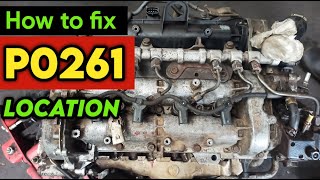
Helpful Videos
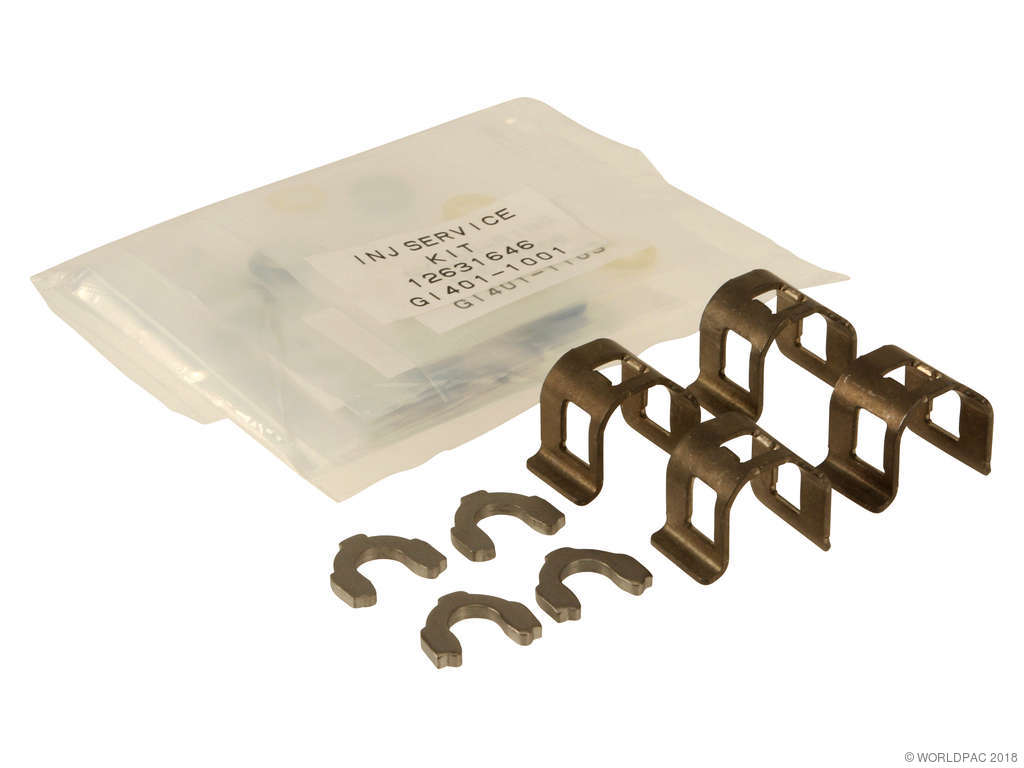
We Have This Part in Stock


The information in this article is provided for general reference and educational purposes only. Vehicle specifications, procedures, and part compatibility can vary by production date, trim level, and region. Always consult your vehicle's factory service manual and verify part numbers before purchasing or performing repairs. Safety-critical components such as airbags, seat belts, and braking systems should be installed by a qualified professional.
- Gmc TERRAIN:
- 🧭 Diagnostic Flowchart
- 🎬 Helpful Videos
- 🛍️ Shop This Part
- What's Unique About the 2010-2015 Gmc TERRAIN
- Symptoms You May Notice
- Most Likely Causes
- Rare But Worth Checking
- Diagnosis Steps
- Parts You'll Likely Need
- Related Codes That Often Appear With This One
- Technical Service Bulletins (TSBs) & Recalls
- Platform-Specific Known Issues
- Mechanic-Grade Diagnostic Values
- Scan Tool Commands That Help
- Wiring & Ground Locations
- OEM Part Supersession History
- Model Year Variations Within This Range
- 🎟️ Get 5% Off