

P0261 on 2009-2010 Saturn VUE: Cylinder 1 Injector Circuit Low Causes and Fixes
P0261 on a 2009-2010 Saturn VUE means the engine computer (PCM) has detected low voltage in the cylinder 1 fuel injector circuit. This is most often caused by a faulty wiring harness or connector, a bad fuel injector, or in rare cases, a faulty PCM. For V6 engines especially, a chafed wiring harness is a very common cause, as noted in a GM TSB. Expect a repair cost of $200-$600 for an injector or wiring repair.
- P0261 on your Saturn VUE indicates an electrical problem with the cylinder 1 fuel injector, not a mechanical one.
- Before replacing the injector, carefully inspect the wiring harness and connector for damage, as this is a known issue on GM vehicles (TSB PIP4924D).
- A simple test is to listen for a 'click' from the injector with the engine running. No click points to an electrical issue or failed injector.
- Verify the correct injector resistance: approx. 11-14 Ohms for the 2.4L engine and 1.5-2.2 Ohms for the 3.6L V6.
- If multiple injector codes are present, a wiring harness fault is the most likely cause.
What's Unique About the 2009-2010 Saturn VUE
The 2009-2010 Saturn VUE was built on a GM platform and often equipped with the GM High Feature (HF) 3.6L V6 engine, shared with many other vehicles like the Chevrolet Traverse and Cadillac CTS. GM issued a Technical Service Bulletin (TSB #PIP4924D) that includes P0261 and a wide range of other injector codes. This TSB points to a known issue with the fuel injector wiring harness rubbing through or having internal breaks. Specific chafe points to check are against the intake plenum, at valve cover bolts, against the fuel line, and on the side of the cylinder head under the plenum. Therefore, on this vehicle, a wiring fault is a particularly strong possibility, especially if other injector codes are present.
Diagnostic Flowchart
Tap your situation to follow the diagnostic path that matches what you're seeing on this vehicle.
Symptoms You May Notice
- Check Engine Light is on
- Rough, shaking idle
- Noticeable loss of power and poor acceleration
- Engine hesitation or stumbling
- A distinct misfire feel from the engine
- Reduced fuel economy
- Engine may be hard to start
- Replacing the spark plug or ignition coil for cylinder 1. While these can cause a misfire (P0301), they do not cause an injector circuit code like P0261.
Most Likely Causes
- Fuel Injector Wiring Harness or Connector Issue 🔴 High Probability → Shop Engine Wiring Harness A GM Technical Service Bulletin (PIP4924D) specifically calls out inspecting the injector wiring harness for damage (rubbing through) or internal breaks when P0261 and related codes appear. The harness is known to chafe against the intake plenum, valve cover bolts, and the side of the cylinder head, causing a short to ground. The connector pins can also become corroded or loose.
How to confirm: Visually inspect the wiring going to the cylinder 1 injector for any signs of chafing, melting, or damage, paying close attention to the areas mentioned in the TSB. Unplug the connector and check for corrosion or bent pins. Perform a 'wiggle test' on the harness while the engine is running to see if it affects the idle. Use a multimeter to check for a short to ground on the control wire between the ECM and the injector connector.
Typical fix: Repair the damaged section of wire using a weatherproof splice or replace the injector pigtail connector if the damage is at the connector.
Est. part cost: $15-$50 - Faulty Fuel Injector 🟡 Medium Probability → Shop Fuel Injector
How to confirm: Listen for a 'clicking' sound from the injector with a mechanic's stethoscope or a long screwdriver. If silent, check for power at the connector. If power is present but there's no click, the injector has likely failed internally. Measure the injector's resistance with a multimeter. For the 2.4L Ecotec engine, the spec is around 11-14 Ohms. For the 3.6L V6, the spec is much lower, around 1.5-2.2 Ohms. A reading far outside this range indicates failure. You can also swap the cylinder 1 injector with an adjacent injector (e.g., cylinder 3) to see if the fault code follows the part (e.g., changes to P0267).
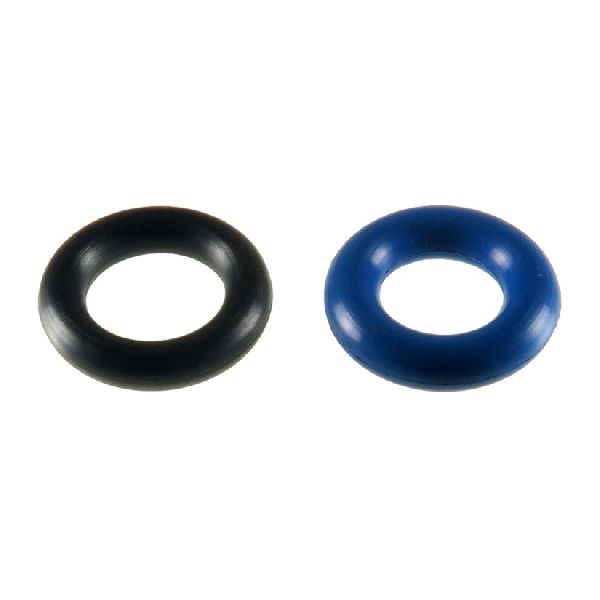
Typical fix: Replace the failed fuel injector. It's recommended to replace the O-rings and seals at the same time.
Est. part cost: $70-$200 - Faulty Powertrain Control Module (PCM) ⚪ Low Probability → Shop Engine Control Module (ECM) While rare, some owners on forums have reported needing ECM replacement for persistent injector codes after ruling out wiring and injectors.
How to confirm: This should be the last resort after confirming the injector and its wiring are good. A professional shop can perform a PCM driver test. A 'noid light' test can also point to a bad PCM; if the light doesn't flash when plugged into the injector connector while cranking, and the wiring is confirmed to be good, the PCM's injector driver may have failed.
Typical fix: Replace and reprogram the Powertrain Control Module. This often requires special tools for programming to the vehicle's VIN.
Est. part cost: $800-$1200
Diagnosis Steps
- Scan the vehicle for all DTCs. Note if P0261 is alone or present with other injector or misfire codes.
- Locate cylinder 1. On the 2.4L I4 engine, it is the cylinder closest to the front of the engine (passenger side). On the V6 engines, it is on the cylinder bank closer to the firewall, on the passenger side of the vehicle.
- CRITICAL STEP: Visually inspect the fuel injector connector and its wiring harness for obvious damage, corrosion, or loose connections. Pay close attention to the known chafe points mentioned in TSB PIP4924D: against the intake plenum, valve cover bolts, and the side of the cylinder head.
- Start the engine. Use a mechanic's stethoscope or a long screwdriver placed on the body of the injector to listen for a steady clicking noise. No noise suggests no power or a dead injector.
- If no noise is heard, disconnect the injector and plug a 'noid light' into the harness connector. Crank the engine. The light should flash steadily. If it does not flash, the problem is in the wiring or the PCM. If it does flash, the injector is the likely culprit.
- With the ignition off, disconnect the injector and measure the resistance across its two terminals with a multimeter. Compare the reading to the specification for your engine (approx. 11-14 Ohms for 2.4L, 1.5-2.2 Ohms for 3.6L). An open circuit (infinite resistance) or a short (very low resistance) indicates a failed injector.
- As a final test, you can swap the cylinder 1 injector with another cylinder's injector (e.g., cylinder 3). Clear the codes and run the engine. If the code changes to P0267 (Cylinder 3 Injector Circuit Low), the injector is confirmed to be faulty. If P0261 returns, the problem is in the wiring or PCM.
Parts You'll Likely Need
- Fuel Injector
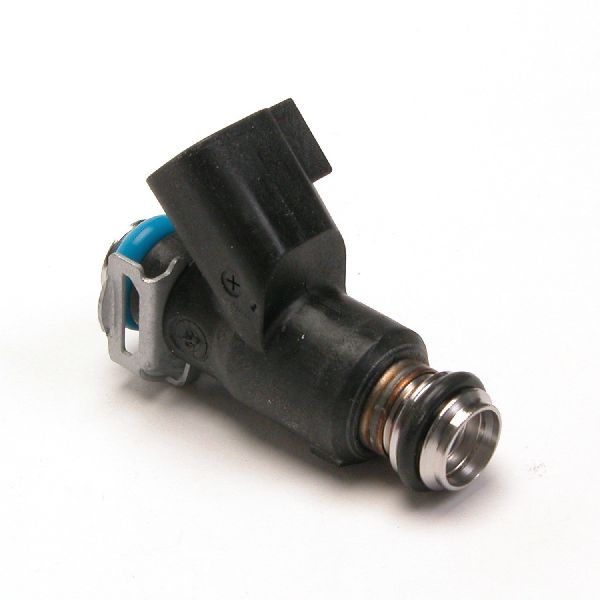
(OEM #12669384 (For 3.6L V6, supersedes 12638530), 217-3158 (For 2.4L I4))— The injector itself can fail internally (shorted or open coil), causing the low voltage reading. This is the second most likely cause after wiring issues.
Trusted brands: ACDelco, Bosch, Delphi, Standard Motor Products
OEM price range: $120-$200
Aftermarket price range: $70-$150 - Fuel Injector Connector Pigtail
(OEM #PT2160 (or alternate 88861094))— The plastic connector or its terminal pins are a common point of failure due to engine heat and vibration, or damage from a harness rub-through. This part allows for splicing in a new connector.
Trusted brands: ACDelco, Dorman
OEM price range: $25-$50
Aftermarket price range: $15-$30
Related Codes That Often Appear With This One
- P0301 — P0301 means 'Cylinder 1 Misfire Detected'. Since P0261 causes cylinder 1's injector to malfunction, the cylinder won't fire correctly, logging a misfire code.
- P0201 — P0201 is 'Injector Circuit/Open - Cylinder 1'. It's a related code that can be set by the same underlying wiring or injector failure.
- P0200-P0206, P2146, P2149 — If you see a group of these codes, it strongly points to the wiring harness issue mentioned in TSB PIP4924D, as a single point of failure in the harness can affect multiple injector circuits.
Technical Service Bulletins (TSBs) & Recalls
- PIP4924D: Addresses a Service Engine Soon lamp and misfire with numerous injector DTCs, including P0261. The recommended action is to inspect the fuel injector wiring harness for chafing against the intake plenum, valve cover bolts, fuel line, and the side of the head under the plenum, and repair as needed.
Platform-Specific Known Issues
- GM Technical Service Bulletin #PIP4924D points to a known problem with the fuel injector wiring harness chafing or developing internal breaks, which can cause P0261 and other related injector codes. Common chafe points are against the intake plenum, valve cover bolts, and cylinder head.
- The 3.6L V6 engine in the VUE is also known for timing chain issues, which can cause other engine codes like P0009, but this is unrelated to the P0261 electrical fault.
Mechanic-Grade Diagnostic Values
- Injector Circuit Voltage (Live Data) — expected: Should pulse, with peak near battery voltage (12V+).. Failure: A consistent reading below 9V confirms the low-circuit condition.
- Injector Control Wire Voltage (Back-probed) — expected: The ECM-controlled ground wire should show battery voltage when the injector is off and pulse to near 0V when the injector is commanded on.. Failure: Voltage does not drop to near 0V during the pulse, or is always at 0V (short to ground).
- Fuel Pressure (Key On, Engine Off) — expected: 345-414 kPa (50-60 psi) for the 3.6L V6.. Failure: Significantly low pressure indicates a fuel delivery problem, not an injector electrical fault.
- Charging System Voltage (Engine Running) — expected: 13.8 - 14.4 Volts.. Failure: Low system voltage can cause various electronic faults, including false circuit low codes.
Scan Tool Commands That Help
- GM Tech 2 / GDS2: Fuel Injector Balance Test — To identify a mechanically faulty or clogged injector after verifying the electrical circuit is intact. The tool pulses each injector and measures the fuel pressure drop. If the pressure drop for cylinder 1 is significantly different (more than 20 kPa or 3 psi) from the others, the injector is likely faulty.
- GM Tech 2 / GDS2: Cylinder Power Balance — To quickly identify a non-contributing cylinder. The tool disables injectors one by one. If disabling cylinder 1 causes no change in engine idle smoothness, it confirms that cylinder was not firing correctly, which is the expected result with a P0261 code.
Wiring & Ground Locations
- G103 — Located on the left side of the engine compartment.. This is a primary engine compartment ground. A poor connection here can introduce electrical noise and voltage drops affecting multiple systems, including the ECM's reference voltage.
- G105 / G106 — G105 is at the left rear of the engine; G106 (for 3.6L) is on the top left front corner of the engine.. These are direct engine grounds. Since the injectors are grounded through the ECM, which is in turn grounded to the engine/chassis, the integrity of these points is critical for a stable injector circuit.
- G110 — On the right front corner of the engine.. Another primary engine ground point. A loose or corroded G110 can cause erratic behavior in sensors and actuators, including injectors.
- ECM Mounting Bracket — The ECM is located on the side of the engine, near the battery and above the transmission.. The ECM itself relies on its mounting bracket for a solid ground connection. Corrosion or a loose mount can cause a poor ground, leading to intermittent and hard-to-diagnose electrical faults like P0261.
- X110 — This is the multi-way connector for the fuel injector harness on the 3.6L engine.. This is a key junction to test circuits between the main engine harness and the individual injectors. A problem here could affect multiple injectors.
Real Owner Repair Stories
- Reddit user on r/Saturn_Cars (2008 Saturn Vue 3.6L V6) — Misfires and open circuit codes for cylinders 1, 3, and 5 (the entire rear bank) after replacing valve cover gaskets.
❌ Tried (didn't work) Initial checks of fusible links were okay.
✅ What actually fixed it The ground wire for the Bank 1 ignition coils was found to be broken. The wire had become brittle with age and snapped. The ground point was located near the power steering pump reservoir. While this was for the ignition circuit, it demonstrates the wiring harness's vulnerability to age and heat in this exact vehicle, a key lesson for diagnosing a P0261 electrical fault.
OEM Part Supersession History
12611545, 12632255, 12638530→12669384— Standard part evolution for improved reliability or manufacturing process.
Heads up: The newest part number, 12669384, is the correct service replacement for the 3.6L V6.ACDelco 217-3158→N/A
Heads up: This remains the correct service part number for the 2.4L I4 engine.
We Have This Part in Stock



The information in this article is provided for general reference and educational purposes only. Vehicle specifications, procedures, and part compatibility can vary by production date, trim level, and region. Always consult your vehicle's factory service manual and verify part numbers before purchasing or performing repairs. Safety-critical components such as airbags, seat belts, and braking systems should be installed by a qualified professional.
- Saturn VUE:
- 🧭 Diagnostic Flowchart
- 🛍️ Shop This Part
- What's Unique About the 2009-2010 Saturn VUE
- Symptoms You May Notice
- Most Likely Causes
- Diagnosis Steps
- Parts You'll Likely Need
- Related Codes That Often Appear With This One
- Technical Service Bulletins (TSBs) & Recalls
- Platform-Specific Known Issues
- Mechanic-Grade Diagnostic Values
- Scan Tool Commands That Help
- Wiring & Ground Locations
- Real Owner Repair Stories
- OEM Part Supersession History
- 🎟️ Get 5% Off