

P0262 on 2009-2011 Cadillac STS: Cylinder 1 Injector Circuit High Causes & Fixes
On a 2009-2011 Cadillac STS, especially with the 3.6L V6 engine, code P0262 is most often caused by a chafed or damaged fuel injector wiring harness. Inspecting the harness for rub spots near the intake plenum and valve covers is the first step, as outlined in GM TSB PIP4924D. If the harness is good, the cylinder 1 fuel injector is the next likely culprit, followed by a poor connection or a rare PCM fault.
- For a 2009-2011 Cadillac STS with the 3.6L V6, P0262 is very likely a wiring issue as per GM TSB PIP4924D.
- A thorough visual inspection of the injector harness for chafing should be the first diagnostic step on 3.6L models.
- If wiring is intact, the fuel injector is the next most probable cause.
- The OEM part number for the 3.6L V6 injector is 12638530, and for the 4.6L V8 it is 12577869.
What's Unique About the 2009-2011 Cadillac STS
For the 2009-2011 Cadillac STS equipped with the 3.6L V6 (LLT) engine, there is a well-documented issue described in GM Technical Service Bulletin #PIP4924D. The bulletin explicitly points to the fuel injector wiring harness being prone to chafing and rubbing against engine components like the intake plenum, valve cover bolts, fuel lines, or the side of the cylinder head. This known vulnerability makes a wiring fault a much higher probability on the V6 model compared to other vehicles where the injector itself might be the primary suspect.
Diagnostic Flowchart
Tap your situation to follow the diagnostic path that matches what you're seeing on this vehicle.
Symptoms You May Notice
- Check Engine Light is on
- Engine misfire, which may feel like a stumble, shudder, or popping sound.
- Rough or unstable idle
- Noticeable loss of power and acceleration.
- Increased fuel consumption.
- Strong fuel smell from the exhaust.
- Black smoke from the exhaust pipe.
- Replacing the fuel injector without first thoroughly inspecting the wiring harness, especially on 3.6L V6 models, can lead to the problem returning. This is a common mistake given the known TSB.
Most Likely Causes
- Chafed or Shorted Fuel Injector Wiring Harness 🔴 High Probability → Shop Engine Wiring Harness Specifically for the 3.6L V6, GM issued TSB #PIP4924D identifying common rub spots. The harness can chafe against the intake plenum, valve cover bolts, fuel lines, or the side of the cylinder head. Engine movement, potentially exacerbated by worn engine mounts, can accelerate this wear.
How to confirm: Visually inspect the entire injector wiring harness for any signs of rubbing, exposed wires, or damage, paying close attention to the areas mentioned in the TSB. Check for a short to power using a multimeter by testing for voltage on the control wire at the disconnected injector connector.
Typical fix: Repair the damaged section of the wire and protect it with a new wire loom or re-route it to prevent future contact. In severe cases, the entire injector harness or a connector pigtail may need to be replaced.
Est. part cost: $5-$25 for repair materials, $150-$300 for a new harness - Faulty Cylinder 1 Fuel Injector 🟡 Medium Probability → Shop Fuel Injector Direct injection (DI) injectors like those on the LLT V6 operate under high pressure and can fail internally. An internal short in the injector's coil can cause a 'circuit high' condition.
How to confirm: Measure the internal resistance of the fuel injector with a multimeter. Compare the reading to the other injectors or the manufacturer's specification. A GDI injector (3.6L V6) will have very low resistance (~1.5-2.5 Ohms), while a PFI injector (4.6L V8) will be higher (~11-16 Ohms). An out-of-spec reading confirms a bad injector. A 'balance test' with a capable scan tool can also identify a malfunctioning injector.
Typical fix: Replace the cylinder 1 fuel injector. For high-mileage vehicles with direct injection, some mechanics recommend replacing all injectors in the bank or as a full set to ensure balanced performance.
Est. part cost: $70-$150 - Loose or Corroded Injector Connector ⚪ Low Probability
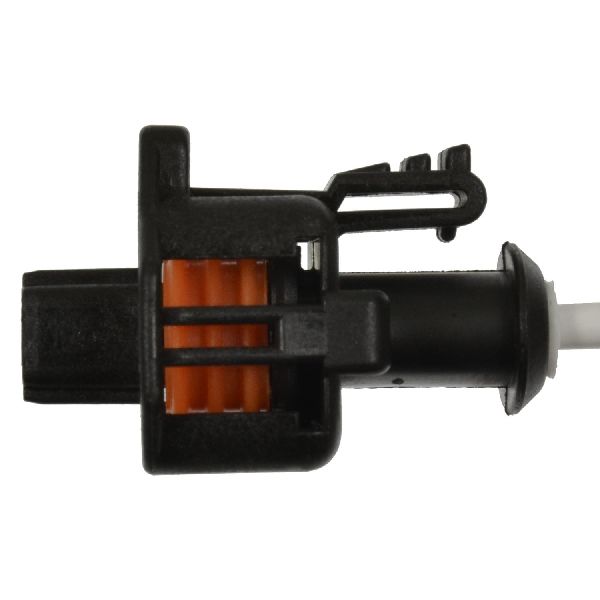
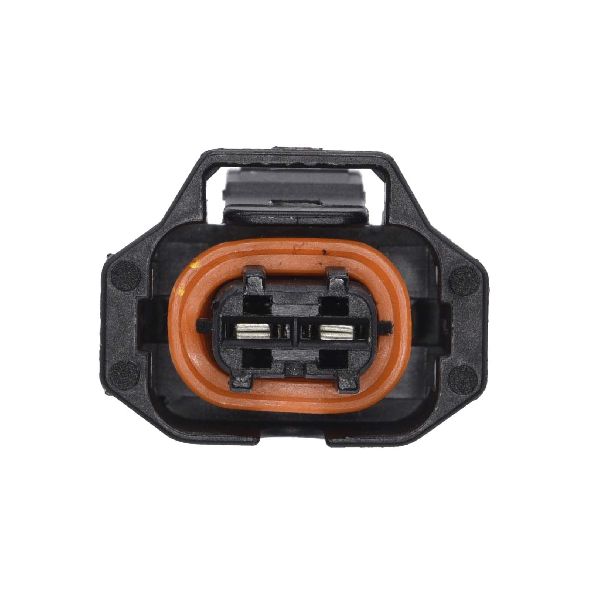
How to confirm: Inspect the electrical connector at the fuel injector for corrosion, bent pins, or a loose fit. Ensure it clicks securely into place. Moisture or oil contamination can lead to poor connectivity or shorts.
Typical fix: Clean the connector terminals with electrical contact cleaner or replace the connector pigtail if damaged.
Est. part cost: $10-$30
Rare But Worth Checking
- Faulty Powertrain Control Module (PCM): → Shop Engine Control Module (ECM) This is the least likely cause. The PCM's internal driver circuit for the injector can fail, but all other possibilities (wiring, injector) must be definitively ruled out before condemning the PCM. A failed driver can be caused by a previous short in the injector or wiring.
Diagnosis Steps
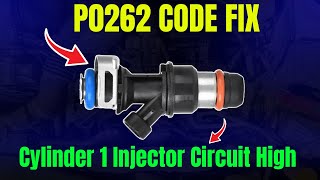
- Read the codes with an OBD-II scanner to confirm P0262 and note any other codes present, 🎬 Watch: This video shows how to fix a P0262 code. especially P0301 or other injector codes.
- (3.6L V6 Models) Prioritize a visual inspection of the fuel injector wiring harness. Carefully check for chafing against the intake plenum, valve cover bolts, and fuel lines, as specified in TSB PIP4924D. Wiggle the harness in suspected areas while monitoring live data to see if the fault is intermittent.
- Disconnect the connector at the cylinder 1 fuel injector. Inspect for corrosion, bent pins, or moisture damage.
- With the key on and engine off, use a multimeter to check for battery voltage at the power wire on the connector.
- Use a noid light to test for a pulse signal from the PCM while cranking the engine. A flashing light indicates the PCM driver and wiring are likely okay. No light, or a constantly lit light, points to a wiring or PCM issue.
- If the wiring and signal are good, test the fuel injector itself. Set a multimeter to Ohms and measure the resistance across the injector's two pins. Compare this reading to another injector on the engine. A significantly different or out-of-spec reading indicates the injector has failed. Note the different specs for the V6 GDI (~1.5-2.5 Ohms) vs the V8 PFI (~11-16 Ohms).
- If the wiring and injector both test good, the problem may lie within the PCM, which is rare. This requires advanced diagnostics, often with an oscilloscope, to verify the driver signal pattern.
Parts You'll Likely Need
- Fuel Injector Wiring Harness Repair Kit/Pigtail — Due to the known chafing issue on 3.6L V6 models, repairing a section of the harness is a very common fix.
Trusted brands: ACDelco, Dorman
OEM price range: $40-$70
Aftermarket price range: $15-$40 - Fuel Injector (3.6L LLT V6)
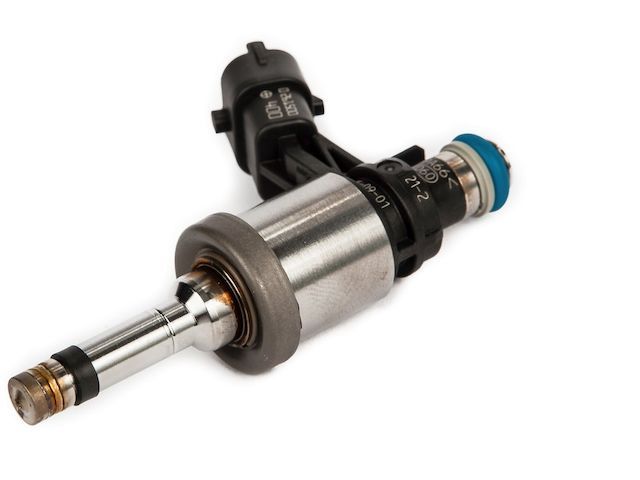
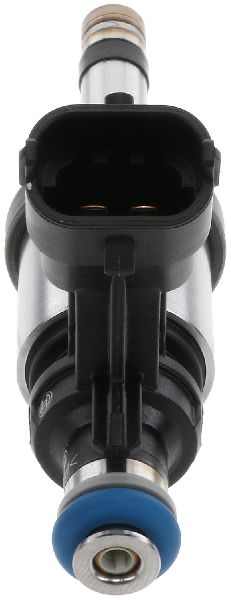
(OEM #12638530)— If the injector's internal coil has shorted, it will cause a 'circuit high' fault and must be replaced. This is a GDI (Gasoline Direct Injection) injector.
Trusted brands: ACDelco (GM OE), Bosch
OEM price range: $100-$160
Aftermarket price range: $60-$110 - Fuel Injector (4.6L Northstar V8)
(OEM #12577869 (cross-references to Bosch 0280158083, FJ721))— If the injector's internal coil has shorted, it will cause a 'circuit high' fault and must be replaced. This is a port fuel injector.
Trusted brands: ACDelco (GM OE), Bosch, Standard Motor Products
OEM price range: $120-$180
Aftermarket price range: $70-$110
Related Codes That Often Appear With This One
- P0301 — P0301 means 'Cylinder 1 Misfire Detected.' Since P0262 indicates a problem with the cylinder 1 injector circuit, it directly causes a misfire in that cylinder.
- P0201 — P0201 indicates a general malfunction in the cylinder 1 injector circuit. It can appear alongside P0262, which specifies a 'high circuit' condition.
- P2146, P2149, P2152, P2155 — These codes relate to the fuel injector group supply voltage circuits. A wiring issue causing P0262 could potentially affect the entire injector bank (Bank 1), triggering these codes as well, as noted in TSB PIP4924D.
Technical Service Bulletins (TSBs) & Recalls
- PIP4924D / PIP4924C / PIP4924A: Addresses a Service Engine Soon light and misfire with multiple injector codes, recommending inspection of the fuel injector wiring harness for chafing. This TSB applies to a wide range of GM vehicles using the 3.6L LLT engine.
Platform-Specific Known Issues
- A GM Technical Service Bulletin (PIP4924D) was issued for 2009-2011 Cadillac STS models with the 3.6L V6 engine, warning of misfires and various injector codes (including P0262) caused by the fuel injector wiring harness rubbing through on engine components. Specific areas to check are against the intake plenum, valve cover bolts, fuel lines, and the side of the cylinder head.
Mechanic-Grade Diagnostic Values
- Fuel Injector Coil Resistance (3.6L LLT V6 - GDI) — expected: 1.5 to 2.5 Ohms. Failure: A reading near zero Ohms indicates a shorted injector coil. An infinite or very high reading indicates an open coil.
- Fuel Injector Coil Resistance (4.6L LH2 V8 - PFI) — expected: 11 to 16 Ohms. Failure: A reading significantly outside this range indicates a faulty injector. These are high-impedance 'saturated' type injectors.
- Low-Side Fuel Pressure (V6 GDI - Key On, Engine Off) — expected: 55-60 psi (380-410 kPa). Failure: Pressure significantly below this range points to a weak in-tank fuel pump or a clogged fuel filter, which could cause other driveability issues but is not a direct cause of P0262.
Scan Tool Commands That Help
- Tech 2 / GDS2: Fuel Injector Balance Test — This test is used to verify if all injectors are flowing a similar amount of fuel. The tool individually pulses each injector for a set time and measures the corresponding drop in fuel rail pressure. If the pressure drop for cylinder 1 is significantly different from the others (e.g., outside a 3 psi / 20 kPa variance), it indicates a flow issue with the injector or a clog.
- Tech 2 / GDS2: Cylinder Power Balance / Injector Kill — This function allows the technician to disable one cylinder at a time while the engine is running. When cylinder 1 is disabled, there should be a noticeable drop in RPM and change in engine sound. If disabling cylinder 1 causes no change in how the engine runs, it confirms that cylinder was not contributing, which is the expected result when a P0262 code is active.
Wiring & Ground Locations
- Cylinder 1 Injector Connector — On the 3.6L V6 and 4.6L V8, cylinder 1 is on the passenger side of the engine (Bank 1), closest to the front of the vehicle (accessory belts).. This is the primary connector to test. It has two pins: one receives ignition voltage (power) and the other is the control circuit, which the PCM pulses to ground to fire the injector. A 'Circuit High' code means the control circuit wire may be shorted to a voltage source.
- Engine Grounds (G102, G105, G106, etc.) — Key engine grounds are typically located on the front or rear of the cylinder heads, on the engine block near the starter, and on the frame rail in the engine compartment.. While a bad ground is more likely to cause a 'Circuit Low' or 'Open' code, a poor ground connection for the PCM or engine sensors can cause erratic electrical behavior and unstable reference voltages, which can contribute to misdiagnosis. Ensuring all grounds are clean and tight is a foundational step.
Real Owner Repair Stories
- CorvetteForum user (Corvette with similar GM engine architecture) — Intermittent P0200 (Injector Circuit Malfunction) and P0300 (Random Misfire), with white smoke from one exhaust bank.
❌ Tried (didn't work) Replacing all fuel injectors.
✅ What actually fixed it The problem was intermittent and often occurred in humid weather. The root cause was diagnosed as the injector wiring harness chafing against a fuel rail bracket at the rear of the engine, causing a short. The final repair was to replace the faulty engine wiring harness.
OEM Part Supersession History
12611545, 12632255→12638530— Part has been updated by the manufacturer over time. Later parts may have design or material improvements.
Heads up: Applies to the 3.6L LLT V6 engine.12577869→12597871— Part has been updated by the manufacturer. The Bosch equivalent is 0280158083.
Heads up: Applies to the 4.6L Northstar LH2 V8 engine.
Helpful Videos
We Have This Part in Stock


The information in this article is provided for general reference and educational purposes only. Vehicle specifications, procedures, and part compatibility can vary by production date, trim level, and region. Always consult your vehicle's factory service manual and verify part numbers before purchasing or performing repairs. Safety-critical components such as airbags, seat belts, and braking systems should be installed by a qualified professional.
- Cadillac STS:
- 🧭 Diagnostic Flowchart
- 🎬 Helpful Videos
- 🛍️ Shop This Part
- What's Unique About the 2009-2011 Cadillac STS
- Symptoms You May Notice
- Most Likely Causes
- Rare But Worth Checking
- Diagnosis Steps
- Parts You'll Likely Need
- Related Codes That Often Appear With This One
- Technical Service Bulletins (TSBs) & Recalls
- Platform-Specific Known Issues
- Mechanic-Grade Diagnostic Values
- Scan Tool Commands That Help
- Wiring & Ground Locations
- Real Owner Repair Stories
- OEM Part Supersession History
- 🎟️ Get 5% Off