

P0265 on 2009-2014 Buick Enclave: Cylinder 2 Injector Circuit High Causes and Fixes
This code indicates a high voltage condition in the cylinder 2 fuel injector circuit. The most common causes are a faulty fuel injector or a wiring issue, such as harness damage or corrosion. A less common but notable cause on this platform is fuel contamination or wiring harness rub-through, as highlighted by a GM TSB.
- P0265 specifically points to an electrical problem with the fuel injector in cylinder #2, not a spark or compression issue.
- The most effective DIY diagnostic is to swap the cylinder 2 injector with another one and see if the trouble code follows the injector.
- Cylinder #2 is on the front bank (closest to the radiator), making it relatively easy to access compared to the rear cylinders.
- Before replacing parts, inspect the wiring harness for rub-through or rodent damage and consider fuel quality, especially if multiple injector codes are present, as advised by GM TSB #PIP4924D.
What's Unique About the 2009-2014 Buick ENCLAVE
For the 2009-2014 Buick Enclave with the 3.6L V6 engine, a unique consideration is highlighted by GM Technical Service Bulletin #PIP4924D. The TSB suggests that if P0265 appears alongside other injector-related codes, the root cause could be the fuel quality itself, warranting an inspection of the fuel. Crucially, this same TSB also advises technicians to inspect the fuel injector wiring harness for rub-through or internal wire opens before replacing components, indicating that both fuel and wiring are known issues on this platform that can trigger multiple injector codes.
🎬 Watch: Step-by-step diagnostic walkthrough for the P0265 code.Diagnostic Flowchart
Tap your situation to follow the diagnostic path that matches what you're seeing on this vehicle.
Symptoms You May Notice
- Check Engine Light is on
- Rough or unstable idle
- Engine misfire, creating a noticeable vibration
- Hesitation or stumbling during acceleration.
- Reduced engine power
- Decreased fuel economy.
- Strong fuel smell from the exhaust
- Replacing the spark plug or ignition coil for cylinder 2. While these parts can cause a misfire, they will not set a P0265 'circuit' code.
Most Likely Causes
- Faulty Cylinder 2 Fuel Injector 🔴 High Probability → Shop Fuel Injector The 3.6L is a direct injection (DI) engine. DI injectors operate under high pressure and are susceptible to internal corrosion and shorting, especially with fuel containing ethanol which can attract water.
How to confirm: Disconnect the injector and measure its internal resistance with a multimeter. For these direct injection engines, resistance should be very low, typically in the 1.2-1.8 ohm range. A reading far outside this, or an open circuit (OL), indicates a bad injector. The most definitive test is to swap the cylinder 2 injector with one from another cylinder (e.g., cylinder 4). If the code changes to P0269 (Cylinder 4 Injector Circuit High), the injector is faulty. If P0265 returns, the problem is in the wiring or ECM.
Typical fix: Replace the faulty fuel injector. It is often recommended to replace all injectors on the same bank, or the full set, if they are original and high-mileage.
Est. part cost: $50-$150 - Wiring or Connector Issue 🟡 Medium Probability The engine wiring harness can be susceptible to damage. TSB #PIP4924D specifically calls out checking for harnesses rubbing through. Additionally, real-world cases show rodent damage to the harness is a known issue on this platform, causing various electrical faults.
How to confirm: Visually inspect the wiring harness and connector for cylinder 2's injector. Look for signs of damage, corrosion, melting, or loose pins. Pay close attention to where the harness may rub against other components. Use a multimeter to check for a short to voltage in the control wire between the ECM and the injector.
Typical fix: Repair the damaged section of the wiring harness or replace the connector pigtail. In cases of rodent damage, extensive repairs may be needed.
Est. part cost: $15-$50 - Contaminated Fuel ⚪ Low Probability As noted in TSB #PIP4924D, certain fuel contaminants can trigger a variety of injector codes on this platform. Low-quality or contaminated fuel can also cause internal injector components to stick or corrode.
How to confirm: This is more likely if multiple, seemingly random injector codes are present. A fuel sample should be taken and inspected for water, debris, or other contaminants.
Typical fix: Drain the fuel tank, clean the fuel system, and refill with fresh, high-quality fuel.
Est. part cost: $0 (if draining yourself) plus the cost of a full tank of gas.
Rare But Worth Checking
- Faulty Engine Control Module (ECM): → Shop Engine Control Module (ECM) This is the least likely cause. The ECM contains specific transistors called 'drivers' that control each injector. If the internal driver for the cylinder 2 injector fails and shorts to voltage, it will trigger P0265. All other possibilities (injector, wiring) must be exhaustively ruled out first before condemning the ECM.
Diagnosis Steps
- Read all stored fault codes with an OBD-II scanner. Note if other injector or misfire codes are present.
- Locate cylinder 2 on the 3.6L V6. It is the front-most cylinder on the cylinder bank closer to the radiator (Bank 2).
- Visually inspect the wiring harness and connector for the cylinder 2 fuel injector. Check for any obvious damage, corrosion, loose connections, or signs of rubbing against other components.
- If the wiring looks good, swap the cylinder 2 fuel injector with the injector from cylinder 4 (the middle cylinder on the same bank).
- Clear the codes and drive the vehicle. If the code returns as P0265, the problem is in the wiring or ECM. If the code changes to P0269 (for cylinder 4), the fuel injector is the faulty component.
- If the injector is confirmed to be good, test its resistance. For this DI engine, it should be very low, around 1.2-1.8 ohms. Compare with a known good injector.
- If the injector tests good, use a multimeter or noid light to test the injector circuit. Check for a short to voltage on the control wire. The control wire should not have constant voltage with the key on.
- If multiple injector codes are present, consider the advice of TSB #PIP4924D and inspect the fuel quality for contaminants and the wiring harness for damage.
- If all wiring and the injector have been proven to be good, the final possibility is a fault within the Engine Control Module (ECM) driver for that circuit.
Parts You'll Likely Need
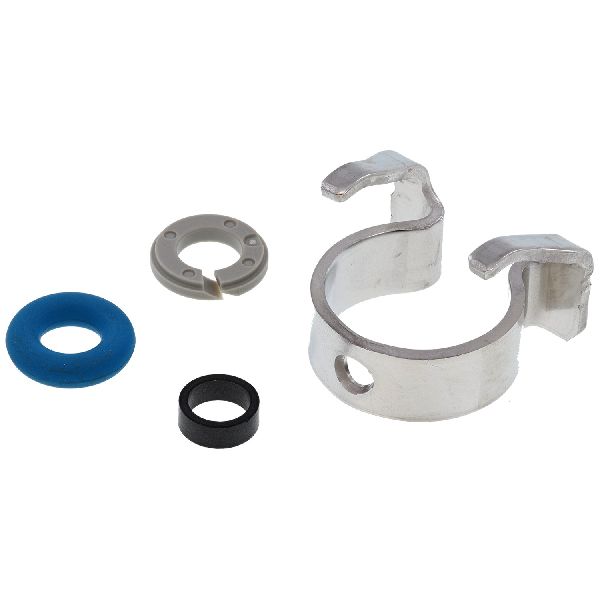
- Fuel Injector (Cylinder 2)
(OEM #ACDelco 12638530 or 12669384 (For LLT engine, approx. 2009-2011). Note: The LFX engine (2012+) uses a different part number, 12634126.)— This is the most common failure point for a P0265 code after wiring has been checked.
Trusted brands: ACDelco, Bosch, Delphi
OEM price range: $90-$150
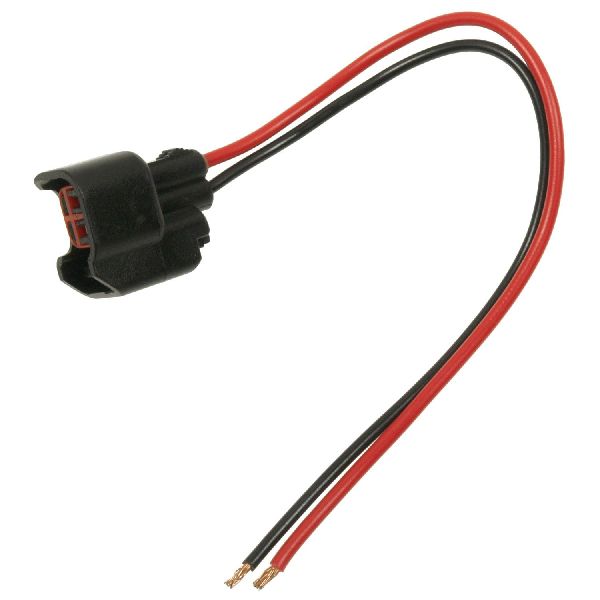
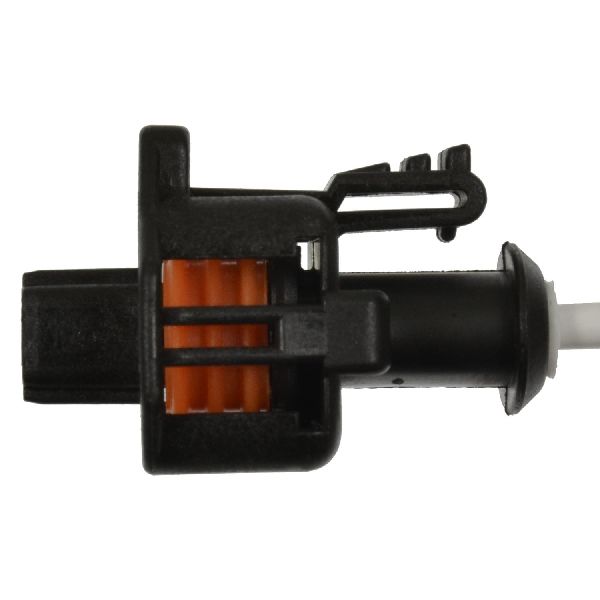
Aftermarket price range: $50-$100 - Fuel Injector Connector Pigtail — If the connector is corroded, melted, or the locking tab is broken, replacing it is necessary to ensure a solid electrical connection.
Trusted brands: ACDelco, Dorman
OEM price range: $25-$45
Aftermarket price range: $15-$30
Related Codes That Often Appear With This One
- P0302 — P0302 means 'Cylinder 2 Misfire Detected'. This code is a direct result of the injector not firing correctly, which is the problem identified by P0265.
- P0202 — P0202 is a more general 'Injector Circuit/Open - Cylinder 2' code. It often appears with P0265 as they both point to an electrical fault in the same circuit.
- Other P02xx codes — As per TSB #PIP4924D, the presence of multiple injector circuit codes (e.g., P0262, P0268, etc.) strongly suggests a common problem like fuel contamination or a wiring harness issue rather than multiple simultaneous injector failures.
Technical Service Bulletins (TSBs) & Recalls
- PIP4924D: Mentions that codes P0261, P0262, P0264, P0265 and many others can be set due to a misfire condition, and advises technicians to inspect the fuel and check the injector wiring harness for damage.
Platform-Specific Known Issues
- Per TSB #PIP4924D, a Check Engine Light with a misfire and various fuel injector codes (including P0265) may be caused by fuel quality issues OR a damaged wiring harness. The bulletin advises technicians to inspect the fuel and the injector harness for rub-through or internal wire opens before proceeding with component replacement.
Mechanic-Grade Diagnostic Values
- Fuel Injector Coil Resistance (Direct Injection) — expected: 1.2 - 1.8 Ohms. Failure: A reading near 0 Ohms (short), OL (open), or significantly outside the expected range.
- Injector Closing Voltage Spike (via Oscilloscope) — expected: ~50-70V. Failure: A missing or significantly lower voltage spike indicates a problem with the injector coil or the control circuit.
- Injector Circuit to Ground Resistance (Harness side) — expected: 10 kΩ or higher. Failure: Low resistance indicates a short to ground in the wiring harness.
- Fuel Pressure Drop (Injector Balance Test) — expected: All injectors should have a pressure drop within 20 kPa (3 psi) of each other.. Failure: An injector with a pressure drop significantly different from the others is either clogged or leaking.
Scan Tool Commands That Help
- GDS2 / Tech2 (or equivalent professional scanner): Automated Injector Balance Test — To functionally test and compare the flow rate of all injectors. The tool pulses each injector and measures the fuel pressure drop. An outlier cylinder indicates a faulty injector. This should be used after electrical circuit integrity is confirmed.
- GDS2 / Tech2 (or equivalent professional scanner): Injector Test / Cylinder Power Balance — To quickly determine if a cylinder is not contributing. The tool disables one injector at a time. If disabling cylinder 2 causes no change in engine idle, it confirms the cylinder was already dead, pointing to a fault in the injector or its circuit.
Wiring & Ground Locations
- G110 — Right front of the engine, mounted to the cylinder head.. This is a primary engine ground. A poor connection here can cause erratic behavior in the ECM and its driver circuits, potentially leading to false circuit codes.
- G113 — Left side of the engine, at an engine-to-transmission stud.. Another critical engine ground point. Corrosion or looseness can affect the ECM's reference voltage and cause various electrical faults.
- ECM Connector X1 — On the Engine Control Module itself. The ECM is typically located in the engine bay.. This is one of the main connectors where the control wires for the fuel injectors originate. A visual inspection for corrosion or backed-out pins is a key diagnostic step if the wiring at the injector side is good.
- Injector Harness Chafe Points — Common rub points are against the intake plenum, valve cover bolts, fuel lines, and the side of the cylinder head.. As per TSB #PIP4924D, these are known problem areas on the 3.6L V6 where the harness can rub through, causing a short or open circuit that triggers injector codes like P0265.
OEM Part Supersession History
12638530→12669384— Standard part revision/update by GM for the LLT engine.
Heads up: This part is for the 3.6L LLT engine only. It is not interchangeable with the LFX engine (2012+) which uses a different injector design and ECM.
Model Year Variations Within This Range
- 2009-2011: These model years use the 3.6L LLT V6 engine. Key components include an aluminum intake manifold, a Bosch ECM, and fuel injector part number 12638530 (or its successor 12669384).
- 2012-2014: These model years use the updated 3.6L LFX V6 engine. This engine features a lighter composite intake manifold, integrated exhaust manifolds, a Delphi ECM, and different fuel injectors (e.g., 12634126). Parts, especially fuel system and electronic components, are generally not interchangeable between LLT and LFX engines.
Helpful Videos
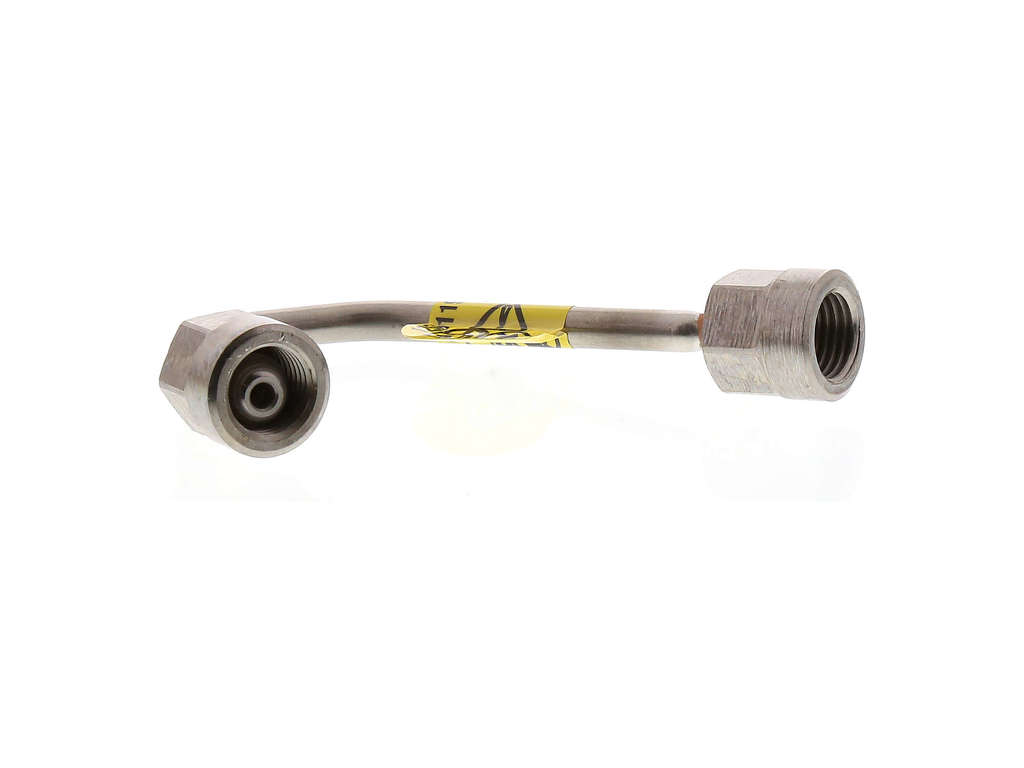
We Have This Part in Stock


The information in this article is provided for general reference and educational purposes only. Vehicle specifications, procedures, and part compatibility can vary by production date, trim level, and region. Always consult your vehicle's factory service manual and verify part numbers before purchasing or performing repairs. Safety-critical components such as airbags, seat belts, and braking systems should be installed by a qualified professional.
- Buick ENCLAVE:
- 🧭 Diagnostic Flowchart
- 🎬 Helpful Videos
- 🛍️ Shop This Part
- What's Unique About the 2009-2014 Buick ENCLAVE
- Symptoms You May Notice
- Most Likely Causes
- Rare But Worth Checking
- Diagnosis Steps
- Parts You'll Likely Need
- Related Codes That Often Appear With This One
- Technical Service Bulletins (TSBs) & Recalls
- Platform-Specific Known Issues
- Mechanic-Grade Diagnostic Values
- Scan Tool Commands That Help
- Wiring & Ground Locations
- OEM Part Supersession History
- Model Year Variations Within This Range
- 🎟️ Get 5% Off