

P0265 on 2010-2014 Cadillac SRX: Cylinder 2 Injector Circuit High Causes and Fixes
On a 2010-2014 Cadillac SRX, code P0265 almost always points to a failed fuel injector for cylinder #2 or a wiring problem to that injector. The ECM detects that the voltage in the injector's control circuit is abnormally high. A replacement injector is the most common fix, costing around $50-$150 for the part.
- P0265 on your SRX means the injector circuit for cylinder #2 has a high voltage fault, most often caused by a bad injector or wiring.
- A simple way to test the injector is to swap it with an adjacent one (like from cylinder 4) and see if the trouble code follows the injector.
- Before replacing parts, carefully inspect the injector wiring harness for chafing against the engine, as this is a known issue on this platform per GM TSB PIP4924D.
- Cylinder #2 is on the front (radiator side) bank, making it relatively easy to access for diagnosis and replacement.
- Do not immediately replace the ECM; it is the least likely cause and should only be considered after ruling out the injector and wiring.
What's Unique About the 2010-2014 Cadillac SRX
For the V6 engines in the SRX (3.0L LF1 and 3.6L LFX), cylinder #2 is located in the front bank (closest to the radiator), making it more accessible than the rear cylinders. While the code typically relates to a specific component failure, GM Technical Service Bulletin #PIP4924D is highly relevant to this platform. It notes that P0265, along with a host of other injector codes, can be triggered by chafed or damaged injector wiring harnesses. Common chafe points are against the intake plenum, valve cover bolts, and fuel lines. Another TSB also mentions that if multiple injector codes are present, fuel contamination should be inspected before replacing parts.
Diagnostic Flowchart
Tap your situation to follow the diagnostic path that matches what you're seeing on this vehicle.
Symptoms You May Notice
- Check Engine Light is on (can be steady or flashing)
- Rough or unstable idle
- Engine misfire, creating a noticeable vibration
- Hesitation or stumbling during acceleration
- Reduced engine power and poor acceleration
- Decreased fuel economy
- Strong fuel smell from the exhaust
- Replacing the spark plug or ignition coil for cylinder 2. While these can cause a misfire (P0302), they will not cause a P0265 injector circuit code.
Most Likely Causes
- Failed Fuel Injector (Cylinder 2) 🔴 High Probability → Shop Fuel Injector The direct injection (DI) injectors on the LF1 and LFX engines operate under high pressure and can fail internally. The internal coil windings can short or degrade, causing resistance to fall out of spec, which the ECM interprets as a high circuit condition.
How to confirm: Measure the resistance across the injector's terminals with a multimeter; it should be within the manufacturer's specification (approx. 12 Ohms for the 3.0L LF1, 1.2-1.8 Ohms for the 3.6L LFX). 🎬 Watch: How to test injector resistance and circuit design. The easiest confirmation is to swap the cylinder 2 injector with another (like cylinder 4). Clear the codes and run the engine. If the fault code changes to P0268 (Cylinder 4 Injector Circuit High), the injector is bad.
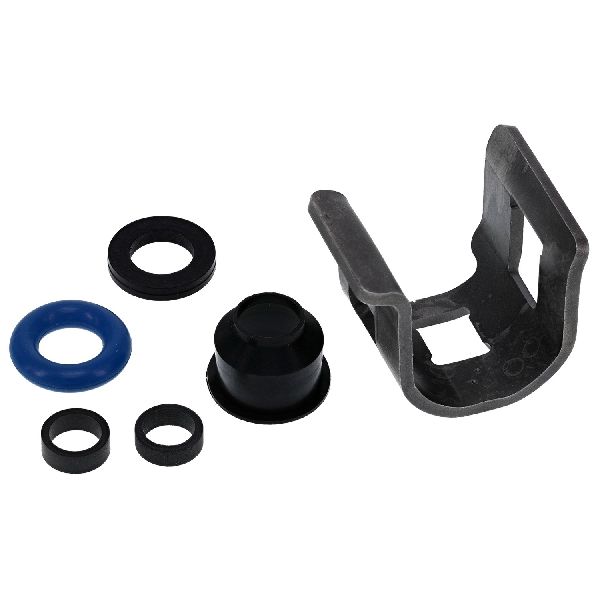
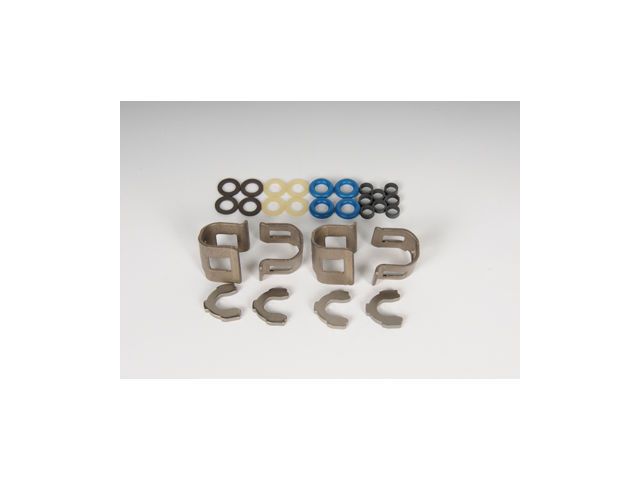
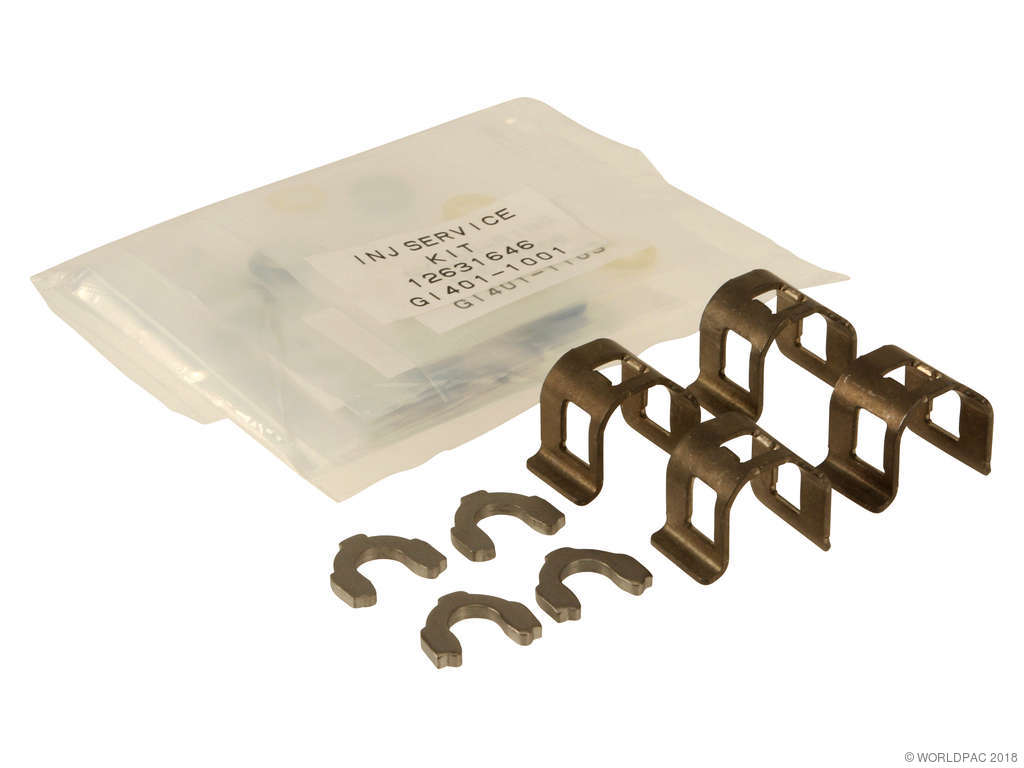
Typical fix: Replace the fuel injector for cylinder 2. It is also recommended to replace the Teflon seal and any associated O-rings.
Est. part cost: $40-$120 - Wiring Harness or Connector Issue 🟡 Medium Probability GM TSB #PIP4924D specifically calls out injector wiring harness issues on this platform. Engine bay heat and vibrations can cause wiring to chafe against engine components like the intake plenum or valve covers, leading to a short to voltage or an open circuit. The connector itself can also become corroded or have pins back out.
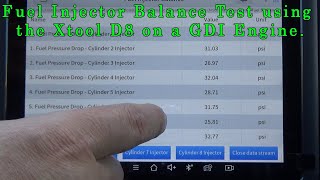
How to confirm: Visually inspect the wiring going to the cylinder 2 injector for any signs of melting, chafing, or breaks, paying close attention to the areas mentioned in TSB #PIP4924D. Check the connector for corrosion, moisture, or pushed-out pins. Use a noid light to verify a pulse signal at the connector; 🎬 See how to perform a fuel injector balance test. a steady light may indicate a short to voltage.
Typical fix: Repair the damaged section of the wiring harness or clean/replace the electrical connector pigtail.
Est. part cost: $15-$60 for a new pigtail connector. - Faulty Engine Control Module (ECM) ⚪ Low Probability → Shop Engine Control Module (ECM)
How to confirm: This is a diagnosis of exclusion. If the injector and wiring have been proven to be good through resistance tests, swap tests, and continuity checks, the ECM's internal driver for that injector is the likely culprit. This is the last part to suspect.
Typical fix: Replace and reprogram the Engine Control Module. This typically requires a professional with specialized tools.
Est. part cost: $200-$800
Rare But Worth Checking
- Fuel Contamination: According to TSB #PIP4924D, if P0265 is present with many other injector-related codes, the fuel itself should be inspected. Contaminants like diesel, water, or excessive ethanol can cause widespread electrical faults in the injector system.
- High Pressure Fuel Pump Failure: In a forum thread, an owner of a 2010 SRX with the 3.0L engine reported that a faulty high-pressure fuel pump was the ultimate root cause of persistent engine issues, even when it tested as 'normal'. A GM engineer reportedly advised replacing it based on similar field cases.
Diagnosis Steps
- Verify the code with an OBD-II scanner. Note any other codes present, especially misfire codes (P0302, P0300) or other injector codes.
- Locate cylinder #2. On the V6 engines in the SRX, this is the cylinder on the driver's side, closest to the front of the vehicle (radiator side).
- Perform a thorough visual inspection of the wiring harness and connector for the cylinder 2 fuel injector. Look for chafing against the intake, valve covers, or fuel lines, as highlighted in TSB #PIP4924D. Check for melted plastic, corrosion, or loose pins.
- Disconnect the injector and measure its internal resistance with a multimeter. Compare the reading to the manufacturer's specification. An open circuit (infinite resistance) or a reading far outside the specified range indicates a bad injector.
- To definitively confirm a bad injector, swap the cylinder 2 injector with the cylinder 4 injector (middle cylinder on the same bank). Clear the codes and run the engine. If the code returns as P0268 (Cylinder 4 Injector Circuit High), the injector you moved is faulty.
- If the code remains P0265 after the swap, the problem is in the wiring or the ECM. Test the connector for a pulse signal using a noid light while cranking the engine. A constantly lit noid light suggests a short to voltage.
- If the noid light test is inconclusive, check for continuity and for a short-to-voltage in the wiring between the ECM and the injector connector. The control wire should not have voltage when the key is on and the engine is off.
- If wiring and the injector are confirmed to be good, the ECM is the most likely remaining point of failure. This should be the last step in diagnosis.
Parts You'll Likely Need
- Fuel Injector (Cylinder 2)
(OEM #ACDelco 217-3449 (for 3.0L LF1) or 12634126 (for 3.6L LFX))— This is the most frequent cause of a P0265 code, as the internal coil windings of the direct injector can fail.
Trusted brands: ACDelco, Bosch, Hitachi, Standard Motor Products
OEM price range: $80-$140
Aftermarket price range: $45-$95 - Fuel Injector Connector Pigtail
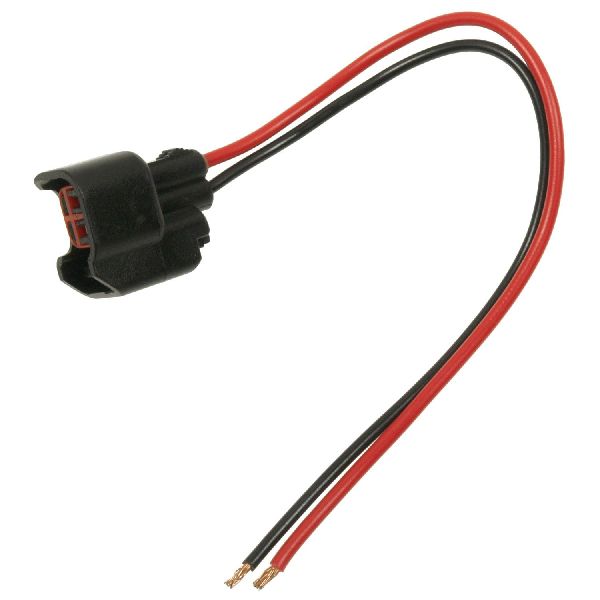
(OEM #Dorman 645-595 (example))— If the connector is corroded, melted, or the locking tab is broken, replacing the pigtail is the proper repair.
Trusted brands: ACDelco, Dorman
OEM price range: $25-$50
Aftermarket price range: $15-$30
Related Codes That Often Appear With This One
- P0302 — P0302 means 'Cylinder 2 Misfire Detected'. Since P0265 indicates a problem with fueling cylinder 2, a misfire is the direct and immediate result.
- P0300 — P0300 is a 'Random/Multiple Cylinder Misfire' code. If the cause is fuel contamination or a widespread wiring harness issue as noted in TSBs, multiple cylinders may be affected, triggering a P0300 alongside specific cylinder codes.
- P0264 — P0264 is 'Cylinder 2 Injector Circuit Low'. It's possible to see both high and low circuit codes for the same injector if there is an intermittent wiring short or a failing injector coil.
Technical Service Bulletins (TSBs) & Recalls
- PIP4924D: Mentions that codes P0261, P0262, P0264, P0265 and many others can be caused by fuel contamination or, more specifically, a chafed/damaged fuel injector wiring harness. It lists common rub-through locations.
Platform-Specific Known Issues
- Technical Service Bulletin PIP4924D is critical for this vehicle, pointing directly to chafed wiring harnesses as a common cause for a range of injector codes, including P0265. Technicians are advised to carefully inspect the harness where it may rub against the intake plenum, valve cover bolts, or fuel lines before replacing any components.
- The 3.6L LFX engine (2012-2014 models) is known for potential timing chain issues, particularly in the 2012 model year, and can consume oil. While not directly related to P0265, these are important contextual issues for owners to be aware of when diagnosing engine problems.
- A forum user with a 2011 SRX 3.0L reported extremely poor running conditions and rich fuel trims (-40% LTFT), which could be a severe outcome of a stuck-open injector related to a P0265 fault.
Mechanic-Grade Diagnostic Values
- Fuel Injector Resistance (3.6L LFX V6) — expected: 1.2 - 1.8 Ohms. Failure: A reading outside this range, or Open Loop (OL), indicates a failed injector.
- Fuel Injector Resistance (3.0L LF1 V6) — expected: ~11.9 - 12.1 Ohms. Failure: A significant deviation from ~12 Ohms suggests a failed high-impedance injector.
- Injector Pulse Width (at idle) — expected: 2 - 4 milliseconds (ms). Failure: A value of 0 ms on cylinder 2 while others are pulsing indicates the ECM has shut down the circuit.
- Key-On Engine-Off Fuel Pressure (Low-Side Prime) — expected: 55-60 psi. Failure: Low pressure could indicate a fuel delivery problem upstream of the high-pressure pump.
- Injector Control Circuit Voltage (Key On, Engine Off) — expected: Should be near battery voltage (11-14V) on the power feed wire.. Failure: Voltage present on the ECM control wire suggests a short to voltage.
Scan Tool Commands That Help
- GM GDS2 / Tech2: Injector Balance Test — This bidirectional test commands the ECM to pulse each injector individually while monitoring the fuel rail pressure drop. An injector that causes a significantly different pressure drop compared to others is likely clogged or failing mechanically. This helps differentiate a wiring fault from a performance issue with the injector itself.
- GM GDS2 / Tech2: Cylinder Power Balance / Injector Kill — This function allows a technician to disable one injector at a time while the engine is running. When the cylinder #2 injector is disabled, if there is no change in engine RPM or sound, it confirms that the injector was not contributing to engine operation, pointing to a problem in that circuit or with the injector.
Wiring & Ground Locations
- G101 / G106 — Located at the front of the engine, lower block area, sometimes jumpered to the frame cross rail under the crank pulley.. This is a primary ground for the Engine Control Module (ECM) and Transmission Control Module (TCM). A poor connection here can cause erratic behavior and false codes from multiple engine systems, including the injector driver circuits.
- G103 — Located at the left rear of the engine compartment on the cowl, often above the brake booster.. This ground serves the Body Control Module (BCM) and the Data Link Connector (DLC). A fault here can cause communication issues with scan tools or other modules that interact with the ECM.
- Injector Harness Connector (C106-type) — A main connector that feeds the bank of injectors. On some GM V6 engines, this is a rectangular 8-pin connector supplying power and control signals to the three injectors on one bank.. Corrosion or a backed-out pin in this main connector can cause an issue for a single injector (like P0265) or the entire bank. It's a key inspection point before checking the ECM.
- ECM Connector (X1/X2/J2) — The main multi-pin connectors at the Engine Control Module itself.. The control signal for the cylinder 2 injector originates here. A continuity test from the specific pin for the injector 2 control wire (color and pin number vary by year/engine) to the injector connector is the definitive wiring test.
Real Owner Repair Stories
- YouTube video by 'Repairs and Rides' (2005 Cadillac SRX 3.6L (similar architecture)) — P0202 (Cylinder 2 Injector Circuit) and P0302 (Cylinder 2 Misfire).
❌ Tried (didn't work) Swapped fuel injectors between cylinders; the fault remained on cylinder #2., Visually inspected the wiring harness loom under the intake manifold., Performed a resistance test from the fuse box through the injector and back to the ECM connector, which showed the correct resistance (~12 ohms), indicating the wiring and injector coil were electrically intact.
✅ What actually fixed it The problem was diagnosed as a failed injector driver inside the Engine Control Module (ECM). The video concludes that the ECM itself needed to be replaced.
OEM Part Supersession History
12642128→12634126— Part has been updated by the manufacturer for improved reliability or manufacturing efficiency.Not specified→217-3449 (ACDelco)— This is the GM Original Equipment service part number for the 3.0L LF1 engine fuel injector.
Heads up: This part is for the 3.0L LF1 engine and is not compatible with the 3.6L LFX engine.
Model Year Variations Within This Range
- 2010-2011 (3.0L LF1) vs 2012-2014 (3.6L LFX): The fuel injectors are fundamentally different. The 3.0L LF1 uses high-impedance injectors with a resistance of approximately 12 Ohms. The 3.6L LFX uses low-impedance direct injectors with a much lower resistance of 1.2-1.8 Ohms. Using the wrong injector or test specification will lead to misdiagnosis. The ECMs are also different (Bosch vs. Delphi family).
Helpful Videos
We Have This Part in Stock


The information in this article is provided for general reference and educational purposes only. Vehicle specifications, procedures, and part compatibility can vary by production date, trim level, and region. Always consult your vehicle's factory service manual and verify part numbers before purchasing or performing repairs. Safety-critical components such as airbags, seat belts, and braking systems should be installed by a qualified professional.
- Cadillac SRX:
- 🧭 Diagnostic Flowchart
- 🎬 Helpful Videos
- 🛍️ Shop This Part
- What's Unique About the 2010-2014 Cadillac SRX
- Symptoms You May Notice
- Most Likely Causes
- Rare But Worth Checking
- Diagnosis Steps
- Parts You'll Likely Need
- Related Codes That Often Appear With This One
- Technical Service Bulletins (TSBs) & Recalls
- Platform-Specific Known Issues
- Mechanic-Grade Diagnostic Values
- Scan Tool Commands That Help
- Wiring & Ground Locations
- Real Owner Repair Stories
- OEM Part Supersession History
- Model Year Variations Within This Range
- 🎟️ Get 5% Off