

P0265 on 2009-2014 Chevrolet Traverse: Cylinder 2 Injector Circuit High Causes and Fixes
P0265 on a 2009-2014 Traverse typically points to a faulty fuel injector in cylinder 2 or a wiring issue, often a chafed harness. Expect a noticeable engine misfire and rough idle. A new injector is a common fix, costing around $50-$150 for the part, but the wiring harness should be inspected first due to a known TSB.
- P0265 specifically points to an electrical fault in the cylinder 2 fuel injector circuit.
- The most common causes are a bad fuel injector or a damaged wire/connector, with the wiring being a known weak point per TSB PIP4924D.
- A simple way to test the injector is to swap it with another cylinder and see if the code follows the injector.
- Cylinder 2 is located at the front of the engine (near the radiator) on the passenger side.
What's Unique About the 2009-2014 Chevrolet TRAVERSE
The 2009-2014 Traverse uses the 3.6L LLT V6 engine, which was common across many GM platforms (Buick Enclave, GMC Acadia, etc.). For this vehicle and its platform mates, a well-documented issue in Technical Service Bulletin #PIP4924D involves the fuel injector wiring harness. The harness is prone to rubbing against engine components like the intake plenum, valve cover bolts, or fuel lines, leading to chafed wires and a short to voltage. This makes a wiring inspection a critical first step, potentially even before suspecting the injector itself.
🎬 Watch: A quick breakdown of P0265 causes and symptoms.Diagnostic Flowchart
Tap your situation to follow the diagnostic path that matches what you're seeing on this vehicle.
Symptoms You May Notice
- Check Engine Light illuminated (may be flashing if misfire is severe)
- Rough or uneven idle
- Engine misfire, which may feel like a shake or stumble
- Hesitation or loss of power during acceleration
- Increased fuel consumption
- Noticeable fuel smell from the exhaust
- Replacing the spark plug or ignition coil for cylinder 2 without diagnosing the fuel system. A misfire can be caused by spark, fuel, or compression; this code specifically points to the fuel injector circuit.
- Replacing the fuel injector without first thoroughly inspecting the wiring harness, which is a known failure point on this platform.
Most Likely Causes
- Wiring Harness or Connector Issue 🔴 High Probability As noted in TSB #PIP4924D, the injector harness on these vehicles is known to rub through. Common chafe points are against the intake plenum, valve cover bolts, fuel lines, and the side of the cylinder head under the plenum.
How to confirm: Visually inspect the wiring harness leading to the cylinder 2 injector for any signs of chafing, melting, or corrosion. Pay close attention to the areas mentioned in the TSB. Check the connector for a secure fit, clean terminals, and any signs of water intrusion. Use a multimeter to check for a short to voltage on the control wire.
Typical fix: Repair the damaged section of the wiring harness with a new wire and solder, then protect the area with loom or electrical tape. If the connector is damaged, replace the connector pigtail.
Est. part cost: $15-$50 - Faulty Cylinder 2 Fuel Injector 🔴 High Probability → Shop Fuel Injector The direct injection (DI) injectors on the 3.6L LLT engine can fail electrically over time. Ethanol in fuel can sometimes attract water, leading to internal corrosion and failure, causing the injector to short internally.
How to confirm: Swap the cylinder 2 injector with another cylinder (e.g., cylinder 4). Clear the codes and drive. If the code changes to P0271 (Cylinder 4 Injector Circuit High), the injector is bad. You can also test the injector's resistance with a multimeter; for these GDI injectors, the resistance should be between 1.5-2.5 ohms. A reading significantly outside this range indicates a faulty injector.
Typical fix: Replace the faulty fuel injector. It is often recommended to replace all injectors on the same bank, or all six, if they are high mileage.
Est. part cost: $50-$155 - Faulty Powertrain Control Module (PCM/ECM) ⚪ Low Probability → Shop Engine Control Module (ECM)
How to confirm: This should only be considered after the injector and wiring have been definitively ruled out. A professional may need to use an oscilloscope to check the driver signal from the PCM. A continuously high signal with no pulsing square wave points to a failed driver.
Typical fix: Replace and reprogram the PCM. This requires specialized tools.
Est. part cost: $200-$600
Diagnosis Steps
- Read the codes: Use an OBD-II scanner to confirm P0265 and check for any other stored codes, especially other injector or misfire codes.
- Locate Cylinder 2: On the transverse-mounted 3.6L V6, the front bank of cylinders (closest to the radiator) contains cylinders 2, 4, and 6, from passenger side to driver side. Cylinder 2 is the front-most cylinder on the passenger side.
- Inspect the wiring: Perform a thorough visual inspection of the wiring harness and connector for cylinder 2. Following the guidance of TSB #PIP4924D, check for chafing against the intake, valve covers, and fuel lines.
- Listen to the injector: With the engine running, use a mechanic's stethoscope or a long screwdriver to listen to the cylinder 2 injector. You should hear a consistent clicking sound. Silence or an erratic noise suggests a problem.
- Swap the injector: This is a definitive DIY test. Swap the fuel injector from cylinder 2 with one from another cylinder (e.g., cylinder 4 on the same bank). Clear the codes and drive the vehicle. If the fault code moves to P0271 (Cylinder 4), the injector is confirmed to be faulty.
- Test the circuit: If the code remains on cylinder 2 after the swap, the problem is in the wiring or the PCM. Use a multimeter to check for voltage and continuity on the injector circuit. A 'high' code is often caused by the control wire being shorted to a power source.
- Test the PCM: If the injector and wiring are proven to be good, the final step is to suspect the PCM. This step is best left to a professional with an oscilloscope to verify the driver signal.
Parts You'll Likely Need
- Fuel Injector (Cylinder 2)
(OEM #ACDelco 217-3445 (GM 12669384), which supersedes 12638530, 12632255, and 12611545 for 2009-2011 models. For 2012-2014 models, use ACDelco 12663380. Always verify with VIN.)— This is a frequent cause of a P0265 code when it appears by itself, after wiring issues have been ruled out.
Trusted brands: ACDelco, Bosch, Standard Motor Products
OEM price range: $90-$155
Aftermarket price range: $50-$110
Related Codes That Often Appear With This One
- P0302 — P0302 means 'Cylinder 2 Misfire Detected.' Since P0265 indicates a problem with cylinder 2's fuel delivery, a misfire is a direct and common consequence.
- P0201, P0203, P0204, etc. — If multiple injector circuit codes are present, it strongly suggests a systemic problem like a damaged wiring harness (as mentioned in TSB #PIP4924D) or a failing ECM driver bank, rather than multiple individual injector failures.
Technical Service Bulletins (TSBs) & Recalls
- PIP4924D: Addresses a potential for the fuel injector wiring harness to rub through or have internal wire opens, causing various injector DTCs (including P0265) on vehicles that may have a misfire. It lists common chafe points to inspect.
Platform-Specific Known Issues
- Technical Service Bulletin #PIP4924D is highly relevant. It points to a known issue where the fuel injector wiring harness can rub through or develop internal breaks. Specific chafe points to inspect are against the intake plenum, valve cover bolts, fuel lines, and the side of the cylinder head.
- The location of Cylinder 2 is on the front bank (closest to the radiator), on the passenger side of the engine.
Mechanic-Grade Diagnostic Values
- Fuel Injector Resistance — expected: 1.5-2.5 ohms. Failure: A reading outside this range, especially OL (open) or near zero (shorted), indicates a failed injector coil.
- High-Side Fuel Pressure (at idle) — expected: Approximately 2.0-4.0 MPa (290-580 PSI), varies with engine load.. Failure: Significantly lower or erratic pressure could indicate a failing high-pressure fuel pump (HPFP), which can sometimes be misdiagnosed as an injector issue.
- Low-Side Fuel Pressure — expected: Approximately 58 PSI. Failure: Low pressure from the in-tank pump will starve the high-pressure pump, leading to various fuel system codes.
- Injector Control Circuit Voltage (Key On, Engine Off) — expected: Should be near 0V. The ECM provides the ground path to fire the injector.. Failure: If battery voltage is present on the control circuit wire with the key on, it indicates a short to voltage in the wiring harness.
Scan Tool Commands That Help
- GDS2 / Tech 2: Injector Balance Test — This bidirectional test commands the ECM to pulse each injector individually while monitoring the drop in fuel rail pressure. It can help determine if an injector is clogged or flowing differently than the others. If all injectors show a similar pressure drop (typically within 3 PSI or 20 kPa of each other), they are likely functioning correctly from a flow perspective.
- GDS2 / Tech 2: Cylinder Power Balance — This function deactivates one cylinder at a time and measures the corresponding drop in RPM. If deactivating cylinder 2 causes little or no change in RPM compared to other cylinders, it confirms that cylinder 2 was not contributing properly, which is expected with a P0265 code.
Wiring & Ground Locations
- ECM Connector X1 — On the Engine Control Module (ECM), located in the engine compartment. On 2012+ models, it is a 73-way blue connector.. The control circuit for the cylinder 2 fuel injector originates here. For a 2012 LFX, the Cylinder 2 Injector Control is pin 48 (D-GN/BK wire). Verifying the signal at this pin can isolate the problem to the ECM or the external wiring/injector.
- G110 — On the right rear of the engine, mounted to the back of the cylinder head.. This is a critical ground point shared by the ECM and Transmission Control Module (TCM). A loose or corroded G110 can cause a host of bizarre electrical issues and codes, including injector circuit faults, due to an unstable ground reference for the ECM drivers.
- G103 — On the left side of the engine compartment, on the inner fender panel near the brake booster.. This ground serves the Body Control Module (BCM) and Data Link Connector (DLC). While not directly tied to the injector circuit, a poor ground here can cause communication issues with scan tools, complicating diagnosis.
- Injector Harness Connectors X160/X161 — At the rear of the intake manifold. These are multi-way connectors that group the injector wiring.. These connectors are a good place to perform circuit testing without having to remove the intake manifold to access the injectors directly. Testing for shorts or opens can be done on either the ECM side or the injector side of these connectors.
Real Owner Repair Stories
- traverseforum.com (2011 Chevrolet Traverse) — Check Engine Light with P0302 (Cylinder 2 Misfire) and other related injector codes, rough idle, and stumbling on acceleration.
❌ Tried (didn't work) Initial diagnosis pointed to a bad injector.
✅ What actually fixed it The owner found a chafed wire in the injector wiring harness where it was rubbing against a bracket near the back of the engine, consistent with TSB PIP4924D. Repairing the wire and protecting the harness resolved the codes.
OEM Part Supersession History
12611545, 12632255, 12638530→12669384— Updates to improve reliability and address potential failure modes in the earlier direct injectors.
Heads up: These part numbers are for the 2009-2011 3.6L LLT engine. They are NOT compatible with the 2012-2014 3.6L LFX engine, which uses a different injector (e.g., ACDelco 12663380). Mixing injectors is not recommended as flow rates and characteristics may differ.
Model Year Variations Within This Range
- 2009-2011 vs 2012-2014: The engine was updated from the LLT (2009-2011) to the LFX (2012-2014). While architecturally similar, the LFX featured redesigned cylinder heads, a composite intake manifold, and different fuel injectors and high-pressure fuel pump. This is why part numbers for fuel system components are often split between the 2011 and 2012 model years. The ECM connectors and pinouts also changed.
Helpful Videos
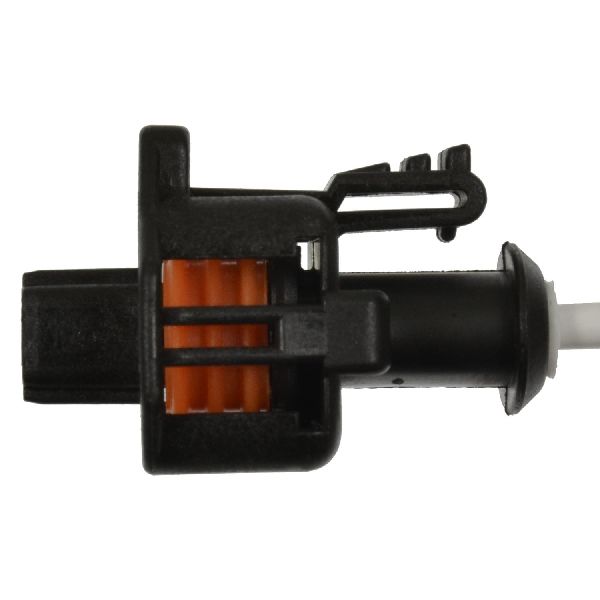
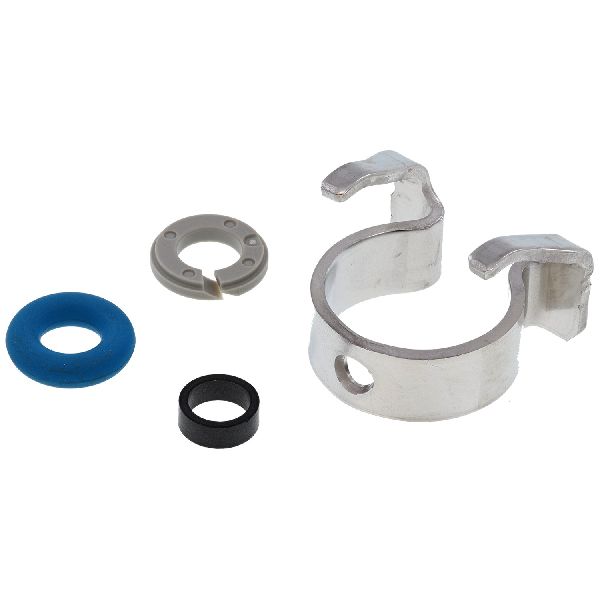
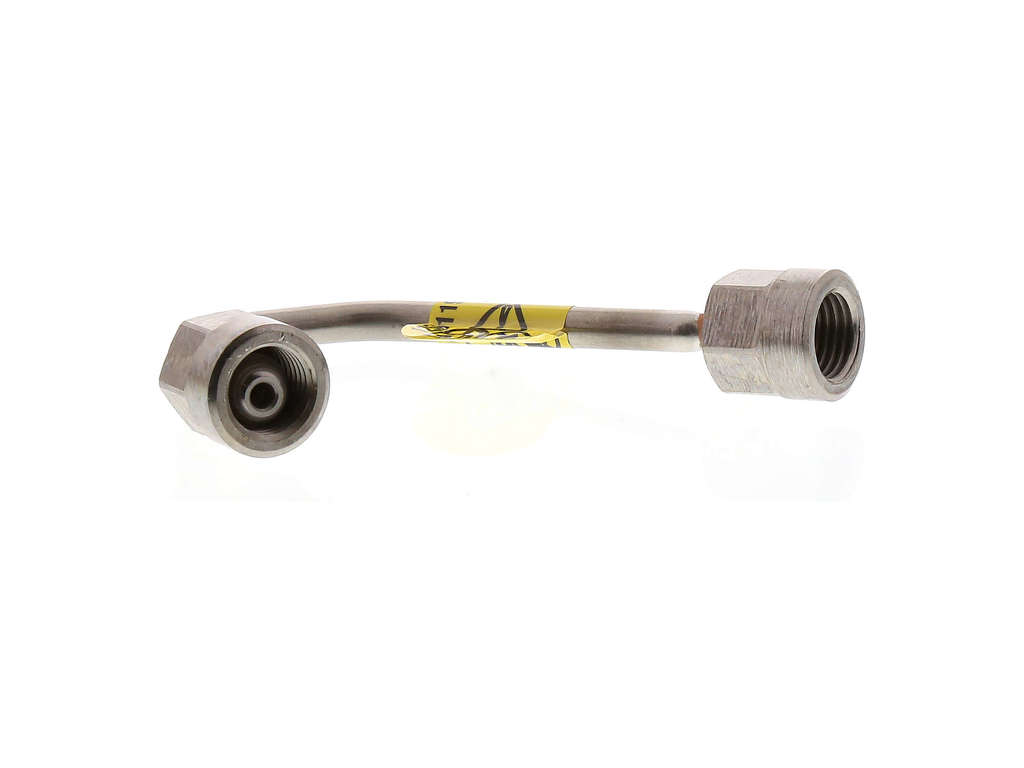
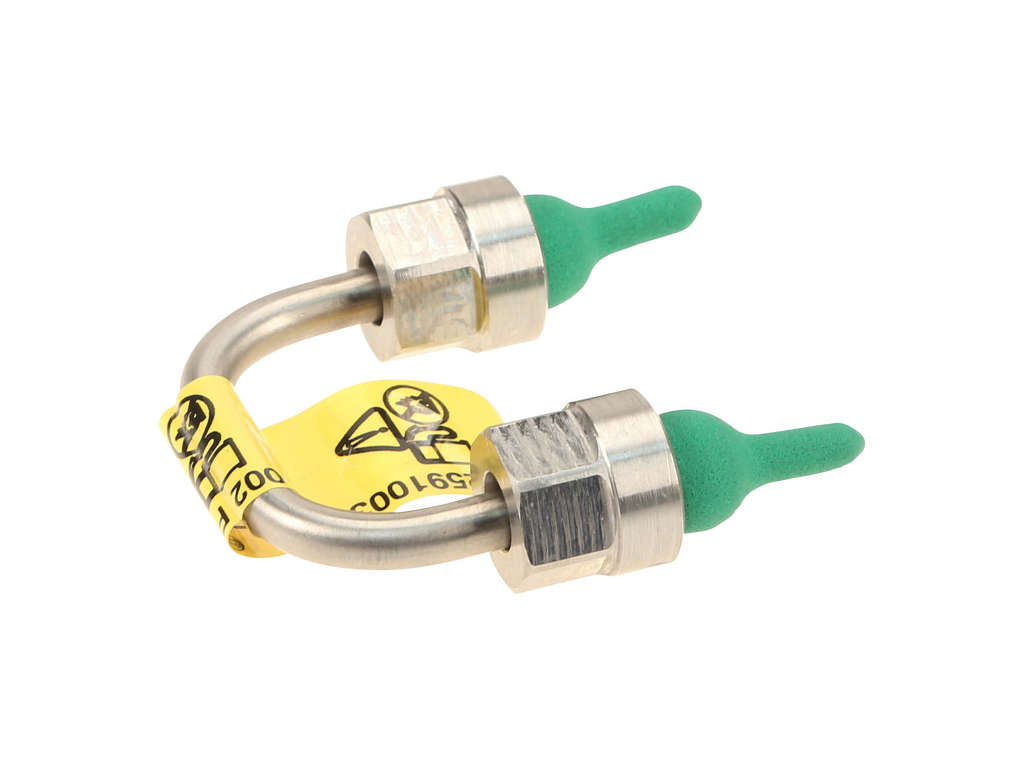
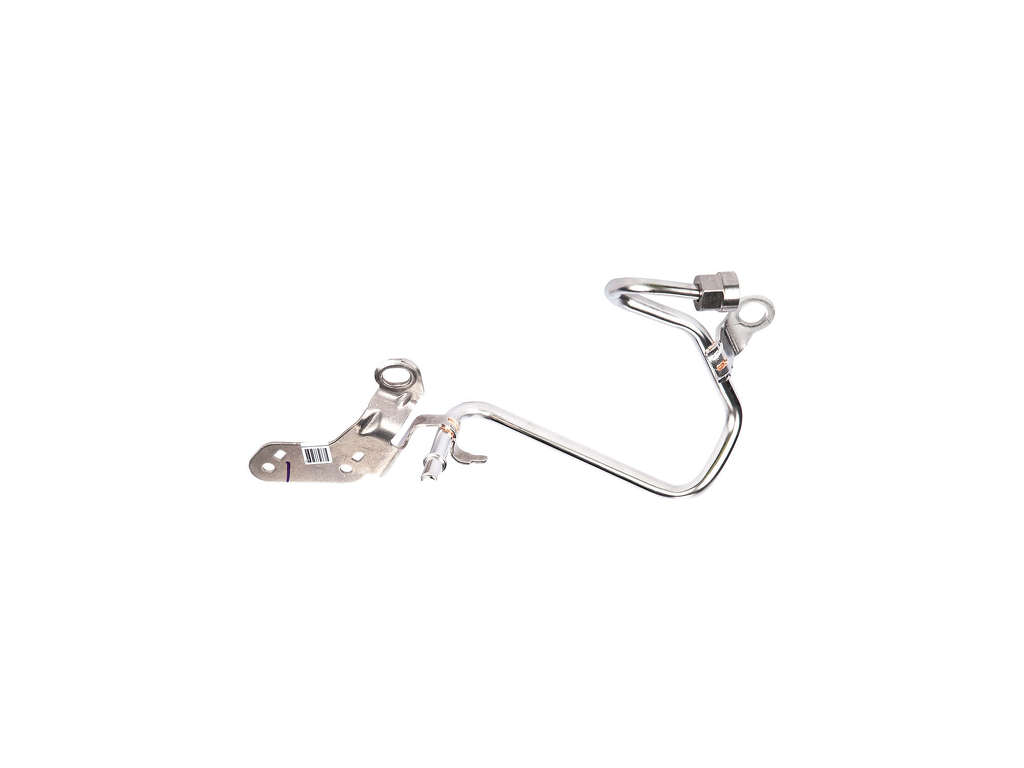
We Have This Part in Stock


The information in this article is provided for general reference and educational purposes only. Vehicle specifications, procedures, and part compatibility can vary by production date, trim level, and region. Always consult your vehicle's factory service manual and verify part numbers before purchasing or performing repairs. Safety-critical components such as airbags, seat belts, and braking systems should be installed by a qualified professional.
- Chevrolet TRAVERSE:
- 🧭 Diagnostic Flowchart
- 🎬 Helpful Videos
- 🛍️ Shop This Part
- What's Unique About the 2009-2014 Chevrolet TRAVERSE
- Symptoms You May Notice
- Most Likely Causes
- Diagnosis Steps
- Parts You'll Likely Need
- Related Codes That Often Appear With This One
- Technical Service Bulletins (TSBs) & Recalls
- Platform-Specific Known Issues
- Mechanic-Grade Diagnostic Values
- Scan Tool Commands That Help
- Wiring & Ground Locations
- Real Owner Repair Stories
- OEM Part Supersession History
- Model Year Variations Within This Range
- 🎟️ Get 5% Off