

OBD-II Code P0266: Cylinder 2 Contribution/Balance
What P0266 means, why it triggers, and how to fix it
- Code P0266 indicates cylinder #2 is underperforming, causing a noticeable rough idle and a 5-15% drop in fuel economy.
- On gasoline engines, swap the cylinder #2 spark plug and ignition coil with cylinder #1 before buying any parts to instantly rule out ignition failures.
- On diesel engines like the Ford 6.0L Powerstroke, a sticking or clogged cylinder #2 fuel injector is the primary culprit, often requiring a $500-$800 replacement.
- Inspect the cylinder #2 fuel injector wiring harness for fretting corrosion or rodent damage, as a $45 pigtail replacement frequently resolves the code without needing a new injector.
- Limit driving to less than 10 miles with an active P0266 code to prevent unburnt fuel from destroying your catalytic converter, which adds up to $2,500 in secondary repair costs.
What Does P0266 Mean?
The trouble code P0266 means your car's Powertrain Control Module (PCM) detected that cylinder #2 is not producing as much power as the other cylinders. The PCM constantly monitors the crankshaft's rotational speed via the crankshaft position sensor and expects uniform acceleration every time a cylinder fires. When cylinder #2 provides less 'push' than expected, it creates a power imbalance, triggering this code.
Technical definition: The official SAE/OBD-II definition is "Cylinder 2 Contribution/Balance Fault." This indicates the PCM determined the rotational speed of the crankshaft for cylinder 2 was less than a calibrated amount during its power stroke compared to the other cylinders.
Can I Drive With P0266?
Yes, But With Caution. You can drive short distances, but it is not recommended. An imbalanced engine stresses the crankshaft and causes excessive vibration. Continuing to drive allows unburnt fuel to enter the exhaust, overheating and destroying the catalytic converter—a repair costing $800-$2,500. In diesel engines, it leads to 'cylinder washdown,' where excess fuel strips oil from the cylinder walls, causing severe engine damage. Address the issue immediately to avoid catastrophic failure.
Common Causes
- Faulty or Clogged Fuel Injector (Cylinder 2) (Very Common) — The most frequent cause, especially in diesel engines. The injector suffers from electrical failure (bad solenoid), mechanical binding, or carbon clogging, preventing correct fuel delivery. In diesels, internal wear or oil 'stiction' is the primary culprit.
- Faulty Spark Plug (Cylinder 2, Gasoline Engines) (Very Common) — A worn, fouled, or damaged spark plug fails to create a strong enough spark for complete combustion, slashing power output from cylinder 2.
- Failed Ignition Coil (Cylinder 2, Gasoline Engines) (Common) — Common in modern coil-on-plug engines, a failing ignition coil delivers a weak or nonexistent spark, resulting in incomplete combustion.
- Wiring or Connector Issues (Common) — The wiring harness or electrical connector for the cylinder 2 fuel injector corrodes, loosens, or suffers heat damage. GM Duramax engines frequently experience 'fretting corrosion' on the connector pins.
- Fuel Injection Control Module (FICM) Failure (Ford Powerstroke) (Less Common) — On Ford Powerstroke diesel engines (especially the 6.0L), a failing FICM that fails to supply the required 48 volts to the injectors 🎬 Watch: This video shows the easiest way to replace these injectors. is a well-known cause for this and other injector codes.
- Low Cylinder Compression (Less Common) — Internal engine problems like worn piston rings, a burnt exhaust valve, a leaking head gasket, or a worn camshaft lobe on cylinder 2 prevent it from building enough compression to produce power. This requires major mechanical repair.
- Vacuum Leak near Cylinder 2 (Uncommon) — A leak in the intake manifold gasket or a vacuum hose connected to the cylinder 2 runner allows unmetered air into the cylinder. This leans out the air/fuel mixture, causing incomplete combustion.
- Low Fuel Pressure (Uncommon) — A weak fuel pump or a clogged fuel filter reduces overall fuel pressure. While this affects all cylinders, a cylinder with a borderline-performing injector is the first to trigger a contribution fault code.
- Faulty Powertrain Control Module (PCM) (Rare) — A failed injector driver circuit within the PCM prevents it from properly firing the cylinder 2 injector, even if the injector and wiring are perfect. Consider this only after exhausting all other possibilities.
Symptoms
- Rough Idle — A noticeable shaking, vibration, or stumbling when the vehicle is stopped or at low RPMs because the engine is unbalanced.
- Loss of Power and Acceleration — The vehicle feels sluggish, hesitates, or bogs down when pressing the gas pedal because one cylinder isn't contributing power.
- Decreased Fuel Economy — The engine runs inefficiently as the other cylinders work harder to compensate for the weak one, burning 5-15% more fuel than normal.
- Hard Starting, Especially When Cold — In diesel engines with 'stiction' issues, the engine is difficult to start in cold weather until the oil warms up and thins out.
- Excessive Smoke from Exhaust — A faulty injector in a diesel engine causes unburnt fuel to exit the exhaust as thick white or black smoke.
- Check Engine Light On (also visible on scanner) — The PCM illuminates the Malfunction Indicator Lamp (MIL). The light flashes under heavy load if the misfire is severe enough to risk damaging the catalytic converter.
Diagnostic Flowchart
Tap your situation to follow the diagnostic path that matches what you're seeing on this code.
Common Fixes & Costs
- Replace Cylinder 2 Spark Plug — Parts: $5-$25, Labor: $50-$100, ~0.8 hr book time (DIY)
- Replace Cylinder 2 Ignition Coil
— Parts: $30-$100, Labor: $50-$100, ~0.6 hr book time
(DIY)
Ford F-150 (common gasoline example): OEM - Repair or Replace Injector Wiring/Connector — Parts: $15-$50, Labor: $100-$250, ~1.5 hr book time (Intermediate)
- Replace Cylinder 2 Fuel Injector
— Parts: $50-$400 (Gasoline) | $300-$800 (Diesel), Labor: $100-$400 (Gasoline) | $300-$500 (Diesel), ~2.5 hr book time
(Advanced)
Ford F-Series 6.0L Powerstroke: OEM
Chevy/GMC Silverado/Sierra (LB7 Duramax 2001-2004): OEM
Dodge/Ram (5.9L Cummins 2004.5-2007): OEM - Replace Fuel Injection Control Module (FICM)
— Parts: $300-$1000, Labor: $150-$300, ~1.5 hr book time
(Professional)
Ford F-Series 6.0L Powerstroke: OEM - Professional Fuel System Cleaning — Parts: $50-$100, Labor: $150-$300, ~1.2 hr book time (Professional)
- Engine Mechanical Repair (e.g., Head Gasket) — Parts: $500-$1500, Labor: $1000-$2500, ~15 hr book time (Professional)
Used vs. New Parts: Buying Guide
When a used part is worth it: For a common port-injected gasoline engine on a high-mileage vehicle, a tested, low-mileage used injector from a reputable salvage yard is a cost-effective choice. It makes zero sense for high-pressure diesel or GDI injectors where wear is a major failure factor.
Donor-vehicle mileage cap: roughly under 80000 miles for the part to have meaningful remaining life.
Donor quality checklist:
- Verify the part came from a running vehicle, not one scrapped for engine failure.
- Match part numbers exactly.
- For diesel injectors, ask if they have been tested for flow and return rates.
Decision logic:
- If The part is a high-pressure diesel or GDI injector → Buy new or professionally remanufactured parts from a reputable supplier. Used parts carry a high risk of premature failure.
- If The part is a standard port fuel injector and the vehicle has over 150K miles → A tested used part is an acceptable budget repair, but replacing all injectors as a set with new/reman parts is better for balanced performance.
- If The cost of a new injector is less than $100 → Buy new. The small savings on a used part isn't worth the risk and lack of warranty.
Warranty tradeoff: Used injectors typically have a 30-90 day warranty at best, which only covers the part, not the labor to replace it. New aftermarket and remanufactured injectors usually offer a 1-year to limited lifetime warranty.
Worst-case if a used part fails: 400-1000 if a used injector fails. This includes the cost of repeat labor and a second replacement part.
What Happens If You Wait — Timeline
- 0-1 month: Check Engine Light on. A subtle rough idle is noticeable, especially on cold starts. No major performance loss is perceived by most drivers. (MPG impact: 0-5%% · Added cost: $0-50 in wasted fuel)
- 1-3 months: Rough idle becomes consistent. Noticeable hesitation during acceleration and a clear loss of power. Fuel economy drop is obvious. (MPG impact: 5-10%% · Added cost: $50-200 in wasted fuel)
- 3-6 months: Engine runs rough continuously. Unburnt fuel overheats and damages the catalytic converter (gasoline) or clogs the Diesel Particulate Filter (DPF). The Check Engine Light flashes during heavy acceleration, signaling catalyst-damaging misfires. (MPG impact: 10-15%% · Added cost: $800 - $2,800 (Catalytic converter or DPF cleaning/replacement))
- 6+ months: Catastrophic secondary damage occurs. In diesel engines, a leaking injector causes 'cylinder washdown,' stripping oil from the cylinder wall, destroying the piston/rings, and requiring an engine rebuild. In gasoline engines, severe imbalance damages crankshaft bearings. (MPG impact: 15-25%% · Added cost: $5,000 - $15,000+ (Engine repair or complete replacement))
Cost of Not Fixing It
- 0-1 month: Noticeable drop in fuel economy (5-15%), rough idle, and poor acceleration. Increased stress on engine mounts from vibration. (Added cost: 50-150 in wasted fuel)
- 1-6 months: Risk of catalytic converter damage from unburnt fuel overheating it. Potential for fouling oxygen sensors, leading to additional codes and repairs. (Added cost: 1200-2800 for catalytic converter replacement)
- 6+ months: In diesel engines, a leaking injector causes 'cylinder washdown,' stripping oil from the cylinder wall and leading to scoring, loss of compression, and eventual catastrophic engine failure. In gasoline engines, severe imbalance stresses the crankshaft and bearings. (Added cost: 5000-15000 for major engine repair or replacement)
Diagnosis Steps
- Check for Other Codes
Use an OBD-II scanner to read all stored trouble codes. P0266 is often accompanied by codes like P0302 (Cylinder 2 Misfire) or P0202 (Injector Circuit Malfunction), which immediately narrow down the diagnosis.
Tools: OBD-II Scanner (Beginner) - Swap Ignition Components (Gasoline Engines)
Move the spark plug from cylinder 2 to cylinder 1, and the ignition coil from cylinder 2 to cylinder 3. Clear codes and drive. If the code changes to P0265 (Cylinder 1), the spark plug is bad. If it changes to P0267 (Cylinder 3), the coil is bad. If P0266 returns, the issue is fuel or compression.
Tools: Socket/ratchet set, spark plug socket (Beginner) - Inspect Wiring and Connector
Visually and physically inspect the wiring harness and electrical connector going to the fuel injector on cylinder 2. Look for corrosion, loose pins, chafing, or rodent damage. Wiggle the connector with the engine running to see if it affects the idle.
Tools: Flashlight, Mechanic's Mirror (Beginner) - Analyze Live Data & Balance Rates (Diesel)
Using a professional scan tool, monitor 'Cylinder Balance Rates' live data. For GM Duramax engines, cylinder 2 should be within +/- 4.0 mm³/sec at hot idle in Park. A high positive number (+4.0) means the PCM is adding fuel to compensate for low compression or a clog. A high negative number (-4.0) means the PCM is removing fuel to compensate for a leaking injector.
Tools: Advanced OBD-II Scanner (e.g., Tech2, Edge CTS) (Intermediate) - Perform an Injector 'Buzz' Test or Use a Stethoscope
With the engine running, use a mechanic's stethoscope to listen to the cylinder 2 injector. It must make a consistent, sharp clicking sound. If it is silent or sounds muffled, it is faulty. Advanced scan tools can perform an 'injector buzz test' to electronically verify this.
Tools: Mechanic's Stethoscope or Advanced OBD-II Scanner (Intermediate) - Check Injector Resistance with a Multimeter
Disconnect the injector. Set a multimeter to Ohms (Ω). For most port-injected gasoline engines, a healthy high-impedance injector reads between 10-18 Ohms. All injectors must be within 0.5 Ohms of each other. A reading of 'OL' means an open circuit; near zero means a short. Both require replacement.
Tools: Digital Multimeter (Advanced) - Test FICM Voltage (Ford 6.0L Powerstroke)
Use a scan tool or multimeter to test the Fuel Injection Control Module (FICM) voltage. With the key on, during cranking, and while running, the voltage must remain at a steady 48 volts. If voltage drops below 45V, the FICM is failing and causing the code.
Tools: Advanced OBD-II Scanner or Digital Multimeter (Advanced) - Perform a Cylinder Compression Test
If fuel and ignition are good, the issue is mechanical. A compression test measures the pressure in cylinder 2. For gasoline engines, expect 125-175 PSI; for diesel, 275-400 PSI. A reading more than 25% lower than the other cylinders indicates bad rings, valves, or a head gasket leak.
Tools: Compression tester kit (Advanced) - Perform an Injector Return Flow Test (Cummins)
For 6.7L Cummins, measure the combined return flow from all injectors. During a running test at 1,200 RPM, flow must not exceed 210 mL in 30 seconds. If flow is excessive, cap off injectors one by one to isolate the leaking injector.
Tools: Injector Return Flow Test Kit (Advanced) - Swap the Fuel Injector
To definitively confirm a bad injector, swap the injector from cylinder 2 with cylinder 4. Clear codes and drive. If the fault moves to P0268 (cylinder 4), the injector is confirmed bad.
Tools: Socket/ratchet set, fuel line disconnect tools (Advanced) - Analyze Injector Waveform with an Oscilloscope
Connect a lab scope to the injector's command wire. The waveform must show a sharp voltage drop when the PCM grounds the circuit, followed by a distinct inductive kick when it opens. A missing or malformed pattern points to a wiring, driver, or injector coil issue.
Tools: Automotive Oscilloscope (Professional)
When This Code Triggers (Freeze-Frame Conditions)
- Engine Coolant Temp: 180-200°F (82-93°C) (The code is most reliably detected when the engine is fully warmed up.)
- RPM: 600-800 RPM (The imbalance is most pronounced and easiest for the PCM to detect at idle.)
- Engine Load: 20-40% (The fault is captured under light to moderate load, such as steady-state cruising or light acceleration.)
- Vehicle Speed: 0 mph (Idle) or 45-65 mph (Cruise) (The PCM primarily runs the contribution test at idle and during steady highway driving.)
Related Codes
- P0302 — P0302 means 'Cylinder 2 Misfire Detected.' P0266 indicates the cylinder is weak, while P0302 means it failed to fire completely. A persistent P0302 almost always sets a P0266. If you have both, the cause is severe (e.g., no spark, no fuel).
- P0202 — P0202 means 'Injector Circuit/Open - Cylinder 2.' This is a purely electrical code. If you have P0202 with P0266, the problem is in the injector's wiring, connector, or internal coil, not a mechanical clog.
- P0171 / P0174 — These codes mean 'System Too Lean'. If the cylinder 2 injector is clogged and under-fueling, the oxygen sensors detect excess unburnt air. The PCM then sets a lean code for the entire engine bank.
- P0263, P0269, P0272, etc. — These are contribution/balance fault codes for other cylinders. Multiple contribution codes simultaneously indicate a systemic issue like contaminated fuel, a failing fuel pump, a major vacuum leak, or a PCM software issue.
Climate & Environmental Factors
- Cold Weather: Cold temperatures are a major trigger for P0266 in HEUI diesel engines like the Ford 6.0L Powerstroke. Cold, thick engine oil causes 'stiction' (static friction) inside the injector's spool valve, making it stick. This leads to a rough idle and misfires that disappear once the engine warms up and the oil thins out.
How to Talk to a Mechanic About This Code
Say this: "I have a P0266 code for cylinder 2 on my [Make, Model, Year]. I'd like to schedule a diagnostic appointment. Before replacing the injector, please confirm if you will test the injector's wiring and connector, and for gasoline engines, swap the coil and plug first. For diesels, I'd like to know the cylinder balance rates."
This signals you have done your research and understand the common points of failure. It directs the technician toward a logical diagnostic process, preventing them from jumping to the most expensive repair (injector replacement) without proper verification, saving you money on misdiagnosis.
Avoid saying:
- 'My check engine light is on, can you just fix it?'
- 'The car is running rough, do whatever you think is best.'
- 'I'm pretty sure it just needs a new fuel injector.'
Questions to ask before authorizing the repair:
- What were the results of the wiring and connector inspection for the cylinder 2 injector?
- (For Gasoline) Did swapping the spark plug and ignition coil cause the fault to move to another cylinder?
- (For Diesel) What were the specific cylinder balance rate readings for all cylinders, not just cylinder 2?
- (For Diesel) Have you ruled out low compression by performing a compression test?
- (For Ford 6.0L Powerstroke) Did you verify the FICM voltage is holding steady at 48 volts during cranking and running?
- Can you provide a detailed breakdown of the parts and labor costs for the recommended repair?
- What is the warranty on the parts and the labor for this repair?
Where to Take It: Dealer vs Independent vs Chain
- Dealer:
Best for: Vehicles still under powertrain or emissions warranty., Complex, manufacturer-specific issues like programming a new injector on a BMW or applying a TSB software update on a VW TDI., When an independent specialist is not available.
Downsides: Typically the highest labor rates and part costs., May be less willing to perform component-level diagnostics (e.g., wiring repair) and favor replacing entire assemblies. (Typical cost: +30% vs. baseline) - Independent Shop:
Best overall value for gasoline engines. For diesel trucks (Powerstroke, Duramax, Cummins), it is crucial to find an independent shop that *specializes* in diesel repair, as they possess the specific diagnostic tools required for these engines.
Best for: Out-of-warranty gasoline vehicles with a P0266 code., Shops with strong reputations and ASE certifications.
Downsides: Quality and diagnostic capabilities vary widely. A general auto shop lacks the specialized tools or experience for complex diesel injector issues. (Typical cost: +0% vs. baseline) - Chain Shop:
AVOID for diagnosis. Their 'free' scan is just a code read, not a diagnosis. Only use for a simple part replacement if you are 100% certain of the cause.
Best for: Simple, clear-cut repairs like replacing an easily accessible ignition coil or spark plug *after* a proper diagnosis has already been made.
Downsides: Generally not recommended for diagnosing a P0266 code. Technicians lack the in-depth training for complex diagnostics and are pressured to sell parts based on the code alone, leading to misdiagnosis. (Typical cost: -10% vs. baseline)
When to Walk Away From the Repair
If the total estimated repair cost for the P0266 fault exceeds 50% of your vehicle's current private-party market value, it is time to seriously consider not fixing it.
- Car worth $4500, fix is $750: Fix it. This repair is well below the threshold and restores driveability and value.
- Car worth $8000, fix is $4500: Borderline. The repair cost is over 50% of the vehicle's value. Get a second opinion to confirm a major mechanical issue (like low compression) before proceeding. Consider selling 'as-is' to a mechanic or for a reduced price.
- Car worth $3000, fix is $6000: Walk away. The vehicle requires an engine replacement that costs double its value. Do not authorize this repair.
What Scan Tool You Need for This Code
Minimum: A scanner that reads and clears codes, and critically, displays live data streams (PIDs) like engine RPM, coolant temp, and fuel trims.
A $20 code reader only shows 'P0266'. It cannot show the live data needed to diagnose *why* the code is set. For diesel engines, the ability to read manufacturer-specific PIDs like 'Cylinder Balance Rate' is essential, which basic readers cannot do.
Budget: BlueDriver Pro or Ancel BD310 (~$100) — Connects to your smartphone via Bluetooth. Allows you to read/clear codes, view freeze frame data, and graph live data streams. Crucially, it accesses some manufacturer-specific data like misfire counts or balance rates, a huge step up from a basic code reader.
Mid-range: Foxwell NT510 Elite (~$180) — A powerful handheld unit. Offers full system diagnostics and bidirectional controls (active tests). This allows you to command the PCM to perform an 'injector buzz test' or a cylinder cutout test, which are definitive ways to test injector electrical function without disassembly.
Professional: Autel MaxiCOM MK808 / XTOOL D8S (~$500-800) — Provides full professional-level diagnostics. Includes advanced bidirectional controls for all systems, injector coding capabilities (for BMW, Cummins, etc.), and displays OEM-specific data with fast graphing. These tools are for the serious DIYer or small shop.
Rent vs buy: AutoZone and other parts stores offer a 'Loan-A-Tool' program. You can borrow a basic OBD-II scanner for free (with a refundable deposit). This is good for simply reading the code, but if you plan to diagnose the issue yourself, buying a budget-tier scanner with live data capability is a worthwhile investment.
How to Clear the Code After You Fix It
- Use an OBD-II scan tool to clear the code
- Perform a complete drive cycle to allow readiness monitors to run
- Rescan to confirm the code has not returned
Drive cycle (~30 minutes): A generic drive cycle involves a cold start (after sitting 8+ hours), 2-3 minutes of idling, 10-15 minutes of mixed city/highway driving including steady speeds around 55 mph, and a cool-down period. This allows the PCM to run its self-tests.
Readiness monitors affected: Catalyst Monitor, Misfire Monitor, Oxygen (O2) Sensor Monitor, Fuel System Monitor
Before emissions retest: drive at least 100 miles to fully set monitors.
Watch out for:
- Clearing the code or disconnecting the battery without performing a drive cycle leaves readiness monitors 'Not Ready', causing an automatic emissions test failure.
- The code returns quickly if the underlying mechanical or electrical fault is not properly repaired.
Will This Fail Emissions / State Inspection?
Yes — this code typically fails an OBD-II emissions inspection.
- California: An illuminated Check Engine Light is an automatic failure for a smog check. After repairs, a full drive cycle must be completed to set all readiness monitors before a retest is possible.
- New York: The NYS DMV vehicle inspection includes an OBD-II scan. A P0266 code results in an automatic failure, and the vehicle cannot be registered until it is repaired and passes.
- Texas: In the 17 counties requiring emissions testing, an active P0266 code causes the vehicle to fail the OBD portion of the inspection.
Most Commonly Affected Vehicles
- Ford F-Series Super Duty with Powerstroke (2003-2016) — Extremely common on the 6.0L Powerstroke engine due to 'stiction' in the HEUI injectors and FICM voltage issues (must be 48V). The cylinder 2 injector is on the passenger side, second from the front.
- Chevrolet / GMC Silverado / Sierra with Duramax (2001-2019) — LB7 and LLY/LBZ engines (2001-2007) are known for injector failures. On L5P engines (2017+), the injector wiring connector is a major weak point; TSB #23-NA-027 advises checking the connector for corrosion before replacing the injector.
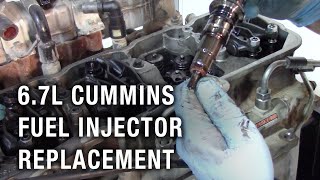
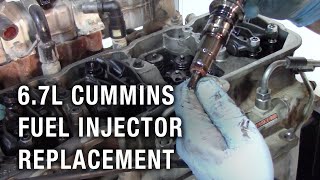
- Dodge / Ram 2500 / 3500 with Cummins (2003-2018) — Common on 5.9L and 6.7L Cummins engines, indicating a worn injector with high fuel return rates. When replacing the injector, you must replace the high-pressure connector tube (e.g., Mopar P/N: 68460261AA) and torque it correctly to prevent leaks.
- Volkswagen / Audi Jetta, Golf, A3, A4 with TDI (2009-2014) — The 2.0L TDI diesel engines develop this code due to injector wear or carbon buildup. Always check for software updates like TSB 01-14-14 or recall TSB 23O6 before replacing hardware, as they resolve false contribution faults.
- BMW 335i, 535i (with N54 engine) (2007-2010) — The N54 twin-turbo engine uses precise, high-pressure piezoelectric direct injectors that frequently fail, causing rough idle and contribution faults. Replacement requires coding the new injector to the DME.
- Chevrolet Silverado 1500 (2016-2019) — Often caused by a failing fuel injector. GM specifies using flow-matched injectors for replacement (TSB #20-NA-098). In some cases, it links to engine lubrication issues (TSB #PIP-5400).
- Honda Civic, Accord, Odyssey (2006-2015) — Appears due to a clogged fuel injector or a failing ignition coil. On V6 models, cylinder 2 is typically on the front bank, middle cylinder.
- Toyota Hilux / Tacoma (Diesel) (2005-2015) — On D-4D diesel models, this code points to a failing or clogged fuel injector, a common issue in high-mileage common rail diesel engines. Replacement requires inputting a compensation code into the ECU.
Manufacturer-Specific Notes
- Ford: On 6.0L Powerstroke engines, a failing Fuel Injection Control Module (FICM) is a primary cause. Before replacing injectors, verify the FICM outputs a steady 48 volts during cranking and running. Anything less than 45V indicates a bad FICM or wiring issue.
- GM / Chevrolet: On L5P Duramax engines (2017+), the injector wiring pigtail is a known weak point for fretting corrosion. TSB #23-NA-027 provides a procedure to test and replace the high-pressure fuel injector electrical connectors before replacing the injector.
- Dodge / Ram: On 6.7L Cummins engines, when replacing a fuel injector, you must also replace the high-pressure connector tube that feeds fuel to it. A worn or improperly torqued tube causes a high-pressure leak, negating the repair.
- Volkswagen: For 2.0L TDI engines (2009-2014), factory software updates address issues causing contribution/balance faults. Always check with a dealer or use a professional scan tool to see if a software reflash (like TSB 01-14-14 or RVU 23O6) is available before replacing hardware.
Real Owner Stories
2006 Ford F-250 6.0L Powerstroke at 155K miles
Truck developed a rough idle and stumbled on cold mornings, throwing a P0266 code. Symptoms disappeared once the engine was fully warmed up.
What they tried:
- Initially ignored it, but the hard starting got worse over a month.
- Considered replacing the #2 injector ($400+ part).
- Read forums about 'stiction' in HEUI injectors.
Outcome: Performed an oil change with 5W-40 T6 synthetic oil and added a bottle of Hot Shot's Secret Stiction Eliminator. After 100 miles of driving, the cold start rattle vanished and the P0266 code did not return.
Lesson: For HEUI engines (like the 6.0L Powerstroke), if P0266 appears mainly when cold, try a quality oil change and a stiction additive before attempting an expensive injector replacement. It is a cheap and highly effective fix for oil deposit-related issues.
2015 Chevy Silverado 2500HD LML Duramax at 110K miles
Check engine light for P0266 came on, with a noticeable engine shake at idle. Balance rates on a scan tool showed cylinder #2 at +5.5 mm³/sec.
What they tried:
- Assuming a bad injector, the owner paid a shop $1,100 to replace the #2 fuel injector.
- The code returned two days later with the exact same symptoms.
Outcome: Returned to the shop, who then followed GM TSB #23-NA-027. They found fretting corrosion on the injector wiring connector pins. The shop replaced the connector pigtail ($45 part), which resolved the issue permanently. The owner was refunded for the unnecessary injector labor.
Lesson: A bad injector is not the only cause. Always inspect the wiring and connectors closely for corrosion or damage before replacing expensive components, especially on vehicles with known wiring issues like the LML and L5P Duramax.
2012 Ram 2500 6.7L Cummins at 180K miles
Truck felt down on power and had a constant rough idle. Scanned codes and found P0266.
What they tried:
- Used a scan tool to monitor injector return rates, but lacked the tools for a definitive test.
- To confirm the injector was bad, swapped the #2 injector with the #1 injector.
- Cleared codes and drove the truck. The code returned as P0263 (Cylinder 1 Contribution/Balance).
Outcome: Having confirmed the injector was the problem, the owner purchased a new Bosch injector and a new high-pressure connector tube. They installed both parts, torqued them to spec, and programmed the new injector's calibration code into the ECM. The truck ran smoothly and the code was resolved.
Lesson: Swapping a suspect part with a known good one is a definitive diagnostic technique. For Cummins engines, you must replace the high-pressure connector tube with the injector to prevent high-pressure fuel leaks.
2017 Honda CR-V (1.5L Turbo) at 75K miles
P0266 code appeared along with a P0302 misfire code. The car had a slightly rough idle and felt hesitant when accelerating from a stop.
What they tried:
- The owner suspected a clogged fuel injector and ran a bottle of injector cleaner through the system, with no change.
- They performed a 'swap test', moving the ignition coil from cylinder #2 to cylinder #3. Cleared the codes and drove.
- The code came back as P0267 and P0303 (Cylinder 3 Contribution/Balance and Misfire).
Outcome: The test proved the ignition coil was faulty. The owner purchased a new OEM ignition coil for $85 and replaced it in 10 minutes with a single 10mm socket. The problem was fixed.
Lesson: On gasoline engines, always test the simple and cheap ignition components first. Swapping coils and spark plugs is a fast, free, and definitive way to diagnose the cause before assuming a complex fuel system issue.
How to Prevent This Code From Triggering
- Use a quality diesel fuel additive at every fill-up. (Every fill-up) — Modern Ultra-Low Sulfur Diesel (ULSD) has poor lubricity. Additives add lubrication to protect injector internals from wear, while detergents prevent deposit buildup on injector nozzles, ensuring a proper spray pattern.
- For HEUI engines (Ford 6.0L/7.3L), use a 'stiction-eliminating' oil additive. (With every oil change) — These engines use high-pressure engine oil to fire the injectors. Burnt oil deposits cause the injector's internal spool valve to stick ('stiction'). Additives like Archoil AR9100 or Hot Shot's Secret Stiction Eliminator dissolve these deposits and prevent them from forming.
- Use high-quality, OEM-spec engine oil and change it on schedule. (Per manufacturer's schedule) — Clean oil is critical in HEUI diesel engines. Old or incorrect-viscosity oil breaks down under heat and pressure, accelerating wear and creating the sludge and varnish that cause stiction and injector failure.
- Replace fuel filters at or before the recommended interval. (Every 10,000-15,000 miles (for most diesels)) — Clean fuel is paramount for the longevity of high-pressure fuel injectors. A clogged filter allows contaminants to pass or restricts flow, straining the fuel pump and causing lean conditions that lead to contribution codes.
- Maintain battery and charging system health. (Annual testing) — Specifically on Ford 6.0L Powerstrokes, low battery voltage during startup puts immense strain on the FICM, causing it to fail. A failing FICM provides low voltage to the injectors, causing poor performance and eventual injector damage.
Frequently Asked Questions
What is the most common misdiagnosis for P0266?
The most common mistake is immediately replacing the fuel injector without testing its electrical circuit. A damaged wire or corroded connector perfectly mimics a failed injector, and replacing the part won't fix the issue. Swap components or perform electrical tests first to avoid wasting money.
Can I just use a fuel injector cleaner additive to fix P0266?
A high-quality fuel additive helps if the problem is minor carbon buildup or 'stiction' in a diesel injector. However, it cannot fix a mechanically failed injector, an electrical issue, or a severe clog. It serves as a cheap first step but rarely provides a permanent solution.
What is 'stiction' and does it cause P0266?
Stiction (static friction) is a common issue in HEUI diesel injectors, especially the Ford 6.0L Powerstroke. Burnt oil deposits build up inside the injector's spool valve, causing it to stick when cold. This prevents the injector from firing correctly, triggering a P0266 contribution fault.
What is the difference between P0266 and P0302?
P0302 means cylinder 2 failed to fire completely (a hard misfire). P0266 means the cylinder is firing, but not producing enough power to keep the engine balanced. A consistent P0302 always causes a P0266, but a weak cylinder triggers P0266 without a complete misfire.
How much does it cost to diagnose a P0266 code?
Most repair shops charge a diagnostic fee ranging from $125 to $200. This fee covers the initial OBD-II scan and approximately one hour of labor for troubleshooting. This hour allows the technician to pinpoint the root cause before recommending expensive parts.
Can a bad tune or programmer cause P0266?
Yes, an improper aftermarket engine tune causes contribution/balance codes. If you recently installed a tuner, the new software likely lacks correct calibration for your injectors or engine setup. Return the vehicle to the stock tune to see if the code disappears.
Where is cylinder 2 located?
Location varies by engine configuration. On an inline-4 or inline-6, it is the second cylinder from the front timing belt side. On most Ford and GM V-engines, it is the second cylinder on the passenger side bank, while on others it is the first cylinder on the driver's side.
Key Takeaways
- Code P0266 indicates cylinder #2 is underperforming, causing a noticeable rough idle and a 5-15% drop in fuel economy.
- On gasoline engines, swap the cylinder #2 spark plug and ignition coil with cylinder #1 before buying any parts to instantly rule out ignition failures.
- On diesel engines like the Ford 6.0L Powerstroke, a sticking or clogged cylinder #2 fuel injector is the primary culprit, often requiring a $500-$800 replacement.
- Inspect the cylinder #2 fuel injector wiring harness for fretting corrosion or rodent damage, as a $45 pigtail replacement frequently resolves the code without needing a new injector.
- Limit driving to less than 10 miles with an active P0266 code to prevent unburnt fuel from destroying your catalytic converter, which adds up to $2,500 in secondary repair costs.
Helpful Videos
Shop the Parts Behind P0266
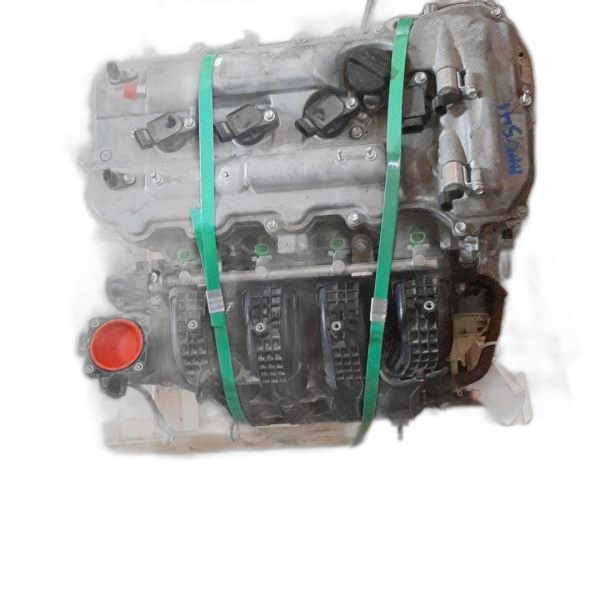
Below are the parts most often responsible for code P0266, ranked by how frequently each one is the actual culprit (per the diagnosis above). Tap any to see what we have for your vehicle.





The information in this article is provided for general reference and educational purposes only. Vehicle specifications, procedures, and part compatibility can vary by production date, trim level, and region. Always consult your vehicle's factory service manual and verify part numbers before purchasing or performing repairs. Safety-critical components such as airbags, seat belts, and braking systems should be installed by a qualified professional.
- 🧭 Diagnostic Flowchart
- 🎬 Helpful Videos
- 🛍️ Shop This Part
- What Does P0266 Mean?
- Can I Drive With P0266?
- Common Causes
- Symptoms
- Common Fixes & Costs
- Used vs. New Parts: Buying Guide
- What Happens If You Wait — Timeline
- Cost of Not Fixing It
- Diagnosis Steps
- When This Code Triggers (Freeze-Frame Conditions)
- Related Codes
- Climate & Environmental Factors
- How to Talk to a Mechanic About This Code
- Where to Take It: Dealer vs Independent vs Chain
- When to Walk Away From the Repair
- What Scan Tool You Need for This Code
- How to Clear the Code After You Fix It
- Will This Fail Emissions / State Inspection?
- Most Commonly Affected Vehicles
- Manufacturer-Specific Notes
- Real Owner Stories
- 2006 Ford F-250 6.0L Powerstroke at 155K miles
- 2015 Chevy Silverado 2500HD LML Duramax at 110K miles
- 2012 Ram 2500 6.7L Cummins at 180K miles
- 2017 Honda CR-V (1.5L Turbo) at 75K miles
- How to Prevent This Code From Triggering
- Frequently Asked Questions
- What is the most common misdiagnosis for P0266?
- Can I just use a fuel injector cleaner additive to fix P0266?
- What is 'stiction' and does it cause P0266?
- What is the difference between P0266 and P0302?
- How much does it cost to diagnose a P0266 code?
- Can a bad tune or programmer cause P0266?
- Where is cylinder 2 located?
- Key Takeaways
- 🎟️ Get 5% Off