

OBD-II Code P0268: Cylinder 3 Injector Circuit High
What P0268 means, why it triggers, and how to fix it for good
- Code P0268 indicates a high-voltage short in the cylinder 3 fuel injector circuit, immediately triggering a P0303 misfire code.
- Damaged wiring harnesses and internally shorted fuel injectors cause 80% of P0268 codes, making PCM replacement a rare last resort.
- Limit driving to under 50 miles to prevent unburnt fuel from melting the catalytic converter, which adds $1,200 to $2,800 to your repair bill.
- Swap the cylinder 3 injector with cylinder 1; if the code moves to P0262, replace the injector, but if P0268 remains, repair the wiring harness.
- Never replace spark plugs or ignition coils to fix P0268, as this code strictly isolates a fuel injector electrical failure.
What Does P0268 Mean?
P0268 means your car's Powertrain Control Module (PCM) detects excessive voltage on the cylinder 3 fuel injector control circuit. The PCM controls injectors by pulsing a ground connection; if voltage remains high, it indicates a short to a power source. To protect its internal circuits, the PCM immediately shuts down the injector, causing a dead misfire.
Technical definition: The SAE/OBD-II definition is "Cylinder 3 Injector 'A' Circuit High". This indicates the Powertrain Control Module (PCM) detects excessive voltage or a short to power in the electrical control circuit for the cylinder 3 fuel injector. The 'A' denotes the primary injector in a multi-injector cylinder.
Can I Drive With P0268?
Yes, But With Caution. Driving is possible but strictly limited to under 50 miles. The engine runs rough, lacks power, and often stalls. Continuing to drive with a persistent misfire dumps unburnt fuel into the exhaust, which rapidly overheats and destroys the catalytic converter. This turns a moderate repair into a severe one, adding $1,200 to $2,800 to the final bill.
Common Causes
- Damaged Wiring Harness or Connector (Very Common) — Wiring connecting the fuel injector to the PCM is highly susceptible to heat, vibration, and abrasion. Wires chafe against engine brackets or melt on hot components, causing a short to a power source. Corroded or water-damaged injector connectors also bridge pins, creating the exact same high-voltage fault.
- Failed Fuel Injector (Common) — The fuel injector fails internally when its solenoid coil breaks down or shorts out. This creates a high-current condition that the PCM detects as a circuit high fault, especially common on high-mileage vehicles or direct injection systems.
- Faulty Powertrain Control Module (PCM) or FICM (Less Common) — The internal transistor (driver) in the PCM (or FICM in diesel engines) that controls the injector shorts out. A shorted injector often damages this driver, requiring both to be replaced. Consider this only after definitively ruling out wiring and the injector.
- Overcharging Alternator (Uncommon) — A faulty alternator produces excessive voltage (over 15 volts) across the entire electrical system. The PCM misinterprets this system-wide high voltage as a specific fault on an injector circuit.
- PCM Power, Ground, or Software Issues (Rare) — A loose or corroded ground connection for the engine computer creates an unstable voltage reference, causing erroneous high-voltage readings. Rarely, outdated PCM firmware contains incorrect voltage thresholds requiring a manufacturer re-flash.
Symptoms
- Rough Idle and Engine Misfire — The engine runs unevenly and shakes, especially when stopped. You will feel a distinct bucking, jerking, or stumbling as cylinder 3 fails to fire.
- Loss of Power and Poor Acceleration — Your vehicle feels sluggish and lacks power because it operates on one less cylinder.
- Engine Stalling — Unstable engine operation causes the vehicle to stall, particularly at idle or when coming to a stop.
- Increased Fuel Consumption — With one cylinder dead, the engine's overall efficiency plummets, leading to significantly worse gas mileage.
- Strong Fuel Smell — If the electrical fault causes the injector to stick open rather than shut down, a strong smell of raw fuel is noticeable near the engine or exhaust.
- Check Engine Light is On (also visible on scanner) — The Malfunction Indicator Lamp illuminates on your dashboard. The light is solid, or flashes rapidly if the misfire is severe enough to damage the catalytic converter.
Diagnostic Flowchart
Tap your situation to follow the diagnostic path that matches what you're seeing on this code.
Common Fixes & Costs
- Repairing Damaged Wiring or Connector — Parts: $10-$150, Labor: $150-$550, ~1.5 hr book time (Intermediate)
- Replacing the Fuel Injector
— Parts: $60-$400, Labor: $100-$520, ~2.5 hr book time
(DIY)
Chevrolet Traverse (2012-2017, 3.6L V6): OEM ACDelco 12663380 (Alt: Bosch 0261500460)
Ford F-250/F-350 (2004.5-2007, 6.0L Power Stroke): OEM Motorcraft CN-5019-RM (Alt: Alliant Power AP60901)
Volkswagen Jetta/Golf (2015-2018, 1.8T/2.0T): OEM VAG 06L906036K (Alt: Bosch 62839) - Replacing the Powertrain Control Module (PCM)
— Parts: $800-$1500+, Labor: $150-$300, ~1.5 hr book time
(Professional)
Chevrolet Traverse (2016): OEM ACDelco 12672183 (Requires programming)
Ford F-250/F-350 (2006, 6.0L Power Stroke - FICM): OEM Ford 4C3Z-12B599-AARM (Reman) - Initial Diagnosis by a Professional — Parts: $0, Labor: $150-$165, ~1 hr book time (Professional)
DIY vs Professional
- Repairing Damaged Wiring or Connector 🟢 Beginner
Tools: Multimeter, wire strippers, crimpers, heat shrink tubing, soldering iron (recommended), quality electrical tape, wiring diagrams. - Replacing the Fuel Injector 🟢 Beginner
Tools: Basic socket/wrench set, torque wrench, fuel line disconnect tools (sometimes), new injector seals/O-rings. - Replacing the PCM/FICM 🟢 Beginner
Tools: Basic hand tools, OEM-level scan tool for programming/relearning procedures.
Used vs. New Parts: Buying Guide
When a used part is worth it: For a fuel injector, a used part from a reputable dismantler with a warranty is a cost-effective option for older, high-mileage vehicles where the cost of a new OEM injector is prohibitive.
Donor-vehicle mileage cap: roughly under 80000 miles for the part to have meaningful remaining life.
Donor quality checklist:
- Verify the part comes with a 30-90 day warranty.
- Match the part number exactly; injectors are not always interchangeable between similar engines or model years.
- Avoid injectors from engines known to have sludge or fuel contamination issues.
Decision logic:
- If The vehicle is under 100,000 miles and you plan to keep it long-term. → Buy a new OEM or high-quality aftermarket injector. The longevity and warranty justify the cost.
- If The vehicle is over 150,000 miles and you are on a tight budget. → A warrantied used or professionally remanufactured injector is an acceptable choice.
- If The part is for a direct-injection system (GDI, FSI). → Strongly favor new parts. Used direct injectors have a higher risk of failure due to their complexity and high-pressure operation.
Warranty tradeoff: Used injectors typically offer a 30-90 day part-only warranty. New aftermarket injectors often come with a 1-year to limited lifetime warranty. New OEM parts carry a 1-2 year warranty, often including labor if installed at a dealership.
Worst-case if a used part fails: $300-$600 if a used injector fails after installation, which covers the repeat labor cost and sourcing another part.
What Happens If You Wait — Timeline
- 0-50 miles: Check Engine Light illuminates with P0268 and P0303. Engine runs rough, idles poorly, and hesitates on acceleration. The PCM disables the cylinder 3 injector. (MPG impact: 10-25%% · Added cost: $0)
- 50-200 miles: Unburnt fuel from the dead cylinder enters the exhaust, causing the catalytic converter to operate at extremely high temperatures. You notice a rotten egg smell. (MPG impact: 15-30%% · Added cost: $50-$100 in wasted fuel.)
- 200-500 miles: The catalytic converter's internal ceramic substrate overheats, melts, and breaks apart from the extreme temperatures caused by burning raw fuel. Exhaust flow becomes restricted. (MPG impact: 20-40%% · Added cost: $1200-$2800 (Catalytic converter replacement is now required).)
- 500+ miles: Complete catalytic converter meltdown. The substrate shatters, clogging the exhaust system entirely, causing extreme backpressure, engine stalling, and a no-start condition. (MPG impact: 40-70% (or vehicle is undrivable)% · Added cost: $2000-$4500+ (Includes catalytic converter, O2 sensors, and diagnosis for secondary damage).)
Cost of Not Fixing It
- Immediate (0-1 month): Failed emissions test, significant drop in fuel economy (10-25%), rough engine performance, and potential stalling. (Added cost: $50-$150 in wasted fuel.)
- Short-Term (1-6 months): Raw fuel washes over the catalytic converter, causing it to overheat and melt internally. This leads to a complete failure of the converter and a clogged exhaust. (Added cost: $1200-$2800 for catalytic converter replacement.)
- Long-Term (6+ months): Prolonged misfiring leads to secondary damage, including fouled spark plugs, damaged oxygen sensors, and internal engine damage from fuel washing oil off cylinder walls. (Added cost: $3000-$5000+ for catalytic converter, O2 sensors, and potential engine work.)
Diagnosis Steps
- Verify Code & Freeze Frame Data
Use an OBD-II scanner to confirm P0268 is active. Document the freeze frame data to capture the exact engine RPM, load, and temperature when the fault triggered.
Tools: OBD-II Scanner (Beginner) - Visual Inspection & Wiggle Test
Inspect the wiring harness leading to the cylinder 3 injector for chafed or melted insulation. Check the connector for corrosion or bent pins. With the engine idling, wiggle the harness; if the idle changes, you have located an intermittent loose connection or broken wire.
Tools: Flashlight, Hands (Beginner) - Swap the Injector Location
Swap the cylinder 3 injector with an adjacent one (e.g., cylinder 1). Clear the codes and run the engine. If the code moves to the new cylinder (P0262), the injector is faulty. If P0268 returns, the problem is in the wiring or PCM.
Tools: Basic hand tools (sockets, wrenches) (Intermediate) - Test Circuit Signal with a Noid Light
Unplug the injector and connect a noid light to the harness connector. Crank the engine. A steady flashing indicates the PCM and wiring are sending a proper signal. A constantly lit light confirms a short to power. No light indicates an open circuit.
Tools: Noid Light Set (Intermediate) - Measure Circuit Voltage and Injector Resistance
Using a multimeter, check the injector connector (key on, engine off). One pin shows battery voltage (12V+); the control wire should read near 0V. If the control wire shows 12V, you have a short to power. Next, measure the injector's internal resistance and compare it to manufacturer specs (typically 11-14 Ohms for port injection, 1-2 Ohms for direct injection).
Tools: Multimeter, Vehicle-Specific Wiring Diagram (Advanced) - Specialized Test: Ford 6.0L FICM Voltage Check
For Ford 6.0L Power Stroke engines, check the Fuel Injection Control Module (FICM) main output voltage during key-on, cranking, and running. Voltage must remain above 45 volts. A drop below 45V indicates a failing FICM power supply.
Tools: Advanced Scan Tool or Multimeter (Advanced) - Analyze Injector Waveform with an Oscilloscope
Connect an oscilloscope to the injector's control wire. A good waveform shows battery voltage pulled sharply to ground when firing, followed by a 60-80V inductive spike. A P0268 fault typically shows the voltage stuck near battery voltage with no pull-down.
Tools: Oscilloscope, Back-probe leads (Advanced) - Final Check: Test the PCM/FICM
If the injector and wiring test perfectly, the PCM is the remaining culprit. Use an advanced scan tool's 'Injector Driver Test' to command the circuit on and off, verifying the PCM's internal driver functionality.
Tools: Advanced Scan Tool (Professional)
When This Code Triggers (Freeze-Frame Conditions)
- Engine Coolant Temp: 180-200°F (Fully warmed up, closed-loop operation.)
- RPM: 1500-2500 (Steady cruise or light acceleration.)
- Engine Load: 30-60% (Maintaining speed on a flat road or slight incline.)
- Vehicle Speed: 35-55 mph (Highway or arterial road driving.)
Related Codes
- P0303 — This code means 'Cylinder 3 Misfire Detected'. P0268 is the cause, and P0303 is the effect. The PCM sets P0268 due to the electrical fault and disables the injector, which directly causes the cylinder to misfire. Fixing P0268 resolves P0303.
- P0203 — This code means 'Injector Circuit/Open - Cylinder 3'. An intermittent short-to-power (P0268) is sometimes interpreted by the ECM as an open circuit (P0203) depending on the exact moment the fault is read. Troubleshooting for both points to an electrical fault in the same circuit.
- P0269 — This code means 'Cylinder 3 Contribution/Balance'. This is a performance-related code indicating cylinder 3 is not producing as much power as the others. P0268 is the underlying electrical fault that causes the injector to be disabled, leading to the lack of contribution.
- P0267 — This is the opposite code, 'Cylinder 3 Injector Circuit Low'. While P0268 indicates a short to power, P0267 indicates a short to ground or an open circuit. Seeing either code confirms the fault is isolated to the cylinder 3 injector circuit.
Climate & Environmental Factors
- High Humidity / Heavy Rain: Moisture penetrates weathered connector seals or damaged wiring insulation, leading to corrosion and short circuits. This directly causes a 'Circuit High' fault as water provides an unintended path for voltage.
- Cold Climates: Wiring insulation becomes brittle in extreme cold and is more likely to crack or break. On Ford 6.0L engines, a weak FICM is particularly noticeable during cold starts, as lower battery voltage causes the module's output to drop below 45V.
- Salt Belt Regions: Road salt accelerates corrosion on all electrical connections, including injector connectors, grounds, and harness plugs. A corroded PCM or chassis ground creates unstable voltage references, leading to erroneous circuit codes.
How to Talk to a Mechanic About This Code
Say this: "I have a P0268 code, which points to a 'Cylinder 3 Injector Circuit High' fault. I'd like to schedule a diagnostic appointment to test the injector circuit. Please start with a visual inspection of the harness for any shorts, test the injector itself, and use a noid light before quoting a replacement part."
This signals that you understand P0268 is an electrical fault, not a simple misfire. It directs the technician to perform a logical diagnostic sequence (wiring -> connector -> injector -> PCM) rather than immediately replacing the most expensive or easiest part. It prevents them from misdiagnosing it as a spark or coil issue.
Avoid saying:
- 'My car is shaking and the check engine light is on.' (Too vague, invites a broad and expensive diagnosis)
- 'Just fix the misfire on cylinder 3.' (Incorrectly points them toward ignition parts)
- 'I think I need a new computer.' (Suggests the most expensive fix first)
Questions to ask before authorizing the repair:
- How did you confirm the failure? Can you show me the damaged wiring or the test results (e.g., multimeter reading, noid light behavior)?
- If the injector failed, did you swap it to another cylinder to confirm the code moved with it?
- If you are recommending a PCM/FICM, how did you rule out the wiring harness and the injector as the cause?
- Does your quote include all necessary parts, like new injector seals or any required programming for a new module?
- What is the warranty on the parts and the labor for this specific repair?
Where to Take It: Dealer vs Independent vs Chain
- Dealer:
Best for: Vehicles still under a powertrain or emissions warranty., Known manufacturer-specific issues like a Ford 6.0L FICM failure, where they have the most experience and specific tools., Complex German vehicles (BMW, Mercedes, Audi) where electrical systems are highly integrated.
Downsides: Highest labor rates, often 1.5x to 2x an independent shop., Defaults to replacing an entire assembly (like a full harness or PCM) when a simpler wire repair suffices. (Typical cost: +50% vs. baseline) - Independent Shop:
Best fit for most situations. A reputable independent auto electric specialist or general repair shop effectively diagnoses and repairs a P0268 fault for a reasonable price.
Best for: Out-of-warranty vehicles where cost is a major factor., Diagnosing common electrical faults like P0268, which is a bread-and-butter job for an experienced technician., Vehicles with known wiring issues (like the GM TSB), as many good indies are well aware of these common problems.
Downsides: Shop quality and diagnostic skill varies greatly. Vet shops by looking for ASE certifications and positive reviews related to diagnostics. (Typical cost: +0% vs. baseline) - Chain Shop:
Use with caution. Not recommended for the initial diagnosis of P0268, as it requires specific electrical troubleshooting skills that are rarely present.
Best for: Simple, clear-cut part replacements where the diagnosis is already certain (e.g., you've already confirmed the injector is bad and just need it installed).
Downsides: Technician skill varies dramatically; lacks the in-depth electrical diagnostic experience needed for this code., Business model encourages replacing parts (like the injector) without proper diagnosis, leading to wasted money when the fault is in the wiring. (Typical cost: -10% vs. baseline)
When to Walk Away From the Repair
If the estimated repair cost exceeds 40-50% of the car's private-party value (check Kelley Blue Book), you should seriously consider selling or trading in the vehicle instead of repairing it.
- Car worth $5000, fix is $1800: Borderline. This repair is ~36% of the car's value. If the car is in otherwise excellent condition, it is likely worth fixing. If it has other pending issues, it is time to walk away.
- Car worth $15000, fix is $900: Fix it. The repair cost is a small fraction of the vehicle's value and is a worthwhile investment.
- Car worth $3000, fix is $1800: Walk away. The repair cost is 60% of the car's value. It is not economically sensible to proceed with the repair.
What Scan Tool You Need for This Code
Minimum: A basic OBD-II reader that retrieves codes and shows freeze-frame data. This is enough to confirm the P0268 code and see the engine conditions when it occurred.
A simple code reader only tells you the 'what' (P0268), not the 'why'. It cannot help you test the circuit. For P0268, you need to see live data (like misfire counts) and, ideally, have bidirectional control to test the injector directly.
Budget: BlueDriver Pro or similar Bluetooth scanner (~$100) — Reads the code, shows freeze-frame data, and graphs live data. You watch misfire counts for cylinder 3 while performing a 'wiggle test' on the harness, which is a huge diagnostic advantage over a basic reader.
Mid-range: XTOOL D7 or Autel MaxiCOM MK808 (~$250-400) — Provides full bidirectional control. This allows you to perform an 'injector buzz test' or 'actuator test' to command the cylinder 3 injector to fire, definitively testing the PCM driver and wiring. This is the single most useful function for diagnosing this code.
Professional: Autel MaxiSys MS906 or Launch X431 Series (~$600-1200+) — Offers full bidirectional control, advanced ECU coding (needed if the PCM must be replaced), and displays injector waveforms like an oscilloscope, providing the deepest level of circuit analysis.
Rent vs buy: For a one-time check, use the free loaner tool program at a parts store like AutoZone to simply read the code. If you plan to diagnose the issue yourself, buying a budget Bluetooth scanner ($100) is a worthwhile investment. If you do frequent DIY repairs, a mid-range bidirectional tool is essential.
How to Clear the Code After You Fix It
- Use an OBD-II scan tool to clear the P0268 code.
- Reconnect any disconnected battery terminals.
- Perform a complete OBD-II drive cycle to allow readiness monitors to run.
Drive cycle (~30 minutes): Start the engine from cold and let it idle for 2-3 minutes. Drive for 5-10 minutes at city speeds (25-45 mph) with varied throttle. Drive for 15 minutes at steady highway speeds (55-65 mph). Allow the vehicle to coast down without aggressive braking. Let the vehicle cool down completely before rechecking monitor status.
Readiness monitors affected: Misfire Monitor, Fuel System Monitor, Catalyst Monitor, Oxygen Sensor Monitor
Before emissions retest: drive at least 100 miles to fully set monitors.
Watch out for:
- Simply disconnecting the battery clears the code but resets all readiness monitors, guaranteeing an emissions test failure until a full drive cycle is completed.
- The code returns immediately if the underlying electrical fault is not properly repaired.
- Some vehicles have specific drive cycle requirements for the EVAP monitor that take several days of normal driving to complete.
Will This Fail Emissions / State Inspection?
Yes — this code typically fails an OBD-II emissions inspection.
- California: An active P0268 code results in an automatic smog check failure. All readiness monitors must be 'Ready' for the test to proceed.
- New York: A vehicle with an illuminated Check Engine Light for an emissions-related fault like P0268 automatically fails the NYS vehicle inspection.
- Texas: In counties requiring emissions testing, an active P0268 code causes the vehicle to fail the OBD-II portion of the state inspection.
Most Commonly Affected Vehicles
- Chevrolet Traverse, Equinox, Malibu, Camaro, Impala (2009-2017) — Extremely prone to a chafed fuel injector wiring harness, as noted in GM Technical Service Bulletin PIP4924D. On V6 engines, it rubs on the intake plenum; on 2.4L engines, it chafes on a bracket at the rear of the cylinder head.
- Ford F-250/F-350 Super Duty with 6.0L Power Stroke (2003-2007) — Very common on these trucks, related to issues with the Fuel Injection Control Module (FICM) or the injector harness which runs under the valve cover and is subject to intense heat and oil degradation.
- Volkswagen Golf, Passat, Jetta, Tiguan (2008-2018) — These models frequently report P0268, linked to either a failed direct injector or wiring issues in the engine bay.
- Jeep Wrangler, Grand Cherokee (2012-2018) — Often seen on models with the 3.6L Pentastar V6. Wiring harness issues and injector failures are the primary causes.
- BMW 3 Series, 5 Series, X3, X5 (2006-2016) — Commonly occurs on models with direct injection (N54, N55 engines), particularly with higher mileage, where injectors are a known failure point.
- Audi A3, A4, A6, Q5 (2009-2017) — Similar to Volkswagen, these vehicles see this code frequently, pointing towards injector or electrical circuit faults on their TFSI engines.
- Kia Sorento, Sportage (2003-2018) — Owner forums and repair videos show this code appearing on Kia SUVs, often traced back to a failed fuel injector.
- Hyundai Santa Fe (2006-2012) — Diagnostic information specifically outlines the P0268 code. For the 2.7L V6, injector resistance should be approximately 13-16 ohms.
- Ram Promaster with 2.4L MultiAir (2014-2023) — Repair guides for the 2.4L MultiAir engine specifically list P0268 as the code for a cylinder 3 injector circuit fault.
- Mercedes-Benz Sprinter, C-Class, E-Class (2007-2015) — Appears on both diesel (Sprinter) and gasoline models. Caused by injector failure, wiring shorts, or issues with the CAN communication bus affecting the ECU.
Manufacturer-Specific Notes
- General Motors (GM): A widely known issue involves the fuel injector wiring harness chafing against engine components. GM issued TSB PIP4924D for vehicles with the 2.4L I4 and 3.6L V6 engines. On V6 models, inspect where the harness rubs on the intake plenum and ECM bracket. On 2.4L models, check for chafing on a bracket at the rear of the cylinder head.
- Ford: On 6.0L Power Stroke diesel engines, P0268 is often a symptom of a failing Fuel Injection Control Module (FICM) or the wiring harness that passes under the valve cover. This harness is subjected to intense heat and oil saturation, which degrades the insulation over time, leading to shorts. Testing FICM output voltage is a key diagnostic step; it must maintain >45V.
- Jeep / Chrysler / Dodge: On vehicles with the 3.6L Pentastar V6, the wiring harness that routes over the driver's side cylinder head rubs and shorts out, causing injector codes for cylinders 1, 3, or 5.
- Mercedes-Benz: On Sprinter vans and other diesel models, a P0268 code is triggered by a failing injector that leaks compression past its seal ('black death'). This heat and soot cooks the wiring harness and connector, causing a short. Always inspect the injector well for black, tar-like buildup.
Real Owner Stories
2011 Chevrolet Traverse with P0268 & P0303
Check engine light came on with a noticeable rough idle and misfire. Codes read were P0268 (Cylinder 3 Injector Circuit High) and P0303 (Cylinder 3 Misfire).
What they tried:
- Initial thought was a bad fuel injector or a faulty PCM.
Outcome: Following advice related to GM TSB PIP4924D, the owner inspected the wiring harness. They found the harness chafing against an A/C line bracket near the firewall. The insulation for the cylinder 3 injector wire was worn through, causing a short. Repairing the wire and protecting the harness resolved both codes.
Lesson: On GM 3.6L V6 engines, always perform a thorough visual inspection of the wiring harness for chafing near firewall brackets before replacing any parts.
2004 Ford F-250 6.0L Power Stroke with No Start & P0268
The truck stalled while driving and would not restart. It cranked but only fired for a second before dying. Scan tool showed code P0268 among others.
What they tried:
- Checked fuses and the FICM power relay, which seemed okay.
- Performed a voltage test at the FICM and found the main power (MPWR) was at zero volts during cranking.
Outcome: The combination of 'Injector Circuit High' codes and zero voltage reading during a manual test pointed to a failed Fuel Injection Control Module (FICM). Replacing the FICM restored normal operation.
Lesson: On a Ford 6.0L Power Stroke, 'Injector Circuit High' codes strongly indicate a FICM logic-side failure. Always confirm with a FICM voltage test (KOEO, cranking, and running) before condemning the module.
FIAT Ducato (Ram Promaster) with Intermittent P0268
Owner experienced a random, intermittent check engine light and limp mode approximately once a month. Turning the vehicle off and on restored normal operation. The stored code was P0268.
What they tried:
- The owner suspected a wiring issue due to the intermittent nature of the fault.
Outcome: The fix involved locating a damaged section of the harness where the loom rubbed against a bracket, creating a small hole that allowed moisture to corrode the wire over time. Repairing and sealing the wire permanently fixed the issue.
Lesson: Intermittent electrical faults are often caused by wiring issues like chafing or moisture intrusion. A 'wiggle test' on the harness while the engine is running pinpoints the location of the intermittent short.
How to Prevent This Code From Triggering
- Protect engine wiring harnesses with heat-resistant tape or sleeving. (During any major engine work or as a standalone project.) — The primary cause of P0268 is a wiring harness shorting out from heat and abrasion. Applying high-temperature cloth tape or a silicone heat sleeve to vulnerable sections of the harness provides a robust physical barrier.
- Apply dielectric grease to connector seals. (Whenever a connector is unplugged for service.) — Dielectric grease is an insulator that seals out moisture and oxygen, preventing corrosion on the connector pins and seal. Apply a small amount to the rubber weather-pack seal to ensure metal-to-metal contact remains dry.
- Use Top Tier certified gasoline and quality fuel system cleaners. (Every fill-up (fuel), every 5,000-10,000 miles (cleaner).) — High-quality fuel contains detergents that prevent deposit buildup on injector nozzles. Periodic use of a cleaner dissolves minor carbon deposits that cause an injector to stick or perform poorly.
- Change the fuel filter at recommended intervals. (Per manufacturer's schedule (typically every 20,000-40,000 miles).) — A clean fuel filter prevents microscopic debris from reaching the injectors. Debris causes mechanical binding or damage to internal components over time, leading to injector failure.
Frequently Asked Questions
Can I fix P0268 myself?
A DIYer with basic tools can visually inspect wiring, clean connectors, and swap fuel injectors to isolate the fault. However, diagnosing complex electrical shorts or replacing a PCM requires specialized equipment. Stop DIYing and consult a shop if the injector swap doesn't move the code and wiring looks intact.
How much does it cost to fix P0268?
A professional diagnosis costs $150-$165. Repairing a shorted wire runs $150-$550, while replacing a single fuel injector costs $160-$920 depending on the vehicle. PCM replacement is the most expensive scenario, ranging from $950 to over $1,800.
Will P0268 clear itself?
No, this code indicates a hard electrical fault and never disappears on its own. You must physically repair the underlying short or failed component. Once fixed, clear the code with a scanner and perform a drive cycle.
What is the most common misdiagnosis for P0268?
The most common mistake is replacing the cylinder 3 spark plug and ignition coil because of the accompanying P0303 misfire code. P0268 specifically isolates the fuel injector's electrical circuit. Replacing ignition components wastes money and will not fix an injector circuit fault.
What tools are needed to diagnose P0268?
Basic diagnosis requires an OBD-II scanner, a flashlight, and basic hand tools to swap the injector. Advanced electrical testing requires a digital multimeter, a noid light set, and vehicle-specific wiring diagrams. Professionals also use oscilloscopes to view the exact circuit waveform.
What's the difference between 'Circuit High' (P0268) and 'Circuit Low' (P0267)?
'Circuit High' (P0268) means the computer sees excessive voltage, usually caused by a wire shorting to a power source. 'Circuit Low' (P0267) means the computer sees zero voltage, caused by a broken wire (open circuit) or a short to ground. Both require tracing the same electrical circuit.
Key Takeaways
- Code P0268 indicates a high-voltage short in the cylinder 3 fuel injector circuit, immediately triggering a P0303 misfire code.
- Damaged wiring harnesses and internally shorted fuel injectors cause 80% of P0268 codes, making PCM replacement a rare last resort.
- Limit driving to under 50 miles to prevent unburnt fuel from melting the catalytic converter, which adds $1,200 to $2,800 to your repair bill.
- Swap the cylinder 3 injector with cylinder 1; if the code moves to P0262, replace the injector, but if P0268 remains, repair the wiring harness.
- Never replace spark plugs or ignition coils to fix P0268, as this code strictly isolates a fuel injector electrical failure.
Shop the Parts Behind P0268
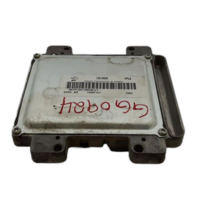
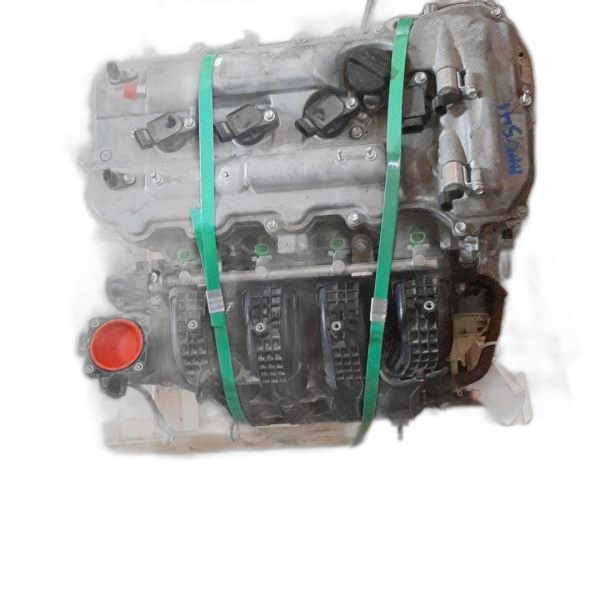
Below are the parts most often responsible for code P0268, ranked by how frequently each one is the actual culprit (per the diagnosis above). Tap any to see what we have for your vehicle.






The information in this article is provided for general reference and educational purposes only. Vehicle specifications, procedures, and part compatibility can vary by production date, trim level, and region. Always consult your vehicle's factory service manual and verify part numbers before purchasing or performing repairs. Safety-critical components such as airbags, seat belts, and braking systems should be installed by a qualified professional.
- 🧭 Diagnostic Flowchart
- 🛍️ Shop This Part
- What Does P0268 Mean?
- Can I Drive With P0268?
- Common Causes
- Symptoms
- Common Fixes & Costs
- DIY vs Professional
- Used vs. New Parts: Buying Guide
- What Happens If You Wait — Timeline
- Cost of Not Fixing It
- Diagnosis Steps
- When This Code Triggers (Freeze-Frame Conditions)
- Related Codes
- Climate & Environmental Factors
- How to Talk to a Mechanic About This Code
- Where to Take It: Dealer vs Independent vs Chain
- When to Walk Away From the Repair
- What Scan Tool You Need for This Code
- How to Clear the Code After You Fix It
- Will This Fail Emissions / State Inspection?
- Most Commonly Affected Vehicles
- Manufacturer-Specific Notes
- Real Owner Stories
- 2011 Chevrolet Traverse with P0268 & P0303
- 2004 Ford F-250 6.0L Power Stroke with No Start & P0268
- FIAT Ducato (Ram Promaster) with Intermittent P0268
- How to Prevent This Code From Triggering
- Frequently Asked Questions
- Can I fix P0268 myself?
- How much does it cost to fix P0268?
- Will P0268 clear itself?
- What is the most common misdiagnosis for P0268?
- What tools are needed to diagnose P0268?
- What's the difference between 'Circuit High' (P0268) and 'Circuit Low' (P0267)?
- Key Takeaways
- 🎟️ Get 5% Off