

P0268 on 2010-2014 GMC Terrain V6: Cylinder 6 Injector Circuit High Causes and Fixes
On a 2010-2014 GMC Terrain with a V6 engine, code P0268 is most often caused by a chafed or damaged fuel injector wiring harness, a known issue cited in GM Technical Service Bulletin PIP4924D. The harness rubs against components like the intake plenum or valve cover bolts. Cylinder #6 is on the rear bank against the firewall, making it more susceptible and harder to inspect. The second most likely cause is a failed fuel injector for cylinder #6. Expect to pay $20-$50 for a wiring repair or $70-$
- P0268 on a V6 GMC Terrain points to an electrical problem with the cylinder #6 fuel injector.
- Before buying a new injector, thoroughly inspect the wiring harness for damage, as this is a known weak point according to a GM service bulletin.
- Symptoms will include a rough idle, engine misfire, and a solid Check Engine Light.
- A simple way to test the injector is to swap it with another cylinder and see if the code follows.
- Cylinder 6 is on the difficult-to-access rear bank, which may increase repair time and cost.
What's Unique About the 2010-2014 Gmc TERRAIN
For this specific generation of GMC Terrain with the 3.0L (LF1/LFW) or 3.6L (LLT) V6 engine, this code is frequently not due to a bad injector. General Motors issued a Technical Service Bulletin (TSB #PIP4924D) highlighting that the fuel injector wiring harness is prone to rubbing through its insulation against engine components. Common chafe points include the intake plenum, valve cover bolts, fuel lines, and the side of the cylinder head under the plenum. Cylinder 6 is on the rear bank (closest to the firewall), where the harness is routed in a tight space, increasing the likelihood of this issue. This known vulnerability makes a wiring fault the primary suspect, a crucial distinction that can save you from replacing a perfectly good fuel injector.
Diagnostic Flowchart
Tap your situation to follow the diagnostic path that matches what you're seeing on this vehicle.
Symptoms You May Notice
- Check Engine Light is on
- Engine running rough or shaking, especially at idle
- Noticeable loss of power and poor acceleration
- Engine misfire, which may feel like a stumble or hesitation
- Reduced fuel economy
- A raw fuel smell from the exhaust due to unburnt gasoline
- Replacing the spark plug or ignition coil on cylinder #6. While these can cause a misfire (P0306), they will not cause an injector circuit code like P0268.
Most Likely Causes
- Chafed or Shorted Fuel Injector Wiring Harness 🔴 High Probability → Shop Engine Wiring Harness As documented in GM TSB #PIP4924D, the harness routing on the V6 engines can cause it to rub against the intake plenum, valve cover bolts, or fuel lines, leading to a short circuit. The rear bank of cylinders, where #6 is located, is a very common area for this due to tight clearances.
How to confirm: Carefully perform a visual inspection of the entire fuel injector harness, especially around cylinder #6 on the firewall side of the engine. Look for any signs of rubbing, melting, or exposed wires. Wiggle the harness with the engine running to see if the misfire changes. You may need an inspection mirror and a bright light to see the chafe points under the intake plenum.
Typical fix: Repair the damaged section of wire using a weatherproof butt connector and heat shrink tubing. Secure the harness away from the component it was rubbing against using zip ties or by re-routing. In severe cases, the harness pigtail or the entire injector harness may need replacement.
Est. part cost: $5-$50 - Failed Cylinder 6 Fuel Injector 🟡 Medium Probability → Shop Fuel Injector
How to confirm: If the wiring is intact, swap the cylinder #6 fuel injector with an injector from another cylinder (e.g., cylinder #4, which is on the front bank and easier to access). Clear the codes and run the engine. If the code changes to P0262 (Cylinder 4 Injector Circuit High), the injector is faulty. You can also check the injector's internal resistance with a multimeter; an out-of-spec reading (or an open circuit) indicates failure.
Typical fix: Replace the faulty fuel injector. It is often recommended to replace all injectors on that bank, or all six, if they are high-mileage to ensure balanced performance.
Est. part cost: $70-$150 - Damaged or Corroded Injector Connector ⚪ Low Probability
How to confirm: Unplug the connector at the cylinder #6 injector and inspect the pins and terminals for corrosion, moisture, or damage. Ensure the connector clicks securely into place and that the terminal pins haven't backed out.
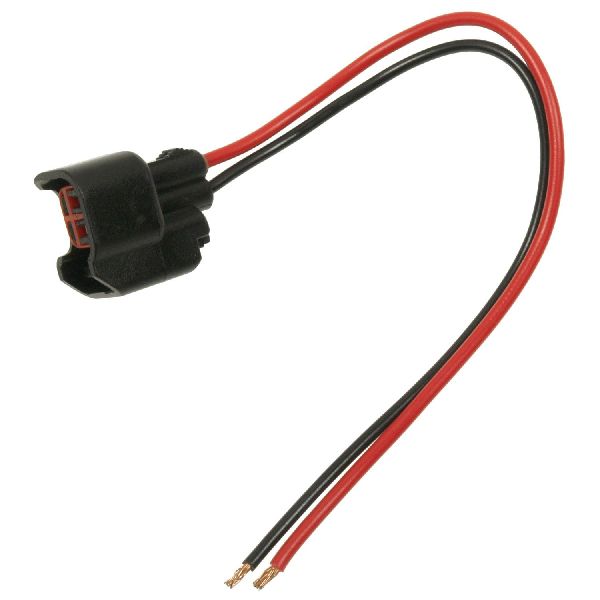
Typical fix: Clean the connector terminals with electrical contact cleaner or replace the connector pigtail if it's damaged. A common replacement pigtail is Dorman part number 645-207.
Est. part cost: $15-$40
Rare But Worth Checking
- Faulty Engine Control Module (ECM): → Shop Engine Control Module (ECM) This is the least likely cause. The internal driver circuit for the injector can fail. This should only be considered after all wiring and the injector itself have been proven to be good. TSB 21-NA-149 notes that the ECM is often unnecessarily replaced for this type of concern.
Diagnosis Steps
- Read all stored fault codes with an OBD-II scanner. Note any other codes present, especially P0306.
- Identify Cylinder #6. On the transverse V6 engines in the Terrain, it is on the rear bank (Bank 2) closest to the firewall, on the driver's side.
- Perform a thorough visual inspection of the fuel injector wiring harness, focusing on the path to cylinder #6. Per TSB #PIP4924D, pay close attention to areas where the harness might contact the intake plenum, valve cover bolts, or fuel lines. Use a mirror and flashlight.
- Inspect the electrical connector at the cylinder #6 fuel injector for damage, corrosion, or loose pins.
- If no visual damage is found, swap the cylinder #6 fuel injector with one from an easier-to-access cylinder on the front bank (like #4).
- Clear the codes and start the engine. If the fault code moves to the cylinder you swapped the injector to (e.g., P0262 for cylinder 4), the fuel injector is the problem.
- If the P0268 code returns, the problem lies in the wiring or the ECM. Use a multimeter to check for constant battery voltage on the control wire at the injector harness (this would indicate a short to power).
- Use a noid light to test for the injector pulse signal from the ECM. A constantly lit noid light confirms a short to power in the circuit, while no light indicates an open circuit.
- If all wiring and the injector test good, the final possibility is a faulty driver circuit within the ECM, which would require professional diagnosis and replacement.
Parts You'll Likely Need
- Fuel Injector Wiring Harness Connector Pigtail — If the wiring is damaged right at the connector, replacing the pigtail is the standard repair.
Trusted brands: ACDelco, Dorman
OEM price range: $30-$50
Aftermarket price range: $15-$30 - Fuel Injector
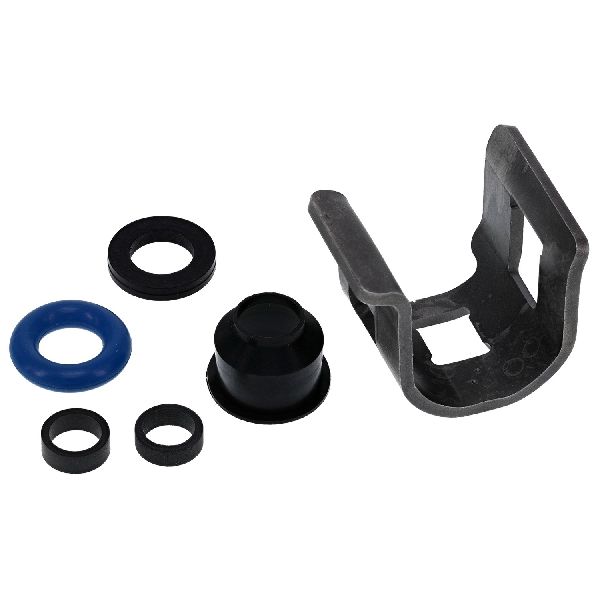
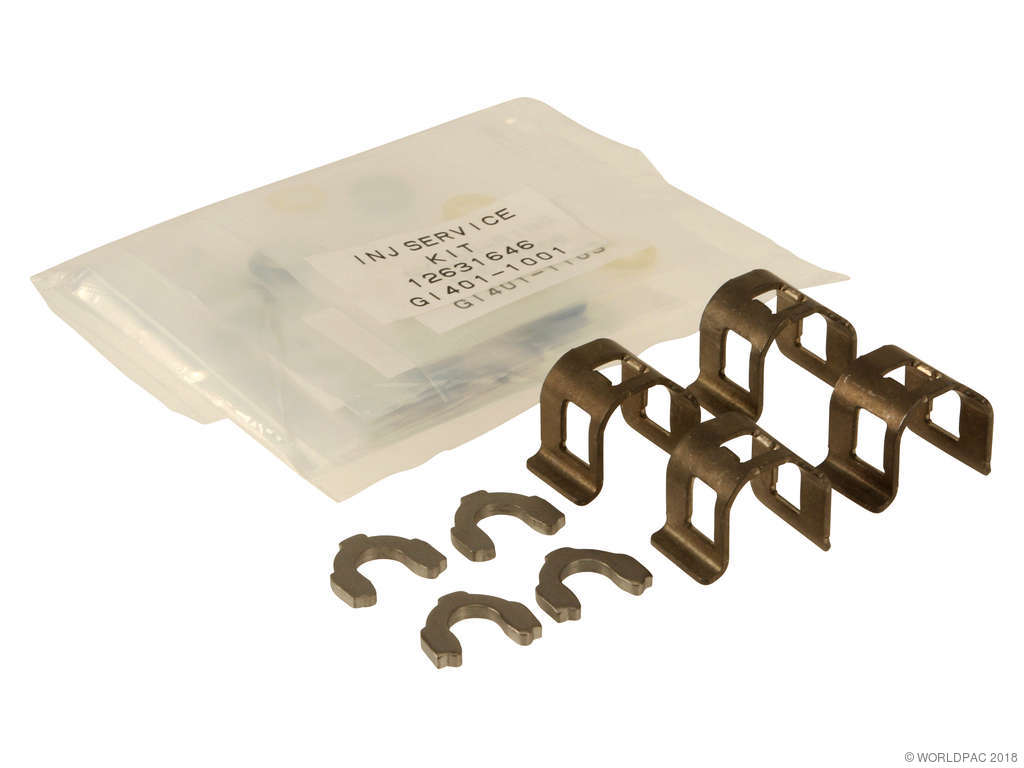
(OEM #12638530)— If the injector itself has an internal short, it must be replaced. This is the second most common failure part for this code. Part number 12638530 is superseded by 12669384.
Trusted brands: ACDelco, Bosch, Standard Motor Products
OEM price range: $100-$150
Aftermarket price range: $70-$120
Related Codes That Often Appear With This One
- P0306 — This code means 'Cylinder 6 Misfire Detected.' It is a direct symptom of the P0268 fault, as the injector circuit problem prevents proper fueling, causing the cylinder to misfire.
- P0206 — This code for 'Injector Circuit/Open - Cylinder 6' is closely related and can sometimes appear with P0268, depending on the exact nature of the electrical fault in the harness.
- P2149 — This code for 'Fuel Injector Group B Supply Voltage Circuit/Open' can appear if the wiring short affects the entire bank of injectors (Bank 2 includes cylinders 2, 4, and 6).
Technical Service Bulletins (TSBs) & Recalls
- PIP4924D: Addresses a Check Engine Light and misfire with various injector codes, including P0268. It advises technicians to "Carefully inspect the fuel injector wiring harness for rub through or internal wire opens. Some common spots are against the intake plenum, at valve cover bolts, against the fuel line and on the side of the head under the plenum."
- 21-NA-149: A broader TSB covering engine wiring harness chafing on many GM vehicles. It lists P0268 as a possible resulting code and reinforces the need to thoroughly inspect wiring before replacing components like the ECM.
Platform-Specific Known Issues
- A known issue documented in GM Technical Service Bulletin #PIP4924D involves the fuel injector wiring harness chafing against engine components, causing a short circuit and triggering codes like P0268. This makes wiring inspection the most critical first step in diagnosis.
- Cylinder 6 is located on the rear bank of the V6, against the firewall. Access is restricted, often requiring removal of the intake manifold to properly inspect the harness or replace the injector, which increases labor time and cost compared to a front-bank cylinder.
Mechanic-Grade Diagnostic Values
- Fuel Injector Coil Resistance (3.0L & 3.6L SIDI V6 engines) — expected: 1.5 to 1.6 ohms. Failure: A reading of infinity (Open Loop) indicates an open coil; a reading near zero indicates a shorted coil. Compare the reading from cylinder 6 to a known good cylinder.
- Injector Control Wire Voltage (Key On, Engine Off) — expected: Should be near 0V. The power wire should have battery voltage (~12V).. Failure: A 'Circuit High' code like P0268 is set when the ECM detects constant battery voltage on the control (ground) side of the circuit, indicating a short to power.
- Injector Pulse Width (at idle) — expected: 1-10 milliseconds (ms). Failure: While not a direct test for P0268, a scan tool showing no pulse width for cylinder 6 would confirm the ECM has disabled the injector due to the fault.
Scan Tool Commands That Help
- GDS2 / Tech2: Injector Balance Test — This bidirectional test allows the technician to command each injector off one by one while the engine is running. The scan tool then displays the RPM drop or fuel pressure change for each cylinder. A cylinder that shows little or no change when its injector is disabled indicates a problem with that injector or circuit. This can help confirm if the cylinder 6 injector is non-functional before disassembly.
- GDS2 / Tech2 / Professional Bidirectional Scanner: Injector Activation / Buzz Test — With the engine off, this function commands the injector to click or 'buzz'. Listening with a mechanic's stethoscope can confirm if the injector's solenoid is mechanically responding to the electrical command from the ECM. A lack of clicking from the cylinder 6 injector, when others are clicking, points to a wiring or injector failure.
Wiring & Ground Locations
- G112 — On the 3.0L V6 engine, this ground is located on the left rear of the engine.. The ECM and other engine sensors rely on clean ground connections. A corroded or loose engine ground can cause a variety of unpredictable electrical faults, including incorrect voltage readings that could potentially trigger circuit codes. Verifying this ground is clean and tight is a crucial step in diagnosing any electrical issue.
- Injector Harness Chafe Points — Most commonly where the harness passes the intake plenum, valve cover bolts, fuel lines, and the sharp edge of the cylinder head, especially for the rear bank (Bank 2) where cylinder 6 is located.. This is the most probable cause of P0268 on this vehicle, as documented in TSB PIP4924D. A wire rubbing through its insulation can short to a power source (causing a 'high' circuit) or to ground.
OEM Part Supersession History
12638530→12669384— Standard part evolution, likely for improved reliability or manufacturing.
Heads up: This part number is primarily for the 3.0L LF1 V6 engine used in 2010-2012 models.12634126→12642128— Standard part evolution.
Heads up: This part number is for the 3.6L LFX V6 engine used in 2013-2014 models. Do not use on a 3.0L engine.
Model Year Variations Within This Range
- 2010-2012: These models primarily used the 3.0L LF1 V6 engine. The correct fuel injector part number is typically ACDelco 12638530 (or its successor). The wiring harness chafing issue is prevalent on these models.
- 2013-2014: These models used the updated 3.6L LFX V6 engine. They require a different fuel injector, part number ACDelco 12634126 (or its successor). While the engine is different, the general architecture and tight packaging mean the wiring harness chafing issue described in TSB PIP4924D is still a primary concern.
We Have This Part in Stock


The information in this article is provided for general reference and educational purposes only. Vehicle specifications, procedures, and part compatibility can vary by production date, trim level, and region. Always consult your vehicle's factory service manual and verify part numbers before purchasing or performing repairs. Safety-critical components such as airbags, seat belts, and braking systems should be installed by a qualified professional.
- Gmc TERRAIN:
- 🧭 Diagnostic Flowchart
- 🛍️ Shop This Part
- What's Unique About the 2010-2014 Gmc TERRAIN
- Symptoms You May Notice
- Most Likely Causes
- Rare But Worth Checking
- Diagnosis Steps
- Parts You'll Likely Need
- Related Codes That Often Appear With This One
- Technical Service Bulletins (TSBs) & Recalls
- Platform-Specific Known Issues
- Mechanic-Grade Diagnostic Values
- Scan Tool Commands That Help
- Wiring & Ground Locations
- OEM Part Supersession History
- Model Year Variations Within This Range
- 🎟️ Get 5% Off