

OBD-II Code P0270: Cylinder 4 Injector Circuit Low
What P0270 means, why it triggers, and how to fix it
- P0270 indicates a low electrical signal in the cylinder 4 fuel injector circuit, most often caused by a failed internal injector coil or a chafed wire.
- Stop driving immediately if the Check Engine Light flashes; dumping raw fuel into the exhaust destroys a $1,500+ catalytic converter in under 50 miles.
- Swap the cylinder 4 injector with cylinder 2; if the code changes to P0264, the injector is definitively faulty and must be replaced.
- Always test the injector connector for a full 12.6 volts and inspect the harness for rodent damage before spending $300+ on a new injector.
What Does P0270 Mean?

P0270 means the Powertrain Control Module (PCM) detects a low electrical signal in the cylinder 4 fuel injector control circuit. The injector is not receiving the correct voltage to open and spray fuel, causing the engine to run on one less cylinder and triggering misfires, rough idling, and power loss.
Technical definition: The SAE/OBD-II definition is "Cylinder 4 Injector Circuit Low". The PCM uses a transistor driver to ground the injector circuit, completing the circuit to fire the injector. P0270 sets when the PCM expects battery voltage (typically 12.6V) on the circuit but detects a significantly lower reading. This indicates high resistance, a short to ground, or a failed internal PCM driver.
Can I Drive With P0270?

Yes, But With Caution. You can drive for short, essential trips, but it is not recommended. Driving with an active misfire dumps unburned fuel into the exhaust, which rapidly overheats and destroys the catalytic converter. This turns a minor electrical repair into a $1,000 to $2,500 converter replacement. If the check engine light flashes, pull over immediately, as this indicates a severe, catalyst-damaging misfire.
Common Causes

- Faulty Cylinder 4 Fuel Injector (Very Common) — The most frequent cause is an internal failure of the fuel injector itself. The internal solenoid coil develops high resistance or a short circuit, weakening the electrical signal and preventing the injector from opening.
- Wiring Harness Damage (Common) — Engine heat, vibrations, or rodents damage the wiring from the PCM to the injector. This causes wires to break, fray, or short to ground, leading to a low voltage condition.
- Corroded or Loose Connector (Common) — The electrical connector at the fuel injector becomes loose or contaminated with oil, moisture, or corrosion. This creates a poor connection and high resistance, triggering the code.
- Fuel Injection Control Module (FICM) Failure (Common On Diesel) — On diesel engines like the Ford 6.0L Powerstroke, a dedicated FICM fires the injectors. These modules frequently fail internally, causing single or multiple injector circuit codes.
- Weak Alternator or Battery (Less Common) — Low overall system voltage from a failing battery or alternator causes the PCM to detect lower-than-expected voltage in the injector driver circuit, particularly under heavy electrical load.
- Faulty Powertrain Control Module (PCM) (Rare) — The internal PCM transistor driver that controls the cylinder 4 injector fails. Rule out all wiring and connector issues before replacing the PCM.
Symptoms

- Check Engine Light is On — The MIL illuminates. A flashing light indicates a severe misfire actively damaging the catalytic converter.
- Rough Engine Idle and Misfiring — The engine runs unevenly and shakes at idle because cylinder 4 is not contributing power.
- Reduced Engine Power and Hesitation — The vehicle feels sluggish and stumbles during acceleration while running on one less cylinder.
- Poor Fuel Economy (also visible on scanner) — Gas mileage decreases by 15-25% as the engine runs inefficiently and the PCM alters fuel trims to compensate.
Diagnostic Flowchart

Tap your situation to follow the diagnostic path that matches what you're seeing on this code.
Common Fixes & Costs
- Replace Cylinder 4 Fuel Injector — Parts: $50-$350, Labor: $150-$400, ~1.5 hr book time (Intermediate)
- Clean or Replace Injector Connector — Parts: $10-$30, Labor: $75-$150, ~0.8 hr book time (DIY)
- Repair Wiring Harness — Parts: $10-$50, Labor: $150-$300, ~2.0 hr book time (Professional)
- Replace Fuel Injection Control Module (FICM) — Parts: $350-$700, Labor: $200-$400, ~1.2 hr book time (Intermediate)
- Replace Powertrain Control Module (PCM) — Parts: $600-$1000, Labor: $200-$500, ~1.5 hr book time (Professional)
DIY vs Professional
- Replace Fuel Injector — Beginner: No
Tools: Socket/wrench set, torque wrench, fuel line disconnect tools, new O-rings/seals. - Repair Wiring Harness — Beginner: No
Tools: Multimeter, soldering iron, heat shrink tubing, quality wire strippers/cutters, wiring diagrams. - Clean or Replace Injector Connector — Beginner: Yes
Tools: Electrical contact cleaner, small pick or brush, wire strippers, butt connectors or soldering iron for pigtail replacement. - Replace FICM (Ford 6.0L) — Beginner: No
Tools: Basic socket/wrench set. - Replace PCM — Beginner: No
Tools: Socket set, OEM-level scan tool for programming.
Used vs. New Parts: Buying Guide
When a used part is worth it: For a common part like a fuel injector, a professionally remanufactured unit offers the best balance of cost and reliability. Avoid junkyard injectors, as they carry the same wear risks as your current part.
Donor-vehicle mileage cap: roughly under 60000 miles for the part to have meaningful remaining life.
Donor quality checklist:
- For remanufactured injectors, look for sellers who provide flow-test data and replace all O-rings, seals, and internal filters.
- Ensure the part number is an exact match for your vehicle's engine and model year.
- Avoid 'as-is' used parts with no warranty or return policy.
Decision logic:
- If The vehicle is a daily driver and reliability is critical. → Buy a new OEM or a quality remanufactured injector with a warranty.
- If The budget is extremely tight and the vehicle is older (>150k miles). → A remanufactured part is a very acceptable choice over a junkyard part.
- If The part is for a high-performance or diesel application. → Favor new OEM or specialized remanufactured units, as tolerances are more critical.
Warranty tradeoff: Used/junkyard parts often have a 30-day warranty at best. Remanufactured injectors typically come with a 1-year to lifetime warranty. New OEM parts carry a 12-month/12,000-mile warranty if installed by a dealer.
Worst-case if a used part fails: $300-$700 if a faulty used or remanufactured part fails after installation, requiring repeat labor costs plus the cost of another replacement part.
What Happens If You Wait — Timeline
- 0-1 week: Check Engine Light illuminates. A slight, intermittent roughness may be felt at idle. The fault may only trigger under specific load conditions. (MPG impact: 0-5%% · Added cost: $0)
- 1 week - 2 months: Engine runs consistently rough, shaking at idle and hesitating during acceleration. Fuel economy drops noticeably. The Check Engine Light may begin to flash during heavy acceleration, indicating a severe misfire. (MPG impact: 15-25%% · Added cost: $50-$150 in wasted fuel)
- 2-4 months: Unburned fuel from the dead cylinder begins to overheat the catalytic converter. The honeycomb substrate inside starts to melt, creating a partial exhaust restriction. (MPG impact: 20-30%% · Added cost: $1,000-$2,500 (catalytic converter replacement is now likely required))
- 4+ months: Catalytic converter becomes fully clogged, causing severe power loss. Excess raw fuel washes lubricating oil off the cylinder walls, causing accelerated wear on the piston rings and cylinder bore. In a worst-case scenario, this leads to loss of compression and requires major engine repair. (MPG impact: 30-50%% · Added cost: $2,500-$5,000+ (cost of catalytic converter plus potential engine repairs))
Cost of Not Fixing It
- Immediate (0-1 month): Failed emissions test, 15-25% drop in fuel economy, and rough engine performance. (Added cost: $50-$150 in wasted fuel per month, plus inspection re-test fees.)
- Short Term (1-6 months): Catalytic converter damage due to unburned fuel overheating the substrate. (Added cost: $1,000-$3,000 for catalytic converter replacement.)
- Long Term (6+ months): Internal engine damage, such as piston ring or cylinder wall wear from fuel washing. In severe cases, a leaking injector causes hydro-lock, leading to bent connecting rods. (Added cost: $2,000+ for major engine repairs or replacement.)
Diagnosis Steps
- Scan for Codes and Review Freeze Frame Data
Use an OBD-II scanner to confirm P0270 is present. Codes like P0304 (Cylinder 4 Misfire) are expected. Multiple injector codes (e.g., P0261, P0267) suggest a shared wiring harness or module problem. Review freeze frame data to see the engine conditions when the code set.
Tools: OBD-II Scan Tool (Beginner) - Visually Inspect the Wiring and Connector
Thoroughly inspect the cylinder 4 injector wiring harness. Look for chafing against the engine, melted insulation, or chew marks from rodents. Disconnect the injector and inspect the connector pins for corrosion, moisture, or bent terminals.
Tools: Flashlight, Inspection Mirror (Beginner) - Perform an Injector Swap Test
Swap the cylinder 4 injector with cylinder 2. Clear the codes and run the engine. If the fault code changes to cylinder 2 (P0264), the fuel injector is definitively faulty. If P0270 returns, the issue is in the wiring or PCM.
Tools: Basic Socket/Wrench Set (Intermediate) - Check Injector Resistance
Disconnect the fuel injector and set a multimeter to Ohms (Ω). Measure the resistance between the two terminals on the injector. Standard gasoline injectors read 12-18 Ohms. A reading of 0 Ohms (short) or OL (open) confirms a failed injector.
Tools: Multimeter, Vehicle Service Manual (Intermediate) - Check for Voltage and Ground at the Connector
Turn the ignition to 'On' (engine off). Set your multimeter to DC volts. Probe the power supply wire on the harness connector while grounding the black lead to the battery negative. It must read battery voltage (approx. 12.6V).
Tools: Multimeter (Intermediate) - [PRO TIP] Use a Noid Light to Confirm PCM Signal
Plug a noid light directly into the fuel injector connector and start the engine. A steady flash confirms the PCM is sending the command to fire. No light indicates a broken wire or bad PCM. A constant light means the control wire is shorted to ground.
Tools: Noid Light Set (Intermediate) - [PRO TIP] Perform a Voltage Drop Test
Connect one multimeter lead to the battery positive and the other to the power wire pin on the injector connector. With the key on, the reading must be less than 0.2 volts. Connect to the battery negative and the ground wire pin; it must be less than 0.1 volts. Higher readings indicate excessive resistance.
Tools: Multimeter (Professional) - [ADVANCED] Test FICM Voltage Manually (Ford 6.0L)
On a Ford 6.0L Powerstroke, remove the FICM inspection cover. Connect a multimeter's negative lead to the battery negative and the positive lead to the screw closest to the driver's side. Voltage must remain above 45V during key-on, cranking, and running. Lower voltage indicates a failing FICM.
Tools: Multimeter, T-20 Torx Driver (Advanced) - [ADVANCED] Monitor Live Data PIDs
Using an advanced scan tool, monitor the 'Injector Pulse Width' for cylinder 4 compared to other cylinders. Erratic readings or a value drastically different from the others indicates a circuit fault.
Tools: Advanced OBD-II Scan Tool (Advanced) - [PROFESSIONAL] Analyze the Injector Waveform with a Lab Scope
Connect an oscilloscope to the injector's control wire. A healthy waveform shows a sharp drop from battery voltage to near zero, followed by an inductive spike (over 60V) when the circuit opens. A low or missing spike confirms a shorted injector coil.
Tools: Automotive Oscilloscope (Lab Scope) (Professional)
When This Code Triggers (Freeze-Frame Conditions)
- Engine Coolant Temp: 175-210°F (Fully warmed up at operating temperature)
- RPM: 1200-2800 RPM (Light acceleration or steady-state cruise)
- Engine Load: 25-70% (The fault often appears under moderate load, not at idle or full throttle.)
- Vehicle Speed: 25-60 mph (City or highway cruising speeds)
Related Codes
- P0304 — This means 'Cylinder 4 Misfire Detected.' P0270 is the specific electrical cause, and P0304 is the resulting symptom. The P0270 fault prevents the injector from delivering fuel, which directly causes the cylinder to misfire. Diagnosing and fixing P0270 resolves P0304.
- P0204 — This means 'Injector Circuit/Open - Cylinder 4.' P0270 'Circuit Low' implies high resistance or a partial short to ground. P0204 'Circuit Open' indicates a complete break in the circuit, such as a fully broken wire or an unplugged connector.
- P0271 — This means 'Cylinder 4 Injector Circuit High.' This is the opposite of P0270. It indicates the PCM detects a higher-than-expected voltage in the circuit, usually caused by a short to power. Both point to a wiring or PCM issue for the same cylinder.
- P0272 — This is 'Cylinder 4 Contribution/Balance.' This code is a performance measurement, not an electrical fault code. The PCM sets this when it determines that cylinder 4 is producing less power than the others. A P0270 fault is a very common reason for a P0272 code.
Climate & Environmental Factors
- High Humidity / Coastal Regions / Winter Road Salt: Moisture and salt are highly corrosive to electrical components. They seep into connectors and wiring harnesses, causing oxidation on the copper pins and wires. This corrosion increases resistance in the circuit, triggering a 'Circuit Low' code.
- Extreme Heat Cycles: Constant, extreme temperature swings cause plastic wiring insulation and connector housings to become brittle and crack over time. This exposes the underlying wires to the elements, engine fluids, and chafing, leading to shorts or high-resistance faults.
- Cold Weather: Low ambient temperatures exacerbate underlying electrical problems. A weak battery or alternator has lower output in the cold, dropping system voltage enough to trigger circuit codes. On Ford 6.0L engines, a failing FICM often shows symptoms first in cold weather.
- Rodent Infestation: Rodents are attracted to the warmth of engine bays and the soy-based materials used in modern wiring harnesses. They chew through injector wiring, causing an open circuit or a short to ground.
How to Talk to a Mechanic About This Code
Say this: "I have a P0270 code for the cylinder 4 injector circuit. I'd like to book a diagnostic appointment. Please start by testing the injector circuit wiring and connector before recommending a new injector."
This signals you've done research and understand that the problem could be a simple wire/connector issue, not just a failed injector. It directs the technician to perform a proper diagnosis rather than jumping to the most expensive conclusion, potentially saving you money on unnecessary parts.
Avoid saying:
- 'Just fix whatever's wrong'
- 'My check engine light is on, can you look at it?' (too vague — invites upsell)
- 'Whatever you recommend'
Questions to ask before authorizing the repair:
- What were the results of the injector resistance test and the voltage drop test on the harness?
- Did you perform a swap test with another injector to confirm the failure?
- If the wiring is the problem, can you show me where the damage is?
- What is the warranty on the recommended parts and labor?
Where to Take It: Dealer vs Independent vs Chain
- Dealer:
Best for: Vehicles still under powertrain or emissions warranty, Complex, manufacturer-specific issues (e.g., BMW DME faults, Ford FICM problems), When you want a guaranteed OEM part and a nationwide warranty
Downsides: Highest labor rates, typically 1.5-2x more than an independent shop, May favor replacing larger assemblies over repairing smaller components (Typical cost: +50% vs. baseline) - Independent Shop:
Best fit for most situations. A reputable independent shop with experienced technicians can easily diagnose and repair a P0270 fault, balancing cost and expertise effectively.
Best for: Most out-of-warranty vehicles, Common electrical diagnostics like P0270, Building a long-term relationship with a trusted mechanic
Downsides: Quality and expertise can vary widely; look for ASE certifications and good reviews, May not have access to the very latest dealer-specific software for programming (Typical cost: +0% vs. baseline) - Chain Shop:
Use with caution. While they can replace a fuel injector, they may be less equipped to diagnose a tricky wiring or PCM issue, potentially leading to misdiagnosis and repeat repairs.
Best for: Simple, routine maintenance like oil changes, tires, and batteries
Downsides: Technician skill varies dramatically, High pressure to meet sales targets can lead to upselling unnecessary services, May lack the advanced diagnostic tools or experience for complex electrical faults (Typical cost: -10% vs. baseline)
When to Walk Away From the Repair
If the estimated repair cost exceeds 50% of the car's private-party value (use Kelley Blue Book or Edmunds), it's time to seriously consider selling or trading it in.
- Car worth $4000, fix is $650: Fix it. This repair is well below the 50% threshold and is a common maintenance item on an older vehicle.
- Car worth $3000, fix is $1500: Walk away. The repair is 50% of the car's value, and the fault could be a complex PCM issue. This money is better put toward a replacement vehicle.
- Car worth $15000, fix is $800: Fix it. The repair cost is a small fraction of the vehicle's value.
What Scan Tool You Need for This Code
Minimum: A scanner that reads and clears codes, and shows live data streams. For P0270, a basic code reader is insufficient because it can't help you test the circuit.
A $20 code reader will only tell you the P0270 code exists. It cannot help you distinguish between a bad injector, bad wiring, or a bad PCM because it cannot show you live data or perform active tests.
Budget: BlueDriver Pro / ANCEL BD310 (~$100) — These Bluetooth scanners connect to your phone and offer live data graphing for injector voltage and pulse width. BlueDriver also provides repair suggestions based on a database of fixes. This is the minimum needed for effective DIY diagnosis.
Mid-range: XTOOL D7 / Foxwell NT809 (~$350-450) — Adds bidirectional control, allowing you to command the injector to fire (an 'active test' or 'injector buzz test'). This is extremely useful for confirming if the injector itself is mechanically working and if the PCM driver is functional. These tools often include injector coding for when you replace the part.
Professional: Autel MaxiCOM MK900 / Launch X431 Series (~$500-1200) — Provides full bidirectional control, OE-level diagnostics, and often includes advanced features like ECU coding and programming. An Autel MK900, for example, offers over 40 service functions and can test thousands of individual actuators. This is essential for diagnosing complex wiring or PCM-level faults.
Rent vs buy: For a one-time diagnosis, many auto parts stores (like AutoZone or O'Reilly) have a loaner tool program where you can borrow a basic scanner for free with a refundable deposit. However, for a P0270, a basic scanner may not be enough. If you plan to do your own repairs, investing in a mid-range scanner with bidirectional control is highly recommended.
How to Clear the Code After You Fix It
- Reconnect the battery if it was disconnected for the repair.
- Use an OBD-II scan tool to select the 'Clear/Erase Codes' function.
- Perform a complete drive cycle to allow the vehicle's readiness monitors to run.
Drive cycle (~30 minutes): Start the engine from a cold soak (parked 8+ hours). Idle for 2-3 minutes. Drive for 15-20 minutes with mixed city/highway conditions, including steady cruising between 40-60 mph. Perform several smooth accelerations and decelerations. Allow the engine to idle for 30-60 seconds before shutting off.
Readiness monitors affected: Catalyst Monitor, Misfire Monitor, Oxygen (O2) Sensor Monitor, Fuel System Monitor
Before emissions retest: drive at least 100 miles to fully set monitors.
Watch out for:
- Disconnecting the battery clears the code but resets all readiness monitors to 'Not Ready', causing an automatic emissions test failure.
- The code returns immediately if the underlying electrical fault was not properly repaired.
- Some vehicles have specific drive cycle requirements that must be followed precisely for monitors to run.
Will This Fail Emissions / State Inspection?
Yes — this code typically fails an OBD-II emissions inspection.
- California: An illuminated Check Engine Light results in an automatic failure of the smog check. After repairs, a complete OBD-II drive cycle must be performed to set all readiness monitors before a retest is possible.
- New York: The NYS vehicle inspection includes an OBD-II scan. An active P0270 code is an automatic failure. Readiness monitors must also be in a 'Ready' state to pass.
- Texas: In counties requiring emissions testing, an illuminated Check Engine Light from a P0270 code causes an automatic inspection failure.
Most Commonly Affected Vehicles
- Ford F-Series with 6.0L Powerstroke Diesel (2003-2007) — Extremely common for this code to be caused by a failing Fuel Injection Control Module (FICM) or its power supply. The injector wiring harness is also known to chafe and short out where it passes over the driver's side valve cover.
- Chevrolet/GMC Silverado/Sierra, Malibu, Equinox, Terrain (2007-2014) — On trucks, injector failures are common. On cars and SUVs with 3.0L/3.6L V6 engines, GM issued TSB #PIP4924C, which points to the injector wiring harness rubbing against the engine block, intake plenum, or fuel lines, causing a short.
- Ford F-150 (2004-2024) — Fuel injector failures are a frequent issue on higher mileage trucks across various engines. On direct injection engines, carbon buildup contributes to injector problems.
- BMW Various with N20, N26, N55 Engines (2011-2016) — Per TSB B123814, injector circuit faults are often caused by an internal failure of the DME (engine computer), not the injector itself. Diagnosis must rule out wiring and DME issues before an injector is replaced.
- Audi/VW A3, A4, Golf, Jetta with 2.0T Engine (2005-2013) — Injector circuit codes are commonly reported, often related to either the injector itself failing internally or damage to the wiring harness which becomes brittle from heat cycles.
- Honda Accord, Civic (2003-2012) — While generally reliable, injector circuit codes appear on higher mileage vehicles. The cause is often a failing injector or a corroded electrical connector, particularly in regions with high humidity or road salt.
- Hyundai/Kia Santa Fe, Sonata, Optima (2007-2015) — The PCM on these vehicles sets a P0270 code when it detects a short to ground in the injector control circuit or if the current draw exceeds a specific amperage for too long. Wiring harness issues are a common cause.
- Toyota Camry, Corolla (2002-2019) — P0270 is not extremely common, but when it does occur, it is often traced back to an internal failure of the fuel injector itself or a corroded injector connector.
Manufacturer-Specific Notes
- Ford (Powerstroke): On 6.0L engines, always test the FICM voltage first. With the key on, engine off, it should be 48V. During cranking and running, it must not drop below 45V. If it's low, the FICM is faulty. Meticulously inspect the harness that drapes over the driver's side valve cover for chafing.
- GM (Duramax): On LB7 and LLY engines, the wiring harness connectors at the injectors under the valve cover become brittle and fail. A common issue known as 'ice picking' involves the #2 and #7 injector wires rubbing and shorting out, but similar chafing affects other cylinders.
- GM (Gasoline Engines): Per TSB #PIP4924C, on vehicles like the Chevy Malibu, Equinox, and GMC Terrain with V6 engines, the injector harness rubs against the intake plenum or fuel lines. The repair involves rerouting the harness and repairing the damaged wires.
- BMW: Per TSB B123814 for N20/N26/N55 engines, do not immediately replace the injector for a circuit fault. The cause is frequently an internal failure of the DME (engine computer). BMW issued an extended warranty for many of these injectors, so check for coverage before paying for repairs.
Real Owner Stories
2004 Ford F-250 6.0L Powerstroke with hard starting
Truck was hard to start, especially when cold, and had a rough idle with no power. Codes P0270 (Cyl 4 Injector Circuit Low) and P0272 (Cyl 4 Contribution/Balance) were present.
Outcome: Forum members advised to first check the FICM and injector connectors for looseness and to perform an injector buzz test before replacing any parts.
Lesson: On a Ford 6.0L, even with injector-specific codes, always verify FICM voltage and check harness connections before assuming the injector is bad, especially with cold-start issues.
2003 Ford 6.0L Powerstroke with multiple injector codes
Vehicle started, then shut off and would not restart. Threw codes for all eight injector circuits low (P0261, P0264, P0267, P0270, P0273, P0276, P0279, P0282).
Outcome: The likely cause was identified as either a blown main fuse for the injector system or a complete failure of the FICM or PCM. The diagnostic path was to check the INJECTOR/IG COIL fuse first. If the fuse was good, the FICM would be the next suspect.
Lesson: When multiple, related circuit codes appear simultaneously, the problem is almost always a shared power or ground source (like a fuse or module), not individual component failures.
2006 Chevy Silverado with intermittent P0270
Truck had an intermittent rough idle and Check Engine Light for P0270. The problem was not consistent.
Outcome: The owner then focused on the wiring. A thorough inspection revealed a section of the injector harness was rubbing against a bracket near the valve cover, causing an intermittent short to ground. Repairing the chafed wire and protecting it with loom solved the problem.
Lesson: The injector swap test is a powerful diagnostic tool. If the code does not move with the injector, you have definitively proven the problem lies within the wiring or the PCM, saving you the cost of a new injector.
How to Prevent This Code From Triggering
- Use High-Quality, Top-Tier Gasoline (Every fill-up) — Quality fuel contains detergents that prevent carbon deposit buildup. While P0270 is electrical, heavy deposits cause mechanical stress on the injector, and good fuel quality reduces overall fuel system contamination.
- Protect Wiring with High-Temperature Loom/Tape (During any repair near the wiring harness) — The primary cause of wiring failure is heat and chafing. When working on the engine, inspect harnesses. If factory protection is brittle or missing, add new high-temp split-loom or cloth harness tape to prevent wires from rubbing against hot or sharp engine components.
- Apply Dielectric Grease to Connectors (When replacing an injector or performing electrical work) — Applying a small amount of dielectric grease to the seal of an electrical connector helps keep out moisture and prevents corrosion on the pins, which is a common cause of high resistance and circuit-low faults.
- Replace Fuel Filter on Schedule (Per manufacturer's recommended interval) — A clean fuel filter prevents debris from reaching the injectors. While debris is more likely to cause a clog than an electrical fault, it ensures the injector is not put under undue mechanical stress from contaminants.
- Address Engine Misfires Immediately (As soon as they occur) — While P0270 causes a misfire, other issues (like a bad spark plug) cause misfires that lead to incomplete combustion. This increases engine vibration and heat, stressing all components, including wiring and injectors.
Frequently Asked Questions
Can a dirty fuel filter cause a P0270 code?
No. A dirty fuel filter restricts fuel pressure to all cylinders, causing a system-wide code like P0087 or random misfires. It does not cause an electrical circuit code for a single injector.
Will a fuel injector cleaner fix a P0270 code?
No. P0270 is an electrical fault code. Fuel injector cleaner removes carbon deposits but cannot repair a failed internal electrical coil, a broken wire, or a faulty PCM driver.
What is the difference between P0270 and P0304?
P0270 is a specific electrical code indicating a fault in the cylinder 4 injector circuit. P0304 is a general code for a 'Cylinder 4 Misfire', which can be caused by spark, fuel, or compression issues. Seeing both together strongly suggests the injector circuit is causing the misfire.
What are the most common mistakes when diagnosing a P0270 code?
The biggest mistake is replacing the fuel injector without testing the circuit, as the actual problem is often a damaged wire or corroded connector. Another error is misidentifying cylinder 4; always use an engine-specific diagram. Finally, failing to check the main injector fuse wastes valuable diagnostic time.
I replaced the injector and the P0270 code came back. What now?
If the code returns, the injector was not the root cause. The problem lies in the wiring harness between the PCM and the injector, or within the PCM itself. You must perform a pin-to-pin continuity and voltage drop test on the power and control wires.
How much does it cost for a shop to diagnose a P0270 code?
Most auto repair shops charge a standard diagnostic fee ranging from $120 to $185. This fee covers reading the codes, a visual inspection, and initial circuit testing to pinpoint the exact cause.
Will P0270 clear itself?
No. P0270 indicates a hard electrical failure that must be physically repaired. After repairing the injector or wiring, you must clear the code with a scan tool to reset the system.
Key Takeaways
- P0270 indicates a low electrical signal in the cylinder 4 fuel injector circuit, most often caused by a failed internal injector coil or a chafed wire.
- Stop driving immediately if the Check Engine Light flashes; dumping raw fuel into the exhaust destroys a $1,500+ catalytic converter in under 50 miles.
- Swap the cylinder 4 injector with cylinder 2; if the code changes to P0264, the injector is definitively faulty and must be replaced.
- Always test the injector connector for a full 12.6 volts and inspect the harness for rodent damage before spending $300+ on a new injector.
Helpful Videos
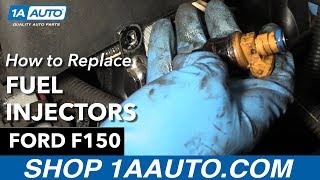
Shop the Parts Behind P0270
Below are the parts most often responsible for code P0270, ranked by how frequently each one is the actual culprit (per the diagnosis above). Tap any to see what we have for your vehicle.

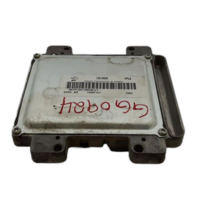


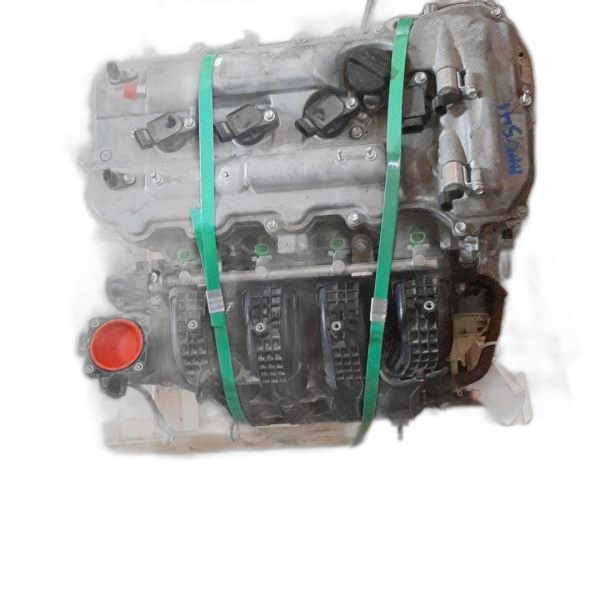


The information in this article is provided for general reference and educational purposes only. Vehicle specifications, procedures, and part compatibility can vary by production date, trim level, and region. Always consult your vehicle's factory service manual and verify part numbers before purchasing or performing repairs. Safety-critical components such as airbags, seat belts, and braking systems should be installed by a qualified professional.
- 🧭 Diagnostic Flowchart
- 🎬 Helpful Videos
- 🛍️ Shop This Part
- What Does P0270 Mean?
- Can I Drive With P0270?
- Common Causes
- Symptoms
- Common Fixes & Costs
- DIY vs Professional
- Used vs. New Parts: Buying Guide
- What Happens If You Wait — Timeline
- Cost of Not Fixing It
- Diagnosis Steps
- When This Code Triggers (Freeze-Frame Conditions)
- Related Codes
- Climate & Environmental Factors
- How to Talk to a Mechanic About This Code
- Where to Take It: Dealer vs Independent vs Chain
- When to Walk Away From the Repair
- What Scan Tool You Need for This Code
- How to Clear the Code After You Fix It
- Will This Fail Emissions / State Inspection?
- Most Commonly Affected Vehicles
- Manufacturer-Specific Notes
- Real Owner Stories
- 2004 Ford F-250 6.0L Powerstroke with hard starting
- 2003 Ford 6.0L Powerstroke with multiple injector codes
- 2006 Chevy Silverado with intermittent P0270
- How to Prevent This Code From Triggering
- Frequently Asked Questions
- Can a dirty fuel filter cause a P0270 code?
- Will a fuel injector cleaner fix a P0270 code?
- What is the difference between P0270 and P0304?
- What are the most common mistakes when diagnosing a P0270 code?
- I replaced the injector and the P0270 code came back. What now?
- How much does it cost for a shop to diagnose a P0270 code?
- Will P0270 clear itself?
- Key Takeaways
- 🎟️ Get 5% Off