

P0270 on 2009-2011 Cadillac STS: Cylinder 4 Injector Circuit Low Causes and Fixes
P0270 on a Cadillac STS indicates an electrical fault, specifically low voltage, in the cylinder 4 fuel injector circuit. The most common cause, cited in GM Technical Service Bulletin #PIP4924D, is a faulty fuel injector wiring harness that has chafed or broken. A bad injector is the next likely culprit, followed by a rare PCM failure.
- P0270 specifically points to an electrical problem in the cylinder 4 fuel injector circuit, not a spark or mechanical issue.
- For this Cadillac STS, always inspect the wiring harness for cylinder 4 first, as per GM's own technical service bulletin.
- A rough idle and hesitation on acceleration are the most common symptoms.
What's Unique About the 2009-2011 Cadillac STS
For this generation of Cadillac and other GM vehicles with the 3.6L LLT engine, the fuel injector wiring harness is a known weak point. GM issued a Technical Service Bulletin (TSB #PIP4924D) that specifically directs technicians to inspect the fuel injector wiring harness when a wide range of injector circuit codes, including P0270, are present. The bulletin notes common chafe points are against the intake plenum, valve cover bolts, fuel lines, and the side of the cylinder head. This makes a wiring issue a higher-than-usual probability compared to other vehicles where the injector itself is more commonly the first point of failure.
Diagnostic Flowchart
Tap your situation to follow the diagnostic path that matches what you're seeing on this vehicle.
Symptoms You May Notice
- Check Engine Light is on
- Engine misfire, which may feel like shaking or stumbling
- Rough idle
- Hesitation or loss of power during acceleration
- Reduced fuel economy
- Engine may stall when coming to a stop
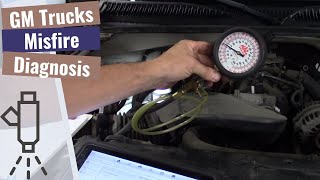
- Replacing the spark plug or ignition coil for cylinder 4 without diagnosing the fuel system. 🎬 Watch: A professional walkthrough of GM misfire diagnosis. A misfire (P0304) can be caused by spark, fuel, or compression issues. P0270 specifically points to the fuel injector circuit, making it the primary area for diagnosis.
Most Likely Causes
- Faulty Fuel Injector Wiring Harness 🔴 High Probability → Shop Engine Wiring Harness A GM Technical Service Bulletin (PIP4924D) specifically identifies the injector wiring harness as a likely cause for this and related codes. The harness routing brings it into close contact with metal components like the intake plenum, valve cover bolts, and cylinder head, where engine vibration and heat can cause the insulation to rub through, creating a short to ground.
How to confirm: Visually inspect the wiring harness leading to the cylinder 4 fuel injector, paying close attention to the areas mentioned in TSB PIP4924D. Look for any signs of melting, chafing, corrosion, or loose connections. Use a multimeter to check for continuity and shorts in the wires between the PCM and the injector connector. 🎬 See how to diagnose a fuel injector circuit malfunction. A resistance to ground on the signal wire indicates a short.
Typical fix: Repair the damaged section of the wire by soldering in a new piece and using heat-shrink tubing. If damage is at the connector, replace the injector connector pigtail.
Est. part cost: $15-$40 - Failed Fuel Injector 🟡 Medium Probability → Shop Fuel Injector The 3.6L LLT uses direct injection, and these injectors operate under high pressure and can fail internally. An internal short circuit in the injector's coil windings will cause a 'circuit low' condition.
How to confirm: Check the injector's internal resistance with a multimeter. For the 3.6L LLT direct injectors, the resistance is very low, but should be consistent with other injectors (typically 1.5-2.5 ohms). A reading near zero indicates a short. The easiest confirmation is to swap the cylinder 4 injector with an injector from another cylinder (e.g., cylinder 2). If the trouble code changes to P0264 (Cylinder 2 Injector Circuit Low), the injector is faulty.
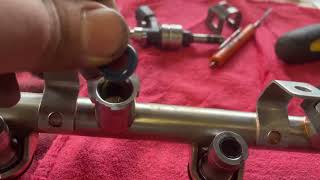
Typical fix: Replace the faulty fuel injector. For direct injection, this also requires replacing the Teflon seal.
Est. part cost: $45-$120 - Faulty Powertrain Control Module (PCM) ⚪ Low Probability → Shop Engine Control Module (ECM)
How to confirm: This should be the last resort after confirming the wiring and injector are good. A specialized scan tool can monitor the injector driver output from the PCM. A noid light can also be used at the injector connector; if it doesn't flash while the engine is cranking, and the wiring is confirmed to have continuity to the PCM, the PCM driver may have failed. GM bulletins often warn against replacing the ECM unnecessarily for this code.
Typical fix: Replace and reprogram the Powertrain Control Module.
Est. part cost: $300-$800
Rare But Worth Checking
- Clogged Fuel Injector: → Shop Fuel Injector While P0270 is an electrical code, a severely clogged injector can sometimes cause erratic performance that might be misdiagnosed. However, it typically won't cause a 'circuit low' fault on its own.
Diagnosis Steps
- Read all diagnostic trouble codes with an OBD-II scanner. Note any other codes present, especially misfire (P0304) or other injector codes (P0204, P0261, etc.).
- Locate cylinder 4. On the 3.6L V6, the cylinders are numbered 1-3-5 on the passenger side (Bank 1) and 2-4-6 on the driver's side (Bank 2), from front to back. Cylinder 4 is the middle cylinder on the driver's side.
- Perform a thorough visual inspection of the fuel injector wiring harness for cylinder 4, as recommended by TSB PIP4924D. Check for damage where the harness might rub against the intake plenum, valve cover bolts, fuel lines, or the cylinder head. Manipulating the harness while the engine is running may induce or stop the misfire, confirming a wiring issue.
- Disconnect the injector and check its resistance with a multimeter. For the 3.6L LLT direct injector, expect a low reading (e.g., 1.5-2.5 Ohms), but it should not be a dead short (0 Ohms). Compare the reading to an adjacent injector; they should be very similar. A typical port-injected engine like the Northstar would have a higher resistance (12-17 Ohms).
- Use a 'noid light' on the injector's electrical connector. Crank the engine; the light should flash, indicating the PCM is sending a signal. If it doesn't flash, the problem is in the wiring or the PCM.
- If the noid light flashes and the wiring looks good, swap the cylinder 4 fuel injector with the one from cylinder 2. Clear the codes and run the engine. If the code returns as P0264 (Cylinder 2), the injector is confirmed bad. If P0270 returns, the fault is in the wiring or PCM.
- If the wiring is confirmed to be good and the injector swap pointed away from the injector itself, the final step is to suspect a faulty injector driver in the PCM.
Parts You'll Likely Need
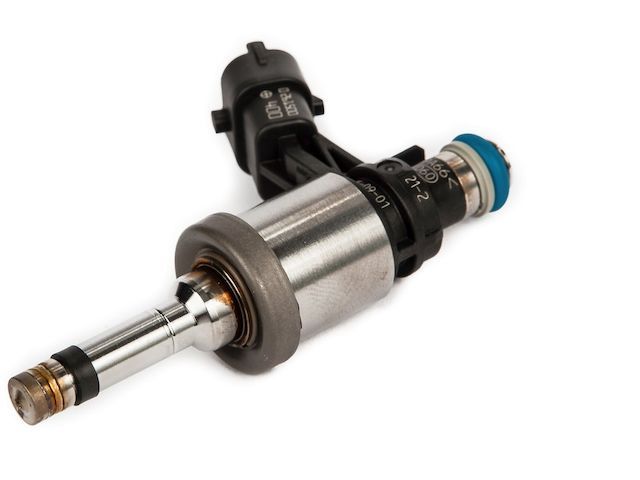
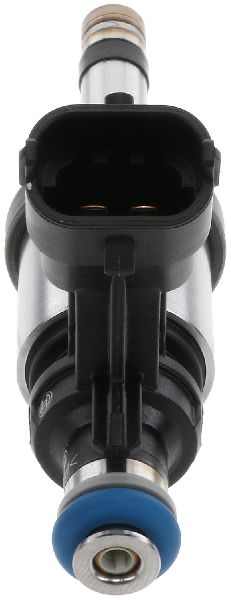
- Fuel Injector
(OEM #12638530)— This is the most likely component to have failed if the wiring harness is intact. An internal short or open circuit in the injector's coil will trigger this code. This part number is for the 3.6L V6 LLT engine.
Trusted brands: ACDelco, Bosch, Standard Motor Products
OEM price range: $90-$130
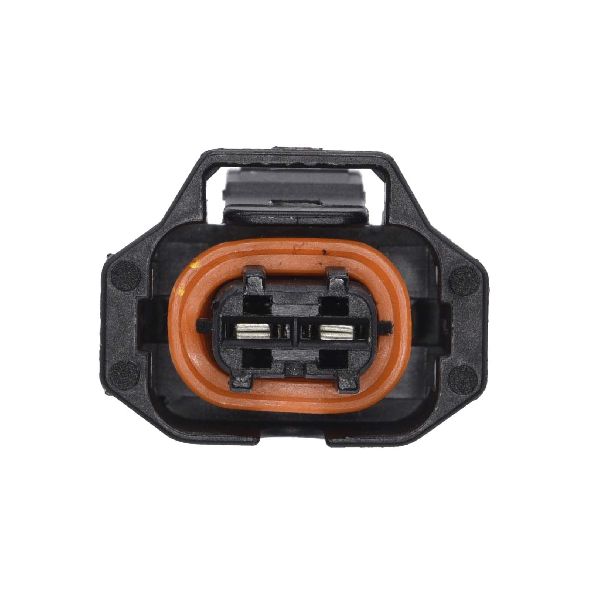
Aftermarket price range: $45-$80 - Fuel Injector Connector Pigtail
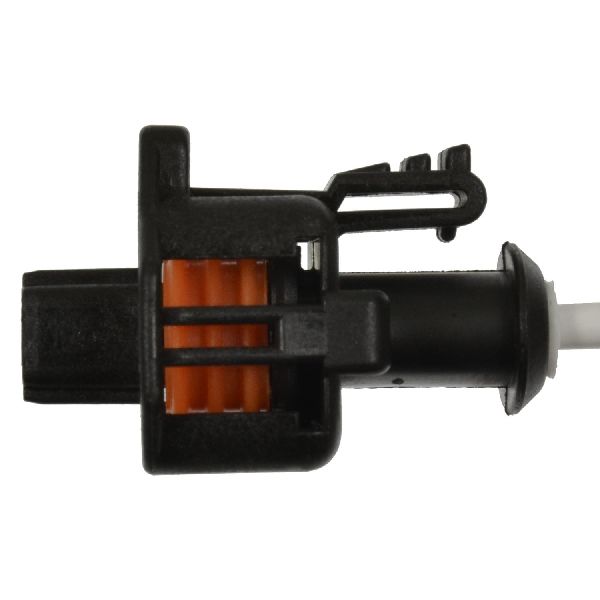
(OEM #ACDelco PT2181)— If the wiring is damaged right at the connector, replacing the pigtail is the standard repair. This is common due to engine heat and vibration making the connector brittle.
Trusted brands: ACDelco, Dorman
OEM price range: $25-$40
Aftermarket price range: $15-$25
Related Codes That Often Appear With This One
- P0304 — This code means 'Cylinder 4 Misfire Detected'. Since P0270 causes the cylinder 4 injector to malfunction, it directly leads to a misfire in that cylinder.
- P0204 — This is a more generic code for 'Injector Circuit/Open - Cylinder 4'. It often appears alongside P0270 as they both relate to electrical faults in the same circuit.
- P0261, P0267, P0273, etc. — The presence of multiple injector circuit codes across different cylinders strongly suggests a widespread wiring harness problem, as noted in TSB PIP4924D.
Technical Service Bulletins (TSBs) & Recalls
- PIP4924D: The most critical TSB for this issue. It lists P0270 and many other injector codes, advising technicians to carefully inspect the fuel injector wiring harness for rub-through or open circuits at specific locations like the intake plenum, valve cover bolts, and fuel lines before replacing any parts.
Platform-Specific Known Issues
- TSB #PIP4924D, issued by GM, points to a high likelihood of the fuel injector wiring harness being the root cause for a range of injector circuit codes, including P0270, on the 2009 model year and others. The bulletin specifically calls out chafe points against the intake plenum, valve cover bolts, and fuel lines.
- On the 3.6L V6, accessing the driver's side (Bank 2) injectors, including cylinder 4, requires removal of the upper intake manifold, adding to the labor time for diagnosis and repair.
Mechanic-Grade Diagnostic Values
- Low-Pressure Fuel System Pressure (3.6L LLT) — expected: 380-410 kPa (55-60 psi) at idle.. Failure: Pressure significantly above or below this range indicates a problem with the in-tank fuel pump or its regulator.
- High-Pressure Fuel System Pressure (3.6L LLT) — expected: Varies with load, but can exceed 2,000 PSI.. Failure: A scan tool showing that the actual fuel rail pressure does not match the desired pressure commanded by the ECM points to an issue with the high-pressure pump or the fuel rail pressure sensor.
- Fuel Injector Coil Resistance (4.6L Northstar V8) — expected: Approximately 11-14 ohms, but can be as high as 16-18 ohms depending on temperature.. Failure: A reading significantly outside this range, or near zero ohms (dead short), indicates a failed injector coil.
- Fuel Injector Coil Resistance (3.6L LLT V6 Direct Injector) — expected: 1.8 ohms or lower.. Failure: While a specific range is not published, direct injectors have very low resistance. The key is to compare the reading from cylinder 4 to a known good injector; they should be nearly identical. A reading of 0 ohms indicates a short.
Scan Tool Commands That Help
- Tech 2 / GDS2: Fuel Injector Balance Test — This bidirectional command allows a technician to individually fire each injector for a set duration while monitoring fuel pressure drop. It's used to confirm if an injector is mechanically stuck, clogged, or leaking, which might not be caught by electrical tests alone. For this test, the pressure drop for each injector should be within 1.5 PSI of the others.
- Tech 2 / GDS2: Cylinder Power Balance — This test deactivates one cylinder at a time and measures the corresponding drop in engine RPM. If disabling cylinder 4 results in little or no change in RPM compared to other cylinders, it confirms that cylinder 4 was not contributing power, reinforcing the diagnosis of a fuel delivery issue.
Wiring & Ground Locations
- G106 — On the rear side of the right cylinder head (Bank 2, passenger side on FWD platforms, but location may vary on RWD STS).. This is a primary engine ground. A loose or corroded G106 can cause erratic behavior in multiple sensors and actuators, including the fuel injectors, as the ECM may not have a stable ground reference.
- G100 / G101 — G100 is on the rear of the right cylinder head; G101 is on the lower front of the engine block.. These are critical grounds for the Engine Control Module (ECM). A poor connection at these points can lead to incorrect sensor readings and faulty driver operations, potentially triggering false injector circuit codes.
- Engine Block to Frame Ground Strap — A large, heavy-gauge strap running from the engine block (often near the transmission bellhousing) to the vehicle's frame rail.. This is the main ground path for the entire engine block. If this strap is broken or corroded, the starter and other components will seek ground through smaller, unintended paths, causing massive voltage drops and potentially damaging control modules or setting false circuit codes.
- Injector #4 Control Wire — The control wire for injector #4 runs from a specific pin at the ECM connector (X1 or X2) to pin 2 of the fuel injector connector.. When diagnosing a P0270, checking for continuity and shorts to ground on this specific wire is essential. A wiring diagram is needed to identify the exact wire color (e.g., Dark Green/White) and ECM pin number for the specific model year.
Real Owner Repair Stories
- ScannerDanner YouTube Channel (Cadillac with a Northstar V8, exhibiting no-crank and multiple electrical issues.) — Vehicle would not crank, various modules were offline, and voltage readings were erratic across the engine bay.
❌ Tried (didn't work) Initial diagnosis focused on a voltage drop on the positive side of the circuit, tracing power from the battery to the fuse box.
✅ What actually fixed it The main engine block ground strap was completely broken off. The engine block was not properly grounded to the frame, causing the starter current to seek alternative paths and creating a massive voltage difference between the engine block and the vehicle body. Replacing the broken ground strap resolved all electrical issues.
OEM Part Supersession History
12611545, 12632255→12638530, 12669384— Likely internal design improvements for reliability and performance.
Heads up: While later part numbers are generally backward-compatible, it is always recommended to replace injectors in a full set (or at least a full bank) to ensure consistent flow rates and performance.
Helpful Videos

We Have This Part in Stock


The information in this article is provided for general reference and educational purposes only. Vehicle specifications, procedures, and part compatibility can vary by production date, trim level, and region. Always consult your vehicle's factory service manual and verify part numbers before purchasing or performing repairs. Safety-critical components such as airbags, seat belts, and braking systems should be installed by a qualified professional.
- Cadillac STS:
- 🧭 Diagnostic Flowchart
- 🎬 Helpful Videos
- 🛍️ Shop This Part
- What's Unique About the 2009-2011 Cadillac STS
- Symptoms You May Notice
- Most Likely Causes
- Rare But Worth Checking
- Diagnosis Steps
- Parts You'll Likely Need
- Related Codes That Often Appear With This One
- Technical Service Bulletins (TSBs) & Recalls
- Platform-Specific Known Issues
- Mechanic-Grade Diagnostic Values
- Scan Tool Commands That Help
- Wiring & Ground Locations
- Real Owner Repair Stories
- OEM Part Supersession History
- 🎟️ Get 5% Off