

P0270 on 2010-2015 GMC Terrain: Cylinder 4 Injector Circuit Low Causes and Fixes
On a 2010-2015 GMC Terrain, P0270 is most often caused by a chafed or damaged engine wiring harness, a known issue cited in GM Technical Service Bulletins. Before replacing the fuel injector, thoroughly inspect the wiring harness, especially where it may rub against the ECM bracket, the upper control arm, or the shock tower. Repairing the wiring is the most common fix.
- P0270 on a 2010-2015 GMC Terrain points to an electrical fault in the cylinder 4 fuel injector circuit.
- The most probable cause is not the injector itself, but a chafed or damaged wiring harness, as documented in GM service bulletins.
- Always inspect the engine wiring harness thoroughly, especially around the ECM and back of the engine, before replacing any parts.
- If the wiring is intact, swapping the injector with another cylinder is a reliable way to confirm if the injector is the faulty component.
- Ignoring this code can lead to engine damage and costly catalytic converter failure.
What's Unique About the 2010-2015 Gmc TERRAIN
For this generation of GMC Terrain and its platform-mate, the Chevrolet Equinox, the P0270 code is frequently linked to specific, documented wiring harness problems. General Motors issued at least two Technical Service Bulletins (TSBs), #PIT5424 and #PIP4924D, advising technicians to inspect the engine control and fuel injector harnesses for chafing. This well-documented failure pattern makes a wiring fault a much higher probability on this vehicle than a random injector failure. 🎬 Watch: Quick misfire diagnosis using just a basic code reader. The harness can rub against sharp edges on the ECM bracket, the upper control arm, and the shock tower bolt, causing wires to short to ground.
Diagnostic Flowchart
Tap your situation to follow the diagnostic path that matches what you're seeing on this vehicle.
Symptoms You May Notice
- Check Engine Light is on
- Engine misfires, especially noticeable at idle or under load (P0304 may also be present)
- Rough or unstable idle
- Hesitation or stumbling during acceleration
- Reduced engine power or 'Engine Power is Reduced' message on dash
- Poor fuel economy
- Popping sound from the engine.
- Replacing the fuel injector without first thoroughly inspecting the wiring harness. Due to the known TSBs, the wiring is a more likely culprit and checking it first can save money and time.
Most Likely Causes
- Fuel Injector Wiring Harness Chafing or Damage 🔴 High Probability → Shop Engine Wiring Harness GM issued TSBs #PIT5424 and #PIP4924D specifically for this issue. The harness routing can cause it to rub against the ECM bracket, upper control arm, shock tower bolt, intake plenum, or valve cover bolts, causing wires to short out. This is a well-documented failure pattern on the Terrain/Equinox platform.
How to confirm: Visually inspect the engine wiring harness, particularly where it runs near the ECM and around the upper rear of the engine, as specified in TSB #PIT5424. Look for any signs of abrasion, melting, or broken wires. It may be necessary to remove the harness from its clips and reposition it to see the damaged areas clearly. Check for continuity on the injector circuit wires between the ECM connector (X1) and the injector connector. For the 2.4L engine, the cylinder 4 injector control wire is typically a Light Blue/Black wire at pin 50 on the X1 connector.
Typical fix: Repair the damaged section of the wire. This involves soldering or using a quality butt connector with heat shrink. Wrap the repaired area and the rest of the harness with anti-abrasion tape (GM recommends specific Kevlar or reflective heat tape) and secure it away from sharp edges with zip ties to prevent future damage.
Est. part cost: $10-$30 for repair materials (tape, connectors, wire loom). - Faulty Fuel Injector 🟡 Medium Probability → Shop Fuel Injector
How to confirm: After ruling out wiring, swap the cylinder 4 fuel injector with another cylinder (e.g., cylinder 2). Clear the codes and drive the vehicle. If the code changes to P0264 (Cylinder 2 Injector Circuit Low), the injector is faulty. You can also measure the resistance across the injector's terminals with a multimeter; for the 2.4L engine, it should be between 11-14 ohms. An open or shorted reading indicates a bad injector.
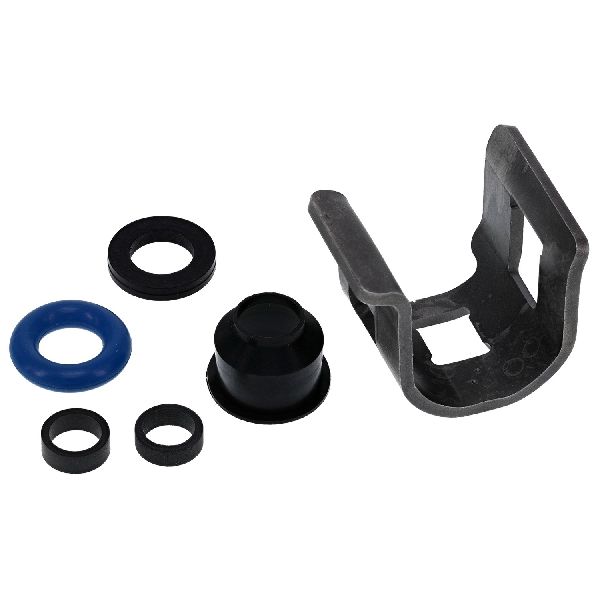
Typical fix: Replace the faulty fuel injector. Since these are direct injection (GDI) engines, replacement is more involved than on older port-injection engines and may require specialty tools. It is often recommended to replace the full set if they are high mileage and to replace the Teflon seals anytime an injector is removed.
Est. part cost: $50-$120 for a single injector. - Faulty Engine Control Module (ECM) ⚪ Low Probability → Shop Engine Control Module (ECM) While less common than wiring, the injector driver circuit within the ECM can fail. This can be caused by prolonged shorts in the external wiring or internal component failure from heat and vibration over time.
How to confirm: This is a last resort after confirming the wiring and injector are good. A professional will use an advanced scan tool to test the injector driver circuit within the ECM. If multiple injector codes are present that cannot be traced to a wiring issue, an ECM fault becomes more likely. Another symptom can be a complete loss of communication with the ECM (U-codes).
Typical fix: Replace and reprogram the Engine Control Module. This requires a compatible scan tool to program the new module to the vehicle's VIN and security system.
Est. part cost: $200-$600
Rare But Worth Checking
- Poor Ground Connection:
Diagnosis Steps
- Scan the vehicle for all stored trouble codes. Note if P0304 or other injector circuit codes like P0261, P0267, or P0641 are present, as this strongly suggests a wiring harness issue.
- Perform a thorough visual inspection of the engine wiring harness, focusing on the areas mentioned in TSBs #PIT5424 and #PIP4924D: around the ECM bracket, the upper control arm, and the shock tower. Look for any signs of chafing, melting, or broken wires.
- If no wiring damage is found, test the injector circuit. Disconnect the cylinder 4 injector and use a 'noid' light to verify the ECM is sending a pulse signal when the engine is running.
- If a pulse is present, check the injector itself. Measure the resistance across the two terminals of the injector. Compare the reading to the manufacturer's specification (typically 11-14 ohms for the 2.4L engine). An open or shorted reading indicates a bad injector.
- As a definitive test, swap the cylinder 4 injector with an injector from an adjacent cylinder. Clear the codes. If the 'Circuit Low' code follows the injector to the new cylinder (e.g., P0264 for cylinder 2), the injector is confirmed to be faulty.
- If the P0270 code returns for cylinder 4 after the swap, the problem lies in the wiring or the ECM. Re-examine the wiring for continuity between the ECM connector and the injector connector. Check for a short to ground on the control wire.
- Inspect and clean the main engine and ECM ground points. A poor ground can cause erratic voltage readings.
- If both the wiring and injector are confirmed to be good, the fault may lie with the injector driver in the ECM, which may require professional diagnosis and replacement.
Parts You'll Likely Need
- Fuel Injector
(OEM #12633789)— If the injector itself has an internal short or failure, it will need to be replaced. This is a common cause after wiring issues have been ruled out.
Trusted brands: ACDelco (GM Genuine), Bosch, Standard Motor Products
OEM price range: $90-$120
Aftermarket price range: $45-$80 - Fuel Injector Connector Pigtail — If the wiring is damaged right at the connector, or the connector itself has a poor pin fit, replacing the pigtail is the most reliable repair.
Trusted brands: ACDelco, Dorman, Standard Motor Products
OEM price range: $20-$40
Aftermarket price range: $10-$25 - Anti-Abrasion Wiring Tape/Sleeve — Required to protect the repaired wiring harness from future chafing, as recommended by GM service bulletins.
Trusted brands: Tesa, 3M
OEM price range: $15-$25
Aftermarket price range: $5-$15
Related Codes That Often Appear With This One
- P0304 — This code means 'Cylinder 4 Misfire Detected'. A P0270 fault directly causes a fuel delivery problem to cylinder 4, which in turn causes it to misfire.
- P0261, P0264, P0267, P0273, P0276 — These are 'Injector Circuit Low' codes for other cylinders. If multiple injector circuit codes appear at once, it strongly points to a common wiring harness problem or a failing ECM, as cited in TSBs #PIT5424 and #PIP4924D.
- P0641 — This code for 'Sensor Reference Voltage 'A' Circuit/Open' can appear alongside injector codes when a wiring harness chafing issue is present, as the 5-volt reference wire runs in the same harness and can be shorted at the same time.
Technical Service Bulletins (TSBs) & Recalls
- PIT5424: Advises inspection of the engine harness routing near the ECM and the upper rear of the engine for chafing, which can cause various injector circuit codes including P0270. Specific contact points are the ECM bracket, upper control arm, and shock tower.
- PIP4924D: Recommends inspecting the fuel injector wiring harness for rub-through or internal opens when multiple injector codes are present. Common chafe spots include against the intake plenum, valve cover bolts, and fuel lines.
Platform-Specific Known Issues
- A known issue documented in GM TSB #PIT5424 involves the engine harness making contact with the ECM bracket, upper control arm, or shock tower, causing chafing and short circuits that trigger P0270 and other injector codes.
Mechanic-Grade Diagnostic Values
- Fuel Injector Coil Resistance (2.4L Engine) — expected: 11-14 Ohms. Failure: A reading outside this range, or showing open/short, indicates a faulty injector.
- Fuel Injector Power Wire Voltage (Key On, Engine Off) — expected: ~12.0 V (Battery Voltage). Failure: Voltage significantly lower than battery voltage points to a wiring fault in the power supply circuit.
- Injector Circuit Ground Wire Resistance — expected: < 0.5 Ohms to chassis ground. Failure: Higher resistance indicates a poor ground connection, which is a known issue on this platform.
- High Pressure Fuel System (GDI) — expected: Can range from 2,000 to 2,800 PSI. Failure: While not a direct cause of a circuit code, low pressure could indicate other system issues. The high pressure is a major safety consideration during diagnosis.
Scan Tool Commands That Help
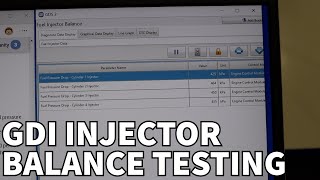
- GM GDS2 (or equivalent professional scan tool): Injector Balance Test / Automated Fuel Injector Test — This bidirectional test commands the ECM to operate each injector and measures the corresponding drop in fuel rail pressure. It can definitively identify a clogged or mechanically failed injector that isn't responding correctly, even if the electrical circuit seems okay. It's a crucial step after verifying wiring integrity but before physically removing injectors.
- GM GDS2 (or equivalent professional scan tool): Output Control Functions > Fuel Injector #4 — This allows a technician to manually command the cylinder 4 injector on and off while monitoring circuit voltage or using a noid light. It helps isolate whether the fault is in the ECM's driver circuit or the external wiring/injector. If the tool can command the injector but it doesn't fire, the problem is external to the ECM.
Wiring & Ground Locations
- ECM Connector X1 (2.4L Engine) — The Engine Control Module is located in the engine bay. The X1 connector is typically the one with a blue-colored shell or insert.. This is the primary connector for the fuel injector circuits. The control wire for the cylinder 4 injector is located at pin 50 (typically a Light Blue/Black wire) on this connector. Verifying continuity from this pin to the injector connector is a key diagnostic step.
- G112 (2.4L Engine) — Lower left front of the engine.. This is a primary ground point for the Engine Control Module. A loose or corroded connection here can cause erratic behavior and various fault codes, including injector circuit codes, due to an unstable ground reference for the ECM's driver circuits.
- G105 (3.0L/3.6L V6 Engines) — Located on the left rear of the engine.. This is a key ground point for the ECM on V6 models. Similar to G112 on the 4-cylinder, a poor connection here can lead to multiple electrical faults and codes, including P0270.
Real Owner Repair Stories
- YouTube channel 'quick automotive diagnostics' (GMC vehicle with similar engine/ECM architecture) — No start, no communication with PCM, 'Service Stabilitrak' message.
❌ Tried (didn't work) Initial diagnosis pointed towards a bad PCM due to lack of communication.
✅ What actually fixed it The problem was a single loose ground bolt for the PCM and transmission. The bolt was hidden and difficult to access between the A/C compressor and the alternator, a location easily missed or forgotten during engine work. Tightening this ground bolt restored all communications and fixed the vehicle.
OEM Part Supersession History
12642300→12633789— Unknown, likely a minor revision or change in supplier. The parts are interchangeable.
Model Year Variations Within This Range
- 2013-2015: For the 2013 model year, the optional 3.0L LF1 V6 engine was replaced with the more powerful 3.6L LFX V6. While the P0270 code applies to all engines, technicians should be aware of which V6 they are working on as some component locations and specifications may differ slightly.
- 2010-2012: These models could be equipped with either the standard 2.4L I4 or the optional 3.0L V6 engine.
Helpful Videos


We Have This Part in Stock


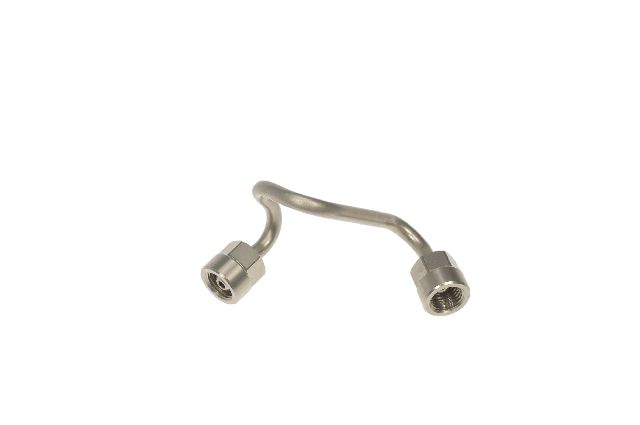
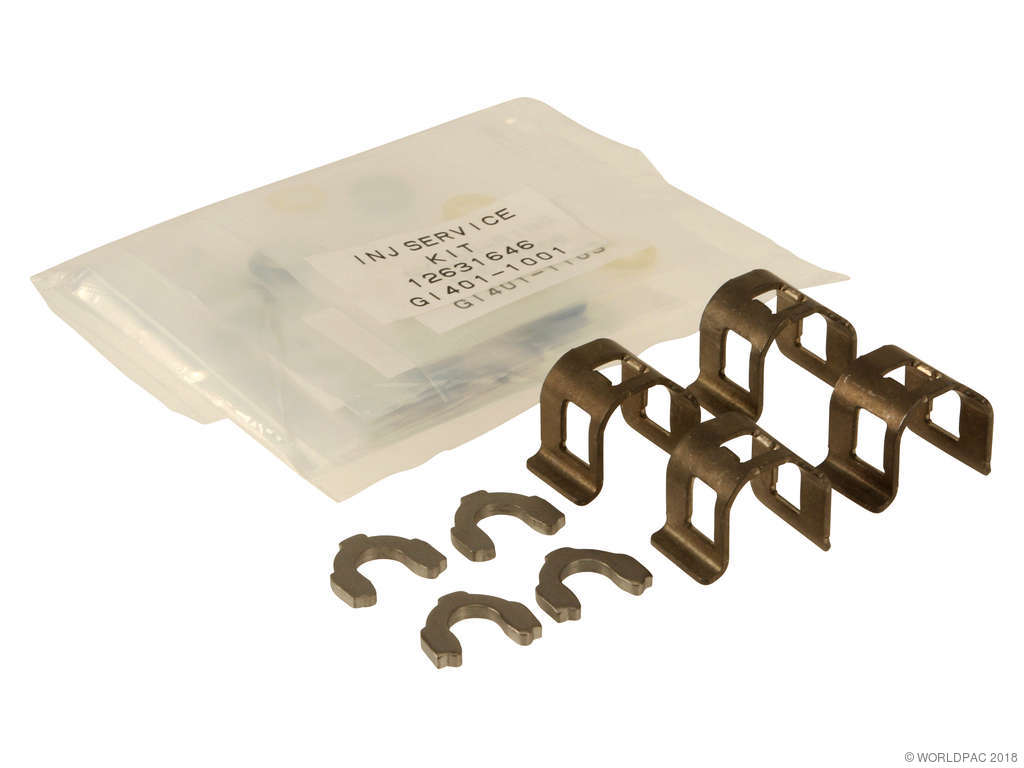

The information in this article is provided for general reference and educational purposes only. Vehicle specifications, procedures, and part compatibility can vary by production date, trim level, and region. Always consult your vehicle's factory service manual and verify part numbers before purchasing or performing repairs. Safety-critical components such as airbags, seat belts, and braking systems should be installed by a qualified professional.
- Gmc TERRAIN:
- 🧭 Diagnostic Flowchart
- 🎬 Helpful Videos
- 🛍️ Shop This Part
- What's Unique About the 2010-2015 Gmc TERRAIN
- Symptoms You May Notice
- Most Likely Causes
- Rare But Worth Checking
- Diagnosis Steps
- Parts You'll Likely Need
- Related Codes That Often Appear With This One
- Technical Service Bulletins (TSBs) & Recalls
- Platform-Specific Known Issues
- Mechanic-Grade Diagnostic Values
- Scan Tool Commands That Help
- Wiring & Ground Locations
- Real Owner Repair Stories
- OEM Part Supersession History
- Model Year Variations Within This Range
- 🎟️ Get 5% Off