

P0271 on 2010-2014 Chevrolet Equinox: Cylinder 4 Injector Circuit High Causes and Fixes
P0271 on a 2010-2014 Equinox indicates a high voltage fault in the cylinder 4 fuel injector circuit. The most common causes are a damaged wiring harness, as cited in GM Technical Service Bulletin #PIP4924D, or a failed fuel injector. Expect to pay $50-$120 for a new injector.
- P0271 means there is a high voltage electrical fault with the cylinder 4 fuel injector circuit.
- Before replacing any parts, thoroughly inspect the fuel injector wiring harness for damage, as this is a known issue on the 2010-2014 Equinox (TSB #PIP4924D).
- If the wiring is good, the most likely cause is a failed fuel injector.
- Always replace the Teflon injector seal when reinstalling a direct fuel injector.
- Driving with this code can lead to expensive catalytic converter damage, so it should be addressed promptly.
What's Unique About the 2010-2014 Chevrolet EQUINOX
For this generation of Chevrolet Equinox and its direct platform mate, the GMC Terrain, the P0271 code is frequently linked to a known wiring harness issue. General Motors issued Technical Service Bulletin #PIP4924D, which specifically mentions P0271 and instructs technicians to inspect the fuel injector wiring harness for damage. The bulletin notes common chafe spots are against the intake plenum, valve cover bolts, fuel lines, and the side of the cylinder head. This makes a wiring fault a significantly higher probability on this vehicle compared to just a random injector failure.
Diagnostic Flowchart
Tap your situation to follow the diagnostic path that matches what you're seeing on this vehicle.
Symptoms You May Notice
- Check Engine Light is on
- Rough or unstable idle
- Engine misfire, which may feel like a stumble or shake
- Hesitation or loss of power during acceleration
- Reduced fuel economy
- A raw fuel smell from the exhaust
- Replacing the spark plug or ignition coil for cylinder 4. While these parts can cause a misfire (P0304), they will not cause an injector circuit code like P0271.
- Replacing the fuel injector without first thoroughly inspecting the wiring harness. Given the known TSBs for this vehicle, a wiring issue is a very common cause and should be checked first to avoid unnecessary expense.
Most Likely Causes
- Damaged Fuel Injector Wiring Harness 🔴 High Probability → Shop Engine Wiring Harness A known issue documented in GM Technical Service Bulletin #PIP4924D, where the harness can rub through against engine components or brackets, causing a short to voltage. Specific chafe points include the intake plenum, valve cover bolts, and the side of the cylinder head. TSB #PI1004 also notes potential chafing on the right rear corner of the engine or cam/valve cover.
How to confirm: Visually inspect the entire length of the fuel injector harness for cylinder 4, paying close attention to where it passes near the ECM bracket, shock tower, intake plenum, and valve cover bolts. Look for chafed, melted, or broken wires. You may need to remove the plastic engine cover and carefully unwrap sections of the harness to find the damage.
Typical fix: Repair the damaged section of the wire using a weatherproof butt connector or solder and heat shrink. Protect the repaired harness from future damage using convoluted tubing, anti-abrasion tape (like Tesa tape), and re-routing it away from sharp edges.
Est. part cost: $5-$25 - Faulty Cylinder 4 Fuel Injector 🔴 High Probability → Shop Fuel Injector
How to confirm: Swap the cylinder 4 fuel injector with one from another cylinder (e.g., cylinder 2). Clear the codes and drive the vehicle. If the code changes to P0268 (Cylinder 2 Injector Circuit High), the injector is faulty. You can also test the injector's internal resistance with a multimeter; an out-of-spec reading (should be around 12-17 ohms, but check specs for your specific part) indicates failure.
Typical fix: Replace the failed fuel injector. Since these are direct injection engines, replacing the Teflon seal on the injector tip is also required. It is often recommended to replace all injectors on a high-mileage engine at the same time.
Est. part cost: $50-$120 - Corroded or Loose Electrical Connector 🟡 Medium Probability
How to confirm: Disconnect the connector at the fuel injector and the ECM. Inspect the pins and terminals for corrosion, moisture, or being bent or pushed out. A poor connection can cause high resistance or an open circuit.
Typical fix: Clean the connector terminals with an electrical contact cleaner. Apply a small amount of dielectric grease to the seal before reconnecting. If pins are damaged, the connector pigtail may need to be replaced.
Est. part cost: $0-$25
Rare But Worth Checking
- Faulty Engine Control Module (ECM): → Shop Engine Control Module (ECM) This is the least likely cause. The internal driver circuit for the cylinder 4 injector can fail, but all other possibilities (wiring, injector) must be exhaustively ruled out before condemning the ECM. TSBs specifically warn that the ECM is often replaced unnecessarily for this issue.
Diagnosis Steps
- Connect an OBD-II scanner and confirm that P0271 is the active code. Note any other codes present, such as P0304.
- Identify Cylinder 4: On the 2.4L I4 engine, the cylinders are numbered 1-2-3-4 from left to right (passenger to driver side). Cylinder 4 is on the driver's side. On the 3.0L/3.6L V6 engines, the left bank (front of the vehicle) is cylinders 2-4-6 and the right bank (rear, near firewall) is 1-3-5. Cylinder 4 is the middle cylinder on the front bank.
- Perform a thorough visual inspection of the fuel injector wiring harness. Trace it from the injector back to the main engine harness, looking for signs of chafing, melting, or corrosion, especially at the points mentioned in TSB PIP4924D: against the intake plenum, valve cover bolts, and the side of the head.
- Disconnect the harness at the cylinder 4 injector and inspect the connector for damage or corrosion.
- Use a noid light to test for a signal at the injector connector while cranking the engine. A flashing light indicates the ECM is trying to fire the injector. No light or a steady light points to a wiring or ECM issue.
- If the signal test is inconclusive or you suspect the injector, swap the cylinder 4 injector with an injector from another cylinder (e.g., cylinder 2).
- Clear the codes, start the engine, and see if the fault code follows the injector (e.g., P0268 - Cylinder 2 Injector Circuit High). If it does, the injector is bad and needs replacement.
- If P0271 returns after the swap, the problem is definitively in the wiring or the ECM.
- Perform a continuity test on the two injector circuit wires from the injector connector to the ECM connector to find any open circuits or shorts to voltage/ground.
- If the wiring and injector are confirmed to be good, the ECM is the most likely remaining point of failure, but this should be the last resort.
Parts You'll Likely Need
- Fuel Injector
(OEM #12633784 (2.4L), 12634126 (3.6L), 217-3449 (3.0L))— The injector's internal coil can fail, causing a high circuit condition. This is a common fix if wiring is confirmed to be intact. Part number 12633784 fits the 2.4L Equinox/Terrain as well as other GM vehicles like the Buick Regal and Verano.
Trusted brands: ACDelco, Bosch, Hitachi, Standard Motor Products
OEM price range: $90-$130
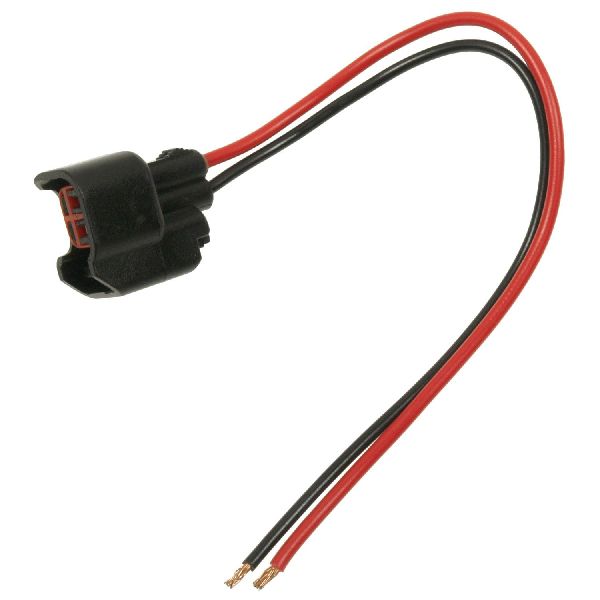
Aftermarket price range: $50-$90 - Fuel Injector Connector Pigtail — If the plastic connector or its terminals are damaged from heat, chafing, or corrosion, replacing the pigtail is necessary to ensure a solid electrical connection.
Trusted brands: ACDelco, Dorman, Standard Motor Products (S-824)
OEM price range: $20-$35
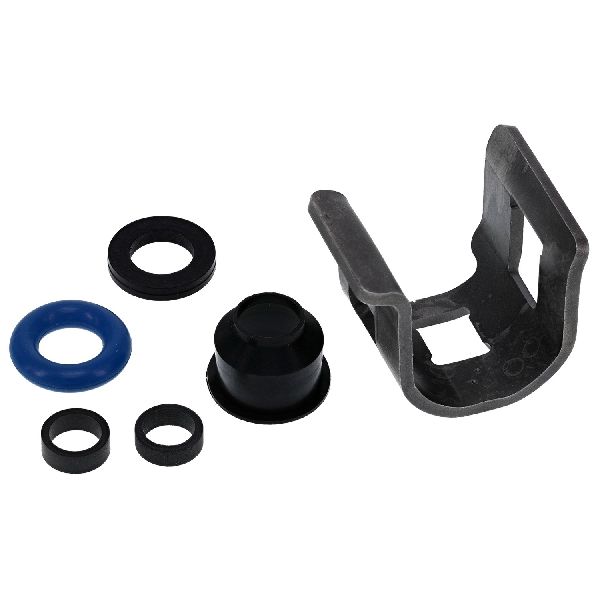
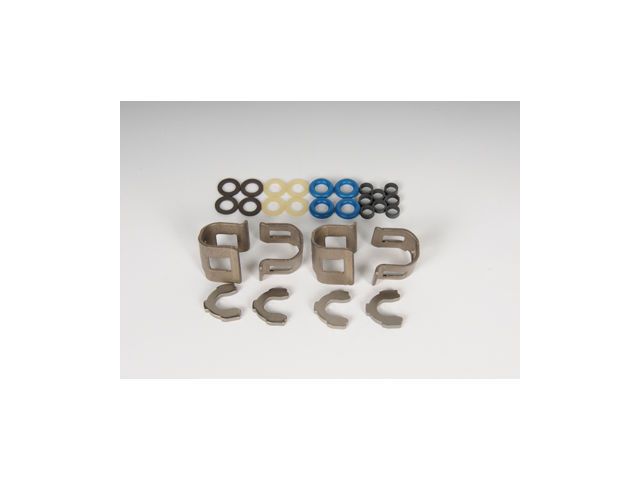
Aftermarket price range: $10-$20 - Fuel Injector Seal Kit
(OEM #12644827)— The Teflon seal on the tip of the direct injector is a one-time-use part and must be replaced whenever an injector is removed and reinstalled to prevent compression and fuel leaks.
Trusted brands: ACDelco, Fel-Pro, Mahle
OEM price range: $15-$25
Aftermarket price range: $10-$20
Related Codes That Often Appear With This One
- P0304 — This code means 'Cylinder 4 Misfire Detected.' Since P0271 prevents the fuel injector from operating correctly, cylinder 4 will not have proper combustion, leading to a misfire.
- P0204 — This code for 'Injector Circuit/Open - Cylinder 4' can sometimes appear alongside P0271, as both relate to electrical faults in the same circuit.
- P0262, P0265, P0268, etc. — If multiple injector circuit codes are present, it strengthens the case for a wiring harness issue affecting several injector circuits, rather than multiple simultaneous injector failures.
Technical Service Bulletins (TSBs) & Recalls
- PIP4924D: Advises technicians to inspect the fuel injector wiring harness for rub through or internal wire opens when various injector circuit codes, including P0271, are present. Common chafe spots are against the intake plenum, valve cover bolts, fuel lines, and the side of the head.
- PI1004: A preliminary information bulletin for 2012-2014 models with the 2.4L engine that describes harness chafing on the right rear corner of the engine or cam/valve cover, causing various electrical issues and codes.
Platform-Specific Known Issues
- A known issue documented in TSB #PIP4924D involves the fuel injector wiring harness rubbing through on engine components, causing shorts or opens in the circuit.
- Another TSB, #16-NA-004, describes a similar issue where the engine harness can chafe on the edge of the fuel pump cover, leading to various electrical faults.
Mechanic-Grade Diagnostic Values
- Fuel Injector Internal Resistance (2.4L I4) — expected: 11 to 14 Ohms. Failure: A reading of zero, infinity (OL), or significantly outside this range indicates a failed injector coil.
- Fuel Injector Internal Resistance (3.0L LF1 V6) — expected: Approximately 12 Ohms. Failure: A significant deviation, open circuit (OL), or short (near 0 Ohms) indicates a failed injector.
- Fuel Injector Internal Resistance (3.6L LFX V6) — expected: 1.2 to 2.0 Ohms. Failure: A reading outside this range, especially an open circuit (OL), indicates an internal injector fault.
- Injector Circuit Voltage Drop — expected: Less than 0.5 Volts. Failure: A voltage drop greater than 0.5V between the ECM connector and the injector connector indicates high resistance in the wiring.
Scan Tool Commands That Help
- GDS2 / Tech2 / High-End Bidirectional Scanner: Automated Injector Balance Test — This function commands the ECM to individually disable each injector while the engine is running, measuring the drop in fuel rail pressure or change in engine speed for each cylinder. It allows a technician to compare the performance of the cylinder 4 injector against the others without physically removing it. A significantly different pressure drop for cylinder 4 points towards a faulty injector. GM specifies a variance of no more than 20% between injectors.
Wiring & Ground Locations
- G112 (2.4L Engine) — On the lower left front of the engine block.. This is a critical powertrain ground. A loose or corroded connection at G112 can cause numerous erratic electrical faults, including incorrect voltage readings in the injector circuits, leading to codes like P0271.
- G107 / G108 (3.0L/3.6L V6 Engines) — G107 is on the upper left front side of the engine; G108 is on the upper right rear side of the engine.. These are primary engine ground points for the V6 models. The ECM and its related sensor circuits rely on these grounds. A poor connection can lead to voltage potential differences and trigger circuit high/low codes.
- Injector #4 ECM Pins — At the multi-pin connectors of the Engine Control Module (ECM) in the engine bay.. To definitively rule out a wiring fault, a technician must test continuity and check for shorts on the two wires for the cylinder 4 injector. This involves testing from the injector connector plug all the way back to the specific pins on the ECM connector. A wiring diagram for the specific year and engine is required to identify the exact pin numbers.
OEM Part Supersession History
12649565 (2.4L Harness)→12690915— Updated part to address potential durability or routing issues related to the problems described in TSBs.217-3449 (ACDelco 3.0L Injector)→12634126 (OEM)— Part number consolidation and use across multiple engine platforms.
Heads up: The 3.0L V6 (2010-2012) and 3.6L V6 (2013-2014) use different injectors with different resistance values. While the OEM part number 12634126 is listed for 2012+ 3.0L/3.6L models, it's crucial to verify the correct injector type based on the engine (LF1 vs LFX) as their electrical characteristics are different.
Model Year Variations Within This Range
- 2010-2012 vs 2013-2014 (V6 Models): In 2013, the 3.0L LF1 V6 was replaced by the 3.6L LFX V6. This is a critical distinction for diagnosis, as the LF1 uses high-impedance injectors (~12 Ohms) while the LFX uses low-impedance injectors (~1.2-1.8 Ohms). Using the wrong resistance specification during testing will lead to a misdiagnosis.
- 2012-2014 (2.4L Models): Beginning in the 2012 model year, the 2.4L Ecotec engine became E85 Flex Fuel capable. While the injector part number appears consistent, there could be subtle software differences in the ECM related to fuel calculations and injector pulse width.
Helpful Videos
We Have This Part in Stock


The information in this article is provided for general reference and educational purposes only. Vehicle specifications, procedures, and part compatibility can vary by production date, trim level, and region. Always consult your vehicle's factory service manual and verify part numbers before purchasing or performing repairs. Safety-critical components such as airbags, seat belts, and braking systems should be installed by a qualified professional.
- Chevrolet EQUINOX:
- 🧭 Diagnostic Flowchart
- 🎬 Helpful Videos
- 🛍️ Shop This Part
- What's Unique About the 2010-2014 Chevrolet EQUINOX
- Symptoms You May Notice
- Most Likely Causes
- Rare But Worth Checking
- Diagnosis Steps
- Parts You'll Likely Need
- Related Codes That Often Appear With This One
- Technical Service Bulletins (TSBs) & Recalls
- Platform-Specific Known Issues
- Mechanic-Grade Diagnostic Values
- Scan Tool Commands That Help
- Wiring & Ground Locations
- OEM Part Supersession History
- Model Year Variations Within This Range
- 🎟️ Get 5% Off