

OBD-II Code P0272: Cylinder 4 Contribution/Balance
The Ultimate Guide to What P0272 Means, Why It Triggers, and How to Fix It for Good
- Code P0272 indicates cylinder 4 is underperforming, causing a noticeable rough idle and a 5-15% drop in fuel economy.
- A clogged or electrically failed cylinder 4 fuel injector is the #1 cause, followed closely by a faulty ignition coil or spark plug.
- Limit driving to under 10 miles; unburned fuel from the weak cylinder melts the catalytic converter, adding $2,000+ to the repair bill.
- Swap the cylinder 4 ignition coil with cylinder 3 before buying parts; if the code changes to P0271, the coil is the definitive culprit.
- Check manufacturer TSBs first; this code frequently triggers due to known software glitches (VW TDI) or wiring pigtail corrosion (GM Duramax) rather than failed injectors.
What Does P0272 Mean?
The Powertrain Control Module (PCM) detects that cylinder 4 is producing less power than the other cylinders. Because the engine relies on precise balance, a single underperforming cylinder destabilizes the entire system. This imbalance causes immediate rough idling, engine vibration, and noticeable power loss.
Technical definition: The official SAE definition is 'Cylinder 4 Contribution/Balance Fault.' The PCM monitors crankshaft rotational speed and flags this code when acceleration following cylinder 4's power stroke falls below a calibrated threshold. This indicates the cylinder is weak but not completely dead (a dead cylinder triggers a P0304 misfire code).
Can I Drive With P0272?
Yes, But With Caution. You can drive short distances to reach a repair shop, but continuing to commute is highly destructive. An imbalanced engine dumps unburned fuel directly into the exhaust, rapidly overheating the catalytic converter. Ignoring this turns a $200 repair into a $2,500 catastrophe.
Common Causes
- Faulty Fuel Injector (Cylinder 4) (Very Common) — The injector is clogged with carbon or has failed electrically (open/shorted coil), preventing adequate fuel delivery.
- Bad Ignition Coil or Spark Plug (Cylinder 4) (Common) — A worn spark plug or cracked ignition coil prevents a strong spark, leaving the air-fuel mixture partially unburned.
- Wiring or Connector Issue (Common) — The electrical connector for the cylinder 4 fuel injector or ignition coil is corroded, loose, or heat-damaged, causing intermittent signal loss.
- Low Cylinder Compression (Less Common) — Worn piston rings, a burnt exhaust valve, or a leaking head gasket prevent cylinder 4 from building the pressure required for a full power stroke.
- Vacuum Leak (Less Common) — A leak in the intake manifold gasket near cylinder 4 introduces unmetered air, creating a lean mixture that fails to combust properly.
- Faulty PCM or Software (Rare) — The PCM contains outdated software or a glitch causing it to misinterpret crankshaft data. Manufacturers frequently issue Technical Service Bulletins (TSBs) to patch this.
Symptoms
- Rough Idle and Engine Vibration — The car shakes or vibrates noticeably, especially when stopped or at idle. This is the most obvious symptom of a cylinder imbalance.
- Reduced Engine Power and Hesitation — The vehicle feels sluggish, struggles to accelerate, and stumbles when you press the gas pedal under load.
- Check Engine Light On — The Malfunction Indicator Lamp (MIL) illuminates. If raw fuel is actively destroying the catalytic converter, the light flashes.
- Decreased Fuel Economy — Fuel consumption spikes as the PCM dumps extra fuel into the engine to compensate for the weak cylinder.
- Fuel Smell or Black Smoke — Unburned fuel exits through the exhaust, causing a distinct gasoline odor or visible black smoke from the tailpipe.
Diagnostic Flowchart
Tap your situation to follow the diagnostic path that matches what you're seeing on this code.
Common Fixes & Costs
- Replace Fuel Injector — Parts: $100-$400, Labor: $150-$350, ~1.5 hr book time (Intermediate)
- Replace Ignition Coil — Parts: $40-$100, Labor: $75-$120, ~0.8 hr book time (DIY)
- Replace Spark Plug — Parts: $10-$25, Labor: $50-$100, ~0.5 hr book time (DIY)
- Repair Wiring or Replace Connector — Parts: $20-$50, Labor: $100-$200, ~1.5 hr book time (Intermediate)
- Perform Professional Fuel System Cleaning — Parts: $0, Labor: $150-$250, ~1.2 hr book time (Professional)
- Update PCM Software — Parts: $0, Labor: $100-$200, ~1.0 hr book time (Professional)
Used vs. New Parts: Buying Guide
When a used part is worth it: For a fuel injector, buying used is generally not recommended by professionals due to unknown history and high risk of early failure. A used injector is a budget-conscious choice for an older, high-mileage vehicle where the cost of a new part is prohibitive, but it carries significant risk.
Donor-vehicle mileage cap: roughly under 50000 miles for the part to have meaningful remaining life.
Donor quality checklist:
- Avoid 'refurbished' injectors, which are often just cleaned used parts.
- Prefer 'remanufactured' from a reputable brand that replaces internal components and provides a warranty.
- Match the part number exactly, as injectors are precisely calibrated for specific engines.
Decision logic:
- If The part is a fuel injector. → Strongly favor new OEM or high-quality new aftermarket. The labor cost to replace it again outweighs the savings from a used part.
- If Vehicle is over 150,000 miles and budget is the primary concern. → A quality remanufactured injector is an acceptable compromise between cost and reliability.
- If The part has critical internal electrical components (like an injector coil). → Buy new, as the remaining life of used electrical parts is impossible to determine.
Warranty tradeoff: Used injectors typically have a 30-90 day warranty at best, which may not cover labor. New aftermarket parts often carry a 1-year to limited lifetime warranty. New OEM parts carry a 12-month/12,000-mile warranty.
Worst-case if a used part fails: $300-$600 if a used or cheap injector fails prematurely, requiring repeat labor costs plus the price of another part.
What Happens If You Wait — Timeline
- 0-2 weeks: Code P0272 is stored, and the Check Engine Light is on. The driver notices a very slight roughness at idle. (MPG impact: 0-5%% · Added cost: $0)
- 2 weeks - 3 months: A consistent rough idle and engine vibration become noticeable. The vehicle hesitates during acceleration. Unburned fuel begins to enter the exhaust, causing the catalytic converter to run hotter than normal. (MPG impact: 5-10%% · Added cost: $50-$150 in wasted fuel)
- 3-6 months: The catalytic converter's internal substrate begins to overheat, crack, and melt from the constant exposure to raw fuel. The Check Engine Light flashes during acceleration. Power loss is significant. (MPG impact: 10-20%% · Added cost: $1200-$2800 (Catalytic converter replacement is now required).)
- 6+ months: The catalytic converter is completely melted or clogged, creating a major exhaust restriction. The engine stalls, has extreme power loss, and refuses to accelerate. The excessive backpressure causes damage to exhaust valves, piston rings, and O2 sensors. (MPG impact: 20-40%+% · Added cost: $1500-$4200+ (Includes catalytic converter, O2 sensors, and potential engine diagnosis/repair).)
Cost of Not Fixing It
- 0-1 Month: Noticeable drop in fuel economy (5-15%), rough idle, and poor acceleration. Increased emissions. (Added cost: $20-$60 per month in wasted fuel.)
- 1-6 Months: Unburned fuel from cylinder 4 overheats and melts the internal substrate of the catalytic converter, causing permanent failure. (Added cost: $1200-$2800 for catalytic converter replacement.)
- 6+ Months: Prolonged engine imbalance causes excessive vibration and stress on the crankshaft, bearings, and engine mounts, leading to accelerated wear and potential for major internal engine damage. (Added cost: $3000+ for potential engine repairs or replacement.)
Diagnosis Steps
- Read Codes & Check TSBs
Use an OBD-II scanner to confirm P0272 and check for related codes (like P0304 or P0204). Before opening the hood, search for manufacturer Technical Service Bulletins (TSBs) to see if a known software update fixes the issue.
Tools: OBD-II Scanner, Internet Access (Beginner) - Swap Ignition Components
Swap the ignition coil and spark plug from cylinder 4 to cylinder 3. Clear the codes and drive. If the code changes to P0271 (Cylinder 3), the ignition component is faulty.
Tools: Basic socket set, spark plug socket (Beginner) - Test Fuel Injector Resistance & Pulse
Unplug the cylinder 4 fuel injector. Use a multimeter set to Ohms to measure resistance across the pins (expect 12-17 ohms for standard injectors). A reading of 0 or 'OL' means the injector is dead. Use a noid light on the connector to verify the PCM is sending a pulse signal.
Tools: Multimeter, Noid Light Set (Intermediate) - Analyze Live Data & Fuel Trims
Use an advanced scan tool to view Short-Term (STFT) and Long-Term (LTFT) fuel trims. If the bank containing cylinder 4 shows high positive trims (+15% or more), the PCM is adding fuel to compensate for a lean condition caused by a clogged injector or vacuum leak.
Tools: Advanced OBD-II Scanner (Intermediate) - Swap Fuel Injectors
If electrical tests pass, relieve fuel pressure and swap the cylinder 4 fuel injector with cylinder 2. If the code follows the injector to the new cylinder, replace the injector.
Tools: Socket set, fuel line disconnect tools, new O-rings (Advanced) - Perform Engine Compression Test
Remove all spark plugs and thread a compression tester into cylinder 4. A healthy cylinder reads over 130 PSI. If cylinder 4 is more than 15% lower than the highest cylinder, you have an internal mechanical failure (rings, valves, or head gasket). Take the vehicle to a professional diagnostic shop for a leak-down test.
Tools: Compression tester kit, socket set (Advanced) - Analyze Injector Waveform
Back-probe the injector connector with a lab scope to observe the voltage and amperage pattern. Deformities in the inductive kick or current ramp reveal mechanically sticking injectors that a multimeter misses.
Tools: Automotive Oscilloscope (Lab Scope) (Professional)
When This Code Triggers (Freeze-Frame Conditions)
- Engine Coolant Temp: 180-210°F (Fully warmed up, closed-loop operation.)
- RPM: 1500-3000 RPM (Steady cruise or light acceleration, not idle.)
- Engine Load: 25-70% (The engine is working under a moderate load, where imbalances are most easily detected.)
- Vehicle Speed: 40-65 mph (Highway or steady arterial driving.)
Related Codes
- P0304 — This code means 'Cylinder 4 Misfire Detected.' P0272 indicates the cylinder is weak, while P0304 means it failed to fire completely. They appear together, as a weak cylinder frequently degrades into a full misfire. P0272 is a precursor to P0304.
- P0204 — This code means 'Injector Circuit/Open - Cylinder 4.' Seeing this with P0272 is a strong indicator of a purely electrical problem, such as a broken wire, a bad connector, or a failed injector coil. Diagnose this electrical circuit fault first.
- P0171 or P0174 — These are 'System Too Lean' codes for Bank 1 or 2. A vacuum leak near cylinder 4's intake runner is large enough to cause P0272 and also allow enough unmetered air to lean out the entire engine bank, triggering these codes simultaneously.
- P0172 or P0175 — These are 'System Too Rich' codes. If the fuel injector for cylinder 4 is stuck open, it dumps excessive fuel into the cylinder. This causes P0272 due to poor combustion and makes the entire bank run rich, triggering a rich code.
Climate & Environmental Factors
- Cold Weather: Extremely cold temperatures worsen P0272 on diesel engines like the Ford 6.0L Power Stroke. Cold, thick engine oil causes 'stiction,' where the injector's internal spool valve sticks, leading to rough running and contribution codes on startup that clear as the engine warms.
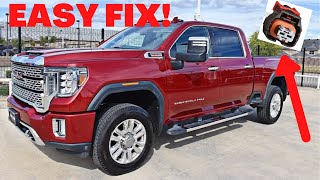
- High Humidity / Salt: Humid or salt-heavy environments accelerate corrosion on electrical connectors, such as the fuel injector pigtail on GM Duramax L5P engines. This corrosion increases resistance and triggers an intermittent P0272 code that mimics a failing injector.
- High Altitude: High altitude operation makes the engine more sensitive to imbalances. The thinner air requires precise fuel adjustments, and a weak cylinder that is borderline at sea level is pushed past the PCM's calibrated threshold for setting a P0272 fault.
How to Talk to a Mechanic About This Code
Say this: "I have a P0272 code on my car and it's running rough. I'd like to schedule a diagnostic to pinpoint the cause. Please start with the simplest and cheapest checks first, like swapping the coil and plug from cylinder 4 to another cylinder, before suggesting more expensive parts like a fuel injector."
This signals to the shop that you are an informed customer. It directs them to perform logical, low-cost diagnostic steps first, preventing them from immediately recommending the most expensive repair (like replacing the fuel injector) without proper evidence.
Avoid saying:
- 'Just fix whatever's wrong'
- 'My check engine light is on, can you look at it?' (too vague — invites upsell)
- 'Whatever you recommend'
Questions to ask before authorizing the repair:
- What specific diagnostic tests did you perform to conclude that [the specific part] has failed?
- Did you swap the ignition coil or spark plug to see if the problem moved to another cylinder?
- If you are recommending a new fuel injector, what was the resistance reading of the old one, and did you check for a pulse signal with a noid light?
- Did you check for any Technical Service Bulletins (TSBs) for this P0272 code on my specific vehicle?
- Can I have the old parts back?
- What is the warranty on this specific repair, covering both parts and labor?
Where to Take It: Dealer vs Independent vs Chain
- Dealer:
Best for: Vehicles still under a powertrain or emissions warranty., Vehicles with known, manufacturer-specific quirks (e.g., VW TDI software updates, GM Duramax connector issues)., Complex European brands like BMW where injector coding is required.
Downsides: Typically the highest labor rate., May be more inclined to replace parts according to a set flowchart rather than perform more creative, cost-saving diagnostics. (Typical cost: +50% vs. baseline) - Independent Shop:
Best overall fit. A well-regarded independent shop easily handles the diagnostic steps for P0272, from simple part swaps to electrical testing, offering the best value for most customers.
Best for: Most out-of-warranty vehicles., Cost-conscious owners who want a good balance of expertise and value., Standard diagnosis of common fuel, ignition, or electrical faults.
Downsides: Quality and diagnostic capabilities vary widely. Vet shops based on reviews and ASE certifications., May not have access to the very latest manufacturer-specific software or tools. (Typical cost: +0% vs. baseline) - Chain Shop:
Use with caution. Acceptable if you have already diagnosed a simple issue like a bad spark plug. Avoid for initial diagnosis of a P0272 code, as the multiple potential causes require a more methodical approach than their environment often encourages.
Best for: Simple, pre-diagnosed repairs like replacing a spark plug or ignition coil., Oil changes and tire rotations.
Downsides: Technician skill and diagnostic equipment are inconsistent., Business model pressures technicians to upsell services (e.g., recommending a full fuel system cleaning when only a coil is bad). (Typical cost: -10% vs. baseline)
When to Walk Away From the Repair
If the total estimated repair cost for the P0272 fault exceeds 40-50% of your car's current private-party market value (e.g., from Kelley Blue Book), it's time to seriously consider not fixing it.
- Car worth $4000, fix is $2000: Borderline. The repair cost is 50% of the car's value. Get a second opinion before authorizing. If the diagnosis points to a major mechanical failure (low compression), this is a clear walk-away signal.
- Car worth $12000, fix is $800: Fix it. The repair cost is well below the threshold and restores the vehicle's performance and value.
- Car worth $2500, fix is $1500: Walk away. The repair cost is 60% of the car's value. It is not economically sensible to invest this much into an older, lower-value vehicle.
What Scan Tool You Need for This Code
Minimum: A scanner that reads live data, specifically per-cylinder misfire counts (often found in Mode 6 data).
A basic $20 code reader only shows you the 'P0272' code. It won't provide the live data needed to diagnose the problem. You need to see misfire counts to confirm the issue and verify the fix, which saves you from blindly replacing parts.
Budget: BlueDriver Pro (~$100) — Reads the code, shows freeze-frame data, and provides access to Mode 6 for misfire counts and live data graphing. This is enough for a skilled DIYer to confirm the fault and verify if swapping an ignition coil moves the misfires to another cylinder.
Mid-range: Foxwell NT510 Elite (~$180) — Includes all the features of the budget pick plus some manufacturer-specific functions and active tests (bidirectional control). This allows you to perform a cylinder balance test directly from the scanner, turning each injector off sequentially to confirm which one is weak.
Professional: Autel MaxiCOM MK808 / MK906BT (~$500-1200) — Offers full bidirectional control for comprehensive active tests, including cylinder power balance and injector activation tests. It performs advanced functions like injector coding, which is required on some vehicles (like BMWs) after replacement.
Rent vs buy: For a one-time check, many auto parts stores like AutoZone lend you a basic scanner for free with a refundable deposit. This is great for confirming the code. However, to properly diagnose P0272, you need live data, so buying a capable scanner like the BlueDriver is a smart investment for any car owner.
How to Clear the Code After You Fix It
- Fix the root cause of the fault.
- Use an OBD-II scan tool to clear the diagnostic trouble code.
- Perform a complete OBD-II drive cycle to reset readiness monitors.
Drive cycle (~30 minutes): Start with a cold engine (sit for 8+ hours). Idle for 2-3 minutes with electrical loads on (A/C, defroster). Drive for 5-10 minutes at a steady highway speed (55-60 mph). Perform 15-20 minutes of stop-and-go city driving. Allow the vehicle to cool down.
Readiness monitors affected: Catalyst Monitor, Oxygen (O2) Sensor Monitor, Misfire Monitor
Before emissions retest: drive at least 100 miles to fully set monitors.
Watch out for:
- Just clearing the code with a scanner does not reset the readiness monitors; a full drive cycle is required.
- Going for an emissions test with 'Not Ready' monitors results in an automatic failure.
- If the underlying fault was not properly repaired, the P0272 code returns during the drive cycle.
Will This Fail Emissions / State Inspection?
Yes — this code typically fails an OBD-II emissions inspection.
- California: An illuminated Check Engine Light is an automatic failure. All required OBD readiness monitors must be set to 'Ready.' Clearing the code right before the test results in a 'Not Ready' failure.
- New York: The NYS DMV inspection includes an OBD-II scan. An active P0272 code causes an immediate emissions test failure.
- Texas: In counties requiring emissions testing (like Harris, Dallas, Tarrant), an illuminated Check Engine Light is an automatic fail. You are allowed one 'Not Ready' monitor for vehicles model year 2001 and newer (two for 1996-2000), but clearing codes often resets more than one.
Most Commonly Affected Vehicles
- Chevrolet Silverado 2500/3500 (2017-2019) — On the 6.6L L5P Duramax engine, the fuel injector wiring connector pigtail is a notorious failure point. Fretting corrosion on the terminals causes an intermittent connection that mimics a failed injector. Always inspect the connector before replacing the injector itself.
- GMC Sierra 2500/3500 (2017-2019) — Shares the same 6.6L L5P Duramax engine and is prone to the exact same fuel injector connector issues as its Chevrolet counterpart.
- Ford F-Series Super Duty (2003-2007) — The 6.0L Power Stroke diesel engine is famous for injector 'stiction' (static friction) where cold, thick oil prevents the injector spool valve from moving freely. This causes contribution codes on cold starts. A failing FICM (Fuel Injection Control Module) is also a very common cause of injector codes.
- Volkswagen Jetta, Golf, Beetle (2009-2014) — Models with the 2.0L CR TDI engine (codes CBEA, CJAA) have a known overly-sensitive diagnostic strategy. Multiple injector balance codes (P0263, P0266, P0269, P0272) appear together. The fix is a dealer software update, not injector replacement. See TSB 01-14-14 or RVU 23O6.
- Ford F-150, Expedition (5.4L 3V Triton) (2004-2010) — These engines are well-known for fuel injector failures. The injectors stick open or closed, leading to contribution codes. The issue is more pronounced under high-load conditions.
- Hyundai Sonata, Elantra, Tucson (2011-2018) — On GDI (Gasoline Direct Injection) engines, carbon buildup on the intake valves and injector tips is a very common problem. This buildup disrupts airflow and fuel spray, directly causing contribution faults. The issue stems from the PCV system and the lack of fuel washing over the valves.
- BMW Various with N54/N55 Engines (2007-2016) — The piezoelectric direct injectors used in N54 and later N55 engines are a known wear item. They are highly prone to leaking or clogging, which causes a wide range of issues from rough cold starts to misfires and contribution codes. They require replacement as a set.
- Kia Sorento, Optima, Sportage (2012-2018) — Sharing GDI engine architecture with Hyundai, these models are equally susceptible to heavy carbon buildup on injectors and intake valves, which restricts flow and triggers codes like P0272.
Manufacturer-Specific Notes
- GM (Duramax L5P): On 2017-2019 6.6L engines, the injector connector pigtail is the prime suspect for P0272. The terminals corrode, causing a poor connection. Always inspect and test this inexpensive connector before condemning the costly fuel injector. There is no specific recall, but it is a widely documented failure.
- Volkswagen (TDI): On 2009-2014 2.0L CR TDI engines (CBEA/CJAA), do not replace injectors for contribution codes until you check for software updates. TSB 01-14-14 or recall action 23O6 resolves these codes with a PCM reflash. There was also a warranty extension related to the diesel emissions settlement that covers injectors.
- Ford (Power Stroke): On 6.0L engines, P0272 on a cold start that improves as the engine warms is a classic sign of 'stiction.' The injector's spool valve sticks from thick oil. Using oil additives or switching to a different viscosity oil helps. A healthy FICM (Fuel Injection Control Module) is also critical; low FICM voltage causes multiple injector codes.
- Hyundai/Kia (GDI): Gasoline Direct Injection (GDI) engines in these vehicles suffer from carbon buildup on injector tips and intake valves due to their design. This is a maintenance issue, not always a part failure. Regular induction cleaning services are required to prevent and resolve codes like P0272. Some models have warranty extensions for related engine issues.
Real Owner Stories
2006 Ford F-250 6.0L Power Stroke at 150K miles
Truck starts hard and runs very rough with white smoke when cold. Code P0272 is present. Once the engine warms up to operating temperature, the roughness and smoke disappear, and it runs fine.
What they tried:
- Checked FICM voltage, which was good.
- Changed oil to a synthetic 5W-40 and added a stiction-reducing additive like Hot Shot's Secret or Rev-X.
Outcome: After a few hundred miles with the new oil and additive, the cold start issues and P0272 code were resolved. The problem was classic injector 'stiction,' not a failed injector.
Lesson: On a 6.0L Power Stroke, if P0272 appears only on cold starts and clears up when warm, suspect stiction before condemning the expensive injector. A change in oil viscosity and a quality oil additive is a much cheaper first step.
2018 Chevy Silverado 2500 L5P Duramax at 110K miles
Check engine light on with code P0272. The truck has a slight, intermittent miss at idle and cruising speeds. A local shop immediately diagnosed a bad #4 fuel injector.
What they tried:
- Owner was quoted $1,000+ to replace the injector.
- After reading forums, the owner decided to first inspect the injector's wiring connector pigtail themselves.
Outcome: The owner found visible corrosion on the pins of the #4 injector connector. After cleaning the terminals and applying dielectric grease, the connector was re-seated. The code was cleared and did not return. The intermittent miss was gone.
Lesson: On 2017-2019 L5P Duramax engines, the injector connector is a known failure point. Always inspect this inexpensive part for corrosion before agreeing to replace the very expensive fuel injector. This saves over a thousand dollars.
2015 Hyundai Sonata GDI at 85K miles
Gradual onset of rough idle, hesitation on acceleration, and a 15% drop in fuel economy. Finally, the check engine light came on with P0272.
What they tried:
- Swapped ignition coil and spark plug from cylinder 4 to cylinder 2; the P0272 code remained.
- Used a bottle of in-tank injector cleaner, which made no noticeable difference.
Outcome: A mechanic diagnosed severe carbon buildup on the intake valves and the tip of the #4 injector, a common issue on GDI engines. A professional induction cleaning service (walnut blasting) was performed for around $450. This restored power and fuel economy, and the code was resolved.
Lesson: On GDI engines, contribution codes are frequently caused by carbon buildup, not part failure. If basic ignition swaps don't isolate the problem, consider a diagnostic borescope inspection for carbon before replacing a fuel injector.
How to Prevent This Code From Triggering
- Use Top-Tier certified gasoline at every fill-up. (Every fill-up) — Top-Tier gas contains a higher concentration of detergents, like PEA, which actively clean and prevent carbon deposits from forming on fuel injector tips and intake valves. This is the single best way to prevent clogs.
- Perform a professional GDI induction cleaning service. (Every 30,000-40,000 miles (for GDI engines)) — On GDI engines, fuel is injected directly into the cylinder, so it never washes over the intake valves. This allows carbon from the PCV system to bake onto the valves, restricting airflow and causing contribution codes. A professional service (like walnut blasting) is the only way to remove these hardened deposits.
- Use a concentrated fuel system cleaner periodically. (Every 5,000-10,000 miles) — If you don't always use Top-Tier fuel, a bottle of high-quality cleaner (e.g., Chevron Techron, BG 44K) added to the tank dissolves existing mild deposits and helps keep injectors spraying cleanly.
- Change engine oil using the correct specification and interval. (Per manufacturer recommendation (or sooner, 4-5k miles for GDI)) — Clean, correct-viscosity oil is critical, especially for diesel engines like the Ford 6.0L Power Stroke, where old or thick oil causes injector 'stiction'. For GDI engines, shorter oil change intervals reduce the amount of oil vapor passing through the PCV system, lessening carbon buildup on valves.
- Apply dielectric grease to electrical connectors. (During any related repair or tune-up) — When replacing a coil, injector, or sensor, applying a small amount of dielectric grease to the connector seal helps keep moisture and oxygen out. This prevents the type of fretting corrosion that plagues components like the GM Duramax injector pigtails.
Frequently Asked Questions
What is the difference between P0272 and P0304?
P0272 means cylinder 4 is weak and underperforming. P0304 means cylinder 4 is actively misfiring and completely dead. A weak cylinder (P0272) frequently degrades into a full misfire (P0304) if ignored.
Can I just use a fuel injector cleaner to fix P0272?
A high-quality fuel system cleaner with PEA dissolves mild carbon clogs and sometimes clears the code. However, it cannot fix electrical faults, bad coils, or severe mechanical blockages. It is a cheap first step but rarely a permanent fix for hard failures.
What is a common misdiagnosis for P0272?
Mechanics often immediately replace the expensive fuel injector without testing other components. The actual fault is frequently a cheaper part, like a spark plug, ignition coil, or a corroded wiring pigtail. Always swap ignition parts between cylinders before buying an injector.
Is it safe to drive my car with a P0272 code?
No. Driving with an imbalanced cylinder forces unburned fuel into the exhaust system. This rapidly overheats and melts the catalytic converter. Limit driving strictly to reaching a repair shop to avoid a $2,500+ repair bill.
How do I find cylinder 4?
On a 4-cylinder inline engine, it is the cylinder farthest from the engine belts. On V6 or V8 engines, the numbering sequence varies strictly by manufacturer. Search online for your specific vehicle's 'cylinder numbering diagram' to locate it accurately.
Can a bad ground cause a P0272 code?
Yes. A corroded engine ground creates electrical resistance that distorts sensor and injector signals. The PCM misinterprets these distorted signals as a cylinder contribution fault. Check your main ground straps if you experience multiple unexplained electrical codes simultaneously.
What is an injector balance test?
An injector balance test uses a professional scan tool to electronically disable each fuel injector one at a time while the engine runs. The technician monitors the RPM drop for each cylinder. If disabling cylinder 4 causes zero change in RPM, that cylinder is confirmed dead or severely weak.
Why did the code come back after I replaced the part?
The replacement part was defective, the underlying wiring is shorted, or the vehicle requires a manufacturer software update to fix an overly sensitive diagnostic threshold.
Key Takeaways
- Code P0272 indicates cylinder 4 is underperforming, causing a noticeable rough idle and a 5-15% drop in fuel economy.
- A clogged or electrically failed cylinder 4 fuel injector is the #1 cause, followed closely by a faulty ignition coil or spark plug.
- Limit driving to under 10 miles; unburned fuel from the weak cylinder melts the catalytic converter, adding $2,000+ to the repair bill.
- Swap the cylinder 4 ignition coil with cylinder 3 before buying parts; if the code changes to P0271, the coil is the definitive culprit.
- Check manufacturer TSBs first; this code frequently triggers due to known software glitches (VW TDI) or wiring pigtail corrosion (GM Duramax) rather than failed injectors.
Helpful Videos
Shop the Parts Behind P0272
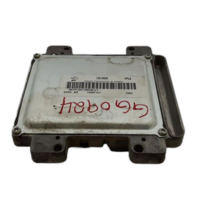
Below are the parts most often responsible for code P0272, ranked by how frequently each one is the actual culprit (per the diagnosis above). Tap any to see what we have for your vehicle.





The information in this article is provided for general reference and educational purposes only. Vehicle specifications, procedures, and part compatibility can vary by production date, trim level, and region. Always consult your vehicle's factory service manual and verify part numbers before purchasing or performing repairs. Safety-critical components such as airbags, seat belts, and braking systems should be installed by a qualified professional.
- 🧭 Diagnostic Flowchart
- 🎬 Helpful Videos
- 🛍️ Shop This Part
- What Does P0272 Mean?
- Can I Drive With P0272?
- Common Causes
- Symptoms
- Common Fixes & Costs
- Used vs. New Parts: Buying Guide
- What Happens If You Wait — Timeline
- Cost of Not Fixing It
- Diagnosis Steps
- When This Code Triggers (Freeze-Frame Conditions)
- Related Codes
- Climate & Environmental Factors
- How to Talk to a Mechanic About This Code
- Where to Take It: Dealer vs Independent vs Chain
- When to Walk Away From the Repair
- What Scan Tool You Need for This Code
- How to Clear the Code After You Fix It
- Will This Fail Emissions / State Inspection?
- Most Commonly Affected Vehicles
- Manufacturer-Specific Notes
- Real Owner Stories
- 2006 Ford F-250 6.0L Power Stroke at 150K miles
- 2018 Chevy Silverado 2500 L5P Duramax at 110K miles
- 2015 Hyundai Sonata GDI at 85K miles
- How to Prevent This Code From Triggering
- Frequently Asked Questions
- What is the difference between P0272 and P0304?
- Can I just use a fuel injector cleaner to fix P0272?
- What is a common misdiagnosis for P0272?
- Is it safe to drive my car with a P0272 code?
- How do I find cylinder 4?
- Can a bad ground cause a P0272 code?
- What is an injector balance test?
- Why did the code come back after I replaced the part?
- Key Takeaways
- 🎟️ Get 5% Off