

P0272 on 2017-2018 GMC Sierra 3500: Cylinder 4 Contribution/Balance Fault Causes and Fixes
On a 2017-2018 GMC Sierra 3500 with the 6.6L L5P Duramax engine, code P0272 almost always points to a problem with the #4 fuel injector or its electrical connector. The most common fix is replacing the fuel injector for cylinder 4, which can cost between $280 and $450 for the part, or replacing the injector pigtail connector, which is a much cheaper but common failure point. Diagnosis should always start with checking the injector connector before condemning the injector itself.
- P0272 on a 2017-2018 Sierra 3500 means cylinder #4 isn't producing enough power.
- The most likely cause is a failed fuel injector in cylinder #4.
- Before replacing the injector, always inspect the electrical connector for damage or fretting, as this is a known weak point.
- A scan tool capable of reading injector balance rates is essential for proper diagnosis.
- This is not a beginner-friendly DIY repair due to the complexity and high pressures of the L5P fuel system.
What's Unique About the 2017-2018 Gmc SIERRA 3500
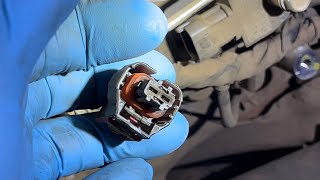
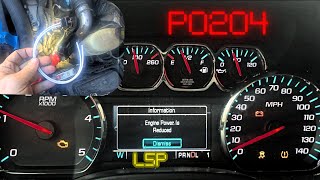
The 6.6L L5P Duramax engine in the 2017-2018 Sierra 3500 uses a high-pressure common-rail fuel system with precise piezoelectric injectors capable of operating at over 26,000 psi. While these injectors allow for excellent power and efficiency, they can be sensitive to fuel quality and electrical issues. A widely documented issue on this platform is fretting corrosion at the injector 🎬 Watch: How terminal fretting causes misfire codes like P0204 electrical connectors due to engine vibration. This creates a fine black powder, increases electrical resistance, and can mimic a completely failed injector, often triggering circuit codes like P0204 alongside P0272. GM has issued TSB 23-NA-027 which specifically addresses this connector issue and advises checking it before replacing an injector. Additionally, TSB 17-NA-171 acknowledges that ECM software anomalies can sometimes cause this and other related codes, recommending a software update as a potential fix.
Diagnostic Flowchart
Tap your situation to follow the diagnostic path that matches what you're seeing on this vehicle.
Symptoms You May Notice
- Check Engine Light is on
- Rough or vibrating idle
- Loss of engine power and poor acceleration
- Engine misfires, sometimes feeling like a stumble
- Increased fuel consumption
- A tapping or knocking sound from the engine bay, which can be a normal characteristic but more pronounced with a fault.
- Replacing the wrong fuel injector due to not confirming the cylinder numbering and firing order. On an L5P, cylinders 1, 3, 5, 7 are on the passenger side (Bank 1) and 2, 4, 6, 8 are on the driver's side (Bank 2), front to back. Cylinder #4 is the second cylinder from the front on the driver's side.
- Condemning the fuel injector before thoroughly testing the injector's electrical connector and wiring circuit, as outlined in TSB 23-NA-027.
- Replacing the ECM before verifying it has the latest software updates as per TSB 17-NA-171.
Most Likely Causes
- Faulty Cylinder 4 Fuel Injector 🔴 High Probability → Shop Fuel Injector The high-pressure piezoelectric injectors are complex and can fail internally or become clogged over time. The L5P injectors operate under immense pressure, making them susceptible to wear and contamination.
How to confirm: Use a scan tool to monitor injector balance rates at idle with the engine at operating temperature (over 170°F). A high positive value for cylinder 4 (e.g., above +4.0 mm³ in Park, or +6.0 mm³ in Drive) indicates the ECM is adding extra fuel to compensate for a weak cylinder, strongly suggesting a bad injector. The definitive test is to swap the #4 injector with another cylinder (e.g., #2) and see if the fault code follows the injector (changes to P0266).
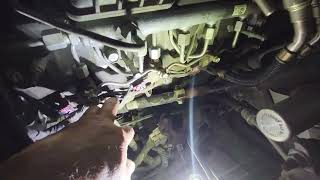
Typical fix: Replace the cylinder 4 fuel injector and the associated high-pressure fuel line, 🎬 Watch: Step-by-step walkthrough for replacing the #4 fuel injector which is one-time use. The new injector's IQA (Injector Quantity Adjustment) code must be programmed into the ECM.
Est. part cost: $300-$450 - Faulty Cylinder 4 Injector Electrical Connector or Wiring 🟡 Medium Probability Engine vibration causes fretting (micro-wear) between the injector terminals and the connector, leading to a poor connection and increased resistance. This is a known design vulnerability, with cylinder #4 being particularly susceptible. TSB 23-NA-027 was issued to address this specific problem.
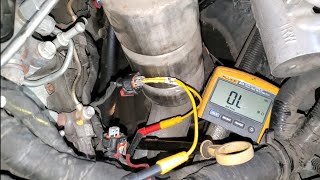
How to confirm: Visually inspect the injector connector for signs of fretting (black dust) or corrosion. Perform a 'wiggle test' on the connector while monitoring resistance with a multimeter or observing engine performance. A resistance reading above 1.0 ohm when wiggling the harness indicates a bad connection (a healthy injector circuit is around 0.8 ohms).
Typical fix: Replace the injector connector pigtail using heat-shrink butt connectors and apply dielectric grease to the new connector to prevent future moisture intrusion and vibration wear. Aftermarket pigtails are widely available from brands like Fleece Performance, Dorman, and BD Diesel.
Est. part cost: $20-$50 - Clogged Fuel Filter(s) ⚪ Low Probability The L5P has two fuel filters. If they become restricted, it can starve the high-pressure pump and injectors, potentially causing a contribution fault in one or more cylinders, though it typically affects multiple cylinders rather than just one.
How to confirm: Check fuel pressure with a scan tool. If low, check the fuel filter life monitor and replace the fuel filters as a first step, as they are a routine maintenance item.
Typical fix: Replace both fuel filters.
Est. part cost: $60-$120
Rare But Worth Checking
- Engine Control Module (ECM) Anomaly: → Shop Engine Control Module (ECM) As cited in TSB #17-NA-171, an anomaly within the ECM can cause this code. The recommended fix is to ensure the ECM (and TCM) have the latest software calibrations via an SPS reprogramming. This should only be considered after all other possibilities (injector, wiring, mechanical) have been thoroughly ruled out.
- Internal Mechanical Engine Problem: A loss of compression in cylinder 4 due to a bad valve, worn piston rings, failed lifter, or other internal damage can cause a contribution fault. A compression test is needed to verify this, but it is much less common than a fuel system or electrical issue. A very high positive balance rate (e.g., > +10 mm³) can sometimes point towards a mechanical issue rather than just an injector.
Diagnosis Steps
- Connect a professional-grade OBD-II scanner and check for any other accompanying fault codes, especially P0204.
- With the engine at full operating temperature (coolant > 170°F) and idling in Park or Neutral, access the live data stream and observe the injector balance rates.
- A balance rate for cylinder 4 that is significantly positive (e.g., > +4.0 mm³ in Park) indicates the ECM is commanding more fuel, pointing to a weak injector or low compression.
- Perform a 'cylinder cutout' test with the scan tool to confirm cylinder 4 is the source of the imbalance.
- Crucial Step: Turn off the engine and access the cylinder 4 injector connector (driver's side, second from front). Disconnect it and inspect both the injector and connector terminals for a black, powdery residue, which is a sign of fretting corrosion.
- Test the connector and wiring harness integrity. A 'wiggle test' on the harness while measuring resistance can reveal intermittent opens. Per TSB 23-NA-027, this should be done before condemning the injector.
- If the wiring and connector are good, and balance rates point to a bad injector, the most definitive test is to swap the cylinder 4 injector with another one (e.g., cylinder 2). Clear the codes, re-run the engine, and reprogram the IQA codes for the swapped injectors in the ECM. If the code changes to P0266 (Cylinder 2 Contribution/Balance), the injector is faulty.
- If the P0272 code returns after the swap, the problem lies with the wiring or a mechanical issue with cylinder 4.
- If wiring and the injector are confirmed to be good, perform a relative and/or manual compression test on cylinder 4 to rule out mechanical engine problems.
- As a final step, if all else fails, check with a GM dealer or use a programming tool to ensure the ECM has the latest calibrations as specified in TSB #17-NA-171.
Parts You'll Likely Need
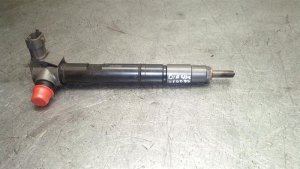
- Fuel Injector
(OEM #12698552)— This is a frequent cause of a P0272 code on the L5P Duramax engine, either due to internal failure or clogging.
Trusted brands: ACDelco (OEM), Bosch (OEM supplier, P/N 0986435437), Alliant Power (Reman)
OEM price range: $350-$450
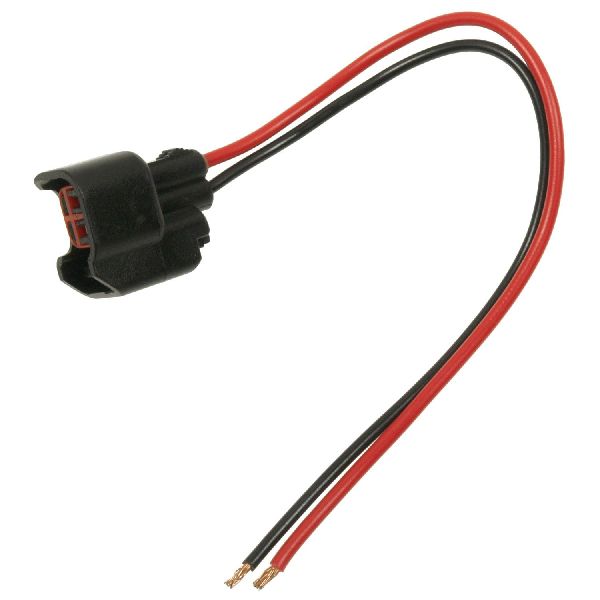
Aftermarket price range: $280-$380 - Fuel Injector Connector Pigtail
(OEM #19368140)— Fretting and corrosion at the connector is a known issue (per TSB 23-NA-027) that can cause an identical symptom to a failed injector.
Trusted brands: Fleece Performance, Dorman, BD Diesel
OEM price range: $40-$60
Aftermarket price range: $20-$50
Related Codes That Often Appear With This One
- P0204 — This is an 'Injector Circuit/Open - Cylinder 4' code. If it appears with P0272, it points strongly toward an electrical issue like a bad connector (fretting) or wiring, rather than a mechanically failed injector.
- P0263, P0266, P0269, P0275, P0278, P0281, P0284 — These are contribution/balance codes for the other cylinders. If multiple codes are present, it suggests a wider problem like contaminated fuel, a failing high-pressure fuel pump (CP4), or clogged fuel filters, rather than a single bad injector.
- P0304 — A cylinder 4 misfire code. While P0272 indicates a weak cylinder, a persistent weakness will eventually be flagged as a misfire. The presence of both codes reinforces that cylinder 4 is the problem area.
Technical Service Bulletins (TSBs) & Recalls
- 23-NA-027: Poor Engine Performance, Engine Misfires, Malfunction Indicator Lamp (MIL) Illuminated
- 17-NA-171: Hesitation, Stalling, MIL Illuminated, and various other driveability concerns
- PIP5468F: Miscellaneous DTCs set, follow standard diagnostics
- PIP5468D: Miscellaneous DTCs set, follow standard diagnostics
Platform-Specific Known Issues
- TSB #23-NA-027: This is a critical bulletin for this issue. It addresses engine misfires and injector circuit codes (P0201-P0208) caused by fretting corrosion between the injector terminal and the electrical connector. It instructs technicians to inspect the connector for black powder and test it *before* replacing the injector. The fix is to replace the pigtail and apply dielectric grease.
- TSB #17-NA-171: Notes that an anomaly in the Engine Control Module (ECM) can be a potential cause for a group of codes including P0272. The fix is to reprogram the ECM with the latest software calibration.
- TSB #PIP5468F & #PIP5468D: These bulletins list P0272 among a wide array of other codes and instruct technicians to follow standard service diagnostics, indicating that P0272 can be part of a more complex diagnostic scenario.
- Cylinder #4 Connector Vulnerability: Forum discussions and technician videos frequently highlight that the cylinder #4 injector connector is particularly prone to failure due to its routing, which can cause chafing against the steering shaft or valve cover, exacerbating the vibration and fretting issue.
Mechanic-Grade Diagnostic Values
- Fuel Injector Internal Resistance — expected: ~0.8 ohms. Failure: A reading significantly different from 0.8 ohms when measured directly at the injector terminals.
- Injector Circuit Resistance (including connector/harness) — expected: ~0.8 ohms. Failure: A reading of 3.8 ohms or higher, especially when wiggling the connector, points to high resistance from fretting or a poor connection.
- Injector Balance Rate (Hot Idle) — expected: Between +4.0 mm³ and -4.0 mm³ in Park.. Failure: A reading consistently above +4.0 mm³ for cylinder 4 indicates the ECM is adding fuel to compensate for a weak cylinder.
- Calculated Fuel Rate (CFR) at Idle — expected: 7-9 mm³. Failure: This is a baseline value; the balance rate is an offset from this. A very low CFR (e.g., 2 mm³) can indicate the ECM is compensating for leaking injectors across the board.
- Main Injection Pulse Width (Stock Tune) — expected: 1500-1750 microseconds at full fuel.. Failure: Deviations from this range without tuning could indicate a fueling command issue.
- Fuel Rail Pressure (Stock Tune) — expected: Around 200 MPa (approx. 29,000 psi) at full fuel.. Failure: Codes like P0087 (Fuel Rail/System Pressure - Too Low) will set if pressure cannot be maintained.
Scan Tool Commands That Help
- GDS2 (GM Dealer Tool): Injector Flow Rate Programming — This is a required step after replacing a fuel injector to program the new injector's unique IQA (Injector Quantity Adjustment) code into the ECM. The navigation path is: ECM > Module Diagnostics > Engine Control Module > Control Functions > Configuration Reset > Injector Flow Rate Programming.
- Professional Scan Tool (e.g., Snap-on, Autel): Injector Rate Programming / Module Setup — Used for the same purpose as the GDS2 command—programming the IQA code of a new injector. The exact path varies by tool but is typically found under Engine Functional Tests or Module Setup.
- Professional Scan Tool: Cylinder Power Balance / Cylinder Cutout Test — Used during diagnosis to disable one cylinder at a time. When cylinder 4 is disabled, if there is little to no change in engine idle smoothness, it confirms that cylinder was not contributing properly.
- Professional Scan Tool: Fuel Injection Small Quantity Data Reset — This reset should be performed after certain fuel system repairs, like replacing a fuel pressure sensor, to allow the ECM to relearn fuel trim adjustments.
Wiring & Ground Locations
- Injector Wiring Harness — Runs directly from the ECM to each fuel injector with no intermediate connectors.. Knowing there are no inline connectors simplifies diagnosis. A fault in the wiring must be between the ECM and the injector pigtail itself, often right at the pigtail due to vibration and chafing.
- ECM Connector (Rear) — The fuel injectors are wired to the rearmost electrical connector on the Engine Control Module (ECM).. This is the location to perform electrical tests (like resistance or voltage drop) for the entire injector circuit from the control side.
- Cylinder 4 Injector Circuit Pins (at ECM) — Pins 3 and 7 on the rearmost ECM connector.. These are the specific pins to back-probe when testing the entire circuit for cylinder #4, allowing a technician to check for opens, shorts, or high resistance without cutting wires.
- G104 (Engine Ground) — Located on the back of the driver's side (left) cylinder head, often connected via a ground strap to the firewall.. A poor engine ground can cause a host of electrical issues, including erratic sensor readings and module behavior. While not specific to one injector, ensuring all main engine grounds are clean and tight is a crucial step in diagnosing any electronic fault code.
Real Owner Repair Stories
- YouTube user 'Heidi's Garage' (2019 Duramax with under 60,000 miles) — Major misfire, audible engine change, check engine light with injector #4 codes.
❌ Tried (didn't work) The diagnosis immediately focused on the common connector vs. injector issue.
✅ What actually fixed it The problem was a bad injector pigtail connector that was not making a proper connection. A temporary fix was made, followed by a permanent replacement of the connector pigtail, which resolved the issue. - YouTube user 'l5p Duramax Reduced Engine Power Injector' (2019 Chevrolet 2500 LTZ with 138,000 miles) — Reduced Engine Power message, traction control lights, rough idle, misfire.
❌ Tried (didn't work) The owner noted that the #4 injector and connector had been replaced by a dealer at 53,000 miles for a similar issue.
✅ What actually fixed it The owner experienced a new fault, this time on cylinder #6. He replaced the #6 injector pigtail connector himself, which completely fixed the misfire and rough running. This reinforced that the connector is a recurring failure point on different cylinders.
OEM Part Supersession History
12674615, 12678992, 12686812, 12696966→12698552— Standard part evolution for design improvements, reliability updates, or manufacturing changes.
Model Year Variations Within This Range
- 2017-2018: There are no significant mechanical or electrical system differences between the 2017 and 2018 model year Sierra 3500s with the L5P engine that would alter the diagnosis or common causes for code P0272. The primary components, including the Denso fuel system and engine wiring, are the same.
Helpful Videos

Used OEM Parts in Stock
New Aftermarket Parts Available


The information in this article is provided for general reference and educational purposes only. Vehicle specifications, procedures, and part compatibility can vary by production date, trim level, and region. Always consult your vehicle's factory service manual and verify part numbers before purchasing or performing repairs. Safety-critical components such as airbags, seat belts, and braking systems should be installed by a qualified professional.
- Gmc SIERRA 3500:
- 🧭 Diagnostic Flowchart
- 🎬 Helpful Videos
- 🛍️ Shop This Part
- What's Unique About the 2017-2018 Gmc SIERRA 3500
- Symptoms You May Notice
- Most Likely Causes
- Rare But Worth Checking
- Diagnosis Steps
- Parts You'll Likely Need
- Related Codes That Often Appear With This One
- Technical Service Bulletins (TSBs) & Recalls
- Platform-Specific Known Issues
- Mechanic-Grade Diagnostic Values
- Scan Tool Commands That Help
- Wiring & Ground Locations
- Real Owner Repair Stories
- OEM Part Supersession History
- Model Year Variations Within This Range
- 🎟️ Get 5% Off