

P0273 on 2010-2014 Cadillac CTS: Cylinder 5 Injector Circuit Low Causes and Fixes
On a 2010-2014 Cadillac CTS with a V6 engine, code P0273 is most often caused by a chafed fuel injector wiring harness rubbing against the engine, a known issue covered by Technical Service Bulletin (TSB) #PIP4924D. The fix is to inspect and repair the wiring, paying close attention to contact points near the intake plenum and valve covers. If the wiring is intact, the fuel injector for cylinder 5 is the next likely culprit.
- P0273 on a 2010-2014 CTS V6 points to a low voltage problem in the cylinder 5 fuel injector circuit.
- The most probable cause is a chafed wiring harness, as documented in GM TSB #PIP4924D. Inspecting the harness for damage against the engine is the first and most important diagnostic step.
- If the wiring is intact, the fuel injector itself is the second most likely cause. An injector swap is an effective way to confirm a faulty injector.
- This issue is not unique to the CTS and affects many other GM vehicles from the same period that use the 3.0L and 3.6L V6 engines.
What's Unique About the 2010-2014 Cadillac CTS
For this generation of Cadillac CTS with the 3.0L (LF1) and 3.6L (LLT, LFX) V6 engines, the most common cause of P0273 is not the fuel injector itself, but the wiring leading to it. General Motors issued a Technical Service Bulletin (TSB #PIP4924D) highlighting that the fuel injector wiring harness is prone to rubbing through its insulation where it contacts engine components. The TSB specifically calls out chafe points against the intake plenum, valve cover bolts, fuel lines, and the side of the cylinder head under the plenum. Always inspect the wiring harness thoroughly 🎬 Watch: Alex the Car Doctor's step-by-step diagnostic for the GM 3.6L. before considering replacing the injector.
Diagnostic Flowchart
Tap your situation to follow the diagnostic path that matches what you're seeing on this vehicle.
Symptoms You May Notice
- Check Engine Light is on
- Rough or shaky idle
- Engine misfire, which may feel like a stumble or hesitation
- Noticeable loss of power and poor acceleration
- Reduced fuel economy
- Engine may stall or be difficult to start
- Replacing the fuel injector before thoroughly inspecting the wiring harness. Given the known TSB, the wiring should always be the first item checked.
Most Likely Causes
- Chafed/Damaged Fuel Injector Wiring Harness 🔴 High Probability → Shop Engine Wiring Harness Per TSB #PIP4924D, the routing of the injector harness on V6 engines can cause it to rub against sharp edges. Common contact points include the intake plenum, valve cover bolts, fuel lines, and the side of the cylinder head.
How to confirm: Visually inspect the entire length of the wiring harness leading to the fuel injectors, particularly focusing on cylinder 5. Look for any signs of rubbing, bare wires, or damage where the harness makes contact with engine components. The damage may be underneath the plastic loom, requiring careful peeling of tape or covering.
Typical fix: Repair the damaged section of wire using a quality butt connector with heat shrink. Secure the harness away from the contact point using zip ties, anti-abrasion tape, or re-routing to prevent future damage. In severe cases, a replacement harness pigtail or entire bank harness may be needed.
Est. part cost: $5 - $105 - Faulty Cylinder 5 Fuel Injector 🟡 Medium Probability → Shop Fuel Injector Injectors can fail electrically (internal short) or become clogged over time, though this is less common than the wiring issue on this platform.
How to confirm: Swap the fuel injector from cylinder 5 with one from another cylinder (e.g., cylinder 3). Clear the codes and drive the vehicle. If the code changes to P0267 (Cylinder 3 Injector Circuit Low), the injector is bad. If P0273 returns, the problem is in the wiring or PCM. Alternatively, measure the injector's resistance with a multimeter; a reading near 0 ohms indicates an internal short.
Typical fix: Replace the faulty fuel injector. It is highly recommended to replace the Teflon injector seal and o-ring at the same time.
Est. part cost: $60 - $180 - Damaged or Corroded Injector Connector ⚪ Low Probability
How to confirm: Unplug the connector at the cylinder 5 fuel injector and inspect the pins and terminals for any signs of corrosion, moisture, pushed-out pins, or damage. Ensure the connector fits snugly and the locking tab is intact.
Typical fix: Clean the connector terminals with electrical contact cleaner. If the connector or its locking tab is broken, replace it with a new pigtail connector.
Est. part cost: $15 - $40
Rare But Worth Checking
- Powertrain Control Module (PCM) Failure: → Shop Engine Control Module (ECM) This is very uncommon. The internal driver circuit for the injector can fail, causing a permanent low voltage state. This should only be considered after all wiring and the injector itself have been proven to be good.
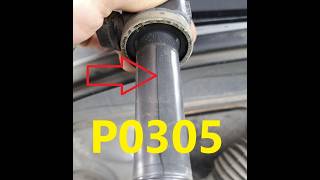
- Fluid in Spark Plug Tube: TSB #PIP5095 notes that on HFV6 engines, oil or coolant can leak into the spark plug tubes from a failed seal within the cylinder head. This can cause a misfire (P0305) that might be investigated alongside P0273, though it is not a direct cause of the circuit low code.
Diagnosis Steps
- Verify the Check Engine Light is on and scan for codes. Confirm P0273 is present, and note any other codes like P0305.
- Locate cylinder 5. On the V6 engines in the CTS, the passenger side of the engine holds cylinders 1, 3, and 5 (front to back).
- Carefully inspect the fuel injector wiring harness for cylinder 5, as detailed in TSB PIP4924D. Check for any signs of rubbing, chafing, or exposed wires, especially where the harness may touch the intake plenum, valve cover bolts, or the side of the cylinder head.
- If wiring damage is found, repair the wire(s), protect the harness with loom or tape, and secure it away from sharp edges. Clear the codes and test drive.
- If the wiring appears intact, check the electrical connector at the injector for damage or corrosion.
- Use a 'noid light' to test for a signal at the injector connector. The light should flash while the engine is cranking or running, indicating the PCM is sending a signal. A solid light or no light suggests a wiring or PCM issue.
- If the signal is present, perform a resistance test on the fuel injector with a multimeter. Compare its resistance to a known good injector. A reading significantly lower than spec (e.g., near zero ohms) confirms a shorted injector.
- If diagnostic tools are unavailable, perform an injector swap test as described in the 'Common Causes' section. If the code follows the injector, replace the injector.
- If the code remains on cylinder 5 after the swap and the wiring is confirmed to be good, the issue may be in the circuit between the injector and the PCM, or a rare PCM fault.
Parts You'll Likely Need
- Fuel Injector
(OEM #ACDelco 217-3449 (for 3.0L LF1 & 3.6L LLT) or ACDelco 12638530 (for 3.6L LFX))— If the wiring harness is not the cause, the injector itself is the next most likely component to have failed. Part number varies by engine.
Trusted brands: ACDelco, Bosch, Standard Motor Products
OEM price range: $120-$180
Aftermarket price range: $60-$110 - Fuel Injector Seal Kit
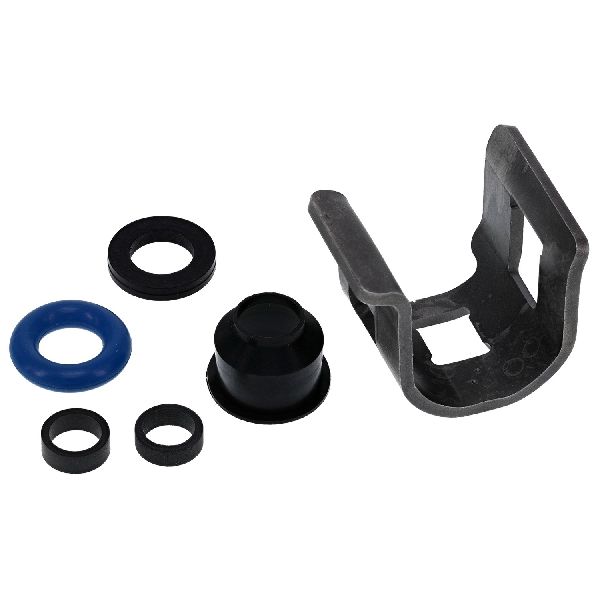
(OEM #ACDelco 217-3425)— It is best practice to replace the seals whenever a fuel injector is removed and reinstalled to prevent fuel leaks.
Trusted brands: ACDelco, Fel-Pro
OEM price range: $20-$40
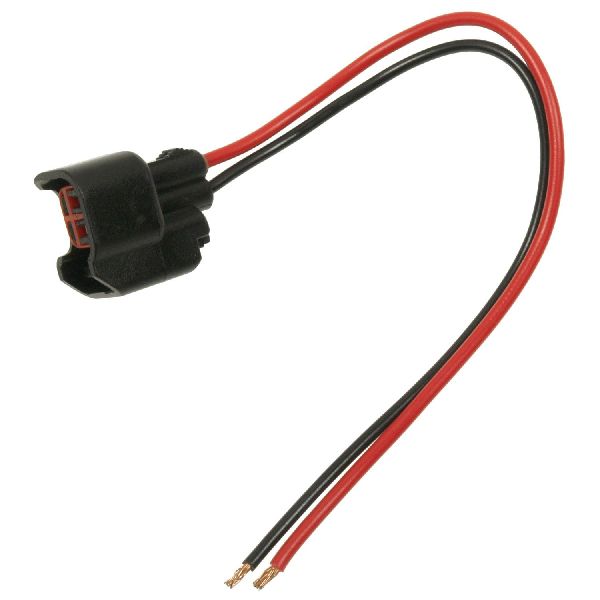
Aftermarket price range: $10-$25 - Fuel Injector Connector Pigtail — Needed if the electrical connector at the injector is broken, corroded, or damaged.
Trusted brands: ACDelco, Dorman
OEM price range: $25-$40
Aftermarket price range: $15-$30 - Fuel Injector Wiring Harness (Bank 1)
(OEM #GM 12690531 (replaces 12629928))— If the harness is severely damaged or has multiple chafe points, replacing the entire harness for that bank (Bank 1 is the passenger side with cylinders 1, 3, 5) is a more robust repair.
Trusted brands: GM Genuine
OEM price range: $90-$120
Related Codes That Often Appear With This One
- P0305 — This code means 'Cylinder 5 Misfire Detected'. Since P0273 indicates a problem with the fuel injector circuit for cylinder 5, that cylinder is not receiving the proper amount of fuel, leading to a misfire.
- P0205 — This is a generic 'Injector Circuit/Open - Cylinder 5' code. It can appear alongside P0273 as the PCM tries to diagnose the nature of the electrical fault.
Technical Service Bulletins (TSBs) & Recalls
- PIP4924D: Mentions that codes including P0273 can be caused by the fuel injector wiring harness rubbing through and advises technicians to inspect it. Affects a wide range of GM vehicles with 3.0L and 3.6L V6 engines from 2009-2014.
- PIP5095: Details a separate issue where fluid can leak into spark plug tubes, causing misfires on HFV6 engines. While not a direct cause of P0273, it's a relevant misfire-related TSB for this engine family.
Platform-Specific Known Issues
- TSB PIP4924D explicitly calls out that the fuel injector wiring harness may rub through against the engine, causing various injector circuit codes, including P0273. Specific chafe points to check are against the intake plenum, valve cover bolts, fuel lines, and the side of the head under the plenum.
Mechanic-Grade Diagnostic Values
- Fuel Injector Coil Resistance (2010-2011 3.6L LLT Engine) — expected: 11 - 14 Ohms. Failure: A reading of 0 ohms (short), OL/infinity (open), or significant deviation from the expected range indicates a faulty injector.
- Fuel Injector Coil Resistance (2012-2014 3.6L LFX Engine) — expected: 1.2 - 1.8 Ohms. Failure: A reading outside this narrow range indicates an internal injector fault. Note the significant difference from the earlier LLT engine.
- Injector Circuit Voltage (Key On, Engine Off) — expected: 11.5V - 12.5V (Battery Voltage) at the power feed wire of the injector connector.. Failure: A reading below 11.5V suggests excessive resistance or a short in the power supply or ground circuit.
- Injector Pulse Width (at idle, warm engine) — expected: 2 - 4 milliseconds (ms). Failure: A value of 0 ms on cylinder 5 while other cylinders show normal pulse width points to the ECM not commanding the injector or a complete open/short in the circuit.
- Injector Balance Test Pressure Drop (Scan Tool) — expected: Pressure drop should be consistent across all injectors.. Failure: A pressure drop difference of more than 20 kPa (3 psi) between injectors points to a faulty or clogged injector.
Scan Tool Commands That Help
- GM Tech2 / GDS2: Fuel Injector Balance Test — This test should be used after confirming the wiring is intact but before physically removing the injector. The scan tool commands the engine to build fuel pressure, then individually fires each injector and measures the pressure drop. An injector with a significantly different pressure drop is likely faulty.
- GM Tech2 / GDS2: Cylinder Power Balance — While the engine is running, this function allows the technician to disable one cylinder at a time. When cylinder 5 is disabled, if there is no change in engine RPM or sound, it confirms that cylinder was not contributing, which supports the diagnosis of a fault in that cylinder's fuel or ignition system.
Wiring & Ground Locations
- G102 — On the front of the right side (passenger side) cylinder head.. This is a primary engine ground. A poor connection here can cause erratic behavior in sensors and actuators on the right bank of the engine (Bank 1), which includes cylinder 5.
- G104 — On the left rear corner of the engine compartment, with a ground strap attaching to the back of the left cylinder head.. While on the opposite bank, a poor main engine ground can create voltage offsets and intermittent issues across the entire engine management system, potentially leading to incorrect fault codes.
- ECM Connector X1 — The main connector at the Engine Control Module (ECM), located in the left front of the engine compartment.. This is where the injector control wires terminate. Testing for continuity and voltage at the specific pins for cylinder 5 can definitively isolate a fault to the wiring, injector, or the ECM itself.
- Cylinder 5 Injector Control Pins (at ECM) — On the ECM's main connector. For a similar 3.6L engine, injector 1 used pins 75 and 51. Pinouts can vary by year and specific ECM (Bosch vs. Delphi), so consulting the exact diagram for the vehicle is critical.. Probing these specific pins allows a technician to measure the resistance of the entire injector circuit, from the ECM through the harness and injector, without having to access the injector itself.
OEM Part Supersession History
12629928→12690531— Part has been updated or revised by the manufacturer.
Heads up: This is the harness for the driver's side (Bank 2). The passenger side harness (Bank 1, for cylinder 5) is a different part number.
Model Year Variations Within This Range
- 2010-2011: These models primarily used the 3.6L LLT V6 engine. This engine has an aluminum intake manifold, separate cast iron exhaust manifolds, and uses a Bosch ECM. The fuel injectors are high-impedance, with a resistance of approximately 11-14 Ohms.
- 2012-2014: These models switched to the updated 3.6L LFX V6 engine. The LFX features a lighter composite intake manifold, cylinder heads with integrated exhaust manifolds, and uses a Delphi ECM. Crucially, the fuel injectors are low-impedance, with a resistance of only 1.2-1.8 Ohms. Using the wrong injector type will cause immediate running problems and can damage the ECM's injector driver circuit.
Helpful Videos
We Have This Part in Stock


The information in this article is provided for general reference and educational purposes only. Vehicle specifications, procedures, and part compatibility can vary by production date, trim level, and region. Always consult your vehicle's factory service manual and verify part numbers before purchasing or performing repairs. Safety-critical components such as airbags, seat belts, and braking systems should be installed by a qualified professional.
- Cadillac CTS:
- 🧭 Diagnostic Flowchart
- 🎬 Helpful Videos
- 🛍️ Shop This Part
- What's Unique About the 2010-2014 Cadillac CTS
- Symptoms You May Notice
- Most Likely Causes
- Rare But Worth Checking
- Diagnosis Steps
- Parts You'll Likely Need
- Related Codes That Often Appear With This One
- Technical Service Bulletins (TSBs) & Recalls
- Platform-Specific Known Issues
- Mechanic-Grade Diagnostic Values
- Scan Tool Commands That Help
- Wiring & Ground Locations
- OEM Part Supersession History
- Model Year Variations Within This Range
- 🎟️ Get 5% Off