

P0274 on 2010-2014 Cadillac CTS: Cylinder 5 Injector Circuit High Causes & Fixes
On a 2010-2014 Cadillac CTS, code P0274 is most often caused by a chafed or damaged fuel injector wiring harness, a known issue covered by GM Technical Service Bulletin #PIP4924D. The harness can rub through against the intake plenum or cylinder head. Inspecting the harness for damage should be the first step before replacing the cylinder 5 fuel injector.
- Always inspect the fuel injector wiring harness for damage before buying any parts. This is a known weak point on the 2010-2014 Cadillac CTS and many other GM V6 vehicles.
- P0274 will almost always be accompanied by a P0305 misfire code.
- A simple test is to swap the cylinder 5 fuel injector with another one on the same bank to see if the code follows the injector.
- Cylinder 5 is the middle cylinder on the rear bank of the V6 engine, closest to the firewall.
What's Unique About the 2010-2014 Cadillac CTS
For this generation of Cadillac CTS and a wide range of other GM vehicles with the 3.0L and 3.6L V6 engines, a primary suspect for any injector circuit code is the wiring harness itself. GM issued Technical Service Bulletin #PIP4924D specifically because the fuel injector wiring harness is prone to rubbing through its insulation. The TSB identifies common chafe points against the intake plenum, valve cover bolts, fuel lines, and the side of the cylinder head under the plenum. This known vulnerability makes a thorough wiring inspection a more critical first step on this platform compared to others where the injector itself might be the immediate primary failure point.
Diagnostic Flowchart
Tap your situation to follow the diagnostic path that matches what you're seeing on this vehicle.
Symptoms You May Notice
- Check Engine Light is on
- Rough idle or engine vibration
- Engine misfire, which may feel like a stumble or hesitation 🎬 Watch: See how a misfire and StabiliTrak light affect your CTS.
- Reduced engine power and sluggish acceleration
- Decreased fuel economy
- A raw fuel smell from the exhaust if the injector is stuck open (less common for a circuit high fault)
- Replacing the cylinder 5 spark plug or ignition coil. While these parts can cause a misfire (P0305), they will not cause an injector circuit code like P0274. The presence of P0274 specifically points to an electrical fault in the injector circuit.
Most Likely Causes
- Chafed or Damaged Fuel Injector Wiring Harness 🔴 High Probability → Shop Engine Wiring Harness A well-documented issue in GM TSB #PIP4924D. The harness routing puts it at risk of rubbing against various engine parts, causing a short to voltage. Specific points to check are against the intake plenum, valve cover bolts, fuel lines, and the side of the cylinder head.
How to confirm: Carefully inspect the entire fuel injector harness, especially where it contacts the engine components listed in the TSB. You may need to remove the engine cover and reposition the harness to see the contact points clearly. Look for any signs of abrasion, exposed copper wires, or damage to the plastic loom.
Typical fix: Repair the damaged section of wire and protect the harness from future damage using high-temperature automotive loom or by re-routing it slightly. If the connector is damaged, a new pigtail connector can be spliced in.
Est. part cost: $15-$50 - Faulty Cylinder 5 Fuel Injector 🟡 Medium Probability → Shop Fuel Injector Direct injection fuel injectors operate under high pressure and can fail internally. An internal short in the injector's coil winding can cause a circuit high fault.
How to confirm: After confirming the wiring is intact, test the injector. On the 3.6L LFX, the expected resistance is approximately 1.5 - 1.6 Ohms. A reading significantly higher or showing an open circuit indicates failure. The most definitive test is to swap the cylinder 5 injector with another cylinder (e.g., cylinder 3). Clear the codes and run the engine. If the code changes to P0268 (Cylinder 3 Injector Circuit High), the injector is faulty.
Typical fix: Replace the failed fuel injector. It is often recommended to replace all injectors on that bank (Bank 1: cylinders 1, 3, 5) or as a full set if they are original and high-mileage, as others may fail soon.
Est. part cost: $60-$140 - Poor Connection at Injector or PCM ⚪ Low Probability
How to confirm: Unplug and inspect the connectors at both the fuel injector and the PCM. Look for corrosion, bent, or backed-out pins. Ensure a snug fit when re-connecting.
Typical fix: Clean the connector terminals with electrical contact cleaner or repair the pins as needed. Apply a small amount of dielectric grease to protect the connection.
Est. part cost: $5-$20
Rare But Worth Checking
- Faulty Powertrain Control Module (PCM): → Shop Engine Control Module (ECM) This is the least likely cause. The internal driver circuit for the injector can fail, but all other possibilities (wiring, injector) must be exhaustively ruled out first before condemning the expensive PCM. A mechanic can perform advanced diagnostics to confirm if the driver is functioning correctly.
Diagnosis Steps
- Scan the PCM for any and all stored trouble codes. Note if P0305 or other injector codes are present.
- Identify Cylinder 5. On the transversely mounted 3.0L/3.6L V6, Bank 1 (odd cylinders) is the bank closer to the firewall, and Bank 2 (even cylinders) is closer to the radiator. Cylinder 5 is the middle cylinder on the rear bank (firewall side).
- Perform a thorough visual inspection of the fuel injector wiring harness, paying close attention to the chafe points mentioned in TSB #PIP4924D (against the intake plenum, valve cover bolts, fuel lines, and side of the cylinder head).
- If no wiring damage is visible, disconnect the cylinder 5 injector and check for corrosion or damage at the connector.
- Use a noid light to test for a signal at the injector connector while cranking the engine. The light should flash, indicating the PCM is attempting to fire the injector.
- Turn the ignition off. Use a multimeter to measure the internal resistance of the cylinder 5 fuel injector. Compare the reading to another injector on the engine (e.g., cylinder 3). A reading that is significantly different (especially very high or open-loop/OL) indicates a failed injector.
- If the injector resistance is good, check for a short to voltage in the control wire between the PCM and the injector connector. This involves checking for voltage on the control wire with the injector unplugged and the key on.
- As a final confirmation, swap the cylinder 5 injector with an injector from another cylinder on the same bank (e.g., cylinder 3). Clear the codes and run the engine. If the fault code moves to P0268 (Cylinder 3), the injector is bad. If P0274 returns, the problem is in the wiring or PCM.
- If all wiring and the injector prove to be good, the final possibility is a fault within the PCM itself.
Parts You'll Likely Need
- Fuel Injector
(OEM #12669384 (supersedes 12638530, 12632255, 12611545))— If the injector's internal coil has failed, it will cause a circuit high fault. This is the second most likely cause after a wiring issue. Part number 12638530 was an earlier version, now superseded by 12669384. For LFX engines, part number 12634126 is also commonly used. Always verify with VIN.
Trusted brands: ACDelco (GM Genuine), Bosch, Standard Motor Products, Hitachi
OEM price range: $80-$140
Aftermarket price range: $50-$90 - Fuel Injector Connector Pigtail
(OEM #ACDelco PT2183 (Verify connector style))— If the wiring harness has rubbed through near the connector, or if the connector itself is damaged, a new pigtail is needed to be spliced into the harness for a reliable repair.
Trusted brands: ACDelco, Dorman
OEM price range: $30-$50
Aftermarket price range: $15-$30
Related Codes That Often Appear With This One
- P0305 — This code means 'Cylinder 5 Misfire Detected'. It is almost always present with P0274 because a malfunctioning injector circuit prevents proper fueling, causing the cylinder to misfire.
- P0273 — This is the code for 'Cylinder 5 Injector Circuit Low'. If there is an intermittent wiring short or damage, the PCM might detect both high and low voltage conditions at different times.
- P2146, P2149, P2152, or P2155 — These codes relate to Fuel Injector Group 'A' or 'B' Supply Voltage Circuit issues. A significant wiring problem affecting multiple injectors could trigger one of these group codes along with the specific cylinder code.
Technical Service Bulletins (TSBs) & Recalls
- PIP4924D: Addresses SES light and misfires with various injector codes (P0270-P0277, etc.) caused by the fuel injector wiring harness rubbing through against engine components like the intake plenum, valve cover bolts, and cylinder head.
Platform-Specific Known Issues
- GM Technical Service Bulletin #PIP4924D explicitly calls out the fuel injector wiring harness for potential rub-through issues on 2010-2014 CTS models with V6 engines, leading to various injector codes including P0274.
- The location of the chafe is often difficult to see without removing the upper intake manifold to gain clear access to the harness as it routes over the cylinder heads and around the intake plenum.
Mechanic-Grade Diagnostic Values
- Fuel Injector Coil Resistance (GDI Engine) — expected: 1.25 - 1.75 ohms when engine coolant is between 10-32°C (50-90°F).. Failure: A reading of OL (open loop), 0 ohms (shorted), or a value significantly outside the specified range indicates a faulty injector. The difference between the highest and lowest reading of all injectors should not exceed 0.45 ohms.
- Injector Power Pin Voltage (Key On, Engine Off) — expected: 11V - 14.5V (Battery Voltage) on one of the two wires at the injector connector.. Failure: 0V or significantly low voltage points to a problem in the power supply circuit, which could be a fuse, relay, or the wiring itself.
- Wiring Harness Continuity — expected: < 0.5 Ω from the ECM connector pin to the injector connector pin.. Failure: Resistance higher than 0.5 Ω indicates high resistance in the wire or an open circuit.
- Injector Balance Test (Scan Tool) — expected: The pressure drop across all injectors should be relatively equal.. Failure: A variance of more than 20 kPa (approx. 3 psi) between the suspect injector and the others can indicate a faulty (clogged or failing) injector.
Scan Tool Commands That Help
- GDS2 / Tech2 / High-End Aftermarket: Fuel Injector Balance Test — This is a functional test used when the injector's electrical resistance checks out as normal but a mechanical issue is still suspected. The scan tool commands the injector to fire for a set duration and measures the resulting drop in fuel rail pressure. It's an excellent way to confirm if an injector is clogged or flowing less than the others, without having to physically remove it.
Wiring & Ground Locations
- G104 / G131 — At the rear of the driver's side (left) cylinder head.. This is a critical engine block ground. A poor connection here can create a voltage differential and cause erratic behavior in sensors and actuators on Bank 1 (including injector 5), potentially triggering circuit high/low codes.
- G105 / G106 — Primary engine-to-chassis grounds, typically found on the engine block or on the frame rail near the front of the engine compartment.. A corroded or loose main ground can cause a voltage drop across the entire engine electrical system, leading to a variety of electrical fault codes, including P0274.
- Injector Harness Connectors X116 / X117 — Multi-pin harness connectors located at the rear of the intake manifold.. These are intermediate connectors between the ECM and the injectors. Service manuals specify disconnecting these to isolate testing. This allows a technician to determine if a wiring fault is between the ECM and this connector, or between this connector and the fuel injector.
- ECM (Engine Control Module) — Typically located below the left headlamp assembly in the front of the engine compartment.. This is where the injector control circuits originate. All continuity and short-to-voltage/ground tests on the control side of the injector circuit will terminate at the ECM's connectors.
Real Owner Repair Stories
- Hyundai Forum user (2002 Hyundai Sonata (Note: Not a Cadillac, but demonstrates a common, cross-platform failure mode)) — Sputtering, poor performance, and codes P0274 and P0305.
❌ Tried (didn't work) Replaced spark plugs and wires.
✅ What actually fixed it Upon inspecting the cylinder 5 injector connector, the user noticed one of the wires had backed out slightly. Pushing the wire's pin firmly back into the connector until it seated properly resolved the issue, and the codes did not return.
OEM Part Supersession History
12638530 (and its predecessors 12611545, 12632255)→12669384— Standard part evolution and manufacturer revisions.
Heads up: Part number 12638530 is specifically for the 2010-2011 3.6L LLT engine. It is NOT compatible with the 2012+ 3.6L LFX engine, which uses a different injector design (e.g., part 12634126). Using the wrong injector will result in fitment or performance issues. Always verify by VIN.
Model Year Variations Within This Range
- 2010-2011: These models primarily used the 3.6L LLT V6. This engine has an aluminum intake manifold, separate cast iron exhaust manifolds, and uses a Bosch ECM. It requires fuel injector part number 12638530 or its direct supersession.
- 2012-2014: These models switched to the updated 3.6L LFX V6. This engine features a lighter composite intake manifold, cylinder heads with integrated exhaust manifolds, and uses a Delphi ECM. The fuel injectors, timing components, and intake valves were also updated and are not interchangeable with the LLT.
Helpful Videos
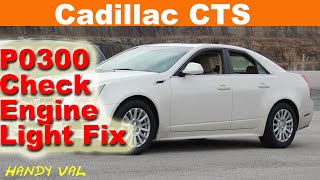
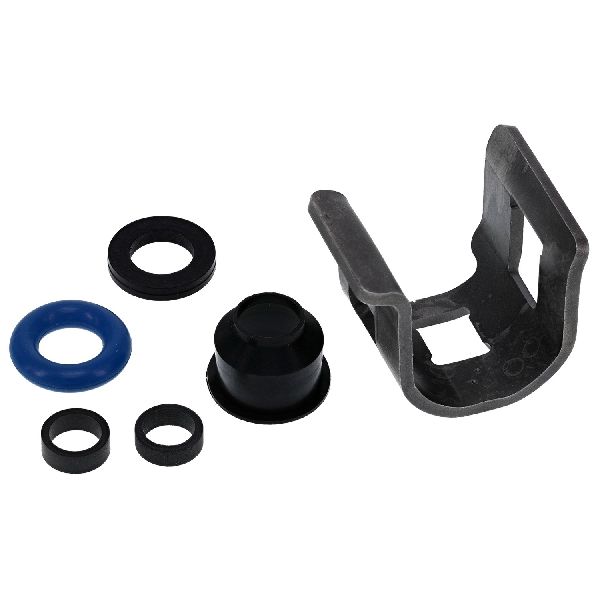
We Have This Part in Stock



The information in this article is provided for general reference and educational purposes only. Vehicle specifications, procedures, and part compatibility can vary by production date, trim level, and region. Always consult your vehicle's factory service manual and verify part numbers before purchasing or performing repairs. Safety-critical components such as airbags, seat belts, and braking systems should be installed by a qualified professional.
- Cadillac CTS:
- 🧭 Diagnostic Flowchart
- 🎬 Helpful Videos
- 🛍️ Shop This Part
- What's Unique About the 2010-2014 Cadillac CTS
- Symptoms You May Notice
- Most Likely Causes
- Rare But Worth Checking
- Diagnosis Steps
- Parts You'll Likely Need
- Related Codes That Often Appear With This One
- Technical Service Bulletins (TSBs) & Recalls
- Platform-Specific Known Issues
- Mechanic-Grade Diagnostic Values
- Scan Tool Commands That Help
- Wiring & Ground Locations
- Real Owner Repair Stories
- OEM Part Supersession History
- Model Year Variations Within This Range
- 🎟️ Get 5% Off