

P0274 on 2012-2014 Chevrolet Impala 3.6L: Cylinder 5 Injector Circuit Causes and Fixes
On a 2012-2014 Impala with the 3.6L V6, code P0274 is most often caused by a chafed fuel injector wiring harness, a known issue cited in GM TSB #PIP4924D. Inspect the harness for damage where it rubs against the engine before replacing the cylinder 5 fuel injector, which is the second most likely cause.
- P0274 on a 2012-2014 Impala 3.6L is an electrical fault code for the cylinder 5 injector, most often caused by a chafed wiring harness per GM TSB #PIP4924D.
- Always inspect the wiring harness for rub marks against the engine before replacing the fuel injector.
- Cylinder 5 is located on the rear bank (near the firewall), on the driver's side.
- If wiring is good, a failed injector is the next likely cause, confirmable with a resistance test (1.2-1.8 ohms) or by swapping it with another cylinder.
- Ignoring the code can lead to expensive catalytic converter damage.
What's Unique About the 2012-2014 Chevrolet IMPALA
The 3.6L LFX V6 engine used in this generation of Impala, and many other GM vehicles, is subject to a specific, well-documented problem. A General Motors Technical Service Bulletin (TSB #PIP4924D) points directly to the fuel injector wiring harness being prone to rubbing through its insulation where it contacts parts of the engine, causing a short circuit. This makes a wiring inspection the most critical first step, often before suspecting the injector itself.
Diagnostic Flowchart
Tap your situation to follow the diagnostic path that matches what you're seeing on this vehicle.
Generation note: The 2012-2013 models are part of the ninth generation, while the 2014 model year introduced the tenth generation 'Limited' model which was a continuation of the ninth generation body style. Both offered the 3.6L LFX V6 engine, and the issues related to code P0274, particularly the TSB regarding the wiring harness, apply to the engine platform across these years.
Symptoms You May Notice
- Rough idle or engine vibration
- Noticeable loss of power and sluggish acceleration
- Engine hesitation or stumbling
- Check Engine Light is on and may be flashing in severe cases
- Reduced fuel economy
- Smell of raw fuel
- Replacing the spark plug or ignition coil. While these parts can cause a misfire (code P0305), they will not cause an injector circuit code like P0274, which specifically points to an electrical fault in the fuel injector circuit.
Most Likely Causes
- Chafed/Shorted Fuel Injector Wiring Harness 🔴 High Probability → Shop Engine Wiring Harness This is a known issue documented in GM TSB #PIP4924D and PI1067. The harness can rub against the intake plenum, valve cover bolts, fuel lines, the side of the cylinder head, or the metal ECM bracket, causing a short to voltage.
How to confirm: Visually inspect the entire fuel injector harness, paying close attention to contact points with the engine. Wiggling the harness with the engine running may induce a stumble. In some cases, the wire may be broken inside the insulation with no visible external damage, requiring a continuity test from the injector connector to the ECM. 🎬 Watch this diagnostic guide to troubleshoot the P0274 circuit code.
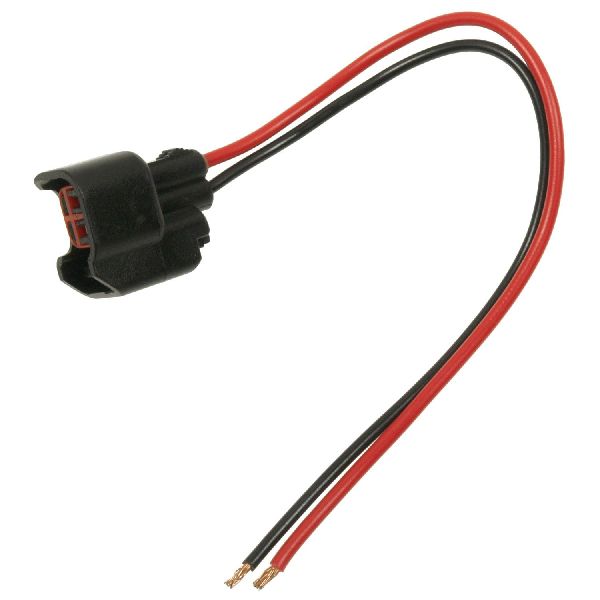
Typical fix: Repair the damaged wire with a weatherproof butt connector and heat shrink. If the damage is near the connector, replace the pigtail connector (ACDelco PT2160). Protect the repaired harness with high-quality anti-abrasion tape or wire loom and re-route it to ensure clearance.
Est. part cost: $10-$40 - Faulty Cylinder 5 Fuel Injector 🟡 Medium Probability → Shop Fuel Injector Direct injection fuel injectors operate under high heat and pressure and can fail electrically over time due to internal coil windings shorting out. This is the next most common cause after wiring issues are ruled out.
How to confirm: Swap the cylinder 5 injector with another cylinder's injector (e.g., cylinder 3). Clear the codes and drive. If the code changes to P0268 (Cylinder 3 Injector Circuit High), the injector is faulty. Alternatively, test the injector's resistance with a multimeter; a healthy LFX injector should read between 1.2 and 1.8 ohms. A reading near zero or infinity (OL) indicates failure.
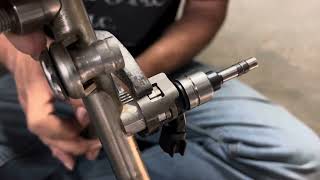
Typical fix: Replace the faulty fuel injector. Since accessing the injectors requires removing the upper intake manifold, many owners and technicians recommend replacing the full set if they are original and high-mileage 🎬 See this step-by-step walkthrough for replacing the fuel injectors. to save on future labor.
Est. part cost: $50-$140
Rare But Worth Checking
- Powertrain Control Module (PCM) Failure: → Shop Engine Control Module (ECM) This is very rare. A faulty injector driver circuit inside the PCM can cause this code. This should only be considered after all wiring and the injector itself have been proven to be good.
- Corroded or Damaged Injector Connector: Pins inside the connector can become corroded or back out, causing a poor connection. Always check the connector terminals for integrity when inspecting the harness. A real-world case on a platform-mate showed the wire broken inside the insulation right at the connector.
Diagnosis Steps
- Scan the vehicle for all stored trouble codes. Note if P0305 is also present.
- Locate Cylinder 5. On the transverse 3.6L LFX in the Impala, the rear bank (closer to the firewall) is Bank 1. The cylinders are 1-3-5, from passenger to driver side. Cylinder 5 is on the driver's side, against the firewall.
- Perform a thorough visual inspection of the fuel injector wiring harness as recommended by TSB #PIP4924D. Look for any signs of chafing, melting, or damage where the harness may contact the intake manifold, valve covers, fuel lines, and the side of the cylinder head.
- Disconnect the cylinder 5 injector connector and inspect for corrosion or backed-out pins.
- Use a noid light to test for a signal at the injector connector. A steady light or no light points to a wiring or PCM issue.
- If the wiring appears intact, swap the cylinder 5 fuel injector with an adjacent one on the same bank (e.g., cylinder 3).
- Clear the codes, start the engine, and see if the fault code follows the injector (e.g., changes to P0268). If it does, the injector is bad.
- If the code remains P0274 after the swap, the problem is in the wiring harness or the ECM. Perform a continuity and short-to-voltage test on the injector circuit wires running back to the ECM. A known repair involved a wire broken inside the loom with no external signs of damage.
- If all wiring and the injector test good, the final possibility is a rare failure of the PCM's injector driver.
Parts You'll Likely Need
- Fuel Injector
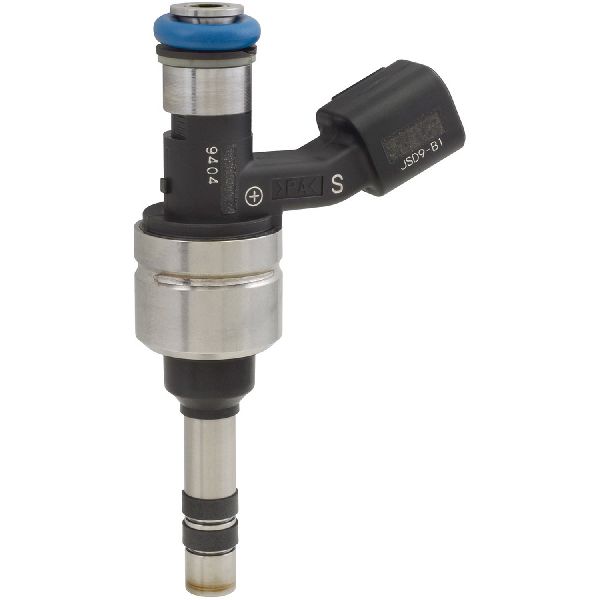
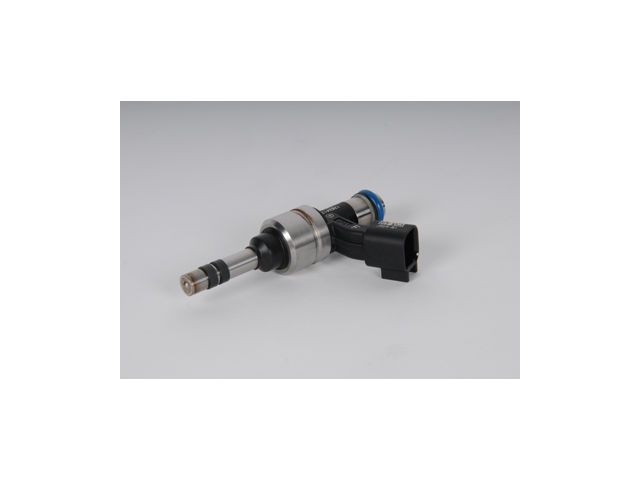
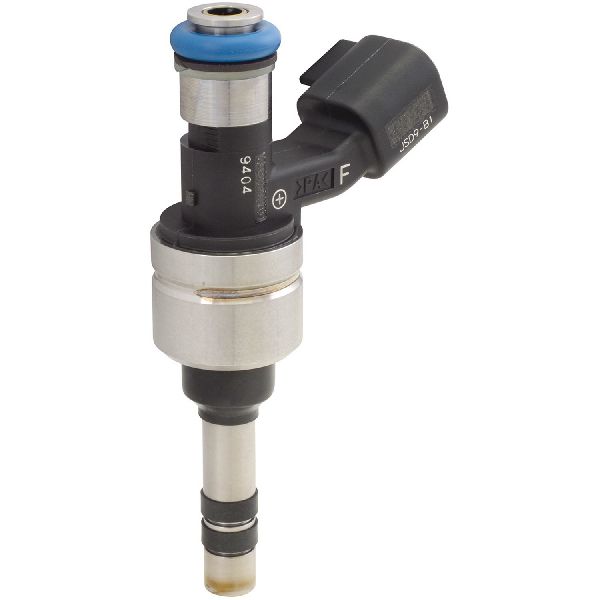
(OEM #12634126)— This is the second most common cause of P0274 after wiring issues are ruled out. The injector's internal electronics can fail, causing a high circuit reading. Always verify the latest part number with the vehicle's VIN as supersessions are common.
Trusted brands: ACDelco, Bosch, Standard Motor Products
OEM price range: $110-$140
Aftermarket price range: $50-$90 - Fuel Injector Connector Pigtail
(OEM #PT2160)— If the wiring harness is damaged right at the connector, replacing the pigtail is the standard repair.
Trusted brands: ACDelco, Dorman, Standard Motor Products
OEM price range: $25-$40
Aftermarket price range: $10-$20 - Wire Loom/Anti-Abrasion Tape — Essential for protecting the harness after a wire repair to prevent the chafing from happening again.
Trusted brands: Tesa, 3M
OEM price range: $10-$20
Aftermarket price range: $5-$15
Related Codes That Often Appear With This One
- P0305 — P0305 means 'Cylinder 5 Misfire Detected.' The injector circuit fault indicated by P0274 directly prevents proper fueling, causing the misfire that P0305 reports. They almost always appear together.
- P0205 — P0205 means 'Injector Circuit/Open - Cylinder 5.' This is another electrical fault code for the same injector and often points to the same root causes, such as a broken wire or failed injector.
- P0273 — P0273 is 'Cylinder 5 Injector Circuit Low.' If the wiring harness is intermittently shorting to ground and then to voltage, it's possible to see both high and low circuit codes at different times, pointing strongly to a wiring issue.
Technical Service Bulletins (TSBs) & Recalls
- PIP4924D: SES Light And Misfire With Injector Codes. This bulletin advises technicians to carefully inspect the fuel injector wiring harness for rub-through or open circuits at several common contact points.
- PI1067: This Preliminary Information bulletin identifies a specific chafe point for the engine harness against the ECM bracket on some 2013-2014 LFX-equipped vehicles, which can cause similar injector circuit codes.
Platform-Specific Known Issues
- A known issue documented in GM Technical Service Bulletin #PIP4924D involves the fuel injector wiring harness rubbing through against engine components like the intake plenum, valve cover bolts, or fuel lines, leading to various injector circuit codes, including P0274.
- A related bulletin, #PI1067, points to another potential chafe point where the ECM wiring harness can rub on the metal ECM bracket on some 2013-2014 models.
Mechanic-Grade Diagnostic Values
- Fuel Injector Coil Resistance — expected: 1.2 - 1.8 Ohms. Failure: A reading of OL (open circuit), near 0 Ohms (short circuit), or significantly outside the expected range indicates a faulty injector.
- Injector Circuit Supply Voltage — expected: 11.5 - 12.5 V. Failure: Voltage below 10V with the key on (engine off) points to a problem in the supply wiring or the ECM itself.
- Engine Compression (HFV6) — expected: 150 - 185 PSI average. Failure: Any cylinder reading less than 140 PSI could indicate a mechanical issue, though this is not a direct cause of an electrical code like P0274.
Scan Tool Commands That Help
- GM GDS2 (Global Diagnostic System 2): Injector Balance Test / Cylinder Power Balance — This bidirectional function allows a technician to command each injector off one by one while the engine is running. The tool measures the RPM drop for each cylinder. If disabling cylinder 5 causes little or no change in RPM compared to other cylinders, it confirms that cylinder 5 is not contributing power, pointing to a fuel or spark issue on that cylinder.
Wiring & Ground Locations
- Cylinder 5 Injector ECM Pin — On the Delphi ECM used with the LFX engine, the control wire for the cylinder 5 fuel injector is located at pin J2-49 of the ECM connector. The wire color is typically Light Green with a White tracer.. Knowing the exact pin allows for definitive continuity and short-to-voltage testing of the injector circuit directly from the ECM, bypassing the entire harness to isolate the fault.
- G102 / G111 Engine Grounds — G102 is located at the left rear of the engine and grounds the ignition coils. G111 is located above the starter motor. Other major engine grounds are often found on a bell housing bolt.. While P0274 is an injector circuit code, a poor engine or ignition system ground can cause erratic electrical behavior and misfires that can complicate diagnosis. Ensuring these grounds are clean and tight is a critical step in any electrical diagnosis.
- Cylinder 5 Physical Location — On the transversely mounted 3.6L LFX V6, the rear cylinder bank (against the firewall) is Bank 1. The cylinders are numbered 1-3-5 from the passenger side to the driver's side. Cylinder 5 is the cylinder on the driver's side, closest to the firewall.. Correctly identifying the physical location of cylinder 5 is the essential first step to inspecting the correct wiring and fuel injector.
Real Owner Repair Stories
- Acadia Forum User (summary from search) (2011 GMC Acadia with 3.6L V6 (engine platform-mate)) — P0274 and P0305, rough running.
❌ Tried (didn't work) Swapping the cylinder 5 fuel injector with another cylinder; the code did not move.
✅ What actually fixed it A broken wire was found *inside* the plastic insulation of the wiring harness near the injector connector. There was no visible external chafing or damage, requiring electrical testing to pinpoint the failure.
"I Checked Everything" — The Actual Cause
- The electrical equivalent of a 'smoke test clean' scenario for code P0274 is when a visual inspection of the harness reveals no damage and a basic continuity test with a multimeter passes. In several documented cases, the fault was a wire broken internally within its insulation, often right at the injector connector. The broken copper ends could make intermittent contact when the harness is stationary (showing good continuity), but separate and cause an open or high-resistance circuit when the engine is running and vibrating (the 'wiggle test' can expose this). This is why a visual inspection alone is insufficient and dynamic testing is sometimes required.
OEM Part Supersession History
12642128→12634126— Standard part revision for improved reliability, manufacturing process, or to consolidate parts.
Heads up: This part is for the LFX direct injection engine and is not compatible with injectors from the older port-injected 3.6L (LY7) or the 3.0L (LF1) engines, which have different electrical characteristics and flow rates.
Model Year Variations Within This Range
- 2012-2014: The 3.6L V6 was updated from the LLT to the LFX version in 2012. The LFX features a lighter composite intake manifold and cylinder heads with integrated exhaust manifolds. While the TSB for chafed wiring applies to both engine families, the physical disassembly to access the injectors and the exact routing of the harness under the intake differ due to these design changes.
- 2013-2014: GM Preliminary Information bulletin #PI1067 identifies a specific potential chafe point for the engine harness against the metal ECM bracket, which is a known issue on some 2013-2014 models with the LFX engine.
Helpful Videos
We Have This Part in Stock


The information in this article is provided for general reference and educational purposes only. Vehicle specifications, procedures, and part compatibility can vary by production date, trim level, and region. Always consult your vehicle's factory service manual and verify part numbers before purchasing or performing repairs. Safety-critical components such as airbags, seat belts, and braking systems should be installed by a qualified professional.
- Chevrolet IMPALA:
- 🧭 Diagnostic Flowchart
- 🎬 Helpful Videos
- 🛍️ Shop This Part
- What's Unique About the 2012-2014 Chevrolet IMPALA
- Symptoms You May Notice
- Most Likely Causes
- Rare But Worth Checking
- Diagnosis Steps
- Parts You'll Likely Need
- Related Codes That Often Appear With This One
- Technical Service Bulletins (TSBs) & Recalls
- Platform-Specific Known Issues
- Mechanic-Grade Diagnostic Values
- Scan Tool Commands That Help
- Wiring & Ground Locations
- Real Owner Repair Stories
- "I Checked Everything" — The Actual Cause
- OEM Part Supersession History
- Model Year Variations Within This Range
- 🎟️ Get 5% Off