

P0274 on 2010-2014 GMC Terrain V6: Cylinder 5 Injector Circuit High Causes and Fixes
This code indicates a high voltage condition in the cylinder 5 fuel injector circuit, most often caused by a chafed wiring harness as noted in GM Technical Service Bulletin #PIP4924D. Inspecting and repairing the harness where it rubs against engine components is the most likely fix. A faulty injector is the next most common cause.
- P0274 on a V6 GMC Terrain points to a high voltage fault in the cylinder 5 injector circuit.
- Before replacing any parts, thoroughly inspect the fuel injector wiring harness for chafing, as this is a known issue documented by GM in TSB #PIP4924D.
- If the wiring is intact, the next most likely culprit is a failed fuel injector in cylinder 5.
- This code will cause noticeable drivability issues like a rough idle and poor acceleration, so it should be addressed promptly to avoid damage to the catalytic converter.
What's Unique About the 2010-2014 Gmc TERRAIN
For this generation of GMC Terrain and its platform mates (like the Chevy Equinox, Cadillac SRX, and Buick Enclave) with the 3.0L or 3.6L V6 engines, the fuel injector wiring harness is a well-documented failure point. GM issued Technical Service Bulletin (TSB) #PIP4924D specifically advising technicians to inspect the harness for rubbing or chafing against sharp edges on the engine. Common contact points include the intake plenum, valve cover bolts, fuel lines, and the side of the cylinder head under the plenum. This known vulnerability makes a wiring issue the primary suspect for code P0274, more so than on other vehicles.
Diagnostic Flowchart
Tap your situation to follow the diagnostic path that matches what you're seeing on this vehicle.
Symptoms You May Notice
- Check Engine Light is on
- Engine misfire, resulting in a rough or shaky idle
- Hesitation or stumbling during acceleration
- Reduced engine power
- Increased fuel consumption
- Noticeable fuel smell from the exhaust
- Replacing the fuel injector without first thoroughly inspecting the wiring harness. The TSB for this platform makes the wiring the primary suspect.
- Replacing the spark plug and ignition coil for cylinder 5. While these can cause a misfire (P0305), they will not cause an injector circuit code like P0274.
Most Likely Causes
- Fuel Injector Wiring Harness Chafed or Shorted 🔴 High Probability → Shop Engine Wiring Harness As documented in GM TSB #PIP4924D, the harness routing on these V6 engines makes it susceptible to rubbing. Specific, known chafing points are against the intake plenum, at valve cover bolts, against the high-pressure fuel line, and on the side of the cylinder head casting under the plenum. The vibration of the engine causes the unprotected harness to rub through, shorting the injector wires to each other or to ground.
How to confirm: Carefully perform a visual and tactile inspection of the entire fuel injector harness, focusing on the contact points mentioned in the TSB. A small inspection mirror and flashlight are essential. Check for continuity and shorts to ground/voltage on the affected circuit using a multimeter.
Typical fix: Repair the damaged section of wire by splicing in a new piece of wire with solder and heat-shrink tubing. Protect the repaired area and the entire harness section with high-quality anti-abrasion tape (Tesa tape) or split-loom conduit. If the damage is at the connector, a new pigtail must be spliced in.
Est. part cost: $15-$50 - Faulty Cylinder 5 Fuel Injector 🟡 Medium Probability → Shop Fuel Injector These are direct injection engines, and the injectors can fail internally, leading to an electrical short that causes a 'circuit high' code.
How to confirm: Swap the cylinder 5 fuel injector with one from another cylinder (e.g., cylinder 3). Clear the codes and drive the vehicle. If the code changes to P0268 (Cylinder 3 Injector Circuit High), the injector is faulty. You can also test the injector's internal resistance with a multimeter (a healthy injector should read between 0.5 and 2.0 ohms) and compare it to the manufacturer's specifications.
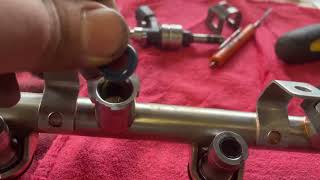
Typical fix: Replace the faulty fuel injector. It is often 🎬 See this guide on replacing a fuel injector and coil. recommended to replace all injectors on that bank 🎬 Watch: Full walkthrough for replacing the intake and fuel injectors. or all six at once if they are high-mileage, along with their associated seals.
Est. part cost: $60-$140 - Damaged or Corroded Injector Connector ⚪ Low Probability
How to confirm: Visually inspect the electrical connector at the cylinder 5 fuel injector for bent or pushed-out pins, corrosion, or a loose connection. Wiggle the connector with the engine running to see if it affects the misfire.
Typical fix: Clean the connector terminals with electrical contact cleaner. If pins are damaged or the connector housing is broken, replace the connector pigtail.
Est. part cost: $15-$40
Rare But Worth Checking
- Faulty Powertrain Control Module (PCM): → Shop Engine Control Module (ECM) This is the least likely cause. The internal driver circuit for the cylinder 5 injector can fail within the PCM. This should only be considered after all wiring and the injector itself have been proven to be good.
- Carbon Buildup on Intake Valves: While not a direct cause of a P0274 'circuit' code, severe carbon buildup on the intake valves is a very common issue on these direct-injection V6 engines (per TSB PIP5029A) and can cause a misfire on cylinder 5 (P0305). This can sometimes be misdiagnosed. If you have a persistent P0305 alongside the P0274 that doesn't resolve with electrical fixes, this may be a secondary issue to address.
Diagnosis Steps
- Read the trouble codes with an OBD-II scanner and note any other codes present, especially P0305 or other injector codes.
- Carefully inspect the fuel injector wiring harness for any signs of rubbing, chafing, or damage, especially where it contacts the intake plenum, valve covers, and fuel lines, as per TSB #PIP4924D. Pay close attention to the harness branch that feeds the bank 2 injectors (cylinders 2, 4, 6) as the cylinder 5 wire is routed nearby.
- Inspect the electrical connector on the cylinder 5 fuel injector for corrosion, damage, or loose pins.
- If no visible damage is found, swap the cylinder 5 fuel injector with another cylinder's injector (e.g., cylinder 3).
- Clear the codes and test drive the vehicle. If the code returns as P0274, the issue is in the wiring or PCM. If the code moves with the injector and appears as P0268 (for cylinder 3), the fuel injector is the faulty component.
- If the problem points to the wiring, use a multimeter to test for continuity and check for a short to voltage on the signal wire between the PCM connector and the injector connector.
- If the injector and wiring are confirmed to be good, the final step is to suspect a faulty PCM driver circuit.
Parts You'll Likely Need
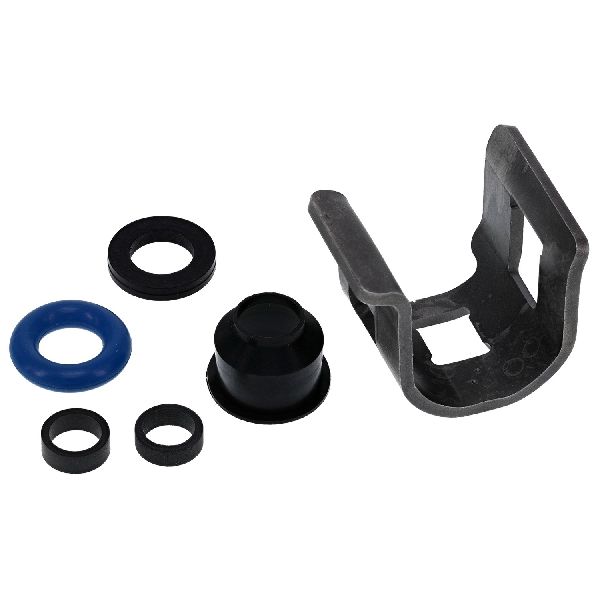
- Fuel Injector
(OEM #12634126)— This is the second most likely cause after a wiring issue. If the injector has an internal short, it will need to be replaced. This part number is confirmed to fit a wide range of GM V6 vehicles from this era.
Trusted brands: ACDelco (OEM), Bosch, Standard Motor Products
OEM price range: $110-$140
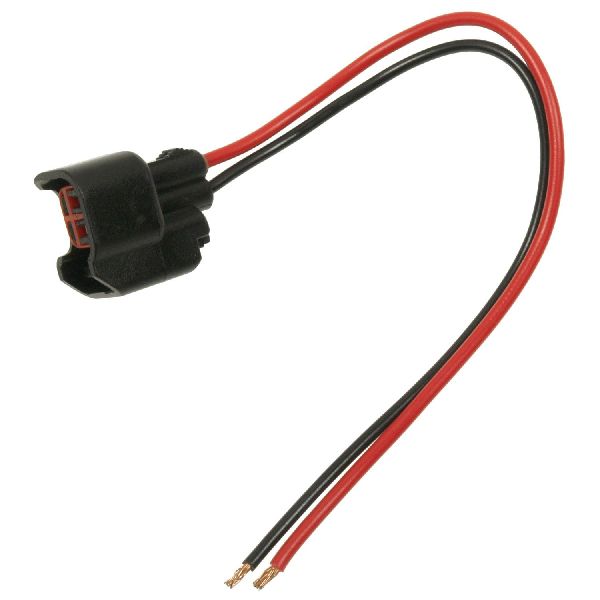
Aftermarket price range: $50-$90 - Fuel Injector Connector Pigtail
(OEM #ACDelco PT2160 (GM 19180282))— If the wiring is damaged at the connector, or the connector itself is corroded or broken, replacing the pigtail is the standard repair.
Trusted brands: ACDelco, Dorman (85136), Standard Motor Products (S-824)
OEM price range: $25-$40
Aftermarket price range: $12-$25
Related Codes That Often Appear With This One
- P0305 — P0305 means 'Cylinder 5 Misfire Detected'. Since a fuel injector circuit fault will prevent proper fueling, it will almost always cause a misfire on that same cylinder.
- P0205, P0273, P0277, etc. — These are other injector circuit codes. If the wiring harness has multiple points of damage, several injector circuit codes for different cylinders may appear simultaneously. TSB PIP4924D lists over 20 possible injector codes that can result from this harness issue.
Technical Service Bulletins (TSBs) & Recalls
- PIP4924D: SES Light And Misfire With Injector Codes - This bulletin is the primary source, advising technicians to inspect the fuel injector wiring harness for rub-through or open circuits on a wide range of GM vehicles with V6 engines, including the 2010-2014 Terrain. It specifically notes to check against the intake plenum, valve cover bolts, fuel line, and the side of the head.
- PI0631: Various Electrical Issues Caused by Engine Wiring Harness Chafing - TSB PIP4924D references this bulletin for other potential under-hood wire chafe locations, indicating a broader known issue with harness routing on these platforms.
- PIP5029A: Engine Misfire Due to Carbon Buildup on Valves - This TSB addresses a separate but common problem on these direct injection engines that can cause a P0305 misfire, which often accompanies the P0274 code.
Platform-Specific Known Issues
- GM Technical Service Bulletin PIP4924D explicitly calls out that the fuel injector wiring harness is prone to rubbing through against engine components, causing various injector circuit codes, including P0274.
- Owner Experience: A user on ChevroletForum.com with a 2006 Equinox (a platform mate) documented their troubleshooting process for a persistent misfire. After replacing plugs and wires with no success, the next logical step discussed was investigating the fuel injectors, which is a common path owners take when faced with these symptoms. This highlights the importance of checking the wiring first to avoid unnecessary parts replacement.
Mechanic-Grade Diagnostic Values
- Fuel Injector Coil Resistance (3.6L LFX V6) — expected: 1.2 - 1.8 Ohms. Failure: A reading outside this range, especially near zero (short) or infinite/OL (open), indicates a failed injector.
- Fuel Injector Coil Resistance (3.0L LFW V6) — expected: Approximately 12 Ohms. Failure: A significant deviation from 12 Ohms, or an open/short circuit, points to a faulty injector.
- Injector Circuit Resistance at ECM Connector — expected: 0.2 - 0.3 Ohms. Failure: A reading outside this range indicates a wiring problem between the ECM and the injector.
- Injector Control Wire Voltage (Key On, Engine Off) — expected: Near battery voltage (approx. 12V). Failure: A P0274 'Circuit High' can be set if the ECM detects voltage on the control circuit is higher than specified, often due to a short to another voltage source.
- Scan Tool Injector Balance Test — expected: The pressure drop for each injector should be within 20% of the average pressure drop of the other injectors.. Failure: If an injector's pressure drop is more than 20% different from the average, it indicates a flow issue (clogged or leaking).
Scan Tool Commands That Help
- GDS2 (GM Factory Tool) or equivalent professional scanner: Fuel Injector Balance Test — This is a crucial functional test to perform after electrical checks are complete. It commands the ECM to disable each injector sequentially while monitoring the drop in fuel rail pressure. This test can identify a clogged or poorly flowing injector that may still pass a resistance test. GM specifies that an injector failing this test (pressure drop outside a 20% variance) should be replaced.
Wiring & Ground Locations
- Cylinder 5 Location — Cylinder 5 is on Bank 1 (the cylinder bank closer to the firewall), and it is the middle cylinder on that bank.. Correctly identifying cylinder 5 is the first step in any diagnosis, from visual inspection to electrical testing and component swapping.
- G112 — Located on the left rear of the engine.. This is a primary engine ground point. A loose or corroded G112 can cause a variety of erratic engine performance issues and fault codes, including injector circuit problems, due to unstable voltage and resistance in sensor and actuator circuits.
OEM Part Supersession History
12642128→12634126— Standard part update/revision by the manufacturer.
Model Year Variations Within This Range
- 2010-2012: These years primarily used the 3.0L V6 (LF1/LFW). The expected fuel injector resistance for this engine is approximately 12 Ohms.
- 2013-2014: These years used the 3.6L V6 (LFX). The expected fuel injector resistance for this direct injection engine is much lower, between 1.2 and 1.8 Ohms. Using the wrong resistance specification during testing can lead to a misdiagnosis.
Helpful Videos
![How to Fix P0305 Engine Code in 3 Minutes [2 DIY Methods / Only $4.53]](https://img.youtube.com/vi/iu7X5E-N1II/mqdefault.jpg)
We Have This Part in Stock


The information in this article is provided for general reference and educational purposes only. Vehicle specifications, procedures, and part compatibility can vary by production date, trim level, and region. Always consult your vehicle's factory service manual and verify part numbers before purchasing or performing repairs. Safety-critical components such as airbags, seat belts, and braking systems should be installed by a qualified professional.
- Gmc TERRAIN:
- 🧭 Diagnostic Flowchart
- 🎬 Helpful Videos
- 🛍️ Shop This Part
- What's Unique About the 2010-2014 Gmc TERRAIN
- Symptoms You May Notice
- Most Likely Causes
- Rare But Worth Checking
- Diagnosis Steps
- Parts You'll Likely Need
- Related Codes That Often Appear With This One
- Technical Service Bulletins (TSBs) & Recalls
- Platform-Specific Known Issues
- Mechanic-Grade Diagnostic Values
- Scan Tool Commands That Help
- Wiring & Ground Locations
- OEM Part Supersession History
- Model Year Variations Within This Range
- 🎟️ Get 5% Off