

P0276 on 2009-2011 Cadillac STS: Cylinder 6 Injector Circuit Low Causes & Fixes
On a 2009-2011 Cadillac STS, code P0276 is frequently caused by a chafed or damaged fuel injector wiring harness, as highlighted in GM Technical Service Bulletin #PIP4924D. Before replacing the cylinder 6 fuel injector, thoroughly inspect the wiring harness for rub marks against the intake plenum, valve cover bolts, or fuel lines.
- Always inspect the fuel injector wiring harness for damage before buying any parts. This is a known issue on this vehicle, confirmed by GM TSB #PIP4924D, with specific chafe points to check.
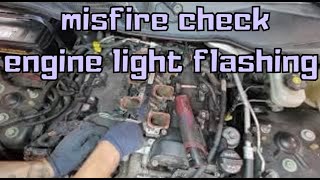
- A flashing Check Engine Light indicates a serious misfire that can quickly damage your catalytic converter. Limit driving until the issue is resolved.
- Swapping the cylinder 6 injector with another one is a reliable, low-cost way to determine if the injector itself is the problem.
- The code P0276 points specifically to an electrical circuit issue. Know your engine: the 3.6L V6 has low-resistance GDI injectors (~1.5 ohms) and the 4.6L V8 has high-resistance PFI injectors (~12 ohms).
What's Unique About the 2009-2011 Cadillac STS
For this generation of Cadillac STS and many related GM vehicles with the 3.6L V6, a primary suspect for injector circuit codes like P0276 is not the injector itself, but the wiring. A manufacturer TSB (#PIP4924D) specifically instructs technicians to inspect the fuel injector wiring harness for damage from rubbing against other components. Specific chafe points mentioned are against the intake plenum, at valve cover bolts, against the fuel line, and on the side of the cylinder head under the plenum. This known failure point makes a thorough visual inspection of the harness a critical first step, potentially saving you from buying parts you don't need.
Diagnostic Flowchart
Tap your situation to follow the diagnostic path that matches what you're seeing on this vehicle.
Symptoms You May Notice
- Check Engine Light is on or flashing
- Rough or vibrating idle
- Engine hesitation or stumbling during acceleration
- Noticeable loss of engine power
- Reduced fuel economy
- Raw fuel smell from the exhaust
- Replacing the cylinder 6 spark plug or ignition coil without first diagnosing the fuel injector circuit. While these can cause a misfire (P0306), they do not cause an injector circuit code like P0276, which is specifically electrical.
Most Likely Causes
- Chafed or Damaged Fuel Injector Wiring Harness 🔴 High Probability → Shop Engine Wiring Harness As documented in GM TSB #PIP4924D, the wiring harness is known to rub through or develop internal shorts. Common chafe points are against the intake plenum, at valve cover bolts, against the fuel line, and on the side of the cylinder head under the plenum.
How to confirm: Carefully perform a visual and physical inspection of the wiring harness leading to the fuel injectors, particularly around the areas mentioned in the TSB. Look for any signs of abrasion, cuts, exposed wires, or shiny spots on the harness loom.
Typical fix: Repair the damaged section of the wire using solder and heat-shrink tubing. Secure the harness away from any sharp edges or contact points using zip ties or re-routing to prevent future damage.
Est. part cost: $5-$20 - Faulty Cylinder 6 Fuel Injector 🟡 Medium Probability → Shop Fuel Injector The 3.6L LLT uses Gasoline Direct Injection (GDI) injectors which operate under high pressure and can fail internally. The 4.6L Northstar uses traditional Port Fuel Injection (PFI) injectors.
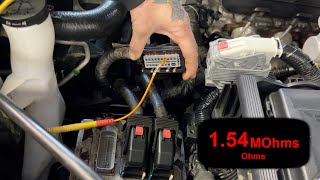
How to confirm: First, identify cylinder 6. On the 3.6L V6, it's the rearmost cylinder on the driver's side (Bank 2). On the 4.6L V8, it's the middle cylinder on the driver's side (Bank 2). Swap the cylinder 6 injector with one from another cylinder (e.g., cylinder 4). Clear the codes and run the engine. If the code changes to P0274 (Cylinder 4 Injector Circuit Low), the injector is faulty. Alternatively, test the injector's resistance with a multimeter. For the 3.6L GDI engine, expect a low resistance around 1.5-1.6 ohms. For the 4.6L PFI engine, expect a higher resistance around 13.8-15.2 ohms. A reading near zero or infinity indicates a failed injector.
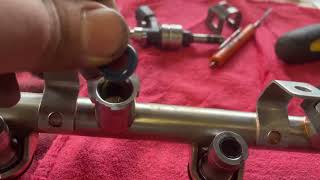
Typical fix: Replace the failed fuel injector. For GDI engines, it is highly recommended to also replace the Teflon seal. For high-mileage vehicles, it is often suggested to replace them in sets (e.g., all on one bank).
Est. part cost: $70-$250 - Loose or Corroded Injector Connector ⚪ Low Probability
How to confirm: Visually inspect the electrical connector at the cylinder 6 fuel injector. Look for pushed-out pins, corrosion, or a loose fit. Wiggle the connector with the engine running to see if it affects the idle.
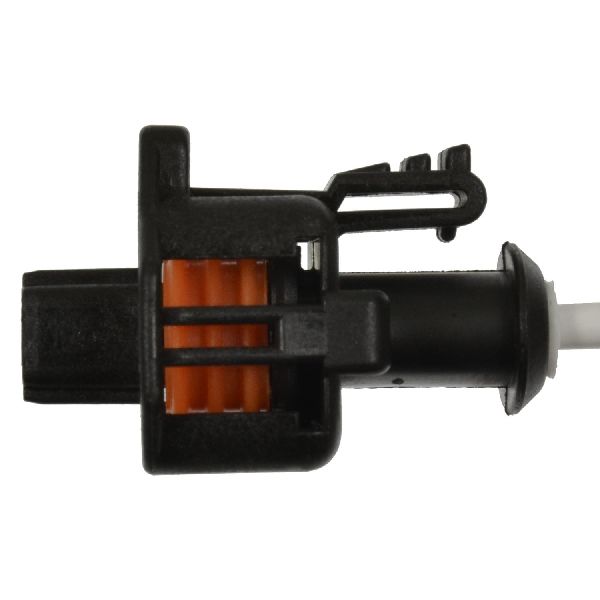
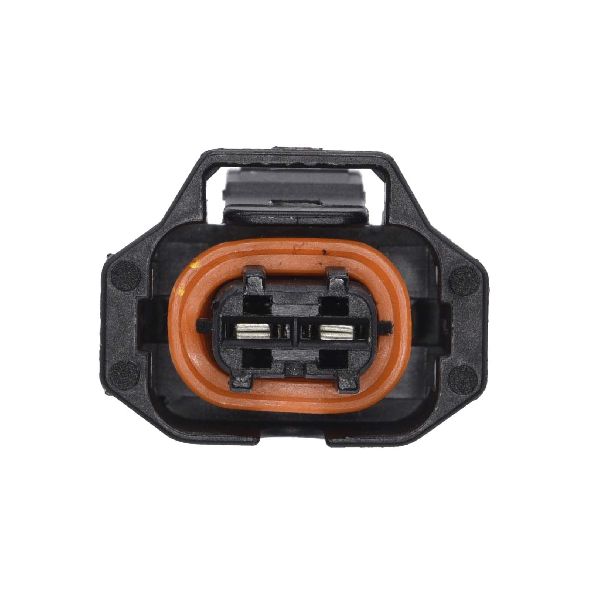
Typical fix: Clean the connector and pins with electrical contact cleaner. Apply dielectric grease to the seal. If the connector is damaged, replace it with a new pigtail connector (e.g., Dorman 85137, but verify connector style visually).
Est. part cost: $15-$30
Rare But Worth Checking
- Faulty Engine Control Module (ECM): → Shop Engine Control Module (ECM) The internal driver circuit for the injector can fail. This is uncommon and should only be considered after the injector and all wiring have been thoroughly tested and confirmed to be good. A forum user with a similar issue on a 3.6L STS considered this after replacing the injector and connector didn't solve the problem.
Diagnosis Steps
- Read the trouble codes with an OBD-II scanner and note any other codes present.
- Identify cylinder 6. For the 3.6L V6, it is the rearmost cylinder on the driver's side. For the 4.6L V8, it is the middle cylinder on the driver's side.
- Perform a thorough visual inspection of the fuel injector wiring harness for any signs of chafing, melting, or damage. Pay close attention to the areas mentioned in TSB #PIP4924D: where the harness runs against the intake plenum, valve cover bolts, fuel lines, and the side of the cylinder head.
- Inspect the electrical connector on the cylinder 6 fuel injector for corrosion, damage, or a loose connection.
- If the wiring appears intact, swap the cylinder 6 injector with an adjacent one (like cylinder 4).
- Clear the codes, start the engine, and see if the fault code 'moves' to the other cylinder (e.g., P0274). If it does, the injector is bad.
- If the code remains P0276 after the swap, the problem is in the wiring or the ECM. Test the injector resistance. Expect ~1.5-1.6 ohms for the 3.6L V6 and ~13.8-15.2 ohms for the 4.6L V8.
- Use a noid light to test for an electrical pulse at the cylinder 6 injector connector. If the light flashes, the ECM is sending a signal, suggesting the wiring is likely intact.
- If no pulse is present, use a multimeter to check for continuity on the control and power/ground wires between the injector connector and the ECM connector to find the break or short in the circuit.
- If all wiring and the injector test good, the final possibility is a faulty injector driver in the ECM.
Parts You'll Likely Need
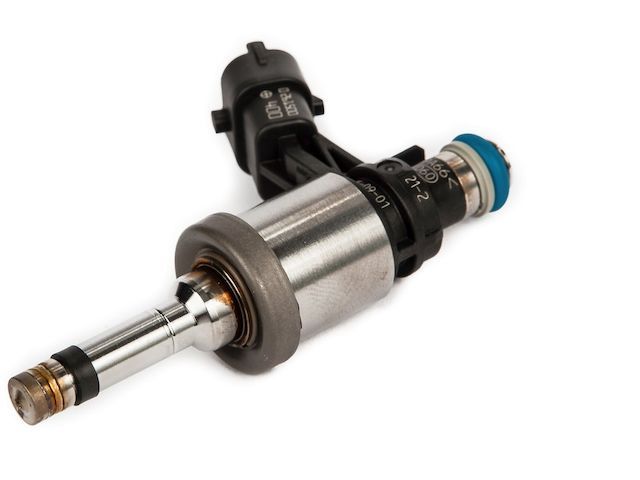
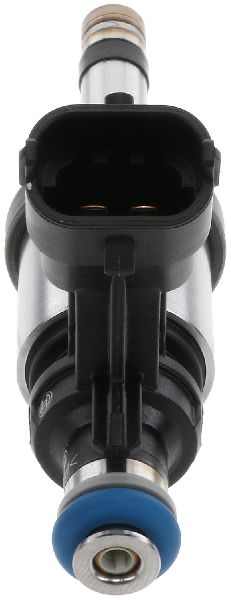
- Fuel Injector (3.6L V6 GDI)
(OEM #12638530 (or successor 12669384))— This is the part to replace if the GDI injector itself fails the swap test or resistance test (~1.5 ohms).
Trusted brands: ACDelco, Bosch
OEM price range: $120-$180
Aftermarket price range: $70-$110 - Fuel Injector (4.6L V8 PFI)
(OEM #12597871 (Cross-references to Bosch 0280158083, ACDelco 217-2443))— This is the part to replace if the PFI injector on the Northstar V8 fails the swap test or resistance test (~13.8-15.2 ohms).
Trusted brands: ACDelco, Bosch, Standard Motor Products
OEM price range: $90-$150
Aftermarket price range: $50-$90 - Fuel Injector Connector Pigtail
(OEM #Dorman 85137 (Verify style))— Needed if the electrical connector at the injector is corroded, melted, or has broken locking tabs. The connector style should be visually confirmed before purchase.
Trusted brands: ACDelco, Dorman
OEM price range: $25-$40
Aftermarket price range: $15-$30
Related Codes That Often Appear With This One
- P0306 — This code means "Cylinder 6 Misfire Detected." It is a direct result of the P0276 fault, as the injector circuit problem prevents proper combustion in that cylinder.
- P0206 — This code for "Injector Circuit/Open - Cylinder 6" is very similar and can appear with P0276, pointing to an electrical fault in the same circuit.
- P2149 — This code for 'Fuel Injector Group B Supply Voltage Circuit/Open' can appear if the wiring fault affects the common power or ground for one bank of injectors. TSB PIP4924D lists this code alongside the individual circuit codes.
Technical Service Bulletins (TSBs) & Recalls
- PIP4924D: Advises technicians to inspect the fuel injector wiring harness for rub-through or internal shorts when encountering various injector circuit DTCs (P02xx). It lists specific chafe points and applies to a wide range of GM vehicles with 3.0L and 3.6L engines from 2009-2014.
Platform-Specific Known Issues
- A General Motors Technical Service Bulletin (TSB #PIP4924D) exists for a wide range of injector codes, including P0276. It specifically calls for an inspection of the fuel injector wiring harness for rubbing through or developing an internal short circuit. Key inspection points are where the harness may contact: the intake plenum, valve cover bolts, the fuel line, and the side of the cylinder head under the plenum. This indicates a common failure pattern on this platform and its relatives.
- The 3.6L LLT V6 is a Gasoline Direct Injection (GDI) engine, while the 4.6L LH2 V8 is a Port Fuel Injection (PFI) engine. They use different types of injectors with different electrical resistance values, which is critical for accurate diagnosis.
Mechanic-Grade Diagnostic Values
- Fuel Injector Coil Resistance (4.6L V8 PFI) — expected: 13.8 - 15.2 Ω at 68°F (20°C). Failure: A reading of zero, infinity (open), or significantly outside the specified range.
- Fuel Injector Coil Resistance (3.6L V6 GDI) — expected: ~1.5 - 1.6 Ω. Failure: A reading of zero, infinity (open), or significantly different from the other injectors.
- Injector Balance Test Pressure Drop (4.6L V8 PFI) — expected: Pressure drop should be consistent across all cylinders, within 1.0-1.5 PSI of each other.. Failure: A cylinder whose pressure drop is significantly higher or lower than the others indicates a faulty or clogged injector.
- Injector Balance Test Pressure (3.6L V6 GDI) — expected: Test is run at high pressure, over 2000 PSI. The pressure drop after the injector is toggled should be compared between cylinders.. Failure: A significant deviation in pressure drop for cylinder 6 compared to others points to an issue.
- Injector Inductive Kick (Scope Test) — expected: A sharp voltage spike (e.g., >50V) immediately after the ECM commands the injector off.. Failure: A missing or significantly lower voltage spike on cylinder 6 compared to other cylinders can indicate a shorted injector coil or a wiring issue.
Scan Tool Commands That Help
- Tech 2 / GDS2: Fuel Injector Balance Test — This is a crucial functional test when an injector is suspected of being faulty but has passed a resistance test. It directly measures the hydraulic performance of each injector by recording the fuel pressure drop when it's commanded to open. This can identify a mechanically sticking or partially clogged injector that is electrically sound.
- Tech 2 / GDS2: Cylinder Power Balance — Used with the engine running to identify a weak cylinder. The tool sequentially deactivates each injector, and the technician observes the drop in engine RPM or change in smoothness. If disabling cylinder 6 causes little or no change, it confirms that cylinder was not contributing power, reinforcing the P0276 diagnosis.
Wiring & Ground Locations
- G101 — Near the left front strut tower, at the bottom of the inside fender well.. This is a primary ground location for the Engine Control Module (ECM). A poor connection here can cause erratic behavior and incorrect readings for multiple engine sensors and actuators, including the fuel injector circuits.
- G100 / G106 — On the rear side of the right cylinder head.. These are major engine grounds. Since the injector circuits are controlled by the ECM, which relies on a solid ground reference to the engine block, a loose or corroded connection here can create voltage offsets and trigger circuit low/high codes.
- Main Engine Ground Strap — A large cable running from the engine block to the vehicle's frame/chassis.. On vehicles with the battery in the rear, like the STS, the starter and entire engine block rely on this strap for their ground path back to the battery. If this strap is broken or corroded, the injector circuits can lose their ground reference, leading to codes like P0276.
- Injector Harness Chafe Points — Where the harness runs over the top of the camshaft carrier cover, against the intake plenum, near valve cover bolts, and around the generator bracket.. These are the specific locations mentioned in TSBs and field reports where the injector wiring is known to rub through, causing a short to ground and triggering the P0276 code.
Real Owner Repair Stories
- 2CarPros Forum (2005 Cadillac STS 3.6L V6) — Intermittent rough running with codes P0204 & P0304 (Cylinder 4 Injector Circuit & Misfire).
❌ Tried (didn't work) Replaced the fuel injector for cylinder 4., Replaced the fuel injector connector pigtail., Wiggling the harness while the engine was running did not change the symptoms.
✅ What actually fixed it The problem was not resolved in the thread, but the final diagnosis pointed directly to either a wiring issue between the injector and the PCM or a faulty PCM driver circuit. This is a valuable real-world example of the TSB's wiring issue being the likely root cause after common parts are replaced. - YouTube video by 'blake's garage' (2016 GM 3.6L Engine (similar design)) — Setting over 20 different trouble codes, CAN bus communication issues.
❌ Tried (didn't work) Initial diagnosis was confusing due to the sheer number of codes.
✅ What actually fixed it The wiring harness was found to be chewed by rodents right at the base of an injector connector, causing a short. The fix was to cut out the damaged section, solder the wires, and protect them with heat-shrink tubing. This confirms that harness damage right at the connector is a common failure point.
OEM Part Supersession History
12638530→12669384— Standard part revision and update by the manufacturer.
Heads up: The new part number (12669384) is the correct service replacement for the original. Other cross-reference numbers include 217-3445 and FJ994.
Model Year Variations Within This Range
- 2009-2011: The primary variation is the engine. The 3.6L LLT V6 uses high-pressure Gasoline Direct Injection (GDI) with low-resistance injectors (~1.5Ω), while the 4.6L LH2 Northstar V8 uses traditional Port Fuel Injection (PFI) with high-resistance injectors (~14Ω). Diagnostic values and fuel pressure test procedures are entirely different between the two engines.
Helpful Videos
We Have This Part in Stock


The information in this article is provided for general reference and educational purposes only. Vehicle specifications, procedures, and part compatibility can vary by production date, trim level, and region. Always consult your vehicle's factory service manual and verify part numbers before purchasing or performing repairs. Safety-critical components such as airbags, seat belts, and braking systems should be installed by a qualified professional.
- Cadillac STS:
- 🧭 Diagnostic Flowchart
- 🎬 Helpful Videos
- 🛍️ Shop This Part
- What's Unique About the 2009-2011 Cadillac STS
- Symptoms You May Notice
- Most Likely Causes
- Rare But Worth Checking
- Diagnosis Steps
- Parts You'll Likely Need
- Related Codes That Often Appear With This One
- Technical Service Bulletins (TSBs) & Recalls
- Platform-Specific Known Issues
- Mechanic-Grade Diagnostic Values
- Scan Tool Commands That Help
- Wiring & Ground Locations
- Real Owner Repair Stories
- OEM Part Supersession History
- Model Year Variations Within This Range
- 🎟️ Get 5% Off