

P0276 on 2012-2014 Chevrolet Impala: Cylinder 6 Injector Circuit Low Causes and Fixes
On a 2012-2014 Impala with the 3.6L V6, code P0276 is most often caused by a damaged fuel injector wiring harness rubbing against the engine or the ECM bracket, as noted in GM TSBs #PIP4924D and #PI1067. Inspect the harness for damage before replacing the injector. A harness repair can cost as little as $15-$30 in materials.
- For code P0276 on a 2012-2014 Impala, the most likely cause is a damaged wiring harness, not a bad fuel injector.
- Always inspect the fuel injector wiring harness for signs of rubbing or chafing before buying any parts, as per GM Technical Service Bulletin PIP4924D.
- Common chafe points are where the harness touches the intake manifold, valve cover bolts, or cylinder head.
- Driving with a flashing Check Engine Light can cause expensive damage to the catalytic converter and should be avoided.
- If the wiring is intact, the next most likely cause is a failed cylinder 6 fuel injector.
What's Unique About the 2012-2014 Chevrolet IMPALA
For this generation of Impala and other GM vehicles with the 3.6L LFX V6 engine, the most significant issue for P0276 is a well-documented problem with the fuel injector wiring harness. General Motors issued Technical Service Bulletin #PIP4924D, which covers a wide range of injector codes including P0276. It explicitly instructs technicians to inspect the injector wiring harness for damage from rubbing against components like the intake plenum, valve cover bolts, and the side of the cylinder head. Furthermore, bulletin #PI1067 specifically identifies a chafe point for 2013-2014 models where the harness can rub on the metal ECM bracket. This makes a wiring fault a much higher probability on this specific vehicle than a randomly failed injector.
Diagnostic Flowchart
Tap your situation to follow the diagnostic path that matches what you're seeing on this vehicle.
Generation note: The 2012-2014 year range covers two generations of the Impala. The 2012-2013 models are part of the 9th generation (a continuation of the 8th gen body style). For 2014, Chevrolet introduced the new 10th generation Impala but continued to sell the 9th generation model as the 'Impala Limited'. Both the late 9th gen and the 10th gen in this timeframe used the 3.6L LFX V6 engine, and the primary cause (wiring harness chafe) is relevant to the engine, making this guide applicable to both.
Symptoms You May Notice
- Check Engine Light is on or flashing
- Rough idle or engine shaking
- Reduced engine power and sluggish acceleration
- Poor fuel economy
- Engine hesitation or stumbling
- Engine stalling intermittently
- Replacing the fuel injector without first inspecting the wiring harness. The TSBs for this vehicle make the wiring the primary suspect.
- Replacing the spark plug and ignition coil for cylinder 6. While these parts can cause a misfire (P0306), they will not cause an injector circuit code like P0276.
Most Likely Causes
- Damaged Fuel Injector Wiring Harness 🔴 High Probability → Shop Engine Wiring Harness Multiple GM Technical Service Bulletins (PIP4924D, PI1067) specifically identify that the fuel injector wiring harness can rub through or suffer internal damage. Common chafe points are against the intake plenum, valve cover bolts, fuel lines, the side of the cylinder head, and the metal ECM mounting bracket.
How to confirm: Carefully inspect the entire length of the wiring harness leading to the cylinder 6 fuel injector. Pay close attention to the areas mentioned in the TSBs. Look for any signs of rubbing, chafing, melting, or exposed copper wires. Wiggle the harness with the engine running to see if the misfire changes.
Typical fix: Repair the damaged section of the wire using a weatherproof splice and heat shrink tubing. If the damage is near the connector, replace the injector pigtail connector. Protect the repaired harness by re-routing it or applying protective conduit and zip ties.
Est. part cost: $15-$45 - Faulty Cylinder 6 Fuel Injector 🟡 Medium Probability → Shop Fuel Injector
How to confirm: If wiring is intact, swap the cylinder 6 fuel injector with an adjacent one (e.g., cylinder 4). Clear the codes and run the engine. If the code changes to P0274 (Cylinder 4 Injector Circuit Low), the injector is faulty. You can also test the injector's coil resistance with a multimeter; it should be between 1.2 and 1.8 Ohms for the LFX engine. A reading outside this range indicates a bad injector.
Typical fix: Replace the faulty fuel injector. It is recommended to replace the Teflon seal and lubricate it with clean engine oil upon installation. Some owners choose to replace all three injectors on that bank at the same time.
Est. part cost: $70-$120 - Loose or Corroded Injector Connector ⚪ Low Probability
How to confirm: Disconnect the electrical connector at the cylinder 6 fuel injector and inspect the pins on both the injector and the connector for corrosion, moisture, or damage. Ensure the connector clicks securely into place.
Typical fix: Clean the connector pins with electrical contact cleaner. If the connector is damaged or the locking tab is broken, it will need to be replaced with a new pigtail.
Est. part cost: $15-$45
Rare But Worth Checking
- Faulty Engine Control Module (ECM): → Shop Engine Control Module (ECM) This is the least likely cause. The internal driver circuit for the cylinder 6 injector can fail. All other possibilities, especially wiring and the injector itself, should be exhaustively ruled out before considering ECM replacement, as it is expensive and requires programming.
Diagnosis Steps
- Scan the vehicle for fault codes and confirm P0276 is present. 🎬 See this quick overview of the P0276 code and symptoms. Note any other codes, especially P0306.
- Locate Cylinder 6. On the transverse-mounted 3.6L LFX engine, this is the cylinder on the front bank (closest to the radiator) on the driver's side.
- Perform a thorough visual inspection of the fuel injector wiring harness, as recommended by TSBs #PIP4924D and #PI1067. Check for chafing against the intake, valve covers, fuel lines, and especially where the harness passes the metal ECM bracket.
- If the harness looks good, disconnect the injector and check the connector for corrosion or damage.
- Use a 'noid light' on the injector connector. Start the engine; the light should flash, indicating the ECM is sending a signal. If it doesn't flash, the problem is in the wiring or the ECM.
- If the noid light flashes, turn off the ignition and disconnect the injector. Use a multimeter set to Ohms to measure the internal resistance of the fuel injector. It must be between 1.2 and 1.8 Ohms. An open circuit (OL) or short (near 0 Ohms) indicates a bad injector.
- If the injector resistance is good, perform a 'wiggle test' on the harness with the engine running to see if you can induce a misfire, which would confirm an intermittent wiring fault.
- If wiring and the injector test good, consider swapping the injector to another cylinder to see if the fault follows the injector.
Parts You'll Likely Need
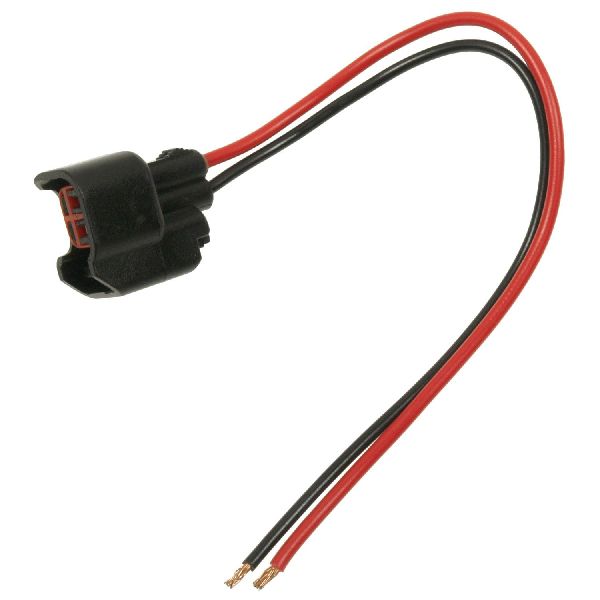
- Fuel Injector Wiring Connector Pigtail
(OEM #PT2544)— This is needed to repair a damaged harness connector, which is a very common cause of P0276 on this vehicle due to the TSB-documented chafing issue.
Trusted brands: ACDelco, Dorman
OEM price range: $25-$45
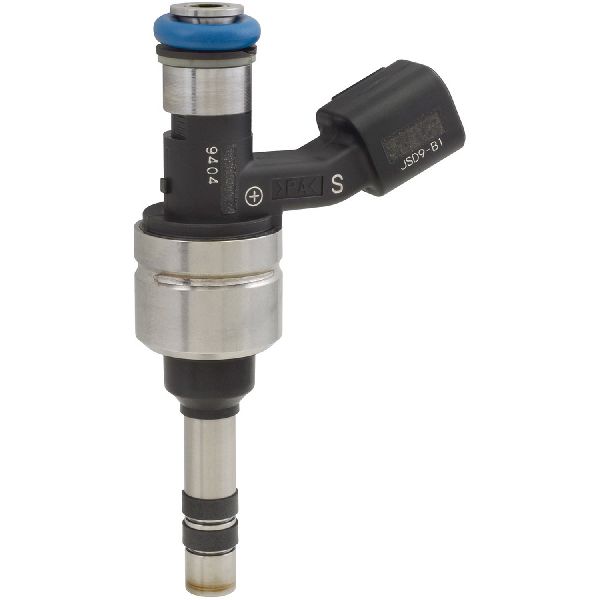
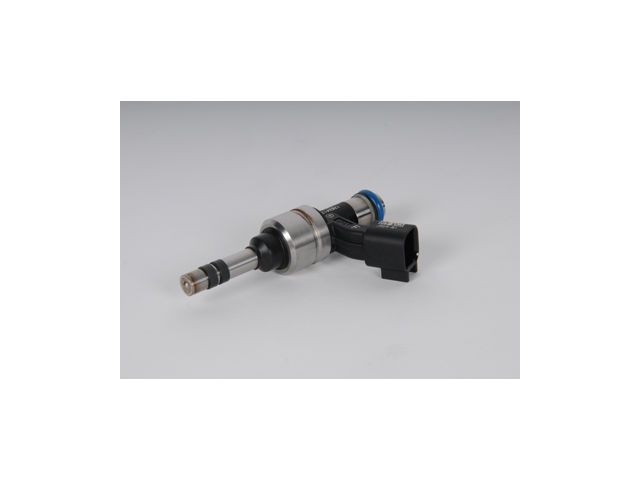
Aftermarket price range: $15-$30 - Fuel Injector
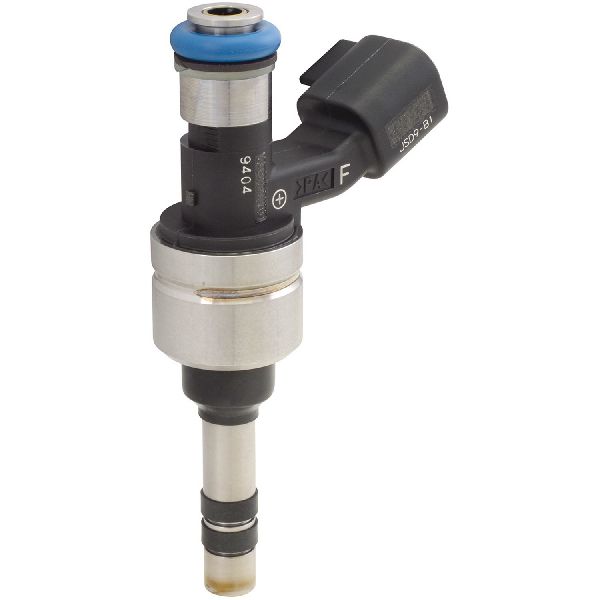
(OEM #12669384)— If the injector itself has failed with an internal short or open (testing outside 1.2-1.8 Ohms), it will need to be replaced. This is the next most likely cause after a wiring fault. This part number supersedes older versions like 12638530. 🎬 Watch: Final verdict and tips after an Impala injector project.
Trusted brands: ACDelco (GM Genuine), Bosch
OEM price range: $80-$120
Aftermarket price range: $50-$90
Related Codes That Often Appear With This One
- P0306 — P0306 means 'Cylinder 6 Misfire Detected'. Since P0276 causes the cylinder 6 injector to fail or not receive a signal, it will almost always lead to a misfire on that same cylinder.
- P0206 — P0206 is a more general 'Injector Circuit/Open - Cylinder 6' code. They often appear together as they both point to a problem in the same circuit.
- P2149, P2152, etc. — If other injector circuit codes for the same engine bank appear, it strongly suggests a widespread wiring harness issue affecting multiple cylinders, as described in TSB PIP4924D.
- P0641 — This code for 'Sensor Reference Voltage 'A' Circuit/Open' can appear alongside P0276 if the harness chafe is severe enough to affect multiple wires, as mentioned in TSB #PIT5424.
Technical Service Bulletins (TSBs) & Recalls
- PIP4924D: SES light and misfire with various injector related codes (including P0276) due to fuel injector wiring harness rubbing through or having internal wire opens.
- PI1067: ECM harness chafing on ECM bracket (for 2013-2014 3.6L LFX).
- PIT5424: Engine harness routing inspection for various injector circuit codes, often seen with P0641.
Platform-Specific Known Issues
- TSB #PIP4924D: This is the most critical document for this code on this vehicle. It states that injector codes like P0276 are often caused by the fuel injector wiring harness rubbing through. It advises a careful inspection of the harness for chafing against the intake plenum, valve cover bolts, fuel lines, and the side of the cylinder head.
- TSB #PI1067: Specific to 2013-2014 models with the 3.6L LFX engine, this bulletin highlights a key chafe point where the ECM wiring harness (from connector X1) can rub on the sharp edge of the metal ECM mounting bracket, causing a short to ground.
- TSB #PIT5424: Advises inspection of the engine harness routing between the ECM and the upper rear of the engine, especially if other codes like P0641 are present with the injector fault.
Mechanic-Grade Diagnostic Values
- Fuel Injector Coil Resistance — expected: 1.2 to 1.8 Ohms at 68°F (20°C). Failure: A reading of 0 Ohms (short) or infinite/OL (open) indicates a failed injector. Note that resistance changes with temperature.
- Injector Control Circuit Voltage (Key On, Engine Off) — expected: Should be near battery voltage (12V). Failure: A reading below 3V, and especially near 0V, on the control wire at the injector connector indicates a short to ground in the harness or a faulty ECM driver.
- Injector Pulse Width at Idle (Warm Engine) — expected: 2.0 - 4.0 milliseconds (ms). Failure: While not a direct test for a circuit code, a scan tool showing a zero or erratic pulse width for cylinder 6 can point to the ECM detecting a fault and shutting down the injector.
Scan Tool Commands That Help
- GDS2 (GM Global Diagnostic System 2): Fuel Injector Balance Test — This bidirectional test allows a technician to disable each injector one by one while the engine is running to observe the RPM drop and impact on fuel trims. If disabling cylinder 6 causes no change in engine operation, it confirms that injector was not firing. It can also perform a pressure drop test with the engine off to measure flow from each injector.
- GDS2 (GM Global Diagnostic System 2): Injector Test — This is an active test that pulses a selected injector with the engine off. The technician can listen for an audible click from the injector to verify it is mechanically responding to the electrical command. A lack of a click when commanded points to a wiring or injector failure.
Wiring & Ground Locations
- ECM Connector X1 — The Engine Control Module (ECM) is located under the air filter housing. X1 is one of the large multi-pin connectors on the ECM.. This connector contains the control and supply wires for the fuel injectors. TSB PI1067 specifically mentions the harness from this connector can rub on the ECM bracket.
- Cylinder 6 Injector Control Wire — This wire runs from the ECM X1 connector to the fuel injector connector for cylinder 6. On the LFX, the wire color is typically Yellow/Black.. This is the specific wire the ECM grounds to fire the injector. A short to ground on this wire is the direct cause of a P0276 'Circuit Low' code.
- G103 — Located on the driver's side of the engine compartment, on the cowl/firewall, often near the brake booster or battery.. This is a major engine and chassis ground point. While a fault here would likely cause multiple codes, a poor connection can create unpredictable electrical issues in the engine control system.
Real Owner Repair Stories
- Pine Hollow Auto Diagnostics on YouTube (2008 Chevrolet Impala SS (V8, but demonstrates identical wiring fault diagnosis)) — Intermittent P0201 (Injector Circuit Fault), engine power loss, transmission limp mode.
❌ Tried (didn't work) Replaced fuel injector, Replaced fuel injector pigtail connector
✅ What actually fixed it The injector wiring harness was rubbing on a hidden intake manifold mounting bolt, causing an intermittent short to ground. The fix was to repair the wire with electrical tape and secure the harness away from the bolt with a zip tie. - Mechanics Stack Exchange User (2008 Chevrolet Impala 3.5L V6) — Cylinder 1 misfire and ignition failure codes.
✅ What actually fixed it Found that mice had chewed the wires for the cylinder 1 fuel injector under the intake manifold. The confirmed fix was to splice in new wire to repair the damaged section of the harness.
OEM Part Supersession History
12611545, 12632255, 12638530→12669384— Standard part evolution for improved performance, reliability, or manufacturing efficiency.
Heads up: While physically similar, using older part numbers when a newer one is specified is not recommended as internal characteristics may differ. Always verify the correct part number by VIN.
Model Year Variations Within This Range
- 2013-2014: TSB #PI1067 specifically calls out a harness chafe point on the metal ECM mounting bracket for these model years. While harness chafing is a general issue, this specific location is more prominent on these later models.
Helpful Videos
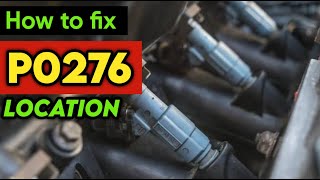
![What is P0276 Engine Code [Quick Guide]](https://img.youtube.com/vi/yVB0KJH4rCs/mqdefault.jpg)
We Have This Part in Stock


The information in this article is provided for general reference and educational purposes only. Vehicle specifications, procedures, and part compatibility can vary by production date, trim level, and region. Always consult your vehicle's factory service manual and verify part numbers before purchasing or performing repairs. Safety-critical components such as airbags, seat belts, and braking systems should be installed by a qualified professional.
- Chevrolet IMPALA:
- 🧭 Diagnostic Flowchart
- 🎬 Helpful Videos
- 🛍️ Shop This Part
- What's Unique About the 2012-2014 Chevrolet IMPALA
- Symptoms You May Notice
- Most Likely Causes
- Rare But Worth Checking
- Diagnosis Steps
- Parts You'll Likely Need
- Related Codes That Often Appear With This One
- Technical Service Bulletins (TSBs) & Recalls
- Platform-Specific Known Issues
- Mechanic-Grade Diagnostic Values
- Scan Tool Commands That Help
- Wiring & Ground Locations
- Real Owner Repair Stories
- OEM Part Supersession History
- Model Year Variations Within This Range
- 🎟️ Get 5% Off