

P0277 on 2009-2014 Buick Enclave: Cylinder 6 Injector Circuit High Causes and Fixes
This code indicates a high voltage condition in the cylinder 6 fuel injector circuit. The most common cause on this vehicle is not the injector itself, but a chafed or damaged fuel injector wiring harness, as documented in GM Technical Service Bulletin #PIP4924D. Cylinder 6 is on the rear bank (firewall side), so accessing the injector and harness requires removing the upper intake manifold. Inspecting and repairing the harness is the most likely fix.
- P0277 on a 2009-2014 Enclave means there's a high voltage problem in the cylinder 6 injector circuit.
- Before buying any parts, thoroughly inspect the fuel injector wiring harness for damage, as this is a known problem outlined in GM TSB #PIP4924D.
- Common symptoms include a rough idle, engine misfire, and the Check Engine Light.
- A simple way to test the injector is to swap it with another cylinder and see if the code follows.
- Continued driving with this fault can lead to costly damage to the catalytic converter.
What's Unique About the 2009-2014 Buick ENCLAVE
For the 2009-2014 Buick Enclave and its relatives with the 3.6L V6 engine, a P0277 code is frequently linked to a specific, documented issue. General Motors issued a Technical Service Bulletin (TSB #PIP4924D) warning technicians about the fuel injector wiring harness rubbing against engine components. This chafing can cause a short to voltage, creating the 'circuit high' condition. Furthermore, Cylinder 6 is part of the rear bank of cylinders (Bank 2) located against the firewall. Accessing this injector and its wiring is significantly more labor-intensive than the front bank, as it requires the removal of the upper intake manifold. While a bad injector or ECM is possible, this known wiring vulnerability is the most probable cause on this platform.
Diagnostic Flowchart
Tap your situation to follow the diagnostic path that matches what you're seeing on this vehicle.
Symptoms You May Notice
- Check Engine Light is on (can be solid or flashing)
- Rough or unstable idle
- Engine misfire, which may feel like a shake or stumble, especially under load.
- Hesitation or loss of power during acceleration
- Reduced fuel economy
- Engine may be hard to start or stall
- Noticeable fuel smell from the exhaust area
- Replacing the fuel injector without first thoroughly inspecting the wiring harness. Given the known TSB and the vulnerability of the harness on this platform, wiring should be the primary suspect.
- Failing to properly re-secure the harness after a repair, leading to a repeat failure from chafing.
Most Likely Causes
- Chafed or Damaged Fuel Injector Wiring Harness 🔴 High Probability → Shop Engine Wiring Harness As identified in GM TSB #PIP4924D, the harness is known to rub against the intake plenum, valve cover bolts, fuel lines, or the side of the cylinder head, causing wires to short. The harness for Bank 2 (cylinders 2, 4, 6) is particularly susceptible as it is routed in a tight space near the firewall.
How to confirm: After removing the intake manifold, visually inspect the entire fuel injector wiring harness for Bank 2. Pay close attention to contact points, looking for worn insulation, exposed copper wire, or signs of heat/melting. Check for damage where the harness might be stretched or rubbing against the back of the engine bay.
Typical fix: Repair the damaged section of wire using a quality butt connector and heat shrink tubing. Secure the harness away from the contact point with zip ties or loom to prevent future damage. If damage is extensive or near the main connector, the entire Bank 2 harness (GM Part #12621096) may need replacement.
Est. part cost: $5-$160 - Failed Fuel Injector 🟡 Medium Probability → Shop Fuel Injector Direct injection fuel injectors operate under high pressure and can fail electrically or mechanically over time. Carbon buildup can also be a contributing factor.
How to confirm: After gaining access by removing the intake manifold, swap the cylinder 6 fuel injector with one from another cylinder (e.g., cylinder 4). Reassemble, clear the codes, and drive the vehicle. If the code changes to P0271 (for cylinder 4), the injector is faulty. If the P0277 code returns, the problem is in the wiring or ECM.
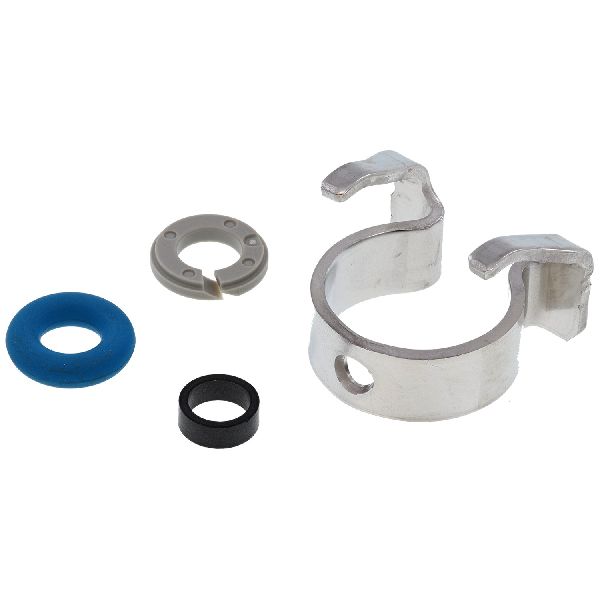
Typical fix: Replace the faulty fuel injector. Due to the significant labor required to remove the intake manifold, it is highly recommended to replace all three injectors on Bank 2 (cylinders 2, 4, 6) at the same time, along with their seals.
Est. part cost: $50-$150 per injector - Poor Connection at Injector or ECM ⚪ Low Probability
How to confirm: Disconnect and inspect the electrical connector at the cylinder 6 injector and the corresponding connectors at the ECM. Look for corrosion, bent or backed-out pins, or a loose fit. Water intrusion can also cause corrosion in these connectors.
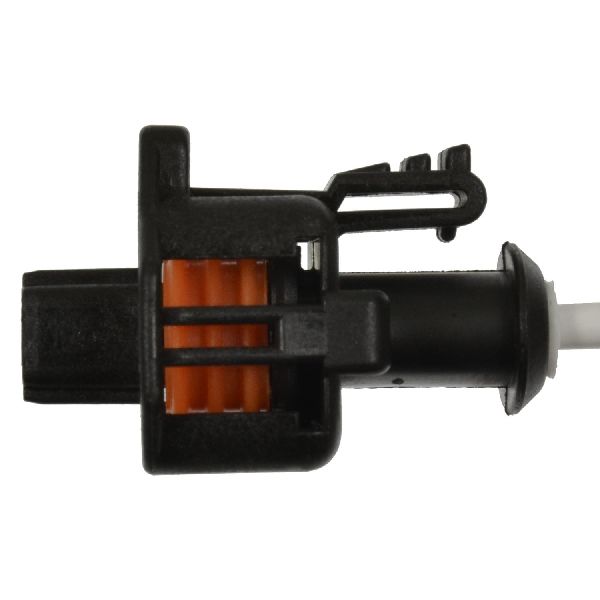
Typical fix: Clean the connector terminals with electrical contact cleaner. Apply dielectric grease upon reassembly to prevent moisture. If pins are damaged, the connector pigtail may need to be replaced.
Est. part cost: $15-$40
Rare But Worth Checking
- Faulty Engine Control Module (ECM): → Shop Engine Control Module (ECM) This is the least likely cause. The internal driver circuit for the cylinder 6 injector can fail, but all other possibilities, especially wiring, should be exhaustively ruled out before condemning the ECM. This is a last-resort diagnosis.
Diagnosis Steps
- Scan for Codes: Use an OBD-II scanner to confirm P0277 is present and check for any other related codes like P0306 or P0300 (Random Misfire).
- Preliminary Checks: Check the battery and charging system voltage. An overcharging alternator can theoretically cause 'circuit high' codes, though this is rare.
- Plan for Intake Removal: Be aware that proper diagnosis requires accessing components on the rear cylinder bank. This requires removing the upper intake manifold. A video by MagnusPrimeE1 on YouTube for a P0191 code on a 2012 Enclave shows this exact process.
- Remove Intake Manifold: Carefully disconnect all sensors, vacuum lines, and bolts to remove the upper intake manifold and gain access to the Bank 2 fuel rail and injectors.
- Visual Inspection (TSB First): With access, perform a detailed visual inspection of the Bank 2 fuel injector wiring harness (GM Part #12621096) as per TSB #PIP4924D. Check for chafing against the intake, valve covers, and fuel lines, especially near the firewall.
- Check Connector: Disconnect and inspect the electrical connector for cylinder 6. Look for corrosion or damaged pins.
- Test the Circuit with a Noid Light: Connect a noid light to the cylinder 6 injector harness connector. Have a helper crank the engine. The light should flash steadily. If it's off or stays on solid, there's a wiring or ECM issue.
- Swap the Injector: If the wiring looks good and the noid light flashes, swap the cylinder 6 injector with another cylinder's injector on the same bank (e.g., cylinder 4). Reassemble the fuel rail (do not fully reinstall intake yet), clear codes, and see if the fault code follows the injector. If it does, the injector is bad. If P0277 returns, the issue is intermittent wiring or the ECM.
- Check for Short to Voltage: If the injector swap doesn't move the code, use a multimeter to check the signal wire between the ECM and the injector connector for a short to voltage. This requires a wiring diagram and is an advanced step.
- Test the ECM: If all wiring and the injector prove to be good, the final step is to test the ECM's injector driver, which is best left to a professional.
Parts You'll Likely Need
- Fuel Injector Wiring Harness (Bank 2)
(OEM #12621096 (supersedes 12614936))— This is the most likely point of failure due to the chafing issue identified in TSB #PIP4924D. It services the rear bank of cylinders (2, 4, 6). Often the harness can be repaired, but if damage is extensive, replacement is necessary.
Trusted brands: ACDelco, GM Genuine Parts
OEM price range: $100-$160
Aftermarket price range: $70-$120 - Fuel Injector
(OEM #ACDelco 12638530 (for 3.6L LLT, ~2009-2011) or ACDelco 12669384 (for 3.6L LFX, ~2012-2014). Verify with VIN.)— If the injector itself has an internal electrical fault, it will need to be replaced. It is critical to get the correct part number for your specific engine (LLT or LFX).
Trusted brands: ACDelco, Bosch, Delphi
OEM price range: $90-$150
Aftermarket price range: $50-$100 - Upper Intake Manifold Gasket Set
(OEM #ACDelco 12691199 or equivalent)— These are single-use gaskets that must be replaced anytime the upper intake manifold is removed to access the rear cylinder bank.
Trusted brands: ACDelco, Fel-Pro
OEM price range: $20-$40
Aftermarket price range: $15-$30
Related Codes That Often Appear With This One
- P0306 — P0306 means 'Cylinder 6 Misfire Detected'. This code is a direct result of the P0277 fault, as the injector circuit problem prevents proper fueling, causing the cylinder to misfire.
- P0206 — P0206 is a general 'Injector Circuit/Open - Cylinder 6' code. It can appear alongside P0277 as the ECM tries to diagnose the electrical fault.
- P2149 — This code for 'Fuel Injector Group B Supply Voltage Circuit/Open' can appear with P0277. The TSB #PIP4924D lists them together, indicating a shared cause in the wiring harness affecting an entire bank of injectors (Bank 2).
Technical Service Bulletins (TSBs) & Recalls
- PIP4924D: Addresses multiple injector codes (including P0277) caused by the fuel injector wiring harness rubbing through or having internal wire opens. It advises careful inspection and repair of the harness.
Platform-Specific Known Issues
- A known issue documented in GM Technical Service Bulletin #PIP4924D involves the fuel injector wiring harness rubbing through its insulation. Common chafe points include contact with the intake plenum, valve cover bolts, fuel lines, and the side of the cylinder head. This can cause a variety of injector circuit codes, including P0277.
- Access to Cylinder 6 (and the entire rear bank) is obstructed by the upper intake manifold. Any service to this injector or its wiring requires removing the intake manifold, which adds significant labor time and cost to the repair.
Mechanic-Grade Diagnostic Values
- Fuel Injector Coil Resistance — expected: 1.2 to 1.8 Ohms. Failure: A reading of infinity (Open Loop) or near zero indicates a failed injector. Measurements should be consistent across all injectors.
- Injector Circuit Voltage (Key On, Engine Off) — expected: ~12V (Battery Voltage). Failure: A reading consistently above 12.5V can indicate a short to voltage. No voltage points to an issue upstream of the injector.
- High-Pressure Fuel System Pressure (at idle) — expected: Approx. 508 psi (35 bar). Failure: While not a direct cause of a circuit code, abnormal pressure can indicate related fuel system issues.
- Wiring Harness Continuity to ECM — expected: < 0.5 Ohms. Failure: High resistance in the wiring between the injector connector and the ECM pin indicates a corroded or broken wire.
Scan Tool Commands That Help
- GM GDS2 / Tech2Win: Injector Test (Bi-directional Control) — After confirming the code, a technician can use this function to command the cylinder 6 injector on and off with the engine off. Listening for an audible 'click' from the injector confirms the ECM driver and wiring are capable of activating the injector solenoid. This is a quick functional check before removing the intake manifold.
- GM GDS2 / Tech2Win: Clear All DTCs — After a repair is completed, this function is used to erase the P0277 code from the ECM's memory. A test drive is then required to confirm the fault does not return.
- GM GDS2 / Tech2Win: Module Diagnostics > ECM > Data Display — Allows for monitoring live data pids such as injector pulse width, fuel trims, and misfire counters for cylinder 6. This helps in observing the effect of the fault in real-time and confirming if a repair has resolved the misfire condition.
Wiring & Ground Locations
- Cylinder 6 — Cylinder 6 is on the rear cylinder bank (Bank 2), which is against the firewall. It is the cylinder closest to the driver's side of the vehicle.. This is the cylinder reporting the fault. Its location on the rear bank makes access difficult, requiring removal of the upper intake manifold for any injector or wiring service.
- G110 — Right front of the engine, mounted to the cylinder head.. This is a key engine ground. A poor connection at G110 can cause a variety of electrical issues and phantom codes. While not a direct cause of a single injector code, it should be checked for tightness and corrosion as part of a thorough diagnosis.
- G101 — Left side of the engine compartment, on the left frame rail.. This ground is associated with the Engine Control Module (ECM). A faulty ground here can cause erratic ECM behavior and incorrect sensor readings or driver outputs.
- ECM Connector X1 — The ECM is located in the engine compartment. X1 is one of the main electrical connectors to the module.. The control wires for the fuel injectors run from the ECM to the injector harness. A definitive wiring test involves checking continuity and for shorts between the cylinder 6 injector connector and the corresponding pins at the ECM's X1 connector.
OEM Part Supersession History
12614936→12621096— GM regularly updates service parts to improve durability or integrate new materials. The updated harness may have improved insulation or routing clips to mitigate the original chafing issue.
Model Year Variations Within This Range
- 2009-2011: These models use the 3.6L LLT V6 engine. This engine has an aluminum intake manifold and uses a Bosch ECM. The specified fuel injector is typically ACDelco #12638530.
- 2012-2014: These models use the updated 3.6L LFX V6 engine. The LFX features a lighter composite intake manifold, integrated exhaust manifolds in the cylinder heads, and uses a Delphi ECM. The specified fuel injector is typically ACDelco #12669384. While the TSB for harness chafing still applies, some specific component part numbers differ from the LLT.
Helpful Videos
We Have This Part in Stock



The information in this article is provided for general reference and educational purposes only. Vehicle specifications, procedures, and part compatibility can vary by production date, trim level, and region. Always consult your vehicle's factory service manual and verify part numbers before purchasing or performing repairs. Safety-critical components such as airbags, seat belts, and braking systems should be installed by a qualified professional.
- Buick ENCLAVE:
- 🧭 Diagnostic Flowchart
- 🎬 Helpful Videos
- 🛍️ Shop This Part
- What's Unique About the 2009-2014 Buick ENCLAVE
- Symptoms You May Notice
- Most Likely Causes
- Rare But Worth Checking
- Diagnosis Steps
- Parts You'll Likely Need
- Related Codes That Often Appear With This One
- Technical Service Bulletins (TSBs) & Recalls
- Platform-Specific Known Issues
- Mechanic-Grade Diagnostic Values
- Scan Tool Commands That Help
- Wiring & Ground Locations
- OEM Part Supersession History
- Model Year Variations Within This Range
- 🎟️ Get 5% Off