

P0277 on 2009-2011 Cadillac STS: Cylinder 6 Injector Circuit Causes and Fixes
P0277 on a 2009-2011 Cadillac STS most often indicates a chafed or damaged fuel injector wiring harness, a known issue covered by GM Technical Service Bulletin #PIP4924D. Before replacing the injector, thoroughly inspect the harness for damage, especially where it may rub against the intake plenum, valve cover bolts, or fuel lines. A faulty injector is the second most likely cause.
- P0277 on a 2009-2011 STS is an electrical fault in the cylinder 6 fuel injector circuit.
- Before buying any parts, inspect the fuel injector wiring harness for chafing, as this is a known problem covered by a GM Technical Service Bulletin (PIP4924D).
- If the wiring is good, the fuel injector is the next most likely cause. Swapping it with another cylinder is the best way to confirm.
- Driving with this code can lead to catalytic converter damage, so it should be addressed promptly.
What's Unique About the 2009-2011 Cadillac STS
For this specific generation of Cadillac STS with the 3.6L LLT engine, the most notable issue related to P0277 is a known pattern failure of the fuel injector wiring harness. General Motors issued Technical Service Bulletin #PIP4924D acknowledging that the harness can rub against engine components like the intake plenum, valve cover bolts, or the side of the cylinder head. This chafing can expose wires, causing shorts or open circuits. This makes a wiring inspection the most critical first step, even before testing the fuel injector itself, potentially saving owners from buying parts they don't need.
Diagnostic Flowchart
Tap your situation to follow the diagnostic path that matches what you're seeing on this vehicle.
Symptoms You May Notice
- Check Engine Light is on
- Rough or unstable idle
- Engine misfire, which may feel like a shake or stumble
- Hesitation or lack of power during acceleration
- Reduced fuel economy
- Engine may stall intermittently
- Replacing the fuel injector without first inspecting the wiring harness. Given the known TSB, the harness is a more likely culprit and checking it first can save significant time and money.
Most Likely Causes
- Chafed or Damaged Fuel Injector Wiring Harness 🔴 High Probability → Shop Engine Wiring Harness As documented in GM TSB #PIP4924D, the fuel injector wiring harness is known to rub against other engine components. Common chafe points include against the intake plenum, at valve cover bolts, against a fuel line, and on the side of the cylinder head under the plenum.
How to confirm: Visually inspect the entire length of the wiring harness leading to the cylinder 6 fuel injector. Disconnect the harness and carefully peel back any plastic loom or tape. Pay close attention to the specific areas mentioned in the TSB. Look for worn insulation, exposed copper wire, or signs of melting. The damage can be subtle.
Typical fix: Repair the damaged section of the wire. This involves cutting out the bad section, splicing in a new piece of wire using butt connectors or solder, and protecting the repair with heat-shrink tubing. Add protective conduit (split loom) over the repaired area and secure the harness away from the sharp edge or contact point to prevent recurrence.
Est. part cost: $5-$25 - Faulty Cylinder 6 Fuel Injector 🟡 Medium Probability → Shop Fuel Injector Direct injection fuel injectors operate under high pressure and can fail electrically or mechanically over time.
How to confirm: After confirming the wiring is intact, test the injector. The most definitive test is to swap the cylinder 6 injector with an injector from another cylinder (e.g., cylinder 4). Clear the codes and run the engine. If the code changes to P0271 (Cylinder 4 Injector Circuit High), the injector is faulty. If P0277 returns, the issue is in the wiring or PCM. An injector's internal resistance can also be tested with a multimeter; a reading outside the manufacturer's specification (typically 1.5-1.6 ohms for the LLT V6) indicates failure.
Typical fix: Replace the faulty fuel injector. It is often recommended to replace all injectors on that bank, or all six, if they are original and high-mileage, as they tend to fail around the same time.
Est. part cost: $70-$200 - Damaged or Corroded Injector Connector ⚪ Low Probability
How to confirm: Unplug the connector from the cylinder 6 fuel injector and inspect the terminals on both the injector and the connector side for corrosion, moisture, or bent/broken pins. Wiggle the connector while the engine is running to see if it induces a misfire.
Typical fix: Clean the terminals with electrical contact cleaner. If the connector housing or terminals are damaged, replace the connector pigtail, which requires cutting the old one off and splicing the new one in.
Est. part cost: $15-$40
Rare But Worth Checking
- Faulty Powertrain Control Module (PCM): → Shop Engine Control Module (ECM) This is the least likely cause. The internal driver circuit for the injector can fail, but all other possibilities, especially wiring and the injector itself, should be exhaustively ruled out before considering PCM replacement.
Diagnosis Steps
- Read the trouble codes with an OBD-II scanner to confirm P0277 and any other related codes.
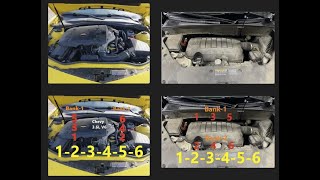
- Cylinder Location: On the 3.6L V6, cylinder 6 is the rearmost cylinder on the driver's side (Bank 2). On the 4.6L V8, it is the third cylinder from the front on the driver's side (Bank 2).
- Perform a thorough visual inspection of the fuel injector wiring harness for cylinder 6, as recommended by TSB #PIP4924D. Look for any signs of rubbing, chafing, or melting from the PCM to the injector, focusing on contact points with the intake, valve covers, and fuel lines.
- Inspect the electrical connector at the cylinder 6 injector for corrosion, damage, or loose pins.
- If wiring looks good, use a noid light to test for a signal pulse at the injector connector. A steady light or no light indicates a wiring or PCM problem. A proper flashing light suggests the injector itself may be the issue.
- Measure the resistance of the fuel injector with a multimeter. Unplug the injector and measure across its two pins. Compare the reading to the manufacturer's specification (typically 1.5-1.6 ohms for the 3.6L LLT). An out-of-spec reading indicates a bad injector.
- As a final confirmation, swap the cylinder 6 fuel injector with one from another cylinder (e.g., cylinder 4). If the fault code follows the injector to the new cylinder (e.g., P0271), the injector is confirmed to be faulty. If the P0277 code remains, the problem lies in the wiring or PCM.
- If all else fails, the final step is to test the injector driver circuit within the PCM, which is a task best left to a professional with advanced diagnostic tools.
Parts You'll Likely Need
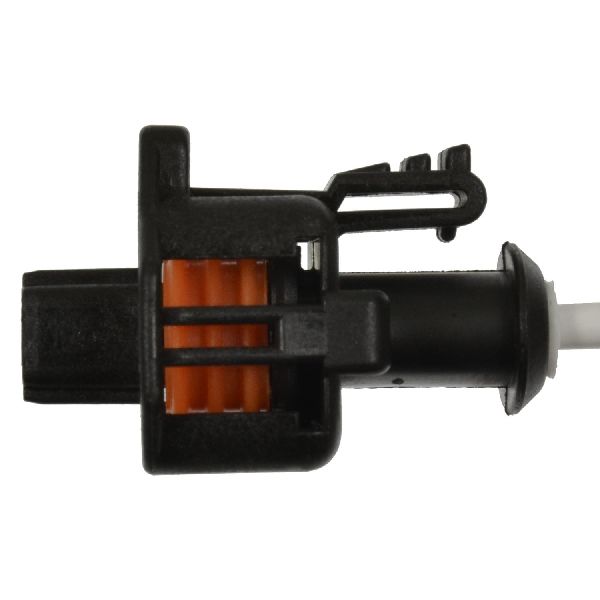
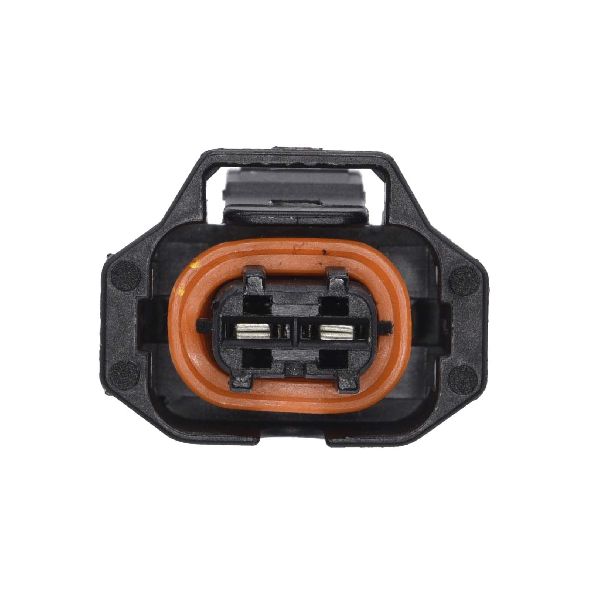
- Fuel Injector Wiring Harness Pigtail
(OEM #12102568)— If the connector at the injector is damaged or if a section of the harness needs repair, a new pigtail is the standard fix.
Trusted brands: ACDelco (PT285), Dorman (85139)
OEM price range: $25-$50
Aftermarket price range: $15-$30 - Fuel Injector (3.6L V6 LLT)
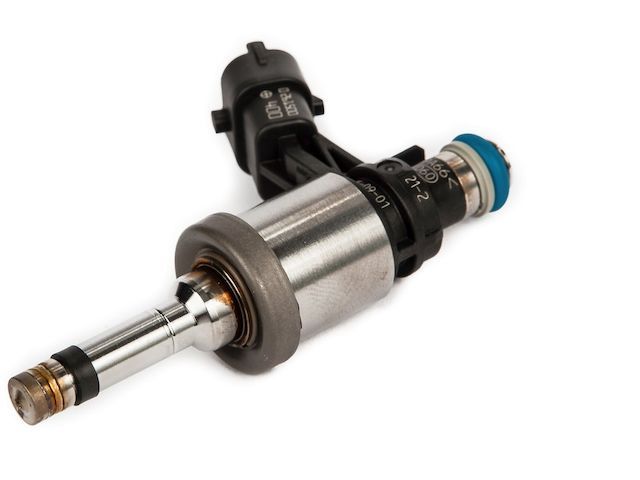
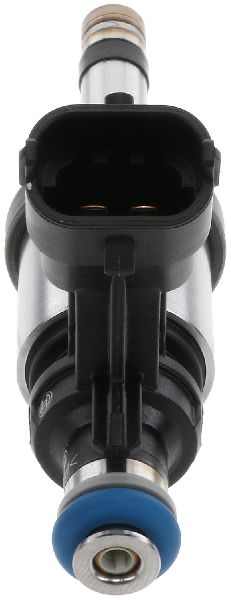
(OEM #12638530 (supersedes 12669384, 12611545, 12632255))— If the injector itself has failed internally, it will need to be replaced.
Trusted brands: ACDelco, Bosch
OEM price range: $120-$180
Aftermarket price range: $70-$120 - Fuel Injector (4.6L V8 LH2)
(OEM #12577509 (ACDelco #217-2443))— For V8 models, this is the corresponding part if the injector is diagnosed as faulty.
Trusted brands: ACDelco
OEM price range: $150-$220
Aftermarket price range: $80-$140
Related Codes That Often Appear With This One
- P0306 — P0306 means 'Cylinder 6 Misfire Detected.' Since P0277 indicates a problem with the cylinder 6 injector circuit, it directly causes the misfire.
- P0206 — P0206 is a more general 'Injector Circuit/Open - Cylinder 6' code. It often appears alongside P0277 as they both point to a fault in the same circuit.
- P0276 — P0276 is 'Cylinder 6 Injector Circuit Low.' It's common to see this code or P0277 appear from the same wiring harness issue, depending on whether the wire shorts to ground (Low) or has an open/short to power (High).
Technical Service Bulletins (TSBs) & Recalls
- Bulletin #PIP4924D: Mentions DTCs including P0277 and instructs technicians to inspect the fuel injector wiring harness for rubbing through or internal wire damage. Specific inspection points are against the intake plenum, at valve cover bolts, against the fuel line, and on the side of the head under the plenum.
Platform-Specific Known Issues
- A known issue documented in TSB #PIP4924D involves the fuel injector wiring harness rubbing through its insulation, causing various injector circuit codes, including P0277. This should be the first item to check during diagnosis.
- An owner on CadillacForums.com with a similar 3.6L engine experienced multiple injector circuit codes. The fix was repairing a chafed wire in the harness near the firewall on the driver's side of the engine, corroborating the TSB's guidance.
Mechanic-Grade Diagnostic Values
- Fuel Injector Coil Resistance (3.6L LLT V6) — expected: 1.5 - 1.6 Ω. Failure: A reading significantly higher or lower than this range, or an open circuit (infinite resistance).
- Fuel Injector Coil Resistance (High-Impedance, likely 4.6L Northstar) — expected: 10 - 16 Ω. Failure: A reading outside this range indicates a faulty injector coil.
- Injector Driver Voltage (at PCM pin, during cranking) — expected: 12 V ± 0.5 V. Failure: Readings consistently above 12.5 V indicate a high-circuit condition.
- Low-Pressure Fuel System Pressure (3.6L LLT V6) — expected: 380-410 kPa (55-60 psi) at idle.. Failure: Pressure significantly outside this range points to a fuel pump or regulator issue, not typically the injector circuit itself.
Scan Tool Commands That Help
- GM GDS2 / Tech2: Fuel Injector Balance Test — This bidirectional command allows the technician to individually pulse each fuel injector while monitoring fuel pressure drop. It's a highly effective way to identify a mechanically sticking or electrically weak injector that may not be obvious from resistance tests alone. An inconsistent pressure drop on cylinder 6 compared to others would confirm a fault.
- GM GDS2 / Tech2: Injector Kill / Cylinder Power Balance — This function allows the user to disable one cylinder at a time. When cylinder 6 is disabled, if there is little to no change in engine RPM or sound, it confirms that cylinder was not contributing properly in the first place, reinforcing the diagnosis of a fault in that cylinder's fuel or ignition system.
Wiring & Ground Locations
- ECM Connector C1, Pin 64 (Example) — On the Engine Control Module (ECM). The ECM is typically located in the engine bay.. A wiring diagram for a similar 2006 3.6L engine shows the Cylinder 6 Injector Control wire as a Yellow/Black wire at Pin 64 of the C1 connector. Testing for a proper signal at this pin can help determine if the fault is with the ECM itself or the wiring harness downstream.
- G101 / G106 (Example) — On older GM models, G101 is often on the lower front of the engine block, and G106 is on the front center frame cross rail.. A poor engine block ground can cause a host of electrical issues, including erratic sensor readings and incorrect voltages in control circuits like the fuel injectors. The ECM relies on a stable ground reference. Verifying the main engine-to-chassis ground strap is clean and tight is a crucial, though often overlooked, step.
OEM Part Supersession History
12638530 (For 3.6L LLT)→12669384— Standard part evolution, likely for improved reliability or manufacturing process.
Heads up: The new part number (12669384) is the correct service replacement for the original. Using older, superseded stock is not recommended.
Helpful Videos
We Have This Part in Stock


The information in this article is provided for general reference and educational purposes only. Vehicle specifications, procedures, and part compatibility can vary by production date, trim level, and region. Always consult your vehicle's factory service manual and verify part numbers before purchasing or performing repairs. Safety-critical components such as airbags, seat belts, and braking systems should be installed by a qualified professional.
- Cadillac STS:
- 🧭 Diagnostic Flowchart
- 🎬 Helpful Videos
- 🛍️ Shop This Part
- What's Unique About the 2009-2011 Cadillac STS
- Symptoms You May Notice
- Most Likely Causes
- Rare But Worth Checking
- Diagnosis Steps
- Parts You'll Likely Need
- Related Codes That Often Appear With This One
- Technical Service Bulletins (TSBs) & Recalls
- Platform-Specific Known Issues
- Mechanic-Grade Diagnostic Values
- Scan Tool Commands That Help
- Wiring & Ground Locations
- OEM Part Supersession History
- 🎟️ Get 5% Off