

P0277 on 2011-2014 Chevrolet Camaro: Cylinder 6 Injector Circuit Low Causes and Fixes
On a 2011-2014 Camaro, code P0277 is most often caused by a damaged fuel injector wiring harness rubbing against the engine, a known issue covered by GM Technical Service Bulletin #PIP4924D. Specific chafe points include the back of the cylinder head, intake plenum, and valve cover bolts. The second most likely cause is a failed fuel injector for cylinder #6.
- Before buying any parts, thoroughly inspect the fuel injector wiring harness for cylinder 6, as a simple wiring repair is the most likely fix according to a manufacturer TSB.
- If the wiring is good, confirm the injector is faulty by swapping it with an adjacent cylinder's injector before purchasing a new one.
- Be aware of which engine your Camaro has (V8, 2011 V6, or 2012-2014 V6), as the fuel injectors and repair procedures are different.
- Ignoring this code can lead to damage to your catalytic converter, a much more expensive repair.
What's Unique About the 2011-2014 Chevrolet CAMARO
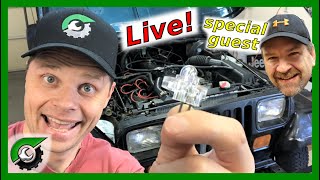
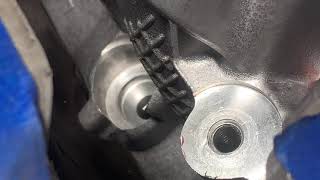
For this specific generation of Camaro, General Motors issued a Technical Service Bulletin (TSB #PIP4924D) that directly addresses code P0277 🎬 Watch: A quick overview of the P0277 diagnostic code., among others. The bulletin warns technicians about the fuel injector wiring harness rubbing through or developing internal breaks at several common points, such as against the intake plenum, valve cover bolts, fuel lines, and the side of the cylinder head. This makes a wiring fault a much higher probability on these cars compared to a typical vehicle where the injector itself might be the primary suspect. It's also important to know that 2011 V6 models use a different fuel injection system (PFI/LLT engine) than 2012-2014 V6 models (GDI/LFX engine), which affects 🎬 Watch: Step-by-step fuel rail installation for the LFX engine. the specific parts and repair procedure.
Diagnostic Flowchart
Tap your situation to follow the diagnostic path that matches what you're seeing on this vehicle.
Symptoms You May Notice
- Check Engine Light is on
- Engine running rough or vibrating (misfire)
- Noticeable loss of power and poor acceleration
- Reduced fuel economy
- Hesitation or stumbling during acceleration
- Strong smell of fuel from the exhaust
- Hard starting or engine stalling
- Replacing the fuel injector without first thoroughly inspecting the wiring harness. Given the known TSB, the wiring is a more likely culprit and checking it first can save significant time and money.
Most Likely Causes
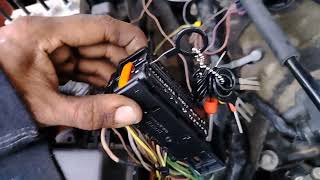
- Chafed or Damaged Fuel Injector Wiring Harness 🔴 High Probability → Shop Engine Wiring Harness A GM Technical Service Bulletin (PIP4924D) specifically identifies this as a common problem. The harness can rub against the intake plenum, valve cover bolts, fuel lines, or the side of the cylinder head under the plenum. Forum users have reported the harness melting from contact with aftermarket headers as well.
How to confirm: Carefully and thoroughly inspect the entire fuel injector wiring harness leading to cylinder 6. Pay close attention to the specific points mentioned in TSB PIP4924D. Look for worn insulation, exposed copper wires, or sharp bends. A 'wiggle test' on the harness while the engine is running may cause a change in the misfire, helping to pinpoint the location.
Typical fix: Repair the damaged section of the wire. This may involve soldering and sealing with heat shrink tubing, or using a quality butt connector. If the damage is at the connector, replace the connector pigtail.
Est. part cost: $10-$45 for a pigtail connector - Faulty Cylinder 6 Fuel Injector 🟡 Medium Probability → Shop Fuel Injector Injectors can fail over time from heat cycles and internal wear, leading to an internal short or open circuit. This is a common failure part on any vehicle.
How to confirm: After confirming the wiring is intact, swap the cylinder 6 injector with an adjacent one (e.g., cylinder 4). Clear the codes and run the engine. If the code changes to P0271 (Cylinder 4 Injector Circuit Low), the injector is faulty. If P0277 returns, the problem is in the wiring or PCM. You can also test the injector's resistance with a multimeter; it should typically be between 1.25-1.75 ohms for a GDI injector.
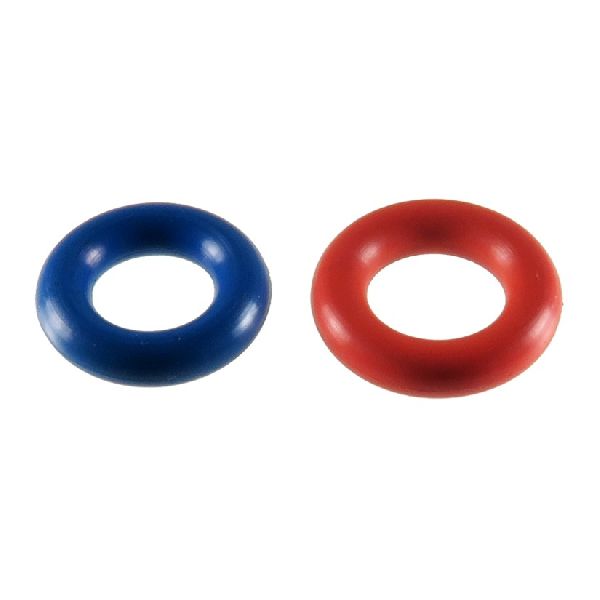
Typical fix: Replace the failed fuel injector. It is often recommended to replace the O-rings and seals for the surrounding injectors at the same time. For GDI engines (LFX), this is a more involved job requiring removal of the intake manifold.
Est. part cost: $50-$200 per injector, with GDI injectors (2012-2014 V6) being more expensive than PFI injectors (2011 V6 and all V8s). - Powertrain Control Module (PCM) Issue ⚪ Low Probability → Shop Engine Control Module (ECM)
How to confirm: This is the last resort after definitively ruling out wiring and the injector itself. This requires advanced diagnostics with a scan tool to monitor the injector driver output from the PCM. A mechanic would verify that the command signal is leaving the PCM but not arriving at the injector, despite good wiring continuity.
Typical fix: The PCM would need to be repaired or replaced and programmed to the vehicle. This is not a typical DIY repair.
Est. part cost: $200-$800 for a repaired or replacement PCM
Rare But Worth Checking
- Poor Connection at the PCM: A loose or corroded pin in the main engine harness connector at the PCM can cause an intermittent circuit low fault. It's worth inspecting these connectors if the harness near the engine appears fine.
- Poor Engine Ground: Some Camaro owners have reported that various electrical issues, including hot start problems, can be traced back to insufficient or corroded engine ground straps. Adding an additional ground wire from the engine block to the chassis has been a suggested fix for general electrical gremlins.
Diagnosis Steps
- Verify the Check Engine Light is on and scan for codes. Confirm P0277 is present, and note any other codes like P0306.
- Begin with a thorough visual inspection of the fuel injector wiring harness, especially around cylinder 6 (driver's side, rear cylinder on V6; driver's side, third cylinder from front on V8). Follow the guidance in TSB PIP4924D, checking for chafing against the intake, valve covers, and fuel lines.
- If no damage is visible, disconnect the injector and check the connector for corrosion or damaged pins.
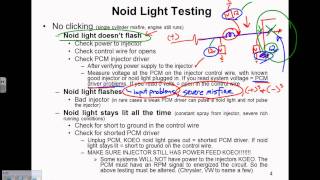
- Use a 'noid light' to test for a signal pulse at the injector connector while cranking the engine. A flashing light indicates the PCM is commanding the injector to fire.
- If a pulse is present, the issue is likely the injector itself. To confirm, perform an injector swap test as described in 'Common Causes'. Alternatively, measure the injector's internal resistance with a multimeter (engine off).
- If no pulse is present with the noid light, the problem is in the wiring or the PCM. Check for continuity on both wires between the injector connector and the PCM connector. Check for a short to ground on the signal (driver) wire.
- If wiring and the injector are confirmed to be good, the final possibility is a fault within the PCM's injector driver circuit, which requires professional diagnosis.
Parts You'll Likely Need
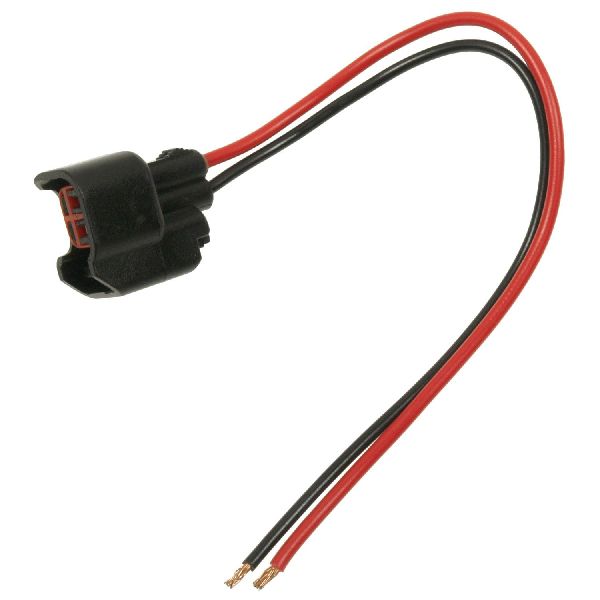
- Fuel Injector Wiring Harness Pigtail
(OEM #ACDelco PT2182 (or equivalent))— This is needed to repair the most common cause: a damaged wire or connector at the injector, as highlighted by the TSB.
Trusted brands: ACDelco, Dorman
OEM price range: $25-$45
Aftermarket price range: $10-$30 - Fuel Injector (Cylinder 6)
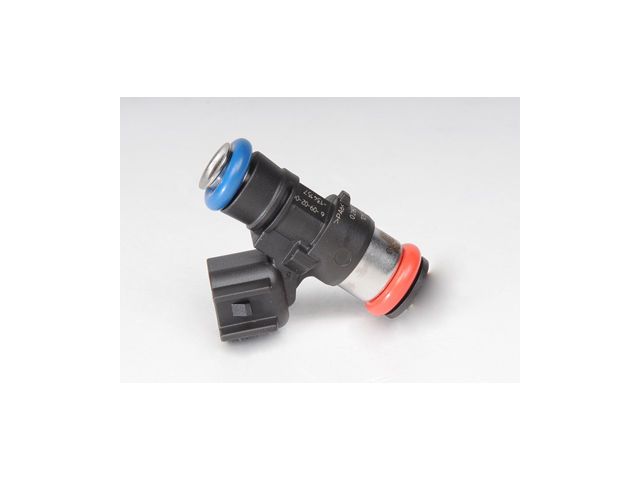
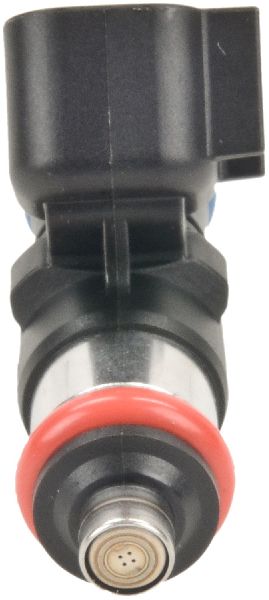
(OEM #Varies by engine: 2011 V6 (LLT) - ACDelco 12638530; 2012-14 V6 (LFX) - ACDelco 12634126; V8 (LS3/L99) - ACDelco 12576341)— If the injector itself has failed with an internal short, it will need to be replaced. The part is different for V8, 2011 V6 (LLT), and 2012-2014 V6 (LFX) engines.
Trusted brands: ACDelco, Bosch, Delphi
OEM price range: $90-$200
Aftermarket price range: $50-$150
Related Codes That Often Appear With This One
- P0306 — P0306 means 'Cylinder 6 Misfire Detected'. A P0277 code will almost always cause a P0306 because the injector circuit fault prevents proper fueling, leading to a misfire on that cylinder.
- P0206 — P0206 means 'Cylinder 6 Injector Circuit Malfunction'. This is a more general injector circuit code that can appear alongside the more specific 'Circuit Low' code.
Technical Service Bulletins (TSBs) & Recalls
- PIP4924D: Warns of SES light and misfires with various injector codes (including P0277) due to the fuel injector wiring harness rubbing through or having internal wire opens. Recommends careful inspection and repair of the harness at common chafe points. This TSB applies to a wide range of GM vehicles with 3.0L and 3.6L engines.
Platform-Specific Known Issues
- TSB #PIP4924D documents a known issue where the fuel injector wiring harness can rub through its insulation or break internally from contact with various engine parts, causing a range of injector codes including P0277. Specific chafe points are against the intake plenum, valve cover bolts, fuel lines, and the side of the head under the plenum.
Mechanic-Grade Diagnostic Values
- Fuel Injector Resistance (V8 PFI engines, e.g., LS3) — expected: 11.8 - 12.6 Ohms (High Impedance). All injectors should be within 0.5 Ohms of each other.. Failure: A reading of 0.0 Ohms indicates a short. A reading of 'OL' (Open Loop/infinite) indicates a broken internal coil. A reading significantly different from the other injectors indicates a failing injector.
- Fuel Injector Resistance (V6 GDI engines, e.g., LFX) — expected: 1.25 - 1.75 Ohms (Low Impedance).. Failure: Readings outside this range, or a significant deviation from other injectors, points to a faulty injector.
- Low-Side Fuel Pressure (All engines, Key On, Engine Off) — expected: 55-60 PSI for GDI engines, 48-55 PSI for PFI engines.. Failure: Pressure significantly below this range indicates a weak in-tank fuel pump or a leak in the low-pressure system.
- High-Side Fuel Pressure (V6 GDI engines, Engine Running) — expected: Can exceed 2,000 PSI, varies with engine load.. Failure: Inability to build or maintain high pressure under load typically points to a failing High Pressure Fuel Pump (HPFP), often setting codes like P0087.
- Injector Circuit Voltage (at connector, Key On, Engine Off) — expected: Approximately 12 Volts (Battery Voltage) on the power supply wire.. Failure: No voltage indicates a problem with the fuse, relay, or wiring leading to the injector.
- Injector Pulse Width (Scan tool live data, at idle) — expected: Typically 2-3 milliseconds (ms). Example showed 2.45 ms.. Failure: A pulse width of 0 ms for cylinder 6 indicates the PCM is not commanding the injector. Wildly different values compared to other cylinders can also indicate a problem.
Scan Tool Commands That Help
- GDS2 / Tech 2 (or advanced aftermarket scanner): Injector Balance Test — Use this after confirming the electrical circuit is intact. The tool individually fires each injector and measures the fuel pressure drop. It is the definitive test for identifying a mechanically clogged or poorly flowing injector that is still electrically functional. All injectors should have a pressure drop within 3 PSI (20 kPa) of each other.
- GDS2 / Tech 2 (or advanced aftermarket scanner): Cylinder Power Balance / Injector Kill — This is a quick active test to confirm if cylinder 6 is contributing power. The scan tool disables the cylinder 6 injector. If there is no change in engine RPM or smoothness, it confirms the cylinder was already dead, pointing strongly to the injector or its circuit.
Wiring & Ground Locations
- G102 — Located at the left rear of the engine.. This ground point is specified for the ignition coils. While not directly for the injectors, a poor ground in this area can introduce electrical noise and voltage issues that may affect nearby circuits.
- G101 — Located at the front of the engine, on the lower block.. This is a primary ground for the Engine Control Module (ECM). A poor connection here can cause a wide range of erratic engine behavior and fault codes, including injector circuit issues.
- Cylinder Head Grounds — There are ground wires from the main harness connected to the back of each cylinder head.. These are critical engine block grounds. The cylinder 6 injector is on the driver's side (V6 and V8), so the ground at the rear of the driver's side cylinder head is particularly important to inspect for corrosion or looseness.
Real Owner Repair Stories
- Camaro5.com user 'Iam Broke' (5th Gen Camaro (specific year not stated)) — Multiple fault codes and a no-start condition.
❌ Tried (didn't work) Initial diagnosis was unclear due to multiple electrical faults.
✅ What actually fixed it The user discovered the main engine wiring harness had fallen and was resting against an aftermarket header tube, melting the insulation and causing multiple wires to short out. The fix required extensive repair of the melted section of the harness. This is a real-world example of the TSB's warning about harness damage.
OEM Part Supersession History
Varies by engine→Varies— N/A
Heads up: Be aware that GM changed injector connector styles over the years. Early LS engines used a Multec or EV1 style connector, while later engines, including those in the 2011-2014 Camaro, use the USCAR / EV6 style connector. Ensure any replacement injector or pigtail uses the correct EV6 connector.
Model Year Variations Within This Range
- 2012-2014 (V6 Only): The 2012 model year introduced the LFX V6 engine, which uses Gasoline Direct Injection (GDI). This system includes a camshaft-driven High Pressure Fuel Pump (HPFP) on the engine, in addition to the in-tank low-pressure pump. While an HPFP failure typically sets fuel pressure codes (e.g., P0087), it represents a major system difference from the 2011 LLT V6 and all V8 models, which use simpler Port Fuel Injection.
Helpful Videos
We Have This Part in Stock


The information in this article is provided for general reference and educational purposes only. Vehicle specifications, procedures, and part compatibility can vary by production date, trim level, and region. Always consult your vehicle's factory service manual and verify part numbers before purchasing or performing repairs. Safety-critical components such as airbags, seat belts, and braking systems should be installed by a qualified professional.
- Chevrolet CAMARO:
- 🧭 Diagnostic Flowchart
- 🎬 Helpful Videos
- 🛍️ Shop This Part
- What's Unique About the 2011-2014 Chevrolet CAMARO
- Symptoms You May Notice
- Most Likely Causes
- Rare But Worth Checking
- Diagnosis Steps
- Parts You'll Likely Need
- Related Codes That Often Appear With This One
- Technical Service Bulletins (TSBs) & Recalls
- Platform-Specific Known Issues
- Mechanic-Grade Diagnostic Values
- Scan Tool Commands That Help
- Wiring & Ground Locations
- Real Owner Repair Stories
- OEM Part Supersession History
- Model Year Variations Within This Range
- 🎟️ Get 5% Off