

P0277 on 2009-2014 GMC Acadia: Cylinder 6 Injector Circuit High Causes and Fixes
This code indicates an electrical fault in the cylinder 6 fuel injector circuit. The most likely cause on this vehicle is a chafed or damaged fuel injector wiring harness, as noted in a GM Technical Service Bulletin. The harness is known to rub on the high-pressure fuel pipe or camshaft cover. Other possibilities include a faulty fuel injector or a bad connector.
- P0277 on a 2009-2014 Acadia points to an electrical problem with the cylinder 6 fuel injector, not a fuel mixture problem.
- Before buying any parts, thoroughly inspect the fuel injector wiring harness for damage, as this is a known issue on this vehicle (TSB #PIP4924D).
- A definitive way to test the injector is to swap it with one from another cylinder and see if the trouble code follows the injector.
- Do not drive extensively with this code, as the resulting misfire can cause expensive damage to the catalytic converter.
What's Unique About the 2009-2014 Gmc ACADIA
For the first-generation GMC Acadia and its siblings with the 3.6L V6 engine, a primary suspect for any injector circuit code is the wiring harness itself. General Motors issued a Technical Service Bulletin (TSB #PIP4924D) advising technicians to inspect the fuel injector wiring harness for rubbing through on other components. Specific chafe points mentioned in service literature and owner forums include the edge of the high-pressure fuel line bracket and the camshaft cover. This makes a thorough visual inspection of the harness in these key areas a critical first step, potentially saving you from buying an injector you don't need.
Diagnostic Flowchart
Tap your situation to follow the diagnostic path that matches what you're seeing on this vehicle.
Symptoms You May Notice
- Check Engine Light is on
- Rough or unstable idle
- Engine misfire, which may feel like a shudder or stumble
- Reduced engine power and poor acceleration
- Hesitation when pressing the gas pedal
- Decreased fuel economy
- Noticeable smell of unburnt fuel from the exhaust
- Replacing the fuel injector without first thoroughly inspecting the wiring harness. The TSB for this platform makes the wiring the prime suspect.
- Not checking for a short to voltage. A 'Circuit High' code is specifically an electrical fault and should be diagnosed as such before replacing mechanical parts.
Most Likely Causes
- Chafed or Damaged Fuel Injector Wiring Harness 🔴 High Probability → Shop Engine Wiring Harness As documented in GM TSB #PIP4924D, the fuel injector harness on these vehicles is known to rub against other components, causing wires to short out or break. Common chafe points are the high-pressure fuel pipe bracket and the cam cover.
How to confirm: Carefully inspect the entire length of the wiring harness leading to the fuel injectors, especially around cylinder 6. Look for any areas where the loom is worn, melted, or where wires are exposed. The damage may be internal to the harness loom, requiring it to be opened for inspection. Perform a 'wiggle test' on the harness with the engine running to see if it affects the idle.
Typical fix: Repair the damaged section of wire. This may involve soldering, heat-shrinking, and re-taping the harness with high-quality electrical tape. If the damage is near the connector, replacing the connector pigtail may be necessary. Ensure the repaired harness is re-routed or protected to prevent future chafing.
Est. part cost: $15-$50 for a connector pigtail or wiring repair supplies. - Faulty Cylinder 6 Fuel Injector 🟡 Medium Probability → Shop Fuel Injector Direct injectors operate under high pressure and can fail electrically over time. This code is triggered by an internal electrical fault (like a short), not by the injector being clogged.
How to confirm: Swap the cylinder 6 fuel injector with one from another cylinder (e.g., cylinder 4). Clear the codes and drive the vehicle. If the code changes to P0271 (Cylinder 4 Injector Circuit), the injector is faulty. You can also measure the injector's resistance with a multimeter; it should be within spec (see specific_diagnostic_values section for model year differences). An out-of-spec reading indicates an electrical failure.
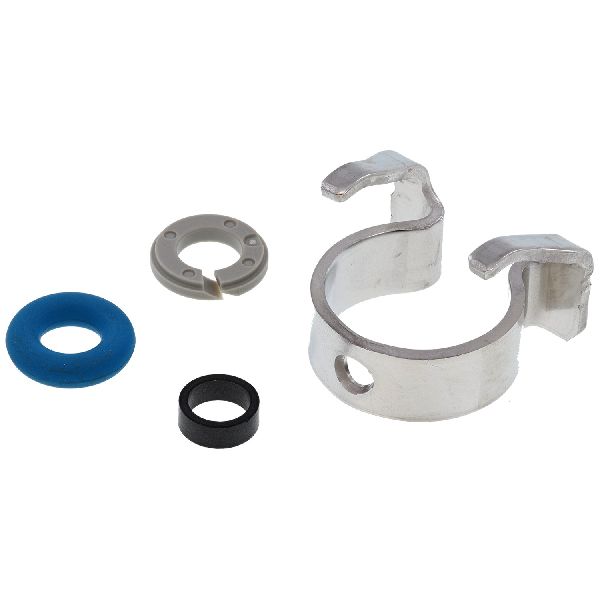
Typical fix: Replace the faulty fuel injector. For direct injection engines, it is critical to also replace the Teflon seal and use the proper tools to size it during installation to prevent leaks. It is often recommended to replace all injector seals at the same time.
Est. part cost: $50-$150 per injector. - Poor Connection at Injector or ECM ⚪ Low Probability
How to confirm: Disconnect and inspect the electrical connector at the cylinder 6 fuel injector and the corresponding pins at the ECM. Look for signs of corrosion, moisture, or bent/backed-out pins.
Typical fix: Clean the connector terminals with electrical contact cleaner. If pins are damaged, the connector pigtail may need to be replaced.
Est. part cost: $0-$50
Rare But Worth Checking
- Faulty Engine Control Module (ECM): → Shop Engine Control Module (ECM) This is the least likely cause. The internal driver circuit for the cylinder 6 injector can fail, but all other possibilities (wiring, injector) must be exhaustively ruled out before condemning the ECM.
Diagnosis Steps
- Identify Cylinder 6: On the transverse 3.6L V6, the front bank of cylinders (closest to the radiator) are 2, 4, and 6, going from driver's side to passenger's side. Cylinder 6 is the front-most cylinder on the passenger side of the engine bay.
- Retrieve all stored DTCs with an OBD-II scanner. Note any other codes, especially P0306.
- Inspect Wiring Harness: Visually inspect the fuel injector wiring harness for cylinder 6. Follow the harness from the injector back as far as possible, paying extremely close attention to where it passes over or near the high-pressure fuel pipe bracket and the edge of the camshaft cover for signs of chafing, melting, or breaks as indicated by TSB #PIP4924D.
- Inspect the electrical connector at the cylinder 6 injector for corrosion, damage, or loose pins.
- Test for Short to Voltage: Disconnect the injector connector. Turn the ignition to 'ON' (engine off). Use a multimeter set to DC volts to probe the control wire in the connector. If you read voltage, the wire is shorted to a power source somewhere in the harness. This is a definitive test for a 'Circuit High' fault.
- Use a 'noid light' to test for a signal at the injector connector. The light should flash while the engine is cranking or running. If the light stays on constantly, this also confirms a short to voltage.
- Test the Injector: If no short to voltage is found, turn off the engine and disconnect the injector. Measure the resistance across the two terminals of the injector. Compare the reading to the manufacturer's specification (or to an adjacent injector). A reading that is significantly different or open-loop (OL) indicates a bad injector.
- Swap Components: If the injector resistance is good, the most definitive test is to swap the cylinder 6 injector with another one (e.g., from cylinder 4). If the code moves to P0271 (Cylinder 4), the injector is confirmed bad. If the code remains P0277, the problem is in the wiring or ECM.
- If the problem persists, perform a continuity check on the wiring from the injector connector to the ECM connector to rule out an open circuit. If a short to voltage was detected in step 5, you must trace the harness to find and repair the short.
- If the wiring and injector are confirmed to be good, the final possibility is a failed injector driver in the ECM.
Parts You'll Likely Need
- Fuel Injector
(OEM #12638530)— An internal electrical failure in the injector can cause this circuit code. If swapping the injector moves the fault, this is the required part. This part number has been superseded by 12669384.
Trusted brands: ACDelco (OEM), Bosch, Standard Motor Products
OEM price range: $90-$140
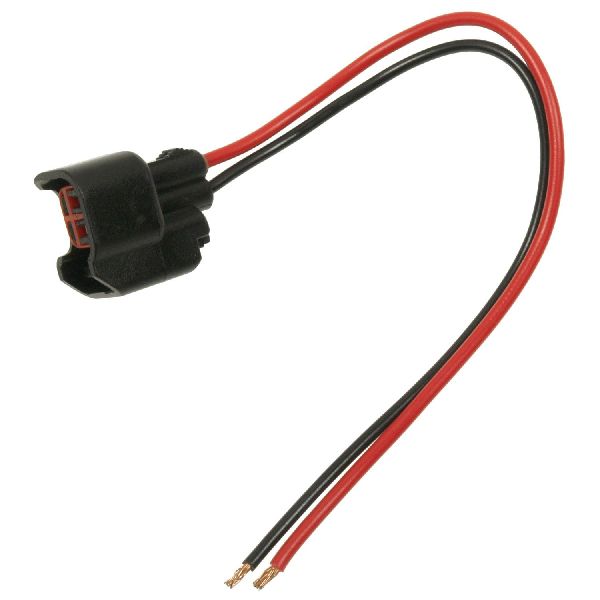
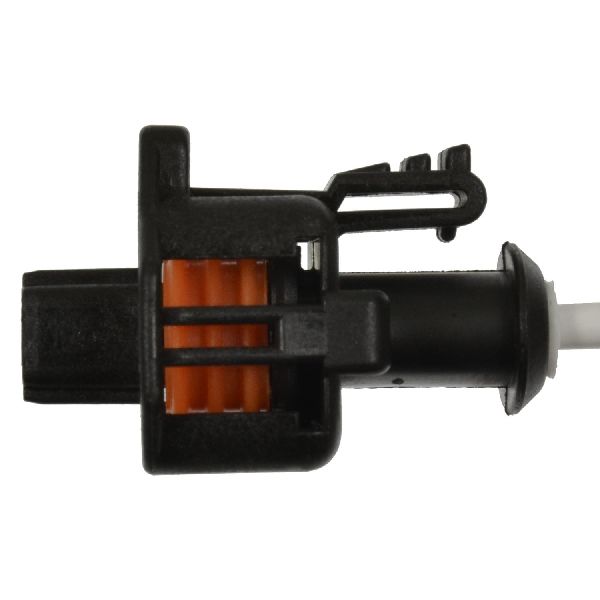
Aftermarket price range: $50-$100 - Fuel Injector Connector Pigtail
(OEM #PT2160)— If the wiring is damaged right at the connector, or the connector itself is corroded or broken, this pigtail is used to splice in a new connector.
Trusted brands: ACDelco (GM# 88988812), Standard Motor Products, Dorman
OEM price range: $25-$40
Aftermarket price range: $15-$25
Related Codes That Often Appear With This One
- P0306 — P0306 means 'Cylinder 6 Misfire Detected.' Since P0277 indicates an electrical problem with the cylinder 6 injector, that cylinder cannot receive the correct amount of fuel, which directly causes a misfire.
- P0206 — P0206 means 'Injector Circuit/Open - Cylinder 6.' This is another injector circuit code for the same cylinder and can appear alongside P0277 depending on the specific nature of the electrical fault.
Technical Service Bulletins (TSBs) & Recalls
- Bulletin #PIP4924D: Mentions code P0277 and directs technicians to inspect the fuel injector wiring harness for rubbing or internal wire damage. The bulletin applies to a wide range of injector codes (P0201-P0206, P0261-P0277, etc.) and points to harness chafing on components like the high-pressure fuel pipe bracket or cam cover as a likely cause.
Platform-Specific Known Issues
- A known issue documented in TSB #PIP4924D involves the fuel injector wiring harness rubbing through, causing various injector circuit codes, including P0277. Owners have confirmed this issue in forums, often finding the harness chafed against the high-pressure fuel pipe or its mounting bracket.
Mechanic-Grade Diagnostic Values
- Fuel Injector Coil Resistance (2012-2014 LFX Engine) — expected: 1.5 - 2.5 ohms. Failure: A reading near 0 ohms indicates a short; an 'OL' or infinite reading indicates an open circuit.
- Fuel Injector Coil Resistance (2009-2011 LLT Engine) — expected: 11 - 14 ohms at 10-32°C (50-90°F). Failure: A reading outside this range indicates a failed injector coil.
- Injector Power Supply Voltage (at connector) — expected: ~12.6V (Battery Voltage) with Key On, Engine Off. Failure: Significantly lower voltage indicates a problem in the supply circuit.
- Injector Control Circuit with Noid Light — expected: A rhythmic, flashing light while the engine is cranking or running.. Failure: A constantly lit noid light confirms a short to voltage, which is the direct cause of a P0277 'Circuit High' code. No light indicates an open circuit.
Scan Tool Commands That Help
- GDS2 (GM Global Diagnostic System 2): Fuel Injector Balance Test — This automated test commands each injector to open while the engine is running and measures the corresponding drop in fuel rail pressure. It helps identify a weak or failing injector that may not have a hard electrical fault but is mechanically underperforming. While P0277 is an electrical code, this test is useful after a wiring repair to confirm the injector itself is healthy.
- GDS2 (GM Global Diagnostic System 2): Injector Circuit Status — While diagnosing, a technician can monitor the 'Injector Circuit Status' parameter for each cylinder. This parameter should display 'OK'. If it shows 'Fault' or changes from 'OK' to 'Fault' while wiggling the harness, it helps pinpoint the location of an intermittent electrical issue.
Wiring & Ground Locations
- Engine Control Module (ECM) — In the engine compartment, on the front of the engine.. The ECM is the source of the command signal for the fuel injector. All wiring for the injector circuit terminates at the ECM connectors, making it a key testing point for continuity and shorts.
- ECM Connector X1 (2012-2014 LFX) — This is one of the main connectors on the Delphi ECM used in LFX models.. Technicians may need to test for continuity or voltage at the specific pin for the cylinder 6 injector control circuit directly at the ECM. A pinout diagram is required for this.
- ECM Connector (2009-2011 LLT) — This is one of the main connectors on the Bosch ECM used in LLT models.. Similar to the LFX, testing at the ECM connector is crucial for advanced diagnostics. The pinouts differ from the LFX model due to the different ECM manufacturer.
- G115 — Located on the left inner fender panel in the engine compartment.. This is a major engine compartment ground point. While not directly tied to the injector control circuit (which is ground-controlled by the ECM), a poor engine ground can cause a multitude of bizarre electrical issues and voltage differentials that could potentially affect sensor readings and module behavior.
Real Owner Repair Stories
- acadiaforum.net user (2010 GMC Acadia) — Check engine light with codes P0277 and P0306 (Cylinder 6 misfire).
❌ Tried (didn't work) Initial diagnosis pointed towards a bad injector or wiring.
✅ What actually fixed it The user found the fuel injector wiring harness was chafed and shorting out on the corner of the cylinder head, exactly as described in TSB #PIP4924D. The fix was to repair the damaged wires in the harness.
OEM Part Supersession History
12638530→12669384— Standard part lifecycle update by the manufacturer. The new part number is the current replacement for the original.
Heads up: This part is for the 2009-2011 LLT engine and is not compatible with the 2012-2014 LFX engine, which uses a different injector with different electrical resistance.
Model Year Variations Within This Range
- 2009-2011 (LLT Engine): Uses the LLT version of the 3.6L V6. This engine has an aluminum intake manifold, a Bosch ECM, and fuel injectors (PN 12638530) with a resistance specification of 11-14 ohms.
- 2012-2014 (LFX Engine): Uses the updated LFX version of the 3.6L V6. This engine features integrated exhaust manifolds within the cylinder heads, a composite intake manifold, a Delphi ECM, and different fuel injectors with a much lower resistance specification of 1.5-2.5 ohms. The parts are not interchangeable between LLT and LFX engines.
We Have This Part in Stock


The information in this article is provided for general reference and educational purposes only. Vehicle specifications, procedures, and part compatibility can vary by production date, trim level, and region. Always consult your vehicle's factory service manual and verify part numbers before purchasing or performing repairs. Safety-critical components such as airbags, seat belts, and braking systems should be installed by a qualified professional.
- Gmc ACADIA:
- 🧭 Diagnostic Flowchart
- 🛍️ Shop This Part
- What's Unique About the 2009-2014 Gmc ACADIA
- Symptoms You May Notice
- Most Likely Causes
- Rare But Worth Checking
- Diagnosis Steps
- Parts You'll Likely Need
- Related Codes That Often Appear With This One
- Technical Service Bulletins (TSBs) & Recalls
- Platform-Specific Known Issues
- Mechanic-Grade Diagnostic Values
- Scan Tool Commands That Help
- Wiring & Ground Locations
- Real Owner Repair Stories
- OEM Part Supersession History
- Model Year Variations Within This Range
- 🎟️ Get 5% Off