

P0284 on 2016-2019 GMC Sierra 1500: Cylinder 8 Balance Fault Causes & Fixes
P0284 on a 2016-2019 GMC Sierra 1500 means cylinder 8 isn't producing its share of power. The most common cause is a faulty direct fuel injector, followed by ignition system problems. However, be aware of GM-specific TSBs pointing to potential valvetrain lubrication issues and ECM software glitches that can also trigger this code.
- P0284 means cylinder 8 is underperforming. Expect a rough idle and reduced power.
- Start your diagnosis with the simple things: swap the ignition coil and then the fuel injector from cylinder 8 to another cylinder to see if the problem moves.
- Don't ignore the TSBs. If simple swaps don't solve the issue, the cause could be a known GM issue like valvetrain lubrication or an ECM software glitch.
- This code applies to V8 engines (5.3L, 6.2L), as they are the only ones with a cylinder 8.
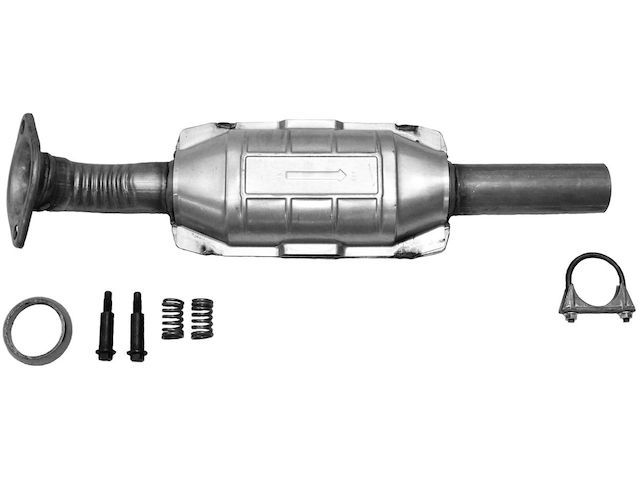
- Addressing this code promptly can prevent more expensive damage to your catalytic converter.
What's Unique About the 2016-2019 Gmc SIERRA 1500
For the 2016-2019 GMC Sierra with a V8 engine (5.3L L83 or 6.2L L86), code P0284 isn't always a simple injector or spark plug issue. These direct-injected EcoTec3 engines are known for fuel injector failures. Additionally, General Motors has issued Technical Service Bulletins (TSBs) that point to more specific, underlying problems. TSB #PIP-5400 suggests a lack of lubrication to the valvetrain components can cause this code, while TSB #17-NA-171 indicates an ECM software anomaly could be the culprit. This makes it crucial to consider these vehicle-specific issues during diagnosis.
Diagnostic Flowchart
Tap your situation to follow the diagnostic path that matches what you're seeing on this vehicle.
Generation note: The 2016-2019 year range covers two generations of the GMC Sierra 1500. The 2016-2018 models (and 2019 "Limited" models) belong to the third generation (K2XX). The all-new fourth generation (T1XX) was introduced in 2019. While the V8 engines (5.3L L83 and 6.2L L86) are similar, be aware of potential part differences between these generations when ordering.
Symptoms You May Notice
- Check Engine Light is on
- Rough or vibrating idle
- Engine hesitation or stumbling during acceleration
- Reduced engine power
- Worse-than-usual fuel economy
- Strong fuel smell from unburnt fuel
- Replacing oxygen sensors without diagnosing the specific cylinder fault.
- Assuming it's always a spark plug when it could be the injector or a more complex issue cited in a TSB.
- Replacing a single fuel injector when another on the same bank is also near failure, leading to a repeat repair.
Most Likely Causes
- Faulty or Clogged Fuel Injector (Cylinder 8) 🔴 High Probability → Shop Fuel Injector The direct injection systems (EcoTec3) on these trucks operate under very high pressure and are prone to failure. Injectors can become clogged with deposits or fail internally, leading to an improper fuel spray pattern or no fuel delivery at all.
How to confirm: Listen to the injector with a mechanic's stethoscope for a steady clicking sound. A more advanced method is to use a scan tool to perform a cylinder power balance test. The most definitive test is to swap the cylinder 8 injector with another cylinder (e.g., cylinder 6) and see if the fault code follows (e.g., changes to P0281).
Typical fix: Replace the fuel injector for cylinder 8. Due to the labor involved in accessing the injectors under the intake manifold, many technicians recommend replacing all four injectors 🎬 Watch: Step-by-step guide to removing and replacing EcoTec3 fuel injectors. on that bank (Bank 2, passenger side) at the same time. The fuel rail crossover tube is a one-time use part and must be replaced if the fuel rail is removed.
Est. part cost: $50-$150 per injector - Ignition System Fault (Cylinder 8) 🟡 Medium Probability Coil-on-plug systems are generally reliable, but coils and spark plugs are wear items that fail over time. Cylinder 8 is at the rear of the engine on the passenger side, an area that can experience high under-hood temperatures 🎬 See this pro tip for easier cylinder 8 spark plug access., potentially accelerating wear.
How to confirm: Inspect the spark plug for wear, fouling, or damage. Swap the ignition coil from cylinder 8 with another cylinder (e.g., cylinder 6) and see if the fault code follows (e.g., changes to P0281).
Typical fix: Replace the spark plug and/or ignition coil for cylinder 8.
Est. part cost: $20-$60 for a spark plug, $40-$90 for an ignition coil - Lack of Valvetrain Lubrication ⚪ Low Probability TSB #PIP-5400 specifically mentions that for 2016 models, this code can be caused by a lack of lubrication to rocker arms and other valvetrain components. This can be due to a blocked oil passage, a weak oil pump, or sludge buildup from infrequent oil changes.
How to confirm: This requires a more in-depth mechanical inspection of the valvetrain for cylinder 8, looking for signs of oil starvation, such as discoloration or excessive wear on the rocker arms. This is best done by a professional.
Typical fix: Address the root cause of the lubrication failure, which could range from cleaning blocked oil passages to replacing the oil pump or other damaged internal engine components.
Est. part cost: $100-$1000+ - Engine Control Module (ECM) Anomaly ⚪ Low Probability → Shop Engine Control Module (ECM) TSB #17-NA-171 suggests that a software anomaly in the ECM (and TCM) can cause this code to set without a true mechanical fault, particularly on 2017 models. The bulletin notes a wide range of drivability issues that can be resolved with a software update.
How to confirm: A GM dealership or a qualified shop with access to GM's service information (TIS2Web) can check the current software calibration of the ECM and determine if an update is available.
Typical fix: Reprogramming (reflashing) both the ECM and TCM with the latest manufacturer software. No parts are required for this repair.
Est. part cost: $0 (if under warranty) or $100-$250 for a shop labor
Rare But Worth Checking
- Low Cylinder Compression: A mechanical issue like a worn piston ring, a failing valve, a collapsed lifter (common on Active Fuel Management engines), or a head gasket leak can cause a loss of compression in cylinder 8. A compression test and cylinder leak-down test are needed to verify this.
- Wiring Harness Issue: A damaged wire or a corroded connector pin for the cylinder 8 fuel injector or ignition coil can interrupt the signal, causing a contribution fault. Inspect the harness for chafing, melting, or loose connections.
Diagnosis Steps
- Read the fault codes with an OBD-II scanner and check for any other pending or stored codes.
- Review the freeze-frame data to see the engine conditions (RPM, load, temperature) when the code was set.
- Use a scan tool with live data capabilities to monitor cylinder 8 misfire counts and fuel trim values.
- Perform a visual inspection of the wiring and connector for the cylinder 8 fuel injector and ignition coil for any visible damage or corrosion.
- Swap the cylinder 8 ignition coil with another cylinder (e.g., cylinder 6). Clear codes and drive the vehicle. If the code changes to P0281, the ignition coil is faulty.
- If the code does not follow the coil, swap the cylinder 8 spark plug with another cylinder. If the misfire follows, the spark plug is the issue.
- If the code remains, the next likely culprit is the fuel injector. Listen to it with a stethoscope. The definitive test is to swap it with another cylinder's injector, but this is labor-intensive. If the code moves (e.g., to P0281), the injector is bad.
- If the code remains on cylinder 8 after swapping components, perform a cylinder compression test and a leak-down test to check for mechanical engine problems (rings, valves, head gasket).
- If all of the above check out, consult a professional to investigate the possibilities outlined in TSB #PIP-5400 (valvetrain lubrication) and TSB #17-NA-171 (ECM software update).
Parts You'll Likely Need
- Fuel Injector
(OEM #12668390 (superseded by 12681212))— This is the most common cause for a single-cylinder contribution fault on these direct-injected engines. Part number 12681212 is the updated replacement for 12668390.
Trusted brands: ACDelco, Bosch
OEM price range: $80-$150
Aftermarket price range: $50-$100 - Ignition Coil
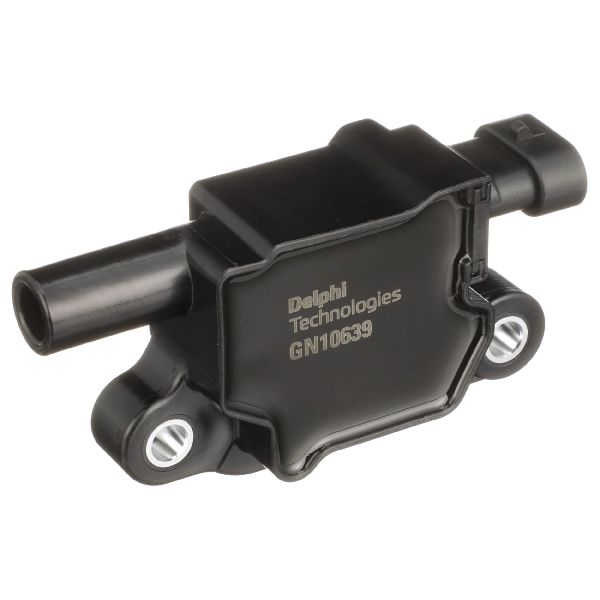
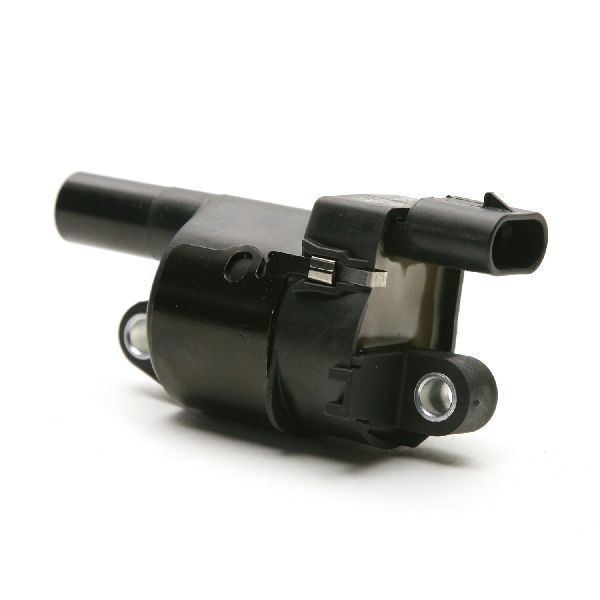
(OEM #12611424 (ACDelco D521C))— A failing ignition coil is a common cause of misfires and cylinder performance issues.
Trusted brands: ACDelco, NGK, Delphi
OEM price range: $60-$100
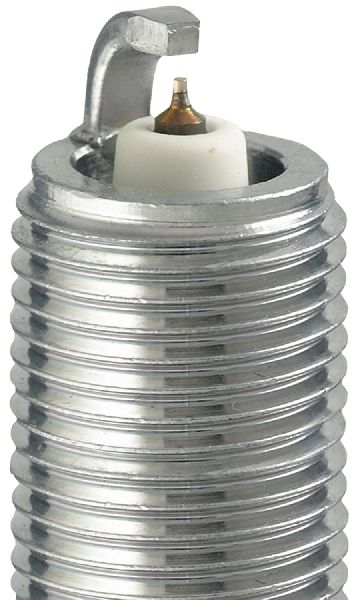
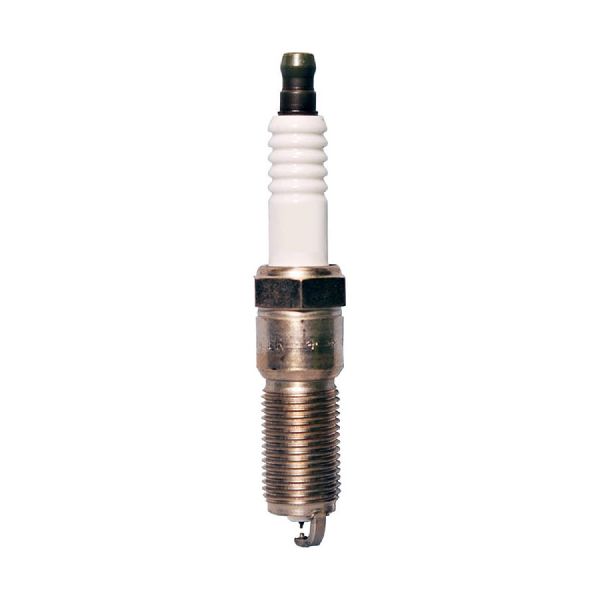
Aftermarket price range: $40-$70 - Spark Plug
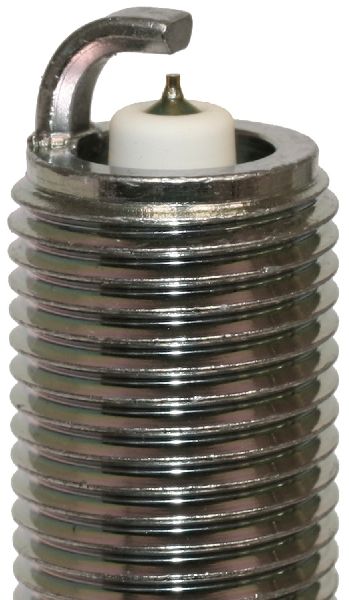
(OEM #41-123 (ACDelco Iridium))— Spark plugs are a routine maintenance item and a worn or fouled plug can cause performance issues.
Trusted brands: ACDelco, NGK
OEM price range: $15-$30
Aftermarket price range: $10-$20 - Fuel Rail Crossover Pipe
(OEM #12655320)— Per GM service procedures, this is a one-time use part and must be replaced anytime the fuel rail is removed to service the injectors to prevent dangerous fuel leaks.
Trusted brands: ACDelco (GM Genuine)
OEM price range: $30-$50
Aftermarket price range: N/A
Related Codes That Often Appear With This One
- P0308 — P0308 is a specific misfire code for cylinder 8. A contribution/balance fault is often the precursor to, or result of, a detectable misfire.
- P0263, P0266, P0269, etc. — These are contribution/balance codes for other cylinders. If multiple codes are present, it could point to a systemic issue like fuel delivery, a vacuum leak, or the valvetrain lubrication issue mentioned in TSB #PIP-5400.
- P050D — Cold start rough idle. This can sometimes accompany injector balance faults, pointing towards issues with the direct injection system during open-loop operation.
Technical Service Bulletins (TSBs) & Recalls
- PIP5468F: Diagnostic aid for multiple engine performance DTCs.
- 17-NA-171: Mentions an ECM or TCM anomaly as a potential cause, requiring a software update for a wide range of drivability complaints.
- PIP-5400: Links the code to a possible lack of lubrication to valvetrain components.
Platform-Specific Known Issues
- TSB #PIP-5400 notes that on some 2016 models, this code can be caused by a lack of lubrication to rocker arms and valve train components, requiring mechanical inspection of the top end.
- TSB #17-NA-171 indicates that for 2017 models, an anomaly in the Engine Control Module (ECM) and Transmission Control Module (TCM) software may cause this code and other drivability issues. It requires reprogramming both modules to the latest calibration.
- TSB #PIP5468F is a broader bulletin that includes P0284, advising technicians to follow standard diagnostics first, reinforcing that the code can have multiple causes and isn't always a simple component failure.
Mechanic-Grade Diagnostic Values
- Direct Fuel Injector Resistance — expected: 11–14 Ω. Failure: A reading outside this range, or if the difference between the highest and lowest injector reading exceeds 3.0 Ω.
- Low-Side Fuel Pressure (at rail feed) — expected: 345–414 kPa (50–60 psi). Failure: Pressure below this range indicates a weak in-tank fuel pump or a clogged filter, starving the high-pressure pump.
- High-Side Fuel Pressure (Direct Injection) — expected: 425 psi (2,930 kPa) at idle to over 2,200 psi (15,168 kPa) under load.. Failure: Significantly lower pressure under load points to a failing high-pressure fuel pump (HPFP).
- Injector Balance Test (Pressure Drop) — expected: All injectors should have a similar pressure drop value.. Failure: Any injector with a pressure drop variance of 10% or more from the average should be replaced. Another guideline is a variance greater than 20 kPa (3 psi) from the average.
- Injector Pulse Width (at idle) — expected: Approximately 3.4 milliseconds (ms) at idle.. Failure: A pulse width for cylinder 8 that is significantly higher or lower than the other cylinders indicates the ECM is attempting to compensate for a fuel delivery or mechanical issue.
Hidden / Shadow Codes Worth Checking
- Mode $06, OBDMID $A9: This monitor ID tracks misfire data specifically for cylinder 8. Technicians can view the EWMA (Exponentially Weighted Moving Average) misfire counts over the last 10 driving cycles (TID $0B) and raw counts for the current/last cycle (TID $0C). (see via A professional scan tool capable of displaying Mode $06 data. This data can show an intermittent imbalance or misfire on cylinder 8 before it's frequent enough to set a P0308 or P0284 code.)
Scan Tool Commands That Help
- GDS2 (GM Dealer Scan Tool): Fuel Injector Balance Test — This is the primary automated test for this code. The tool commands the fuel pump on, then individually pulses each injector and records the fuel pressure drop. It provides a clear comparison of all 8 injectors to see if cylinder 8 is underperforming.
- GDS2 (GM Dealer Scan Tool): Cylinder Power Balance — This live data graph shows the relative power contribution of each cylinder in real-time by monitoring crankshaft speed variations. It's used to visually confirm that cylinder 8 is the one lagging behind the others during idle and under load.
- GDS2 (GM Dealer Scan Tool): Cylinder Deactivation (AFM) System Compression Test — Used to diagnose a potential collapsed AFM lifter, which can cause a misfire. The tool commands the AFM solenoids on and off to see if running compression changes. While cylinder 8 is not an AFM cylinder, this test helps evaluate the health of the overall VLOM and oil pressure system that TSB #PIP-5400 points to.
Wiring & Ground Locations
- G103 / G104 — G103 is on the front of the passenger side (Bank 2) cylinder head. G104 is on the rear of the driver side (Bank 1) cylinder head. The Bank 2 injector harness relies on a clean connection at G103.. The fuel injectors and ignition coils are grounded to the cylinder heads. A loose or corroded ground at G103 can cause erratic voltage and intermittent faults for all cylinders on Bank 2, including cylinder 8.
- Injector Harness Connector — Connects to the fuel injector for cylinder 8, under the intake manifold.. The specific connector is a 2-Way F 1.2 MCON Series (P/N 34900-2120). Knowing the correct diagnostic test probe (J-35616-64B) allows for accurate voltage and ground testing at the pin without damaging the connector.
- Driver-Side Harness Chafe Point — Near the ECM/TCM mounting bracket, upper control arm, and shock tower bolt on the driver's side.. TSB #22-NA-084 highlights that the main engine harness can rub through in this area, causing shorts or open circuits for various components, including fuel injectors. While P0284 is for cylinder 8 (passenger side), harness damage can cause unexpected cross-talk or issues that manifest on other circuits.
Real Owner Repair Stories
- YouTube channel 'DIY WILLY' (2011 Chevy Silverado 5.3L V8 (Flex Fuel)) — Check Engine Light with code P219A (Bank 1 Fuel Trim Imbalance).
❌ Tried (didn't work) Replaced upstream O2 sensor on Bank 1., Replaced EVAP purge valve.
✅ What actually fixed it The owner determined the issue was a faulty fuel injector. He chose to replace all 8 injectors, which resolved the code and the underlying issue. - YouTube channel 'Don's Life' (2021 GMC Sierra AT4 (5.3L or 6.2L V8)) — Engine misfire, rough running. Initially set code P0307 (Cylinder 7 Misfire), which cleared, then returned as P0300 (Random/Multiple Misfire).
❌ Tried (didn't work) Initial diagnosis was inconclusive as the specific cylinder code disappeared.
✅ What actually fixed it The dealership performed diagnostics and ultimately fixed the problem by replacing the fuel injectors on Bank 1.
OEM Part Supersession History
12668390→12681212— Updated design/manufacturing process for improved reliability.
Heads up: The parts are interchangeable. A useful note for technicians is that there is no functional difference between injectors marked as 'low', 'nominal', or 'high' flow variants; all eight injectors should be the same part number.
Model Year Variations Within This Range
- 2016-2018 (and 2019 'Limited'): These K2XX models use Active Fuel Management (AFM), which deactivates cylinders 1, 7, 4, and 6. Cylinder 8 is a conventional cylinder and is not directly affected by AFM lifter collapse, though it can be affected by oil pressure issues originating from the AFM system (VLOM).
- 2019 (T1XX Platform): The new-for-2019 T1XX platform trucks introduced Dynamic Fuel Management (DFM) on the L84/L87 engines. DFM is a more complex system that can deactivate any number of cylinders. While the fundamental causes of P0284 remain the same, the DFM system adds another layer of diagnostic complexity if valvetrain issues are suspected.
Helpful Videos
We Have This Part in Stock

The information in this article is provided for general reference and educational purposes only. Vehicle specifications, procedures, and part compatibility can vary by production date, trim level, and region. Always consult your vehicle's factory service manual and verify part numbers before purchasing or performing repairs. Safety-critical components such as airbags, seat belts, and braking systems should be installed by a qualified professional.
- Gmc SIERRA 1500:
- 🧭 Diagnostic Flowchart
- 🎬 Helpful Videos
- 🛍️ Shop This Part
- What's Unique About the 2016-2019 Gmc SIERRA 1500
- Symptoms You May Notice
- Most Likely Causes
- Rare But Worth Checking
- Diagnosis Steps
- Parts You'll Likely Need
- Related Codes That Often Appear With This One
- Technical Service Bulletins (TSBs) & Recalls
- Platform-Specific Known Issues
- Mechanic-Grade Diagnostic Values
- Hidden / Shadow Codes Worth Checking
- Scan Tool Commands That Help
- Wiring & Ground Locations
- Real Owner Repair Stories
- OEM Part Supersession History
- Model Year Variations Within This Range
- 🎟️ Get 5% Off