

P0298 on 2014 Jeep Cherokee: Engine Oil Temperature Too High Fixes
On a 2014 Jeep Cherokee with the 3.2L V6, code P0298 is almost always caused by a software glitch in the Powertrain Control Module (PCM). The fix is a software update from a Jeep dealer, as specified in TSBs 18-093-16 REV. A and 18-031-14 REV. A, which typically costs between $100 and $250.
- For a 2014 Jeep Cherokee 3.2L, P0298 is almost certainly a software problem, not an actual overheating engine.
- The first and most important step is to have a Jeep dealer check if your vehicle's computer (PCM) has the latest software update per TSB 18-093-16 or 18-031-14.
- Do not replace the oil temperature sensor unless the PCM software has been updated and the problem persists.
- This code is often accompanied by P1239 (Oil Temp Too Low) and P0300 (Misfire), which are also fixed by the same software update.
What's Unique About the 2014-2014 Jeep CHEROKEE
For the 2014 Jeep Cherokee (KL generation) with the 3.2L V6 engine, this code is a well-documented anomaly. Instead of indicating a mechanical overheating problem, it points to a flaw in the PCM's software logic. Jeep specifically released TSBs (18-093-16 REV. A and 18-031-14 REV. A) to address this, where the PCM incorrectly flags an over-temperature condition when it's cold outside. This is often seen with the contradictory code P1239 🎬 Watch: How this software glitch looks on a scan tool. (Engine Oil Temperature Too Low), further confirming it's a software issue rather than a sensor or cooling system failure. The TSBs apply specifically to 2014 models with the 3.2L engine built on or before June 7, 2014.
Diagnostic Flowchart
Tap your situation to follow the diagnostic path that matches what you're seeing on this vehicle.
Symptoms You May Notice
- Check Engine Light (Malfunction Indicator Lamp) is on
- False high oil temperature warning on the dashboard, even on a cold engine
- Possible rough idle, especially when engaging drive in 4-LOW after a cold start
- May be accompanied by engine misfires (P0300), particularly during a 1-2 upshift above 6000 RPM
- Replacing the Engine Oil Temperature sensor without first checking if the PCM software is up-to-date. Many owners may replace the sensor only to find the code returns, because the root cause was the software logic. This is an expensive mistake due to the high labor cost of sensor replacement.
Most Likely Causes
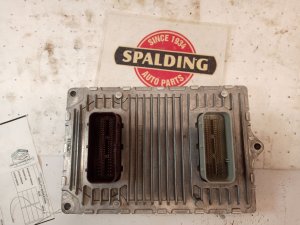
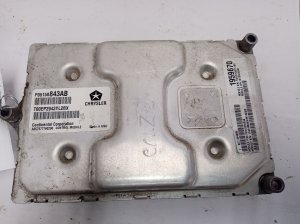
- Outdated Powertrain Control Module (PCM) Software 🔴 High Probability → Shop Engine Control Module (ECM) Jeep issued multiple TSBs (18-093-16 REV. A, 18-031-14 REV. A) specifically to fix this false code via a software update, confirming it's a known logic flaw for 2014 models built before a certain date.
How to confirm: A Jeep dealer or a shop with a wiTECH scan tool can check the current PCM software calibration ID against the latest version recommended by the TSBs. Ask the dealer to specifically reference TSB 18-093-16 REV. A.
Typical fix: Reprogramming (flashing) the PCM with the updated software version. This is a 1-hour labor job at a dealership.
Est. part cost: $0 - Faulty Engine Oil Temperature (EOT) Sensor ⚪ Low Probability While any sensor can fail, the specific condition noted in the TSBs (setting in cold weather) makes a software issue much more likely than a simple sensor failure. However, the sensor is located in a high-heat area in the engine valley, which can lead to eventual failure.
How to confirm: If the PCM software is confirmed to be up-to-date, a technician can monitor the EOT sensor data on a scan tool for erratic readings (e.g., jumping from cold to max hot) or test the sensor's resistance.
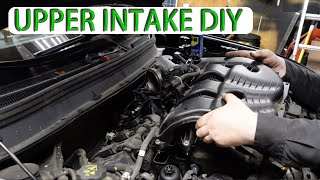
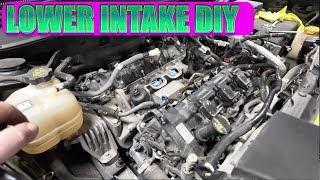
Typical fix: Replace the Engine Oil Temperature sensor. This is a labor-intensive job on the 3.2L V6 as it requires removing the upper and lower intake manifolds. 🎬 See this DIY guide for removing the upper intake manifold. Many owners and mechanics recommend replacing the entire oil filter/cooler housing assembly at the same time.
Est. part cost: $25-$60
Rare But Worth Checking
- Wiring or Connector Issue: Corrosion or damage to the EOT sensor's wiring harness or connector can cause high resistance, leading to a false high-temperature reading. This should be inspected during sensor diagnosis, especially since accessing the sensor is difficult.
- Actual Engine Overheating: While unlikely to be the cause when this code sets in cold weather, a legitimate overheating condition due to low coolant, a bad thermostat, or a failing water pump could theoretically trigger this code. This would be accompanied by a high reading on the coolant temperature gauge and other overheating symptoms.
Diagnosis Steps
- Connect an OBD-II scanner and confirm the presence of P0298. Note any other codes present, especially P1239, P0300, or U1424.
- Contact a Jeep dealer or qualified shop with the vehicle's VIN. Ask them to verify if the PCM software has been updated according to TSB 18-093-16 REV. A or 18-031-14 REV. A. This is the most critical and cost-effective first step.
- If the software has not been updated, have the PCM reprogrammed (flashed). This is the most likely fix and should be done before any parts are replaced.
- After the flash, clear all codes and perform a drive cycle, preferably including a cold start, to see if the code returns.
- If the software is already up-to-date or the code returns, proceed with diagnosing the Engine Oil Temperature (EOT) sensor.
- Using a live data scan tool, monitor the EOT sensor reading. Check if the reading is plausible for the current engine state (e.g., it shouldn't read 250°F on a cold engine). Watch for sudden, illogical jumps in temperature.
- Inspect the wiring and connector for the EOT sensor for any signs of damage, corrosion, or looseness. This is difficult as it requires accessing the engine valley.
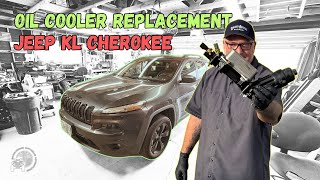
- If the sensor reading is implausible and the wiring is intact, the EOT sensor is faulty. Due to the high labor involved, it is strongly recommended to replace the entire oil filter/cooler housing assembly (which includes the sensor) rather than just the sensor itself. 🎬 Watch: Step-by-step walkthrough for replacing the oil cooler housing.
Parts You'll Likely Need
- PCM Software Update — This is not a physical part, but a service. It is the manufacturer-specified fix for the known software glitch that causes this code on 2014 Cherokees.
OEM price range: $150-$250 (Labor)
Aftermarket price range: N/A - Engine Oil Temperature Sensor
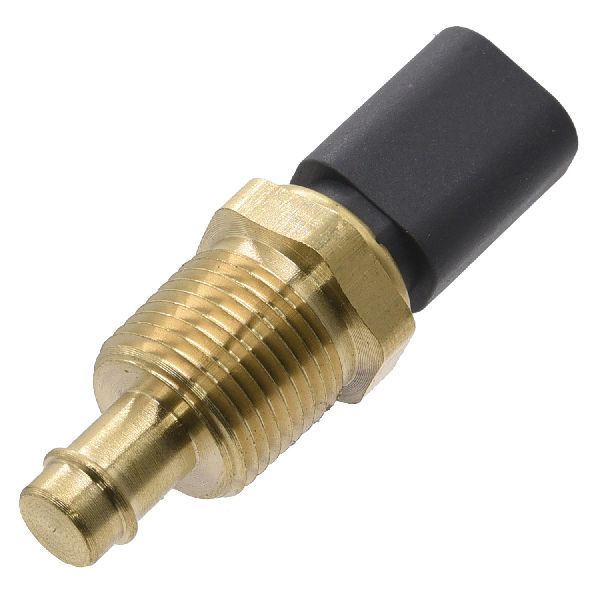
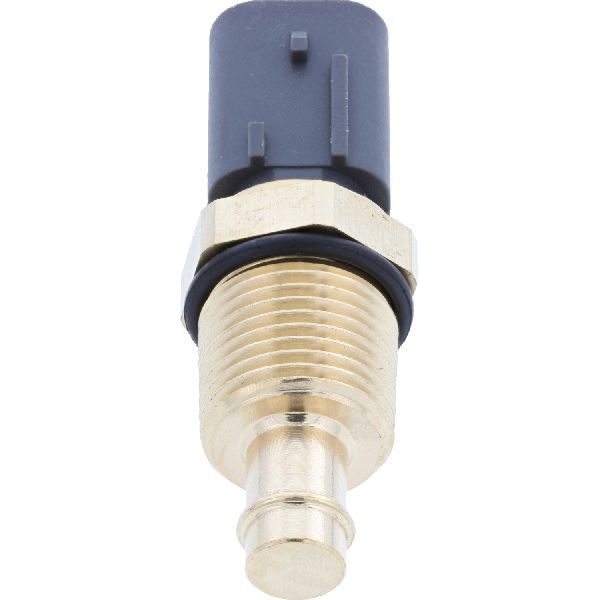
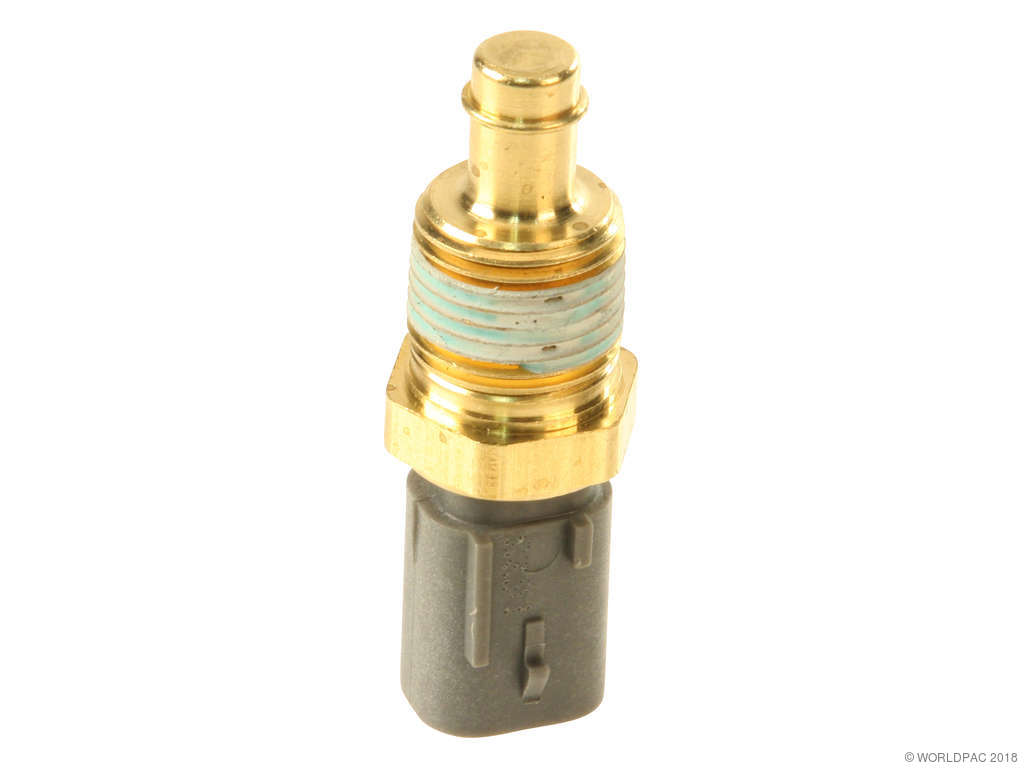
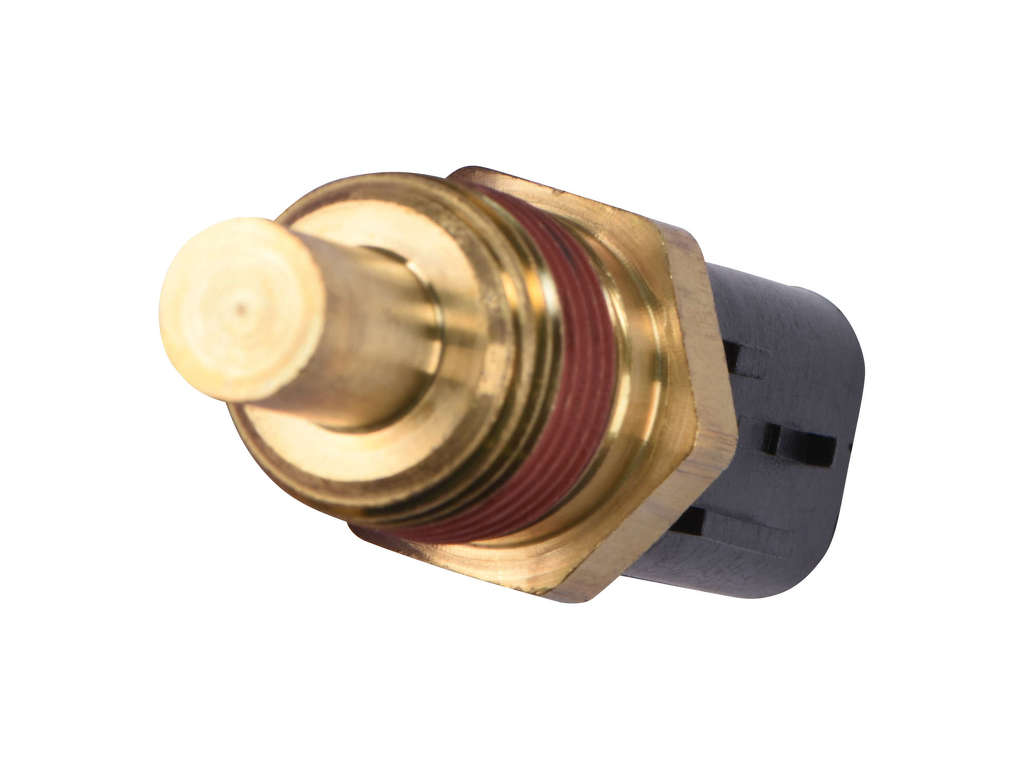
(OEM #68224442AA (Note: Often sold as part of the oil cooler assembly))— This is the secondary cause. It should only be replaced if the PCM software is confirmed to be up-to-date and the sensor is diagnosed as faulty. On the 3.2L V6, it is located under the intake manifolds.
Trusted brands: Mopar, Standard Motor Products, Dorman
OEM price range: $40-$60
Aftermarket price range: $25-$45 - Oil Filter/Cooler Housing Assembly
(OEM #68105583AF (or later revisions))— Because replacing the EOT sensor requires removing the intake manifolds (a 5+ hour job), it is highly recommended to replace the entire housing assembly at the same time. The original plastic housings are prone to cracking and leaking, and the assembly includes a new EOT sensor and oil pressure sensor, preventing a repeat of the difficult labor.
Trusted brands: Mopar (OEM), Dorman (often an upgraded aluminum design)
OEM price range: $200-$300
Aftermarket price range: $150-$250
Related Codes That Often Appear With This One
- P1239 — Engine Oil Temperature Too Low. Seeing this contradictory code alongside P0298 is a strong indication of the PCM software glitch, as the oil cannot be both too hot and too cold simultaneously. Both are mentioned in the same TSBs.
- P0300 — Multiple Cylinder Misfire. The same TSBs that address P0298 also list P0300 as a related code fixed by the PCM reflash, sometimes occurring at high RPM shifts.
- U1424 — Implausible Engine Torque Signal Received. This is another code mentioned in TSB 18-093-16 that is resolved by the same PCM software update.
- P2610 — PCM Internal Engine Off Timer Performance. Also listed in TSB 18-093-16 as being related to the software issue requiring a PCM flash.
- P0335 — Crankshaft Position Sensor Circuit. Also included in the list of codes resolved by the PCM reflash in TSB 18-093-16.
Technical Service Bulletins (TSBs) & Recalls
- 18-093-16 REV. A: Flash: Powertrain Diagnostic And System Enhancements. Addresses P0298 setting in cold ambient temperatures, along with P1239, P0300, U1424, P2610, and P0335.
- 18-093-16: Original version of the bulletin to reprogram the PCM for P0298 and other codes.
- 18-031-14 REV. A: Flash: MIL Illumination P1239, P0298- Engine Oil Temperature Too Low Or High, P0300... Specifically calls out reprogramming the PCM for this issue on 3.2L engines built on or before June 7, 2014.
Platform-Specific Known Issues
- A widely documented software issue on 2014 models with the 3.2L engine causes the PCM to incorrectly flag a P0298 code, often in cold weather. The official fix is a software reflash per TSB #18-031-14 REV. A and TSB #18-093-16 REV. A.
- The Engine Oil Temperature sensor on the 3.2L V6 is located on the oil filter/cooler housing, deep in the engine valley under the upper and lower intake manifolds. This makes replacement a very labor-intensive job, taking 5-6 hours.
Mechanic-Grade Diagnostic Values
- Battery Voltage During PCM Flash — expected: Maintain between 13.2 and 13.5 volts. Failure: Voltage dropping below 13.2V or exceeding 13.5V can interrupt the flash process and potentially damage the PCM.
- Lower Intake Manifold Bolt Torque — expected: 106 in-lbs. Failure: Improper torque can lead to vacuum leaks or damage to the manifold.
- Upper Intake Manifold Bolt Torque — expected: 89 in-lbs. Failure: Improper torque can lead to vacuum leaks or damage to the manifold.
- Oil Cooler to Engine Block Bolt Torque — expected: 106 in-lbs. Failure: Improper torque can lead to oil or coolant leaks.
Hidden / Shadow Codes Worth Checking
- Mode 6 Data Inaccuracy: Prior to the software update, TSB 18-093-16 notes an issue with 'Mode 6 data accuracy' on generic scan tools. While not a specific code, it indicates that non-dealer tools may have shown misleading diagnostic data before the PCM was flashed. (see via This is not a code to be seen, but a condition corrected by the PCM flash specified in TSB 18-093-16.)
Scan Tool Commands That Help
- wiTECH: Reprogram the PCM with the latest software. — This is the primary repair step for a 2014 Cherokee with P0298, especially if accompanied by P1239. It should be performed before replacing any hardware, as per TSB 18-093-16.
Wiring & Ground Locations
- Engine Oil Temperature (EOT) Sensor — Located on the oil filter/cooler housing assembly, which sits in the 'V' of the engine between the cylinder heads, underneath the upper and lower intake manifolds.. This is the sensor providing the temperature reading. Its location makes it susceptible to heat damage over time and makes replacement highly labor-intensive.
- Powertrain Control Module (PCM) — Located on the left side of the transmission.. This module receives the signal from the EOT sensor and contains the faulty software logic that triggers the code. It is the component that must be reprogrammed.
- G904a — A key ground point located on the lower left rear of the 3.2L engine.. A poor ground connection at this point could potentially cause erratic sensor readings for various powertrain components, including the EOT sensor.
- Sensor Sub-Harness Connector — The connector for the EOT sensor is on the oil cooler housing and has a red locking tab that must be pulled up before the connector can be unplugged.. Damage or corrosion at this connector can cause a faulty signal. The entire sub-harness for the oil sensors is a replaceable part.
OEM Part Supersession History
68105583AA, 68105583AB, 68105583AC, 68105583AE→68105583AF (and later revisions)— Revisions to the oil filter/cooler housing assembly to improve durability and prevent cracking/leaking issues common with the original plastic design.5148105AG→5148105AH— Revision to the wiring sub-harness that connects to the knock, oil pressure, and oil temperature sensors.
Model Year Variations Within This Range
- 2014 (Early Production): Vehicles with the 3.2L engine built on or before June 7, 2014, are specifically called out in TSB 18-031-14 REV. A as requiring the PCM software update to fix the false P0298 code. Vehicles built after this date likely have the updated software from the factory.
Helpful Videos
Used OEM Parts in Stock
New Aftermarket Parts Available


The information in this article is provided for general reference and educational purposes only. Vehicle specifications, procedures, and part compatibility can vary by production date, trim level, and region. Always consult your vehicle's factory service manual and verify part numbers before purchasing or performing repairs. Safety-critical components such as airbags, seat belts, and braking systems should be installed by a qualified professional.
- Jeep CHEROKEE:
- 🧭 Diagnostic Flowchart
- 🎬 Helpful Videos
- 🛍️ Shop This Part
- What's Unique About the 2014-2014 Jeep CHEROKEE
- Symptoms You May Notice
- Most Likely Causes
- Rare But Worth Checking
- Diagnosis Steps
- Parts You'll Likely Need
- Related Codes That Often Appear With This One
- Technical Service Bulletins (TSBs) & Recalls
- Platform-Specific Known Issues
- Mechanic-Grade Diagnostic Values
- Hidden / Shadow Codes Worth Checking
- Scan Tool Commands That Help
- Wiring & Ground Locations
- OEM Part Supersession History
- Model Year Variations Within This Range
- 🎟️ Get 5% Off