

P0299 on 2021-2022 Chevrolet Trax: Turbo Underboost Causes & Fixes
On a 2021-2022 Chevy Trax, code P0299 is most often caused by a faulty or freezing Turbocharger Wastegate Regulator Solenoid Valve, especially in cold weather, as noted in GM TSB #PIP5812C. This is a relatively inexpensive part to replace. Other common causes include boost leaks from cracked hoses, a failing PCV system check valve inside the intake manifold, or icing inside the charge air cooler (intercooler).
- For a 2021-2022 Trax, P0299 is very often caused by the Turbocharger Wastegate Regulator Solenoid Valve, especially in cold climates.
- Do not immediately assume the turbocharger has failed. Cheaper and more common issues like boost leaks or PCV system faults must be ruled out first.
- A smoke test is essential for finding hard-to-see cracks in intake hoses.
- If you experience strong suction when removing the oil cap at idle, the intake manifold's internal check valve has likely failed, requiring manifold replacement.
What's Unique About the 2021-2022 Chevrolet TRAX

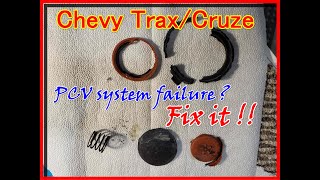
The 1.4L LE2 turbo engine in the 2021-2022 Chevy Trax is a direct-injected update to the older 1.4L LUV engine. While sharing a similar architecture, it has specific issues causing P0299. A primary concern, especially in cold climates, is the freezing of oil and moisture inside the Turbocharger Wastegate Regulator Solenoid Valve, as documented by General Motors in TSB PIP5812C. Additionally, failures within the PCV system, such as a bad check valve in the intake manifold, can create an internal boost leak that is a common but often misdiagnosed cause of this code 🎬 Watch: How to diagnose and solve common 1.4L PCV issues. on this specific engine platform. Finally, these smaller displacement turbo engines are susceptible to ice buildup in the charge air cooler (intercooler) during cold weather, which restricts airflow and triggers P0299, as noted in TSB 17-NA-221.
Diagnostic Flowchart

Tap your situation to follow the diagnostic path that matches what you're seeing on this vehicle.
Symptoms You May Notice
- Check Engine Light is on
- Significant loss of engine power and acceleration
- Vehicle feels sluggish or slow to respond
- Hissing or whistling sounds from the engine bay under acceleration
- Reduced fuel economy
- In some cold weather cases, smoke from the tailpipe or a burning oil smell
- Hesitation on acceleration
- Replacing the turbocharger without first diagnosing boost leaks, the PCV system, or the wastegate control solenoid. GM has issued bulletins (like PIP5495N) warning technicians that many turbos are replaced unnecessarily when a cheaper component was the actual cause.
Most Likely Causes

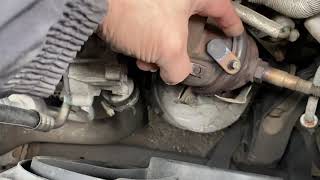
- Frozen or Faulty Turbocharger Wastegate Regulator Solenoid Valve (TCV) 🔴 High Probability → Shop Turbocharger A GM Technical Service Bulletin (PIP5812C) directly cites this issue, stating that oil and moisture can freeze inside the valve during cold weather, causing it to stick and not regulate boost properly. Hardened deposits from heat can also cause the internal plunger to stick.
How to confirm: The issue is most prevalent in freezing temperatures. The valve can be removed and tested by blowing low-pressure air through its ports to check for a stuck plunger, as detailed in the TSB. A multimeter can be used to check the coil resistance; a reading outside of the 29-31 ohm range suggests a faulty solenoid.
Typical fix: Remove, drain, and clean the valve with compressed air. If the issue persists, the plunger is stuck with deposits, or the code returns, replace the solenoid valve. The repair is covered under powertrain warranty for a specified labor time (0.3 hours).
Est. part cost: $40-$80 - Boost/Intake Air Leaks 🟡 Medium Probability Plastic and rubber hoses in the charge air system can become brittle, crack, or soften from oil exposure over time, allowing pressurized air to escape. A common failure is the charge air cooler outlet tube separating from the throttle body, addressed in TSB 22-NA-170.
How to confirm: Visually inspect all hoses and connections between the turbo, intercooler, and throttle body for cracks, oil residue, or loose clamps. Check the connection at the throttle body specifically. A smoke test is the most effective way to find hidden leaks.
Typical fix: Tighten loose clamps or replace the failed hose or gasket. The Charge Air Cooler Inlet Hose is a common failure point. If the throttle body connection is loose, reconnect it and ensure the retaining clip is secure.
Est. part cost: $50-$150 - Failed PCV System Check Valve (in Intake Manifold) 🟡 Medium Probability This is a well-documented failure on the 1.4L engine family. A small, often orange, check valve inside the intake manifold fails or gets ingested by the engine, creating a significant internal boost leak that routes pressurized air back to the turbo inlet instead of the cylinders.
How to confirm: A common test is to remove the oil cap while the engine is idling; very strong suction indicates a failed PCV system. Visually inspecting the PCV port on the intake manifold may show a missing orange check valve. This failure is a known cause of P0299, often accompanied by P0171 and P1101.
Typical fix: The check valve is not sold separately by GM, so the official repair is to replace the entire intake manifold. Aftermarket kits are available that provide an external check valve as an alternative.
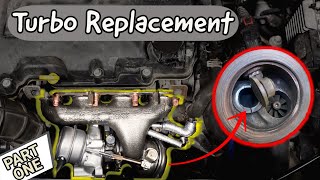
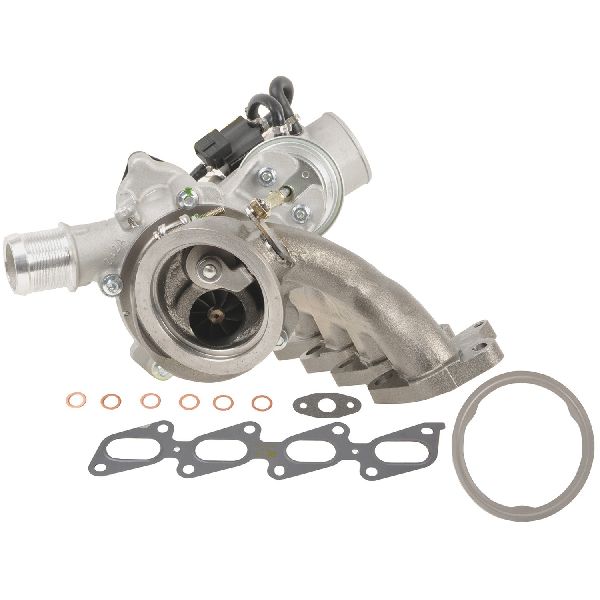
Est. part cost: $150-$300 - Failing Turbocharger Assembly ⚪ Low Probability → Shop Turbocharger Failures can occur from a seized internal wastegate, a disconnected actuator arm, or worn bearings due to oil contamination, which can be exacerbated by PCV system issues. Cracks can also form in the wastegate housing.
How to confirm: Inspect the wastegate actuator arm to ensure it is connected and moves freely. A common failure is the small retaining clip on the actuator rod rusting and falling off. Check the turbocharger shaft for excessive play. A scan tool can monitor requested vs. actual boost during a test drive.
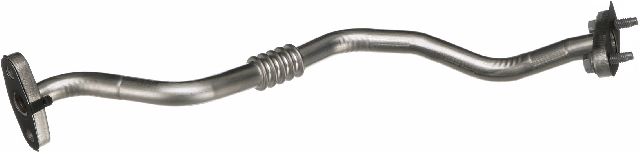
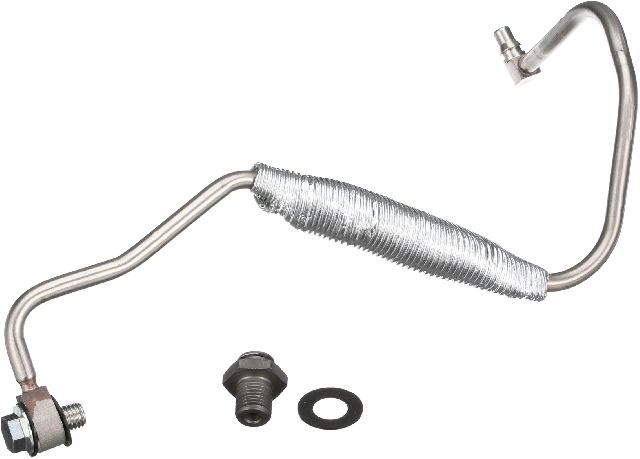
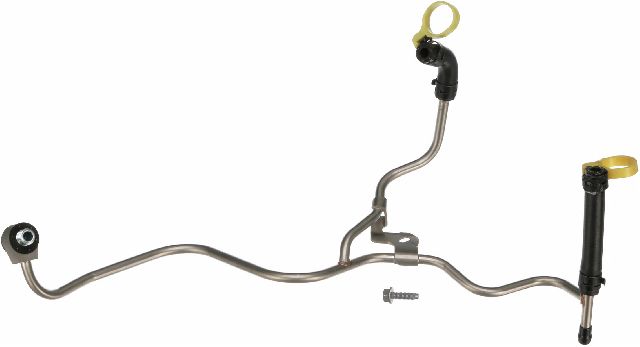
Typical fix: Replace the entire turbocharger assembly. It is highly recommended to also replace the oil feed and return lines to prevent oil starvation in the new turbo.
Est. part cost: $500-$1200
Rare But Worth Checking
- Clogged Catalytic Converter: → Shop Catalytic Converter An exhaust restriction can prevent the turbo from spooling up. This is often a secondary failure caused by a bad turbo leaking oil into the exhaust, which then clogs the converter. Check for a P0420 code alongside P0299. One owner reported a $6,000 bill for a new catalytic converter after a turbo failure.
- Faulty Boost Pressure (MAP) Sensor: It's uncommon for the sensor itself to fail, but it can happen. It's more likely to be affected by oil contamination from PCV issues or icing in cold weather, leading to incorrect readings.
- Iced Charge Air Cooler (CAC): → Shop Intercooler In extremely cold weather (-18°C / 0°F or below), ice can accumulate inside the intercooler, restricting airflow and causing P0299. This is documented in TSB 17-NA-221 and mentioned as a possibility in TSB PIP5495N. GM also released TSB 22-NA-002 for other models with similar engines, recommending an ECM calibration update to change shift patterns and reduce ice buildup.
Diagnosis Steps

- Scan the ECM for P0299 and any other related trouble codes like P0171, P1101, or P0234.
- If in a cold climate, first consider TSB PIP5812C. Remove and inspect the Turbocharger Wastegate Regulator Solenoid Valve for freezing or sticking.
- Perform a visual inspection of the entire air intake system, from the air filter to the throttle body. Look for loose clamps, disconnected hoses (especially at the throttle body), or obvious cracks.
- Perform the 'oil cap test': With the engine idling, try to remove the oil filler cap. If strong vacuum holds it down, suspect a failed PCV system (likely the intake manifold check valve).
- Inspect the turbocharger wastegate actuator arm and its linkage. Ensure the small retaining clip is present and that the arm is connected and moves freely without binding.
- Perform a smoke test on the intake and charge air system to find any leaks that are not visually apparent.
- Using a scan tool, monitor live data for the requested boost pressure vs. the actual boost pressure (from the MAP sensor) during a test drive to confirm the underboost condition.
- If all other tests pass, inspect the turbocharger for excessive shaft play or visible damage to the turbine wheels.
Parts You'll Likely Need
- Turbocharger Wastegate Regulator Solenoid Valve
(OEM #55499323)— This is a very common failure point, especially in cold weather, as documented in TSB PIP5812C. It's an inexpensive and accessible part to replace as a first step.
Trusted brands: ACDelco, Dorman
OEM price range: $60-$90
Aftermarket price range: $40-$70 - Intake Manifold
(OEM #25201712)— Required if the integrated PCV check valve fails, which is a common cause of an internal boost leak on this engine. The valve is not serviced separately by GM.
Trusted brands: ACDelco, Dorman
OEM price range: $250-$350
Aftermarket price range: $150-$250 - Charge Air Cooler Hose — Hoses can crack, split, or have connections fail, causing a significant boost leak. The charge air cooler outlet hose to the throttle body is a common point of failure.
Trusted brands: ACDelco, Gates
OEM price range: $70-$120
Aftermarket price range: $50-$90
Related Codes That Often Appear With This One
- P0171 — System Too Lean. A significant boost leak or PCV system failure allows unmetered air into the engine, creating a lean condition.
- P1101 — Intake Air Flow System Performance. This code is often set with P0299 on GM vehicles when a large air leak (especially from the PCV system) causes airflow readings to be inconsistent with what the ECU expects.
- P0234 — Turbocharger Overboost. This can appear with P0299 if the wastegate or its control solenoid is sticking or operating erratically, causing both overboost and underboost conditions at different times, as noted in TSB PIP5812C.
Technical Service Bulletins (TSBs) & Recalls
- PIP5812C / 22-NA-002
- PIP5495N
- 22-NA-170
- 17-NA-221 / 16-NA-405
Platform-Specific Known Issues

- TSB #PIP5812C / 22-NA-002: Notes that in cold weather, oil and moisture can freeze inside the Turbocharger Wastegate Regulator Solenoid Valve, causing it to stick and trigger P0299 or P0234. The fix is to remove, clean/drain, and test the valve, or replace it if necessary.
- TSB #PIP5495N: Warns technicians not to replace the turbocharger for P0299 without first ruling out simpler causes like PCV faults, boost leaks, or charge air cooler icing. It notes many turbos are returned with no trouble found.
- TSB #22-NA-170: Addresses a condition where the Charge Air Cooler (CAC) outlet tube can separate from the throttle body, causing a massive boost leak and setting P0299.
- TSB #17-NA-221 / 16-NA-405: Describes how, in extreme cold, the charge air cooler can become restricted with ice, leading to poor performance and P0299.
Mechanic-Grade Diagnostic Values
- Turbocharger Wastegate Regulator Solenoid Coil Resistance — expected: 29-31 ohms. Failure: A reading significantly outside this range, or an open circuit (infinite resistance), indicates a faulty solenoid coil.
- MAP Sensor Voltage (Key On, Engine Off) — expected: ~4.5 V at sea level. Failure: Voltage should correspond to atmospheric pressure. A reading that is significantly off or does not change with altitude may indicate a faulty sensor.
- MAP Sensor Voltage (Engine Idling) — expected: ~1.0 V (at ~21 inHg vacuum). Failure: Higher than expected voltage at idle can indicate a vacuum leak or a faulty sensor. The voltage will vary based on engine vacuum.
Scan Tool Commands That Help
- GDS2 (GM Global Diagnostic System 2): Turbocharger Boost Control Test — This function should be used to verify the operation of the turbocharger system, including the wastegate and control solenoid, before condemning the turbocharger assembly for a P0299 code, as recommended by GM.
Wiring & Ground Locations
- Engine Block to Chassis/Battery Ground — A thick wire typically runs from the negative battery terminal to the engine block, and another from the battery to the chassis near the radiator support.. A poor engine or chassis ground can cause incorrect readings from critical sensors like the MAP sensor and interfere with the operation of solenoids, leading to incorrect boost control and fault codes.
- PCM Ground — On similar GM truck platforms, the main PCM ground is a wire in the engine harness that grounds to the top rear of the engine block.. This is the most critical ground for all sensor feedback to the computer. A fault here can cause numerous, seemingly unrelated codes, including P0299, due to erratic sensor data.
"I Checked Everything" — The Actual Cause
- A standard smoke test of the charge air pipes and intercooler can come back clean, yet a P0299 code persists. This often happens because the leak is internal to the PCV system. When the intake manifold's internal check valve fails, boost pressure leaks from the intake manifold directly back to the turbo inlet—a path not typically checked by a standard smoke test.
- A faulty wastegate actuator, a binding internal wastegate valve, or a cracked turbo housing will also not be found by a smoke test, as these issues relate to the mechanical control of exhaust gas flow, not charge air leaks.
OEM Part Supersession History
12653613→55499323— This is the Turbocharger Bypass Valve Solenoid. Supersession reasons are not always public but typically involve design improvements for reliability or manufacturing changes.
Helpful Videos
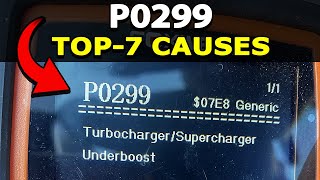
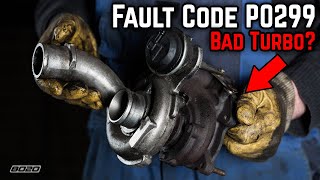
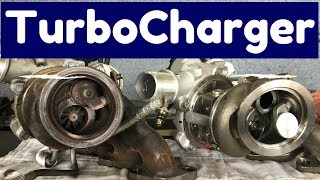
We Have This Part in Stock


The information in this article is provided for general reference and educational purposes only. Vehicle specifications, procedures, and part compatibility can vary by production date, trim level, and region. Always consult your vehicle's factory service manual and verify part numbers before purchasing or performing repairs. Safety-critical components such as airbags, seat belts, and braking systems should be installed by a qualified professional.
- Chevrolet TRAX:
- 🧭 Diagnostic Flowchart
- 🎬 Helpful Videos
- 🛍️ Shop This Part
- What's Unique About the 2021-2022 Chevrolet TRAX
- Symptoms You May Notice
- Most Likely Causes
- Rare But Worth Checking
- Diagnosis Steps
- Parts You'll Likely Need
- Related Codes That Often Appear With This One
- Technical Service Bulletins (TSBs) & Recalls
- Platform-Specific Known Issues
- Mechanic-Grade Diagnostic Values
- Scan Tool Commands That Help
- Wiring & Ground Locations
- "I Checked Everything" — The Actual Cause
- OEM Part Supersession History
- 🎟️ Get 5% Off