

P0299 on 2019-2021 Ford Ranger: Turbo Underboost Causes and Fixes
For a 2019-2021 Ford Ranger, code P0299 is most often caused by a faulty turbocharger wastegate actuator, a missing e-clip on the actuator's rod, or a software issue requiring a dealer update. Inspecting the e-clip and actuator rod connection to the wastegate is the first and easiest check. Several Ford TSBs address these specific issues.
- Before any other diagnosis, visually inspect the turbo wastegate actuator rod to see if the small e-clip is missing. This is a very common, simple, and cheap fix.
- If you have a 2019 Ranger, the cause may be a software glitch. Contact a Ford dealer to see if TSB 20-2152 applies to your vehicle.
- The electronic wastegate actuator is a known failure point and can be replaced separately from the entire turbocharger assembly using part number LB5Z-9G488-B.
- While less likely than the actuator issues, don't rule out a simple boost leak from a cracked charge pipe or loose clamp.
What's Unique About the 2019-2021 Ford Ranger

The 2.3L EcoBoost engine in the Ranger is known for specific issues that trigger a P0299 code. Ford has issued multiple Technical Service Bulletins (TSBs) pointing directly to problems with the electronic wastegate actuator, such as internal failure, non-visible damage to the rod, or a simple missing e-clip on the linkage rod. Additionally, 2019 models are subject to a specific TSB where a software glitch can falsely trigger the code, making a PCM reprogram the only fix, a solution confirmed by many owners.
Diagnostic Flowchart

Tap your situation to follow the diagnostic path that matches what you're seeing on this vehicle.
Symptoms You May Notice

- Illuminated Check Engine Light or Wrench Light.
- Significant loss of engine power and acceleration.
- Vehicle enters 'limp mode' or 'reduced power mode'.
- Unusual whistling, hissing, or rattling noises from the engine bay/turbo area.
- Hesitation or jerky acceleration.
- Audible 'clicking' noises from the passenger side of the engine bay where the turbo is located.
- Replacing the entire turbocharger assembly when only the inexpensive e-clip was missing or the electronic actuator had failed. TSBs specifically state turbo replacement is not necessary for this issue.
- Replacing boost pressure sensors before thoroughly checking for mechanical faults like a disconnected actuator rod or a major boost leak.
- Overlooking the PCM software update (TSB 20-2152) on 2019 models and proceeding with unnecessary mechanical repairs. 🎬 Watch: A helpful guide to diagnosing and repairing turbo underboost codes.
Most Likely Causes

- Missing Wastegate Actuator E-Clip or Damaged Rod 🔴 High Probability → Shop Turbocharger This is a widely documented issue in Ford TSBs #SSM 50171, #SSM 49427, and older TSBs for the same engine like #16-0122. The clip can fall off, detaching the actuator rod from the wastegate arm, leaving the wastegate open and preventing boost from building. 🎬 Watch: See how a missing clip causes power loss and boost issues.
How to confirm: Visually inspect the turbocharger's wastegate actuator rod where it connects to the wastegate arm. Check if the small retaining e-clip is present and if the rod is securely connected. This may require removing the engine undershield or the front passenger wheel for better access.
Typical fix: Install a new e-clip. Ford has released service kits (part number LB5Z-9G488-B for the Ranger) that include the actuator, rod, and both e-clips, as the rod itself can have non-visible damage.
Est. part cost: $5-$15 for just the clip, $70-$100 for the full actuator kit. - Faulty Electronic Wastegate Actuator 🔴 High Probability → Shop Turbocharger TSB #SSM 50171 points to inoperative actuators as a primary cause, separate from the clip issue. Forum discussions confirm that the electronic actuator itself can fail internally, causing it to become stuck or unresponsive.
How to confirm: A diagnostic scan tool can command the actuator to move and check its position sensor feedback (PID). A failure to move, an out-of-range position reading, or associated codes like P02AB or P25B4 strongly indicate a bad actuator.
Typical fix: Replace the wastegate actuator assembly. Ford offers this as a separate part from the turbocharger under part number LB5Z-9G488-B. It is recommended to replace all parts in the service kit.
Est. part cost: $70-$100 (OEM) - PCM Software Needs Update 🔴 High Probability Specifically for 2019 models, TSB #20-2152 states that incorrect software parameters can cause a false P0299 code. Multiple owners on Reddit and Ranger5G.com have confirmed this was the sole fix for their issue.
How to confirm: This must be confirmed by a Ford dealer or a shop with access to Ford's OASIS system. They can check the vehicle's current software calibration (CAL ID) against the latest version specified in the TSB.
Typical fix: The dealer reprograms the Powertrain Control Module (PCM) to the latest software level. The labor time is estimated at 0.4 hours. The vehicle may experience firmer shifts for a few days as the transmission relearns adaptive strategies.
Est. part cost: $0 (if under warranty), $100-$200 (dealer labor) - Boost/Intake Air Leak 🟡 Medium Probability Like any turbocharged vehicle, cracked plastic or rubber charge pipes, loose clamps, or a leaking intercooler can cause a loss of boost pressure. On some 2.3L EcoBoost engines, a plastic air-straightener insert in the turbo inlet tube has been known to dislodge and block airflow.
How to confirm: Perform a smoke test on the intake and charge air system to reveal any leaks. Visually inspect all hoses and connections between the turbo, intercooler, and throttle body. Check the turbo inlet pipe for any loose internal components.
Typical fix: Tighten loose clamps or replace the cracked hose or damaged component.
Est. part cost: $50-$300 (depending on the leaking part)
Rare But Worth Checking
- Faulty Turbocharger Boost Pressure Sensor (MAP Sensor): → Shop Turbocharger The sensor that measures boost can fail and send incorrect readings to the PCM, tricking it into thinking there is an underboost condition. This can sometimes be caused by oil contamination from the PCV system.
- Damaged Turbocharger: → Shop Turbocharger In rare cases, especially if other symptoms like excessive smoke or a loud, siren-like whining noise are present, the turbocharger's internal components (turbine or compressor wheel) could be damaged. This is a last resort after all other possibilities are exhausted.
- Restricted Exhaust: A clogged catalytic converter can prevent the turbo from spooling up effectively, leading to an underboost code. This is less common on newer vehicles but still possible.
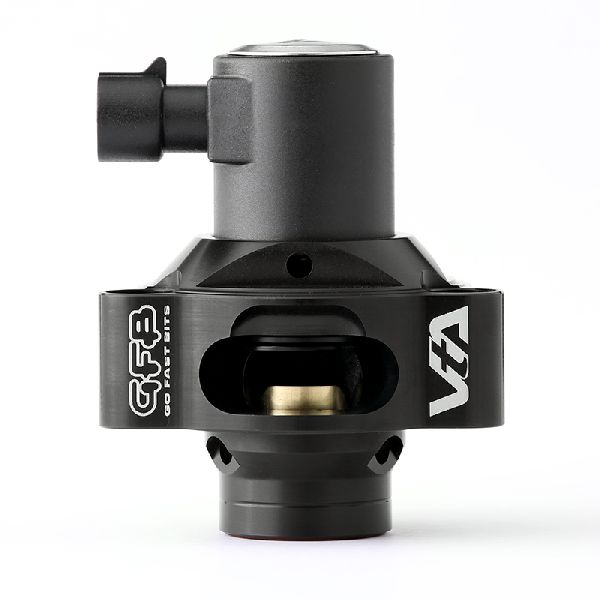
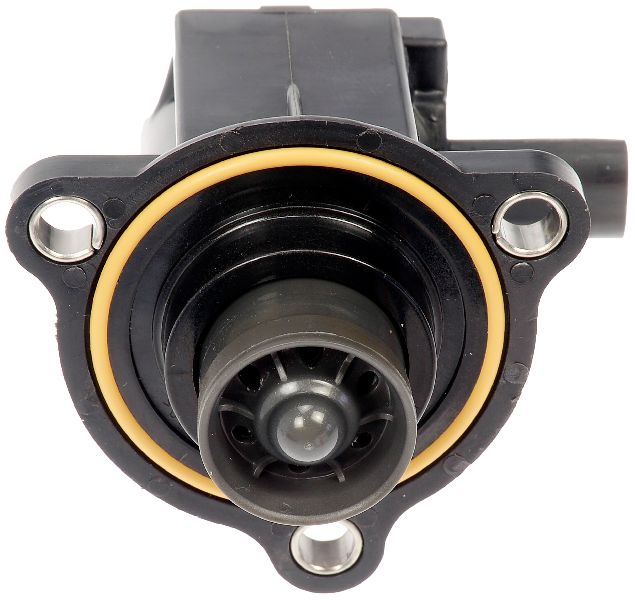
- Faulty Turbocharger Bypass Valve (BPV): → Shop Turbocharger Also known as a diverter valve, this part recirculates boost pressure. If it gets stuck open due to internal failure or rust on the actuator shaft, it can constantly bleed off pressure, causing a P0299 code.
Diagnosis Steps
- Scan the PCM for P0299 and any other accompanying codes (e.g., P02AB, P25B4). Note the freeze-frame data to see engine conditions when the code was set.
- For 2019 models, the first step should be to check with a dealer if TSB 20-2152 (PCM reprogram) applies and has been performed. This is a very common and simple fix.
- Perform a careful visual inspection of the turbocharger wastegate actuator, located on the passenger side of the engine. Look for the small e-clip that holds the actuator rod to the wastegate arm. Confirm the rod is physically connected.
- If the clip is present, observe the actuator rod during engine start-up and shutdown. It should cycle through its full range of motion. A lack of movement or erratic behavior points to a faulty actuator. A scan tool can also command the actuator to test its function.
- Inspect all charge air piping from the turbo to the intercooler and to the throttle body for cracks, loose connections, or signs of oil spray that would indicate a leak.
- Remove the air inlet tube going into the turbocharger and inspect for a dislodged plastic insert that could be blocking airflow. 🎬 Watch: A breakdown of the top 7 causes for P0299 codes.
- If no visual faults are found, perform a smoke test on the entire intake and charge air system to find hidden leaks.
- Using a capable scan tool, monitor the live data for Desired Boost vs. Actual Boost Pressure (MAP). A large, persistent discrepancy under load confirms the underboost condition.
- If all other components check out, the issue may be with the turbocharger itself, requiring further mechanical inspection for shaft play or turbine damage.
Parts You'll Likely Need
- Turbocharger Wastegate Actuator Kit
(OEM #LB5Z-9G488-B)— This is the most common mechanical failure point for this code, as documented in Ford TSBs. The kit includes the actuator, rod, and necessary e-clips to perform a complete repair.
Trusted brands: Motorcraft
OEM price range: $70-$100
Aftermarket price range: $50-$80 - Turbocharger Wastegate Actuator E-Clip
(OEM #W790436-S900)— This clip is known to fall off, causing the actuator rod to disconnect. It is the cheapest and easiest potential fix, and is specifically called out in TSB 16-0122 for the 2.3L EcoBoost.
Trusted brands: Motorcraft
OEM price range: $5-$15
Aftermarket price range: $2-$10 - Charge Air Cooler Hose (Intake Pipe) — Cracks in the plastic or rubber intake piping are a common source of boost leaks that can trigger P0299.
Related Codes That Often Appear With This One
- P02AB — Relates to the turbocharger boost control position sensor, often set with wastegate actuator issues.
- P0243 — Indicates a fault in the wastegate actuator solenoid circuit, directly related to actuator failure.
- P25B4 — Another code for the turbocharger wastegate actuator control circuit being out of range, pointing to the same root cause.
Technical Service Bulletins (TSBs) & Recalls
- SSM 50171: Lack of power with P0299 due to wastegate actuator or missing e-clip.
- SSM 49427: Lack of power with P0299 due to missing wastegate actuator e-clip.
- TSB 20-2152: P0299 on 2019 models caused by PCM software, requires reprogram.
Platform-Specific Known Issues
- TSB #SSM 50171: Notes that a lack of power with DTC P0299 on 2019-2021 Rangers may be due to an inoperative wastegate actuator, missing e-clip, or non-visible damage to the actuator rod. It specifies service kit LB5Z-9G488-B for the Ranger and explicitly states turbocharger replacement is not necessary.
- TSB #SSM 49427: Specifically calls out a missing wastegate actuator e-clip as a cause for P0299 and mentions that a lower level service component kit has been released to address this.
- TSB #20-2152: States that on some 2019 Ranger vehicles, P0299 can be caused by software parameters and requires a PCM reprogram to correct. This has been confirmed by owners as the sole fix in many cases.
Mechanic-Grade Diagnostic Values
- Exhaust Backpressure at Idle — expected: Below 3 PSI (20.7 kPa). Failure: A reading higher than 3 PSI at idle suggests a restriction, such as a clogged catalytic converter, preventing the turbo from spooling correctly.
- Exhaust Backpressure at Wide Open Throttle (WOT) — expected: Below 8 PSI (55.2 kPa). Failure: A reading higher than 8 PSI under load confirms an exhaust restriction that can cause a P0299 code.
- Wastegate Actuator Position Sensor Voltage — expected: A changing voltage signal as the actuator moves. Typically a 5V reference, a ground, and the signal wire.. Failure: No change in voltage when the actuator is commanded to move, or a voltage that is out of the expected range, indicates a faulty sensor or actuator.
Scan Tool Commands That Help
- Ford IDS / FORScan: Turbocharger Wastegate Regulating Valve Solenoid - On/Off — Use this bidirectional control at idle to command the wastegate solenoid open and closed. While monitoring a vacuum gauge on the actuator line, this test confirms if the solenoid is functioning and if it's receiving the command from the PCM.
- Ford IDS / High-End Scanners: PCM Reset / Turbocharger Learn — After replacing a turbocharger or wastegate actuator, a PCM reset may be required for the system to learn the new component's position and travel limits.
Wiring & Ground Locations
- PCM Connector C1672 — The Powertrain Control Module (PCM) is located next to the underhood fuse box.. This connector contains the wiring for the wastegate regulating valve solenoid. A technician may need to test for voltage between the WH-OG (White/Orange) and VT-BN (Violet/Brown) wires at this connector to diagnose a circuit fault to the solenoid.
- G104 — Lower LH (driver's side) front of the engine compartment, on top of the frame rail.. This is a major engine bay ground point. A poor connection here can cause a variety of electrical issues with engine sensors and actuators, including those that control the turbocharger system. While not a direct cause, checking major grounds is a key step in diagnosing any electronic fault.
- WPT-1504 — This is the part number for the Motorcraft pigtail connector for the turbocharger wastegate vacuum actuator and solenoid.. If the wiring or connector for the wastegate solenoid is damaged (e.g., from heat or chafing), this pigtail allows for replacement of the connector without replacing the entire engine harness.
Real Owner Repair Stories
- Ranger5G.com forum user (2019 Ford Ranger (tuned)) — Check engine light came on with noticeable loss of power while driving on the highway at a steady 65 mph.
❌ Tried (didn't work) Clearing the code with a tuner provided a temporary fix, but the issue returned.
✅ What actually fixed it The user did not post a final resolution, but other users in the thread strongly suggested performing a boost leak test and carefully inspecting all charge pipes and couplers from the airbox to the throttle body as the most likely cause after ruling out a transient software glitch.
"I Checked Everything" — The Actual Cause
- In some Ford EcoBoost applications, a P0299 can be set even with no boost leaks found during a smoke test. The cause can be a mechanically stuck-open Turbocharger Bypass Valve (BPV). The valve's diaphragm gets stuck in the open position, constantly bleeding off boost pressure. This is a mechanical failure of the valve itself, not an electronic one, so it won't always set a specific BPV circuit code.
OEM Part Supersession History
Unknown→LB5Z-9G488-B— This is the current service part number for the complete wastegate actuator kit for the 2019-2024 Ranger.
Heads up: This part is listed as fitting the 2.3L EcoBoost in the Ranger, Explorer, and Bronco. No known incompatibilities within the specified model years.
Model Year Variations Within This Range
- 2019 only: A specific software issue can cause a false P0299 code, which is corrected by a PCM reprogram under TSB 20-2152. This is less likely or not applicable to 2020-2021 models which would have received updated software from the factory.
Helpful Videos
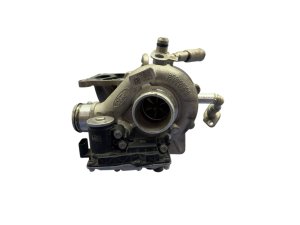
Used OEM Parts in Stock
New Aftermarket Parts Available



The information in this article is provided for general reference and educational purposes only. Vehicle specifications, procedures, and part compatibility can vary by production date, trim level, and region. Always consult your vehicle's factory service manual and verify part numbers before purchasing or performing repairs. Safety-critical components such as airbags, seat belts, and braking systems should be installed by a qualified professional.
- Ford RANGER:
- 🧭 Diagnostic Flowchart
- 🎬 Helpful Videos
- 🛍️ Shop This Part
- What's Unique About the 2019-2021 Ford Ranger
- Symptoms You May Notice
- Most Likely Causes
- Rare But Worth Checking
- Diagnosis Steps
- Parts You'll Likely Need
- Related Codes That Often Appear With This One
- Technical Service Bulletins (TSBs) & Recalls
- Platform-Specific Known Issues
- Mechanic-Grade Diagnostic Values
- Scan Tool Commands That Help
- Wiring & Ground Locations
- Real Owner Repair Stories
- "I Checked Everything" — The Actual Cause
- OEM Part Supersession History
- Model Year Variations Within This Range
- 🎟️ Get 5% Off